
Journal of Climate Change and Pollution
ISSN:
3108-2025 (Online)
DOI Prefix (Crossref): 10.67238
 Download PDF
ABSTRACT
Food crop production by small-holder farmers in Africa is particularly vulnerable to climate change, given high dependence on rainfall coupled with limited adaptive capacity. In Ethiopia, small-holder farmers contribute about 85% of national stable food requirements particularly maize, wheat’s, Degussa, and others crop. This paper attempted to establish levels of food security in each of the three agro-ecological zones of Ethiopia, and evaluated the current adaptive measures of rain-fed Agriculture and small-holder farmers against climate change risks. The challenges farmers are facing in adapting to the change risks were identified and livelihood vulnerability assessed. The findings indicate that rain-fed Agriculture and small-holder farmers in Ethiopia are highly vulnerable to weather related shocks which impact greatly on their food production; and that the levels of vulnerability vary across gender and per agro-ecological zone. After the evaluation of scenarios including staple food crop yields (maize), the authors conclude that most rain-fed small-holder farmers in Ethiopia (about 85%) are facing considerable hardships in adapting to the changing climate, which in turn, undermines their contribution to food security. While efforts by government have been made to assist farmers towards climate change adaptation, there still remains many challenges to achieve the desired outcomes. Most farmers (45%) are unable to afford certain alternatives, such as those of agro-forestry or conservation. Difficulties in accessing markets, poor road infrastructure, fluctuating market prices, high costs and late deliveries of farming in-puts were found to be among the major challenges that farmers are facing in Ethiopia. There are also no systematic early warning systems in place against natural hazards and disasters. This makes farming a difficult undertaking in Ethiopia
Keywords: Small Hold Farmers; Adaptation; Rain Dependent; Natural Hazards
INTRODUCTION
The global climate change and the associated weather extremes continued posing considerable challenge both on developed and developing countries. Climate induced food shortages and chronic diseases affected billions of people in developing countries (IPCC, 2007). Although climate has mainly affected developing countries, the developed countries have not also been immune from its devastating impact either. Geographical location and topography leads the country to be vulnerable to rainfall variability. The strong interannual and inter-decadal variability in rainfall makers difficult to detect long term trends in the country. There is not statistically significant trend in observed mean rainfall in any season between, CSA 2000-2018. Rainfall variability is the major source of risk for farmers who depend on rain-fed- crop production.
Africa is also sensitive to climatic hazards, as its people are mainly dependent on natural resources for their livelihoods such as agriculture, pastoralist and fishing [1]. Environmental stressors, thus, place a large proportion of the population at risk of adverse outcomes [2]. Agriculture is the most important sector in sub-Saharan Africa, but it is predicted to be negatively impacted by climate change. Climate Change and Food Security in Sub-Saharan Africa; it is clear that climate change will bring about substantial welfare losses especially for small holder’s farmers, whose main source of livelihood derives from rain-fed agriculture [3].
Ethiopia is especially vulnerably of climate change because of its geographical coverage and complexity, low income and low of-self-reliance on climate sensitive economic sectors particularly rain-fed agriculture and pastoralist [4]. The IPCC’s fifth report indicates that future climate change will lead to an increase in climate inconsistency and in the frequency and intensity frequency and intensity of extreme events in Africa including Ethiopia [5]. There are two important rains seasons in Ethiopia- the ‘Kiremt’ and ‘belge’. The Kiremt rains usually begin in March and May in South West and advancing northwards affecting most of the country from July through September. The Kiremt rain constitutes about 90% of the crop production harvested during October–December [6]. Historically the country has been prone to extreme weather variability. Major droughts that led to dreadful famines and floods struck different parts of the country [7]. Though climate change poses devastating impacts in both developed and developing countries, the developed world are not committing their pledges to reduce GHG emission, however. As a result, fixing the global temperature below 2oC by 2020 is less likely to be achieved in the years to come [8]. Ethiopia is one of the most vulnerable countries to climate variability. The agriculture sector which contributes more than 45% of GDP, 80% to labor force and 85% to foreign exchange earnings is highly susceptible to climate change. More than 95% of crop production which is rainfall dependent has been produced by small holders and subsistent farmers who have less capacity to adaptation of climate change [9]. On the other hand, Ethiopia’s contribution to the global greenhouse gases emission (GHG) is limited due to its lower economic activity. Climate change affects the production and productivity of the crop sector by decreasing soil fertility, increasing pests and crop diseases and aggravating lack of access to inputs and improved seeds and frequent drought and floods due to low irrigation scheme, poverty, high population pressure, lack of institutional capacity to adaptation. Like any other developing countries, Ethiopia has two independent options to respond to climate change mitigation and adaptation. Given the low level of industry sector, mitigation would not suit to Ethiopia for it deters the growth spurs that has registered in the last few years. Instead, adaptation measures such as use of different crop varieties, tree planting, soil conservation, early and late planting, initiative of Green legacy program and use of irrigation should be taken by farmers to adapt to climate change. Therefore, the objective of the study is to asses and reviews the major impacts of climate change on crop production in Ethiopia. Within countries, poor individuals tend to live in areas with greater exposure to weather and climate shocks, to work in occupations more vulnerable to them, and to have less ability to adapt. In fact, most projections indicate that climate change will push an additional 32 million to 132 million people into extreme poverty by 2030. IPCC. 2007. New Assessment Methods and the Characterization of Future Conditions: In Climate change 2007: Impacts, adaptation and vulnerability, Contribution of working group II to the fourth assessment report of the Intergovernmental panel on climate change.
Vulnerable Groups to Climate Change in Ethiopia
According to Assefa, small- scale, rain fed, subsistence farmers and pastoralists are the most vulnerable groups to climate changes in Ethiopia [1]. They also indicated that climate change impacted regions differently. Regions with arid, semi-arid, and dry sub humid low lands are more vulnerable but low lands have been found less vulnerable to climate change. Diversification of livelihoods, migration, nonfarm activities, and sales of assets, settlement and resettlement activities, and the adoption of improved water management system are few measures that have been taken by households to the impact of climate change. Similarly, Mahmud have studied the different impact of climate change adaptation on food production. Farm households who have adapted to climate change have better food production level than farm households that did otherwise. According to them significant share of farmers perceived the mean temperature of Ethiopia has increased over the past 20 years. Thus, farmers have taken a number of adaptation measures including changing crop varieties, adapting soil and water conservation measures, harvesting water and planning trees and changing planting and harvesting periods. Access to information to future change in climate variability, access to agricultural extension and credit services are determinants that made difference on farmers to take adaptation measures. According to World Bank’s climate projections model, global warming leads to rainfall variability with a rising frequency of both severe flooding and droughts. Economy-wide impacts of climate change studied by the World Bank indicated that the GDP losses are significant. Vulnerability of Ethiopian agriculture and infrastructure to the climate shocks of the future. Climate change brings about increased weather variability, which translates into large swings in the growth rate of agricultural GDP. The objective of the study is to asses and reviews the major Climate Change Adaptation and Vulnerability: A Case of Rain-fed Agriculture and Small-Holder Farmers in Selected Districts in Halaba, Kembata, Hadiya, Gurage and Silte Zone, in Central Ethiopia.
Objectives
General objective Climate Change Adaptation and Vulnerability: A Case of Rain-fed
Agriculture and Small-Holder Farmers in Selected Districts in Halaba, Kembata, Hadiya, Gurage and Silte Zone, in Central Ethiopia
Specific Objectives more Specifically the Study is Aimed To
- Identify more vulnerable social groups to climate change in the study area.
- Investigate the perception and adaptation vulnerability of small holder farmers towards climate change in Central Ethiopia.
Literature Review
Global Impacts of Climate Change
The intergovernmental Panel on Climate Change (IPCC) defines climate change as the change in the state of the climate that can be identified by changes in the mean and/or the variability of its properties, and that persists for an extended period. Climate change effects include among other things i.e. sea level rise, changes in the intensity, timing and spatial distribution of precipitation, changes in temperature and the frequency, intensity and duration of extreme climate events such as droughts, floods, and tropical storms. The issue of climate change and its impacts on livelihood has been well documented by different researchers globally, thus a number of forums such as the Conference of Parties (COP) have been created where delegates from all over the World sit down and share ideas on climate change and its effects. The IPCC asserts that climate change will have severe effects on the environment, especially water availability, agriculture and food security, human health, and biodiversity. Since the IPCC’s first report in 1990, assessed temperature projections have suggested global average temperature is increased between 0.15 and 0.3oC per decade. Greenhouse gas emission could be raised globally 25–90% by 2030 and temperatures could be increased by 3% by the year 2050 (IPCC, 2007). It is further predicted that even with a small temperature rise of 1-2.5%, the consequences could still be severe, exerting far-reaching impacts on the livelihood of manypeople.
Africa is already a continent under pressure from climate stresses and is highly vulnerable to the impacts of climate change. It is estimated that one third of African people already live in drought-prone areas and that 220 million are exposed to drought each year. African countries are prone to greater impacts of climate change and variability partly because they often lack adaptive capacity. Africa is particularly vulnerable to climate change because a large proportion of the population resides in rural areas and is heavily dependent on climate-sensitive livelihoods such as rainfed-agriculture, and on water and non-timber forest products. Many factors are reported to be contributing to the current impacts of climate variability in Africa and they include poverty, illiteracy and lack of skills, weak institutions, absence of irrigation system, limited infrastructure, lack of technology and information, low levels of primary education and health care, poor access to resources, low management capabilities and armed conflicts. Over exploitation of land resources including forests, increase in population, desertification and land degradation are said to be posing some additional threat. According to the FAO, in Africa by 2020, between 75 and 250 million people are projected to be exposed to increased water stress due to climate change [10]. Towards the end of the 21st century, projected sea level rise will affect low lying coastal areas with large populations with the cost of adaptation estimated at 5 to 10% of GDP. Africa is vulnerable to a number of climate sensitive diseases including malaria, tuberculosis and diarrhea. It is further reported that future climate variability will also interact with other stresses and vulnerabilities such as HIV and AIDS resulting in increased susceptibility and risk to infectious diseases such as cholera and diarrhea and malnutrition for adults and children Ethiopia is vulnerable to climatic variability due to its low adaptive capacity, low socioeconomic development, high population growth, inadequate infrastructure, lack of institutional capacity and high dependence on climate sensitive natural resource-based activities [11].
Conceptual Frameworks
The study aimed at examining climate change and vulnerability trend, determining Climate Change Adaptation and Vulnerability: A Case of Rain-fed Agriculture and Small-Holder Farmers in Selected Districts in Halaba, Kembata, Hadiya, Gurage and Silte Zone, in Central Ethiopia, establishing household food security status and evaluating effectiveness of crop production in the study area. The independent variable is climate variability (rainfall and temperature), natural and anthropogenic (human) drivers and social factor (awareness gap, skill; gap and less trend to mitigation and adaptation practice) and environmental change are dependent variables such variables assume to affect food security. This can lead to seasonal crop failure and long-term production problem, leading to low yields and food insecurity. Climate variability as well can affect food access in a way that, as agricultural produce decreases, food prices shoot, and the purchasing power reduces. Environmental change in this case involves the extreme weather events such as droughts, and floods.
Climate change and Vulnerability
- Natural Disaster and Climate Variability
- Shocking of Climate Change
- Decreasing of Adaptive Capacity
- Exposure of Sensitivity
- Sensitivity Score for District
- Decreasing of Resilience
- Increasing of LVI (Livelihood Vulnerability Index)
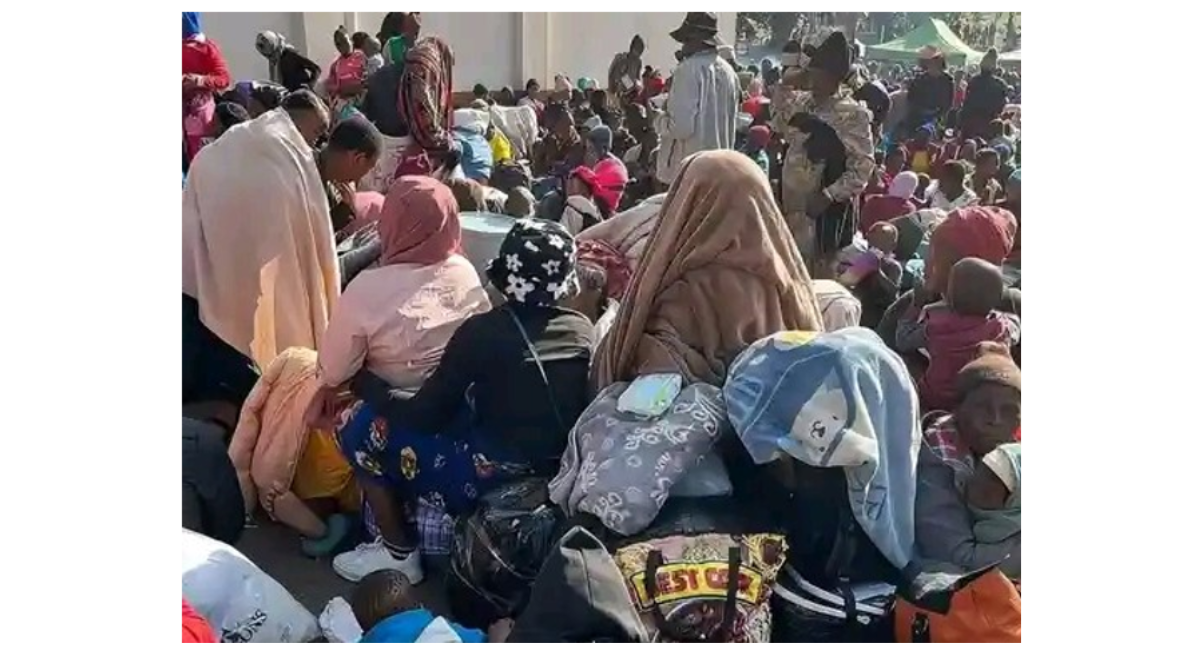
Figure 1: Climate Change and Vulnerability in Study Areas
MATERIALS AND MERHODS
Household Survey
A total of 240 small-holder farmers were sampled and interviewed (based on availability and gender), 85 % from each agro-ecological zone, and 25 from each selected district of Central Ethiopia such as Halaba, Hadiya, kembeta, Gurage and Silte. Farmers’ post-harvest survey on the yields of the main food crop (maize) was also conducted to establish levels of food availability and security in each of the sampled community. Indicators of adaptation were also investigated, and these were three-fold; namely, choice of crops (drought resistant, cash crop, or early maturating variety), and farming practices (crop rotation, agro-forestry/conservation) and crop mix or diversification. This study was conducted in the post-harvest period of June-July both for 2013, and 2014. Two assessments were made; the first one was in 2013, while the second assessment was done at the same time but in the following year, i.e., June and July of 2014. This was meant to obtain food crop yield data for two consecutive years and established indicative and meaning levels of food security in households in the study districts. In the second assessment, same households inter-viewed in the previous year were located and interviewed on their yield. All households (farmers) interviewed in the first phase were available and interviewed in the second phase.
Data was processed and analyzed using SPSS V16 software. Using this software, data ( i.e., responses from interviews and staple food crop yields) were entered and organized on scale either as parametric (numeric, e.g., age of respondent, rainfall, temperature, amount of crop yields, house hold size etc.) or non-parametric (ordinal or coded, e.g., marital status, gender, adaptation status, farming method etc.) for each of the respondent. With many modeling options of this software, it is possible to process, obtain and display or visualize specific information such as frequency tables, graphs, correlations and test for levels of significance for data sets.
Climate Change Adaptation and Vulnerability: A Case of Rain-fed Agriculture and Small-Holder Farmers in Selected Districts in Halaba, Kembata, Hadiya, Gurage and Silte Zone, in Central Ethiopia.
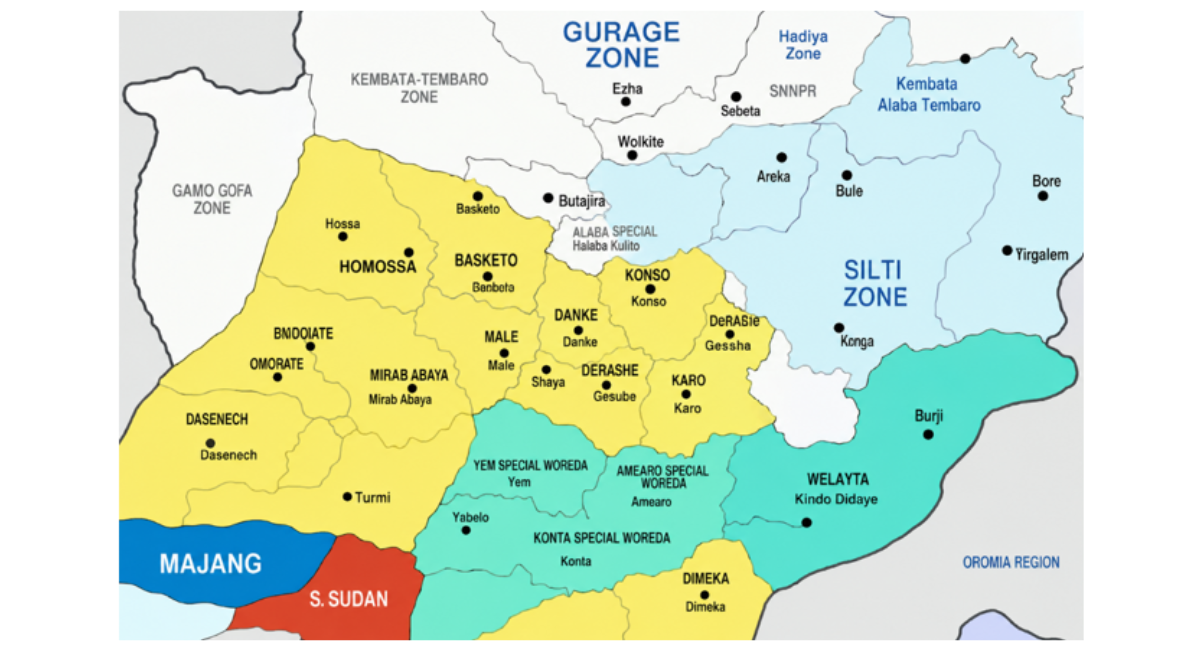
Figure 2: Map of Study Areas
The common agro-ecological climate zone is divided in to three; these are Dega 5%, Woina Dega 35 % and Kola 65%. Regarding of topographic features of central Ethiopia is consists of 8 % is mountainous; 27% is slope or undulated land and 65 % is total area is plain levels.
Climate Change and Displacement of People: Conceptual Connections
Climate change in itself does not directly displace people. Rather climate change may produce environmental effects which make it difficult for people to survive where they are. On a conceptual level, there are several possible ways to model the impact of climate change on the displacement of people.
- Climate change causes an increase in the number and severity of sudden-onset natural disasters which in turn displace people such as drought, shortage of rain fall, Hurricanes, floods and volcanic eruptions, for example, occur suddenly, forcing people to leave their communities in order to escape the destruction. If they remained where they were, they would face an immediate risk of losing their lives. As discussed below, this model seems to have the most empirical backing. Those displaced by sudden-onset natural disasters who remain within the borders of their own country are internally displaced persons (IDPs) while those who cross international borders as a direct result of natural disasters are considered to be migrants.
- Climate change has specific long-term environmental effects over time such as desertification and other changes in weather patterns (sometimes referred to as slow onset disasters), which means that people’s livelihoods are no longer sustainable and they are forced to migrate to other places. (e.g. Sahel).
Also, as argued below, this model is the most difficult to assess because the relationship between environmental change, poverty, population growth and displacement is a complex one. People make decisions over time to leave their communities for a complex interplay of reasons and, it is difficult – actually so far, impossible -- to single out the impact of the environmental effects of climate change on these decisions. At the present time, those who leave because they cannot sustain their livelihoods are considered to be migrants (internal or international).
- Climate change has environmental effects which lead to increased conflict over resources which in turn displace people. (e.g. Darfur) While this model makes intuitive sense, it is difficult to ascribe the particular contribution of environmental factors to conflicts which usually have causes that are more complex than simply competition for scarce resources. In any event, people fleeing conflict are considered as either IDPs or (usually) treated as refugees when they cross an international border in developing countries or often as international migrants when they seek entry into developed countries.
- Climate change causes environmental effects to which the government responds inappropriately, forcing people to leave their communities (e.g. Ethiopia 1984-85), As the literature on famine illustrates, it is rare that an environmental change is solely responsible for famine. Rather famine usually results from interplay of poor environmental conditions, inadequate governmental policies, and poverty, often exacerbated by existing social or ethnic conflict. People displaced by this combination of factors are either IDPs or often treated as refugees, though they may not have this legal status.
- Climate change causes negative, long-term environmental effects which the government/international community tries to alleviate by means of large-scale development projects. The construction of these projects in turn displaces people. While this also makes intuitive sense, further research would be needed in order to show a relationship between climate change and specific environmental effects which lead governments to embark on large-scale development projects which displace people. In particular, the relative impact of environmental effects and population growth needs assessment. Virtually all of those who are displaced by large-scale development projects are IDPs. Martin, Susan F. 2013. “Environmental Change and Migration: What We Know.
Climate Change and Displacement: Evidence
Most of those writing about climate change and displacement argue that climate change has effects on the environment which force people to leave their homes. But there is little consensus about the types of environmental effects caused by climate change which contribute to displacement. Jeffrey Sachs writes that: Climate changes affect crop productivity through changes in temperature, rainfall, river flows and pest abundance. Droughts and floods are becoming more frequent. Tropical diseases such as malaria are experiencing a wider range of transmission. Extreme weather events such as high-intensity hurricanes in the Caribbean and typhoons in the Pacific are becoming more likely. Changes in river flow already threaten hydroelectric power, biodiversity, and large-scale irrigation. Rising sea levels in the coming decades may inundate coastal communities and drastically worsen storm surges. According to my study area impact of climate change and increasing of the vulnerability because of Ethiopia is still now depend on rain-fed agriculture. But also, recurrent drought and shortage of rain fall, case of increasing of vulnerability, the peoples boost to decide to displacement or migration.
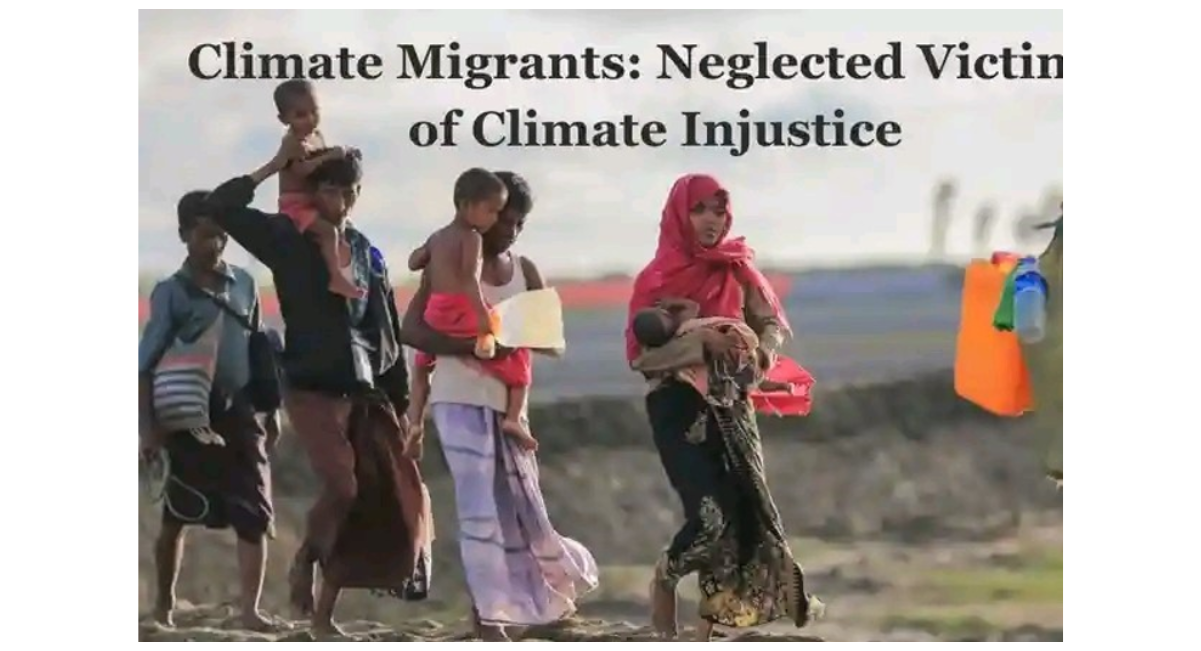
Figure 3: Indicating of Climate Change and Exposure to Migration
Ethiopia’s agricultural sector is faced with many challenges which have impacts on its overall productivity. These challenges are either directly or indirectly contributing to climate change impacts on the environment. The challenges include; vulnerability, food in security, migration, low level of irrigation farming, chemical usage in crop production, herdsmen-farmers clash, communal clashes, land degradation resulting from high cost price of inflation and exploitation. These are, limited financing, high post-harvest losses and poor access to markets CSA [12].
Calculating Livelihood Vulnerability Index (LVI)
For the purposes of this paper, only three main components (food, natural disaster/climate variability, and social demographics) were used. Each main component has sub-components, explanation, some questions or source of information and potential limitations. The LVI was developed from literature, specifically from ideas in using a balanced mean approach where sub-components contribute equality to the overall index even if each main component may have a different number of sub-components. The LVI formula uses the simple approach of applying equal weights to all components. However, because each of the sub-components may be measured with different scales, standardizing each sub-component to an index is required. The equation used for this purpose is adopted from the idea of Human Development Index:
where Sd is the original sub-component for district d, and Smin and Smax are the minimum and maximum values respectively for each sub-component determined using data from all both community districts in each agro ecological zone. After each subcomponent was standardized using Equation (2). Main components comprising vulnerability index after for results) the sub-components were averaged to obtain the value of each main component.
Where Md = one of the main components for district d [food, Livelihood Strategies (LS), Social Demographic
Profile (SDP), and Natural Disasters and Climate Variability (NDCV)]. Catalog esdi represents the sub-components, indexed by i, that make up each main component, while n is the number of sub-components in each main component. Once values for each of the main components for a given district communities were calculated, they were averaged using Equation (3) to obtain the district-level LVI: Thus:
Where LVI d, the Livelihood Vulnerability Index for district d, equals the weighted average of the three major components. The weights of each major component, Wmi, were determined by the number of sub-components that make up each major component and are included to ensure that all sub components contribute equally to the overall LVI.
The following model can also be used:
Where CFd is an IPCC defined contributing factor (exposure, sensitivity, or adaptive capacity) for district d, Mdi are the main components for district d indexed by i, Wmi is the weight of each main component, and n is the number of main components in each contributing factor. Once exposure, sensitivity, and adaptive capacity were calculated, the three contributing factors were combined using the following equation:
where LVI-IPCC dis the LVI for a given district, d expressed using the IPCC vulnerability framework, and e is the calculated exposure score for district d (equivalent to the Natural Disaster and Climate Variability main component), and a is the calculated adaptive capacity score for district d weighted average of the Livelihood Strategies (LS); s is the calculated sensitivity score for district d (weighted average of food main components).
LVI-IPCC was scaled from −1 (least vulnerable) to 1 (most vulnerable).
|
No |
Natural factors |
Consequence |
Human factors |
Consequences |
|
Climate change |
Change of rain fall |
Rapid population growth |
Socio-economic problem |
|
|
Flood/ erosion |
Lack of humus soils |
Deforestation |
Depleting forest |
|
|
High temperature |
Rise of sea level |
Overgrazing |
Degrading land |
|
|
Desertification |
-Absence crop & animals |
Environment degradation |
-environment by human activities |
Table 1: Causes of Livelihood and Vulnerability of Climate Change in Study Areas
Ethiopia is very vulnerable to climate change and It is not immune to this. The sectors that are sensitive to climate change and climate variability in Ethiopia include water resources, rain-fed-agriculture and food security, natural resources and biodiversity, and health. Over the years Ethiopia, has suffered from many climate change impacts such as droughts, change in rainfall patterns and increasing temperatures.
|
No |
Category |
Sampled frequency |
Percentage |
|
1 |
Small-holder farmers were sampled and interviewed in selected district areas in Central Ethiopia |
||
|
Halaba |
48 |
20 |
|
|
Kembata |
44 |
18.3 |
|
|
Gurage |
53 |
22 |
|
|
Hadiya |
54 |
22.5 |
|
|
Silte |
43 |
18 |
|
|
Total |
240 |
100 |
|
|
2 |
Main categorize and impact of climate changes in livelihood vulnerability of study areas |
||
|
Seasonal Fluctuation of rainfall |
60 |
25 |
|
|
High temperature |
28 |
11.6 |
|
|
Long drought |
31 |
13 |
|
|
Fall of Crop production |
65 |
27 |
|
|
Fall of livestock production |
62 |
25.8 |
|
|
Total |
240 |
100 |
|
|
3 |
Agro ecological zone |
||
|
Dega |
53 |
22 |
|
|
Woina Dega |
93 |
66.4 |
|
|
Qola |
87 |
36.25 |
|
|
Bereha |
7 |
3 |
|
|
Total |
240 |
100 |
Table 2: The Most Vulnerable Livelihood of Climate Change in Central Ethiopia
According to this, vulnerability of climate change may increase rapid onset disasters by greater climate variability , i.e. increase in the frequency and/or severity of natural hazards such as intense desertification, heavy rainfall, long and deep drought periods etc. and the respective impacts. Climate change also may cause long term slow onset change in the project region such as changes in mean average, maximum and minimum temperatures, and changes in precipitation amount, onset, duration, and geographic distribution. These changes contribute to follow-on impacts such as sea level rise, changes in water availability and its timing, and changes in crop yields.
RESULTS
Food Crop Production
Food crop production in Ethiopia like in much of Sub-Saharan Africa is dominated by small-scale farmers who mainly practice rain-fed agriculture and are usually subsidized. Subsidized inputs or input transfers are a social protection mechanism or intervention to boost production-based entitlements. This approach is concerned with tackling vulnerability by raising yields and outputs in agriculture through the use of improved inputs, crop diversity, and enhanced cultivation practices. The agricultural extension system has been used for more than two decades to support small-holder farmers. According to the role of national agricultural extension systems over the last thirty years in Ethiopia has been mainly to promote the high productivity through the hybrid programs of staple food crops (especially maize) coupled with highly subsidized fertilizer distribution. The underlying assumption was that this would help solve the smallholder agriculture challenges and promote food security. However, increases in the frequency and severity of droughts (and floods in some instance) have continued to hit Ethiopia from the late 1980s and these have posed serious challenges for rain-fed dependent small-holder farmers. This probably, is just the beginning of the more severe challenges to come, as current climate change predictions for most tropical regions (of which Ethiopia lies) indicate a reduction in mean annual precipitation of about 20% by 2050. In general, the extreme climatic events in form of droughts or floods which have already been experienced in many parts of the world over the last few decades are expected to intensify by the year 2050. Confounding the climate change scenario over the last couple of decades in Ethiopia has been the economic structural adjustment and reform programs (SAP) that eventually led to an infamous term “Highly Indebted Poor Countries” (HIPC). These economic structural adjustments as many critics have argued at length, have tended to increase poverty levels emanating from massive job losses, and the reduction in social spending in such key sectors as agriculture, health and education. Similarly, a series of droughts in the late 1980s to the early 1990s (with the removal of subsidies and reduced social spending to achieve HIPC completion point) left many smallholder farmers facing significant hardships. In the process, small-holder rain dependent farmers have found themselves being forced to adapt their farming systems while the national agricultural extension system.
Table 2 categorization of main components Vulnerability of climate change has found itself unable to meet this relatively sudden but huge demand. This has led to a growing self-inquiry by government about how the sector might be reformed in order to become relevant in an era in which it is increasingly important for government institutions to demonstrate effective performance for international financial support. In view of this, the Government of the of Ethiopia formulated and launched a ten-year National Agricultural Policy (2004-15) in 2005, and a four-year National Agricultural Investment Plan (2014-18) under the Comprehensive Africa Agriculture Development Programme (CAADP) in 2013. Furthermore, the Ethiopia Six National Development Plan was revised in 2013 to reflect CAADP strategies of enhancing sustainable development and food security.
Consequently, and in line with the Ethiopian government’s plans and policies on agricultural development, a Conservation Agriculture Scaling-Up (CASU) Project was officially launched on 4 th March 2014 by the Food and Agriculture Organization of the United Nations (FAO) in partnership with the Ministry of Agriculture and Livestock (MAL). The 4-year project (2013-2017)’s main focus is to contribute to reducing hunger, improve food security, nutrition and income for small and medium holder farmers while promoting sustainable use of natural resources. This project is implemented in 31 districts across 10 provinces of Ethiopia and is funded by European Union (EU) through the Tenth European Development Fund (EDF) costing about €11 m and is jointly implemented by FAO and MAL. It is anticipated that a total of 21,000 Lead Farmers and an additional 315,000 Follower Farmers of which at least 40% are women will benefit from this initiative.
Under CASU, from the current 250,000, about 600,000 more small-holder farmers are targeted for conservation agriculture adoption by the year 2015. FAO’s role in this project is to provide technical, logistical and op-erational support and serves as a liaison between MAL and various partners involved in Conservation Agricultural activities. FDRE Government of Ethiopia imitative of the Green legacy campaign inspired National wide.
Green legacy is the most important role of sustainable environment, food security, regulating air, beauty of environment, conservation of environments and prevention of soil erosion. Economic consequences of climate change, impacts on the agricultural sector.
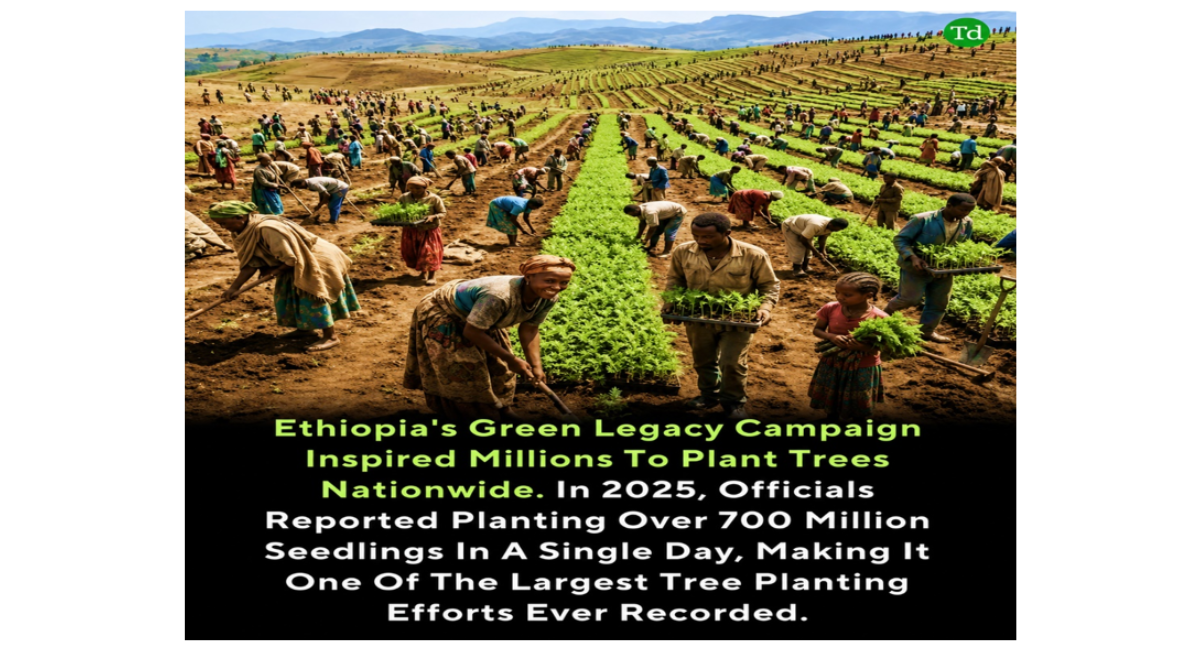
Figure 4: Adaptation and Green Legacy in Study Areas
Adaptation
Results show that only 30% of the interviewed farmers were practicing some recommended adaptation farming approaches ( i.e. practicing conservation farming combined with crop mix selection based on early maturing varieties drought resistant and intercropping). 55% were found not to practice any adaptation farming techniques However, there were more farmers who had adopted drought resistant crops such as cotton, and in agro-ecological Zone I, than in Zone II and III. The planting of drought resistant crops like cotton and cassava is an opportunity farmer can use to inter-crop with leguminous plants (e.g. cowpeas and groundnuts) and increase crop yield. This could contribute to the farmers ‘incomes. Martin, Susan F. “Climate Change, Migration and Adaptation” The German Marshall Fund of the United States, 2010
Combined adaptation status in all the agro-ecological zones across gender are shown in Overall the results show that more women had adapted to changing of climatic conditions than men. Adaptation indicators identified here included adoption of early maturing maize varieties, conservation farming methods, crop mix and rotation. However, men on average had higher maize crop yields than women overall in spite of men not adopting new methods.
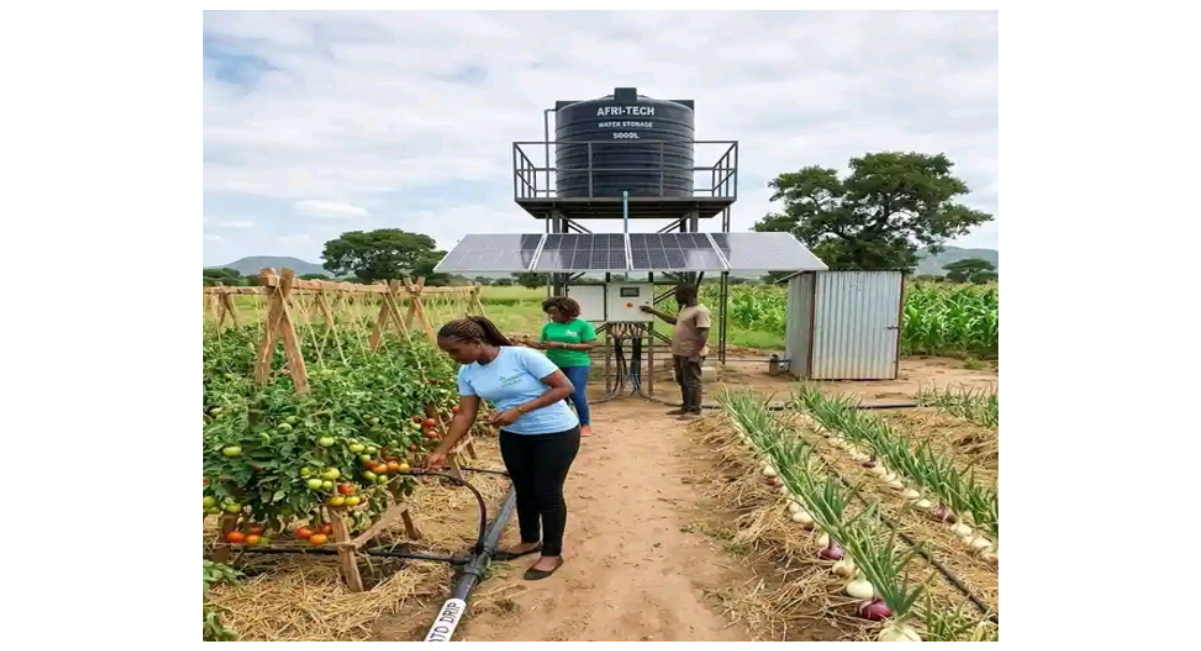
Figure 5: Women Had Adapted to Changing of Climatic Conditions
This scenario may be attributed to traditional practices in which case women have no adequate access to livelihood assets like land, loans, ploughs and animal draft power. In most tribes in Ethiopia, women have less right over land ownership than men, yet due to socio-cultural practices and socio-economic practice, women that have the responsibility over the daily welfare of the households in spite of little access to disposable income.
Gender Disparities
Findings show that wide gender disparities do exist in all the three agro-ecological zones investigated. Women have no exclusive rights over land ownership. In all the three agro-ecological zones, it was found that women headed households had the lowest yield on average, yet most of the homes were found to be entirely headed by women, especially in Zone I where men were found to have either left in search of fertile land and enough rain-fall further north and never returned (probably climate refugees) or had found an urban job, or have simply passed on. Findings have also shown that although there are fewer male headed households in agro-ecological Zone I (interviewed), overall, men’s food crop yield was more than that of women in-spite the fact that men are almost half the number of women interviewed in the zone. These findings are consistent with observations: that although women are at the center of running homes in Africa, access to land ownership, and access to agricultural support services is still lagging behind and this makes women headed households more vulnerable to hunger and poverty than those headed by men. Difficulties in accessing land, markets and farm in-puts disadvantages the women headed households than those headed by men. Overall the results show that more women had adapted to changing of climatic conditions than men. Adaptation indicators identified here included adoption of early maturing maize varieties, conservation farming methods, crop mix and rotation. However, men on average had higher maize crop yields than women overall in spite of men not adopting new methods. This strategy seeks to avoid risks of total crop failure rather than maximizing yields of one particular crop. In the study area, Women’s are the best methods of crop diversification. Women’s is widespread method of adaptation response of small holder farmers. Because some crop resists the climate change effects sufficiently than others. The previous study also confirms this finding in the same season could be associated with lower expenses and ease of farmer access [13]. Legesse B noted that crop diversification, soil and water conservation, and water harvesting practices were commonly used climate change adaptation and resist strategies in many parts of Ethiopia [2]. Breanne, A. Climate change and variability impacts on agricultural productivity and food security [14].
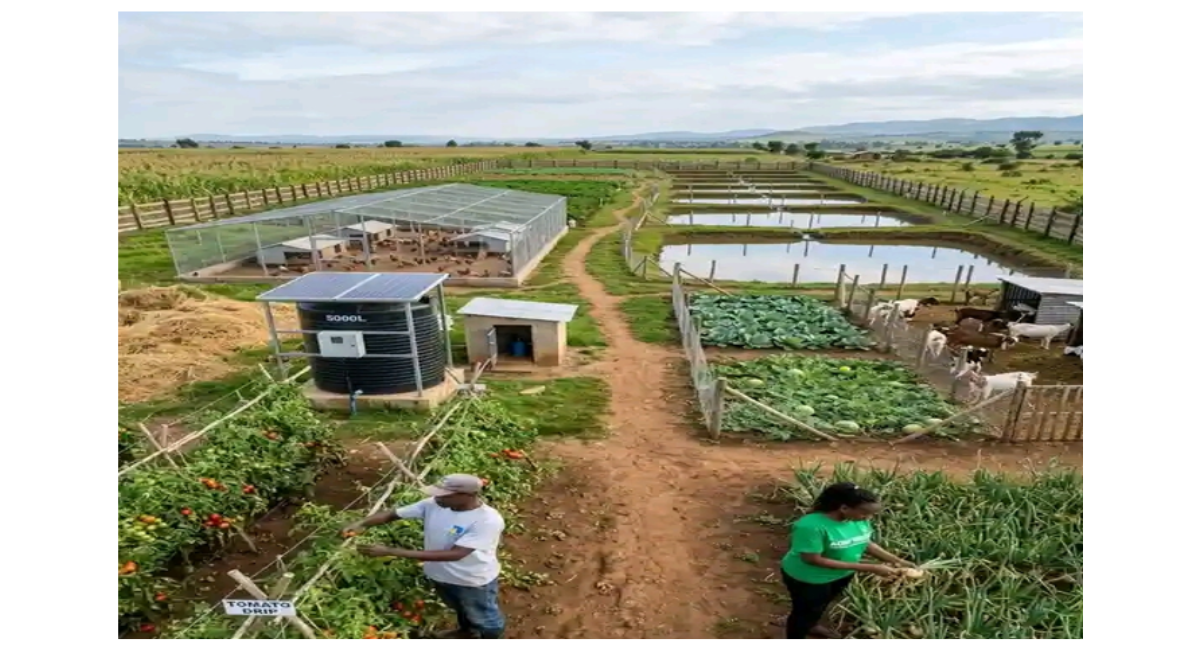
Figure 6: Women Had Adapted to Changing of Climatic Resistant and Diversification Crops Harvesting Mechanism
Food Security
Results have clearly shown that there are very few smallholder rain dependent farmers who yielded above 1.5 tones (one and half tones) in the period under investigation in all the agro-ecological zones except for Zone III. The food crop yield averages around one tonne while the distribution is skewed towards low food crop yield values.
Comparing with average households’ size which was found to be around 8 people per house, one ton per year is not enough to see such a family size through to the next season. Basically, this means that there is food insecurity in Ethiopia as most households do not have access to adequate food throughout the year; or to last till the next harvest. The problem is the seasonal fluctuation of rain fall and lack of understanding of climate change. “Women, Food Security and Climate Change: Building Women Farmers’ Solidarity and Capacities.” Women’s Earth Alliance and Gorakhpur Environmental Action Group. (2012).
According to findings from FGDs and KIIs, households in the study area received advice from extension agents to diversify their crops are important of ensuring of food security.
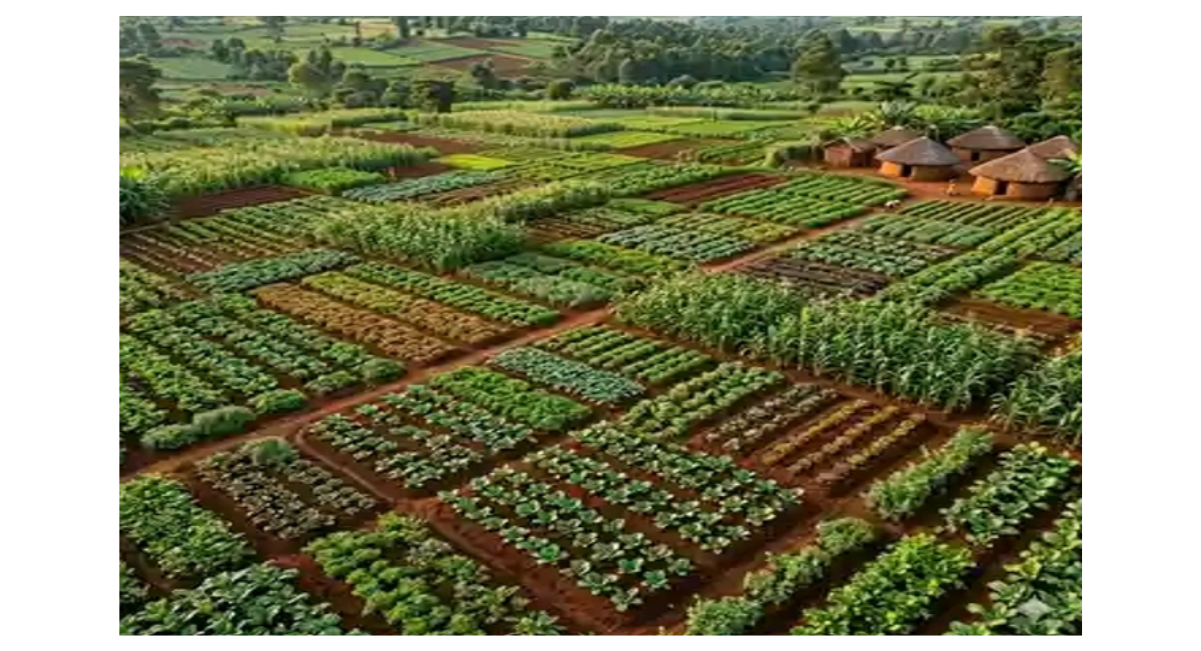
Figure 7:Farmers Harvesting for Diversify in Food Crops of Study Areas
“Weldearegay and Tedla Agric & Food Security Shortage of feed [15]. At last, victim people are fleeing to market due to failure of self-sufficiency, break of formal system support, no employment opportunities then famine will happen. Food availability decline is an attribute of environmental tribulations, population growth, political instabilities, poorly conceived developmental policies and fluctuation in food prices. It is also caused by natural disasters, and other socioeconomic factors, which emaciate household food security situation coupled with weak household asset accumulation. The improving food consumption female and men are headed households’ great roles of further technology to do by ensuring of food security. This study will further identify the coping strategies and expand to diversified crop production in intensive farming systems. Employed implication in the study area determine by the self-sufficient food program and independent for dependency from food insecurity.
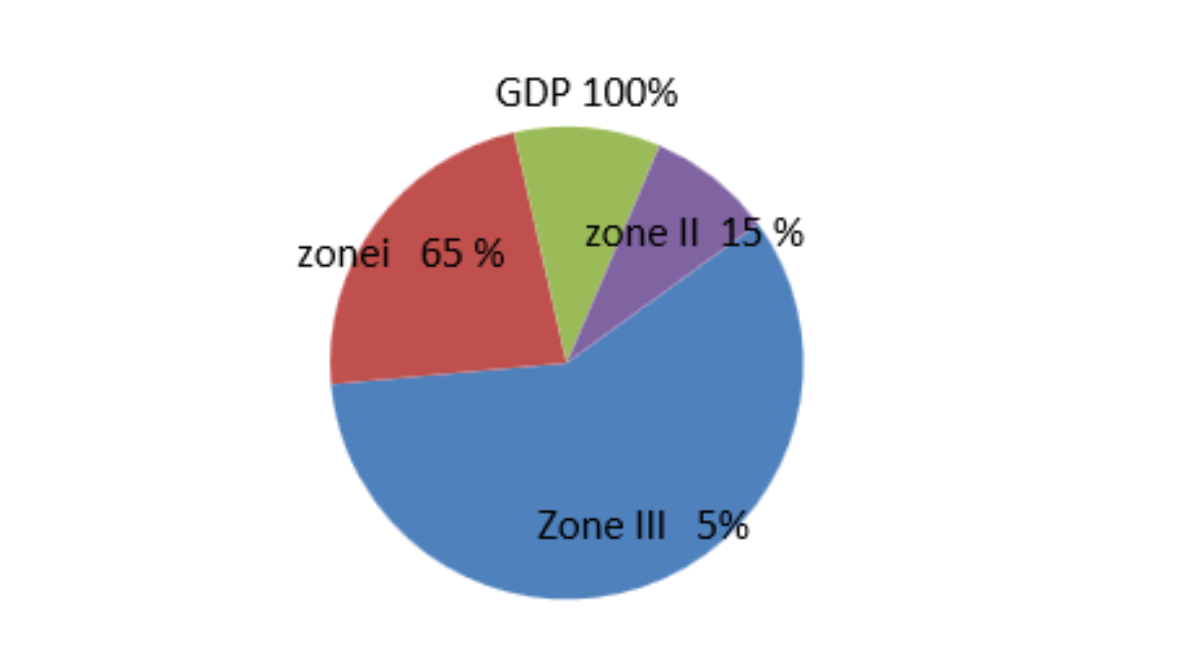
Figure 8: More Pronounced in Agro-Ecological Zone I, II and III as Shown In Figure
Ethiopia is one of poorest countries of Africa because still it depends on rain-fed agriculture. So that it is occupied under of the Absolute poverty.
Market Access of Produces
This was ranked by the interviewed as the biggest challenge confounding climate change adaptation among small-holder rain dependent farmers in Ethiopia. In the event farmers have harvested more than enough for their food production fluctuation [16].
Consumption and want to sell the excess so that they can buy inputs for the next season, market accessibility has proved a serious challenge. In the end, farmers sell their maize at give-away prices to local businessmen who themselves sell to the millers in the cities at better price after the crop is graded and appropriately packaged. In some cases, some farmers have found themselves being swindled and not been paid for their maize “sold” to unscrupulous buyers.
|
S.No |
Under of vulnerable livelihoods |
Frequency |
Percentage |
|
1 |
Women’s |
67 |
27.9 |
|
2 |
Children |
47 |
19.5 |
|
3 |
Laborers |
44 |
18.3 |
|
4 |
Disables |
40 |
16.6 |
|
5 |
Young boys |
42 |
17.5 |
|
Total |
240 |
100 |
Table 3: Vulnerable Group of Climate Change in Study Areas
In FGD session one of the respondents said the following:
In much of the area including my study areas women are still engaged in traditional roles as mothers and family caregivers. Men may be able to migrate for economic opportunities, but women are more likely to remain home to care for children elderly or sick family members. Climate change has a significant impact on securing household water, food, and fuel activities that usually are the responsibility of women and girls. In times of drought and erratic rainfall, women and girls must walk farther and spend more of their time collecting water and fuel. Girls may have to drop out of school to help their mothers with these tasks, continuing the cycle of poverty and inequity. Changing climates also affect the health of crops and livestock, and women, who are often responsible for producing the food eaten at home, must work harder for less food. Disable man is not resist& move to search orotundity, laborers as the chance to gain daily livelihood but its limited by climate change and difficult to work burdens [17].
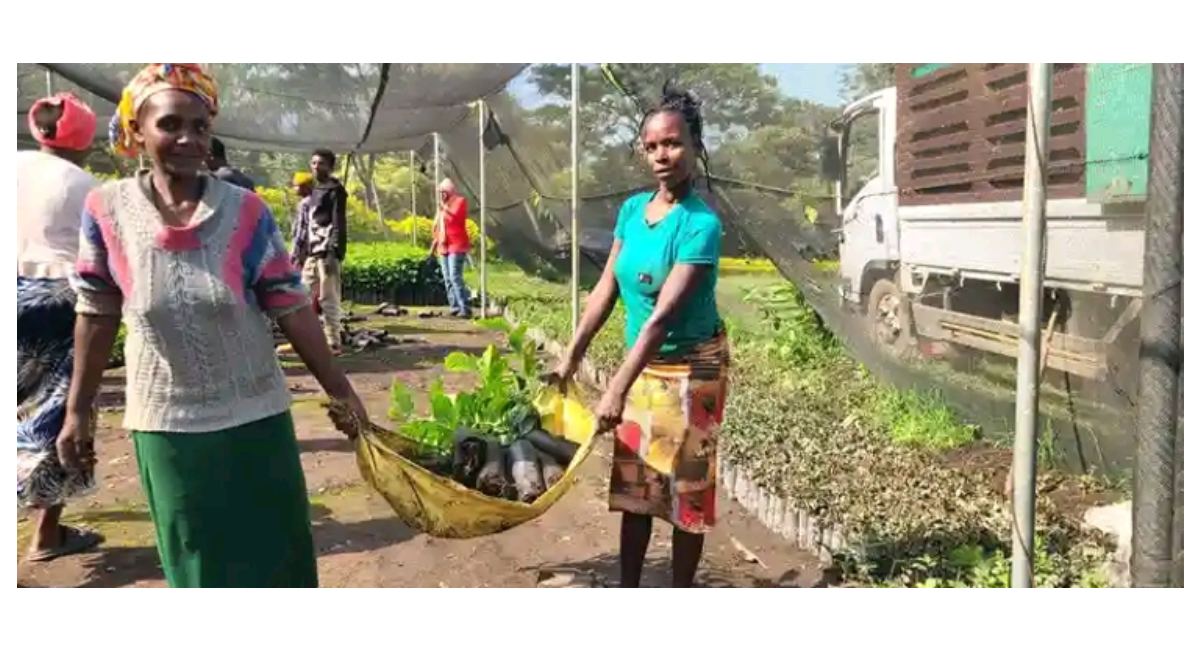
Figure 9: Women, Disabled and Children Disproportionate Work in Case of Climate Change
Poor Road Infrastructure
Related to market access, findings show that poor road infrastructure has hindered movements and the flow of farm produces to markets, and in-put requirements such as seed and fertilizers to farmers. Most roads in study areas in agro-ecological Zone I and II are impassable and those that may be passable have been found to have poor bridges. This has tended to hinder rural farmers from accessing urban markets particularly in Central regional state. In-stead, buyers have tended to follow rural farmers and end up determining the prices for the produce. Currently, with the focus on road upgrading under the Pave Ethiopia-2000 and Link Ethiopia-8000 Projects, many rural roads may receive some facelifts including bridges. This might facilitate the ease and speedy flow of fresh farm produce to markets and in-put resources to farmers [18].
Fluctuating Market Prices
This is one of the major setbacks to sustainable small-holding agriculture. Determined by market force supply and demand, fluctuating market prices coupled with unstable local currency value are major hindering factors to sustainable agriculture in Ethiopia. Since rural farmers do not have effective safe storage facilities of their produce, coupled with poor post-harvest handling of their produce, maize is offloaded on the market by farmers at the same time, in which case supply surpasses demand. This lowers per unit cost of maize and farmers cannot recover the production costs in many instances. Findings have also established that in last three years, farmers have not determined the selling price cost of maize: Government through the Food Reserve Agency (FRA) and the millers who are the ultimate buyers determine the selling price. Also, due to poor storage and preservation of the maize yields by rural farmers, some of the stored maize usually goes bad before the turn of the year leaving most farmers vulnerable to hunger [19].
Late Deliveries of Farming In-Puts
Findings have revealed that late delivery of in-puts such as seed, fertilizers and chemicals confounded by poor road infrastructure (especially in the study districts in agro-ecological Zones I and III, in Central Ethiopia makes it difficult for farmers to implement a sustainable agriculture business. Initial inputs such as seed and fertilizers are delivered late and when they are delivered, they are available at costs usually beyond the reach of an average rural farmer. Consequently, farmers cannot plan their planting season in good time.
Deforestation
The deforestation problem in Ethiopia is real though its distribution is marked with differing magnitudes. Due to poor soils that are increasingly becoming acidic and underlain with hard pan, cutting down trees in forests for agricultural land by local people is common practicing in central Ethiopia. Although quantitative estimations on the rate of forest cover loss is beyond this paper, observations revealed that trees in agro-ecological Zone I is being wiped out at a faster rate, contrary to the global level deforestation rates which according to, have reduced because of need of additional farm land. With low rainfall pattern in this zone, poor regeneration of trees is evident and chances that this zone turns into an arid environment within the next 30 years are high. According to Agro-ecological zone is slowly expanding others towards into agro-ecological Zone II, because this area is one of densely populated region of Ethiopia. Mainly due to forest depletion for agricultural land, coupled with changing climatic conditions real. Findings revealed that some small-scale farmers originally from agro-ecological Zone I, have migrated and are now farming in agro-ecological Zone II and III. These climate refugees are looking for fertile land with enough rainfall and may be contributing to the expanding deforestation practice for farmland in Zones II and III. Deforestation lowers carbon sink and provides a negative feedback to climate change. World in Transition: Climate Change as a Security Risk. German Advisory Council on Global Change, 2007, access to food and populations are positive relation [20].
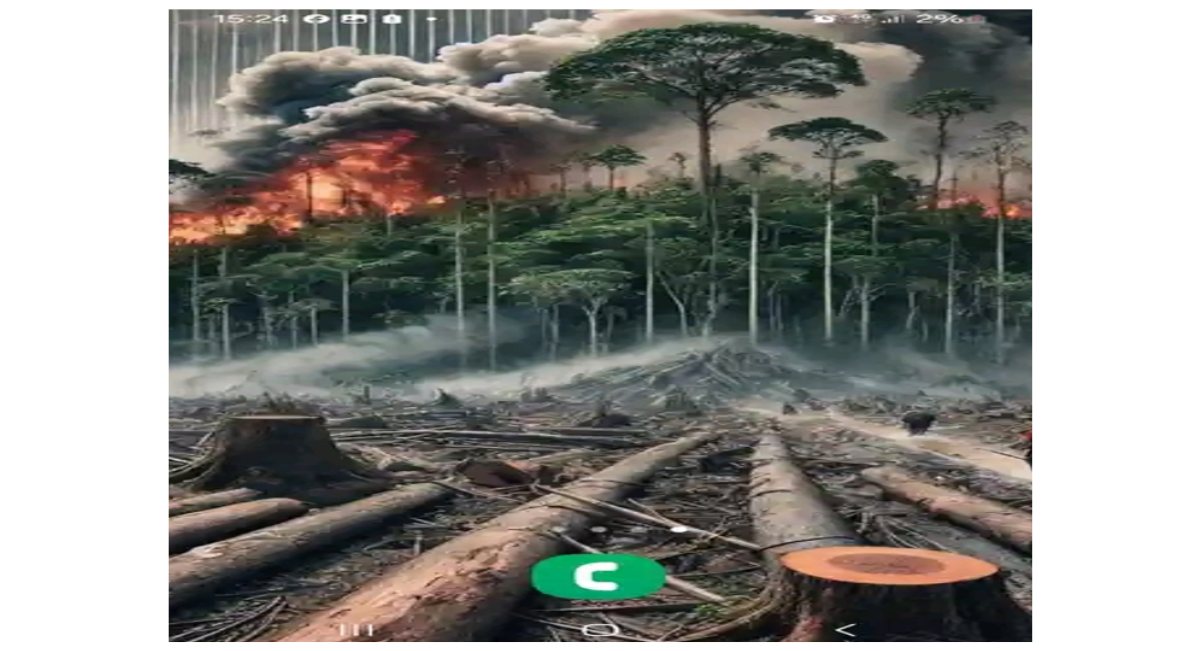
Figure 10: Deforestation and Burning Forest
Livelihood vulnerability
The meaning of livelihood vulnerability being referred to in this paper is limited to the inability of rain dependent small-holder farmers to produce enough to satisfy their family’s food consumption needs. Vulnerability is a concept that has been used in different research traditions and originates from natural hazards and disaster studies in geography. Depending on the research area, it has been applied exclusively to the societal subsystem, to the ecological, natural, or biophysical subsystem. Vulnerability is most often conceptualized as being constituted by components that include exposure to perturbations or external stresses, sensitivity to perturbation, and the capacity to adapt. Like resilience, vulnerability is generally viewed as being specific to perturbations that impinge on the system. Food crop production in Nigeria. II. Potential effects of climate change [5].
As evidenced by the results, agro-ecological Zone I is the most highly vulnerable to climate change risks, with a Livelihood Vulnerability Index (LVI) of 0.149, followed by Zone III and Zone II with LVIs of −0.098 and −0.0059 respectively. However, the latter two zones are not as vulnerable as initially believed. These yielded negative LVIs. LVI-IPCC scales from −1 (least vulnerable) to 1 (most vulnerable). However, the reasons for such a level of vulnerability in Zone I may be explained by low rainfall, as well as poor road infrastructure which indirectly influences accessibility to farm in-puts and market for farm produces. Zone II being close to the line of rail, is the least vulnerable among the zones and have easy access to in-puts, markets while probably engaging in other livelihood activities i.e. diversification of livelihood activities.
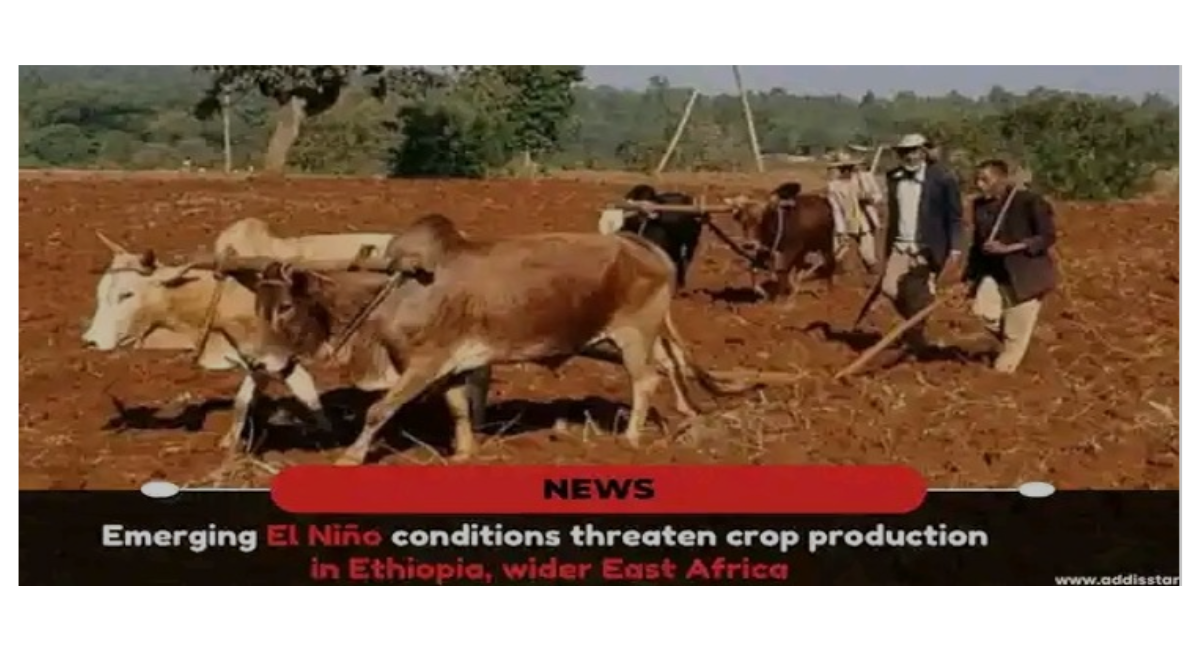
Figure 11: Of Zone I Farmers Harvesting for Struggle for Food Security
Farmers always with in vulnerable to socio-economic life, because of farmers challenging of many natural factors, such as climate change, late of rain fall, drought, floods and others factors to resisting to doing in 15 th oxen ploughed by uncomfortable for his life.
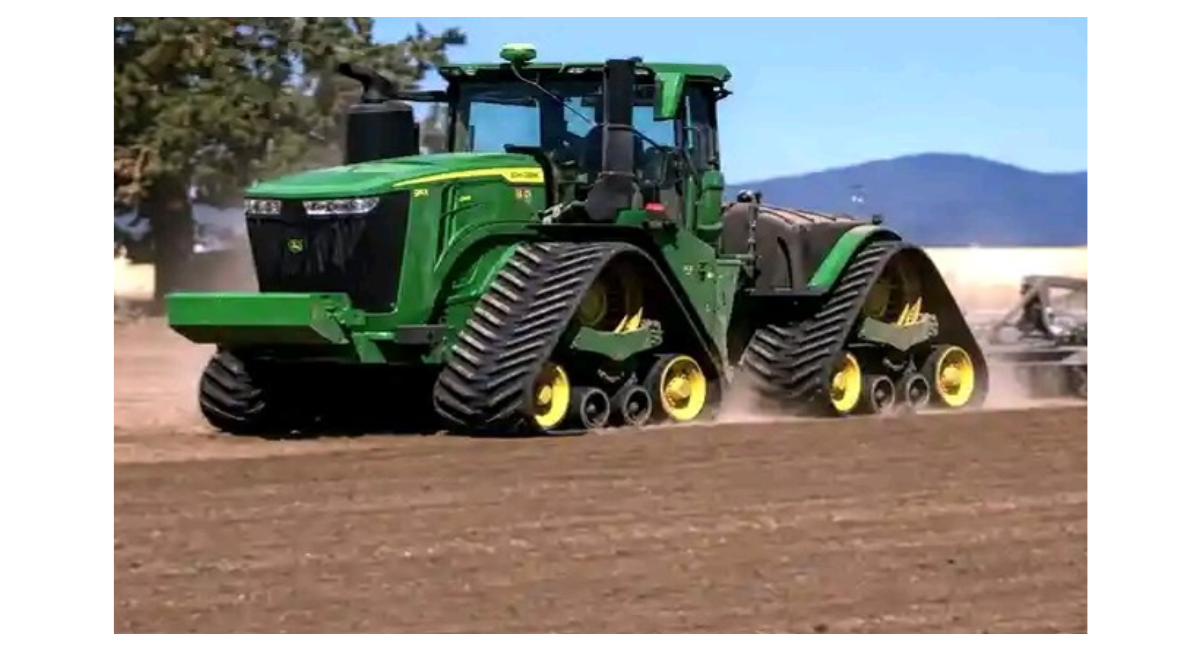
Figure 12: Zone of Zone II Farmers Mechanized Harvesting for Ensuring for Food Security
Ethiopia is one of the poorest country in Africa, because of it is still use as traditional farming system. In study areas as agro-ecological in to three Zone I Zone II and Zone III. In the case of study areas as condition of Impact of climate change and which zone is more affecting of climate change, small hold farmers and rain-fed agriculture. But also Zone II and Zone III are better and best of the resistant of the climate because booths are integrating of use as mechanized and efficiency energy [13].
Farmers always effort to climate change and improving modern agricultural mechanism by reducing of the vulnerable socio-economic life, because of farmers challenging of many natural factors, such as food insecurity, seasonal fluctuation, late of seed and fertilization, climate change, late of rain fall, drought, floods and others factors. Zone II farmers to change of knowledge and skills of agricultural mechanism, but also its rather than Zone I agriculture system because of Zone II, is well resisting of adaptation system and water and soil conservation. Farmers ensuring food security, developing adaptive capacity, resilience of climate change and adaptation. It also to doing by modernization machine and in 21 skills performance.
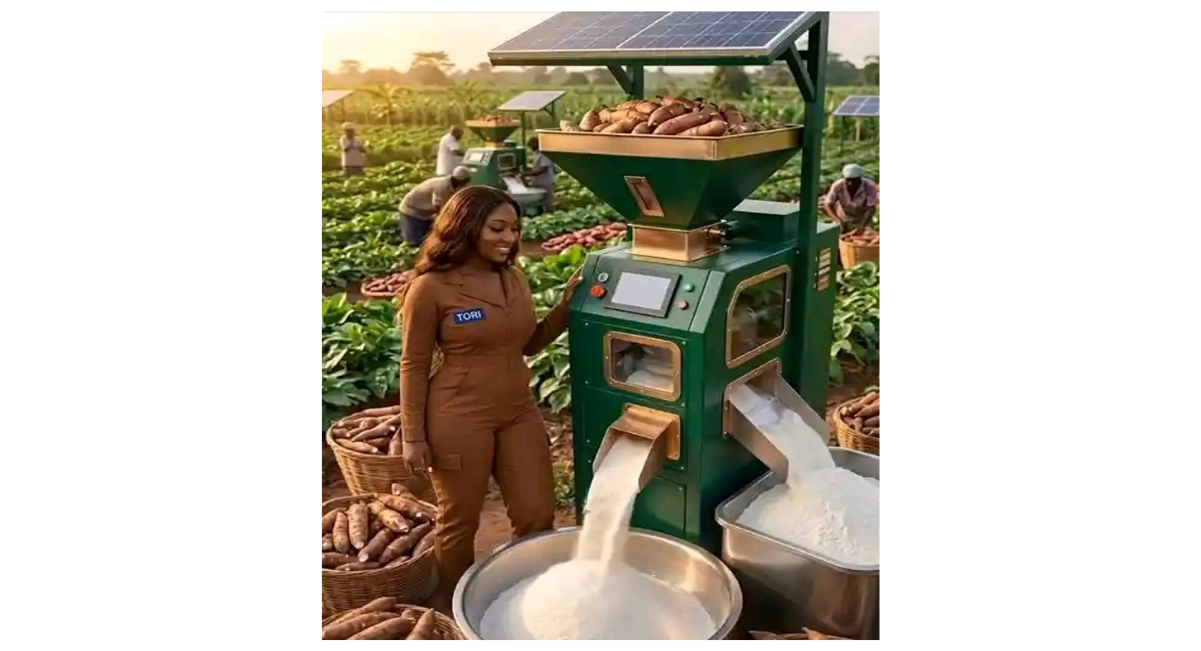
Figure 13: Zone of Zone III Farmers Supply Raw-Materials to Manufacturing Industy For Ensuring for Sustainable Consumption
Farmers Zone III farmers ensuring food security for beyond that supply raw-materials to manufacturing industry. These zones are good energy efficiency and mitigation. Zone III are most important to combating of climate change and improving modern agro-industrial process. This mechanism is reducing of vulnerable socio-economic life and ensuring sustainable food consumption. Farmers turn to without vulnerability of climate change with to doing by modern mechanized machine energy efficiency and in 21 the century skills and knowledge performance [9].
|
Frequency |
% |
|||
|
agro-ecological I |
women headed households more vulnerable to hunger and poverty 65 % rain fed agriculture Populated region Deforestation Need to new farm land Intensive farming (LVI) of 0.149 1 Most vulnerable livelihood Oxen plough |
158 |
65.8 |
|
|
agro-ecological Zone II |
Adaptation farming techniques Based on early maturing varieties drought resistant and intercropping 15 % LVIs of −0.098 Least vulnerable Tractor farming Ensuring food security |
53 |
22 |
|
|
agro-ecological Zone III |
widespread method of adaptation response of small holder farmers crop diversification, soil and water conservation Irrigation Mitigation Farmers supply to raw-materials 5% LVIs of −0.0059 To use Machine & efficiency energy Sustainable food consumption No vulnerable |
29 |
12 |
|
|
240 |
100 |
Table 4: Agro-Ecological Zone I, II And III and GDP Agro-Economic Classification
CONCLUSION
Following the evaluation of scenarios including staple food crop yields (maize), it is correct to conclude that most rain-dependent small-holder farmers in Ethiopia are facing considerable hardships in adapting to the changing climate. The main hardship being faced bordered on accessing markets, poor road infrastructure, fluctuating market prices, animal disease, high costs and late deliveries of farming in-puts. Food insecurity does exist in the studied areas and that this was far worse in Zone I than Zone II and III. Food insecurity disparities across households based on gender are also evident. The female gender headed households were found to be more vulnerable than those headed by the opposite gender. While efforts by government have been made to assist farmers towards adaptation for food security through extension projects, there are still some challenges to achieve desired outcomes as evident in this study. Many farmers are still unable to afford certain alternatives such as agro-forestry or conservation farming techniques. Animal diseases (especially foot and mouth on cattle and swine fever on pigs) and lack of access to systematic and timely veterinary support has made animal raring difficult especially in agro-ecological Zone I. Restocking and disease resistant animals such as donkeys have been distributed but donkeys have been rejected in agro-ecological Zone I. This is because the people in this zone culturally value cattle more than any other animal: a herd of cattle is considered to be a symbol of great wealth. Conversely, difficulties in accessing markets, poor road infrastructure, fluctuating market prices, high costs and late deliveries of farming in-puts are confounding challenges farmers are facing in all the agro-ecological zones. Similarly, because of gender-based inequalities in accessing critical livelihood assets (e.g. land, credit, technology, information and market), findings have clearly shown that women are less likely to recover from the effects of climate change risks. Since women manage most rural households, especially in Zone I, their lack of access to livelihood assets and credit facilities weaken capacity to adapt to climate change risks. This confounds the existing challenges in food security, poverty reduction and environmental protection. These findings are consistent with much of the literature on the vulnerability of women to climate change e.g. However, although in their early stages, programs to facilitate access to credit and land ownership by women have been introduced by NGOs and Ministry of Community Development, Mother and Child Health. Nevertheless, it is clear, that changes in climatic conditions can scale up massive sufferings from hunger, malnutrition, disease and extreme poverty in rural communities, because these people generally lack the necessary adaptive capacities to cope with even slight changes in climate.
As evidenced by the findings in this study, the focus of many agricultural extension programs in Ethiopia has mainly been to increase yield, assuming that climatic conditions would remain favorable. Thus, the observation made by was found to be correct: that most past and current adaptations efforts to climate variability and extremes, have tended to focus more on reactive adaptation (to climate change as it occurs), rather than anticipatory or planned adaptation (to reduce vulnerability to future climate change). For example, disaster management preparedness and early warning systems do not exist in Ethiopia, but only come into being after a disaster has occurred. There is critical lack of preparedness in Ethiopia. As argued by building adaptation and resilience to climate change for agrarian communities is very important for sustainable rural development. That is why governments and concerned non-government organizations must work together and take a quick and board action and revalue the small-scale farming enterprise as critical to environmental, social-cultural and economic well-being for sustainable rural development. This must be the defining triple-bottom-line approach to building climate change resilience. Extends this argument; that farmers across the world need to undertake continual adjustments to their properties’ physical capital, productive capacity and output, to adapt to an uncertain future climate. This is particularly important to farmers in drought hit zones with rapid social changes such as that of Ethiopia’s agro-ecological Zone I.
REFERENCES
- Tadesse W, Bishaw Z, Assefa S. Wheat production and breeding in Sub-Saharan Africa: Challenges and opportunities in the face of climate change. International Journal of Climate Change Strategies and Management. 2019;11(5):696-715. [Crossref] [Google Scholar]
- Ford JD, Berrang-Ford L, Paterson J. A systematic review of observed climate change adaptation in developed nations: A letter. Climatic change. 2011;106(2):327-36. [Crossref] [Google Scholar]
- Paulos Asrat PA, Belay Simane BS. Farmers' perception of climate change and adaptation strategies in the Dabus watershed, North-West Ethiopia. [Crossref] [Google Scholar]
- Fund M. International monetary fund. Publication Services. 2016. [Google Scholar]
- Niang I, Ruppel OC, Abdrabo MA, Essel A, Lennard C, Padgham J. Africa In: Barros VR, Field CB, Dokken DJ, Mastrandrea MD, Mach KJ, Bilir TE, et al., editors. Climate change 2014: impacts, adaptation, and vulnerability. Part B: regional aspects. Contribution of working Group II to the fifth assessment report of the Intergovernmental Panel on Climate Change. Cambridge, UK and New York, NY. Contribution of Working Group II to the fifth assessment report of the Intergovernmental Panel on Climate Change. 2014. [Google Scholar]
- Central Statistical Agency (CSA). Report on area and production of major crops (private peasant holdings, meher season). Agricultural Sample Survey 2014/15. 2015. [Google Scholar]
- Bank W. Ethiopia: Managing water resources to maximize sustainable growth (Report No 36000-ET). Washington, DC, World Bank. 2006. [Google Scholar]
- Parry ML, Canziani OF, Palutikof JP, van der Linden PJ, Hanson CE, editors. Climate Change 2007: Impacts, Adaptation and Vulnerability. Contribution of Working Group II to the Fourth Assessment Report of the Intergovernmental Panel on Climate Change . Cambridge: Cambridge University Press; 2007. [Google Scholar]
- Ababa A. Ethiopia: building on progress a Plan for Accelerated and Sustained Development to End Poverty (PASDEP). Ministry of Finance and Economic Development (MoFED). 2006. [Google Scholar]
- Food and Agriculture Organization of the United Nations (FAO). " Climate-Smart" Agriculture: Policies, Practices and Financing for Food Security, Adaption and Mitigation. Food and Agriculture Organization of the United Nations; 2010. [Google Scholar]
- McMichael AJ, editor . Climate change and human health: risks and responses. World Health Organization; 2003. [Google Scholar]
- Central Statistical Agency (CSA). Report on area and production of major crops (private peasant holdings, meher season). Agricultural Sample Survey 2014/15. 2015. [Google Scholar]
- Bang L, Kristensen UB, Wisting L, Stedal K, Garte M, Minde Å, Rø Ø. Presence of eating disorder symptoms in patients with obsessive-compulsive disorder. BMC psychiatry. 2020;20(1):36. [Google Scholar]
- Berhane A. Climate change and variability impacts on agricultural productivity and food security. Climate Weather Forecasting. 2018;6(240):2. [Google Scholar]
- Weldearegay SK, Tedla DG. Impact of climate variability on household food availability in Tigray, Ethiopia . Agric Food Secur. 2018;7:6. doi:10.1186/s40066-017-0154-0. [Google Scholar]
- Füssel HM. Vulnerability: A generally applicable conceptual framework for climate change research. Global environmental change. 2007;17(2):155-67. [Crossref] [Google Scholar]
- Kodamaya S. Agricultural policies and food security of smallholder farmers in Zambia. African Study Monographs. 2011;42:19-39. [Google Scholar]
- Gallopín GC. Linkages between vulnerability, resilience, and adaptive capacity. Global environmental change. 2006;16(3):293-303. [Crossref] [Google Scholar]
- Hahn M. The Livelihood Vulnerability Index: A Pragmatic Approach to Assessing Risks from Climate Variability and Change (Doctoral dissertation, Emory University). [Crossref] [Google Scholar]
- Martin, Susan F. “ Environmental Change and Migration: What We Know.” Migration Policy Institute Policy Brief, 2013. [Crossref] [Google Scholar]

Article Processing Timeline
| 2-5 Days | Initial Quality & Plagiarism Check |
| 25-35 Days |
Peer Review Feedback |
| 45-60 Days | Total article processing time |
EDITORIAL & PUBLICATION INFORMATION
| English | Publication Language |
| Single-Blind | Peer-Review Model |
| 17% | Acceptance Rate |
| <18% | Similarity Screening Guideline |
| Open Access | Access Model |
All manuscripts undergo editorial assessment and originality screening as part of the journal's evaluation process. The acceptance rate shown is based on journal-level editorial data and may change over time. Similarity reports are assessed editorially and are not interpreted solely on the basis of a numerical similarity score.
Why Publish with us?
Ethics & Policies
Editorial & Management
Useful Links
Journal Highlights
Open Access Journals
Journal Flyer