


Journal of Pediatric Medicine and Child Health
ISSN:
3108-2076 (Online)
DOI Prefix (Crossref): 10.67238
 Download PDF
ABSTRACT
Background
Screen time has become an increasingly important part of adolescent life in Bangladesh and may affect learning, behavior, sleep, and physical health [1–6]. Excessive or poorly supervised screen exposure has been associated with headaches, eye problems, sleep disturbance, sedentary behavior, and psychosocial difficulties [2–6].
Objective
This study aimed to assess screen time patterns and associated health and lifestyle effects among secondary school students in rural Bangladesh.
Methods
A cross-sectional study was conducted among secondary school students in a rural area of Bangladesh. Data were collected using a structured Bengali questionnaire covering daily screen time, purpose of use, educational use, outdoor activity, social media engagement, and health-related complaints. Students from classes 6 to 10 who used smartphones and consented to participate were included. Data were analyzed using SPSS version 26.
Results
Sixty students participated. The mean age was 15.43 years, ranging from 12 to 18 years, and 60% were male. Most participants reported 3–5 hours of daily screen time, while 21.67% reported more than 5 hours. Entertainment was the most common purpose of use (45%), followed by communication (36.67%) and studying (18.33%). Most students did not use screens for educational apps, and YouTube was the most common educational platform among users. The most frequently reported health problems were decreased concentration (63.33%), headaches (41.67%), eye problems (38.33%), poor academic performance (33.33%), lack of sleep (23.33%), and back pain (21.67%). Facebook and TikTok were the most widely used social media platforms. Half of the students spent less than one hour outdoors daily, and 65% reported being scolded by parents or teachers for screen use.
Conclusion
Screen time among rural secondary school students was dominated by entertainment and social interaction rather than academic use. The findings support the need for awareness programs that encourage balanced screen habits, improved supervision, and more physical activity.
Keywords: Screen time, secondary school students, rural Bangladesh, health effects, adolescent behavior
INTRODUCTION
Screen-based device use has become a major feature of adolescent life, affecting communication, education, and entertainment. In Bangladesh, greater access to mobile internet and digital platforms has increased screen exposure among school-going adolescents, including those in rural areas [1,2,4,5].
Screen time can be beneficial when used for educational purposes. Students may access online classes, digital textbooks, video lessons, and other learning materials through their devices. In rural settings, where educational resources may be limited, screen-based tools can help bridge gaps in access and support self-directed learning.
However, excessive screen time may also have harmful consequences. Prolonged screen exposure has been linked to distraction, lower academic engagement, headaches, eye strain, sleep disturbance, and sedentary behavior [2-6]. Among adolescents, these effects are particularly important because habits formed during school years may influence long-term physical and mental health.
Studies from Bangladesh have reported high levels of recreational screen use among adolescents and associations with sleep problems, reduced physical activity, and psychosocial difficulties [1,2,5,6]. Parental supervision may reduce some negative effects, whereas unsupervised screen use may worsen them [3]. In rural school settings, students may have limited guidance on how to use screens productively, which can increase the risk of misuse. Therefore, this study aimed to assess screen time patterns and related health and lifestyle effects among secondary school students in rural Bangladesh.
MATERIALS AND METHODS
This is a school-based cross-sectional study conducted among secondary school students in a rural area of Bangladesh. The study population consisted of students from classes 6 to 10 who used smartphones and were available and willing to participate during the data collection period.
A total of 60 students were selected from one secondary school using purposive non-random sampling. Although a larger sample size was initially estimated, the final sample was limited to 60 students due to time and field-level constraints. Therefore, the findings should be interpreted as preliminary evidence and may not be generalizable to all secondary school students in rural Bangladesh.
Data were collected using a structured questionnaire developed in Bengali to ensure better understanding among the respondents. The questionnaire included information on socio-demographic characteristics, including age, sex and class, as well as daily screen time, purpose of screen use, educational use, social media use, online gaming, outdoor physical activity, and self-reported health-related complaints such as headache, eye strain, sleep disturbance and reduced physical activity.
Before data collection, the purpose of the study was explained to the participants in simple language. Participation was voluntary, and confidentiality of the responses was maintained throughout the study. No personal identifying information was disclosed in the analysis or reporting.
The collected data were checked for completeness and entered into SPSS version 26 for analysis. Descriptive statistical methods were used to summarize the findings. Frequencies and percentages were calculated for categorical variables, while relevant summary statistics were used where applicable. The results were presented through tables and figures to describe screen-time patterns, purposes of device use, and associated health and lifestyle concerns among the students.
RESULTS
A total of 60 students participated in the study. The mean age was 15.43 years, with a range of 12 to 18 years. Male students accounted for 60% of the sample, while female students accounted for 40%. One-third of the participants were in class 10, followed by class 9.
Regarding daily screen time, 43.33% of students reported 3-5 hours per day, while 21.67% reported more than 5 hours daily. Only 6.67% reported less than 1 hour of screen time per day. The most common purpose of screen use was entertainment (45%), followed by communication (36.67%), while only 18.33% used screens mainly for studying.
Most students did not use screen-based apps for educational purposes. Among those who did, YouTube was the most commonly used educational platform, followed by Zoom, Ten Minute School, and ChatGPT. More than half of the students reported spending extra time outside studying.
The most frequently reported health problems were decreased concentration (63.33%), headaches (41.67%), eye problems (38.33%), poor academic performance (33.33%), lack of sleep (23.33%), and back pain (21.67%). Facebook and TikTok were the most widely used social media platforms. Online gaming was reported by 63.33% of participants.
Half of the students spent less than one hour outdoors daily and only 8.3% reported playing outdoors for more than 3 hours. About 65% of participants said they were scolded by parents or teachers about their screen use, while 35% reported no such reaction from family members or teachers.
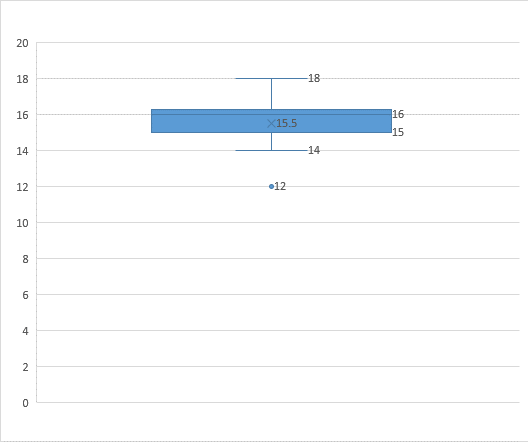
Figure 1: Age Distribution among Study Participants (N=60)
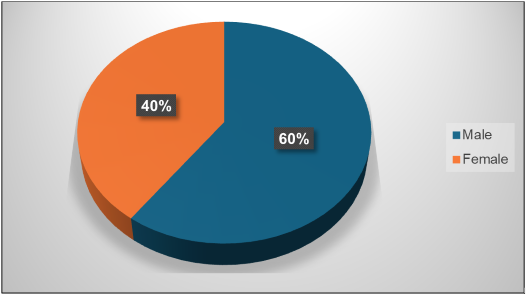
Figure 2: Gender Distribution among Study Participants (N=60)
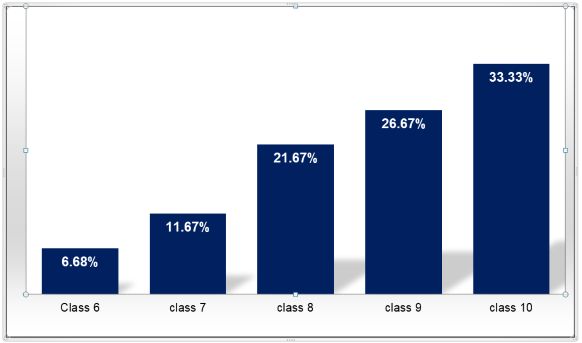
Figure 3: Distribution of Class among Study Participants (N=60)
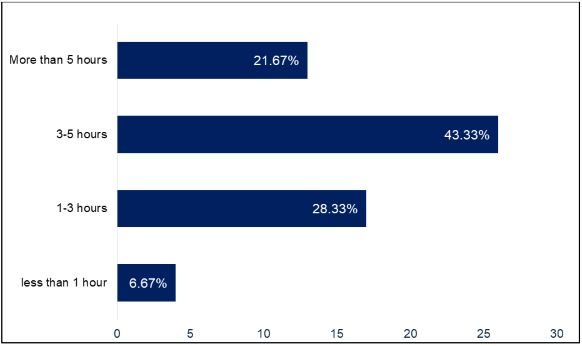
Figure 4: Daily Screen-Time among Study Participants (N=60)
|
Variable |
Category |
Number |
Percentage |
|
Purpose of use |
Studying |
11 |
18.33 |
|
Entertainment |
27 |
45 |
|
|
Communication |
22 |
36.67 |
|
|
Apps for online class |
No |
49 |
81.67 |
|
Yes |
11 |
18.33 |
|
|
Apps used for learning |
Zoom |
3 |
27.8 |
|
Ten Minute School |
2 |
22.2 |
|
|
YouTube |
5 |
27.8 |
|
|
ChatGPT |
1 |
5.6 |
|
|
Extra time spent outside study |
Yes |
33 |
55 |
|
No |
27 |
45 |
Table 1: Academic Uses of Screen Time among Study Participants (N=60)
|
Variable |
Category |
Percentage |
|
Online gaming |
Yes |
63.33 |
|
No |
36.67 |
|
|
Family and teacher opinion |
Don’t say anything |
35 |
|
Scold me |
65 |
|
|
Playing outdoors |
None |
8.3 |
|
<1 hour |
50 |
|
|
1–3 hours |
33.3 |
|
|
>3 hours |
8.3 |
Table 2: Social Impacts of Screen Time among Study Participants (N=60)
|
Category |
Response / App |
Number |
Percentage (%) |
|
Purpose of use |
Studying |
11 |
18.33 |
|
Entertainment |
27 |
45 |
|
|
Communication |
22 |
36.67 |
|
|
Apps for online class |
No |
49 |
81.67 |
|
Yes |
11 |
18.33 |
|
|
Online class apps used |
Zoom |
3 |
27.27 |
|
Ten Minute School |
2 |
18.18 |
|
|
YouTube |
5 |
45.45 |
|
|
ChatGPT |
1 |
9.09 |
|
|
Extra time spent outside study |
Yes |
33 |
55 |
|
No |
27 |
45 |
Table 3: Screen Time Used as Academic Purposes among Study Participants (N=60)
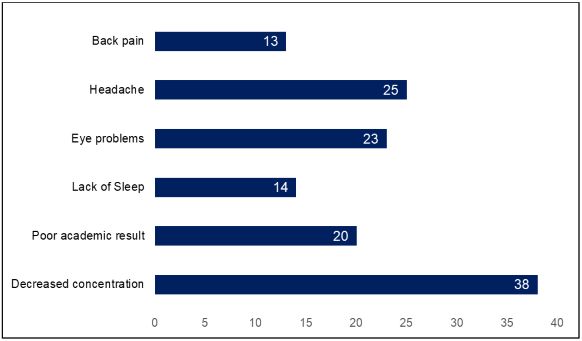
Figure 5: Health Impact of Screen time among Study Participants (N=60)
Adolescence is also a period of increasing autonomy, making parental supervision more complex than in younger children. Smartphones provide continuous access to social networking, entertainment, gaming, and educational resources, often within the same device. This creates opportunities for learning but also makes it difficult for students and families to distinguish productive from recreational use. In rural Bangladesh, digital technology may be particularly valuable because it can provide access to educational videos, online classes, and learning platforms that are not always readily available locally. At the same time, limited digital literacy and inadequate parental or school guidance may allow entertainment-oriented use to dominate [1,4,7].
Digital media exposure in adolescence should be understood as a multidimensional behavior rather than simply a measure of hours spent on a device. The same number of hours may represent very different experiences depending on whether the time is spent studying, communicating with family and peers, gaming, watching short-form videos, or using social media late at night. Contemporary pediatric guidance therefore emphasizes the quality, context, content, and consequences of digital media use, while also protecting sleep, physical activity, learning, and family interaction [10-10]. The American Academy of Pediatrics' updated policy statement similarly recommends moving beyond a single universal time limit toward a child-centered approach that considers developmental needs, family context, content quality, and displacement of healthy activities [10].
DISCUSSION
This study indicates that screen time among secondary school students in rural Bangladesh is substantial and is used mainly for entertainment and communication rather than education. Although screens can support learning, the findings suggest that their educational potential is not being fully used in this population [1,2,4].
The average age of the participants was 15.43 years, and most was male. A large proportion spent 3–5 hours or more per day on screens, showing that screen exposure has become a major part of daily routine. However, the relatively low proportion of study-related use suggests that much of this time may not contribute meaningfully to academic development.
The low use of educational apps is notable. Most students did not use screens for learning purposes, and only a small number used platforms such as YouTube, Zoom, Ten minute School, or ChatGPT. This may reflect limited digital literacy, weak guidance, or insufficient integration of technology into school learning. In rural settings, where academic support is often uneven, this represents a missed opportunity to improve learning through digital tools [1-4].
The high use of social media and gaming suggests that recreational screen use is dominating students’ time. Facebook and TikTok were especially popular, and most students reported online gaming. These habits may reduce time for study, sleep, and physical activity. Similar findings have been reported in Bangladesh, where recreational screen time is common among adolescents and is associated with unhealthy behaviors and psychosocial difficulties [1,2,5,6].
The reported health complaints are concerning. Decreased concentration, headaches, and eye problems were common, and many students also reported lack of sleep. These findings are consistent with prolonged screen exposure and poorly regulated use. Back pain and low outdoor activity further suggest a sedentary lifestyle, which may worsen physical health over time [2-6].
Another important finding is that 65% of students had been scolded by parents or teachers about screen use. This suggests that adults perceive the behavior as excessive or problematic. However, it may also reflect a lack of shared understanding about how screens can be used productively. Rather than relying only on restriction, families and schools may benefit from guidance on balanced and educational screen use [3].
The limited outdoor activity observed in this study is also a concern. Half of the students spent less than one hour outdoors daily, which may contribute to reduced physical fitness and less healthy routines. Combined with long screen time and gaming, this suggests a sedentary lifestyle that may have consequences for both physical and mental well-being. Evidence from Bangladesh also shows that unsupervised screen exposure is associated with poorer physical, mental, and social outcomes among school children [3-5].
Overall, the findings show that screen time among rural secondary school students is largely driven by entertainment, social media, and gaming, while educational use remains limited. This imbalance highlights the need for awareness programs, parental guidance, teacher involvement, and school-based digital literacy initiatives to promote healthier and more productive screen habits [1-6].
Importantly, screen exposure should not automatically be considered harmful. Educational videos, online classes, communication, creative activities, and access to social support can be valuable, particularly for students living in areas with fewer educational resources. The updated AAP framework emphasizes that digital media can support learning and well-being when the digital environment is designed around children's developmental needs and when healthy activities are protected [10]. The appropriate public-health goal is therefore balanced and purposeful use, not complete elimination of digital media.
The finding that 65% of students were scolded by parents or teachers indicates that adults were already concerned about students' screen use. However, repeated scolding without a negotiated plan may produce conflict without changing behavior. Evidence-informed approaches favor clear, consistent, developmentally appropriate rules combined with communication and positive modeling. The AAP recommends individualized family media plans, media-free times and places, protection of sleep, and active parental involvement rather than relying only on a fixed universal screen-time threshold [10]. In the Bangladeshi context, such approaches could be adapted to family resources, school schedules, internet availability, and cultural expectations.
The pattern of screen use in this study has implications for educational policy. Only 18.33% of students reported studying as the main purpose of screen use, and only 18.33% reported using apps for online classes. Among those who used educational platforms, YouTube was the most commonly reported resource, followed by Zoom, Ten Minute School, and ChatGPT. This suggests that access to technology alone does not guarantee educational benefit. Schools may need to provide structured digital-learning activities, teach students how to evaluate online information, and demonstrate how general-purpose platforms can be used responsibly for academic work. Digital literacy should include not only technical skills but also attention management, online safety, privacy, misinformation awareness, and responsible social-media behavior.
Back pain reported by 21.67% of participants provides another indication of the physical consequences of prolonged sedentary behavior. Smartphone and laptop use frequently involves prolonged neck flexion and unsupported sitting, particularly when students use devices on beds or floors. In adolescents, repeated static posture may contribute to musculoskeletal discomfort and may further discourage physical activity. Schools and families should therefore consider ergonomic education as part of digital-health counseling. Rather than focusing exclusively on reducing screen hours, students can be encouraged to change posture, take movement breaks, avoid prolonged continuous sitting, and incorporate regular outdoor activity.
Headache and eye complaints were also common, reported by 41.67% and 38.33% of students, respectively. These symptoms may reflect prolonged near-work, reduced blinking, sustained visual accommodation, poor viewing distance, inadequate lighting, or prolonged static posture. The present study did not clinically diagnose computer vision syndrome or measure refractive error, so these symptoms should be regarded as reported complaints rather than confirmed ocular disease. Nevertheless, the findings are consistent with emerging Bangladeshi evidence describing computer vision symptoms among schoolchildren [11]. Practical measures such as regular breaks, appropriate viewing distance, adequate lighting, outdoor activity, and timely eye assessment may reduce discomfort without requiring complete avoidance of digital devices.
The high prevalence of decreased concentration in this study (63.33%) deserves particular attention. Because the study was cross-sectional and concentration was self-reported, the finding should not be interpreted as evidence that screen time directly caused impaired attention. Nevertheless, it is biologically and behaviorally plausible that frequent notifications, multitasking, rapid switching between applications, and entertainment media may compete with sustained attention required for studying. Recent AAP guidance notes that excessive digital media exposure is associated with weaker attention control and lower academic achievement, while emphasizing that the relationships are complex and influenced by individual and environmental factors [10]. Future studies in Bangladesh should therefore assess screen duration together with timing, content, multitasking, sleep, and objective academic indicators [12-14].
Sleep is another important pathway through which screen exposure may influence adolescent health. In the current study, 23.33% of students reported lack of sleep. Previous systematic reviews have demonstrated an association between screen-based media use and poorer sleep outcomes, particularly when devices are used close to bedtime or kept in the bedroom [14-15]. Social media and gaming may also encourage prolonged engagement because of notifications, emotionally stimulating content, and the tendency to continue activities beyond the intended stopping time. Sleep restriction can in turn impair attention, memory, mood, and school functioning, potentially creating a cycle in which poor concentration leads to poorer academic performance and further stress [16-21].
The present findings also need to be interpreted within the broader concept of displacement. Screen exposure becomes particularly concerning when it replaces sleep, outdoor activity, face-to-face interaction, homework, or family time. In this study, half of the participants reported less than one hour of outdoor activity per day, while 63.33% reported online gaming. These findings suggest that prolonged screen use may be part of a wider sedentary lifestyle rather than an isolated behavior. The WHO recommends that children and adolescents aged 5–17 years achieve an average of at least 60 minutes of moderate-to-vigorous physical activity per day and limit sedentary behavior, particularly recreational screen time [22]. Although the present study did not measure physical activity objectively, the low reported outdoor activity provides an important signal for school and community-based interventions.
CONCLUSION
Screen time is a major part of daily life for secondary school students in rural Bangladesh, but it is used mainly for entertainment and social interaction rather than education. The study found high levels of decreased concentration, headaches, eye problems, and low outdoor activity, suggesting that excessive or unbalanced screen exposure may be affecting both health and lifestyle. Promoting responsible screen use, encouraging educational applications, and increasing awareness among students, parents, and teachers are important steps toward healthier digital habits.
Taken together, the findings suggest that the main concern is not simply the presence of screen use but an imbalance between recreational digital activity and essential developmental activities. Students who spend several hours on screens should still have adequate opportunities for sleep, physical activity, study, social interaction, and outdoor recreation. Because the current study identified substantial recreational use, frequent gaming, low outdoor activity, and multiple self-reported health complaints, schools and families should prioritize balanced digital routines and early recognition of problematic use. Interventions should emphasize practical behavior change rather than punishment, with attention to educational opportunities and the realities of rural adolescents' digital lives.
LIMITATIONS
This study had several limitations. The sample size was small and purposive, so the findings cannot be generalized broadly. The study was cross-sectional, so causal relationships could not be established. Academic performance was not measured directly, and psychological effects were not explored in depth. Socioeconomic factors were also not included.
ETHICAL CONSIDERATIONS
Ethical approval was obtained from the BIAM Foundation, Dhaka, before the study began. The participants were informed about the purpose of the study, and confidentiality of all information was maintained.
DECLARATION OF CONFLICTING INTERESTS
The authors declared no conflict of interest.
REFERENCES
- Khan A, Burton NW. Screen-based behaviors of adolescents in Bangladesh. Journal of Physical Activity and Health. 2016;13(11):1156-63. [Crossref] [Google Scholar] [PubMed]
- Rahman MS, Roy BK, Nazneen N, Molla MS, Suvo SR. Assessment of Screen Time with its Effect on Health among Secondary School Students. Mediscope. 2024;11(2):826. [Crossref] [Google Scholar]
- Kakon SH, Soron TR, Hossain MS, Haque R, Tofail F. Supervised and unsupervised screen time and its association with physical, mental, and social health of school-going children in Dhaka, Bangladesh: cross-sectional study. JMIR pediatrics and parenting. 2025;8:e62943. [Crossref] [Google Scholar] [PubMed]
- Rashid SM, Mawah J, Banik E, Akter Y, Deen JI, Jahan A, et al. Prevalence and impact of the use of electronic gadgets on the health of children in secondary schools in Bangladesh: A cross‐sectional study. Health science reports. 2021;4(4):e388. [Crossref] [Google Scholar] [PubMed]
- Zaman F, Mahmud A. Correlates of smartphone addiction and dysfunctional effects among school-going children in Bangladesh. Journal of Creative Communications. 2025:09732586241310677. [Crossref] [Google Scholar]
- Afroz S, Sajib AS, Ahmed F, Ghosh AK, Rahman MU. Exploring Smartphone Use Among Secondary School Students in a Rural School in Bangladesh: A Cross‐Sectional Pilot Study. Public Health Challenges. 2025 ;4(4):e70158. [Crossref] [Google Scholar][PubMed]
- Liu J, Riesch S, Tien J, Lipman T, Pinto-Martin J, O'Sullivan A. Screen media overuse and associated physical, cognitive, and emotional/behavioral outcomes in children and adolescents: an integrative review. Journal of Pediatric Health Care. 2022;36(2):99-109. [Crossref] [Google Scholar] [PubMed]
- Stiglic N, Viner RM. Effects of screentime on the health and well-being of children and adolescents: a systematic review of reviews. BMJ open. 2019;9(1):e023191. [Crossref] [Google Scholar] [PubMed]
- Moreno MA, Radesky J, Walsh MC, Tomopoulos S. The family media plan. Pediatrics. 2024;154(6):e2024067417.[Crossref][Google Scholar][PubMed]
- Kross E, Verduyn P, Sheppes G, Costello CK, Jonides J, Ybarra O. Social media and well-being: Pitfalls, progress, and next steps. Trends in cognitive sciences. 2021;25(1):55-66. [Crossref] [Google Scholar] [PubMed]
- Odgers CL, Jensen MR. Annual research review: Adolescent mental health in the digital age: Facts, fears, and future directions. Journal of Child Psychology and Psychiatry. 2020;61(3):336-48. [Crossref] [Google Scholar] [PubMed]
- Twenge JM, Martin GN. Gender differences in associations between digital media use and psychological well‐being: Evidence from three large datasets. Journal of adolescence. 2020;79(1):91-102. [Crossref] [Google Scholar] [PubMed]
- Hale L, Guan S. Screen time and sleep among school-aged children and adolescents: a systematic literature review. Sleep medicine reviews. 2015;21:50-8. [Crossref] [Google Scholar] [PubMed]
- Carter B, Rees P, Hale L, Bhattacharjee D, Paradkar MS. Association between portable screen-based media device access or use and sleep outcomes: a systematic review and meta-analysis. JAMA pediatrics. 2016;170(12):1202-8.. [Crossref] [Google Scholar] [PubMed]
- Tremblay MS, Carson V, Chaput JP, Connor Gorber S, Dinh T, Duggan M, et al. Canadian 24-hour movement guidelines for children and youth: an integration of physical activity, sedentary behaviour, and sleep. Applied physiology, nutrition, and metabolism. 2016;41(6):S311-27. [Crossref] [Google Scholar] [PubMed]
- World Health Organization. Guidelines on physical activity, sedentary behaviour and sleep for children under 5 years of age: web annex: evidence profiles. World Health Organization; 2019. [Crossref] [Google Scholar] [PubMed]
- Anjum A, Hossain S, Sikder T, Uddin ME, Rahim DA. Investigating the prevalence of and factors associated with depressive symptoms among urban and semi-urban school adolescents in Bangladesh: a pilot study. International health. 2022;14(4):354-62. [Crossref][Google Scholar][PubMed]
- Emon HH, Pingky JS, Halder H, Karmaker S, Rahman M, Shishir FM, et al. Exploring computer vision syndrome among primary school students in Dhaka, Bangladesh: a cross-sectional study. BMJ open. 2025;15(8):e098366. [Crossref] [Google Scholar] [PubMed]
- Khan A, Uddin R, Islam SM. Social media use is associated with sleep duration and disturbance among adolescents in Bangladesh. Health Policy and Technology. 2019 ;8(3):313-5. [Crossref] [Google Scholar]
- Chandrima RM, Kircaburun K, Kabir H, Riaz BK, Kuss DJ, Griffiths MD, et al. Adolescent problematic internet use and parental mediation: A Bangladeshi structured interview study. Addictive Behaviors Reports. 2020;12:100288. [Crossref] [Google Scholar][PubMed]
- World Health Organization. WHO guidelines on physical activity and sedentary behaviour. World Health Organization; 2020.[Crossref] [Google Scholar]
- Munzer T, Parga-Belinkie J, Milkovich LM, Tomopoulos S, Ajumobi T, Cross C, et al. Digital ecosystems, children, and adolescents: policy statement. Pediatrics. 2026;157(2):e2025075320. [Crossref] [Google Scholar] [PubMed]

Article Processing Timeline
| 2-5 Days | Initial Quality & Plagiarism Check |
| 25-35 Days |
Peer Review Feedback |
| 45-60 Days | Total article processing time |
EDITORIAL & PUBLICATION INFORMATION
| English | Publication Language |
| Single-Blind | Peer-Review Model |
| 17% | Acceptance Rate |
| <18% | Similarity Screening Guideline |
| Open Access | Access Model |
All manuscripts undergo editorial assessment and originality screening as part of the journal's evaluation process. The acceptance rate shown is based on journal-level editorial data and may change over time. Similarity reports are assessed editorially and are not interpreted solely on the basis of a numerical similarity score.
Why Publish with us?
Ethics & Policies
Editorial & Management
Useful Links
Journal Highlights
Open Access Journals
Journal Flyer