
Journal of Climate Change and Pollution
ISSN:
3108-2025 (Online)
DOI Prefix (Crossref): 10.67238
 Download PDF

Department of Environmental Sciences, Government Boys Degree College Zhob, Zhob, Pakistan
ABSTRACT
Climate change poses increasing challenges to arid and semi-arid regions of Pakistan through rising temperatures, prolonged droughts, heat waves, and declining forest resources. Nature-based solutions that utilize locally available materials can enhance climate resilience while contributing to sustainable development. This case study examines the traditional use of locally sourced bluish stone in residential construction in District Zhob, North-West Balochistan, Pakistan. The stone is extracted from deeply buried geological formations and has been widely used in local architecture due to its durability, thermal efficiency, aesthetic value, and affordability. Findings indicate that stone-based structures maintain indoor temperatures below 20°C during hot summer months and provide warmth during cold winter nights, thereby reducing dependence on fuelwood and other energy sources. The construction method has a lower carbon footprint than conventional brick-based construction because it minimizes industrial processing, kiln firing, and transportation requirements.
Keywords: Climate Change Adaptation; Nature-Based Solutions; Sustainable Construction; Local Stone; District Zhob; Balochistan; SDGs; Indigenous Knowledge; Low Carbon Infrastructure
INTRODUCTION
Climate change is one of the most significant environmental challenges of the twenty-first century, affecting both natural and human systems worldwide [1,2]. Arid and semi-arid regions such as northern Balochistan are particularly vulnerable to rising temperatures, prolonged droughts, water scarcity, land & rangeland degradation, and increasing frequency of extreme weather events [2,3,4]. These challenges threaten the sustainability of rural communities and highlight the need for climate adaptation measures that are socially appropriate, environmentally friendly, and cost effective [2,5].
Nature-based solutions emerge as the effective strategies for enhancing climate resilience while promoting sustainable development [6,7]. The use of locally available natural materials like mud and stones in construction represents an important adaptation approach because it reduces environmental impacts, lowers transportation-related carbon emissions, and improves the ability of buildings to withstand local climatic conditions [8,9]. Traditional knowledge and indigenous construction practices can therefore play a significant role in climate change adaptation, particularly in remote rural areas where access to modern building materials may be limited [10,11,12].
In District Zhob, located in north-western Balochistan, local communities have traditionally utilized bluish stone obtained from nearby hills for the construction of houses, boundary walls, and community infrastructure. The stone possesses high durability and thermal mass, enabling buildings to remain relatively cool during hot summer days and retain warmth during cold winter nights, thereby improving indoor thermal comfort and reducing energy demand [13,14]. Similar findings have been reported from traditional stone and earth architecture in Iran, Morocco, Egypt, and the hot arid regions of Rajasthan, where vernacular construction materials contribute significantly to thermal efficiency and climate adaptation [15,16].
The traditional use of local stone in Wala Karam (Wala Akram Kili) can also be linked to the implementation of the United Nations Sustainable Development Goals [17]. Sustainable construction practices based on locally available materials reduce dependence on energy-intensive imported products, conserve natural resources, protect forests, minimize disturbance to local wildlife, preserve indigenous architectural heritage, strengthen climate resilience, and support sustainable rural development [18,19].
This case study examines the role of locally sourced bluish stone as a nature-based solution for climate change adaptation in Wala Karam, District Zhob, Balochistan, Pakistan. The study highlights how traditional stone construction contributes to environmental sustainability, climate resilience, and the achievement of the Sustainable Development Goals in the arid landscapes of northern Balochistan [2,20].
CASE DETAILS
The study was conducted in Wala Akram (Wala Karam), a rural settlement comprising approximately 500 houses and located about 37 km from Zhob City in District Zhob, northern Balochistan, Pakistan. The village is situated at approximately 31.48° N latitude and 69.33° E longitude (Figure 1) within a semi-arid environment characterized by rugged mountainous terrain, intermontane valleys, and sparse natural vegetation. The study area lies at an elevation of approximately 1,489 m above sea level and contains abundant natural stone outcrops that provide locally available construction materials. These geographical characteristics were determined through field observations and GPS mapping, while the regional environmental context is consistent with national environmental statistics [4].
District Zhob experiences hot summers, cold and dry winters, and generally low to moderate annual rainfall, making it highly vulnerable to climate-related challenges such as increasing temperatures, water scarcity, land degradation, and declining vegetation cover [1,3].
To cope with these environmental conditions, local communities have traditionally utilized bluish stone extracted from nearby hills for the construction of residential buildings, boundary walls, and community infrastructure. The stone is widely preferred because of its durability, high thermal mass, and local availability, which improve indoor thermal comfort while reducing dependence on energy-intensive construction materials [9,14,15,21].
The natural abundance of bluish stone (Figure 2) provides an opportunity to examine its role as a nature-based and climate-resilient construction material. Similar studies from arid and semi-arid regions have shown that vernacular stone buildings improve thermal performance, reduce energy demand, and enhance climate resilience with locally available materials [16,22].
The traditional stone houses of Wala Akram (Figure 3) represent an indigenous climate adaptation strategy that contributes to thermal comfort, conserves locally available natural resources, reduces the environmental footprint associated with manufactured building materials, and supports sustainable rural development in the arid landscapes of northern Balochistan [10,20].
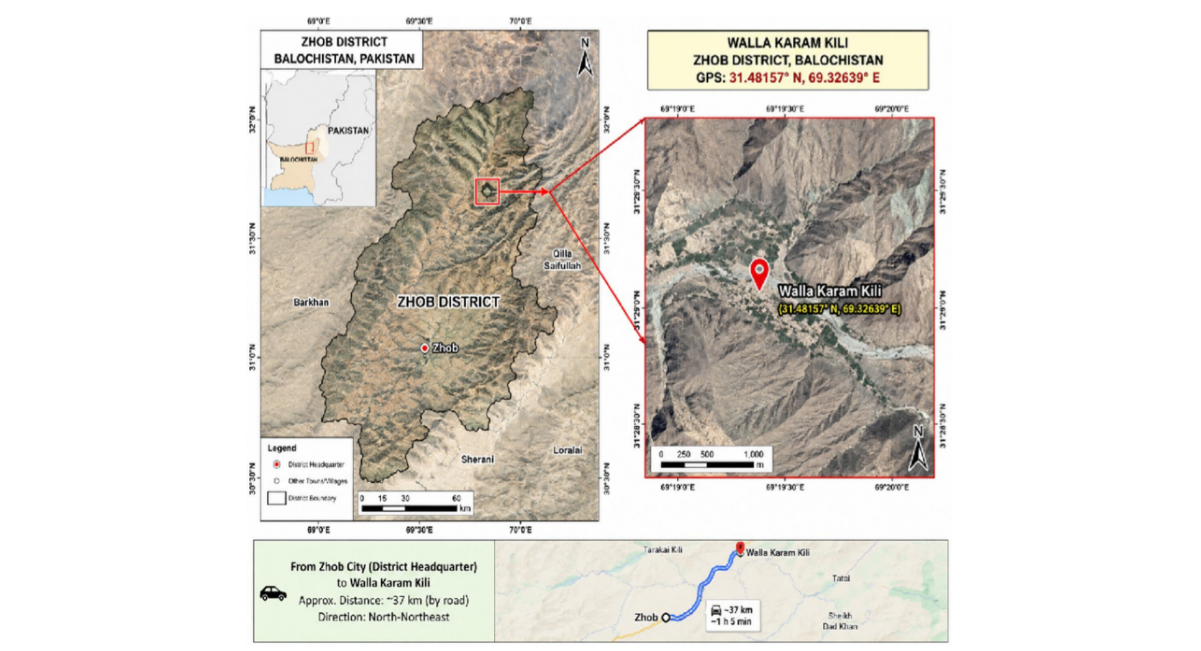
Figure 1: Study area map showing the location of Walla Karam Kili in Zhob District, Balochistan, Pakistan, with its geographic coordinates and road connectivity from Zhob City.
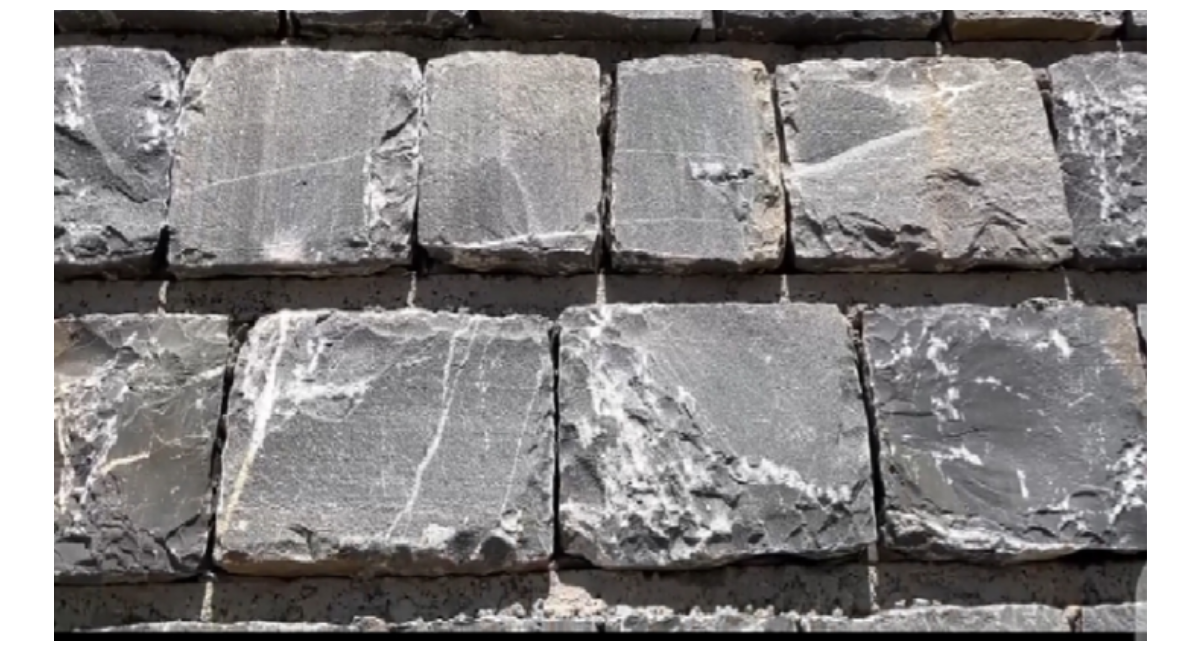
Figure 2: The Natural Abundance of Bluish Stone
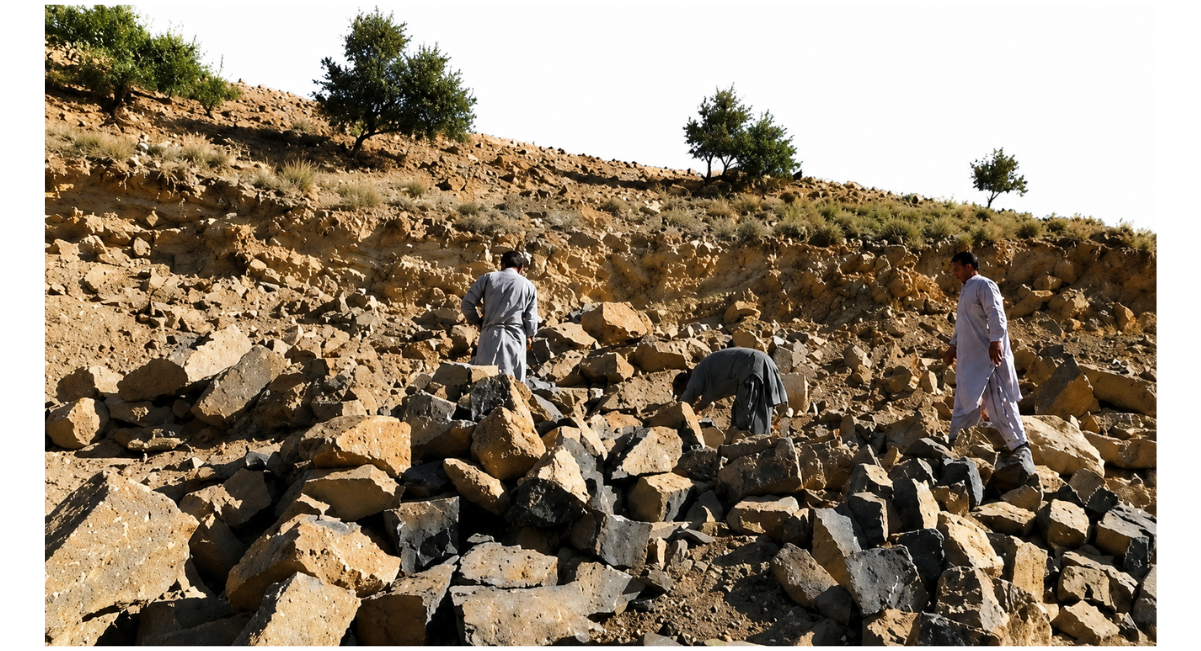
Figure 3 (a): Stone Collection and Selection – Locally sourced bluish is collected from nearby Outcrops and selected for Construction
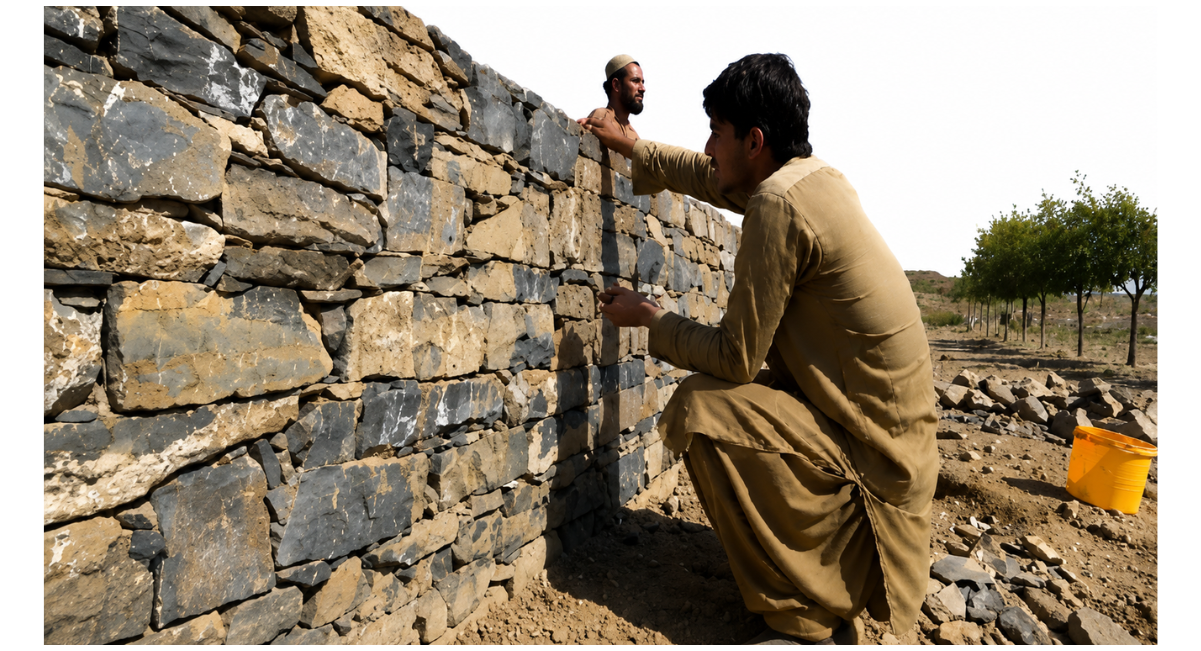
Figure 3 (b): Wall Construction Process – Stones are carefully placed one by on in proper alignment, ensuring Strength, Stability and Traditional craftsmanship
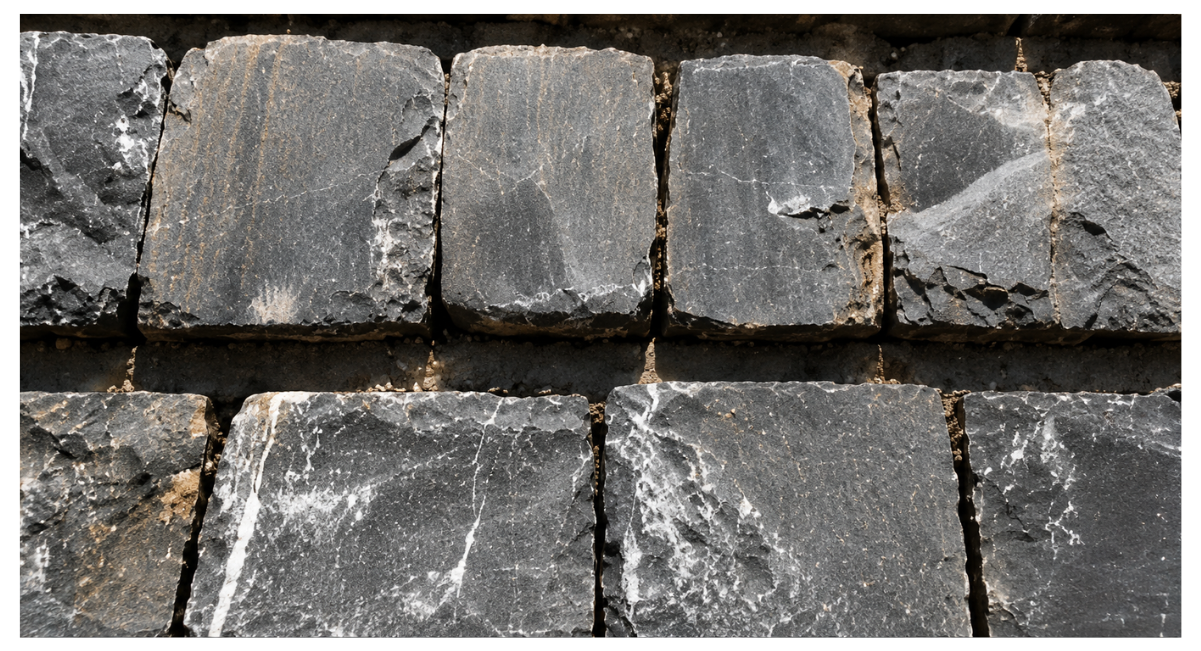
Figure 3 (c): Stone Masomry Detail – Closeup view of the bluish stone blocks used in Masomry Showing the Natural Texture Color and fine workmanship
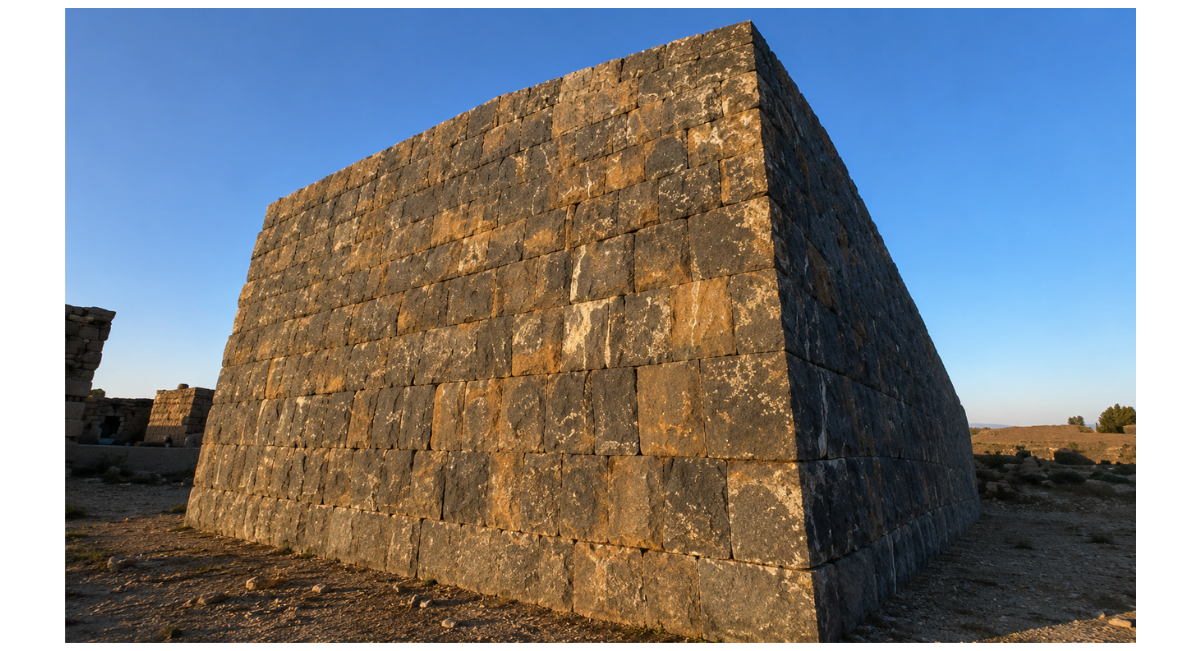
Figure 3 (d): Complete exterior structure – Completed Stone wall structure using locally available materials demonstrating durability and traditional construction Skill
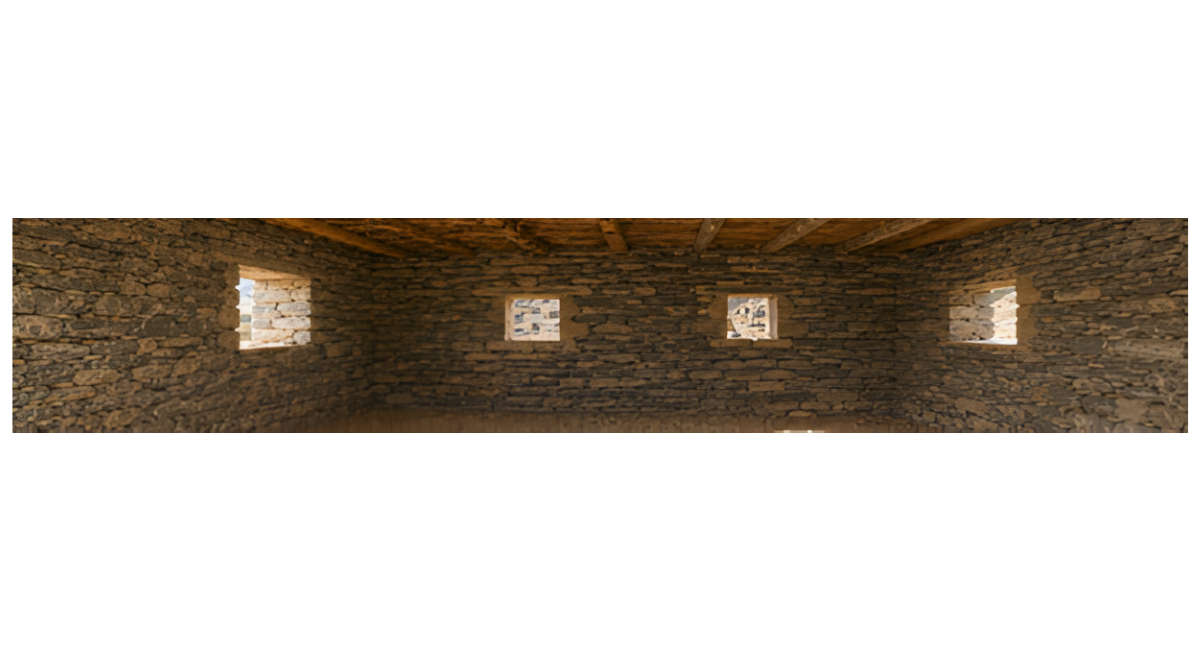
Figure 3 (e): Interior View – Interior view of the structure build with locally sources stone walls, providing natural insulation and strength.
Findings
Field observations revealed that indoor temperatures remain below 30°C during summer while providing warmth during winter nights. Reducing fuelwood consumption contributes to forest conservation. The Bluish Stone is affordable, locally available, aesthetically attractive, and creates employment opportunities.
Building Temperature Investigation
The temperature data was collected during mid-June when the temperature was favorable due to sessional moon soon rains. The outdoor temperature was 34 to 38 degrees Celsius. In total, six houses were selected for indoor temperature sampling measurement. Out of all, three of them were stoney construction while three were cement based. Table -1 shows the comparison of stony and cement construction. The traditional bluish stone houses were approximately 3–7°C cooler than cement houses.
|
Number |
Indoor temperature (ranging from 25°C-32°C) |
difference |
|
|
1 |
Stone House 1: 26°C |
Cement House 1: 30°C |
4°C |
|
2 |
Stone House2: 27°C |
Cement House 2: 30°C |
3 °C |
|
3 |
Stone House 3: 25°C |
Cement House 3: 32°C |
7°C |
Table 1: Comparison of Stony and Cement Construction
Household Survey
Survey was taken from professionals, students, women’s, skilled people and ordinary public of the study area using questionnaire and interviews. Frequently asked questions and community responses were recorded and calculated in percent as in table-2. Most households consider stone construction an effective adaptation strategy.
|
Questions asked |
Positive responses (%) |
Negative response (%) |
|
Stone houses remain cooler in summer: |
92% |
8% |
|
Stone houses are durable: |
75% |
25% |
|
Stone houses reduce energy needs: |
78% |
22% |
|
Stone is affordable and locally available |
88% |
12% |
Table 2: Frequently asked questions and community responses were recorded and calculated in percent
Construction Material Assessment
Following table shows the four different parameters for the comparison among the best alternative for construction. Local stones significantly reduce transportation requirements and emissions.
|
Parameter |
blue stone |
cement block |
|
Source Distance |
2–5km |
50-80 km |
|
Local Availability |
High |
Low |
|
Transportation Cost |
Low |
High |
|
Environmental Footprint |
Low |
High |
Table 3: Four Different Parameters for The Comparison Among the Best Alternative for Construction
Building Characteristics Survey
Face to face interviews were conducted in five buildings; three of them were stone-based and two were cement and brick based. The comparative data of table-4 shows that thick stone walls filled inside mud are durable and good insulators for heat.
|
Household ID age |
wall material |
wall thickness |
building |
|
H1 |
Stone |
15 inches |
80 |
|
years H2 |
Stone |
13 inches |
70 years |
|
H3 |
Stone |
12 inches |
55 years |
|
H4 |
Cement |
9 inches |
25 years |
|
H5 |
Cement |
10 inches |
50years |
Table 4: The comparative data of thick stone walls filled inside mud are durable and good insulators for heat
SDGs Assessment
Sustainable development goals are about to progress without degrading environment and natural resources to achieve the agenda -2030. Different indicators of the agenda are fully implemented if we look a glance at the following table:
|
SDG11 Indicator |
contribution of stone construction |
|
Sustainable Housing |
High |
|
Resource Efficiency |
high to moderate |
|
Climate Resilience |
High |
|
Cultural Heritage Preservation |
High |
|
Environmental Sustainability |
High |
Table 5: Contribution of Stone Construction to SDG 11 (Sustainable Cities and Communities) Indicators
Traditional bluish stone construction in Wala Karam provides climate adaptation benefits including thermal comfort, reduced environmental impacts, lower transportation requirements, preservation of indigenous knowledge, and support for SDGs.
Management and Outcome
The findings of this case study demonstrate that the traditional use of locally sourced bluish stone in Wala Karam, District Zhob, represents an effective nature-based solution for climate change adaptation in the semi-arid environment of northern Balochistan [1,20]. The high thermal mass and durability of the stone improve indoor thermal comfort by maintaining cooler temperatures during hot summer periods and retaining warmth during cold winter conditions, thereby reducing household energy requirements for cooling and heating [1,14]. The use of locally available stone minimizes transportation distances, lowers construction costs, reduces carbon emissions, and decreases the overall environmental footprint of the building sector [15,17]. Traditional stone structures have proven highly durable under harsh climatic conditions, enhancing the long-term sustainability of rural housing while requiring relatively low maintenance [14,15]. Furthermore, stone construction preserves indigenous knowledge, traditional architectural practices, and local cultural heritage that have evolved in response to environmental conditions over generations [19,20]. The extraction, transportation, and construction processes associated with local stone also provide economic opportunities and support community livelihoods [17]. Collectively, these benefits strengthen community resilience to climate-related challenges such as heat waves, droughts, and resource scarcity [1,20]. The study highlights the contribution of traditional stone construction to the implementation of the Sustainable Development Goals, particularly SDG 11 (Sustainable Cities and Communities), through the promotion of resilient housing, sustainable resource use, environmental protection, cultural heritage conservation, and climate-resilient rural development [1,17].
Overall, the findings suggest that local bluish stone construction offers a practical, cost-effective, environmentally sustainable, and socially beneficial adaptation strategy that can serve as a model for sustainable development in arid and semi-arid regions of Balochistan and beyond [1,15,20].
DISCUSSION
The findings of this study demonstrate that traditional bluish stone construction in Wala Karam, District Zhob, provides an effective nature-based solution for climate change adaptation in the semi-arid environment of northern Balochistan [1,20]. Field measurements showed that bluish stone houses maintained indoor temperatures approximately 3–7°C lower than cement-based houses during summer. This thermal advantage can be attributed to the high thermal mass of natural stone, which absorbs heat during the day and releases it slowly during cooler periods, thereby maintaining a more stable indoor environment [9,14].
Similar observations have been reported in studies of stone buildings in arid and semi-arid climates, where thick stone walls significantly improved indoor thermal comfort while reducing dependence on mechanical cooling systems [15]. The findings are also consistent with the work of He and Zhang, who reported that stone-based buildings provide greater energy efficiency than modern concrete structures in hot and dry regions [14].
The present findings are also consistent with research from the hot-arid regions of Rajasthan, India, where vernacular buildings constructed with locally available sandstone demonstrated superior thermal performance because of their high thermal mass and passive cooling characteristics. Traditional sandstone buildings maintain lower indoor temperatures during extreme summer conditions while reducing dependence on mechanical cooling, illustrating the importance of indigenous materials in climate-responsive architecture [16].
Comparable findings have been reported from Morocco, where vernacular buildings constructed with traditional materials substantially improved indoor thermal comfort and reduced annual cooling loads [9,15]. Experimental and simulation studies further demonstrated that locally available materials outperform many conventional construction materials in maintaining stable indoor temperatures while lowering embodied energy and carbon emissions [15].
Evidence from Iran further supports the results of this study. Research on vernacular architecture in Iran's hot-arid regions has shown that thick masonry walls, locally available materials, courtyard planning, and passive ventilation effectively moderate indoor temperatures and reduce energy demand [23]. The thermal performance observed in the traditional stone houses of Zhob therefore reflects similar passive environmental adaptation strategies.
Research conducted in Siwa Oasis, Egypt, demonstrated that vernacular stone buildings provide excellent thermal regulation and moisture buffering under harsh desert climates, improving indoor comfort while maintaining long-term durability [13,22,24]. These findings reinforce the present study by confirming that natural stone functions as both a durable structural material and an effective passive climate adaptation strategy. The household survey further demonstrated strong community acceptance of traditional stone construction. More than 90% of respondents agreed that stone houses remain cooler during summer, while most participants recognized their durability, affordability, and contribution to reducing household energy consumption. These findings indicate that indigenous knowledge remains highly valued because of its environmental suitability and long-term effectiveness [10-12].
From an environmental perspective, the use of locally available bluish stone substantially reduces the environmental footprint of the construction sector. Unlike fired bricks and cement blocks, locally quarried stone requires minimal industrial processing, avoids kiln firing, and significantly reduces transportation distances. Consequently, greenhouse gas emissions associated with material production and transport are considerably lower than those of conventional construction materials [6,8].
The economic benefits identified in this study are equally important. Because bluish stone is locally abundant, construction costs associated with material purchase and transportation are substantially reduced. Quarrying, transportation, masonry, and house construction create employment opportunities for local communities and strengthen the rural economy [5,19]. Stone buildings also have long service lives and require relatively low maintenance, reducing long-term costs for homeowners [14].
Socially, traditional stone construction contributes to preserving indigenous architectural knowledge, local cultural identity, and community traditions that have evolved over generations [10,12]. The continued use of bluish stone strengthens cultural heritage while providing safe and comfortable housing adapted to local environmental conditions [11,19].
The agreement between the present study and previous research from India, Morocco, Iran, Egypt, and other arid regions demonstrates that traditional stone construction is a scientifically supported approach for sustainable development [15,16]. Besides improving thermal comfort, such construction reduces energy consumption, lowers greenhouse gas emissions using locally sourced materials, preserves indigenous knowledge, strengthens local economies, and enhances community resilience [1,6,20].
Consequently, traditional bluish stone construction contributes directly to SDG 11 (Sustainable Cities and Communities), SDG 13 (Climate Action), SDG 12 (Responsible Consumption and Production), SDG 8 (Decent Work and Economic Growth), and SDG 15 (Life on Land) through resilient housing, efficient resource use, climate adaptation, local employment, biodiversity conservation, and environmentally sustainable building practices [1,17].
Overall, this study demonstrates that traditional bluish stone construction is not merely a cultural practice but an effective climate adaptation strategy integrating environmental sustainability, economic affordability, social acceptance, and indigenous knowledge, providing a practical model for climate-resilient rural development in Pakistan and other arid and semi-arid regions [2,19,20].
CONCLUSION
This study demonstrates that the traditional use of locally available bluish stone in Wala Karam, District Zhob, represents an effective and sustainable nature-based solution for climate change adaptation in the semi-arid environment of northern Balochistan [2,10]. The findings showed that bluish stone houses maintained indoor temperatures approximately 3–7°C lower than cement-based houses during the summer season, providing improved thermal comfort and reducing the need for artificial cooling. Household surveys further indicated strong community confidence in stone construction because of its durability, affordability, local availability, and energy-saving characteristics. The assessment also confirmed that the use of locally sourced stone minimizes transportation distances, lowers construction costs, reduces greenhouse gas emissions, and decreases the overall environmental footprint compared with conventional construction materials [6,14].
The study makes an important scientific contribution by providing field-based evidence that indigenous construction materials can play a significant role in climate resilience while supporting sustainable rural development [2,10]. Unlike industrial construction materials, bluish stone requires minimal processing and utilizes locally available natural resources, making it an environmentally responsible alternative for communities living in arid and semi-arid regions [9,15]. The findings further demonstrate that traditional knowledge and vernacular architecture remain highly relevant for addressing contemporary environmental challenges and should be integrated into future climate adaptation and sustainable development strategies [10,20].
From a policy perspective, the results suggest that government agencies, development organizations, engineers, architects, and planners should encourage the appropriate use of locally available stone in rural housing and public infrastructure where geological conditions permit [3,19]. Supporting traditional construction techniques through technical guidance, research, and community-based development programs could improve climate resilience while reducing construction costs and preserving valuable indigenous knowledge [5,10]. Such initiatives may also generate local employment opportunities, strengthen rural economies, and reduce dependence on energy-intensive construction materials [5,6].
The study also contributes directly to the achievement of several United Nations Sustainable Development Goals (SDGs). The promotion of durable, climate-resilient, and culturally appropriate housing supports SDG 11 (Sustainable Cities and Communities). Reduced energy consumption and lower carbon emissions contribute to SDG 13 (Climate Action), while the efficient use of locally available natural resources supports SDG 12 (Responsible Consumption and Production). The generation of employment opportunities through local stone extraction and construction activities contributes to SDG 8 (Decent Work and Economic Growth), and the reduced dependence on fuelwood indirectly supports SDG 15 (Life on Land) by helping conserve forests and biodiversity [2,7,17].
Although this research provides valuable evidence, it is based on a single case study from District Zhob. Future research should include long-term monitoring of indoor thermal performance across different seasons, laboratory analysis of the physical and mechanical properties of bluish stone, life-cycle carbon footprint assessment, and comparative studies with other indigenous construction materials used in Pakistan and similar arid regions. Such research would further strengthen the scientific understanding of traditional stone construction as a climate adaptation strategy [1,3].
In conclusion, traditional bluish stone construction offers a practical, affordable, environmentally sustainable, and socially acceptable solution for climate-resilient housing. By combining indigenous knowledge with modern sustainability principles, this construction practice provides an effective model for promoting resilient communities and sustainable development in Balochistan and other arid and semi-arid regions facing increasing climate-related challenges [1,17,20].
CONFLICT OF INTEREST
The author declares no conflict of interest.
REFERENCES
- Change IP. Climate change 2007: Impacts, adaptation and vulnerability. Genebra, Suíça. 2001. [Google Scholar]
- IPCC. (2023). Climate change 2023: Synthesis report.
- Pakistan Ministry of Climate Change. (2021). National climate change policy.
- Pakistan Bureau of Statistics. (2023). Environmental statistics of Pakistan.
- World Bank. (2021). Climate change action plan 2021–2025.
- UNEP. (2022). Nature-based solutions for climate change mitigation.
- FAO. (2019). (2019). Climate-resilient ecosystems. Food and Agriculture Organization.
- Khan N & Ahmed Z (2020). Low-carbon construction materials in Pakistan. Sustainable Built Environment Journal, 6(3), 112–124.
- El-Bichri FZ, Sobhy I, Bouchefra I, Benhamou B, Chehouani H, Mghazli MO. Assessment of the impact of construction materials on the building’s thermal behaviour and indoor thermal comfort in a hot and semi-arid climate. Advances in Building Energy Research. 2022;16(6):711-35. [Crossref] [Google Scholar]
- UNESCO (2018). Local and Indigenous knowledge systems and climate change adaptation.
- Ali H, Rehman A & Qureshi M (2021). Traditional ecological knowledge and sustainable housing in arid regions of Pakistan. Journal of Environmental Management and Sustainability, 11(2), 45–60.
- Shah A & Khan S (2022). Indigenous knowledge and sustainable housing systems. Environmental Sustainability Journal, 11(2), 45–60.
- Makhlouf NN, Maskell D, Marsh A, Natarajan S, Dabaieh M, Afify MM. Hygrothermal performance of vernacular stone in a desert climate. Construction and Building Materials. 2019;216:687-96. [Crossref] [Google Scholar]
- He L & Zhang Y (2021). Thermal performance of stone-based housing in arid climates. Energy and Buildings, 245, 111032.
- El Azhary K, Ouakarrouch M, Laaroussi N, Garoum M. Energy efficiency of a vernacular building design and materials in hot arid climate: Experimental and numerical approach. International Journal of Renewable Energy Development. 2021;10(3):481. [Crossref] [Google Scholar]
- Kalla R, Kumar R, & Kumar S (2025). Vernacular knowledge for modern sustainability: Integrating traditional construction practices for thermal comfort in Rajasthan. SSRG International Journal of Civil Engineering, 12(8), 63–72. [Crossref]
- UN. (2015). Transforming our world: The 2030 agenda for sustainable development.
- World Wildlife Fund. (2020). Nature-based solutions for ecosystems.
- UN-Habitat. (2020). World cities report.
- IUCN. (2020). Global standard for nature-based solutions.
- Baloch MA, & Baloch S (2019). Vernacular stone architecture and thermal comfort in Balochistan. Journal of Architecture and Planning, 5(2), 33–47.
- Mohamed AF. Comparative study of traditional and modern building techniques in Siwa Oasis, Egypt: Case study: Affordable residential building using appropriate building technique. Case studies in construction materials. 2020;12:e00311. [Crossref] [Google Scholar]
- Sahebzadeh S, Dalvand Z, Sadeghfar M, Heidari A. Vernacular architecture of Iran’s hot regions; elements and strategies for a comfortable living environment. Smart and Sustainable Built Environment. 2020;9(4):573-93. [Crossref] [Google Scholar]
- Rovero L, Tonietti U, Fratini F, Rescic S. The salt architecture in Siwa oasis–Egypt (XII–XX centuries). Construction and Building Materials. 2009;23(7):2492-503. [Crossref] [Google Scholar]

Article Processing Timeline
| 2-5 Days | Initial Quality & Plagiarism Check |
| 25-35 Days |
Peer Review Feedback |
| 45-60 Days | Total article processing time |
Why Publish with us?
Ethics & Policies
Editorial & Management
Useful Links
Journal Highlights
Open Access Journals
Journal Flyer