


 Download PDF
ABSTRACT
Introduction
Piriformis syndrome (PS), which is often neglected, can be a major cause of radiating low back pain. This study compares two physiotherapy treatment methods - Static Opener (SO) and Proprioceptive Neuromuscular Facilitation (PNF) Hold-Relax, to evaluate their effectiveness in managing symptoms. The research focuses on pain relief and improving range of motion, providing useful insights for healthcare professionals and aiming to improve functional outcomes and daily comfort for those affected.
Objective
The objective of this study was to evaluate the effectiveness of SO technique and PNF Hold-Relax in reducing pain and improving hip range of motion (ROM) among individuals with PS.
Methodology
This study was conducted over a period of 10 months in the outpatient department of Himalayan Hospital. A total of 36 participants, aged between 18 to 65 years, were included in the study based on specific inclusion criteria. Participants were allocated into two groups. Group A received the SO technique, whereas the PNF (Hold-Relax) technique was given to Group B. Additionally, both groups underwent conventional physical therapy treatment, which included hot fomentation and piriformis stretching. Participants of each group underwent a single session of treatment for 40 minutes. Pain levels were assessed using the Numeric Pain Rating Scale (NPRS), while Hip ROM (abduction, internal rotation, and external rotation) was measured using a goniometer. Assessments were conducted before and after the treatment to evaluate the immediate impact of the techniques applied.
Result
The findings showed no significant difference (p>0.05) between the groups, except for the ROM in ER in the PNF Hold-Relax group, where a significant difference was observed (p<0.05) in intergroup comparison.
Conclusion
Based on the study’s results, it can be concluded that both the PNF Hold-Relax and SO techniques were effective in treating PS, with no major differences in most outcome measures. However, the PNF Hold-Relax group experienced a significant improvement in external rotation ROM, suggesting a slight advantage in increasing joint ROM. Both methods offer significant therapeutic advantages and can be used effectively for treating PS.
Keywords: PNF Hold-Relax; Piriformis Syndrome; Static Opener; Low Back Pain; Neurodynamics; Physical Therapy
INTRODUCTION
Low back pain (LBP) is a common symptom experienced by people of all ages and economic backgrounds worldwide [1]. It is often seen in the lumbosacral area, at the base of the ribs, or accompanied by unilateral and bilateral lower limb neurological symptoms [2]. According to literature reports, approximately 80% of people around the world experience LBP at some point in their lives. For most individuals, the clinical course is mild, and about 95% recover within a few months of onset. However, some do not recover and may develop chronic LBP. Recurrence of LBP is also common, with about 20–44% of working populations experiencing a subsequent episode within a year and up to 85% experiencing it in their lifetime [3]. LBP is the 6th most prevalent complaint in both developed and developing countries. A key reason for its prevalence may be its relatively low position in past Global Burden of Disease studies, partly due to inconsistent definitions of low back pain and a lack of comprehensive data [4,5]. It is anticipated that the burden of LBP will keep rising on a global scale [6]. LBP typically resolves on its own without specific treatment. However, some individuals experience chronic or intermittent back discomfort, which can significantly impact their personal and professional life. Severe LBP may indicate a serious medical condition, such as an infection, a systemic issue, or other serious illness. Risk factors for this condition include Poor diet, low socioeconomic status, a sedentary lifestyle, prolonged standing, and a history of low back pain. One of the risk factors that may cause pain to radiate to the lower extremities (sciatica) and result in buttock or low back pain is Piriformis syndrome [7].
The term “piriformis syndrome” was introduced by Robinson in 1947, and he identified six main features of the condition:
- A history of trauma in the gluteal or sacroiliac region
- Pain in the sacroiliac joint, greater sciatic notch and piriformis muscle, which may radiate down the leg and result in walking difficulty
- Improvement of symptoms with rest or by lifting or applying traction to the affected limb
- Palpation of a soft mass on the piriformis muscle
- The Straight leg raise sign and
- Gluteal atrophy [10]
Piriformis syndrome is not life-threatening or requires surgical intervention, but it can be quite painful. Studies reveal that between 5% and 36% of people with chronic low back pain have piriformis syndrome. With simple treatments like physical therapy, most individuals with this condition can manage their symptoms and reduce their pain (8'9’) Common physical therapy treatments for piriformis syndrome include ultrasound therapy, soft tissue massage, stretching exercises targeting the piriformis muscle, the use of heat packs or cold spray, and various techniques for the lumbar spine [11] Among the different physical therapy approaches, SO and piriformis muscle release techniques, especially the PNF Hold-Relax, have gained attention as potential treatment options. However, there is no comparative evidence to help clinicians choose between these therapies. SO aims to relax the piriformis muscle by relieving pressure on the sciatic nerve, which occurs because of an increase in the intervertebral foramen's space. These exercises often involve holding a static position for a specific duration to increase the space around nerves by reducing pressure on neural structures. On the other hand, PNF Hold Relax is a manual method to target specific trigger points or adhesions in the piriformis muscle to improve range ROM, increase flexibility and muscle strength [12,13]. By analysing the relative effectiveness of these interventions, this study aims to provide valuable insights into the best management of PS, ultimately improving clinical outcomes and enhancing the quality of life for affected individuals.
METHODS
Study Setting
The study included the outpatient department of HIHT Hospital, Dehradun, with ethical committee approval. The study duration was about 10 months.
Study Population
Subjects with radiating pain due to piriformis syndrome following the inclusion criteria were included in the study.
Study Design
A comparative study was performed. Each of the participants who had been selected during the study received comprehensive information about the study, containing in the study. These participants were divided into two groups with 18 participants in each group.
Group A received a static opener therapy session, and Group B- who received PNF (Hold Relax) technique. Additionally, both groups received conventional treatment, which included hot fomentation and Piriformis stretching. Both groups received the treatment session for 40 minutes. The intervention was administered only once to each group then immediately a post-assessment was conducted to evaluate changes.
Group A patients received everything about the treatment duration and protocol. The patient signed an elaborate consent form, consenting to participate in the study.
Outcome Variables
Pre-assessment was carried out using the NPRS scale indicating pain severity, in addition to Hip ROM using a goniometer to assess the piriformis muscle functional status and detect mechanical triggers of the sciatic nerve compression in PS.
Participant Selection
Participants from the age group 18-65 years, onset of pain not > 2 weeks, Unilateral involvement of the piriformis muscle, NPRS between 3-7, and patients who had both tests positive, i.e. FAIR test and Sign of Pace & Nagel, were included. Exclusion criteria included patients who had a history of any spinal surgery, Spondylolisthesis, Degenerative spine and hip joint, any postural abnormality/ deformity, knee pain.
Intervention
According to the inclusion and exclusion criteria, a total of 36 participants were included
- Hot fomentation in 90-90degree hip and knee position for 15 minutes.
- Static Opener: The patient was placed in a position that facilitated the nervous system to offload in order to reduce pressure and neural tension in the piriformis area. To preserve a small amount of knee flexion, the patient was put in a supine position with a pillow beneath their knees. To relieve piriformis muscle tension and sciatic nerve compression, the hips were externally rotated. In order to promote general relaxation and reduce any distal neural tension, the ankles were positioned comfortably. This placement technique preserved an open interface in the piriformis region while guaranteeing a low neuronal stress environment. Foraminal opening position was maintained for 15 minutes.
- Piriformis stretching (10 repetitions with 10 seconds hold).
Group B patients received
- Hot fomentation in 90-90 degrees hip and knee position for 15 minutes.
- Piriformis stretching (10 repetitions with 10 seconds hold).
- PNF Hold-Relax: Participants were placed in a supine position with the contralateral leg relaxed and extended, and the hip and knee of the afflicted limb flexed to 90 degrees (90-90 position). In order to maintain patient comfort and efficiently target the piriformis muscle, this position was selected.
The procedure involved the following steps:
Initial Passive Stretch: The therapist began a mild stretch of the piriformis muscle by passively guiding the affected limb into adduction and internal rotation until the point of mild resistance was felt.
Isometric Contraction (Hold Phase): Without actually moving, participants were told to gently push the limb outward (i.e., try external rotation and abduction) despite the therapist's manual resistance. For 5–10 seconds, this isometric contraction was maintained at roughly 20–30% of the participant's maximum effort.
Relaxation Phase: The individual was instructed to fully relax when the contraction was over, and a 2-3 second break was given to allow for neuromuscular relaxation.
Post-Isometric Passive Stretch: The therapist then increased the range by further guiding the limb into adduction and internal rotation within the participant's tolerance. This stretch was held for 10-30 seconds.
The entire hold-relax sequence was repeated for 3-5 times, depending on the participant's comfort and treatment response. Care was taken throughout the procedure to avoid pain or discomfort.
Statistical Analysis
The data was collected and entered in MS Excel 2021 and was analysed using SPSS software version 20. The data was not normally distributed so Non-parametric tests were used. Mann-Whitney U test was used for between-group comparisons, and Wilcoxon Signed-Ranks Test was used for within-group pre-post intervention effect. A parametric test, i.e. Independent t-Test, was used to compare mean age between groups, assuming normality. Chi-Square test was used to examine the association between group and sex.
RESULT
A total number of patients were 36, out of which 14 were males and 22 were females. The mean age and Standard deviation of participants in Group A was 44.67 ± 12.765 years, while in Group B, it was 40.83 ± 12.510 years. An independent samples t-test revealed no significant difference in age between groups, t(34) = 0.91, p = 0.369. Sex distribution was identical across groups, with 11 females (61.1%) and 7 males (38.9%) in each. A chi-square test indicated no significant association between group and sex, χ²(1, N = 36) = 0.00, p = 1.000.
Between Group Comparisons: Mann-Whitney U tests were conducted to compare groups on all pre and post-intervention measures. No significant differences were found at baseline for any variable (all p > 0.05).
Post-intervention, groups did not differ significantly on abduction ROM (U = 161.5, Z = -0.02, p = .987), internal rotation ROM (U = 139.0, Z = -0.74, p = 0.457), or NPRS (U = 139.0, Z = -0.77, p = 0.440). However, a significant difference was observed for post-external rotation ROM, with Group 2 showing higher values (U = 86.0, Z = -2.44, p =0 .015).
Within Group Pre-Post Comparisons: Wilcoxon signed-ranks tests were used to evaluate changes from pre- to post-intervention across the full sample (N = 36). Significant improvements were observed for all ROM measures: abduction ROM (Z = -5.56, p <0 .001), internal rotation ROM (Z = -5.40, p < 0.001), and external rotation ROM (Z = -5.36, p < 0.001). A significant reduction in pain was also found (Z = -5.48, p <0 .001).
The comparison revealed that there was no significant difference (p>0.05) between groups except in Hip ER ROM in the PNF Hold-Relax group, but there was a significant difference in intergroup comparison (p<0.05). Hence, it can be said that both the interventions are almost equally effective.
|
Group |
Male |
Female |
Total |
|
A |
7 |
11 |
18 |
|
B |
7 |
11 |
18 |
|
Total |
14 |
22 |
36 |
Table1: The Gender Population Distribution of this Study is Presented
|
Group |
Total |
Mean age |
Standard deviation |
|
A |
18 |
±44.67 |
12.765 |
|
B |
18 |
±40.83 |
12.510 |
Table 2: The Age Population Distribution of this Study is Presented
|
GROUP |
Pre-NPRS |
Post-NPRS |
p- value |
|
A |
7(8-6.75) |
5(6-4.75) |
0.001 |
|
B |
7(7-6) |
5(5.25-4) |
0.001 |
|
p- value |
0.352 |
0.440 |
Table 3: Demonstrating NPRS Score of Obtained Data During Pre and Post Intervention
|
Group |
Pre- Abd. Rom |
Post- Abd. ROM |
p-value |
|
A |
28(30-27) |
35(36-34) |
0.001 |
|
B |
28(29-27) |
35(36-34) |
0.001 |
|
p-value |
0.652 |
0.987 |
Table 4: Demonstrating the Hip Abduction Ranges of Obtained Data During Pre and Post Intervention
|
Group |
Pre-IR ROM |
Post-IR ROM |
p-value |
|
A |
22(23.25-21) |
29(30-27) |
0.001 |
|
B |
22(23-21) |
29(30-28) |
0.001 |
|
p-value |
0.961 |
0.457 |
Table 5: Demonstrating the Hip External Rotation Ranges of Obtained Data During Pre and Post Intervention
|
Group |
Pre-ER ROM |
Post-ER ROM |
p-value |
|
A |
26(28-25) |
31.50(32.25-30) |
0.001 |
|
B |
26(27-25) |
33(34-32) |
0.001 |
|
p-value |
0.570 |
0.015 |
Table 6: Demonstrating the External Rotation Ranges of Obtained Data during Pre and Post Intervention
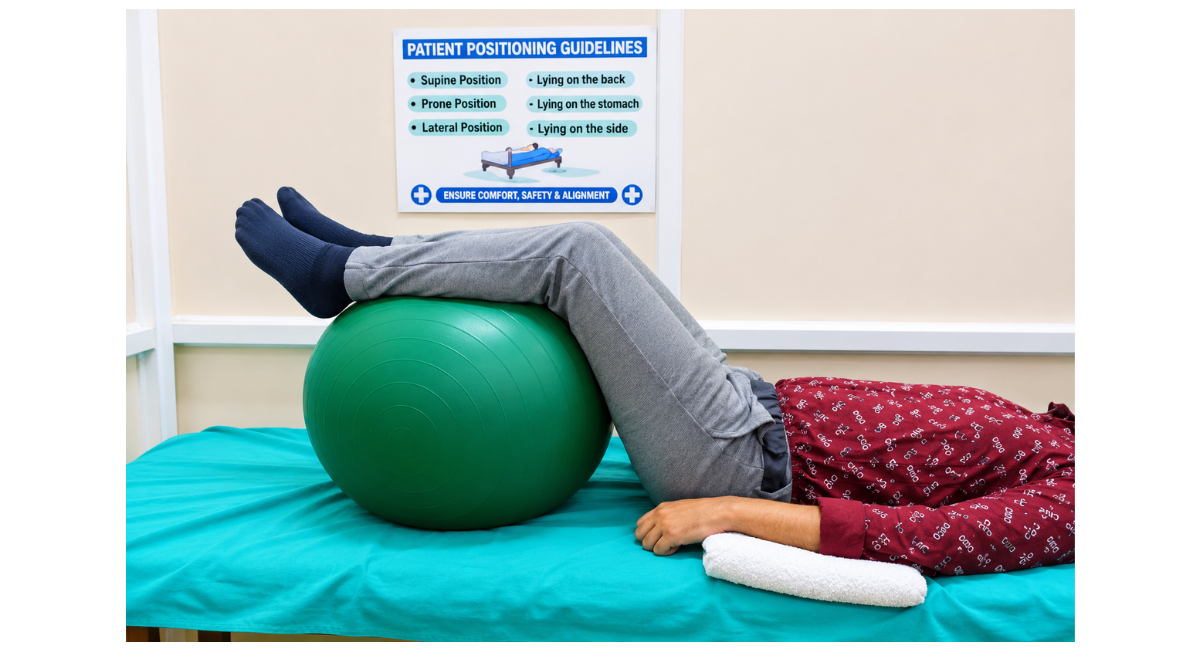
Figure 1: Hot Formentation in 90-90 degree position
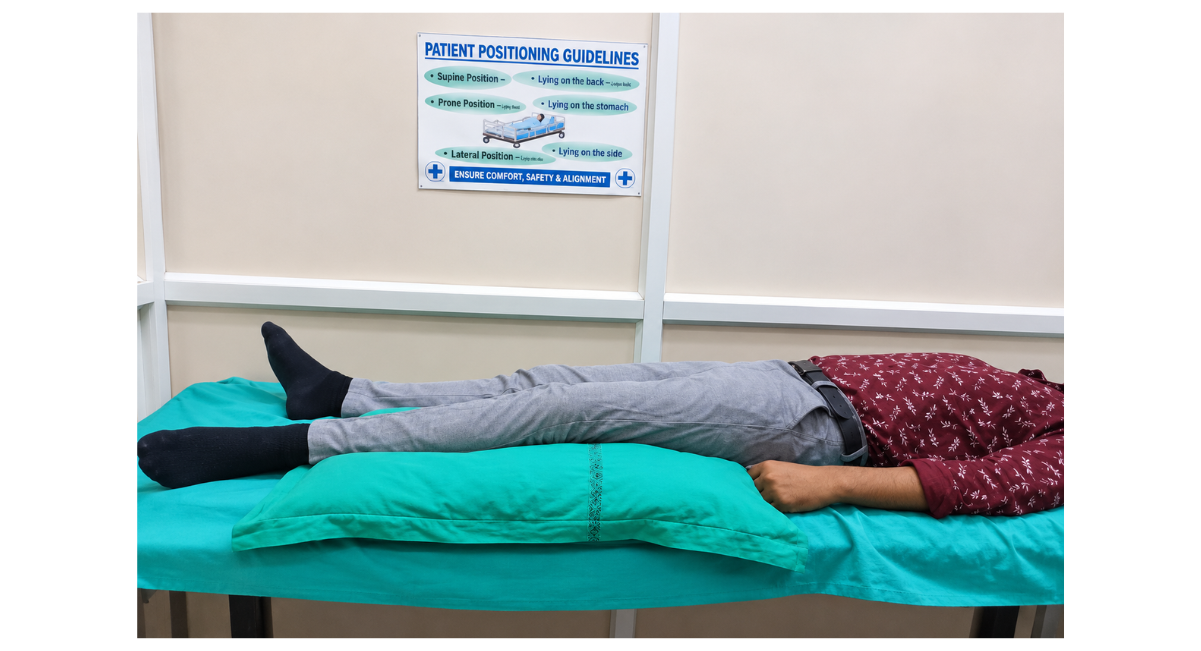
Figure 2: Static Opener Position
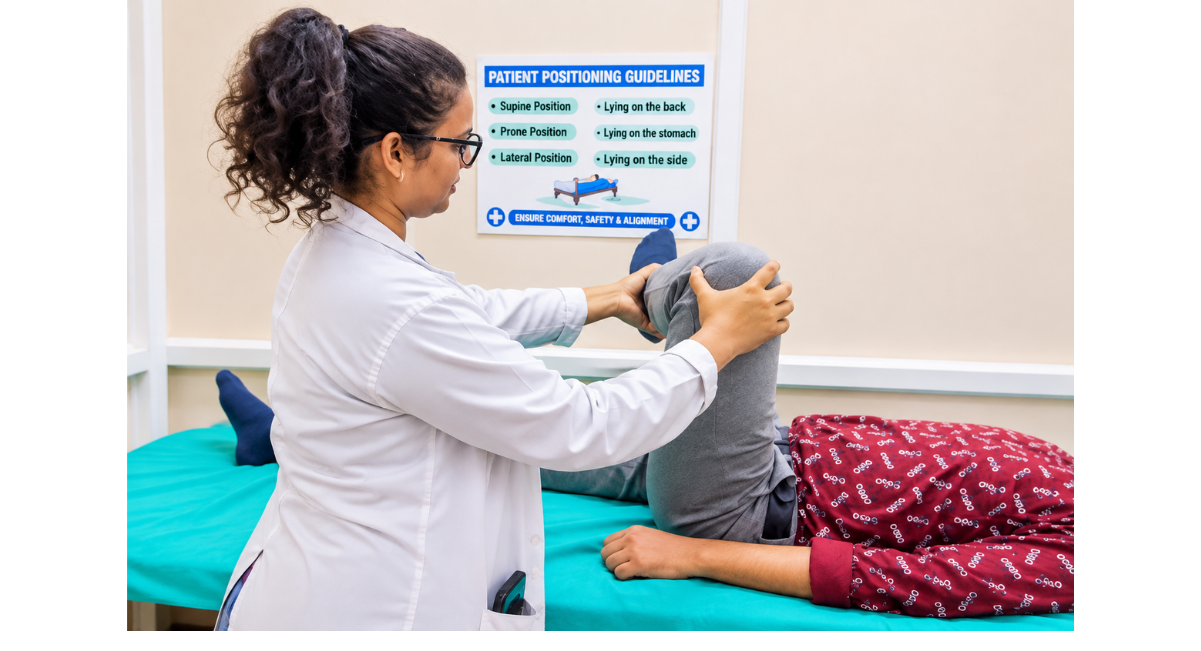
Figure 3: PNF Hold-Relax Post Intervention Range
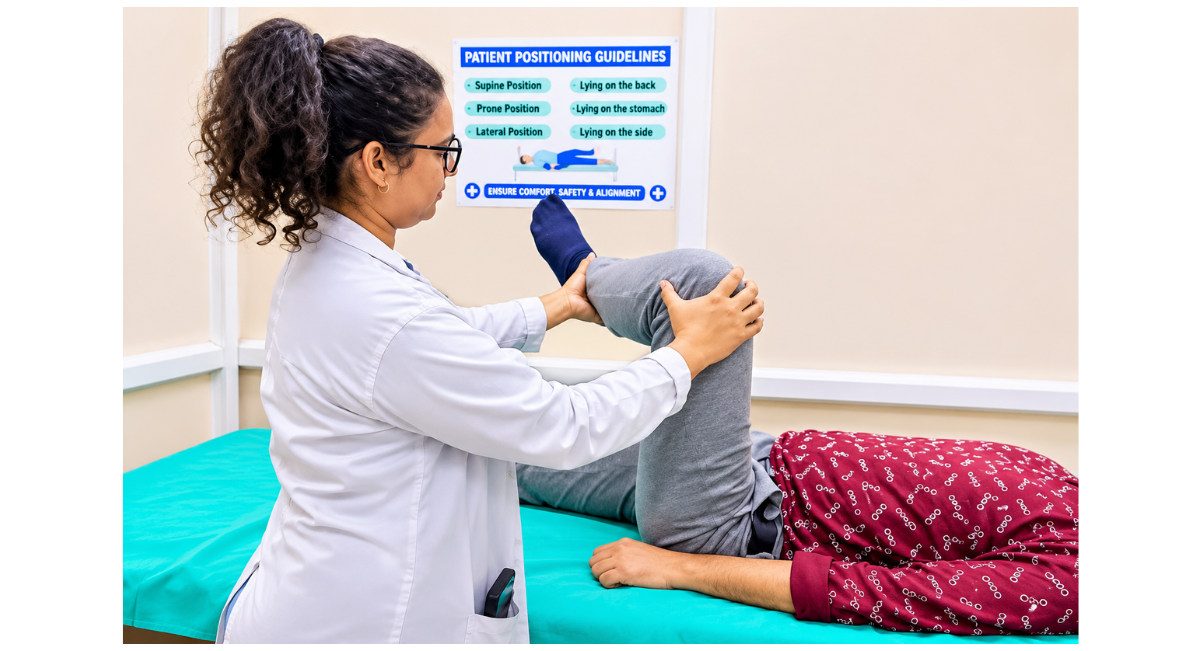
Figure 4: PNF Hold-Relax Pre Intervention Range
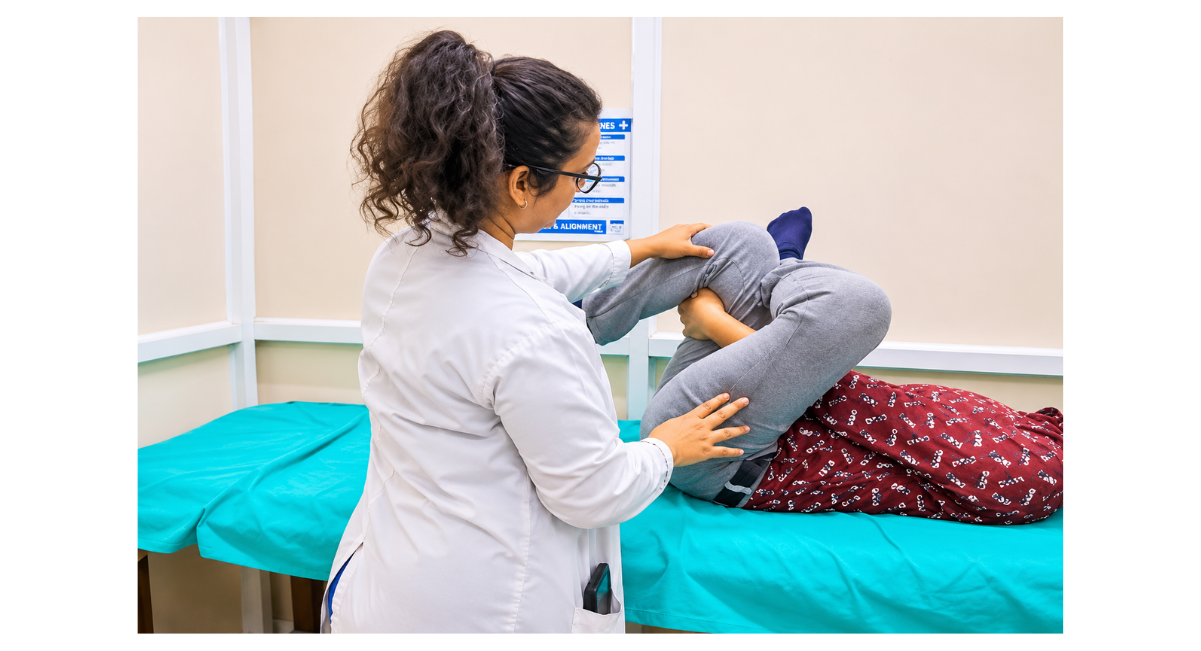
Figure 5: Piriformis Stretching
DISCUSSION
Significant pre-to-post changes (p < 0.001) showed that both intervention groups significantly improved in all assessed outcomes, including abduction, internal rotation, external rotation range of motion, and pain reduction, with no discernible difference between the groups. This implies that the Static Opener and the PNF Hold-Relax approach are both useful for treating Piriformis Syndrome.
Keeping the piriformis muscle in a static position for a set amount of time reduces pressure on neural structures and increases space around the sciatic nerve, relieving tension and promoting muscular relaxation. It is ideal for home programs and settings with little resources due to its simple implementation. Furthermore, Verma reported that it is effective in treating neurovascular compression illnesses such as thoracic outlet syndrome [14]. The PNF Hold-Relax approach, on the other hand, is a treatment technique that involves passively stretching the target muscle after an isometric contraction. This method aims to improve muscle length, flexibility, and neuromuscular efficiency. Although the PNF approach requires the presence of a therapist, it is advantageous for attaining more durable enhancements in joint ROM. The findings of this study are similar to those of G.Yuvarani and P Pooja Saxena, who reported that PNF approaches significantly improved pain alleviation and range of motion (ROM). Additionally, a study by Tasneem also demonstrated that both PNF and MET are remarkably effective for loosening tight muscles [15,16,17]. The NPRS outcome measure used in this study is one of the simplest and most used scale in clinical practice for measuring the intensity of pain; this is a 10-point scale where 0 represents no pain, and 10 represents the worst, as demonstrated by Vrushali [18]. The other outcome measure used was the ROM, which was measured using a goniometer. It is a tool used to measure joint angles and the ROM in degrees. It consists of a protractor-like device with two arms – one is fixed and one is movable that align with a segment of the joint being measured. Measurements are typically taken in a standardised manner, with the participants lying supine or sitting which was stated by P P Gogia [19]. The use of validated outcome measures, a balanced sample size (n = 36) with an equal distribution of genders and ages, and clearly explained intervention techniques that can be replicated in similar clinical settings are some of this study's strong points. These characteristics lend validity to the results and support their application in evidence-based physical therapy. The PNF Hold-Relax technique offers a clear advantage in Extremity Functional Scale (LEFS), and quality of life assessments, limits understanding of real-world functional gains.
CONCLUSION
Overall, the results support the effectiveness of both treatment terms of external hip rotation, even if both methods are effective at lowering pain and increasing hip range of motion. In order to ensure that treatment is both practical and effective within the framework of care, the choice of intervention should be informed by clinical goals, therapist availability, and patient-specific factors.
STUDY LIMITATIONS
- The study had a smaller sample size of 36 individuals, which results in limiting statistical power and generalizability.
- As it was a single-session intervention, participants got only one therapy session, which limit the ability to examine long-term therapeutic outcomes.
- The study lacked follow-up to assess the long-term effects of intervention or symptom return.
- Lack of functional outcome measures, such the Oswestry Disability Index (ODI), Lower protocols in the treatment of PS by alleviating pain and improving Hip ROM. The minimal difference in net improvement between groups suggests both methods are viable. Further comparative and long-term studies are warranted to optimise protocol selection and generalizability.
REFERENCES
- Hartvigsen J, Hancock MJ, Kongsted A, Louw Q, Ferreira ML, Genevay S, et al. What low back pain is and why we need to pay attention. Lancet. 2018;391(10137):2356-2367. [Crossref] [Google Scholar] [PubMed]
- Dionne CE, Dunn KM, Croft PR, Nachemson AL, Buchbinder R, Walker BF, et al. A consensus approach toward the standardization of back pain definitions for use in prevalence studies. Spine. 2008;33(1):95-103. [Crossref] [Google Scholar] [PubMed]
- Freburger JK, Holmes GM, Agans RP, Jackman AM, Darter JD, Wallace AS, et al. The rising prevalence of chronic low back pain. Arch Intern Med. 2009;169(3):251-258. [Crossref] [Google Scholar] [PubMed]
- Hoy D, March L, Brooks P, Blyth F, Woolf A, Bain C, et al. The global burden of low back pain: estimates from the Global Burden of Disease 2010 study. Ann Rheum Dis. 2014;73(6):968-974. [Crossref] [Google Scholar] [PubMed]
- GBD 2013 Disease and Injury Incidence and Prevalence Collaborators. Global, regional, and national incidence, prevalence, and years lived with disability for 301 acute and chronic diseases and injuries in 188 countries, 1990–2013: a systematic analysis for the Global Burden of Disease Study 2013. Lancet. 2015;386(9995):743-800. [Crossref] [Google Scholar] [PubMed]
- Li Q, Peng L, Wang Y, Yang Y, Wang Z. Risk factors for low back pain in the Chinese population: a systematic review and meta-analysis. BMC Public Health. 2024;24(1):1181. [Crossref] [Google Scholar] [PubMed]
- Shah SI, Muneer S. Prevalence of piriformis syndrome in working and non working women with low back pain. J Riphah Coll Rehabil Sci. 2014;2(2):6-11. [Google Scholar]
- Singh US, Meena RK, Singh CA, Singh AJ, Singh AM, Langshong R. Prevalence of piriformis syndrome among the cases of low back/buttock pain with sciatica: a prospective study. J Med Soc. 2013;27(2):94-99. [Crossref] [Google Scholar]
- Kutty RK, Gebrekidan HG, Lerebo WT, Gebretsadik MA. Neural mobilization a therapeutic efficacy in a piriformis syndrome model: an experimental study. Int J Physiother Res. 2014;2(3):577-583. [Google Scholar]
- McCrory P, Bell S. Nerve entrapment syndromes as a cause of pain in the hip, groin and buttock. Sports Med. 1999;27(4):261-274. [Crossref] [Google Scholar] [PubMed]
- Tonley JC, Yun SM, Kochevar RJ, Dye JA, Farrokhi S, Powers CM. Treatment of an individual with piriformis syndrome focusing on hip muscle strengthening and movement reeducation: a case report. J Orthop Sports Phys Ther. 2010;40(2):103-111. [Crossref] [Google Scholar] [PubMed]
- Shacklock M. Clinical neurodynamics: a new system of neuromusculoskeletal treatment. Edinburgh: Elsevier Health Sciences; 2005. [Google Scholar]
- Ilyas N, Jamil A, Akram S, Ilyas R, Afzal Z, Akram A. Comparative effects of hold relax with agonist contraction and active release therapy on pain, functional disability and sleep quality in piriformis syndrome. Pak J Rehabil. 2021;10(1):27-31. [Crossref] [Google Scholar]
- Verma V, Bijalwan K, Kashyap D, Sandilya AK. Effect of static opener in thoracic outlet syndrome: a case report. SALT J Sci Res Healthc. 2024;4(1):72-76. [Crossref] [Google Scholar]
- Alfen Z. Pengaruh gerakan diagonal proprioceptive neuromuscular facilitation terhadap nyeri dan jangkauan gerak sendi bahu pada penderita cedera bahu kronis atlet bola basket. [Google Scholar]
- Saxena P, Thiyagarajan S. Scapular and pelvic PNF pattern for female physical education students with low back pain. Indian J Physiother Occup Ther. 2021;15(2):127-133. [Crossref] [Google Scholar]
- Lakkadsha TM, Kovela RK, Saifee SS, Lalwani SS. Efficacy of single stretching session of iliopsoas using proprioceptive neuromuscular facilitation versus muscle energy technique on low back pain in patients with lumbar hyper-lordosis. Cureus. 2022;14(8):e27955. [Crossref] [Google Scholar] [PubMed]
- Athawale VK, Jethwani D, Qureshi MI. Combined effect of neural tissue mobilization and deep friction massage in piriformis syndrome: a research protocol. Indian J Forensic Med Toxicol. 2021;15(2):590-594. [Crossref] [Google Scholar]
- Gogia PP, Braatz JH, Rose SJ, Norton BJ. Reliability and validity of goniometric measurements at the knee. Phys Ther. 1987;67(2):192-195. [Crossref] [Google Scholar] [PubMed]