


Journal of Psychiatry and Psychological Sciences
ISSN:
3107-9024 (Online)
DOI Prefix (Crossref): 10.67238
 Download PDF
ABSTRACT
Physical activity is an important component of healthy growth and development in children and adolescents. In addition to its physical health benefits, regular physical activity may support psychological well-being, emotional regulation, self-esteem, social relationships, and resilience. However, many young people do not achieve recommended levels of physical activity, while concerns about depression, anxiety, psychological distress, and sedentary behaviour remain important public health issues. Schools are a practical setting for promoting physical activity as they can engage children and adolescents from diverse social and economic backgrounds.
This review summarises evidence concerning the relationship between physical activity and mental health in children and adolescents, focusing on psychological outcomes and school-based interventions, and its relation to the United Nations Sustainable Development Goals (SDGs). Relevant literature including systematic reviews, meta-analyses, observational studies, intervention research, and public health guidance were reviewed. The reviewed evidence suggests that physical activity is generally associated with better psychological well-being and may contribute to reduced depressive and anxiety symptoms. However, outcomes vary according to the design of the intervention, activity type, duration, intensity, participant characteristics, and quality of the evidence. School-based approaches, including physical education, active classroom strategies, structured exercise, and sports, can offer opportunities to promote physical activity within a child's daily routine.
Physical activity promotion is relevant to SDG 3, which focuses on good health and well-being, and SDG 4, which deals with inclusive and equitable quality education. Future research should focus on well-designed longitudinal and intervention studies, objective measurements of physical activity, validated mental health assessments, and long-term outcomes. Physical activity should be considered one element of a comprehensive approach to youth mental health, rather than a substitute for professional mental health care.
Keywords: Physical Activity; Mental Health; Children; Adolescents; Depression; Anxiety; School-Based Interventions; Psychological Well-Being; Sustainable Development Goals
INTRODUCTION
Childhood and adolescence are important stages of physical, cognitive, emotional, and social development. During these periods, young people undergo changes in their bodies, relationships, academic responsibilities, and social environments. These can contribute to their psychological well-being and leave them vulnerable to emotional difficulties. Thus, promoting positive mental health during childhood and adolescence is an important public health priority. Mental health is a state of emotional, psychological and social well-being. It influences how young people think, feel, learn, interact with others, and respond to everyday challenges. Depression, anxiety, psychological distress, and low self-esteem can affect school participation, relationships, physical health, and quality of life. The World Health Organization identifies adolescence as an important period for mental health promotion and early intervention [1]. Physical activity is bodily movement produced by skeletal muscles that require energy expenditure. Examples of physical activity include walking, running, cycling, dancing, swimming, active play, physical education, and organized sports. Physical activity can happen at school, at home, on transport, and in community settings. The WHO recommends children and adolescents to obtain an average of at least 60 minutes per day of moderate-to-vigorous physical activity throughout the week, plus vigorous-intensity muscle- and bone-strengthening activities on at least three days per week [2]. While physical activity is widely promoted for its benefits to physical health, its relationship with mental health has received considerable research attention. Regular activity can contribute to mood regulation, self-confidence, social interaction and stress management. It can also offer young people an opportunity to build friendships, experience achievement, and improve their perception of their own ability. However, the relationship between physical activity and mental health is complex. Physically active young people may differ from less active young people in terms of family support, socioeconomic circumstances, sleep, nutrition, school environment, and access to recreational facilities. Mental health can also impact on physical activity: for example, depressive symptoms can reduce an individual's motivation to participate in exercise. Therefore, associations observed in cross-sectional studies should not be automatically interpreted as demonstrating causation. Schools are a key setting to promote physical activity as children and adolescents spend a large part of their day at educational institutions. Physical education, breaks, school sports, and playgrounds can help young people participate in regular movement. These approaches can also be integrated into a broader educational and public health strategy. This review examines evidence on physical activity and psychological outcomes among children and adolescents, considers school-based approaches to promote physical activity, and discusses how it relates to the United Nations Sustainable Development Goals.
Review Objective
The aim of this review is to summarise evidence concerning the association between physical activity and mental health in children and adolescents.
Specific objectives are:
- To describe the link between physical activity and psychological outcomes, such as depressive symptoms, anxiety, self-esteem and psychological well-being.
- To summaries evidence concerning school-based physical activity interventions.
- To discuss potential psychological, behavioral and social pathways linking physical activity with mental health.
- To examine the relevance of physical activity promotion to SDG 3 and SDG 4.
- To identify gaps in research and practical implications for schools, researchers and public health professionals.
METHODOLOGY
Review design
This paper uses a narrative evidence-review approach to summaries research concerning physical activity and mental health in children and adolescents. It draws together findings from previous systematic reviews, meta-analyses, observational studies, intervention studies and guidance from relevant public health organizations. This is a narrative review rather than a registered systematic review. As such, it does not claim to provide an exhaustive search of all available evidence or a formal pooled estimate of effects.
Literature sources and search concepts
Relevant literature may be identified using databases such as PubMed, Scopus, Web of Science and Google Scholar. Searches may combine terms relating to physical activity, young people, psychological outcomes and school interventions. The search covered publications from 2008 to 2026 and the searches were conducted on 05-08-2026.
Search concepts include:
- “Physical activity” OR exercise OR sport
- child OR adolescent OR youth
- mental health OR psychological well-being
- depression OR anxiety OR self-esteem
- school-based intervention OR physical education
- sedentary behavior OR active classroom
Search string is:
("physical activity" OR exercise OR sport) AND (child OR adolescent OR youth) AND ("mental health" OR depression OR anxiety OR "psychological well-being")
Eligibility considerations
Studies were considered relevant when they examined physical activity, exercise, sport, or school-based physical activity programmes among children and adolescents and addressed mental health or psychological outcomes. Relevant outcomes included depressive symptoms, anxiety, self-esteem, psychological well-being, social relationships, and related indicators of mental health.
The review considered observational studies, intervention studies, systematic reviews, meta-analyses, and relevant public health guidelines. Literature focusing exclusively on adult populations was excluded from the main synthesis unless it provided relevant background information. Publications that did not address physical activity or a relevant psychological outcome were considered outside the scope of the review. Study selection was guided by the relevance of the available evidence to the objectives of this narrative review.
Evidence synthesis
The literature was assessed for relevance to the review objectives. The selection process involved examining publication titles and abstracts, followed by reviewing the full texts of potentially relevant publications where available. Publications were considered for inclusion in the narrative synthesis when they addressed the review's scope and provided relevant evidence concerning psychological outcomes, school-based interventions, or potential mechanisms linking physical activity with mental health.
The selected literature was organized thematically according to psychological outcomes, school-based intervention approaches, potential mechanisms, sedentary behaviour and sleep, and the Sustainable Development Goals. Differences in study designs, participant characteristics, intervention duration, outcome measures, and reported findings were considered when interpreting the evidence. Because this was a narrative review, the findings were synthesized descriptively, without calculating pooled effect estimates or conducting a formal meta-analysis.
Physical Activity and Psychological Outcomes
Physical activity and depressive symptomsDepressive symptoms among children and adolescents may include persistent sadness, reduced interest in daily activities, low energy, sleep disturbances, difficulty concentrating and reduced participation in social activities. These symptoms can affect academic performance, family relationships and quality of life. Research suggests that physical activity is associated with lower depressive symptoms in young people. Exercise may provide opportunities for positive experiences, social interaction, goal achievement and improved confidence. Physical activity may also support sleep and help regulate responses to everyday stress. A systematic review and meta-analysis by Liu et al. examined the association between physical activity and depressive symptoms among children and adolescents [3]. Other reviews have considered potential psychological and biological pathways linking activity with mental health [4,5]. However, the association should not be interpreted as universally causal. Some studies are observational, and young people experiencing depression may find it more difficult to initiate or maintain activity. Family support, school environment, social circumstances and access to safe recreational spaces may also influence both physical activity and mental health. As such, physical activity can be considered a potentially useful component of depression prevention and general well-being strategies, but it should not replace appropriate assessment or treatment for young people experiencing significant depressive symptoms.
Physical activity and anxietyAnxiety can impact participation in school, social activities, sport, and daily life. Physical activity may provide alternative activities, social opportunities, and feelings of mastery and accomplishment for some young people with anxiety. Possible mechanisms include physiological arousal, regulation of stress, mood and self-perception. Participation in walking, bicycling, swimming, dancing, and non-competitive games may be examples of accessible activities. Nevertheless, physical activity can have varied impacts for individuals and activities, and highly competitive environments may increase stress levels for some young people.
Self-esteem and self-perceptionSelf-esteem is a person's general evaluation of themselves. During adolescence, self-perception may include their physical development, peer relationships, body image, school, and social expectations. Physical activity may boost self-esteem for young people who develop new skills and gain support and feedback. Team activities may provide opportunities for working with others. Negative impacts may result from comparisons, bullying, and body shaming, and unrealistic expectations. Physical education and sport programs should focus on developing skills, encouraging progress and enjoyment, and building a sense of belonging and inclusiveness, rather than concentrating solely on winning or appearance.
Psychological well-being and quality of lifePsychological well-being involves positive emotions, life satisfaction, social connections, and an ability to cope with everyday challenges. Physical activity can provide opportunities for recreation, enjoyment, socialization, and feelings of achievement. A systematic review by Rodriguez-Ayllon et al., explored the association between physical activity and mental health in children and adolescents [4]. Other reviews have considered the psychological impacts of physical activity interventions in young people [6,7]. Evidence suggests that physical activity may support multiple areas of psychological well-being, although the strength and consistency of associations varies. Well-being is influenced by a range of factors, including family relationships, school, sleep, nutrition, socio-economic variables, and access to mental health care.
Social Relationships and Resilience
Resilience is the ability to adapt to challenges and cope with difficult experiences. Physical activity may help young people to develop strategies and build confidence. Team-based sports or activities can provide additional opportunities to build relationships, belonging, communication, and peer support. Participation in sports and physical activity can be especially relevant for adolescents, who place increasing value on friendships. Nevertheless, school-based sports programmed do not always lead to positive social outcomes, and may include exclusion, discrimination, bullying, and excessive training. Appropriate organization can help to maximize the benefits of physical activity for social relationships.
School-Based Physical Activity Interventions
Schools are an important setting for increasing physical activity, as they can reach large numbers of children and adolescents. School-based strategies can also complement participation in sports outside school.
Physical educationGood quality physical education supports children and adolescents to develop movement skills, understand the benefits of physical activity, and gain confidence in being physically active. Providing inclusive physical education and meaningful opportunities to be active can support multiple areas of psychological well-being. Physical education lessons should include activities that challenge students based on their individual needs and abilities. A supportive environment may be especially important for children and adolescents with low physical confidence, disabilities, or negative past experiences with sport.
Active classroom breaksActive classroom breaks are brief opportunities to be physically active during class time. Examples include stretching, movement games, simple aerobic exercises, and short coordination activities. Active breaks may help to break up long periods of sitting and provide opportunities for movement during the school day. Impacts on attention and behavior in the classroom, and psychological well-being, may vary depending on the activity, timing, length, and characteristics of the students. Active breaks should complement, rather than replace, physical education and other opportunities to be active.
Organized sports and recreational activitiesSchool sports provide structured opportunities to develop physical skills and relationships. Team sports may encourage cooperation and a sense of belonging, while individual activities may challenge young people to set and achieve goals. Children and adolescents with a range of physical activity levels and sports abilities can benefit from school sports. Schools can provide a range of team and individual sports, as well as recreational activities such as walking, dance, and yoga-based movements.
Whole-school approachesA whole-school approach incorporates physical education, active breaks, accessible facilities, and family or community engagement, to ensure that all children and adolescents have regular opportunities to be physically active. It also considers school-based policies that impact physical activity, such as playground safety, extracurricular sport, active commuting (walking and cycling), and the involvement of families and carers.
Examples of strategies:
Providing high quality, inclusive physical education, Creating accessible playgrounds, Encouraging active commuting, where appropriate, Offering extracurricular physical activity, Providing financial, physical, or social support to students who need it, Educating staff, students and carers about the importance of physical activity, sleep, and mental well-being.
Considerations when planning a whole-school approach:School routines and timetabling, Access to facilities and equipment, Staff training and support, Weather and safety, Disability and accessibility, Cultural and community factors.
Physical Activity, Sedentary Behavior, and Sleep
Physical activity, sedentary behavior, and sleep are inter-related but distinct concepts. Sedentary behavior refers to waking behaviors that involve sitting, reclining, or lying down with low energy expenditure. Examples include prolonged time spent watching television or sitting at a desk. Limiting prolonged sedentary time can create opportunities to be active, but sedentary behaviors should not be confused with low levels of physical activity [1]. Sleep is essential for emotional regulation, concentration, learning, and psychological well-being. Physical activity can support sleep for some young people, while inadequate sleep may impact motivation and participation in physical activity. The associations can be bidirectional. Further research is needed to explore physical activity, sedentary time, sleep, and mental health. Physical activity interventions for mental health and well-being in children and adolescents should consider these factors together. Studies using accelerometers and sleep monitoring, combined with validated psychological questionnaires could provide detailed insights.
Evidence Summary
Table 1 provides a thematic summary of the evidence areas discussed in this review. It is a narrative overview, not a formal grading of evidence certainty.
Evidence area | Main findings reported in the literature | Practical implication | Important limitation |
|---|---|---|---|
Depressive symptoms | Physical activity is generally associated with fewer depressive symptoms. | Include accessible physical activity in broader youth well-being programmes. | Observational evidence cannot establish causation by itself. |
Anxiety | Activity may help some young people manage anxiety and stress. | Provide enjoyable and adaptable activities. | Effects vary by individual and activity context. |
Self-esteem | Skill development and personal achievement may support positive self-perception. | Emphasise personal progress rather than comparison. | Competitive or exclusionary environments may be harmful. |
Psychological well-being | Activity may support mood, enjoyment, and quality of life. | Offer regular opportunities for movement and recreation. | Well-being is influenced by many factors beyond activity. |
Social connectedness | Group activities can provide opportunities for friendship and belonging. | Encourage inclusive team and recreational activities. | Bullying or exclusion may reduce benefits. |
School-based interventions | Physical education and school activity programmes can increase opportunities for movement. | Integrate movement into the school day. | Implementation and outcomes differ between schools. |
Sedentary behaviour and sleep | Daily movement, sedentary time, and sleep may interact with psychological outcomes. | Consider these behaviours together in health promotion. | Direction of effects and causal pathways remain uncertain. |
SDG relevance | Youth physical activity can contribute to health promotion and inclusive educational environments. | Link school programmes with health and education priorities. | Contribution to SDGs depends on equitable access and implementation. |
Note: The table synthesizes themes from the literature discussed in this narrative review. It does not represent a quantitative meta-analysis or a formal risk-of-bias assessment
Conceptual Framework
The conceptual framework proposes that physical activity may be associated with psychological outcomes through several interconnected pathways. These include physiological responses, emotional regulation, social interaction, self-confidence, and improved daily routines.
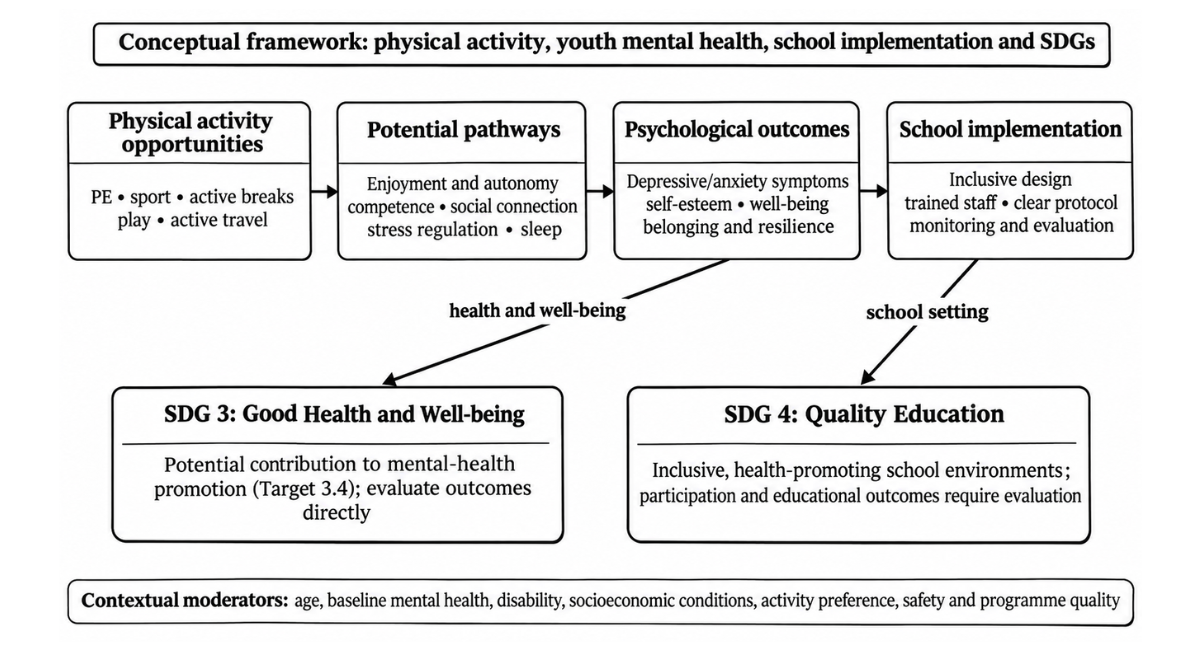
Figure 1: Conceptual Framework Linking Physical Activity and Youth Mental Health
The framework highlights potential associations between physical activity and mental health, but it is important to note that it does not establish causality. Based on the literature, it is possible to hypothesize that physical activity might have an effect on mental health through multiple mechanisms. It might also have indirect effects, for instance, by encouraging participation in group activities and thus promoting social support, or by helping individuals achieve their goals, which could increase confidence. Sleep and stress, which can all be affected by physical activity, might also play a role. The framework suggests that there may be factors in the environment that influence the likelihood that an individual will participate in physical activity and the impact that it has on mental health. For instance, family members might encourage the child or adolescent to be active or not, teachers and instructors might use inclusive practices or not, the environment may be welcoming or not, and financial barriers might exist or not. At the same time, however, discrimination, overemphasized performance demands, and a lack of resources might limit access to physical activity and negatively affect experiences. The framework can potentially highlight variables for future research. The review emphasizes the need for longitudinal and interventional studies that focus on the mechanisms mentioned and test the proposed linkages rather than taking them for granted.
Physical Activity and the Sustainable Development Goals
Sustainable Development Goal 3: Good Health and Well-Being
SDG 3 focuses on ensuring healthy lives and promoting well-being for all at all ages. Target 3.4 prioritizes the promotion of mental health and well-being and the reduction of mortality from non-communicable diseases [16]. Physical activity promotion fits into this goal as it can contribute to better physical health, and the indirect effects that it might have on mental health and well-being can also be beneficial. School- and community-based programmes can encourage children to adopt healthy behaviours that will benefit them throughout their lives. Physical activity should be seen as part of a suite of interventions that contribute to general health, including mental health literacy, sufficient sleep, healthy eating, social support, and access to professional care when needed.
Sustainable Development Goal 4: Quality EducationSDG 4 promotes inclusive, equitable quality education and lifelong learning opportunities for all [17]. Physical activity promotion in schools can contribute to this goal by encouraging the participation of children and adolescents in physical education classes and in other physical activities. These programmed should be designed to respond to diverse needs and ensure equity, considering variations in physical and mental health, gender, socio-economic status, and differing levels of sport competencies and interests. A positive learning environment can be created in schools through physical activity, but it is important to note that the design of physical activity programmed should not undermine other educational goals, such as the need to receive special support in the school setting.
Equity and inclusionThe inclusion of physical activity in school and community settings raises questions about health inequity and the potential for discrimination. Children and adolescents from different socio economic backgrounds might have different opportunities to participate in physical activity, depending on parental income, potential disabilities or gender norms, access to transportation, neighborhood safety, and the presence of sports facilities. To minimize health inequity, physical activity promotion must consider barriers and facilitators at multiple levels and ensure that the opportunities provided are broad and inclusive. Programmed should offer a wide range of activities that can be accessed through multiple modes, avoid placing undue demands on participants, and be affordable and available to all. Schools can respond to these needs by providing free or subsidized physical activity, modifying equipment and the physical environment, and being attentive to the potential for discrimination. In short, the contribution of physical activity to sustainable development emphasized here goes beyond its health benefits to include educational and social dimensions. It should be embedded in comprehensive strategies that promote equity and well-being.
DISCUSSION
This review provides an overview of the literature on the potential links between physical activity and mental health in youth. Overall, it shows that physical activity is likely to have an effect on many domains of mental health, including depressive symptoms, anxiety, self-esteem, and psychological well-being [3–7,18]. Of particular importance is the fact that physical activity is a spectrum of behaviors. Walking, playing, formal physical education, competitive sport, and exercise all differ in terms of their intensity, social context, opportunities for enjoyment and skill development, demands on the individual, and time requirements. Therefore, their effects on mental health are likely to be different. Physical activity interventions in the school setting are valuable because they can capitalize on the presence of young people in the educational environment. Opportunities for physical activity in the form of physical education and active breaks during class can help meet daily activity requirements, and school-based sport can help promote socialization. However, the effectiveness of these interventions depends on resources, teacher engagement, and student participation. The association between physical activity and mental health needs to be interpreted with caution. While observational studies can highlight potential relationships, they cannot demonstrate causality. That is, while physical activity might be protective, it is also possible that individuals with higher levels of mental health are more likely to be physically active. Longitudinal studies and well-designed trials are needed. Another important consideration is the fact that physical activity interventions alone might not be sufficient in addressing the drivers of mental health problems among children and adolescents. As such, physical activity promotion should be considered as part of a multi-component approach to well-being that also emphasizes social support, school-based mental health promotion, and access to professional services. The SDG perspective highlights the importance of embedding physical activity within a broader public health and educational framework, including priorities related to health equity.
Practical Implications
The evidence presented in this review has several practical implications:
- For schools: Promote regular physical education and opportunities for physical activity during the school day.
- For teachers: Emphasize personal progress, enjoyment, cooperation, and skill development rather than emphasizing competitive outcomes.
- For families: Encourage physical activity based on age appropriateness and participation in play, walking, recreation, and other activities children enjoy.
- For policymakers: Ensure access to safe places for recreation and affordable physical activity programs.
- For health professionals: Consider physical activity a component of a comprehensive approach to health promotion, but also recognize when professional mental health assessment is needed.
- For researchers: Explore intervention characteristics, participation barriers, psychological outcomes, and population group differences.
LIMITATIONS
This review has several limitations and should be interpreted accordingly. First, this is a narrative review and does not include a systematic, comprehensive search of all the literature. Second, the included literature involves different study designs, populations, physical activity measures, and mental health outcomes, limiting any comparisons. Third, there is evidence from observational research that does not necessarily demonstrate causality. Fourth, evidence may differ based on age, culture, and school context. The conceptual framework represents a proposed synthesis of potential relationships and not a validated causal model. Additionally, this review did not calculate pooled effect sizes or formally grade the certainty of the evidence.
Future Research Directions
Future research should utilize a longitudinal design and well-designed intervention designs to determine the association between physical activity and mental health. Researchers should use well-established psychological measures and, where applicable, objective measures of physical activity, such as accelerometry. Future research should also explore whether study results vary by age, sex, disability, socioeconomic circumstance, type of activity, and school context. There is a need for more studies examining the sustainability of school-based intervention programs and whether any effects sustain after the intervention has ended. Finally, future research should explore how school-based physical activity interventions can be integrated with mental health promotion while also ensuring equitable access and avoiding bullying, exclusion, or excessive performance pressures.
Critical Comparison of Intervention Effectiveness and Psychological Outcomes
The reviewed literature suggests that the relationship between physical activity and mental health is not uniform across all psychological outcomes or intervention approaches. Structured exercise interventions, school-based physical activity programmes, and organized sports differ in their objectives, delivery methods, social environments, and opportunities for participation. Consequently, findings from these approaches should not be interpreted as directly equivalent.
Depressive symptoms, anxiety, self-esteem, and psychological well-being represent distinct psychological outcomes. An intervention associated with improvements in depressive symptoms does not necessarily demonstrate equivalent improvements in anxiety or self-esteem. Similarly, improvements in mood or self-perception do not automatically establish sustained improvements in overall mental health. Comparisons between studies should therefore consider the specific outcomes measured, the assessment instruments used, and the duration over which effects were evaluated.
Methodological differences further complicate interpretation. Observational studies can identify associations between physical activity and psychological well-being but cannot independently establish causal relationships. Intervention studies can provide evidence regarding potential effects, although their findings may be influenced by sample size, intervention duration, adherence, comparison groups, and the validity of outcome measures. Differences in age, sex, socioeconomic circumstances, school environments, and previous physical activity experience may also contribute to variations in reported outcomes.
School-based interventions have the practical advantage of reaching children and adolescents within an established educational setting. However, their effectiveness may depend on implementation quality, available facilities, teacher support, and student participation. Organized sports may provide opportunities for social connection, cooperation, and skill development, but competitive pressure, exclusion, bullying, and excessive performance demands may negatively affect some participants. Therefore, programme accessibility, enjoyment, and psychological safety should be considered alongside physical activity participation.
Another important consideration is the sustainability of reported benefits. Short-term improvements do not necessarily indicate that positive psychological outcomes will continue after an intervention ends. Differences in follow-up periods and measurement methods may limit comparisons between studies. Future research should therefore examine both immediate and long-term outcomes and investigate how intervention characteristics influence effectiveness across different groups of children and adolescents.
Overall, physical activity should be considered one component of a broader approach to promoting mental health among children and adolescents. Although the reviewed literature indicates potential psychological benefits, differences in study design and outcome measurement limit direct comparisons. Further well-designed intervention and longitudinal studies are needed to clarify which approaches are most beneficial for particular psychological outcomes and whether these benefits are sustained over time.
CONCLUSION
Physical activity plays an essential role in healthy development in children and adolescents. The evidence reviewed suggests that physical activity is associated with various psychological outcomes, including depressive symptoms, anxiety, self-esteem, and psychological well-being. School-based physical education, as well as opportunities for physical activity during school breaks, after school, and in recreational settings, can offer young people opportunities to participate in regular physical activity. However, understanding the mechanisms and outcomes of physical activity is complicated, and results may vary depending on individual circumstances and program characteristics. Physical activity should not be considered a substitute for professional mental health care. Encouraging accessible, enjoyable, and inclusive physical activity can contribute to youth health and wellbeing and achieve the goals of SDG 3 and SDG 4. Future research should strive to enhance evidence using longitudinal studies, intervention designs, and carefully examine the evidence surrounding equitable access and long-term outcomes.
AUTHOR CONTRIBUTIONS
Yogesh Muthuraj: Conceptualization, literature review, evidence synthesis, manuscript preparation, and writing of the original draft.
Sukumaran Clementswami: Supervision, critical review, intellectual input, and manuscript editing.
ACKNOWLEDGEMENTS
The authors acknowledge the researchers and public health organizations whose work has contributed to our understanding of physical activity and mental health in children and adolescents.
FUNDING
No specific external funding was received for this review.
CONFLICT OF INTEREST
The authors declare no competing interests.
REFERENCES
- World Health Organization. Mental health of adolescents. Geneva: WHO; 2025. Accessed August 2026. [Google Scholar]
- World Health Organization. WHO guidelines on physical activity and sedentary behaviour. Geneva: WHO; 2020. [Google Scholar]
- Liu M, Wu L, Ming Q. How does physical activity intervention improve self-esteem and self-concept in children and adolescents? Evidence from a meta-analysis. PLoS One. 2015;10(8):e0134804. [Crossref] [Google Scholar] [PubMed]
- Rodriguez-Ayllon M, Cadenas-Sanchez C, Estévez-López F, et al. Role of physical activity and sedentary behavior in the mental health of preschoolers, children and adolescents: a systematic review and meta-analysis. Sports Med. 2019;49(9):1383-1410. [Crossref] [Google Scholar] [PubMed]
- Carter T, Morres ID, Meade O, Callaghan P. The effect of exercise on depressive symptoms in adolescents: a systematic review and meta-analysis. J Affect Disord. 2021;285:10-21. [Crossref] [Google Scholar] [PubMed]
- Andermo S, Hallgren M, Nguyen TTD, et al. School-related physical activity interventions and mental health among children: a systematic review and meta-analysis. Sports Med Open. 2020;6:25. [Crossref] [Google Scholar] [PubMed]
- Rocliffe P, Adamakis M, O'Keeffe BT, Walsh L, Bannon A, Garcia-Gonzalez L, et al. The impact of typical school provision of physical education, physical activity and sports on adolescent mental health and wellbeing: a systematic literature review. Adolesc Res Rev. 2024;9(2):339-364. [Crossref] [Google Scholar]
- Cai S, Wang H, Zhang YH, Zhao TM, Yuan X, Deng HW, et al. Could physical activity promote indicators of physical and psychological health among children and adolescents? An umbrella review of meta-analyses of randomized controlled trials. World J Pediatr. 2025;21(2):159-173. [Crossref] [Google Scholar] [PubMed]
- Fu Y, et al. Physical activity and mental health among children and adolescents: a population-based study. BMC Public Health. 2025;25:1514. [Crossref] [Google Scholar]
- Singh B, et al. Physical activity interventions and mental health outcomes in young people. J Am Acad Child Adolesc Psychiatry. 2026;65(2):171-186. [Crossref] [Google Scholar]
- Viskari T, et al. Physical activity and mental health in young people. Scand J Med Sci Sports. 2025;35(10):e70150. [Crossref] [Google Scholar]
- Wang Y, et al. Physical activity and health outcomes in children and adolescents. BMC Pediatr. 2025;26:96. [Crossref] [Google Scholar]
- Sanders GJ, et al. Physical activity and mental health-related outcomes in children and adolescents. Am J Epidemiol. 2023;192(4):665-679. [Crossref] [Google Scholar]
- Recchia F, et al. Physical activity interventions and mental health outcomes in children and adolescents: a systematic review and meta-analysis. JAMA Pediatr. 2023;177(2):132-140. [Crossref] [Google Scholar] [PubMed]
- Eime RM, Young JA, Harvey JT, Charity MJ, Payne WR. A systematic review of the psychological and social benefits of participation in sport for children and adolescents: informing development of a conceptual model of health through sport. Int J Behav Nutr Phys Act. 2013;10:98. [Crossref] [Google Scholar] [PubMed]
- United Nations. Sustainable Development Goal 3: Good health and well-being. Target 3.4. Accessed 2026. [Google Scholar]
- United Nations. Sustainable Development Goal 4: Quality education. Accessed 2026. [Google Scholar]
- Biddle SJH, Asare M. Physical activity and mental health in children and adolescents: a review of reviews. Br J Sports Med. 2011;45(11):886-895. [Crossref] [Google Scholar] [PubMed]
- Lubans DR, Richards J, Hillman C, et al. Physical activity for cognitive and mental health in youth: a systematic review of mechanisms. Pediatrics. 2016;138(3):e20161642. [Crossref] [Google Scholar] [PubMed]
- World Health Organization. Global recommendations on physical activity for health. Geneva: WHO; 2010. [Google Scholar]