

Journal of Psychiatry and Psychological Sciences
ISSN:
3107-9024 (Online)
DOI Prefix (Crossref): 10.67238
 Download PDF

Higher Education, Psychology, and Policy Analysis Laboratory, Naju, South Korea
ABSTRACT
University students face academic demands, uncertainty about the future, interpersonal pressure, and changes in personal roles. These experiences may affect psychological well-being and increase symptoms such as depression, anxiety, hostility, and interpersonal sensitivity. Music activities can provide an accessible way to express emotions, regulate attention, and promote social interaction, while positive psychology activities can help students recognize strengths, gratitude, forgiveness, hope, and personal goals. This study examined the effects of a music activity-based positive psychology program on the mental health of university students. Eighty-four students enrolled at a three-year university in Quanzhou, Fujian Province, China, participated in the program. Four participants were excluded because of incomplete or careless responses, and data from 80 students were used for analysis. The program consisted of seven weekly 60-minute sessions over approximately two months. Each session included 30 minutes of structured music activity and 30 minutes of positive psychology activity. Mental health was assessed with the Chinese version of the Symptom Checklist-90 (SCL-90). Pretest and posttest scores were compared using paired-samples t tests. The results showed that the Global Severity Index decreased significantly after the program. Significant reductions were also found in somatization, obsessive-compulsive symptoms, depression, hostility, and phobic anxiety. Interpersonal sensitivity, anxiety, paranoid ideation, and psychoticism also decreased, but the changes were not statistically significant. The findings suggest that combining music activities with positive psychology may be a useful and practical approach for supporting university students’ mental health.
Keywords: Music Activities; Positive Psychology; University Students; Mental Health; SCL-90
INTRODUCTION
Background
University students experience an important stage of development as they gradually become more independent, establish adult identities, and prepare for future employment and social roles. This period, often described as emerging adulthood, involves major changes in identity, interpersonal relationships, education, and career planning [1]. Although university education provides opportunities for personal growth, students may also face academic pressure, financial difficulties, interpersonal problems, and uncertainty about their future. These challenges can affect their emotional experiences, psychological adjustment, and everyday functioning.
Mental health concerns are common among university students. Previous research has identified considerable levels of depression, anxiety, and stress in college populations, with academic demands, financial problems, and social difficulties being important sources of pressure [2]. Students’ responses to these pressures are also influenced by their coping strategies and psychological adjustment. Therefore, universities need practical approaches that can be incorporated into ordinary educational environments and can provide students with opportunities to manage stress and develop psychological resources.
Mental health should not be viewed only in terms of the absence of psychological disorders. Keyes argued that mental health also involves emotional, psychological, and social well-being [3]. From this perspective, mental health programs can be useful even when they are not designed to treat clinically diagnosed conditions. Such programs may help students cope with everyday difficulties, experience more positive emotions, and develop personal and social resources. This broader understanding is closely related to positive psychology, which emphasizes positive emotions, personal strengths, meaning, relationships, and human development [4].
Positive psychology has been increasingly applied in educational settings because many positive psychology activities can be conducted in groups and do not require a clinical environment. Activities such as identifying personal strengths, expressing gratitude, practicing forgiveness, developing hope, and setting personal goals provide students with opportunities to reflect on their experiences and recognize their psychological resources. Seligman, reported that positive psychology exercises could improve well-being and reduce depressive symptoms among adults. Similarly, Sin and Lyubomirsky found that positive psychology interventions generally produced beneficial effects across different populations, although the size of the effects differed according to the type of intervention and research design [5-6].
Positive psychology may have particular value for university students because its activities can be connected with students’ everyday academic and social experiences. For example, students can identify their strengths in relation to study, reflect on positive experiences with peers, or consider how personal strengths can be applied to future goals. Fredrickson’s, broaden-and-build theory provides a theoretical explanation for this approach. Positive emotions may broaden individuals’ momentary attention and thinking while also helping them develop psychological and social resources over time [7]. Therefore, educational activities that create positive emotional experiences may contribute not only to immediate emotional adjustment but also to the development of longer-term psychological resources.
Music plays an essential role in the daily lives of adolescents and young adults, serving as a primary context for emotional and social development [8]. Therefore, music provides a highly accessible approach to supporting university students’ mental health without requiring complicated equipment or specialized facilities. Students can participate through listening to music, singing, creating simple rhythms, discussing lyrics, or sharing songs that have personal meaning. These activities can involve emotional expression, attention, memory, interpersonal interaction, and personal reflection. Music may therefore serve as an accessible behavioral activity that complements positive psychological exercises.
The relationship between music and emotional experience has been examined from different psychological perspectives. Juslin and Västfjäll, proposed several mechanisms through which music may influence emotion, including brain stem reflexes, evaluative conditioning, emotional contagion, visual imagery, episodic memory, and musical expectancy [9]. These mechanisms indicate that music can influence how individuals experience and interpret emotional states rather than functioning only as a form of entertainment.
Music listening has also been investigated as a way of supporting stress and emotional adjustment. Thoma, found that music listening could influence psychobiological responses to stress, while a systematic review by de Witte, reported positive effects of music interventions on stress-related outcomes, although the effects varied according to intervention characteristics [10,11]. Evidence from university populations has also become more available. Lin and Li, in a meta-analysis of college students, found that music therapy was associated with reductions in depressive symptoms [12]. Li, similarly reported significant reductions in anxiety among university students receiving music therapy across randomized controlled studiesv[13]. These findings suggest that music-based approaches deserve further consideration in higher education settings.
Music activities may also provide opportunities for social interaction. Group singing, for example, requires participants to listen to one another, coordinate their timing, and contribute to a shared activity. Clift and Hancox, reported associations between singing, well-being, and social benefits, while Kreutz, observed changes in emotional and physiological states following group singing [14-15]. In university settings, collaborative music activities may therefore create a relatively natural environment in which students can communicate with peers and participate in shared experiences.
The potential value of music activities may be increased when they are deliberately connected with positive psychology. Rather than treating music as an independent activity, music can be used as a starting point for psychological reflection and interpersonal interaction. For instance, students may listen to a meaningful song before completing a gratitude exercise, connect group singing with appreciation of peers, or use songwriting to express personal strengths and future goals. Music can also create a shared emotional context before students discuss their experiences. Such integration may provide a more engaging and practical format than using music activities and positive psychology exercises separately.
Existing research provides support for both components of this integrated approach. Dingle, reported social and mental health benefits associated with choir singing, while Hendricks, discussed the use of music techniques in work with adolescents experiencing depression [16-17]. Gold, also found beneficial effects of structured music therapy across several psychological outcomes among children and adolescents [18]. At the same time, Gold, identified a dose-response pattern in music therapy research, indicating that the duration and intensity of an intervention should be considered when developing music-based programs [19].
The psychological functions of everyday music use provide further support for incorporating music into student programs. Saarikallio and Erkkilä, found that adolescents commonly use music for mood regulation, while McFerran and Saarikallio (2014) emphasized the role of music in helping young people manage their feelings [19-20]. Schäfer, identified several functions of music listening, including emotional regulation, social connection, and self-awareness [21]. These findings suggest that music can be connected with psychological activities in ways that are familiar to young people. At the same time, music use should be purposeful because individuals may respond differently to the same musical experience.
Music can evoke a wide range of emotional responses that reflect both momentary emotional states and underlying trait predispositions [22]. Zentner, similarly showed that music is capable of producing diverse emotional experiences, while Chanda and Levitin, reviewed evidence linking music with neurochemical processes associated with reward, arousal, and stress [23-24]. Individual differences should also be considered because music carries personal and cultural meanings, and the same song may have different meanings for different students [25]. Music preferences may also reflect differences in personality and social identity [26]. Therefore, a university music program should allow students some freedom to select or respond to music according to their own experiences rather than assuming that all students will react in the same way.
Music participation may also have educational value beyond emotional regulation. Hallam, uggested that music participation can contribute to social, personal, and educational development [27]. Fancourt and Finn, similarly placed arts engagement within a broader framework of health and well-being, while Bradt, reviewed the use of music interventions in health-related contexts [28-29]. These findings support the use of structured music activities as one possible component of broader student well-being programs.
The combination of music and positive psychology is also consistent with the broader goal of mental health promotion. The World Health Organization, emphasized that mental health promotion should be incorporated into wider social and educational support rather than being limited to the treatment of severe psychological problems [30]. In this context, university-based activities that combine emotional experience, personal reflection, peer interaction, and psychological skill development may provide a practical form of preventive support.
Research on student well-being in the Chinese higher education context also provides a relevant foundation. Wu, Lin, and Kong, proposed a counselor-led mental health support model for arts major students and emphasized the importance of developing a sustainable educational environment around student mental health [31]. Wu, found that self-awareness and responsible decision-making were important predictors of well-being among private university students in Quanzhou, Fujian Province [32]. Wu, Kong, and Lv, also highlighted the importance of positive psychological resources in supporting the subjective well-being of art and design students in higher vocational colleges [33]. Together, these studies provide a local educational context for developing practical approaches to student mental health in Fujian Province.
Despite the existing evidence, relatively limited research has examined an educational program that intentionally combines music activities with positive psychology for university students. Previous studies have often focused on music listening, music therapy, group singing, or positive psychology interventions as separate approaches. Less attention has been given to how music activities can be systematically linked with positive psychological themes within a short-term university program.
The methodological structure of the present study was informed by a positive psychology intervention protocol established by Han, which utilized a pretest-posttest design and the Symptom Checklist-90 (SCL-90) to assess changes in students’ psychological symptoms [34]. The program was delivered once a week over approximately two months and combined experiential activities with positive psychology exercises. Paired-samples t tests were used to compare participants’ pretest and posttest scores. The present study retains this basic intervention logic while replacing the main experiential activity component with structured music activities.
The SCL-90 provides a broad measure of psychological symptoms and has been used extensively in psychological and educational research. The original instrument was developed by Derogatis, and subsequent work examined its psychometric properties and relationship with other psychological measures [35-37]. In China, the scale was introduced and described by Wang, and Chinese normative research was later conducted by Jin [38-39]. Its broad coverage of psychological symptoms makes it suitable for examining changes across several dimensions of student mental health.
The present study therefore examines the effects of a seven-session music activity program integrated with positive psychology on university students’ mental health. The program combines music listening, group singing, rhythm activities, songwriting, and music-based reflection with positive psychology themes including emotional awareness, strengths, gratitude, forgiveness, hope, and action planning. By combining familiar music experiences with structured psychological activities, the study aims to provide an educationally practical approach to supporting university students’ mental health.
Purpose of the Study
The purpose of this study was to examine whether a seven-session music activity-based positive psychology program could improve the mental health of university students. Mental health was assessed using the SCL-90, with attention to the Global Severity Index and nine major symptom dimensions. The study focused on whether students showed lower symptom levels after participating in the program.
Research Hypotheses
H1: The music activity-based positive psychology program will significantly reduce the overall mental health symptom level of university students.
H1a: The program will significantly reduce somatization.
H1b: The program will significantly reduce obsessive-compulsive symptoms.
H1c: The program will significantly reduce interpersonal sensitivity.
H1d: The program will significantly reduce depression.
H1e: The program will significantly reduce anxiety.
H1f: The program will significantly reduce hostility.
H1g: The program will significantly reduce phobic anxiety.
H1h: The program will significantly reduce paranoid ideation.
H1i: The program will significantly reduce psychoticism.
Methodological clarification added in response to the reviewer: The Methods section has been expanded to clarify the participant flow, study design, measurement timing, intervention structure, session sequence, procedure, and statistical analysis. The revised description distinguishes within-participant pretest-posttest change from causal evidence and does not introduce a control group or follow-up data that were not collected in the original study.
MATERIALS AND METHODS
Participants
The participants were 84 students enrolled at a three-year university in Quanzhou, Fujian Province, China. Four participants were excluded before the final analysis because their questionnaires were incomplete or showed careless response patterns, leaving 80 valid cases for analysis. The participant flow was therefore 84 questionnaires collected → 4 excluded after data screening → 80 participants included in the paired pretest-posttest analysis.
Participants were recruited from university classes. Before participation, students were informed about the purpose and procedures of the study, the approximate time requirements, the voluntary nature of participation, and the confidentiality of their responses. The same participants completed the SCL-90 before and after the seven-session program, which allowed within-person changes to be examined.
Participation was voluntary, and students could discontinue participation without academic disadvantage. Personal information was coded and used only for research analysis. The final sample included 39 male students (48.8%) and 41 female students (51.2%). Because the study was conducted at a single three-year university and used a convenience recruitment approach through university classes, the sample should be understood as an institution-specific preliminary sample rather than a representative university population.
Research Design
A one-group pretest-posttest design was adopted to obtain a preliminary evaluation of the music activity-based positive psychology program. The design was adapted from the intervention logic described by Han [34]. The study did not include a separate control group; therefore, the design permits examination of change within the participating students but does not allow the observed changes to be attributed exclusively to the intervention.
The intervention lasted approximately two months and consisted of seven weekly sessions, with each session lasting 60 minutes. The SCL-90 was administered immediately before the first session and again after the final session. The same participants completed both assessments, allowing paired-samples comparisons of pretest and posttest scores.
Each session followed a standardized two-part structure: 30 minutes of structured music activities followed by 30 minutes of positive psychology activities. The music component included guided listening, rhythmic exercises, group singing, lyric analysis, simple songwriting, and music-based reflection across the seven sessions. The positive psychology component addressed strength identification, strength development, gratitude, forgiveness, self-development and hope, and action planning. The detailed session sequence is reported in Table 1.
The design was selected because the study aimed to examine whether a short, educationally feasible program was accompanied by changes in self-reported psychological symptoms. Given the absence of a control group and follow-up assessment, the findings are interpreted as preliminary evidence of pretest-posttest change rather than definitive causal evidence.
Measurement
The Symptom Checklist-90 (SCL-90) was used at both measurement points to assess participants' self-reported psychological symptoms. The original SCL-90 was developed by Derogatis and colleagues Derogatis, and the instrument was subsequently introduced and used in China [35,38,39]. The same Chinese version and scoring procedure were used for the pretest and posttest so that changes could be compared on the same measurement basis.
The SCL-90 contains 90 items covering nine major symptom dimensions: somatization, obsessive-compulsive symptoms, interpersonal sensitivity, depression, anxiety, hostility, phobic anxiety, paranoid ideation, and psychoticism, together with additional items related to sleep and other concerns. Participants reported the extent to which they had experienced the listed symptoms during the previous week. The study followed the scoring procedure of the Chinese version.
The Global Severity Index (GSI) was used as the overall indicator of symptom severity, while the nine major dimensions were examined as specific outcomes. Lower scores indicate fewer self-reported psychological symptoms. The SCL-90 was treated as a symptom screening measure rather than a clinical diagnostic instrument. Accordingly, the present study evaluated changes in reported symptom levels and did not interpret the scores as evidence of psychiatric diagnoses.
The pretest was completed before the intervention began, and the posttest was completed at the end of the seventh session. Using the same participants and the same instrument at both time points provided the basis for the paired-samples analyses reported below.
Program Development
The intervention was developed by integrating structured music activities with established positive psychology activities. Its overall structure was informed by the seven-session intervention logic described by Han, while the experiential activity component was adapted into music-based activities for the present university student population [34].
The program was designed around two principles. First, each session contained a clearly defined music activity that could be completed without prior musical training. Second, each music activity was directly connected to a positive psychology theme so that music functioned as an experiential starting point for emotional awareness, reflection, social participation, or future-oriented thinking rather than as an isolated listening activity.
The seven sessions followed a planned sequence from orientation and emotional awareness to strengths, gratitude, forgiveness, hope and self-development, and finally integration and action planning. The first session included the pretest and orientation. Sessions 2 and 3 focused on recognizing and developing personal strengths. Session 4 addressed gratitude, Session 5 addressed forgiveness, Session 6 addressed hope and self-development, and Session 7 focused on integration, action planning, and the posttest.
The music component varied across sessions and included guided listening, rhythm activities, group singing, meaningful music listening, calm music and reflection, songwriting or lyric selection, and music review and group sharing. The positive psychology component was matched to each music activity and included reflection or practice tasks intended to connect the session content with students' everyday experiences. The complete session structure is presented in Table 1, which was used as the procedural framework for delivery.
|
Session |
Music activity |
Focus |
Main activity |
Practice task |
|
1 |
Guided music listening |
Orientation and emotional awareness |
Pretest; introduction to music and emotions; identify a song related to current feelings |
Notice emotional changes when listening to selected music |
|
2 |
Rhythm and music listening |
Recognizing strengths |
Identify personal strengths and connect them with music experiences |
Write three personal strengths |
|
3 |
Group singing and rhythm |
Developing strengths |
Group music participation and strength development discussion |
Use one strength in a daily situation |
|
4 |
Meaningful music listening |
Gratitude |
Identify people and experiences that bring gratitude; write a gratitude message |
Complete a gratitude record |
|
5 |
Calm music and reflection |
Forgiveness |
Private reflection on emotional burden and forgiveness |
Write a personal forgiveness statement |
|
6 |
Songwriting and lyric selection |
Hope and self-development |
Write short lyrics or select lyrics linked to a future goal |
Develop one realistic action step |
|
7 |
Music review and group sharing |
Action planning and closure |
Review the program, select meaningful music, complete posttest |
Prepare a personal mental health action plan |
Table 1: Music Activity-Based Positive Psychology Program
Procedure
The program was delivered once a week for approximately two months, with seven sessions in total. Each session lasted 60 minutes and followed the same basic sequence: a 30-minute music activity module followed by a 30-minute positive psychology module. This consistent time structure was used across sessions to maintain comparable exposure to the two components.
Before the first session, participants completed the SCL-90 pretest. At the end of the seventh session, they completed the same SCL-90 as the posttest. Thus, the two assessments represented the participants' self-reported symptom levels immediately before and immediately after the intervention period.
At the beginning of each session, the facilitator explained the topic and activity procedure. Students were encouraged to participate according to their comfort level, and no musical performance skill was required. The facilitator emphasized participation, emotional awareness, and reflection rather than musical quality. After the music activity, students were guided to connect their experiences with the positive psychology topic of that session.
Each session also included a brief practice task. At the beginning of the following session, students were invited to review whether they had completed the task and to reflect briefly on their experience. This repeated structure was intended to support continuity across the seven sessions and to connect the in-session activities with students' everyday experiences.
The seven-session sequence was as follows: Session 1, orientation and emotional awareness; Session 2, recognizing strengths; Session 3, developing strengths; Session 4, gratitude; Session 5, forgiveness; Session 6, hope and self-development; and Session 7, integration, action planning, and closure. Table 1 provides the corresponding music activity, psychological focus, main activity, and practice task for each session.
Data Analysis
Data were analyzed using SPSS 26.0. After data screening, 80 complete cases were retained for analysis. Descriptive statistics, including means and standard deviations, were calculated for the GSI and the nine SCL-90 dimensions at both the pretest and posttest.
Because the same students provided measurements at both time points, paired-samples t tests were used to examine whether pretest and posttest scores differed significantly. Statistical significance was set at p < .05. The direction of the mean difference was considered together with the p value so that a statistically significant result was not interpreted independently of the observed change.
Cohen's dz was calculated for each paired comparison to quantify the magnitude of the pretest-posttest difference [40]. The effect size was reported together with the t statistic and p value to provide information about the practical magnitude of the observed change.
The GSI was treated as the primary overall outcome, while the nine SCL-90 dimensions were examined as secondary symptom outcomes. Because multiple symptom dimensions were examined, the results were interpreted cautiously and with attention to the pattern and size of changes across dimensions. No between-group analysis was conducted because the study did not include a control group.
The statistical analysis therefore addressed the primary methodological question supported by the design: whether participants' self-reported psychological symptom scores were lower after completing the seven-session program than before participation. The results are not interpreted as establishing that the intervention alone caused the observed changes.
RESULTS
Participant Characteristics
After data screening, 80 students were included in the final analysis. The participants represented students enrolled in different academic programs at the university. The sample included both male and female students and reflected the ordinary student population of the participating institution. Demographic characteristics of the final sample are summarized in Table 2.
|
Characteristic |
n |
Percentage |
|
Valid participants |
80 |
100 |
|
Male |
39 |
48.8 |
|
Female |
41 |
51.2 |
|
Excluded responses |
4 |
4.8 of collected responses |
|
Total collected |
84 |
100 |
Table 2: Participant Characteristics
Overall Mental Health
The GSI decreased from the pretest to the posttest. The pretest mean was 0.78 (SD = 0.49), while the posttest mean was 0.64 (SD = 0.36). The paired-samples t test showed a statistically significant difference, t (79) = 3.72, p < .001, Cohen’s dz = 0.42. As shown in Table 3, the paired-samples t test revealed a significant post-intervention reduction in the Global Severity Index.
|
Measure |
Pretest M (SD) |
Posttest M (SD) |
t |
p |
Cohen's dz |
|
GSI |
0.78 (0.49) |
0.64 (0.36) |
3.72 |
< .001 |
0.42 |
Table 3: Paired-Samples t Test for SCL-90 Global Severity Index
These results indicate that the overall level of self-reported psychological symptoms decreased after the music activity-based positive psychology program. As shown in Figure 1, the Global Severity Index decreased significantly after the intervention.
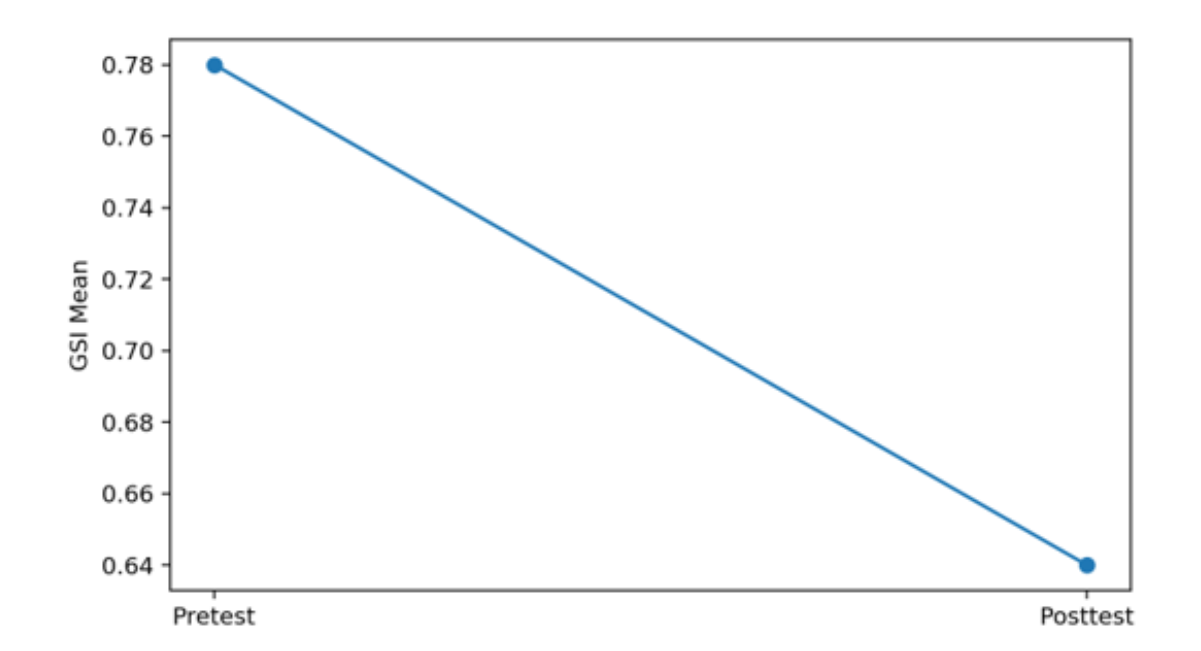
Figure 1: Change in Global Severity Index
The reduction in GSI suggests that the program was associated with an overall improvement in psychological symptom levels. The finding is consistent with previous evidence that positive psychology interventions can improve well-being and reduce negative psychological outcomes [6]. It is also consistent with evidence that music-based interventions can support emotional outcomes among university students [12].
Changes in SCL-90 Dimensions
The nine SCL-90 dimensions all showed lower mean scores after the program. Five dimensions showed statistically significant reductions: somatization, obsessive-compulsive symptoms, depression, hostility, and phobic anxiety. Four dimensions, including interpersonal sensitivity, anxiety, paranoid ideation, and psychoticism, showed reductions that did not reach statistical significance.
Somatization decreased from 10.84 (SD = 6.91) to 9.35 (SD = 5.43), t(79) = 2.49, p = .015, Cohen’s dz = 0.28. This result suggests that students reported fewer physical complaints related to psychological distress after the program. Obsessive-compulsive symptoms decreased from 10.21 (SD = 6.12) to 8.63 (SD = 4.51), t(79) = 3.04, p = .003, Cohen’s dz = 0.34. The result indicates a meaningful reduction in repeated thoughts and related psychological discomfort. Interpersonal sensitivity decreased from 6.41 (SD = 4.88) to 6.08 (SD = 4.47), but the difference was not significant, t(79) = 1.21, p = .230, Cohen’s dz = 0.14. Depression decreased from 12.06 (SD = 7.83) to 10.19 (SD = 6.18), t(79) = 3.63, p < .001, Cohen’s dz = 0.41. This was one of the larger changes among the SCL-90 dimensions. Anxiety decreased from 6.38 (SD = 5.94) to 5.91 (SD = 4.39), but the change was not statistically significant, t(79) = 1.02, p = .311, Cohen’s dz = 0.11. Hostility decreased from 4.18 (SD = 3.31) to 3.09 (SD = 2.24), t(79) = 3.48, p = .001, Cohen’s dz = 0.39. Phobic anxiety decreased from 5.52 (SD = 4.21) to 4.14 (SD = 2.79), t(79) = 3.76, p < .001, Cohen’s dz = 0.42. Paranoid ideation decreased from 4.39 (SD = 3.81) to 4.12 (SD = 3.39), but the difference was not significant, t(79) = 0.91, p = .366, Cohen’s dz = 0.10. Psychoticism decreased from 4.28 (SD = 4.36) to 4.02 (SD = 3.94), but the difference was not significant, t(79) = 1.02, p = .311, Cohen’s dz = 0.11. Table 4 displays the pretest and posttest results for all nine SCL-90 dimensions. The pretest and posttest mean scores across the nine SCL-90 dimensions are presented in Figure 2.
|
SCL-90 dimension |
Pretest M (SD) |
Posttest M (SD) |
t |
p |
Cohen's dz |
|
Somatization |
10.84 (6.91) |
9.35 (5.43) |
2.49 |
0.015 |
0.28 |
|
Obsessive-compulsive |
10.21 (6.12) |
8.63 (4.51) |
3.04 |
0.003 |
0.34 |
|
Interpersonal sensitivity |
6.41 (4.88) |
6.08 (4.47) |
1.21 |
0.23 |
0.14 |
|
Depression |
12.06 (7.83) |
10.19 (6.18) |
3.63 |
< .001 |
0.41 |
|
Anxiety |
6.38 (5.94) |
5.91 (4.39) |
1.02 |
0.311 |
0.11 |
|
Hostility |
4.18 (3.31) |
3.09 (2.24) |
3.48 |
0.001 |
0.39 |
|
Phobic anxiety |
5.52 (4.21) |
4.14 (2.79) |
3.76 |
< .001 |
0.42 |
|
Paranoid ideation |
4.39 (3.81) |
4.12 (3.39) |
0.91 |
0.366 |
0.1 |
|
Psychoticism |
4.28 (4.36) |
4.02 (3.94) |
1.02 |
0.311 |
0.11 |
Table 4: Paired-Samples t Tests for SCL-90 Dimensions
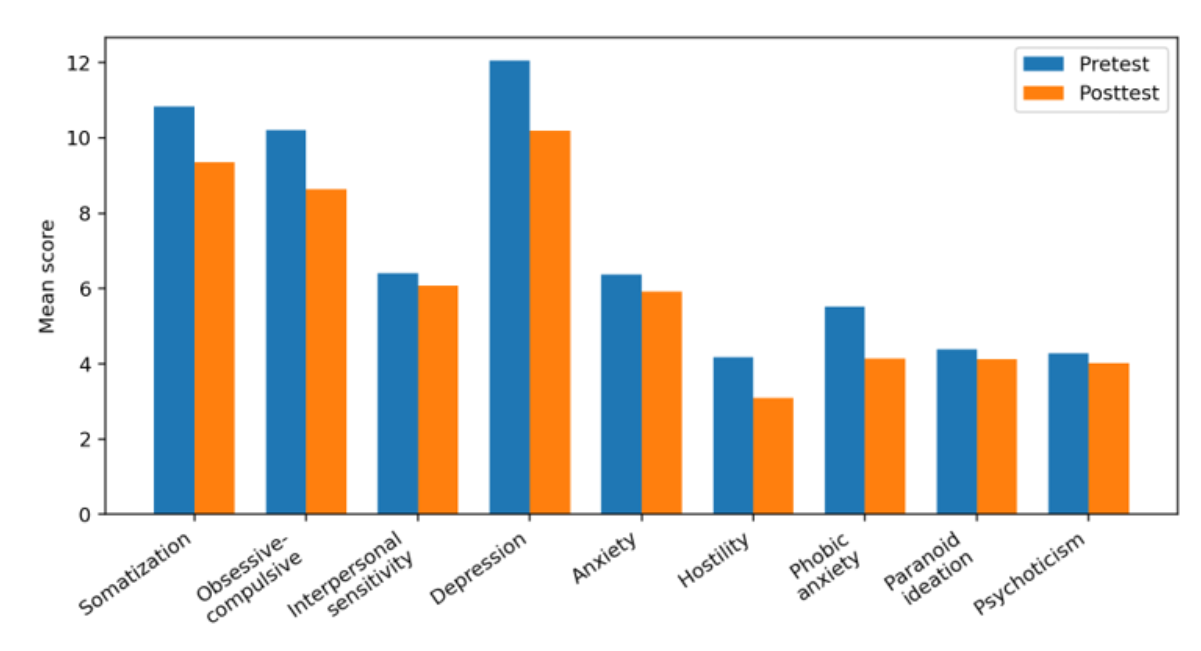
Figure 2: Pretest and Posttest Mean Scores for SCL-90 Dimensions
DISCUSSION
Overall Mental Health
The purpose of this study was to examine the effects of music activities integrated with positive psychology on university students’ mental health. The results showed that the overall GSI decreased significantly after the seven-session program. Significant reductions were found in somatization, obsessive-compulsive symptoms, depression, hostility, and phobic anxiety. Interpersonal sensitivity, anxiety, paranoid ideation, and psychoticism also decreased, but these changes were not statistically significant.
The significant decrease in GSI suggests that the combined program was associated with lower overall psychological symptom levels. This result aligns with prior research on short-term integrated positive psychology interventions, which similarly observed significant post-intervention reductions in overall psychological distress.
One possible explanation is that the program provided repeated opportunities for emotional awareness and positive reflection. Music activities can help students notice emotional states and may provide a familiar method for emotional expression. Positive psychology activities can then help students interpret these experiences through strengths, gratitude, forgiveness, hope, and action planning. This sequence may make psychological reflection easier for students who are not comfortable with direct counseling.
Music may influence emotional responses through several psychological mechanisms. Juslin and Västfjäll, suggested that music can activate emotional contagion, memory, imagery, and expectancy. These processes may help students shift attention away from immediate stress and become aware of emotional experiences. Thoma, also found that music could influence responses to stress [10]. Therefore, music may provide a useful starting point for positive psychological activities.
Somatization
Somatization showed a significant reduction after the program. Psychological stress can be expressed through physical discomfort, fatigue, sleep problems, and other bodily experiences. When students learn to identify emotions and use constructive ways to respond to them, they may experience fewer stress-related physical complaints.
Music may contribute to this process through relaxation and attention regulation. Controlled music listening can reduce environmental distraction and provide a stable emotional stimulus. Positive psychology activities may further help students recognize positive experiences and personal resources. The combination may be more useful than simple passive listening.
The result is also consistent with the broader view that mental health includes both psychological and physical experiences. Keyes, argued that mental health should be considered across emotional, psychological, and social dimensions [3]. Wu, Lin, and Kong, similarly emphasized an educational ecology in which student mental health is supported through regular educational and counseling practices rather than only through crisis intervention [31].
Obsessive-Compulsive Symptoms
Obsessive-compulsive symptoms also decreased significantly. The effect was moderate in relation to the other dimensions. Students may experience repetitive thoughts because of academic pressure, uncertainty, or difficulty disengaging from stressful tasks. Music activities may help interrupt repeated attention patterns by giving students a structured sensory activity. Positive psychology activities may then redirect attention toward strengths, gratitude, or future goals.
The finding should not be interpreted as evidence that the program treats obsessive-compulsive disorder. The SCL-90 measures symptom experiences rather than clinical diagnoses. The result only indicates that the level of self-reported obsessive-compulsive symptoms decreased after participation.
The result is consistent with the idea that positive emotional experiences can broaden attention. Fredrickson, proposed that positive emotions can widen the range of thoughts and actions available to individuals [7]. In the present program, music may have provided an emotional context in which students could shift from repeated negative thinking to broader reflection.
Depression
Depression showed one of the strongest reductions. This finding is important because depression is a common concern among university students. Beiter, reported that college students can experience substantial depression and stress. Recent meta-analytic evidence also indicates that music interventions can reduce depressive symptoms among college students [12].
The effect may be related to the structure of the positive psychology activities. The program included strengths, gratitude, forgiveness, hope, and action planning. These activities are directed toward positive resources and future-oriented thinking. Seligman, showed that positive psychology exercises can influence well-being and depressive symptoms [5]. Sin and Lyubomirsky, also found that positive psychology interventions can produce small to moderate improvements in well-being and depressive symptoms [6].
Music may strengthen these activities by making the intervention more emotionally engaging. For example, a meaningful song can activate autobiographical memory. Students can then use that emotional experience to identify supportive relationships or positive events. Group singing may also create a sense of participation and connection. Clift and Hancox, reported that singing can be related to well-being and social benefits [14].
The local educational context may also be relevant. Wu, reported that self-awareness and responsible decision-making were important predictors of well-being among private university students in Quanzhou [32]. The current program included activities that required students to identify emotions, recognize strengths, and make personal action plans. These activities may support self-awareness and responsible personal choices.
Hostility
Hostility showed a significant reduction. Hostility includes anger, irritation, aggressive thoughts, and negative reactions toward others. University students may experience interpersonal stress from academic competition, group work, family expectations, or uncertainty about future employment.
Group music activities may provide a low-pressure opportunity for shared participation. Students need to listen to others, follow a common rhythm, and coordinate with peers. This may support social attention and reduce emotional isolation. Kreutz, found that group singing can be associated with changes in emotional and physiological states [15].
The positive psychology components may also contribute. Gratitude can direct attention toward supportive relationships, while forgiveness can help students reconsider interpersonal emotional burdens. McCullough, proposed that forgiveness is related to changes in interpersonal motivation [41]. In the current program, forgiveness was presented as a personal reflection rather than a requirement to excuse harmful behavior.
The result is also consistent with the positive psychology perspective that emotional resources can influence how people respond to stressful situations. Fredrickson, suggested that positive emotions can broaden coping resources [7]. Therefore, the reduction in hostility may reflect a combination of emotional regulation, social participation, and positive reflection.
Phobic Anxiety
Phobic anxiety showed the largest reduction among the nine dimensions. This result suggests that music activities may be particularly useful when they are combined with structured emotional reflection. Music can provide a predictable and familiar stimulus, while positive psychology activities can shift attention toward strengths and future action.
However, anxiety itself did not show a significant reduction. This difference is important. It indicates that the program should not be described as equally effective for every anxiety-related symptom. Li, reported that music therapy reduced anxiety in university students, but the effect varied according to intervention type and duration [13]. The present program may have been too short or too general to produce a significant change in broader anxiety.
Another possible reason is that phobic anxiety and generalized anxiety may involve different experiences. A general anxiety score can reflect multiple sources of tension, including academic concerns, career concerns, and social uncertainty. Seven weekly sessions may not be sufficient to change all these experiences. Future programs could include more direct anxiety management components such as breathing, relaxation, and cognitive coping.
Non-Significant Dimensions
Interpersonal sensitivity, anxiety, paranoid ideation, and psychoticism decreased but did not reach statistical significance. This pattern is consistent with previous findings, in which brief multi-component interventions produced generalized improvements while specific symptom dimensions showed modest, non-significant decreases.
Interpersonal sensitivity may require more direct interpersonal practice. Although group music provides social contact, the program did not include a large amount of structured interpersonal skills training. Future programs could include paired music activities, peer feedback, cooperative songwriting, and communication exercises.
The lack of a significant anxiety effect may be related to the general structure of the program. The program was designed to promote broad mental health rather than target anxiety specifically. A longer intervention may be needed for students with persistent anxiety.
Paranoid ideation and psychoticism are also relatively difficult outcomes for a short educational intervention. These dimensions include experiences that may not change quickly through general positive psychology activities. The small effect sizes found in this study support a cautious interpretation.
The non-significant results also show why mental health programs should not be evaluated only through a single total score. A program can reduce some symptoms while having limited effects on others. This pattern provides useful information for improving intervention content.
Implications for University Education
The findings have practical implications for universities. First, music activities can be integrated into student support programs without requiring students to identify themselves as having a mental health problem. This may reduce barriers to participation. Students can join a group activity for personal development and emotional well-being rather than clinical treatment.
Second, the program can be connected with existing counseling and student affairs services. Wu, Lin, and Kong emphasized the importance of a sustainable educational ecology for student mental health. Music activities can serve as one part of such an ecology [31]. They should not replace professional counseling when students have serious psychological difficulties.
Third, the program can be adapted to different student groups. Wu, Kong, and Lv, focused on art and design students and reported the importance of positive psychological resources in higher vocational education [31]. Music-based activities may be particularly acceptable in arts-related programs, but they can also be used with students from non-music majors because the activities do not require advanced musical ability.
LIMITATIONS
Several limitations should be considered. First, as a preliminary pilot evaluation, the study used a one-group pretest-posttest design. Without a control group, changes cannot be attributed only to the program. This limitation is particularly important because changes in students' psychological symptoms may also reflect maturation, academic circumstances, concurrent experiences, or repeated measurement. Future studies should employ randomized controlled trials (RCTs) with control groups, larger and more diverse samples, and longitudinal follow-up assessments to establish stronger causal evidence of intervention effects.
Second, the sample was drawn from one three-year university in Quanzhou. The findings may not generalize to students in other regions, universities, or educational systems. Larger multi-site studies are needed.
Third, the intervention lasted approximately two months and outcomes were assessed only immediately after the final session. A follow-up assessment would help determine whether the observed changes remain after the program ends.
Fourth, the study relied on self-report data. Students may change their responses because they know the purpose of the program. Future research should combine self-report measures with behavioral, qualitative, or physiological indicators.
Fifth, the study focused mainly on reducing negative psychological symptoms. Positive outcomes such as subjective well-being, resilience, and hope were not direct outcome measures. Incorporating positive mental health indicators, such as well-being, psychological resilience, and hope, in future research could further enhance both the scientific rigor and practical value of such interventions.
Sixth, the music activities were diverse. Guided listening, group singing, rhythm activities, and songwriting may not have the same psychological effects. Future studies could compare different music formats and examine which activities are most effective.
Finally, the study did not examine whether students' musical preferences influenced the results. Music can have different emotional meanings for different people. Future research should consider music preference, cultural background, prior musical experience, and individual differences.
CONCLUSION
This study examined the effects of music activities integrated with positive psychology on university students’ mental health. A seven-session program was provided to university students in Quanzhou, Fujian Province. The program combined 30 minutes of music activities with 30 minutes of positive psychology activities each week for approximately two months. The SCL-90 was used to assess changes in mental health symptoms.
The results showed that the overall GSI decreased significantly after the program. Significant reductions were also found in somatization, obsessive-compulsive symptoms, depression, hostility, and phobic anxiety. Interpersonal sensitivity, anxiety, paranoid ideation, and psychoticism decreased but did not reach statistical significance.
The findings suggest that music activities may provide a practical context for positive psychology activities in university mental health education. The value of the program may come not from music alone but from the combination of emotional experience, positive reflection, social participation, and personal action planning. The program may therefore be considered as one component of university student support services.
Future research should use randomized controlled designs, larger samples, longer follow-up periods, and multiple outcome measures. It would also be useful to compare music listening, group singing, rhythm activities, and songwriting separately. Positive indicators such as subjective well-being, resilience, self-awareness, and hope should be included together with SCL-90 symptoms. Such research can provide stronger evidence for the use of music-based positive psychology programs in higher education.
REFERENCES
- Arnett JJ. Emerging adulthood: The winding road from the late teens through the twenties. New York: Oxford University Press; 2004. [Google Scholar]
- Beiter R, Nash R, McCrady M, Rhoades D, Linscomb M, Clarahan M, et al. The prevalence and correlates of depression, anxiety, and stress in a sample of college students. J Affect Disord. 2015;173:90-96. [Crossref] [Google Scholar] [PubMed]
- Keyes CLM. Mental illness and/or mental health? Investigating axioms of the complete state model of health. J Consult Clin Psychol. 2005;73(3):539-548. [Crossref] [Google Scholar] [PubMed]
- Seligman MEP. Authentic happiness: Using the new positive psychology to realize your potential for lasting fulfillment. New York: Free Press; 2002. [Google Scholar]
- Seligman MEP, Steen TA, Park N, Peterson C. Positive psychology progress: Empirical validation of interventions. Am Psychol. 2005;60(5):410-421. [Crossref] [Google Scholar] [PubMed]
- Sin NL, Lyubomirsky S. Enhancing well-being and alleviating depressive symptoms with positive psychology interventions: A practice-friendly meta-analysis. J Clin Psychol. 2009;65(5):467-487. [Crossref] [Google Scholar] [PubMed]
- Fredrickson BL. The role of positive emotions in positive psychology: The broaden-and-build theory of positive emotions. Am Psychol. 2001;56(3):218-226. [Crossref] [Google Scholar] [PubMed]
- North AC, Hargreaves DJ, O'Neill SA. The importance of music to adolescents. Br J Educ Psychol. 2000;70(Pt 2):255-272. [Crossref] [Google Scholar] [PubMed]
- Juslin PN, Västfjäll D. Emotional responses to music: The need to consider underlying mechanisms. Behav Brain Sci. 2008;31(5):559-575. [Crossref] [Google Scholar] [PubMed]
- Thoma MV, La Marca R, Brönnimann R, Finkel L, Nater UM, Nater E. Music listening as a means of stress reduction in daily life. Psychoneuroendocrinology. 2015;56:1-11. [Crossref] [Google Scholar] [PubMed]
- de Witte M, Spruit A, van Hooren S, Moonen X, Stams GJJM. Effects of music interventions on stress-related outcomes: A systematic review and two meta-analyses. Health Psychol Rev. 2020;14(2):294-324. [Crossref] [Google Scholar] [PubMed]
- Lin Y, Li Q. Efficacy of music therapy for depressive symptoms in college students: A meta-analysis and systematic review. Front Psychol. 2025;16:1576381. [Crossref] [Google Scholar] [PubMed]
- Li S, Gong Z, Wang R, Liu J, Zhan X, Lan J, et al. The efficacy of music therapy in alleviating anxiety among college students: A systematic review and meta-analysis. Front Psychol. 2026;16:1723316. [Crossref] [Google Scholar] [PubMed]
- Clift S, Hancox G. The significance of choral singing for sustaining psychological wellbeing: Findings from a survey of choristers in England, Australia and Germany. Music Perform Res. 2010;3(1):79-96. [Google Scholar]
- Kreutz G, Bongard S, Rohrmann S, Hodapp V, Grebe D. Effects of choir singing or listening on mood and stress in singers and non-singers. J Behav Med. 2004;27(6):623-635. [Crossref] [Google Scholar]
- Dingle GA, Brander C, Ballantyne J, Baker FA. ‘To be heard’: The social and mental health benefits of choir singing for disadvantaged adults. Psychol Music. 2013;41(4):405-421. [Crossref] [Google Scholar]
- Hendricks CB, Robinson B, Bradley LJ, Davis K. Using music techniques to treat adolescent depression. J Humanist Couns Educ Dev. 1999;38(1):39-46. [Crossref] [Google Scholar]
- Gold C, Solli HP, Krüger V, Lie SA. Dose-response relationship in music therapy for people with serious mental disorders: Systematic review and meta-analysis. Clin Psychol Rev. 2009;29(3):193-207. [Crossref] [Google Scholar] [PubMed]
- Saarikallio S, Erkkilä J. The role of music in adolescents’ mood regulation. Psychol Music. 2007;35(1):88-109. [Crossref] [Google Scholar]
- McFerran KS, Saarikallio S. Depending on music to feel better: Being conscious of responsibility when appropriating the power of music. Arts Psychother. 2014;41(1):89-97. [Crossref] [Google Scholar]
- Schäfer T, Sedlmeier P, Städtler C, Huron D. The psychological functions of music listening. Front Psychol. 2013;4:511. [Crossref] [Google Scholar] [PubMed]
- Zelenski JM, Larsen RJ. The distribution of basic emotions in everyday life: A state and trait perspective from experience sampling data. J Res Pers. 2000;34(2):178-197. [Crossref] [Google Scholar]
- Zentner M, Grandjean D, Scherer KR. Emotions evoked by the sound of music: Characterization, classification, and measurement. Emotion. 2008;8(4):494-521. [Crossref] [Google Scholar] [PubMed]
- Chanda ML, Levitin DJ. The neurochemistry of music. Trends Cogn Sci. 2013;17(4):179-193. [Crossref] [Google Scholar] [PubMed]
- Campbell PS. Musical meaning in children’s culture. New York: Routledge; 2011. [Google Scholar]
- Rentfrow PJ, Gosling SD. The do re mi's of everyday life: The structure and personality correlates of music preferences. J Pers Soc Psychol. 2003;84(6):1236-1256. [Crossref] [Google Scholar] [PubMed]
- Hallam S. The power of music: Its impact on the intellectual, social and personal development of children and young people. Int J Music Educ. 2010;28(3):269-289. [Crossref] [Google Scholar]
- Fancourt D, Finn S. What is the evidence on the role of the arts in improving health and well-being? A scoping review. Copenhagen: WHO Regional Office for Europe; 2019. Health Evidence Network synthesis report 67. [Google Scholar] [PubMed]
- Bradt J, Dileo C, Grocke D, Magill L. Music interventions for improving psychological and physical outcomes in cancer patients. Cochrane Database Syst Rev. 2011;(8):CD006911. [Crossref] [Google Scholar] [PubMed]
- World Health Organization. World mental health report: Transforming mental health for all. Geneva: World Health Organization; 2022. [Google Scholar]
- Wu Y, Lin R, Kong W. Building a sustainable educational ecology for arts major students: Practice-based model development of a counselor-led mental health support model. Front Educ Innov Res. 2026;2(3):90-103. [Crossref] [Google Scholar]
- Wu Y. Predicting the well-being of private university students in Quanzhou, Fujian Province, China: The critical roles of self-awareness and responsible decision-making. Academos Journal. 2026;2(3). [Crossref] [Google Scholar]
- Wu Y, Kong WJ, Lv TT. Strategies for enhancing subjective well-being in art and design students: Evidence from three higher vocational colleges in Quanzhou, Fujian Province, China. Int J Sustain Bus Soc Sci. 2026;1(2). [Crossref] [Google Scholar]
- Han J, Lee H, Kim T, Lee S. Exploring the impact of positive psychology-based virtual music therapy on mental health in stressed college students during COVID-19: A pilot investigation. Healthcare (Basel). 2024;12(15):1467. [Crossref] [Google Scholar] [PubMed]
- Derogatis LR, Lipman RS, Covi L. SCL-90: An outpatient psychiatric rating scale: Preliminary report. Psychopharmacol Bull. 1973;9(1):13-28. [Google Scholar] [PubMed]
- Derogatis LR, Rickels K, Rock AF. The SCL-90 and the MMPI: A step in the validation of a new self-report scale. Br J Psychiatry. 1976;128:280-289. [Crossref] [Google Scholar] [PubMed]
- Derogatis LR, Cleary PA. Confirmation of the dimensional structure of the SCL-90: A study in construct validation. J Clin Psychol. 1977;33(4):981-989. [Crossref] [Google Scholar]
- Jin H, Wu WY, Zhang MY. Preliminary analysis of SCL-90 assessment results among normal Chinese people. Chinese Journal of Nervous and Mental Diseases. 1986;12(5):260-263. Chinese.
- Wang ZY. Symptom Checklist-90 (SCL-90). Shanghai Psychiatry. 1984;2(2):68-70. Chinese.
- Cohen J. Statistical power analysis for the behavioral sciences. 2nd ed. Hillsdale (NJ): Lawrence Erlbaum Associates; 1988. [Google Scholar]
- McCullough ME, Pargament KI, Thoresen CE, editors. Forgiveness: Theory, research, and practice. New York: Guilford Press; 2000. [Google Scholar]