


Journal of Nanoscience and Nanomaterials
ISSN:
3108-2084 (Online)
DOI Prefix (Crossref): 10.67238
 Download PDF
ABSTRACT
Persistent water contaminants including per- and polyfluoroalkyl substances (PFAS), heavy metals, and pharmaceutical residues are difficult to manage because they occur across chemically diverse classes, may remain mobile at low concentrations, and can be accompanied by complex water-matrix effects. This article presents, a research and engineering framework for a contained, regenerable nanomaterial-based continuous-flow filtration platform. The concept integrates selective adsorption, immobilization of the active nanomaterial, breakthrough monitoring, regeneration, contaminant concentration, and reuse within one treatment cycle. Candidate material classes are screened according to adsorption capacity, kinetics, selectivity, mechanical stability, regeneration performance, nanoparticle retention, manufacturability, and cost. The proposed experimental programme progresses from material synthesis and characterization through batch adsorption screening, continuous-flow column testing, leaching assessment, regeneration, multi-cycle durability testing, real-water validation, and techno-economic analysis. Because the present manuscript is a research-development framework rather than a report of completed laboratory experiments, numerical performance values are treated as predefined development targets and are not presented as measured results. The principal research contribution is therefore the integration of material and process requirements into a single testable architecture designed to address the limitations of disposable adsorbents and uncontrolled nanoparticle release. The framework provides a basis for future laboratory validation and prototype development, while identifying the measurements required to establish removal efficiency, breakthrough behaviour, capacity recovery, durability, and safety.
Keywords: Nanomaterials; Water Treatment; PFAS; Heavy Metals; Pharmaceutical Residues; Adsorption; Continuous Filtration; Regeneration; Nanoparticle Leaching; Breakthrough Monitoring; Reusable Adsorbent
INTRODUCTION
Water treatment increasingly requires technologies capable of addressing contaminants that are not adequately controlled by conventional clarification, filtration, or single-purpose treatment. PFAS, trace pharmaceutical residues, and dissolved metals represent different chemical challenges, yet they share an engineering requirement: treatment must reduce contaminant concentration while maintaining stable operation, controlling secondary contamination, and managing the spent treatment medium. Adsorption is attractive because it can provide high affinity and relatively simple process integration, but conventional adsorbents may become saturated, require replacement, and generate concentrated waste streams [1].
Nanomaterials offer opportunities to increase accessible surface area and tailor surface chemistry. Functionalized carbon materials, nanocellulose composites, polymer-supported nanoparticles, metal-oxide composites, and MOF-derived structures can be designed to interact with specific contaminant classes. However, a nanoscale material cannot be considered a complete water-treatment solution solely because it exhibits high adsorption in a batch experiment. For deployment, the active phase must remain contained, withstand hydraulic operation, preserve performance in the presence of competing constituents, and permit controlled regeneration. The gap between promising material-level adsorption and practical continuous treatment is therefore a central engineering problem.
The concept addresses this gap by treating the adsorbent, support, hydraulic geometry, monitoring method, regeneration procedure, and recovery pathway as one system. The platform is intended to operate continuously or semi-continuously: contaminated water enters a contained module, target contaminants are captured, breakthrough is detected before treated-water quality becomes unacceptable, the module is isolated or regenerated, and the recovered material is returned to service. The approach changes the design question from “Which nanomaterial has the highest adsorption capacity?” to “Which contained nanomaterial and process combination can deliver repeatable removal under realistic flow conditions?”
A second objective is to reduce nanoparticle release. Free nanoparticles can create a secondary environmental and operational concern if the active phase migrates from the treatment unit into treated water. Immobilization on a mechanically stable support, combined with a retention barrier and routine leaching tests, is therefore treated as a primary design requirement rather than an afterthought. The system should demonstrate that contaminant removal and nanoparticle containment can be achieved simultaneously [2-4].
The third objective is regeneration and resource efficiency. A reusable treatment medium can reduce replacement frequency and material waste if regeneration restores a substantial fraction of the adsorption capacity without unacceptable structural degradation. Regeneration may also produce a smaller, more concentrated contaminant stream that can be managed separately. The feasibility of this circular approach depends on measured capacity recovery, mass balance, energy and chemical requirements, and safe handling of the regeneration concentrate.
This manuscript converts the original research-to-startup concept into a Research Article structure requested for editorial screening. It retains the original system architecture, research direction, proposed targets, risks, development roadmap, and commercialization perspective, while distinguishing proposed experimental criteria from actual measured results. The immediate scientific purpose is to establish a reproducible methodology that can subsequently be populated with laboratory data.
The specific objectives are: (i) define candidate immobilized nanomaterial platforms for persistent contaminant removal; (ii) establish material and support characterization requirements; (iii) compare batch adsorption, kinetics, and selectivity; (iv) evaluate continuous-flow breakthrough behaviour and hydraulic performance; (v) quantify nanoparticle retention and leaching; (vi) optimize regeneration and quantify capacity recovery; (vii) assess performance over repeated cycles; and (viii) establish the measurements required for real-water validation and techno-economic evaluation [5].
MATERIALS AND METHODS
Research Design
The study is designed as a staged experimental programme in which material-level performance is progressively tested under increasingly realistic process conditions. Candidate materials are not assumed to be equivalent, and no single nanomaterial is designated as the final material before comparative testing. The decision sequence is intended to prevent high batch adsorption performance from being interpreted as sufficient evidence of practical suitability.
Stage | Experimental activity | Primary output |
|---|---|---|
1 | Candidate material synthesis / procurement and characterization | Reproducible material profiles |
2 | Immobilization and supported-filter fabrication | Contained nanomaterial modules |
3 | Batch adsorption screening | Capacity, kinetics and selectivity dataset |
4 | Continuous-flow column testing | Breakthrough and hydraulic data |
5 | Nanoparticle-leaching assessment | Retention and safety evidence |
6 | Regeneration optimization | Capacity recovery and degradation data |
7 | Repeated adsorption–regeneration cycles | Durability and service-life evidence |
8 | Real-water validation | Matrix-effect performance |
9 | Techno-economic analysis | Cost, energy and material-use model |
10 | Prototype / pilot design | Engineering package for field testing |
Candidate Nanomaterial Platforms
Candidate classes include functionalized carbon materials, nanocellulose-based composites, polymer–nanoparticle hybrids, metal-oxide composites, MOF-derived structures, and other supported nano-adsorbents. Selection criteria include surface chemistry, adsorption capacity, contaminant selectivity, kinetics, regeneration compatibility, structural stability, nanoparticle retention, synthesis scalability, and cost. The final candidate should be selected from experimentally measured evidence rather than from nominal material properties alone [6].
Component | Function | Key measurements |
|---|---|---|
Active nanomaterial | Capture target contaminants | Surface chemistry; adsorption capacity; kinetics |
Functional groups | Provide selective interactions | pH response; ionic strength; competing solutes |
Immobilization support | Contain active phase | Leaching; mechanical stability; pore structure |
Flow-through geometry | Enable continuous treatment | Breakthrough curve; residence time; pressure drop |
Regeneration method | Restore adsorption sites | Capacity recovery; degradation; chemical demand |
Monitoring system | Identify breakthrough | Influent/effluent concentration and control logic |
Immobilization and Module Fabrication
The active nanomaterial should be immobilized on or within a mechanically stable support suitable for flow-through operation. The fabrication route should maximize accessible adsorption sites while minimizing migration of the active phase. A multilayer architecture may include a structural support, active adsorption zone, and downstream retention layer. Fabricated modules should be examined for dimensional stability, pressure response, active-material retention, and changes in performance after hydraulic cycling.
The module geometry should be selected to provide sufficient contact time without producing excessive pressure drop. Residence time, flow rate, bed or channel dimensions, void fraction, and hydraulic resistance should therefore be treated as coupled design variables. The same material can exhibit different practical performance when transferred from batch conditions to continuous flow, making flow-through validation essential.
Batch Adsorption Screening
Batch experiments should establish initial adsorption behaviour before continuous testing. For each candidate, influent concentration, adsorbent mass, solution volume, pH, contact time, temperature, and competing species should be recorded. Residual contaminant concentration should be measured using an analytical method appropriate to the selected contaminant. Adsorption capacity can then be calculated from the initial and equilibrium concentrations and the adsorbent mass. Kinetic experiments should establish the time required to approach equilibrium, while concentration-series experiments can be used to construct adsorption isotherms.
Selectivity testing should include relevant competing ions, dissolved organic constituents, and mixtures of target contaminants. For PFAS, testing should consider differences among representative chain lengths and functional groups where analytical capability permits. For metals, pH-dependent speciation and competition among dissolved ions are important. For pharmaceuticals, ionization state, hydrophobicity, and organic-matter interactions can alter adsorption. These matrix effects are central to determining whether a candidate remains useful outside idealized laboratory water [7, 8].
Continuous-flow Testing
Selected candidates should be transferred to a flow-through column or cartridge under controlled hydraulic conditions. Influent and effluent samples should be collected over time or treated volume to construct breakthrough curves. The breakthrough point must be defined before testing using an application-specific effluent concentration criterion. Flow rate, pressure drop, temperature, pH, and influent composition should be recorded alongside concentration data. These measurements permit separation of material limitations from hydraulic limitations.
Continuous-flow experiments should be repeated sufficiently to establish reproducibility. Where possible, replicate modules or independent experimental runs should be used. The resulting data should report treated volume, normalized concentration, breakthrough time, pressure behaviour, and mass of contaminant captured. Scale-up should not rely solely on batch adsorption capacity because residence-time distribution, mass-transfer limitations, channeling, and competitive adsorption can affect column performance [9].
Nanoparticle-leaching Assessment
Nanoparticle retention is a core safety criterion. Effluent samples should therefore be examined for evidence of active-material release during initial wetting, normal flow, pressure or flow changes, prolonged operation, and after regeneration. The analytical method should be selected according to the composition and morphology of the active phase. Measurements should distinguish, where analytically possible, dissolved species from particulate material. Leaching should be evaluated before and after repeated cycles because mechanical or chemical degradation may increase release over time.
The objective is not to assign a universal numerical safety threshold without application-specific evidence. Instead, the project should establish a validated material-specific release criterion using applicable water-quality and safety requirements. A downstream retention barrier can provide a secondary control, but it should not substitute for stable immobilization of the active phase [10].
Regeneration and Repeated-cycle Testing
Regeneration conditions should be selected according to the dominant adsorption mechanism. Candidate approaches may include controlled chemical desorption, pH adjustment, ionic-strength modification, solvent-free aqueous regeneration, or other material-compatible methods. The selected process must be evaluated for contaminant recovery, active-site restoration, support stability, chemical consumption, energy requirement, and generation of a concentrated waste stream.
After each regeneration cycle, the module should be rinsed and tested for both renewed adsorption performance and nanoparticle release. A practical durability assessment should compare initial capacity with capacity after successive cycles. The proposed proof-of-concept target is at least 80% capacity recovery after a defined regeneration procedure and at least 20 adsorption–regeneration cycles; these values are development targets, not experimental findings.
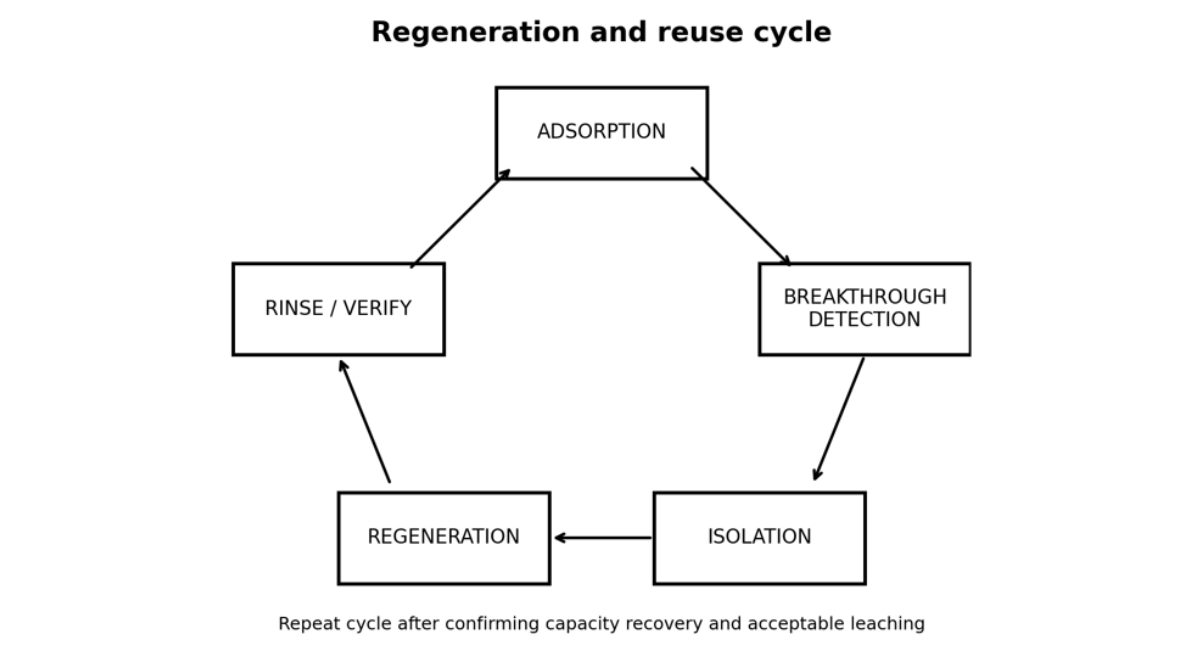
Figure 1: Regeneration and Reuse Cycle Proposed for the Platform
Real-water validation
After laboratory screening, the leading configuration should be evaluated with representative real-water matrices. Samples should be characterized for pH, conductivity, dissolved organic matter, major ions, turbidity, and target contaminants. Performance should be compared with the corresponding laboratory-water baseline. Particular attention should be given to changes in adsorption capacity, breakthrough time, pressure drop, and leaching. Real-water testing is necessary because competing constituents may occupy adsorption sites or alter contaminant speciation [11].
Quality Assurance and Data Handling
All experimental runs should include calibration, blanks, appropriate controls, replicate measurements, and documented sample-handling procedures. Material batches should be traceable, and deviations from the planned flow rate, concentration, pH, or regeneration protocol should be recorded. Results should be reported with the number of replicates and an appropriate measure of variability. The manuscript should not convert predefined targets into results; only experimentally measured values should be entered into the final Results section.
Techno-economic Assessment
A preliminary techno-economic model should include material synthesis or procurement, support fabrication, module replacement frequency, regeneration chemicals, pumping energy, analytical monitoring, maintenance, contaminant-concentrate handling, and end-of-life management. Cost should be normalized to treated water volume and, where possible, to mass of contaminant removed. The model should compare single-use and regenerable configurations to determine whether regeneration provides a meaningful economic advantage under the intended operating conditions [12, 13].
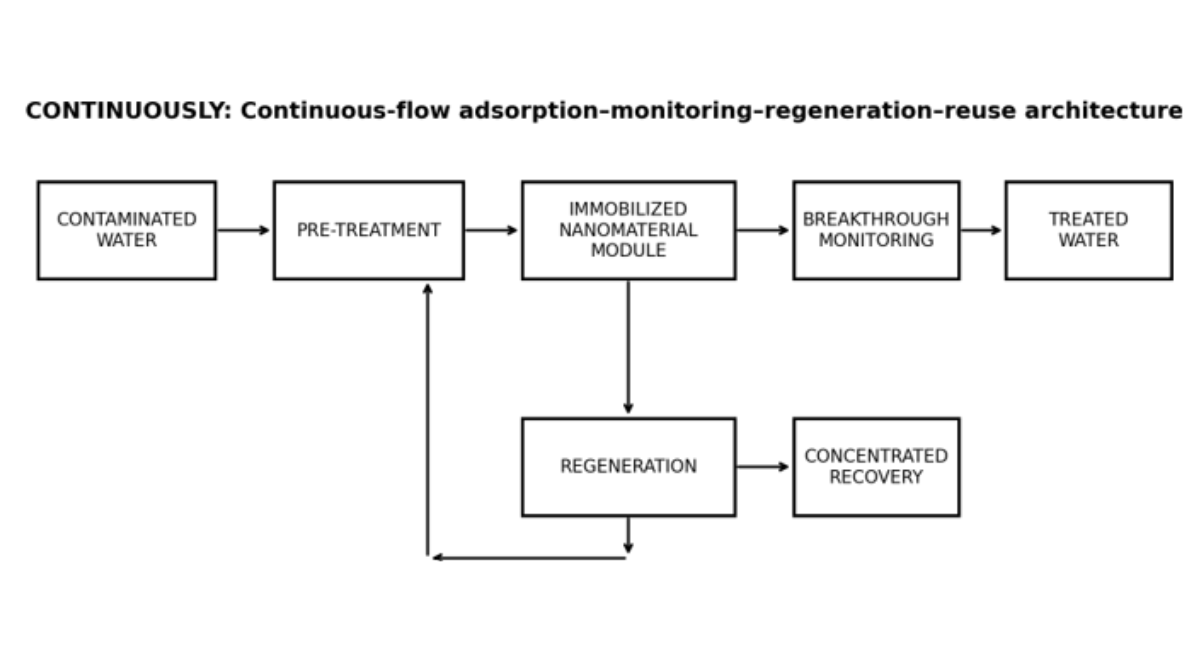
Figure 2: Continuous-Flow Adsorption, Monitoring, Regeneration, Recovery and Reuse Architecture
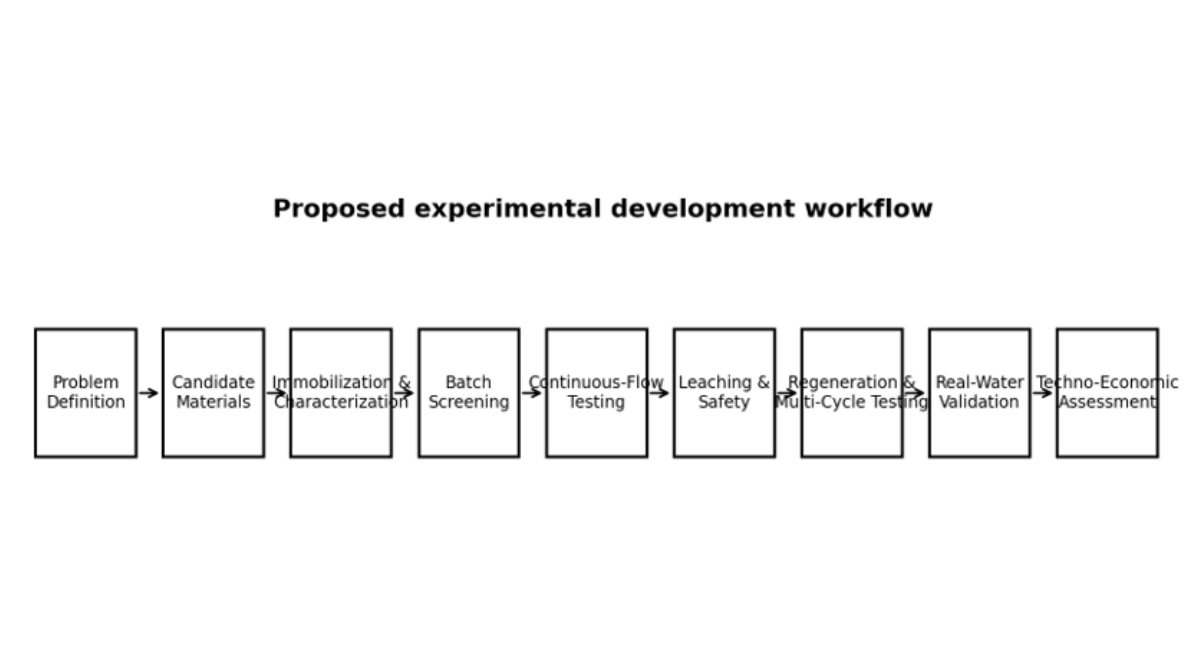
Figure 3: Proposed Experimental Development Workflow from Material Screening to Pilot Design
Metric | Proposed development criterion* | Purpose |
|---|---|---|
Removal of selected target contaminant | ≥95% under defined laboratory conditions | Treatment effectiveness |
Nanoparticle release | Below an application-specific validated safety threshold | Prevent secondary contamination |
Regeneration | ≥80% capacity recovery after defined regeneration | Support material reuse |
Durability | ≥20 adsorption–regeneration cycles in proof-of-concept | Test longevity |
Continuous-flow stability | Predictable breakthrough behaviour | Enable process control |
Pressure drop | Within acceptable range for intended module | Limit pumping energy |
Table 1: Proposed Performance Targets for Future Experimental Validation
Note: These are proposed development criteria and are not measured results.
RESULTS
Because the source manuscript is a proposed research and innovation concept and does not contain completed laboratory measurements, this section reports the outcome of the design-stage analysis rather than fabricated numerical experimental results. The principal result of the present work is a defined, testable architecture and an experimental decision framework linking material properties to continuous-process requirements.
System-Level Result
The integrated architecture contains six functional elements: contaminated-water feed and pretreatment; a contained immobilized nanomaterial adsorption module; downstream breakthrough monitoring; a regeneration pathway; a concentrated contaminant recovery stream; and return of the regenerated module to service. This arrangement directly connects adsorption capacity with operating control. Instead of allowing saturation to remain an unobserved endpoint, breakthrough becomes a process-control event that triggers isolation or regeneration [14-16].
Research Screening Result
The staged methodology identifies seven evidence categories that should determine material selection: adsorption performance, selectivity, flow-through behaviour, nanoparticle retention, regeneration recovery, repeated-cycle durability, and manufacturability/cost. This prevents a material with excellent batch capacity but poor retention or regeneration stability from being selected solely on the basis of one metric.
Proposed Performance Result
The design-stage target set establishes ≥95% removal for a selected target contaminant under defined laboratory conditions, ≥80% capacity recovery after regeneration, and at least 20 adsorption–regeneration cycles for proof-of-concept durability. These values provide explicit pass/fail development criteria for subsequent laboratory work. They must not be interpreted as achieved performance.
Expected Data Products
Test | Data product required for final experimental Results section |
|---|---|
Material characterization | Surface chemistry, morphology, structure and stability |
Batch adsorption | Capacity, kinetics and isotherm parameters |
Selectivity | Removal in competing-ion / organic matrices |
Continuous flow | Breakthrough curves, treated volume, pressure drop |
Leaching | Particle/material release before and after cycling |
Regeneration | Capacity recovery, chemical demand and concentrate |
Durability | Performance versus cycle number |
Real water | Matrix-adjusted removal and breakthrough |
Note: The above data products define the minimum evidence required to convert the present design-stage article into a fully experimental research report. No numerical value has been inserted where the source material provides no measurement.
DISCUSSION
The central significance of CONTINUOUSLY is the coupling of nanoscale adsorption with process-level control. Many advanced adsorbent studies emphasize equilibrium capacity or rapid removal in batch systems, whereas a practical treatment unit must operate under flow, encounter changing water chemistry, and eventually reach saturation. A continuous system therefore requires information about mass transfer, breakthrough, hydraulic resistance, regeneration, and material containment in addition to equilibrium adsorption.
Immobilization creates a key engineering trade-off. Strong confinement can reduce nanoparticle release but may also reduce access to active sites if the support blocks pores or creates excessive diffusion resistance. Conversely, maximizing exposed nanomaterial may improve adsorption but increase the risk of migration. The proposed architecture addresses this trade-off through supported active material and a secondary retention layer, followed by direct leaching measurement. The optimum design should be selected experimentally rather than assumed [17, 18].
Regeneration introduces a second trade-off. A severe regeneration treatment may restore adsorption capacity but damage the support or active surface, consume substantial chemicals, and produce a difficult waste stream. A mild regeneration treatment may be safer and cheaper but leave residual contaminants and progressively reduce capacity. Consequently, regeneration efficiency should be evaluated together with capacity recovery, structural integrity, contaminant recovery, chemical consumption, and post-regeneration leaching.
Real-water validation is equally important. Natural organic matter and competing ions can occupy adsorption sites, modify surface charge, or change contaminant availability. A material that performs well in deionized or simplified laboratory water may therefore show reduced performance in real water. The proposed workflow explicitly moves from simplified screening to increasingly complex matrices so that candidate materials can be rejected early when their practical selectivity is inadequate.
The continuous-flow monitoring component also creates an opportunity for condition-based operation. If influent and effluent concentrations are monitored sufficiently frequently, the system can estimate the remaining adsorption capacity and schedule regeneration before treated-water quality exceeds the selected criterion. This is more resource-efficient than fixed replacement intervals when water composition or flow rate changes. However, the monitoring strategy requires validated sensors or analytical measurements and should not be described as autonomous control until demonstrated experimentally.
From a sustainability perspective, regeneration may reduce the material throughput associated with disposable adsorbents, but the overall environmental benefit must be demonstrated through mass and energy balances. The regeneration stream also concentrates contaminants rather than eliminating them. Safe handling, recovery, destruction, or disposal of this stream is therefore an integral part of the process boundary. The platform should be evaluated as a complete system rather than on adsorbent performance alone.
The research-to-company pathway follows naturally from the modular architecture. A validated cartridge could be adapted for industrial polishing, decentralized treatment, research-scale evaluation, or municipal advanced-treatment applications. However, commercialization depends on more than laboratory removal efficiency. It requires reliable manufacturing, regulatory compliance, validated safety, repeatable regeneration, customer-specific contaminant profiles, service procedures, and an economically defensible cost of treated water.
The principal limitation of the present manuscript is that experimental data are not yet available in the supplied source document. Accordingly, the article deliberately separates proposed targets from measured outcomes. This limitation is scientifically important: presenting target values as achieved results would weaken research integrity and could mislead readers. The present version instead provides a structured protocol and a clear evidence map that can be populated with laboratory results in a subsequent experimental revision [19].
The proposed platform should also undergo formal prior-art and patent analysis before public disclosure of any potentially novel implementation. The inventive opportunities identified in the source concept—contained nanomaterial architecture, breakthrough-controlled regeneration, concentrated recovery, multilayer retention, and adaptive operating schedules—are candidate directions only. Novelty and inventive step must be established through professional patent searching and legal analysis.
Overall, the framework provides a bridge between nanomaterial discovery and deployable continuous treatment. Its scientific value will ultimately depend on whether the integrated configuration can demonstrate high removal, predictable breakthrough, low active-material release, repeatable regeneration, and stable operation in realistic water matrices. These are measurable hypotheses and engineering criteria rather than claims of completed performance [20].
CONCLUSION
CONTINUOUSLY presents a regenerable nanomaterial-based continuous filtration framework for persistent water contaminants. The concept integrates adsorption, immobilization, breakthrough monitoring, regeneration, contaminant recovery, and reuse in one operating cycle. The revised methodology defines a progression from candidate-material screening through supported-module fabrication, batch and continuous-flow testing, nanoparticle-leaching assessment, multi-cycle regeneration, real-water validation, and techno-economic evaluation.
The principal contribution at the present development stage is a testable systems architecture rather than a claim of experimentally demonstrated performance. Proposed criteria of ≥95% removal under defined laboratory conditions, ≥80% capacity recovery after regeneration, and ≥20 adsorption–regeneration cycles are explicitly identified as development targets. Laboratory measurements are required before these values can be reported as results. Future work should therefore focus on material-specific synthesis and characterization, reproducible flow-through experiments, validated leaching measurements, regeneration optimization, real-water testing, and pilot-scale validation.
If these stages demonstrate the required combination of removal, containment, regeneration, durability, and economic feasibility, the platform could provide a basis for modular advanced-water-treatment development. The same evidence would also support a more rigorous assessment of environmental benefit, manufacturability, regulatory suitability, and potential intellectual-property protection.
AUTHOR CONTRIBUTIONS
Harsh Moralikrishna Panchal: conceptualization, research framework development, methodology design, systems integration, technical writing, and commercialization-oriented analysis. Nanomaterial synthesis, laboratory experimentation, analytical characterization, and independent validation should be assigned to the researchers who perform those activities in the final experimental study.
ACKNOWLEDGEMENTS
No external funding or laboratory collaboration is claimed in the supplied source manuscript. Appropriate institutional, laboratory, funding, and technical acknowledgements should be inserted if applicable before submission.
CONFLICT OF INTEREST
The author should disclose any financial, commercial, intellectual-property, or other relationships that could influence the work. If none apply, the journal's preferred standard declaration may be inserted before submission.
REFERENCES
- World Health Organization. Mental health of adolescents. Geneva: WHO; 2025. [Google Scholar]
- World Health Organization. WHO guidelines on physical activity and sedentary behaviour. Geneva: WHO; 2020. [Google Scholar]
- Liu M, Wu L, Ming Q. How does physical activity intervention improve self-esteem and self-concept in children and adolescents? Evidence from a meta-analysis. PLoS One. 2015;10(8):e0134804. [Crossref] [Google Scholar] [PubMed]
- Rodriguez-Ayllon M, Cadenas-Sanchez C, Estévez-López F, et al. Role of physical activity and sedentary behavior in the mental health of preschoolers, children and adolescents: a systematic review and meta-analysis. Sports Med. 2019;49(9):1383-1410. [Crossref] [Google Scholar] [PubMed]
- Carter T, Morres ID, Meade O, Callaghan P. The effect of exercise on depressive symptoms in adolescents: a systematic review and meta-analysis. J Affect Disord. 2021;285:10-21. [Crossref] [Google Scholar] [PubMed]
- Andermo S, Hallgren M, Nguyen TTD, et al. School-related physical activity interventions and mental health among children: a systematic review and meta-analysis. Sports Med Open. 2020;6:25. [Crossref] [Google Scholar] [PubMed]
- Rocliffe P, Adamakis M, O'Keeffe BT, Walsh L, Bannon A, Garcia-Gonzalez L, et al. The impact of typical school provision of physical education, physical activity and sports on adolescent mental health and wellbeing: a systematic literature review. Adolesc Res Rev. 2024;9(2):339-364. [Crossref] [Google Scholar]
- Cai S, Wang H, Zhang YH, Zhao TM, Yuan X, Deng HW, et al. Could physical activity promote indicators of physical and psychological health among children and adolescents? An umbrella review of meta-analyses of randomized controlled trials. World J Pediatr. 2025;21(2):159-173. [Crossref] [Google Scholar] [PubMed]
- Fu Y, et al. Physical activity and mental health among children and adolescents: a population-based study. BMC Public Health. 2025;25:1514. [Crossref] [Google Scholar]
- Singh B, et al. Physical activity interventions and mental health outcomes in young people. J Am Acad Child Adolesc Psychiatry. 2026;65(2):171-186. [Crossref] [Google Scholar]
- Viskari T, et al. Physical activity and mental health in young people. Scand J Med Sci Sports. 2025;35(10):e70150. [Crossref] [Google Scholar]
- Wang Y, et al. Physical activity and health outcomes in children and adolescents. BMC Pediatr. 2025;26:96. [Crossref] [Google Scholar]
- Sanders GJ, et al. Physical activity and mental health-related outcomes in children and adolescents. Am J Epidemiol. 2023;192(4):665-679. [Crossref] [Google Scholar]
- Recchia F, et al. Physical activity interventions and mental health outcomes in children and adolescents: a systematic review and meta-analysis. JAMA Pediatr. 2023;177(2):132-140. [Crossref] [Google Scholar] [PubMed]
- Eime RM, Young JA, Harvey JT, Charity MJ, Payne WR. A systematic review of the psychological and social benefits of participation in sport for children and adolescents: informing development of a conceptual model of health through sport. Int J Behav Nutr Phys Act. 2013;10:98. [Crossref] [Google Scholar] [PubMed]
- United Nations. Sustainable Development Goal 3: Good health and well-being. Target 3.4. Accessed 2026. [Google Scholar]
- United Nations. Sustainable Development Goal 4: Quality education. Accessed 2026. [Google Scholar]
- Biddle SJH, Asare M. Physical activity and mental health in children and adolescents: a review of reviews. Br J Sports Med. 2011;45(11):886-895. [Crossref] [Google Scholar] [PubMed]
- Lubans DR, Richards J, Hillman C, et al. Physical activity for cognitive and mental health in youth: a systematic review of mechanisms. Pediatrics. 2016;138(3):e20161642. [Crossref] [Google Scholar] [PubMed]
- World Health Organization. Global recommendations on physical activity for health. Geneva: WHO; 2010. [Google Scholar]