
Journal of Plant Science and Biotechnology
ISSN:
3139-6437 (Online)
DOI Prefix (Crossref): 10.67238
 Download PDF
ABSTRACT
Jaboticaba (Myrciaria cauliflora) is an emerging exotic fruit crop with potential for diversification of fruit production in Bangladesh. However, information on the phenotypic characteristics of jaboticaba germplasm under local agro-climatic conditions remains limited. This study characterized and comparatively evaluated three jaboticaba accessions (PC Pah 001, PC Pah 002 and PC Pah 003) grown at the Agricultural Research Station, Pahartali, Chattogram, using vegetative, phenological, quantitative fruit and qualitative fruit descriptors. Plant height ranged from 3.80 to 3.98 m, while canopy spread varied from 3.62 to 4.25 m. Fruit number per plant showed the greatest variability among vegetative and yield-related traits (CV = 22.08%). PC Pah 002 and PC Pah 003 flowered in mid-January and reached harvest maturity in early March, whereas PC Pah 001 flowered in mid-February and was harvested in late March. Individual fruit weight ranged from 5.47 to 10.59 g, with PC Pah 002 producing the largest fruits. Fruit size and peel weight showed relatively greater variability, whereas TSS (14.36–15.47%) and edible portion (60.88–69.98%) were comparatively stable. Qualitative fruit descriptors were largely uniform among accessions. PC Pah 002 showed a desirable combination of large fruit size and early phenology, while PC Pah 001 recorded relatively higher edible portion and TSS. These findings provide a preliminary phenotypic baseline for jaboticaba germplasm in Bangladesh and support further replicated, multi-location evaluation for accession selection, conservation and clonal multiplication.
Keywords: Jaboticaba; Germplasm Characterization; Morphological Descriptors; Fruit Quality; Exotic Fruit
INTRODUCTION
Jaboticaba (Plinia cauliflora (Mart.) Kausel), commonly called the Brazilian grape tree, is a slow-growing evergreen tree of the family Myrtaceae, native to Brazil [1]. The species is distinguished by cauliflory, a growth habit in which flowers and fruits are borne directly on the trunk and older branches rather than on terminal shoots, giving the tree its characteristic grape-cluster appearance at fruiting [2]. The globose, thick-skinned berries, typically 2-4 cm in diameter, enclose a translucent, gelatinous, sweet-to-subacid pulp and one to four recalcitrant seeds, and the deep purple-black peel is a particularly rich source of anthocyanins, ellagitannins and other polyphenols with documented antioxidant, anti-inflammatory, and metabolic health benefits [3-5]. Jaboticaba peel powder and aqueous extract help reduce obesity, insulin resistance, and fat buildup in the liver of rats [6] and also peel extracts cause stress in the reticulum and trigger cell death in breast cancer cells [7].
Owing to its novelty, ornamental appeal, and nutraceutical potential, jaboticaba has been progressively introduced beyond its native range, including into Hainan Province of China, Kerala in India, and more recently into home gardens and nurseries across Bangladesh [8-10]. Exotic fruit cultivation in Bangladesh has expanded rapidly in recent years, with cultivated area and output both increasing year-on-year, driven by government and grower interest in diversifying away from traditional fruit crops and reducing dependence on fruit imports [11]. Bangladesh's warm, humid tropical-to-subtropical climate, particularly in the hilly and high-rainfall Chattogram region, is considered broadly favorable for a range of introduced tropical fruit species [12], but the successful long-term establishment of any newly introduced crop depends on the systematic evaluation of the specific germplasm available to identify accessions best adapted to local conditions.
Germplasm characterization is the essential first step in any crop improvement or conservation program, it documents the extent of phenotypic variability present in an available collection, links this variability to plant architecture, phenology and fruit quality, and identifies superior individuals for further propagation, breeding or on-farm evaluation [13]. For fruit tree species newly introduced into a region, this step is particularly important because the observed germplasm may represent a narrow founder population whose performance under local edaphic and climatic conditions has not previously been documented. In jaboticaba, prior characterization work has been conducted mainly in the species' native range in Brazil and in newly introduced production areas such as Hainan, China, and Kerala, India, where studies of vegetative, floral and fruit-quality descriptors, and of physico-chemical fruit traits, have consistently revealed substantial genotype- and accession-level variability, particularly in fruit size, fruit number and yield-related traits, even while qualitative fruit descriptors such as peel color and pulp texture remain relatively conserved within the species [8-10]. To date, however, no systematic morphological characterization of jaboticaba germplasm has been reported for Bangladesh, despite the species' presence in nurseries and private orchards in the country.
The present study aimed to characterize and compare three jaboticaba accessions from the Chattogram region of Bangladesh using vegetative, phenological, quantitative fruit and qualitative fruit descriptors. The objectives were to (i) document morphological and growth traits, (ii) quantify phenotypic variability using descriptive statistics and coefficient of variation, and (iii) identify superior accessions for fruit quality, conservation, multiplication and future breeding.
MATERIALS AND METHODS
Study Site and Plant Material
The study was conducted during 2023–2025 at the Agricultural Research Station (ARS), Pahartali, Chattogram, Bangladesh (22°22′ N, 91°48′ E; approximately 18 m above sea level). Three jaboticaba accessions, designated PC Pah 001, PC Pah 002 and PC Pah 003, were evaluated. The germplasm had originally been collected from the Hill Agricultural Research Station, Rangamati, Bangladesh. The plants were seed-propagated and established at ARS Pahartali in 2020. At the beginning of the study, the trees were approximately three years old. Each accession was represented by a single established tree; therefore, accession identity was completely confounded with individual-tree effects and the study was treated as a descriptive germplasm characterization rather than a replicated varietal experiment.
The trees were maintained under uniform field conditions at approximately 10 × 10 m spacing. Standard cultural practices were applied throughout the study period. Farmyard manure was applied at 10 kg tree⁻¹ year⁻¹, together with 200 g N, 100 g P₂O₅ and 200 g K₂O tree⁻¹ year⁻¹ supplied through urea, triple superphosphate and muriate of potash, respectively. Fertilizers were applied in two splits during April–May and September–October. Irrigation was provided manually at approximately 7–10-day intervals during dry periods and was adjusted according to rainfall conditions. Light formative and sanitary pruning was carried out when necessary, primarily to remove dead, diseased, damaged or excessively crowded branches.
Climatic Conditions
Meteorological information for the study period was obtained from the meteorological records maintained at Agricultural Research Station, Pahartali, Chattogram. During 2023–2024, the mean annual temperature, rainfall and relative humidity were 25.5°C, 2777 mm and 68%, respectively, whereas the corresponding values during 2024–2025 were 26.2°C, 2586 mm and 64%, respectively.
Characterization of tree growth and phenologyTree height was measured from ground level to the highest point of the canopy using a measuring pole. Trunk girth was measured at a fixed, standardized position above ground level using a measuring tape. Canopy spread was recorded separately along the north–south and east–west axes by measuring the horizontal distance between the outermost canopy edges in each direction. Fruit number per tree and total fruit yield per tree were recorded at harvest.
Flowering and harvesting phenology were monitored through regular field observations. The onset of flowering and fruit maturity was recorded for each accession. Physiological maturity was defined operationally as the stage at which fruits developed a uniform deep purplish-black peel characteristic of fully ripe fruit and were considered ready for harvest.
Fruit Sampling and Experimental Unit
Fruit characterization was conducted over two consecutive production seasons. At physiological maturity, ten representative fruits were sampled from each accession during each season, resulting in 20 sampled fruits per accession across the two seasons and a total of 60 fruits for the study. Fruits were selected from different accessible positions within the canopy to capture the observable fruit variation of each tree while avoiding visibly damaged, diseased, or otherwise abnormal fruits.
As each accession was represented by a single established tree, the tree was regarded as the observational unit for accession-level characterization, whereas individual fruits constituted subsamples within the corresponding tree. Thus, the sampled fruits were not considered independent biological replicates of the accessions. Fruit-level observations were summarized within each accession and season, and the seasonal accession means were subsequently averaged across the two seasons to obtain the overall accession-level mean values used for descriptive characterization.
Morphological and Fruit-Trait Measurements
Tree and fruit characteristics were evaluated using morphological and pomological descriptors adapted from published jaboticaba germplasm characterization studies [14,16]. Tree height was measured from ground level to the highest point of the canopy. Trunk girth was measured at 30 cm above ground level using a measuring tape. Canopy spread was determined separately along the north–south and east–west axes by measuring the horizontal distance between the outermost edges of the canopy in each direction.
Individual fruit weight was measured using a digital balance with a precision of 0.01 g. Fruit length and maximum breadth were measured using digital calipers and expressed in centimetres. Fruit size was calculated as the product of fruit length and maximum breadth. Following manual separation of the fruit into peel, pulp and seed components, peel weight was recorded and peel thickness was measured using digital calipers. Seed length and maximum breadth were measured using digital calipers, and seed size was calculated as the product of seed length and maximum breadth. Seed weight was determined using a digital balance with 0.01-g precision. The edible portion was expressed as the percentage of fruit weight represented by the edible pulp and calculated as:
Total soluble solids (TSS) were determined from freshly extracted fruit juice using a hand-held digital refractometer and expressed as TSS (%). Before measurement, the refractometer was calibrated to zero using distilled water according to standard operating procedure. The prism was cleaned thoroughly between samples to avoid cross-contamination. Qualitative fruit characteristics included peel colour, fruit shape, surface characteristics, pulp colour and texture, seed colour and shape, and taste.
Taste was recorded as a qualitative organoleptic characteristic based on the perceived sweetness and acidity of fully ripe fruits. No formal sensory panel, hedonic scale, or statistical sensory evaluation was employed. Accordingly, taste was reported descriptively rather than as a quantitative sensory trait.
Statistical and Descriptive Analysis
The study was conducted as a descriptive characterization of the available jaboticaba germplasm. As each accession was represented by a single tree, accession effects could not be separated from individual-tree and microenvironmental effects; therefore, no inferential statistical tests or mean-separation procedures were performed. Quantitative traits were summarized using mean, standard deviation (SD), and coefficient of variation (CV). For fruit traits, seasonal observations were first summarized at the accession level, and the resulting two-season means were used for overall characterization. The CV was calculated as:
The resulting statistics describe the observed phenotypic variation among the characterized trees and should not be interpreted as estimates of genetic variation, heritability, or statistically significant differences among accessions.
RESULTS AND DISCUSSION
Vegetative and Yield Characteristics
The morphological characteristics of the three jaboticaba accessions are presented in Table 1. Plant height ranged narrowly from 3.80 m (PC Pah 001) to 3.98 m (PC Pah 003) indicating that overall tree stature was well conserved among the evaluated accessions at this stage of maturity. Base girth ranged from 0.42 m to 0.51 m, a borderline low-to-moderate level of variability that may reflect subtle differences in trunk vigor or age-at-establishment among individual trees rather than an intrinsic accession effect.
Canopy spread was likewise relatively conserved, ranging from 3.70 to 4.10 m in the north-south direction and from 3.62 to 4.25 m in the east-west direction, both within the low-variability range. In contrast, the number of fruits per plant varied considerably, from 1,094 (PC Pah 002) to 1,582 (PC Pah 003), giving a mean of 1,260.67 and the highest coefficient of variation recorded among all vegetative and yield traits (CV = 22.08%). Despite bearing fewer fruits than PC Pah 003, PC Pah 002 produced individually larger fruit (Table 3), and total fruit weight per plant across accessions was comparatively stable (7.74-11.58 kg, CV = 8.27%), indicating a compensatory relationship between fruit number and individual fruit size in determining overall yield. This pattern is consistent with Danner et al. (2011), whereby tree architecture and canopy dimensions remain comparatively stable while fruit number and size diverge among genotypes, mirrors observations in wider jaboticaba germplasm surveys, in which fruiting and yield-related traits were consistently identified as the most variable descriptors within collections, while structural vegetative traits were more conserved [14].
|
Accession number |
Plant height (m) |
Base girth (m) |
Canopy spread (m) (N-S) |
Canopy spread (m) (E-W) |
No. of fruits/plant |
Wt. of fruits/plant (kg) |
|
PC Pah 001 |
3.80 |
0.51 |
3.70 |
4.10 |
1106 |
7.74 |
|
PC Pah 002 |
3.95 |
0.42 |
3.75 |
3.62 |
1094 |
11.58 |
|
PC Pah 003 |
3.98 |
0.48 |
4.10 |
4.25 |
1582 |
8.65 |
|
Mean |
3.91 |
0.47 |
3.85 |
3.99 |
1260.67 |
9.32 |
|
SD |
0.10 |
0.05 |
0.22 |
0.33 |
278.35 |
0.79 |
|
CV (%) |
2.47 |
9.75 |
5.66 |
8.25 |
22.08 |
8.27 |
Table 1: Morphological Characterization of Jaboticaba Germplasm in Chattogram Region During 2023-2025
Note: Values are Means of Two Seasons. SD = Standard Deviation; CV = Coefficient of Variation
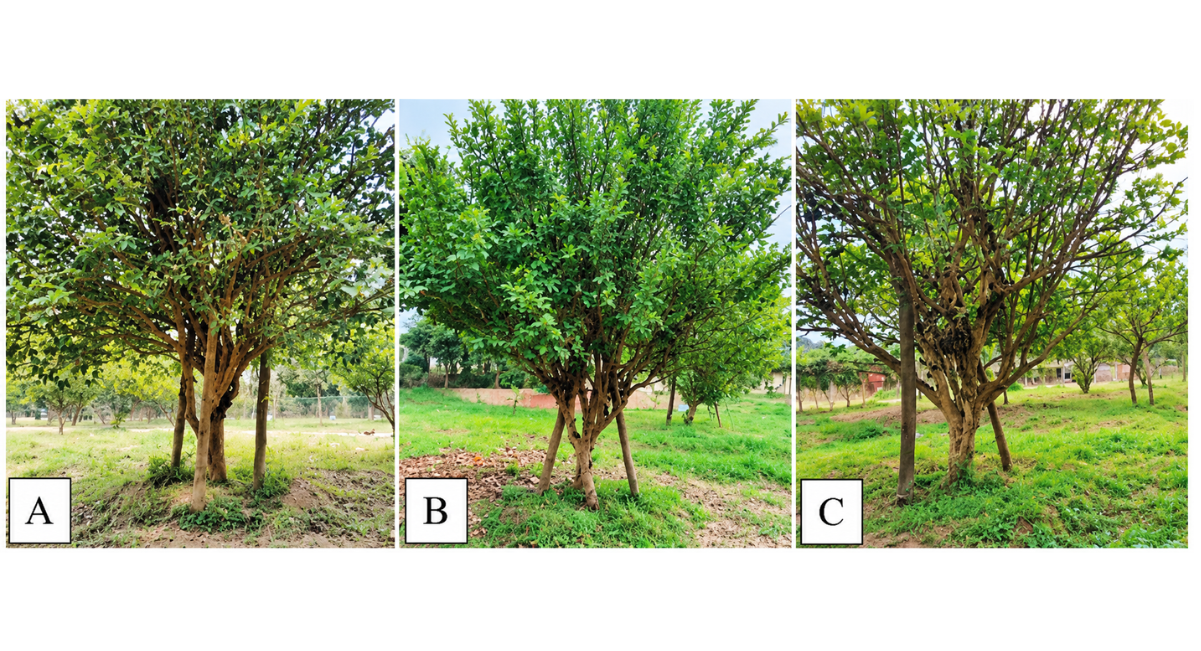
Plate 1: Morphological appearance of three Jaboticaba germplasm (A) PC Pah 001, (B) PC Pah 002, (C) PC Pah 003
Phenology
Flowering and harvesting times differed by three to four weeks among the accessions (Table 2). PC Pah 002 and PC Pah 003 flowered in mid-January and reached harvest maturity in early March, whereas PC Pah 001 flowered later, in mid-February, and was harvested in late March. Because jaboticaba is capable of flowering and fruiting multiple times per year under favorable moisture conditions in its native range [15], the phenological divergence recorded here most plausibly reflects differences in microsite conditions (light exposure, soil moisture, or local drainage) among the three trees rather than a fixed genetic difference, although it cannot be ruled out that the observed accessions differ in their inherent chilling or rainfall-triggering requirements for floral induction. From a practical standpoint, however, the staggered flowering and harvest windows observed across the three accessions may be advantageous for growers, as they extend the overall harvest period and reduce simultaneous labor demand at peak maturity.
|
Accession No. |
Flowering Time |
Harvesting Time |
|
PC Pah 001 |
Mid-February |
Late March |
|
PC Pah 002 |
Mid-January |
Early March |
|
PC Pah 003 |
Mid-January |
Early March |
Table 2: Flowering and Harvesting time of Jaboticaba germplasm
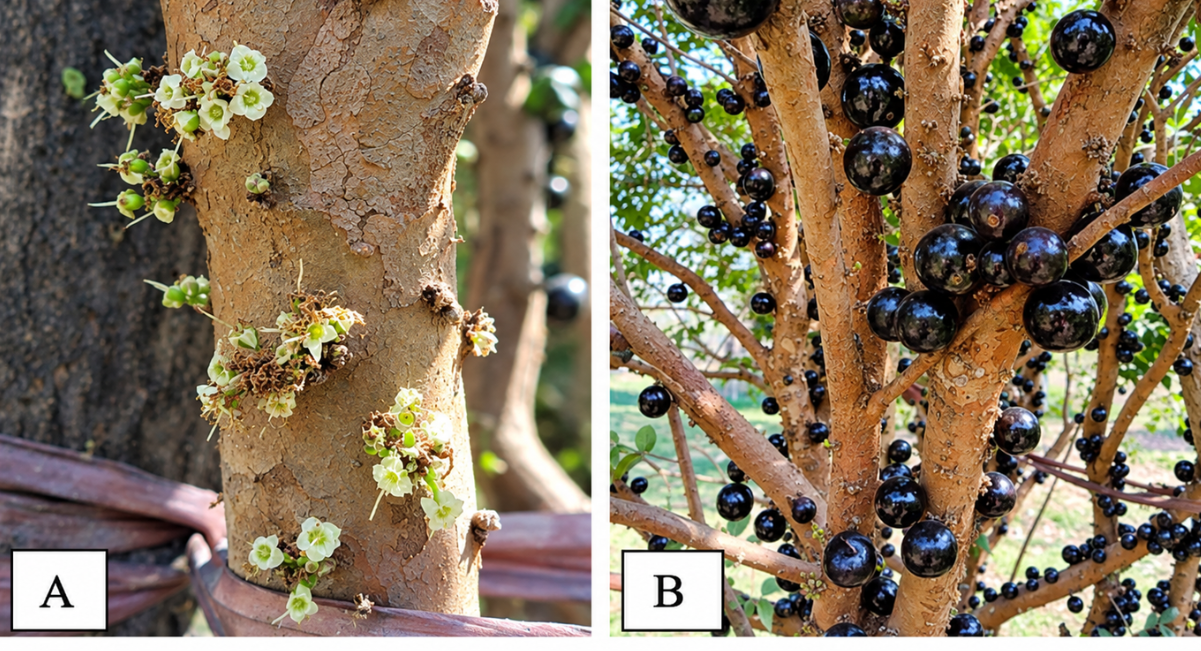
Plate 2: Phenology of Jaboticaba tree (A) Flowering, (B) Fruiting
Quantitative Fruit Traits
Substantial accession-level variation was observed among the quantitative fruit descriptors (Table 3). Individual fruit weight ranged nearly two-fold, from 5.47 g in PC Pah 003 to 10.59 g in PC Pah 002 (CV = 34.20%), and this pattern was mirrored in fruit length (CV = 11.03%), fruit breadth (CV = 11.28%) and fruit size (CV = 22.65%), confirming that PC Pah 002 produced the largest, PC Pah 001 intermediate, and PC Pah 003 the smallest fruit among the three accessions. Peel weight showed the highest variability of all quantitative traits examined (CV = 27.46%), broadly tracking overall fruit size, while peel thickness itself varied only modestly (CV = 10.00%).
Seed traits also varied moderately: seed length (CV = 15.61%), seed breadth (CV = 12.01%), seed size (CV = 17.55%) and seed weight (CV = 13.78%) were all largest in PC Pah 002, consistent with its overall larger fruit size. Because larger fruit was not accompanied by a proportionally larger seed fraction in PC Pah 003, this accession recorded the lowest edible portion (60.88%) among the three, compared with 69.98% in PC Pah 001 and 66.82% in PC Pah 002 (CV = 7.01%, low variability), a trait combination of direct relevance to fresh-fruit and processing value. Total soluble solids were the most stable trait recorded (14.36-15.47%, CV = 3.83%, low variability), suggesting that fruit sweetness is comparatively well conserved across this small germplasm set irrespective of fruit size, consistent with reports that fruit dimension traits diverge more readily among jaboticaba genotypes than internal quality attributes such as soluble solids content [14,16].
|
Accession number |
Indi. Fruit weight (g) |
Indi. Fruit length (cm) |
Indi. Fruit breadth (cm) |
Fruit size (cm²) |
Peel thickness (cm) |
Peel weight (g) |
Seed length (cm) |
Seed breadth (cm) |
Seed size (cm²) |
Seed weight (g) |
Edible portion (%) |
TSS (%) |
|
PC Pah 001 |
7.00 |
2.26 |
2.29 |
5.20 |
0.09 |
1.79 |
0.82 |
0.67 |
0.56 |
0.26 |
69.98 |
15.47 |
|
PC Pah 002 |
10.59 |
2.61 |
2.64 |
6.94 |
0.10 |
2.84 |
1.07 |
0.84 |
0.90 |
0.52 |
66.82 |
14.70 |
|
PC Pah 003 |
5.47 |
2.11 |
2.12 |
4.50 |
0.11 |
1.84 |
0.83 |
0.71 |
0.59 |
0.19 |
60.88 |
14.36 |
|
Mean |
7.69 |
2.33 |
2.35 |
5.55 |
0.10 |
2.16 |
0.91 |
0.74 |
0.68 |
0.32 |
65.89 |
14.84 |
|
SD |
2.63 |
0.26 |
0.27 |
1.26 |
0.01 |
0.59 |
0.14 |
0.09 |
0.19 |
0.17 |
4.62 |
0.57 |
|
CV (%) |
34.20 |
11.03 |
11.28 |
22.65 |
10.00 |
27.46 |
15.61 |
12.01 |
17.55 |
13.78 |
7.01 |
3.83 |
Table 3: Quantitative Characteristics of Jaboticaba Germplasm
Note: Values are means of two seasons. SD = standard deviation; CV = coefficient of variation
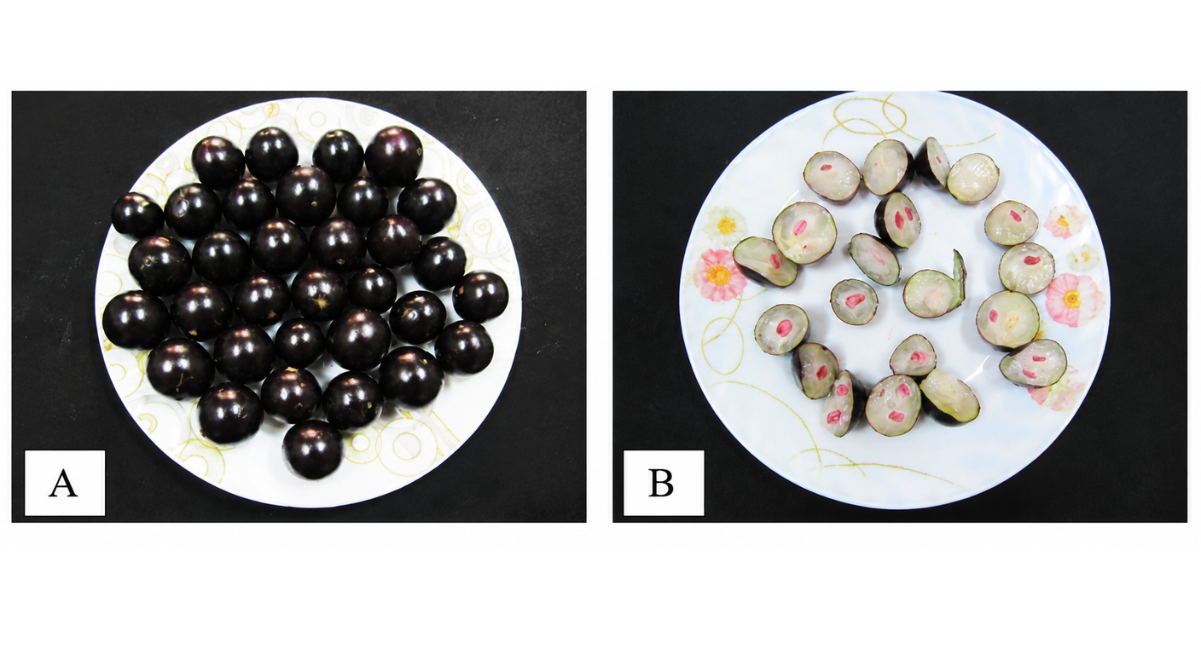
Plate 3: Photographs of Jaboticaba Fruits (A) complete fruits, (B) cross section view
Qualitative Fruit Descriptors
All three accessions were uniform for the eight qualitative descriptors recorded (Table 4): deep purplish-black fruit color, round-to-sub-round fruit shape, smooth and glossy fruit surface texture, translucent white pulp color, juicy and gelatinous pulp texture, light-to-dark-brown seed color, ovoid seed shape, and a sweet-to-slightly-acidic taste. This qualitative uniformity, set against the pronounced quantitative variability documented in Tables 1 and 3, indicates that the three accessions belong to a single, morphologically consistent jaboticaba type and that the phenotypic differentiation observed among them is confined to quantitative, and presumably more environmentally and genetically labile, growth and fruit-size traits. A similar dissociation between conserved qualitative descriptors and variable quantitative traits has been reported in wider jaboticaba germplasm evaluations, where fruit color, shape and pulp characteristics remained largely stable across genotypes even as fruit size, number and yield varied several-fold [14-16].
|
Accession number |
Fruit color |
Fruit shape |
Fruit texture |
Pulp color |
Pulp texture |
Seed color |
Seed shape |
Taste |
|
PC Pah 001 |
Deep purplish black |
Round to sub round |
Smooth and glossy |
Translucent white |
Juicy and gelatinous |
Light brown to dark brown |
Ovoid |
Sweet to slightly acidic |
|
PC Pah 002 |
Deep purplish black |
Round to sub round |
Smooth and glossy |
Translucent white |
Juicy and gelatinous |
Light brown to dark brown |
Ovoid |
Sweet to slightly acidic |
|
PC Pah 003 |
Deep purplish black |
Round to sub round |
Smooth and glossy |
Translucent white |
Juicy and gelatinous |
Light brown to dark brown |
Ovoid |
Sweet to slightly acidic |
Table 4: Qualitative characteristics of Jaboticaba fruits
Implications for germplasm selection and future breeding
Taken together, these results identify two accessions of particular interest within the evaluated germplasm. PC Pah 002 combined the largest individual fruit size, the highest peel and seed weight, and the earliest, most compact flowering-to-harvest window, making it a promising candidate for vegetative propagation and further on-farm evaluation where large, early fruit is prioritized. PC Pah 003 combined a slightly larger canopy spread with the highest fruit number per plant and the lowest edible portion, a profile potentially better suited to processing uses where total yield outweighs individual fruit size. PC Pah 001, while intermediate in most quantitative traits, recorded the highest edible portion and the highest TSS, both traits favorable for fresh-market consumption, but its later flowering and harvest window may extend the effective marketing season when grown alongside the other two accessions.
The peel of jaboticaba fruit, in addition to its sensory contribution, is recognized as a particularly rich source of anthocyanins and other polyphenolic compounds with demonstrated antioxidant, anti-inflammatory and metabolic health-promoting activity. The comparatively higher peel weight recorded in PC Pah 002 in the present study may therefore be of added interest not only for fresh-fruit and processing quality but also for potential functional-food and nutraceutical applications, an avenue that merits phytochemical follow-up beyond the morphological scope of the present study.
CONCLUSION
This study demonstrated preliminary phenotypic diversity among the three jaboticaba accessions evaluated under the agro-climatic conditions of Chattogram, Bangladesh, particularly for fruit number, fruit size and related quantitative fruit traits, while several qualitative characteristics remained relatively uniform. PC Pah 002 showed a desirable combination of larger fruit size and earlier phenology, making it a promising candidate for further replicated evaluation and clonal multiplication. PC Pah 001 was distinguished by its relatively higher edible portion and TSS, indicating potential value for fresh-fruit consumption. Overall, the findings provide a useful preliminary baseline for jaboticaba germplasm evaluation in Bangladesh. However, multi-location and multi-year trials involving adequate biological replication, complemented by molecular and biochemical characterization, are required to validate accession performance and determine their broader genetic and adaptive potential.
FUNDING
This research received no external funding
CONFLICT OF INTEREST
The authors declare that they have no conflict of interest.
DECLARATION OF GENERATIVE AI USE
During the preparation of this manuscript, the authors used Gemini and Grammarly solely to improve language, grammar, and overall readability. These tools were not used for study design, data collection, statistical analysis, interpretation of results, or formulation of scientific conclusions. Following their use, all content was carefully reviewed and edited by the authors, who take full responsibility for the accuracy, integrity, and final content of the published article.
REFERENCES
- Noguera DC, Noguera NH, da Rocha Alves M. Characteristics, morphology, and genetics of the jaboticaba tree and berry. In: Jaboticaba Berry: A Brazilian Superfruit. Cham: Springer Nature Switzerland; 2025. p. 19-34. [Crossref] [Google Scholar]
- Popenoe W. The jaboticaba: interesting Brazilian fruit little studied but presents possibilities to plant breeders—causes of its cauliflory—variation and hybridization under cultivation. J Hered. 1914;5(7):318-326. [Crossref] [Google Scholar]
- Wu SB, Long C, Kennelly EJ. Phytochemistry and health benefits of jaboticaba, an emerging fruit crop from Brazil. Food Res Int. 2013;54(1):148-159. [Crossref] [Google Scholar]
- do Nascimento RD, de Castro MM, Navarrete PM, Marostica Junior MR, Leal RF. Jaboticaba peel: chemical composition, phenolic bioaccessibility, and health benefits. Food Biosci. 2026;108440. [Crossref] [Google Scholar]
- Alezandro MR, Dubé P, Desjardins Y, Lajolo FM, Genovese MI. Comparative study of chemical and phenolic compositions of two species of jaboticaba: Myrciaria jaboticaba (Vell.) Berg and Myrciaria cauliflora (Mart.) O. Berg. Food Res Int. 2013;54(1):468-477. [Crossref] [Google Scholar]
- Lenquiste SA, de Almeida Lamas C, da Silva Marineli R, Moraes ÉA, Borck PC, Camargo RL, et al. Jaboticaba peel powder and jaboticaba peel aqueous extract reduces obesity, insulin resistance and hepatic fat accumulation in rats. Food Res Int. 2019;120:880-887. [Crossref] [Google Scholar] [PubMed]
- da Silva-Maia JK, Nagalingam A, Cazarin CB, Marostica Junior MR, Sharma D. Jaboticaba (Myrciaria jaboticaba) peel extracts induce reticulum stress and apoptosis in breast cancer cells. Food Chem Mol Sci. 2023;6:100167. [Crossref] [Google Scholar] [PubMed]
- Shiyou ZU, Meihui ZH, Zhenlin ZH, Huafeng WA. Germplasm diversity of jaboticaba (Plinia cauliflora) in Hainan. Trop Biol J. 2023;14(5):530-535. [Crossref] [Google Scholar]
- Jyothika A, Bindu B, Simi S, Renjan B, Pratheesh GP. Biochemical characterization of jabuticaba (Plinia cauliflora) varieties. J Adv Biol Biotechnol. 2024;27(10):1183-1190. [Crossref] [Google Scholar]
- Pasha MK, Uddin SB. Minor edible fruits of Bangladesh. Bangladesh J Plant Taxon. 2019;26(2):299-313. [Crossref] [Google Scholar]
- Amin MJ, Hossain MS. Strategies and barriers for year-round fruits production in Bangladesh: a literature-based analysis. Int J Agric Res Innov Technol. 2026;16(1):25-33. [Crossref] [Google Scholar]
- Rahman MM, Parvin W, Sultana N, Tareq SA. Impact of crop diversification on livelihood improvement and sustainable land management in Chattogram Hill Tracts of Bangladesh. J Biodivers Conserv Bioresour Manag. 2020;6(1):1-8. [Crossref] [Google Scholar]
- Priyanka V, Kumar R, Dhaliwal I, Kaushik P. Germplasm conservation: instrumental in agricultural biodiversity—a review. Sustainability. 2021;13(12):6743. [Crossref] [Google Scholar]
- Danner MA, Citadin I, Sasso SA, Sachet MR, Mazaro SM. Germplasm characterization of three jabuticaba tree species. Rev Bras Frutic. 2011;33(3):839-847. [Crossref] [Google Scholar]
- Semensato LR, Vendruscolo EP, Seleguini A, Batista Filho PA, da Silva EC, da Silva TP. Fenologia, produtividade e qualidade de frutos de jabuticabeiras de diferentes idades das plantas. Iheringia Sér Bot. 2020;75:e2020013. [Crossref] [Google Scholar]
- Rufini JC, Fagundes MC, Magalhães DS, Albuquerque AS, Ramos MC, Pereira AC. Estimation of the genetic diversity of jabuticaba trees and association among fruit characters. Comunicata Scientiae. 2020;11:e3337. [Crossref] [Google Scholar]

Article Processing Timeline
| 2-5 Days | Initial Quality & Plagiarism Check |
| 25-35 Days |
Peer Review Feedback |
| 45-60 Days | Total article processing time |
EDITORIAL & PUBLICATION INFORMATION
| English | Publication Language |
| Single-Blind | Peer-Review Model |
| 17% | Acceptance Rate |
| <18% | Similarity Screening Guideline |
| Open Access | Access Model |
All manuscripts undergo editorial assessment and originality screening as part of the journal's evaluation process. The acceptance rate shown is based on journal-level editorial data and may change over time. Similarity reports are assessed editorially and are not interpreted solely on the basis of a numerical similarity score.
Why Publish with us?
Ethics & Policies
Editorial & Management
Useful Links
Journal Highlights
Open Access Journals
Journal Flyer