
Strength and Conditioning
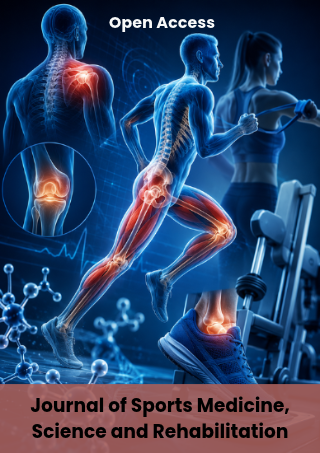
Strength and conditioning integrates scientific principles to enhance muscular strength, endurance, speed, agility, and athletic performance. Evidence-based conditioning programs improve physical capabilities while minimizing the likelihood of injury through structured training and recovery protocols. As sports science evolves, individualized conditioning strategies continue to play a critical role in athlete development. The Journal of Sport Medicine, Science and Rehabilitation welcomes research focused on resistance training, performance enhancement, training periodization, and conditioning methodologies across recreational and elite athletic populations.

ARTICLE PROCESSING TIMELINE
| Stage 1 |
Initial Quality & Plagiarism Check The manuscript is reviewed for journal scope, basic submission requirements, ethical compliance, and similarity/plagiarism concerns. |
| Stage 2 |
Editorial Assessment & Peer Review Manuscripts that pass the initial screening undergo editorial assessment and independent peer review in accordance with the journal's peer-review policy. |
| Stage 3 |
Revision & Editorial Decision Authors may be requested to revise their manuscript based on reviewer and editor comments. A final editorial decision is made after the required review and revision stages are completed. |
| Stage 4 |
Production & Publication Accepted manuscripts proceed to production, author proofing, final quality checks, and online publication. |
EDITORIAL & PUBLICATION INFORMATION
| English | Publication Language |
| Single-Blind | Peer-Review Model |
| 17% | Acceptance Rate |
| <18% | Similarity Screening Guideline |
| Open Access | Access Model |
All manuscripts undergo editorial assessment and originality screening as part of the journal's evaluation process. The acceptance rate shown is based on journal-level editorial data and may change over time. Similarity reports are assessed editorially and are not interpreted solely on the basis of a numerical similarity score.
WHY PUBLISH WITH US?
ETHICS & POLICIES
EDITORIAL & MANAGEMENT
USEFUL LINKS
JOURNAL HIGHLIGHTS
OPEN ACCESS JOURNALS
JOURNAL FLYER