The Journal of Cardiology and Heart Failure publishes
original research articles, review articles, clinical studies, case
reports and studies, technical contributions, perspectives, and other
scholarly submissions covering cardiovascular science, clinical
cardiology, heart failure, interventional management, cardiovascular
technologies, and related areas of cardiac research.
The journal welcomes submissions across the following thematic domains,
including but not limited to:
Cardiovascular Biology & Fundamental Cardiac Science
- Cardiac cell biology, tissue architecture, and structural organization
- Cardiac development, remodeling, and molecular signaling pathways
- Mechanisms of myocardial contraction, electrophysiology, and excitation–contraction coupling
- Cellular and molecular basis of cardiovascular diseases
- Vascular biology, endothelial function, and microcirculation
Heart Failure & Cardiomyopathies
- Pathophysiology and progression of heart failure
- Dilated, hypertrophic, restrictive, arrhythmogenic, and metabolic cardiomyopathies
- Ventricular remodeling, fibrosis, and myocardial energy metabolism
- Acute and chronic heart failure management strategies
- Biomarkers, risk stratification, and individualized treatment approaches
Coronary Artery Disease & Ischemic Heart Disease
- Atherosclerosis, plaque biology, and vascular inflammation
- Acute coronary syndromes, stable ischemic disease, and reperfusion injury
- Therapeutic approaches for myocardial ischemia and infarction
- Coronary microvascular dysfunction
Interventional Cardiology & Structural Heart Interventions
- Percutaneous coronary intervention (PCI), stenting, and atherectomy
- Transcatheter valve therapies, including TAVR and TMVR
- Structural heart disease interventions and device technologies
- Intravascular imaging, FFR, IVUS, OCT, and related diagnostic techniques
Cardiac Electrophysiology & Arrhythmia Management
- Mechanisms of arrhythmias and conduction disorders
- Atrial fibrillation, ventricular tachyarrhythmias, and sudden cardiac death
- Electrophysiological mapping, ablation technologies, and device therapy
- Genetic arrhythmia syndromes
Hypertension, Vascular Diseases & Circulatory Disorders
- Mechanisms and management of systemic hypertension
- Pulmonary hypertension and right-heart dysfunction
- Peripheral artery disease (PAD) and aortic diseases
- Vascular remodeling and endothelial dysfunction
Diagnostic Cardiology & Advanced Cardiac Imaging
- Echocardiography, cardiac MRI, CT, and nuclear cardiology
- Multimodal imaging for structural and functional evaluation
- Imaging biomarkers for risk assessment and treatment monitoring
- Point-of-care diagnostics and emerging non-invasive technologies
Cardiac Surgery & Cardiothoracic Interventions
- Coronary artery bypass grafting (CABG) and valve repair or replacement
- Minimally invasive and robotic cardiac surgery
- Mechanical circulatory support, including ECMO, LVADs, and VADs
- Postoperative care, complications, and outcomes research
Cardio-Oncology
- Cardiovascular toxicities associated with cancer therapies
- Monitoring and management of treatment-related cardiomyopathy
- Precision cardio-oncology and cardiovascular risk assessment
- Integration of oncology and cardiovascular care pathways
Systemic & Metabolic Diseases Affecting the Heart
- Diabetes, obesity, thyroid disorders, and metabolic syndrome
- Renal-cardiac interactions and cardiorenal syndrome
- Autoimmune and inflammatory diseases with cardiac involvement
- Infectious and immune-related cardiac conditions
Cardiac Therapeutics: Pharmacological & Non-Pharmacological Strategies
- Drug therapy for heart failure, arrhythmias, hypertension, and ischemic heart disease
- Precision pharmacology and individualized drug-response research
- Nutritional, lifestyle, and rehabilitative interventions
- Cardiac devices, implants, and remote monitoring technologies
Cardiovascular Metabolism & Cellular Remodeling
- Metabolic regulation of cardiac function and energy utilization
- Mitochondrial dysfunction, oxidative stress, and redox biology
- Cellular remodeling, fibrosis, and mechanisms of ventricular deterioration
- Metabolic approaches to myocardial function and repair
Advanced Therapeutics & Innovative Treatment Strategies
- Novel pharmacotherapies and emerging cardiovascular drugs
- Device-based therapies, neuromodulation, and hemodynamic support systems
- Targeted therapeutic delivery systems and minimally invasive approaches
- Integrated treatment strategies combining medical, interventional, and lifestyle approaches
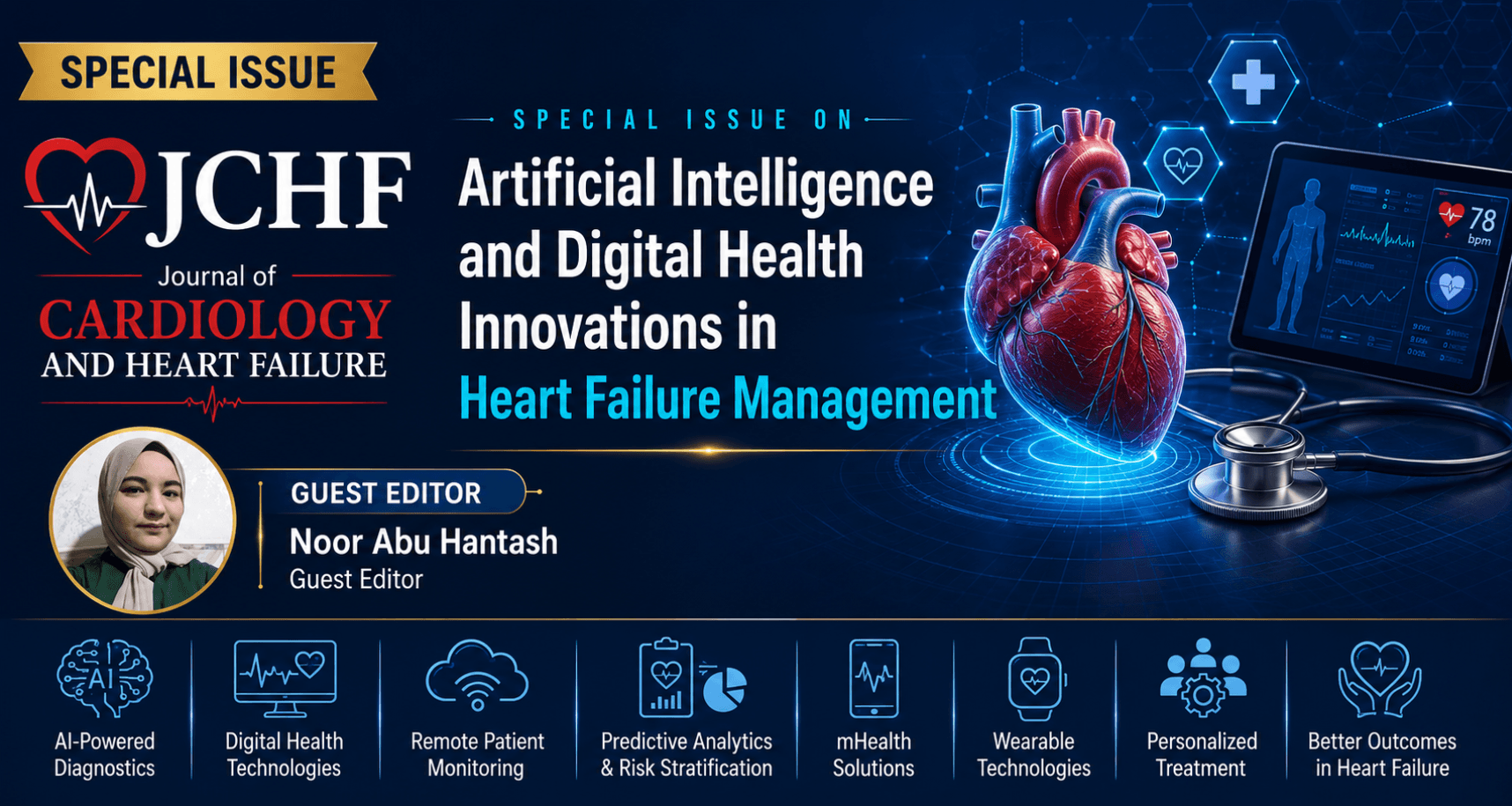
Digital Health, Artificial Intelligence & Emerging Technologies
- AI and machine learning in cardiac imaging, diagnostics, and risk assessment
- Digital therapeutics, remote monitoring, and wearable cardiac devices
- Telecardiology, virtual care, and mobile health applications
- Smart sensors, robotics, and automation in cardiovascular medicine
Cardio-Pulmonary Interactions & Heart–Lung Physiology
- Pathophysiology of cardiopulmonary interactions
- Pulmonary edema, right-heart dysfunction, and cor pulmonale
- Pulmonary vascular diseases affecting cardiac function
- Integrated heart–lung management strategies
Pediatric Cardiology & Congenital Heart Disease
- Diagnosis and management of congenital heart defects
- Pediatric cardiomyopathies and heart failure
- Neonatal and infant cardiac interventions
- Growth, development, and long-term outcomes in pediatric patients
Cardiac Rehabilitation & Preventive Cardiology
- Exercise-based and multidisciplinary cardiac rehabilitation programs
- Secondary prevention strategies for myocardial infarction and heart failure
- Lifestyle modification, nutrition, and behavioral interventions
- Psychosocial support and quality-of-life research
Translational Cardiovascular Research & Bench-to-Bedside Research
- Preclinical models of cardiovascular disease
- Biomarkers, molecular targets, and therapeutic pathways
- Drug discovery and validation in cardiovascular therapeutics
- Research connecting experimental findings with clinical applications
Global & Population Cardiology
- Epidemiology and population-based studies of cardiovascular diseases
- Health disparities, social determinants, and preventive strategies
- Policy, guidelines, and implementation science in cardiovascular care
- Big-data analytics and registries for cardiovascular research
Cardiovascular Device Innovation & Engineering
- Next-generation pacemakers, defibrillators, and cardiac resynchronization devices
- Bioprosthetic and mechanical heart valves
- Hemodynamic monitoring, wearable devices, and implantable sensors
- Engineering approaches to cardiovascular device design, safety, and performance
The journal also welcomes interdisciplinary cardiovascular research
connecting clinical medicine, biomedical engineering, pharmacology,
public health, data science, and related fields where such integration is
relevant to the research question.










 Abstract
 HTML
HTML
 PDF
PDF