


Journal of Artificial Intelligence and Digital Health
ISSN:
3139-6267 (Online)
DOI Prefix (Crossref): 10.67238
 Download PDF
ABSTRACT
This study systematically reviews the integration of Interval Type-2 Fuzzy Logic (IT2FL) and XGBoost for prostate cancer detection and prognosis. Prostate cancer is a significant health concern, with existing diagnostic methods often challenged by data uncertainties and accuracy limitations. IT2FL effectively addresses uncertainties in medical data, while XGBoost enhances classification performance. Following PRISMA guidelines, a systematic search was conducted across eight sources including Google Scholar, IEEE Xplore, ACM Digital Library, Elsevier, Springer, ScienceDirect, ResearchGate, and Semantic Scholar yielding 500 records. After removing duplicates and applying exclusion criteria based on sample size, publication quality, geographic diversity, timeframe (2017–2024), language, and relevance to IT2FL–XGBoost approaches, 121 studies were retained for analysis. The review addresses four research aspects: the integration of IT2FL and XGBoost, input parameter significance, the role of linguistic variables, and the impact of XGBoost on diagnostic accuracy. Visualization tools such as VOSviewer and Matplotlib facilitated data analysis and presentation. Findings from the reviewed literature indicate that hybrid IT2FL–XGBoost approaches can enhance diagnostic precision, reduce false positives, and support clinical decision-making, though challenges such as data diversity and model interpretability persist across studies. This review synthesizes existing evidence on the feasibility of combining IT2FL and XGBoost for prostate cancer detection and prognosis, and identifies explainable AI integration and broader clinical validation as priorities for future research.
Keywords: Interval Type-2 Fuzzy Logic (IT2FL); XGBoost; Prostate Cancer; Prostate Cancer Detection; Systematic Review; Medical Decision Support Systems
INTRODUCTION
Over the past six decades, advancements in prostate cancer diagnostics have significantly improved early detection and treatment outcomes [1]. This malignancy, known as prostate cancer, is the second most frequently diagnosed and has a significant impact on men's health worldwide, presenting significant challenges in early detection and accurate prognosis [2]. Conventional diagnostic methods, including Prostate-Specific Antigen (PSA) testing and Digital Rectal Examination (DRE), frequently encounter challenges related to specificity and sensitivity. These methods tend to produce high false-positive rates, leading to unnecessary biopsies and overdiagnosis. Moreover, imaging modalities like multiparametric MRI (mpMRI) and ultrasound, while effective, are subject to inter-observer variability and constrained by the quality of imaging data [3]. These limitations hinder the ability to deliver precise, reliable, and early diagnosis, thereby impacting treatment outcomes and patient quality of life [1].
Progress in Machine Learning (ML) and Artificial Intelligence (AI) has led to valuable tools for overcoming these challenges by leveraging computational models to analyze complex, high-dimensional datasets. However, individual ML models often struggle to handle uncertainties inherent in medical data, such as variability in patient demographics and incomplete datasets [4][5]. Despite improvements in predictive accuracy with algorithms like XGBoost and deep learning, the interpretability of these models remains a barrier to clinical adoption. Thus, there is a pressing need for diagnostic frameworks that balance precision, robustness, and transparency. Among AI techniques, Interval Type-2 Fuzzy Logic (IT2FL) from Fuzzy logic systems (FLS), introduced by Zadeh in 1965, offers a robust framework for managing uncertainties and imprecise medical data. IT2FL enhances decision-making by incorporating linguistic variables and fuzzy inference systems, thereby providing a nuanced interpretation of patient data. By extending binary logic to include values between absolute truth and falsehood, fuzzy logic systems map input variables to crisp outputs and simulate human decision-making using linguistic variables and rules [6]. Unlike Type-1 Fuzzy Logic, IT2FL can handle more complex uncertainties, making it particularly suitable for medical applications [6-7].
Complementing IT2FL, the XGBoost algorithm has gained prominence for its superior performance in classification tasks. Known for its ability to reduce bias and variance, XGBoost delivers high predictive accuracy, this makes it especially well-suited for medical applications that demand high levels of precision. The integration of these two methodologies, IT2FL and XGBoost represents a hybridized model that combines the strengths of uncertainty management and predictive optimization. Artificial Intelligence (AI) has significantly advanced prostate cancer detection and prognosis, particularly in radiology and imaging techniques. AI applications, such as convolutional neural networks (CNNs) and machine learning (ML) models, have improved diagnostic precision and treatment planning. For instance, ML techniques like supervised and unsupervised learning, decision trees, and deep learning have been widely adopted for prostate cancer research [8]. CNNs have been particularly effective in enhancing prostate segmentation and aligning imaging with the Prostate Imaging Reporting and Data System (PI-RADS), as shown by [9]. These advancements surpass traditional diagnostic methods and human interpretation. Comparative studies highlight the superior performance of ML algorithms over conventional approaches. Boosting methods achieved the highest classification accuracy, as reported by [10].
Similarly, studies on hybrid models combining techniques like gradient boosting and fuzzy logic have shown improved reliability in handling medical data uncertainties [11]. The integration of AI in prostate cancer research has also expanded into predictive analytics. For example, hybrid AdaBoost-SVM algorithms have demonstrated exceptional diagnostic accuracy for breast cancer and similar potential for prostate cancer applications. The role of biomarkers and high-dimensional datasets in AI-driven diagnostic tools has grown, emphasizing the need for rigorous experiments to validate model efficacy [12]. Additionally, methods such as multiparametric MRI (mpMRI) and machine learning have enhanced risk stratification and biopsy accuracy, reducing false positives [13] . Challenges remain in implementing these technologies clinically due to data variability, computational requirements, and model interpretability. Future directions emphasize integrating explainable AI for enhanced trustworthiness, federated learning for data privacy, and expanding clinical trials to validate ML models. This comprehensive review identifies the potential of AI and ML in improving prostate cancer care while addressing existing limitations.
Li H, conducted an in-depth analysis of segmentation, machine learning, and deep learning methods to enhance the prediction of prostate cancer probability rates [14]. In Lee C, a reinforcement learning approach was utilized to improve the accuracy of prostate cancer prediction [15]. The study also explored various models and structural frameworks used for the precise identification and classification of prostate cancer. Similarly, Tataru OS examined recent advancements in AI for the development of automated prostate cancer diagnosis systems [16]. AI has demonstrated remarkable accuracy in medical imaging, aiding in the detection of prostate abnormalities and forecasting clinical outcomes such as patient survival and response to treatment. This systematic review investigates the potential of this hybrid approach, focusing on its application to prostate cancer detection and prognosis. Specifically, it explores the integration flow of IT2FL and XGBoost, evaluates the input parameters influencing model performance, and examines the significance of linguistic variables and XGBoost’s implementation. By analyzing existing literature from 2017 to 2024, this review purposes to provide comprehensive insights into the efficacy and applicability of hybrid models in prostate cancer diagnostics, setting the stage for future advancements in precision medicine.
While prior reviews such as [14], [15], and [16] have examined segmentation-based, reinforcement-learning-based, and general AI-driven approaches to prostate cancer diagnosis, none has focused specifically on the integration of Interval Type-2 Fuzzy Logic with XGBoost. This represents a gap in the literature, since existing reviews tend to treat uncertainty-handling techniques and gradient-boosting classifiers as separate research streams rather than as a combined diagnostic framework. The present review addresses this gap by systematically synthesizing studies relevant to the IT2FL-XGBoost hybrid, with the aim of clarifying how uncertainty management and predictive optimization can jointly improve prostate cancer detection and prognosis.
The integration of Interval Type-2 Fuzzy Logic (IT2FL) and XGBoost offers a novel approach to address these gaps. IT2FL provides a robust mechanism for managing data uncertainties through its ability to model imprecision and ambiguity using linguistic variables and fuzzy inference systems. This capability is particularly suited for medical applications where patient data often lack exact values. On the other hand, XGBoost, a gradient-boosting algorithm, is renowned for its superior classification performance, scalability, and ability to minimize both bias and variance. By combining these methodologies, the hybrid model hope to enhance diagnostic precision, manage data uncertainty, supports clinical decision-making and bridge theory and practice.
METHODOLOGY
This section offers an outline of the methodology employed in the literature review, including its objectives, research questions, inclusion and exclusion criteria, and the study framework. Subsection (A) outlines the steps taken during the literature review process. Subsection (B) addresses the formulation of research questions. Subsection (C) details the article selection strategy, while Subsection (D) includes Inclusion and Exclusion Criteria. This review followed the PRISMA (Preferred Reporting Items for Systematic Reviews and Meta-Analyses) guidelines to ensure a transparent and reproducible review protocol.
Methodological Description
|
S/N |
References |
Methodology |
Description |
Dataset |
Result |
Problem solved |
|
1 |
[17] |
Pixel-wise AI algorithms |
AI-powered virtual biopsy enhances MRI-targeted prostate biopsy precision. Pixel-level AI models have been designed for tumor detection and Gleason grading. |
A meticulously curated dataset comprising 442 manually annotated slides. A cohort consisting of 115 radical prostatectomy patient cases. |
The tumor detection algorithm demonstrated sensitivity/specificity of 0.99/0.90 in the aware version and 0.97/0.97 in the balanced version. |
Detection |
|
2 |
[18] |
ANN |
Prostate cancer is prevalent in men over 50.
ANN model enhances early detection, reducing false positives.
Aims for marketable solution in cancer screening. Long-term goal: improve patient care and outcomes. |
Four datasets from 1983 patients were used. Variables include age, prostate size, and PSA levels. |
Developed ANN model for early prostate cancer detection. Reduced false positive rates in diagnostic methods. |
Detection |
|
3 |
[19] |
Deep learning |
Deep learning models were developed to identify adverse pathology in prostate cancer.
The TransCL model surpassed both the clinical model and radiologists' interpretations in detection accuracy |
Radical prostatectomy was performed on 616 men across six institutions.
The study included a training cohort of 508 patients and a validation cohort of 108 patients. |
TransCL achieved an AUC of 0.813 (95% CI: 0.726–0.882) for detecting AP presence, surpassing TransNet (0.791 [95% CI: 0.702–0.863], P = 0.429) and significantly outperforming CM (0.749 [95% CI: 0.656–0.827]) and RI (0.664 [95% CI: 0.566–0.752]). |
Detection |
|
4 |
[3] |
Deep learning |
A machine learning-based method identifies high-grade prostate cancer through ultrasound imaging.
Combining clinical data with ultrasound imaging enhances detection accuracy. |
Clinical datasets were sourced from Nippon Medical School Hospital. Access is restricted, and the data is not publicly available. |
The area under the curve (AUC) based on clinical data alone was 0.691, whereas incorporating both clinical and ultrasound imaging data increased the AUC to 0.835 (p = 0.007). |
Detection |
|
5 |
[20] |
Deep learning |
Machine learning improves prostate cancer detection using PSA kinetics.
AUC for machine learning model is 0.886, surpassing traditional methods |
PLCO trial data. Contemporary Australian cohort data |
The analysis included 10,719 patients. For diagnosing grade group ≥2, the machine learning model achieved an AUC of 0.886, compared to 0.807 for PSA and 0.627 for PSA velocity. |
Detection |
|
6 |
[21] |
SVM |
S3 spectroscopy detects cancer biomarkers in human prostate tissues label-free.
ML algorithms like PCA, NMF, and SVM analyze S3 spectra. |
Human cancerous prostate tissue spectra collected label-free. Normal prostate tissue spectra collected label-free. |
The classifications NC1vsNC2, NC1vsNC3, and NC2vsNC3 achieved sensitivities 86.7%-100%, specificities 100%, accuracies 93.3%-100%, AUROC values of 1. |
Detection |
|
7 |
[22] |
R-CNN |
Prostate cancer detection model improves early diagnosis efficiency.
Modified ResNet50 architecture shows superior performance in medical imaging. |
A comprehensive dataset of annotated medical images was utilized. However, specific details regarding the dataset were not disclosed in the text. |
The proposed model surpasses both ResNet50 and VGG19 architectures, demonstrating exceptional performance with sensitivity, specificity, precision, and accuracy rates of 97.40%, 97.09%, 97.56%, and 95.24%, respectively. |
Detection |
|
8 |
[23] |
Convolutional Neural Networks (CNN), Gradient Boosting, k-Nearest acquaintances (KNN), Ada boosting, (GA-FS). |
Optimizes machine learning model for prostate cancer detection accuracy. Uses ensemble learning and feature selection for improved performance. |
Publicly available data from the Cancer Genome Atlas. Preprocessed dataset for feature extraction and selection |
The proposed model outperforms others with accuracy rates of 93.55%-97.81% across 100-500 rounds, surpassing Boost, KNN, AdaBoost, and GA-FS. |
Detection |
|
9 |
[24] |
Fuzzy logic (Mamdani fuzzy inference) |
Early cancer diagnosis improves patient survival rates.
Fuzzy expert system aids prostate cancer risk assessment. |
Clinical data from 119 patients at Ankara University were analyzed.
The input variables included Age, PSA, PV, and FPSA. |
The FES achieved a 77.05% true positive rate among 119 patients, surpassing Saritas (64.71%), online calculators (62.18%), and the FPSA/PSA ratio (60.50%). |
Detection |
|
10 |
[25] |
Logistic regression, decision tree, and random forest models were implemented. Support vector machine and neural network models were also assessed. |
This study designed machine learning models for prostate cancer detection, identifying the random forest model as the most effective, achieving 92% accuracy. |
The study included 200 prostate cancer patients and 200 healthy control subjects. |
The random forest model demonstrated the highest performance, achieving 92% accuracy, 95% sensitivity, and 89% specificity, surpassing other machine learning models. |
Detection |
|
11 |
[26] |
Image registration algorithm developed in MeVisLab |
Investigates image registration impact on prostate cancer diagnosis.
Deformable registration improves lesion alignment and diagnostic performance slightly. |
Three datasets with bpMRI scans for prostate cancer detection.
Includes axial T2W, ADC, and HBV imaging. |
Deformable registration improved lesion overlap by +10% median Dice score. Diagnostic performance showed a +0.3% AUROC improvement (p=0.18). |
Detection |
|
12 |
[27] |
A convolutional neural network (CNN) was utilized for analysis and classification. |
An auto-deep learning approach was employed for detecting prostate cancer malignancy from mpMRI.
Peripheral zone and central gland detectors efficiently identified suspicious slices. |
A public cohort of 201 patients was analyzed.
Cropped 2.5D slices of prostate glands were utilized for assessment |
The CG-detector achieved an AUC of 0.94 when using only T2-ADC pairs as input, whereas the PZ-detector attained an AUC of 0.90 with a mixed-type input pair. |
Detection |
Table 1: Tabulated Literature on Detection Problem
|
S/N |
References |
Methodology |
Description |
Dataset |
Result |
Problem solved |
|
1 |
[28] |
Support Vector Machine, Decision Tree, and Naive Bayes were among the models utilized. Additionally, K-Nearest Neighbors, Neural Network, Random Forest, Deep Learning, Auto-MLP, and Rule Induction were implemented. |
Study aims to determine best algorithm for diagnosing prostate cancer. Nine data mining techniques used, with K-Nearest Neighbors and Neural Network algorithms showing best performance. |
Prostate cancer data was sourced from the Kaggle repository. The dataset included 100 samples with eight distinct features. |
The study revealed that the implemented algorithms achieved an accuracy range of 77%–84%. K-Nearest Neighbors and Neural Networks demonstrated the highest accuracy at 84%, with sensitivity rates of 85% and 80%, respectively. |
Diagnosis |
|
2 |
[29] |
Support Vector Machine (SVM) and Random Forest (RF) were utilized for classification and analysis. |
ML models utilizing biparametric MRI were applied for prostate cancer diagnosis. These models demonstrated performance comparable to PI-RADS while enhancing specificity. |
1,368 patients from three tertiary medical centers. Includes cases of csPCa, ciPCa, and benign lesions. |
ML model and PI-RADS achieved AUCs of 0.869-0.915 for PCa; combining them improved specificities to 80%-93.3% for diagnosis. |
Diagnosis |
|
3 |
[30] |
deep learning, ANNs, and support vector machines (SVMs) |
Prostate cancer is common worldwide with high mortality in developing countries. AI and ML improve diagnostic accuracy by reducing inter-individual variation. |
SCOPUS, Web of Science, Google Scholar databases used. 293 research papers reviewed for analysis. |
AI and ML contribute to improving prostate cancer diagnosis. A comprehensive approach combining demographic details, clinical metrics, serological markers, pathological grading, radiological assessments, and genomic insights enhances non-invasive detection of clinically significant cases. |
Diagnosis |
|
4 |
[31] |
DNN. RNN |
Early detection of prostate cancer is crucial for treatment. Deep learning automates diagnosis using mpMRI images for better patient care. |
I2CVB dataset used for training deep learning models. No other datasets mentioned in the study. |
Proposed, DL, approach, achieves, Dice, coefficient, 0.67, segmentation, task, accuracy, 90.69%, F1-score, 92.09%, classification, metrics, surpassing, state-of-the-art, methods, DNN, Deep, RNN. |
diagnosis |
|
5 |
[32] |
deep convolutional networks, connected neural network (CNNs) |
Prostate cancer diagnosis challenges due to early symptom absence. Deep learning improves accuracy using MRI and clinical data. |
The dataset was sourced from Trita Hospital in Tehran, encompassing multiparametric MRI images from 343 patients. |
The model's accuracy was 88%-96%, sensitivity 94.24%, and specificity 98.62%, with and without clinical and pathological data. |
Diagnosis |
|
6 |
[33] |
Deep learning |
Multimodal AI improves prostate cancer detection using clinical parameters and MRI. Early fusion of features enhances diagnostic accuracy significantly. |
932 biparametric prostate MRI examinations analyzed retrospectively. Data from two institutions included in the study. |
Multimodal AI demonstrated performance comparable to radiologist assessments, with AUC scores of 0.87 vs. 0.88 (internal) and 0.77 vs. 0.75 (external), both showing no statistically significant difference (P > 0.05). |
Diagnosis |
Table 2: Summarized Literature on Diagnostic Problems
|
S/N |
References |
Methodology |
Description |
Dataset |
Result |
Problem solved |
|
1 |
[34] |
Gradient Boosting Survival Analysis (GBSA), Random Survival Forest (RSF), and Extra Survival Trees (EST) were utilized for predictive modeling. |
Developed machine learning models for prostate cancer survival prediction. Created a web-based tool for patient prognosis guidance. |
3280 prostate cancer patients with lymph node involvement identified from SEER database. Data covers years 2000–2019. |
The mean time-dependent AUC values for GBSA, RSF, and EST were 0.782 (95% CI: 0.779–0.783), 0.779 (95% CI: 0.776–0.780), and 0.781 (95% CI: 0.778–0.782), respectively, surpassing the Cox regression model's 0.770 (95% CI: 0.769–0.773). |
prediction |
|
2 |
[35] |
Support Vector Machine (SVM) Random Forest (RF) |
Developed machine learning model for prostate cancer prediction. Compared diagnostic performance with MRI results. Analyzed data from 501 patients, 276 with cancer. Extracted 851 features from ultrasound video clips. Selected 14 features using LASSO regression. SVM model outperformed senior radiologists' MRI diagnoses. AUC of SVM was 0.78 in validation set. ML models can aid radiologists in diagnosis |
501 patients: 276 with prostate cancer, 225 benign lesions. Final selection: 231 patients, 118 cancer, 113 benign. |
The SVM model achieved AUC 0.78, sensitivity 63%, specificity 80% (validation), and 0.75, 65%, 67% (test), outperforming senior radiologists. |
Prediction |
|
3 |
[36] |
The models are SVC, LR, AdaBoost (Ada B), XG Boost (XGB), KNC, LGBM, GB, DT, and RF |
Prostate cancer prevalence is rising globally among men. Machine learning improves diagnostic accuracy and avoids unnecessary biopsies. |
Data acquired from Kaggle consists of 100 cases. 10 characteristics used for analysis. |
The maximum accuracy achieved was 96.67%, not only for the three models but also for Gradient Boosting (GB) as a whole.. |
Prediction |
|
4 |
[37] |
Support vector machine (SVM), random forest (RF), adaptive boosting (ADB), and gradient boosting machine (GBM) |
ML models using ultrasound and MRI improved diagnosis of prostate cancer. Fusion model of ultrasound and MRI provides complementary information for accurate identification. |
383 patients: 187 with prostate cancer, 196 benign lesions. 307 patients for training and validation; 76 for testing. |
In the test cohort, RF model achieved AUC 0.85, sensitivity 0.78, specificity 0.84; SVM model fused features yielded AUC 0.87. |
prediction |
|
5 |
[38] |
XGBoost |
Developed a machine learning model for prostate cancer prediction. XGBoost model outperformed traditional PSA tests in accuracy. |
Benign prostatic hyperplasia (BPH) data Prostate cancer (PCa) data |
The XGBoost model had an AUC of 0.82, outperforming f/tPSA (0.75), tPSA (0.68), and fPSA (0.61). |
prediction |
|
6 |
[39] |
KNN |
ML used to evaluate prostate cancer, achieving 88% accuracy. Alternative approach to predict cancer besides traditional medicine. |
Kaggle dataset retrieved for prostate cancer evaluation Dataset includes 10 numerical attributes and diagnosis result category |
The implemented algorithm achieved an accuracy rate of 88%. |
prediction |
|
7 |
[40] |
support vector machine (SVM) and random forest (RF) |
Developed machine learning algorithm for prostate cancer diagnosis. Achieved over 0.91 sensitivity in Gleason score prediction. |
71 patients analyzed in the study. Multiparametric MRI including T2WI and ADC maps. |
Combining LASSO, SVM, T2WI, and ADC images achieved AUC 0.92 for predicting Gleason score groups with high sensitivity. |
prediction |
|
8 |
[41] |
ANN |
Combined PHI and Proclarix improve prostate cancer diagnosis accuracy. ANN model predicts clinically significant prostate cancer at initial diagnosis. |
A total of 344 men from two different centers were enrolled in the study. The dataset includes biomarkers such as [-2]proPSA, free PSA, total PSA, cathepsin D, and thrombospondin. |
The model achieved a sensitivity of 78% and a specificity of 62% for all-cancer detection, outperforming PHI and PCLX alone. For clinically significant prostate cancer (csPCa) detection, it demonstrated a sensitivity of 66% (95% CI: 66–68%) and a specificity of 68% (95% CI: 66–68%). |
prediction |
|
9 |
[42] |
Fuzzy logic |
Systematic review and meta-analysis on diagnostic accuracy of predictive models in prostate cancer. MRI significantly improves detection accuracy and discrimination for biopsy. |
25,691 people from thirteen studies included. Data extracted included publication year, sample size, and AUC |
Among 25,691 participants, the study reported an overall AUC of 0.78. MRI models achieved 0.88, surpassing Americas (0.73) and Europe (0.80). |
predictive |
|
10 |
[43] |
logistic regression, RandomForest, DCA |
Developed predictive model for prostate cancer detection. Random Forest model showed best predictive performance and net benefit. |
146 patients from Guangxi Medical University. 116 patients from Changhai Hospital. |
The Random Forest model demonstrated the highest predictive performance and provided the greatest net benefit among all evaluated algorithms, achieving an area under the curve (AUC) of 0.871 |
predictive |
|
11 |
[44] |
|
Machine learning models improve prostate cancer detection using ultrasound. Combined model shows highest predictive efficacy for malignant lesions. |
166 men with targeted biopsy-confirmed pathology 72 benign and 94 malignant lesions |
The risk factor model incorporating these four predictors demonstrated superior discrimination in the validation cohort (AUC: 0.84) compared to radiomics images (AUC: 0.79 for the B model, 0.78 for the CEUS model, and 0.83 for the B-CEUS model). The combined model achieved the highest predictive efficacy with an AUC of 0.89 |
prediction |
|
12 |
[45] |
machine learning (Fusion gene) |
Discovered 8 fusion genes linked to aggressive prostate cancer. Fusion gene model predicts up to 91% clinical outcomes accurately. |
271 samples from University of Pittsburgh Medical Center 194 samples from University of Wisconsin, Madison 108 samples from Stanford University |
MAN2A1-FER, SLC45A2-AMACR, MTOR-TP53BP1 fusions predict prostate cancer recurrence with 91% accuracy (UPMC), 74% across cohorts, 93% with Gleason. |
Prediction |
|
13 |
[46] |
SVM and CNN |
Machine learning aids in prostate cancer detection and diagnosis. Study emphasizes ethical aspects and potential for improved patient outcomes. |
Genetic information datasets Clinical records and medical photographs |
The U-Net model achieved AUROC 0.889 and AP 0.732, outperforming Random Forest (AUROC 0.88) and MRI (AUC 0.6269) methods. |
Prediction |
|
14 |
[47] |
Random Forest (RF) and XGBoost (XGB) |
New ML model predicts prostate cancer risk effectively. Targeted and combined biopsies outperform systematic biopsy in detection. |
Records from two hospitals in Riyadh, Saudi Arabia. Data on diagnosed prostate cancer from 2019 – 2023. |
XGBoost (XGB) and Random Forest (RF) models demonstrated AUC values ranging from 0.94 to 0.97 for both targeted and combined biopsy approaches. |
prediction |
Table 3: Summarized Literature on Prediction Problems
|
S/N |
References |
Methodology |
Description |
Dataset |
Result |
Problem solved |
|
1 |
[48] |
CNN, SVM, Adaboost, K-NN, and Random Forests |
Proposed algorithm for prostate cancer classification using deep learning Achieved high accuracy on ultrasound and MRI images |
Ultrasound images dataset for prostate cancer classification. MRI images dataset for prostate cancer classification. |
The accuracy from aforementioned 80% to 88% on the MRI dataset. |
classification |
|
2 |
[49] |
convolutional neural network (CNN), Logistic regression, Randomforest, XGBoost |
Investigates machine learning classifiers for prostate zone detection. Highlights importance of salient features in classification rationale. |
T2-weighted images and apparent diffusion coefficient (ADC) map images were utilized |
Ensemble algorithms excelled in PZ and TZ zones. CNNs performed best in the AS zone. |
classification |
|
3 |
[50] |
unsupervised learning GAEs (graph autoencoders) |
Identified biomarkers for prostate cancer using machine learning techniques. Developed a prognostic risk model with four key genes |
Multi-database validation performed for diagnostic biomarkers. Literature review conducted for verification of biomarkers. |
AUC values of 0.69, 0.58, and 0.61 at 1, 3, and 5 years, respectively |
Classification |
|
4 |
[51] |
Random Forest, k-Nearest Neighbors (KNN), Decision Trees, Naïve Bayes, Logistic Regression, Support Vector Machines (SVMs), and XGBoost. |
Developed machine learning model for prostate disease early warning. KNN model achieved highest accuracy; ensemble improved results further. |
Medical indicator dataset of prostate patients used. No specific dataset names provided in the text. |
Ensemble technique increases the accuracy of the model, its accuracy has reached as high as nearly 90%. |
classification |
|
5 |
[52] |
Deep learning |
DL models outperformed PI-RADS in csPCa detection and classification. DL ensemble model excelled in PSA-stratified csPCa detection. |
Training cohort: 1,285 patients External testing cohort: 315 patients |
DL-based models achieved higher csPCa detection (AUC: 0.902), outperforming PI-RADS (AUC: 0.759) and excelling in PSA <10 ng/ml assessments. |
classification |
|
6 |
[53] |
Support Vector Machines and Balanced Random Forest (BRF) |
Non-invasive prostate cancer diagnostic tool using MRI radiomics analysis. Achieved 79% accuracy in identifying clinically significant prostate cancer. |
T2 weighted and diffusion weighted images from 1500 patients. Whole prostate gland segmented by deep learning algorithms. |
A balanced accuracy of 79% was achieved for the SVM using radiomics from the whole prostate gland. |
Classification |
|
7 |
[54] |
artificial neural network |
Neural network trained for prostate cancer diagnosis via MRI. Achieved 78% accuracy, surpassing radiologist's 55% accuracy. |
MRI data from patients at “Zdorovie” Clinical Center. Histological mapping slides by a morphologist. |
Neural network localized prostate cancer in 78% of cases. Radiologist localized prostate cancer in 55% of cases. |
classification |
|
8 |
[55] |
DeepNeuralNetwork, Recurrent Neural Network, Convolutional Neural Network |
Prostate Cancer detection using CNNs on MRI images. Integrates Conditional Random Fields for improved classification performance. Hybrid end-to-end network enhances XmasNet architecture. Experimental results show accuracy but high variability observed. |
MRI dataset from PROSTATEx Challenge 2017. Contains mpMRI studies of 344 subjects. |
AlexNet and VGG16 achieve better AUROC and BCE than others; CRF-XmasNet improves performance (AUROC 0.572) with reduced training time |
classification |
|
9 |
[56] |
Convolutional Neural Networks and Recurrent Neural Networks |
Prostate cancer is a leading cause of male cancer deaths. Hybrid ECNN-ERNN techniques improve cancer detection accuracy significantly. |
Size of dataset used: 1.50 GB. No specific dataset details provided. |
ECNN achieved 98.34% precision (AUC 0.999); combining features improved accuracy to 99.71% (AUC 1.00), outperforming existing systems. |
classification |
|
10 |
[57] |
Support Vector Machine (SVM), AdaBoost, Decision Tree (DT), and Random Forest (RF) |
Support vector machines, Radio frequency, Machine learning algorithms, Magnetic resonance imaging, Sociology, Classification algorithms, Reliability |
Prostate cancer is a major global health issue. Ensemble models achieved 96% accuracy in MRI detection. |
The evaluation showed the ensemble model achieved an impressive 96% accuracy in distinguishing Significant from Non-Significant prostate cancer cases. |
Classification |
|
11 |
[58] |
CNN |
PCa diagnosis using CNNs and transfer learning on MRI images. Achieved 88.89% accuracy in classifying prostate cancer. |
Limited number of MRI images used. Pre-trained on the ImageNet dataset |
Our model achieved an impressive accuracy of 88.89% in prostate cancer classification. |
classification |
Table 4: Summarized Literature on Classification Problems
|
S/N |
Author |
Gaps |
Methodology |
Tools |
Results |
|
1 |
[59] |
Uncertainty was not considered. However, several challenges that exist in the investigation process are the existence of high dimensionality data and less number of training samples |
DNN model |
Python 3.6.5 tool |
the optimal DNN model has provided sensy, specy, precn, accuy, and Fscore of 96.30%, 95.56%, 96.67%, 96.64%, and 96.32%, respectively |
|
2 |
[60] |
The model is applicable to one dataset |
Fuzzy logic and associative rules mining |
Nil |
Upon analyzing the classified subjects, we achieved a specificity of 59.2% and a sensitivity of 90.8%, with negative and positive predictive values of 81.3% and 76.6%, respectively. Notably, for ISUP ≥ 3 prostate cancer, our model accurately predicted biopsy outcomes in 98.1% of cases. |
|
3 |
[61] |
It used only Mamdani Inference Engine |
IT2FL |
Nil |
The true positive prediction rate for biopsy cases is notably high at 73.77%, while the accuracy for negative biopsy cases shows a slight deviation |
Table 5: Gaps of Single Methodology in Previous Studies
Research Questions Steps
Preparation Steps
The preparation steps are essential for laying the groundwork for formulating well-structured and meaningful research questions. In this phase, the researcher identifies the study's primary focus and determines the investigation's scope.
RQ1: Why is ML relevant in prostate cancer detection and prognosis?
RQ1.1: What ML algorithms are adopted in the studies under review for prostate cancer detection and prognosis?
RQ1.2: Which regions of the world have utilized ML models for prostate cancer research?
RQ1.3: To what extent has the use of machine learning in prostate cancer detection translated into clinical implementation beyond theoretical models
RQ2: How many studies have been conducted on ML for prostate cancer detection and prognosis from 2017 to 2024?
RQ3: What are the most frequently used keywords in research on hybrid models for prostate cancer detection and prognosis?
RQ4: What evaluation metrics are most used to assess detection accuracy in prostate cancer models?
Article Selection Strategy
Execution Step
The Execution Step is the stage where the planned research activities are implemented, involving data collection and the application of the research design.
Search Strategy
The data collection was carried out using selective, term-based searches across articles from various sources published between 2017 and 2024. We searched research databases such as Google Scholar, IEEE Xplore, Elsevier, and Springer for the specified terms, focusing on titles and abstracts of the articles. The search process was guided by the research questions, and advanced search techniques like "AND" and "OR" were used to narrow down the results.
Digital Libraries Resources
Table 6 summarizes the digital library resources utilized for gathering data, with an emphasis on English-language materials obtained via keyword searches. Data collection occurred from January 2017 to September 2024 and included a variety of sources such as peer-reviewed journals, academic articles, e-books, conference proceedings, and online workshops. Major platforms accessed in this research included ACM Digital Library, Elsevier, Google Scholar, IEEE Xplore, Springer, ResearchGate, ScienceDirect, and Systematic Scholar, aided by the Google search engine.
|
Language |
Approach |
Search Engine |
Duration |
Type |
Digital library source |
Number of Articles |
|
English |
Keywords, Titles |
|
Jan. 2017 to Sept. 2024 |
scholar articles, scientific journals, e-books, conferences, online workshops |
ACM Digital Library |
40 |
|
Elsevier |
50 |
|||||
|
Google Scholar |
100 |
|||||
|
IEEE Explore |
50 |
|||||
|
Springer |
50 |
|||||
|
Research Gate |
150 |
|||||
|
Science Direct |
20 |
|||||
|
Systematic Scholar |
40 |
|||||
|
Total |
500 |
Table 6: Resource Libraries
Search Terms
Search terms are specific keywords or phrases used in databases, search engines, or digital libraries to find relevant literature, articles, or information related to a research topic. These terms include essential keywords that represent the main concepts of the research, as shown in:
- (Interval Type-2 Fuzzy Logic OR IT2FL) AND (Prostate Cancer Detection OR Cancer Diagnosis) AND (Hybrid Models OR Fuzzy Logic Systems) AND (Medical Imaging OR MRI and Ultrasound)
- (Machine Learning OR XGBoost) AND (Prostate Cancer Prognosis OR Cancer Risk Prediction) AND (Hybrid Models OR Integrated Systems) AND (Medical Diagnosis OR Non-Invasive Techniques)
- (Fuzzy Logic Systems OR IT2FL Applications) AND (Cancer Detection OR Prostate Tumor Localization) AND (XGBoost OR Machine Learning Models) AND (Medical Data Uncertainty OR Diagnostic Accuracy)
- (AI in Healthcare OR Hybrid AI Models) AND (Prostate Cancer Detection OR Cancer Staging) AND (Interval Type-2 Fuzzy Logic OR IT2FL) AND (XGBoost OR Predictive Models)
- (Prostate Cancer Screening OR Diagnostic Tools) AND (Machine Learning OR XGBoost Applications) AND (Fuzzy Logic OR Uncertainty Handling) AND (Non-Invasive Imaging OR MRI-Ultrasound Fusion)
Study Selection Based on Inclusion and Exclusion Criteria
Figure 1 shows the Prisma flow diagram, illustrating the study selection process, detailing the number of records identified, screened, excluded, and included in the review. Searches were conducted across nine databases, while no records were retrieved from registers, websites, organizations, or citations. A total of 20 duplicates were removed, with 379 records automatically excluded. No records were screened or assessed for retrieval, and no reports were sought out or retrieved from other sources. During the assessment phase, several reports were excluded for specific reasons. Ultimately, 121 new studies and associated reports were included in the final analysis, highlighting the comprehensive effort to identify relevant literature.
The exclusion criteria for studies considered in this review include: i) Sample Size Thresholds - Studies with a sample size of fewer than 50 participants were excluded to ensure statistical reliability and generalizability of results. ii) Publication Quality - Articles published in non-peer-reviewed journals or lacking sufficient methodological rigor were excluded to maintain the credibility of the review. iii) Geographic Limitations - studies restricted to highly localized datasets without diverse demographic representation were excluded to enhance the applicability of findings across broader populations. iv) Timeframe - studies published outside the 2017-2024 window were excluded to focus on the most recent advancements in the field. v) Language - non-English studies were excluded due to resource constraints in translation and validation of findings. vi) Relevance - studies gthat did not specifically address prostate cancer detection or prognosis using machine learning, or that failed to include IT2FL or XGBoost as a component of the methodology, were excluded.
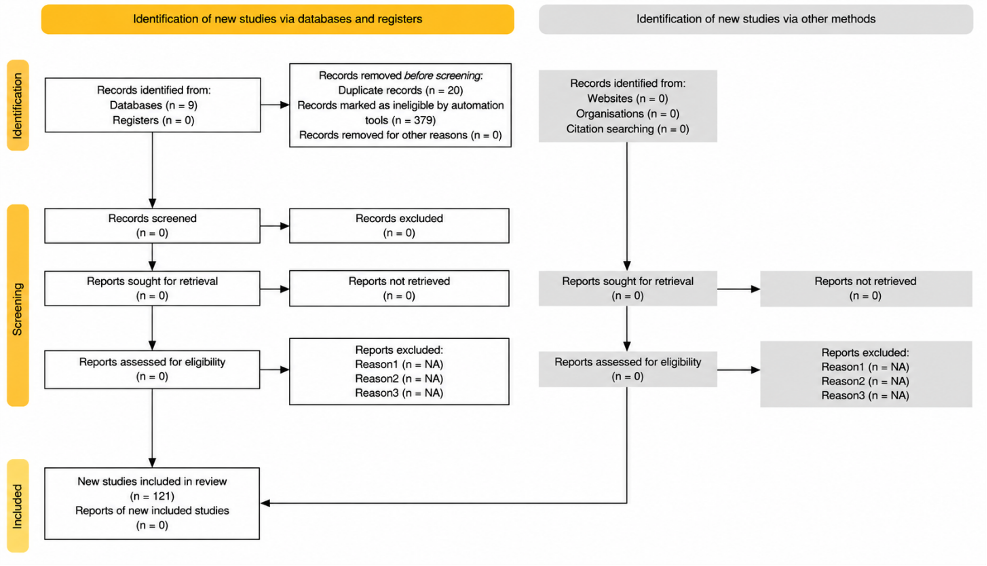
Figure 1: Prisma Flow Diagram of Study Selection
RESULTS AND DISCUSSION
RQ1: Why is ML relevant in prostate cancer detection and prognosis?
RQ1 is answered using the sub-questions RQ1.1 to RQ1.3.
RQ1.1: What ML algorithms are adopted in the studies under review for prostate cancer detection and prognosis?
This study employs a variety of ML algorithms to enhance diagnostic accuracy and predictive outcomes in prostate cancer research. The models utilized include semi-supervised learning, artificial neural networks (ANN), AdaBoost, boosting techniques, convolutional neural networks (CNN), decision trees, deep learning, fuzzy logic, k-nearest neighbors (KNN), recurrent neural networks (RNN), support vector machines (SVM), naive Bayes (NB), random forests, and XGBoost.
These diverse ML methods highlight the extensive application of advanced computational techniques in the field of prostate cancer research.
RQ1.2
Which regions of the world have utilized ML models for prostate cancer research?
Figure 2 and Figure 3 show that Europe and Asia have the highest number of countries utilizing machine learning models for prostate cancer research, reflecting strong research activity in these regions. North America also has significant involvement, primarily from the U.S. and Canada. Other regions, including the Middle East, Africa, South America, and Oceania, show some engagement but to a lesser extent, indicating that machine learning applications in prostate cancer research are more concentrated in Europe, Asia, and North America. This distribution likely reflects available resources, research funding, and technological advancements in these areas.
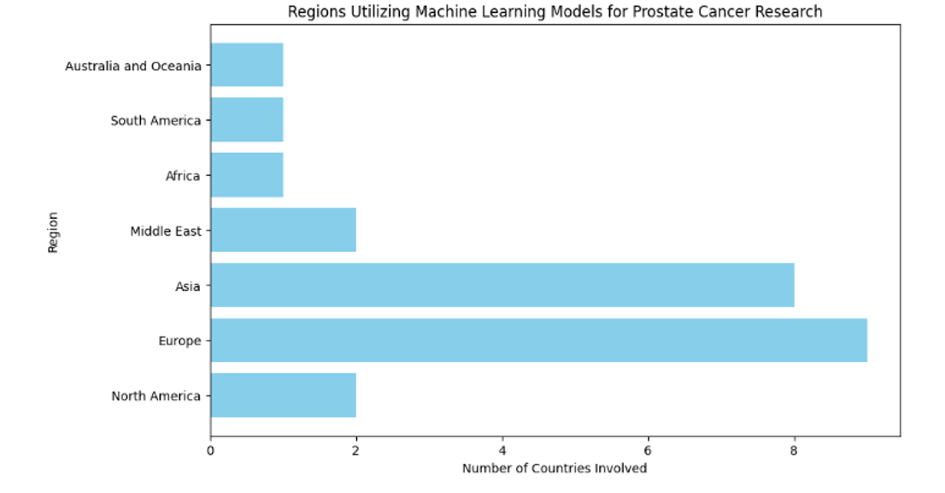
Figure 2: Region of Study with Several Countries
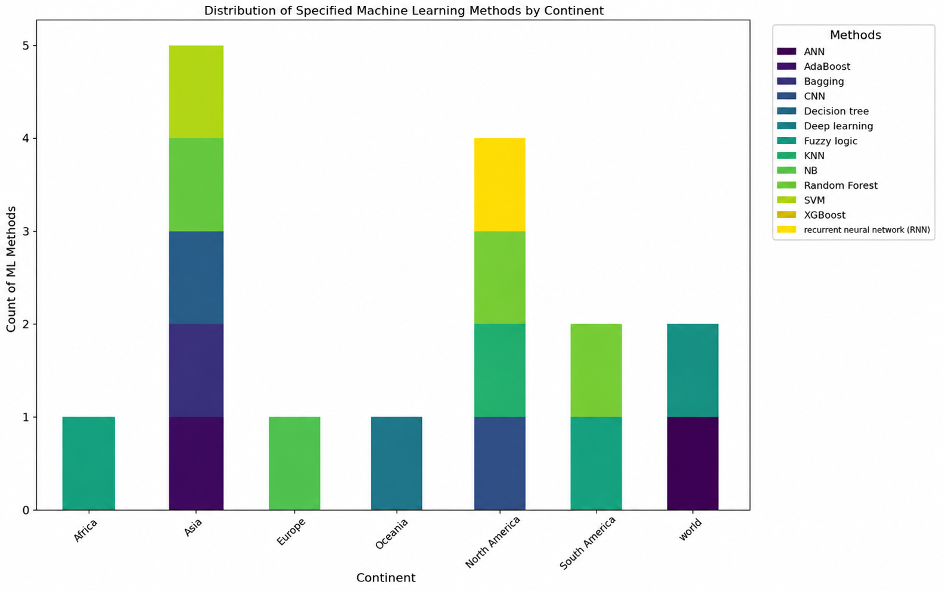
Figure 3: Distribution of Specified ML by Continent+
RQ1.3
To what extent has the use of ML in prostate cancer detection translated into clinical implementation beyond theoretical models.
The use of ML in prostate cancer detection has shown significant promise, particularly in tasks such as lesion detection, risk stratification, and treatment planning using imaging techniques like MRI. While ML models demonstrate high accuracy and potential for reducing observer variability, their clinical implementation remains limited due to challenges such as the need for extensive validation on diverse datasets, regulatory hurdles, and clinician training. Efforts to address these barriers include integrating ML tools into clinical trials, exploring explainable AI for trust and interpretability, and leveraging federated learning to ensure data privacy. As these advancements continue, the gap between theoretical models and real-world clinical applications is gradually narrowing, paving the way for broader adoption in prostate cancer care.
RQ2
How many studies have been conducted on ML for prostate cancer detection and prognosis from 2017 to 2024?
Figure 4 illustrates the number of studies conducted on ML for detection of prostate cancer and prognosis between 2017 and 2024. The trend shows a gradual increase in the number of studies from 2017, starting with 2 studies, and peaking in 2020 and 2021, with 14 and 13 studies, respectively. Following this peak, there is a decline in the number of studies, with 7 recorded in 2022, 9 in 2023, and 4 in 2024. This pattern indicates growing interest in the field during the earlier years of the period, followed by a tapering.
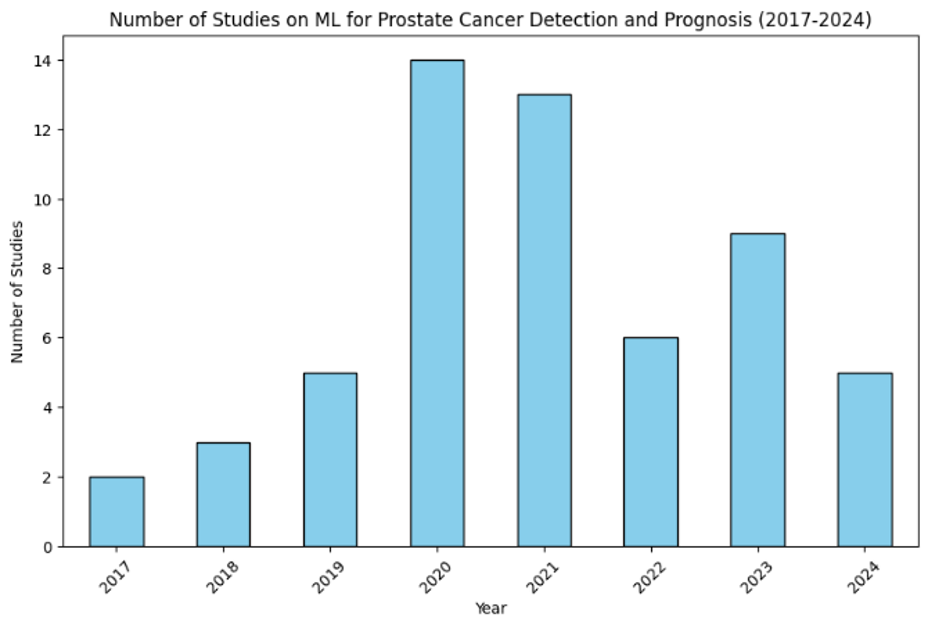
Figure 4: Machine learning used between 2017 and 2024
RQ3
What are the most frequently used keywords in research on hybrid models for prostate cancer detection and prognosis?
Figure 5 present word cloud, showing a visualization of the most frequently used terms in the reviewed literature, highlighting key topics such as "prostate," "cancer," "machine learning," and "diagnosis".
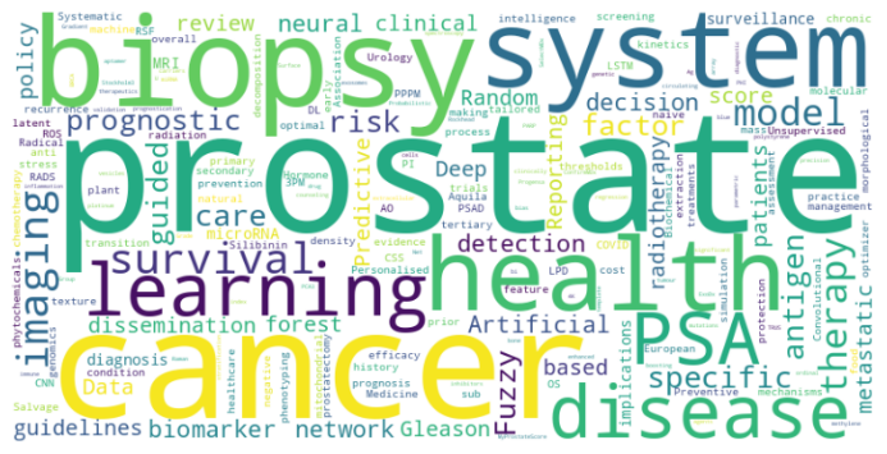
Figure 5: provides a comprehensive visualization of terms frequently associated with research on prostate cancer detection and prognosis. The term "prostate" stands out as the most prominent, reflecting its centrality to the subject matter. Similarly, "cancer" is another dominant term, emphasizing the focus on the identification and treatment of malignant conditions affecting the prostate. The presence of "system" and "biopsy" suggests significant attention to diagnostic systems and procedures, such as biopsies, which remain a critical tool in confirming cancer diagnoses. Terms like "health" and "disease" highlight the broader context of medical research and the impact of prostate cancer on patient well-being. "Learning" and "artificial" indicate the growing reliance on machine learning and artificial intelligence technologies to enhance predictive models and decision-making processes in prostate cancer management. The appearance of "imaging" points to the pivotal role of medical imaging techniques, such as MRI and ultrasound, in detecting and monitoring the disease.
The frequent occurrence of "therapy," "PSA" (Prostate-Specific Antigen), and "survival" reflects the research interest in therapeutic interventions, biomarker-based screening methods, and survival outcomes. Words like "biomarker," "neural," and "deep" underscore the integration of biomarkers and deep learning techniques in predictive analytics and diagnostics.
Furthermore, the inclusion of terms such as "guidelines," "detection," and "predictive" signifies efforts to establish clinical best practices and improve early detection accuracy. "Radiotherapy," "management," and "decision" suggest a focus on treatment strategies and decision-support systems aimed at optimizing patient outcomes. The presence of words like "fuzzy" and "forest" indicates the adoption of advanced machine learning algorithms such as fuzzy logic and random forest models in research studies.
Additional terms such as "imaging," "Gleason," and "therapy" point to the use of imaging techniques, the significance of the Gleason grading system for classifying tumor severity, and ongoing advancements in therapeutic approaches. Lastly, terms like "survival," "disease," and "care" highlight the overarching goals of improving patient survival rates, understanding disease progression, and enhancing overall healthcare delivery.
In summary, the word cloud reveals a multidisciplinary research approach integrating computational methods, clinical diagnostics, and therapeutic strategies to improve prostate cancer detection, prognosis, and management.
Figure 5: Word Cloud Visualizing the Most Frequently Used Terms in The Reviewed Literature
RQ4
What evaluation metrics are most used to assess detection accuracy in prostate cancer models?
When assessing detection accuracy in prostate cancer models, several evaluation metrics are commonly employed To provide a thorough assessment of model performance, accuracy is defined as the ratio of correctly classified cases (both true positives and true negatives) to the total number of cases., which is crucial in cancer detection. Specificity, on the other hand, evaluates the model's effectiveness in identifying negative cases, minimizing false positives. The Positive Predictive Value (PPV) indicates the likelihood that patients identified as positive actually have the disease, while the Negative Predictive Value (NPV) reflects the probability that negative predictions are accurate. The F1 Score, the harmonic mean of precision and recall, provides a balance between these metrics, especially in cases with imbalanced datasets. Lastly, the Area Under the Receiver Operating Characteristic Curve (AUC-ROC) is utilized to assess the model's discriminative ability across various thresholds, offering insight into overall performance. These metrics collectively provide a robust framework for evaluating the effectiveness of prostate cancer detection models.
LIMITATIONS REPORTED IN THE STUDIES
The studies reviewed revealed several significant limitations that affected the performance and applicability of ML models in prostate cancer detection and prognosis. A recurring challenge was the quality and availability of medical data, which is crucial for developing accurate and reliable models. Many studies faced issues such as incomplete, imbalanced, or low-quality datasets, with missing values or a lack of diversity in patient populations. These data deficiencies often led to skewed model outcomes and limited the generalizability of the findings. Additionally, obtaining labeled data for supervised learning tasks was another common obstacle, with the high cost of acquiring detailed medical records or expert annotations being a limiting factor, especially for rare cancer cases. The computational complexity of advanced ML algorithms, particularly when using hybrid or deep learning models, was also highlighted, as these approaches often demand significant computational resources and longer processing times, posing a challenge for real-time clinical application.
Another limitation discussed in the studies was the interpretability of complex models. While advanced algorithms like deep learning offer high accuracy, they often function as "black boxes," making it difficult for healthcare professionals to understand how predictions are made. This lack of transparency raises concerns about the trustworthiness and clinical adoption of these models, as clinicians require an explanation for decisions that could directly impact patient care. Furthermore, the absence of standardized protocols for feature selection, model evaluation, and performance metrics made it challenging to compare the effectiveness of different ML approaches. Some studies also pointed out the need for better integration of these models into clinical workflows, emphasizing the importance of user-friendly interfaces that could help practitioners implement these tools effectively. Finally, the risk of overfitting was identified, particularly when models were trained on small or non-representative datasets, leading to overly optimistic performance estimates that may not reflect real-world conditions.
CONCLUSION
This systematic review synthesizes evidence on integrating Interval Type-2 Fuzzy Logic (IT2FL) and the XGBoost algorithm for prostate cancer detection and prognosis. Across the reviewed literature, IT2FL is reported to address uncertainties in medical datasets by providing a structured framework for handling complex and imprecise variables, while XGBoost is reported to improve classification accuracy by reducing bias and variance. Together, these findings suggest that combining the two techniques could offer a productive direction for improving diagnostic precision and supporting clinical decision-making, though this potential remains to be validated in prospective clinical studies.
The review analyzed 121 studies published between 2017 and 2024, drawn from bibliographic databases, academic search engines, and publisher platforms, including Google Scholar, IEEE Xplore, Elsevier, and Springer. Visualization tools including VOSviewer, Matplotlib, and Excel were used to identify trends across the reviewed literature. The reviewed studies collectively suggest that hybrid approaches combining uncertainty-handling and gradient-boosting techniques may improve early diagnosis, reduce false positives, and support treatment planning for prostate cancer, though the evidence base remains largely retrospective and has not yet been validated in large-scale prospective clinical trials.
Several limitations of this review should be acknowledged. The search was restricted to English-language sources published between 2017 and 2024, which may have excluded relevant earlier or non-English studies. In addition, some included sources, such as ResearchGate, host author-uploaded content rather than peer-curated indexing, which may affect the consistency of the underlying evidence base. Future research should prioritize prospective clinical validation of IT2FL-XGBoost hybrid approaches, the development of explainable AI techniques to improve model interpretability and clinician trust, and broader testing across diverse patient populations and healthcare settings, including under-resourced regions.
In conclusion, the reviewed literature suggests that combining IT2FL and XGBoost holds promise for advancing prostate cancer diagnostics, but realizing this potential in clinical practice will require further validation, standardization, and attention to interpretability before widespread adoption can be recommended.
ACKNOWLEDGEMENTS
The authors extend their heartfelt appreciation to TETFund for facilitating a conducive research environment through the TETFund Center of Excellence in Computational Intelligence Research at the University of Uyo. They also acknowledge the support provided by the management of the University of Uyo.
Ethical Considerations and Safeguards: As this study is a systematic review of previously published literature, it did not involve the collection of new patient or human subject data. All data analyzed were derived from publicly available, peer-reviewed publications, in accordance with standard academic and ethical practices for literature synthesis.
ETHICS APPROVAL
The study was conducted in compliance with institutional research ethics guidelines.
CONFLICTS OF INTEREST
The authors confirm that they have no conflicts of interest to disclose.
REFERENCES
- Lehtonen M, Kellokumpu-Lehtinen PL. The past and present of prostate cancer and its treatment and diagnostics: A historical review. SAGE Open Medicine. 2023;11:20503121231216837. [Crossref] [Google Scholar] [PubMed]
- Ferlay J, Laversanne M, Ervik M, Lam F, Colombet M, Mery L, et al. (n.d.). Global cancer observatory: Cancer today. Lyon, France: International Agency for Research on Cancer. Retrieved, 2022.
- Akatsuka J, Numata Y, Morikawa H, Sekine T, Kayama S, Mikami H, et al. A data-driven ultrasound approach discriminates pathological high grade prostate cancer. Scientific Reports. 2022;12(1):860. [Crossref] [Google Scholar] [PubMed]
- Osman AH, Aljahdali HM. Diabetes disease diagnosis method based on feature extraction using K-SVM. International Journal of Advanced Computer Science and Applications. 2017;8(1). [Crossref] [Google Scholar]
- Singh J. Collaborative filtering based hybrid music recommendation system. In2020 3rd International Conference on Intelligent Sustainable Systems (ICISS) 2020 (pp. 186-190). IEEE. [Crossref] [Google Scholar]
- Umoh U, Nyoho E. A fuzzy intelligent framework for healthcare diagnosis and monitoring of pregnancy risk factor in women. Journal of Health. Medicine and Nursing. 2015;18:97-112. [Google Scholar]
- Ge A, Chang Z, Feng JE. Interval type-2 fuzzy relation matrix model via semitensor product. IEEE Transactions on Fuzzy Systems. 2023;31(11):3984-94. [Crossref] [Google Scholar]
- Rius AD. Foundations of artificial intelligence and machine learning. InArtificial Intelligence in Finance 2023 (pp. 2-18). Edward Elgar Publishing. [Crossref] [Google Scholar]
- Cuocolo R, Cipullo MB, Stanzione A, Romeo V, Green R, Cantoni V, et al. Machine learning for the identification of clinically significant prostate cancer on MRI: a meta-analysis. European Radiology. 2020;30(12):6877-87. [Crossref] [Google Scholar] [PubMed]
- Yulita IN, Nadhiroh S. Breast Cancer Classification: Comparison of Bayesian Networks, Multilayer Perceptron, and Boosting Method. [Crossref] [Google Scholar]
- Arafa MA, Islam O, Farhat KH, Elshinawy M, Khan F, Alkhathami FA, et al. A comparison of systematic, targeted, and combined biopsy using machine learning for prediction of prostate cancer risk: a multi-center study. Medical Principles and Practice. 2024;33(5):491-500. [Crossref] [Google Scholar] [PubMed]
- Spanhol FA, Oliveira LS, Petitjean C, Heutte L. A dataset for breast cancer histopathological image classification. Ieee transactions on biomedical engineering. 2015;63(7):1455-62. [Crossref] [Google Scholar] [PubMed]
- Leyh-Bannurah SR, Karakiewicz PI, Pompe RS, Preisser F, Zaffuto E, Dell’Oglio P, et al. Inverse stage migration patterns in North American patients undergoing local prostate cancer treatment: a contemporary population-based update in light of the 2012 USPSTF recommendations. World Journal of Urology. 2019;37(3):469-79. [Crossref] [Google Scholar] [PubMed]
- Li H, Lee CH, Chia D, Lin Z, Huang W, Tan CH. Machine learning in prostate MRI for prostate cancer: current status and future opportunities. Diagnostics. 2022;12(2):289. [Crossref] [Google Scholar] [PubMed]
- Lee C, Light A, Saveliev ES, Van der Schaar M, Gnanapragasam VJ. Developing machine learning algorithms for dynamic estimation of progression during active surveillance for prostate cancer. NPJ digital medicine. 2022;5(1):110. [Crossref] [Google Scholar] [PubMed]
- Tătaru OS, Vartolomei MD, Rassweiler JJ, Virgil O, Lucarelli G, Porpiglia F, et al. Artificial intelligence and machine learning in prostate cancer patient management—current trends and future perspectives. Diagnostics. 2021;11(2):354. [Crossref] [Google Scholar] [PubMed]
- Harder C, Pryalukhin A, Quaas A, Eich ML, Tretiakova M, Klein S, et al. Enhancing prostate cancer diagnosis: artificial intelligence–driven virtual biopsy for optimal magnetic resonance imaging-targeted biopsy approach and Gleason grading strategy. Modern Pathology. 2024;37(10):100564. [Crossref] [Google Scholar] [PubMed]
- Mathapati A. ANNCRIPS: Artificial Neural Networks for Cancer Research In Prediction & Survival. arXiv preprint arXiv:2309.15803. 2023. [Google Scholar]
- Zhao L, Bao J, Wang X, Qiao X, Shen J, Zhang Y, et al. Detecting adverse pathology of prostate cancer with a deep learning approach based on a 3D swin‐transformer model and biparametric mri: a multicenter retrospective study. Journal of Magnetic Resonance Imaging. 2024;59(6):2101-12. [Crossref] [Google Scholar]
- Perera M, Smith L, Thompson I, Breemer G, Papa N, Patel MI, et al. Advancing traditional prostate-specific antigen kinetics in the detection of prostate cancer: a machine learning model. European urology focus. 2022;8(5):1204-10. [Crossref] [Google Scholar] [PubMed]
- Pu Y, Wu B, Mo H, Alfano RR. Stokes shift spectroscopy and machine learning for label-free human prostate cancer detection. Optics Letters. 2023;48(4):936-9. [Crossref] [Google Scholar] [PubMed]
- Talaat FM, El-Sappagh S, Alnowaiser K, Hassan E. Improved prostate cancer diagnosis using a modified ResNet50-based deep learning architecture. BMC Medical Informatics and Decision Making. 2024;24(1):23. [Crossref] [Google Scholar] [PubMed]
- Yennapusa H, Ramakrishnan R, Muniandi B, Gupta K, Logeshwaran J. An enhanced optimization of machine learning model in prostate cancer detection. In2024 IEEE International Conference on Computing, Power and Communication Technologies (IC2PCT) 2024 (Vol. 5, pp. 184-190). IEEE. [Crossref] [Google Scholar]
- Rawat M, Pathak P, Vats P. An approach to diagnosis of prostate cancer using fuzzy logic. International Journal of Reconfigurable and Embedded Systems. 2024;13(1):192. [Crossref]
- Alzboon MS, Al-Batah M, Alqaraleh M, Abuashour A, Bader AF. A Comparative Study of Machine Learning Techniques for Early Prediction of Prostate Cancer. In2023 IEEE Tenth International Conference on Communications and Networking (ComNet) 2023 (pp. 1-12). IEEE. [Crossref] [Google Scholar]
- Hering A, de Boer S, Saha A, Twilt JJ, Heinrich MP, Yakar D, et al. Deformable MRI sequence registration for AI-based prostate cancer diagnosis. International Workshop on Biomedical Image Registration 2024 (pp. 148-162). Cham: Springer Nature Switzerland. [Crossref] [Google Scholar]
- Zong W, Carver E, Zhu S, Schaff E, Chapman D, Lee J, et al. Prostate cancer malignancy detection and localization from mpMRI using auto-deep learning as one step closer to clinical utilization. Scientific Reports. 2022;12(1):22430. [Crossref] [Google Scholar] [PubMed]
- Saeedi S, Maghooli K, Amirazodi S, Rezayi S. Towards a better diagnosis of prostate cancer: application of machine learning algorithms. Frontiers in Health Informatics. 2022;11(1):119. [Crossref] [Google Scholar]
- Qiao XM, Hu CH, Hu S, Wang XM, Shen JK, Ji LB, Song Y, Bao J. The value of machine learning models based on biparametric MRI for diagnosis of prostate cancer and clinically significant prostate cancer. Zhonghua yi xue za zhi. 2023;103(19):1446-54. [Google Scholar] [PubMed]
- Raza SA, Pervez N, Burney IA, Ahmed M. A bibliometric analysis of using machine learning and artificial intelligence in prostate cancer detection. Artificial Intelligence in Health. 2024 ;1(1):3-15. [Crossref] [Google Scholar]
- Gavade AB, Kanwal N, Gavade PA, Nerli R. Enhancing prostate cancer diagnosis with deep learning: a study using mpMRI segmentation and classification. InNational conference on control instrumentation system conference 2023 (pp. 563-574). Singapore: Springer Nature Singapore. [Crossref] [Google Scholar]
- Sherafatmandjoo H, Safaei AA, Ghaderi F, Allameh F. Prostate cancer diagnosis based on multi-parametric MRI, clinical and pathological factors using deep learning. Scientific Reports. 2024;14(1):14951. [Crossref] [Google Scholar] [PubMed]
- Roest C, Yakar D, Sitar DI, Bosma JS, Rouw DB, Fransen SJ, et al. Multimodal AI combining clinical and imaging inputs improves prostate cancer detection. Investigative Radiology. 2024;59(12):854-60. [Crossref] [Google Scholar] [PubMed]
- Pellegrini M. Accurate prognosis for localized prostate cancer through coherent voting networks with multi-omic and clinical data. Scientific Reports. 2023;13(1):7875. [Crossref] [Google Scholar] [PubMed]
- Wang K, Chen P, Feng B, Tu J, Hu Z, Zhang M, Yang J, Zhan Y, Yao J, Xu D. Machine learning prediction of prostate cancer from transrectal ultrasound video clips. Frontiers in Oncology. 2022 ;12:948662. [Crossref] [Google Scholar] [PubMed]
- Mahadi MK, Abir SR, Moon AM, Adnan M, Khan MA, Nishat MM, Faisal F, Reza MT. Machine learning assisted decision support system for prediction of prostrate cancer. In2023 20th International Conference on Electrical Engineering/Electronics, Computer, Telecommunications and Information Technology (ECTI-CON) 2023 (pp. 1-5). IEEE. [Crossref] [Google Scholar]
- Qi X, Wang K, Feng B, Sun X, Yang J, Hu Z, et al. Comparison of machine learning models based on multi-parametric magnetic resonance imaging and ultrasound videos for the prediction of prostate cancer. Frontiers in Oncology. 2023;13:1157949. [Crossref] [Google Scholar] [PubMed]
- Chen G, Dai X, Zhang M, Tian Z, Jin X, Mei K, Huang H, Wu Z. Machine learning-based prediction model and visual interpretation for prostate cancer. BMC urology. 2023;23(1):164. [Crossref] [Google Scholar] [PubMed]
- Söğüt F, Kangal EE. Evaluation of Prostate Cancer via Machine Learning. International Journal of Pure and Applied Sciences. 2023;9(2):274-81. [Crossref] [Google Scholar]
- Alanezi ST, Krasny MJ, Kleefeld C, Colgan N. Differential diagnosis of prostate cancer grade to augment clinical diagnosis based on classifier models with tuned hyperparameters. Cancers. 2024. [Crossref] [Google Scholar] [PubMed]
- Gentile F, La Civita E, Ventura BD, Ferro M, Bruzzese D, Crocetto F, et al. A neural network model combining [-2] proPSA, freePSA, total PSA, cathepsin D, and thrombospondin-1 showed increased accuracy in the identification of clinically significant prostate cancer. Cancers. 2023;15(5):1355. [Google Scholar]
- Saatchi M, Khatami F, Mashhadi R, Mirzaei A, Zareian L, Ahadi Z, et al. Diagnostic Accuracy of Predictive Models in Prostate Cancer: A Systematic Review and Meta‐Analysis. Prostate Cancer. 2022;2022(1):1742789. [Crossref] [Google Scholar] [PubMed]
- Deng X, Li T, Mo L, Wang F, Ji J, He X, Mohamud BH, Pradhan S, Cheng J. Machine learning model for the prediction of prostate cancer in patients with low prostate-specific antigen levels: A multicenter retrospective analysis. Frontiers in Oncology. 2022;12:985940. [Crossref] [Google Scholar] [PubMed]
- Sun Y, Fang J, Shi Y, Li H, Wang J, Xu J, et al. Machine learning based on radiomics features combing B-mode transrectal ultrasound and contrast-enhanced ultrasound to improve peripheral zone prostate cancer detection. Abdominal Radiology. 2024;49(1):141-50. [Crossref] [Google Scholar] [PubMed]
- Luo JH, Liu S, Yu YP. Abstract LB150: Clinical outcome prediction of prostate cancer using machine learning based on fusion gene detection. Cancer Research. 2022 Jun 15;82(12_Supplement):LB150. [Crossref] [Google Scholar]
- Umoh U, Inyang U, Akponome BE. A Hybrid Model for Prostate Cancer Detection and Prognosis: A Systematic Review. [Google Scholar]
- Arafa MA, Islam O, Farhat KH, Elshinawy M, Khan F, Alkhathami FA, et al. A comparison of systematic, targeted, and combined biopsy using machine learning for prediction of prostate cancer risk: a multi-center study. Medical Principles and Practice. 2024;33(5):491-500. [Crossref] [Google Scholar] [PubMed]
- Hassan MR, Islam MF, Uddin MZ, Ghoshal G, Hassan MM, Huda S, et al. Prostate cancer classification from ultrasound and MRI images using deep learning based Explainable Artificial Intelligence. Future Generation Computer Systems. 2022;127:462-72. [Crossref] [Google Scholar]
- Yin H, Buduma N. Prostate lesion detection and salient feature assessment using zone-based classifiers. arXiv preprint arXiv:2208.11522. 2022. [Google Scholar]
- Tong Y, Tan Z, Wang P, Gao X. A machine learning method for predicting biomarkers associated with prostate cancer. Frontiers in Bioscience-Landmark. 2023;28(12):333. [Crossref] [Google Scholar] [PubMed]
- Zhang Z. RETRACTED ARTICLE: Early warning model of adolescent mental health based on big data and machine learning. Soft computing. 2024;28(1):811-28. [Google Scholar]
- Yang C, Li B, Luan Y, Wang S, Bian Y, Zhang J, et al. Deep learning model for the detection of prostate cancer and classification of clinically significant disease using multiparametric MRI in comparison to PI-RADs score. InUrologic Oncology: Seminars and Original Investigations 2024 (Vol. 42, No. 5, pp. 158-e17). Elsevier. [Crossref] [Google Scholar] [PubMed]
- Filos D, Fotopoulos D, Rouni MA, Chouvarda I. Machine learning-based whole gland radiomics analysis for prostate cancer classification. In2024 IEEE International Symposium on Biomedical Imaging (ISBI) 2024 (pp. 1-5). IEEE. [Crossref] [Google Scholar]
- Aboyan IA, Redkin VA, Nazaruk MG, Polyakov AS, Pakus SM, Lemeshko SI, et al. Artificial intelligence in the diagnosis of prostate cancer using magnetic resonance imaging. A new approach. Oncourology. 2024;20(2):35-43. [Crossref] [Google Scholar]
- Lapa P, Castelli M, Goncalves I, Sala E, Rundo L. A hybrid end-to-end approach integrating conditional random fields into CNNs for prostate cancer detection on MRI. Applied Sciences. 2020;10(1):338. [Crossref] [Google Scholar]
- Srinivasulu A, Gupta AK, Kolambakar SB, Subramanyam M, Rajeyyagari SR, Barua T, et al. Prostate Cancer Data Analytics Using Hybrid ECNN and ERNN Techniques. InInternational Conference on Business Data Analytics 2022 (pp. 36-52). Cham: Springer Nature Switzerland. [Crossref] [Google Scholar]
- Kadhim OJ, Nafea AA, Aliesawi SA, Al-Ani MM. Ensemble model for prostate cancer detection using MRI images. In2023 16th International Conference on Developments in eSystems Engineering (DeSE) 2023 (pp. 492-497). IEEE. [Crossref] [Google Scholar]
- Mehmood M, Abbasi SH, Aurangzeb K, Majeed MF, Anwar MS, Alhussein M. A classifier model for prostate cancer diagnosis using CNNs and transfer learning with multi-parametric MRI. Frontiers in Oncology. 2023;13:1225490. [Crossref] [Google Scholar] [PubMed]
- Alshareef AM, Alsini R, Alsieni M, Alrowais F, Marzouk R, Abunadi I, et al. Optimal deep learning enabled prostate cancer detection using microarray gene expression. Journal of Healthcare Engineering. 2022;2022(1):7364704. [Crossref] [Google Scholar] [PubMed]
- Checcucci E, Rosati S, De Cillis S, Giordano N, Volpi G, Granato S, Zamengo D, et al. Machine-learning-based tool to predict target prostate biopsy outcomes: an internal validation study. Journal of Clinical Medicine. 2023;12(13):4358. [Crossref] [Google Scholar] [PubMed]
- Mahanta J, Panda S. Fuzzy expert system for prediction of prostate cancer. arXiv preprint arXiv:1812.00236. 2018. [Crossref] [Google Scholar]
- Umoh U, Udoh S, Abayomi A, Abdulzeez A. Interval type-2 fuzzy logic system for remote vital signs monitoring and shock level prediction. Journal of fuzzy extension and applications. 2021;2(1):41-68. [Crossref] [Google Scholar]
REFERENCES

Article Processing Timeline
| 2-5 Days | Initial Quality & Plagiarism Check |
| 25-35 Days |
Peer Review Feedback |
| 45-60 Days | Total article processing time |
Why Publish with us?
Ethics & Policies
Editorial & Management
Useful Links
Journal Highlights
Open Access Journals
Journal Flyer