


Journal of Pediatric Medicine and Child Health
ISSN:
3108-2076 (Online)
DOI Prefix (Crossref): 10.67238
 Download PDF
ABSTRACT
Background
Cigarette smoking and e-cigarette vaping among adolescents is a big problem in worldwide. Cigarette smoking causes respiratory disorders such as COPD, Lung Cancer, Asthma Exacerbation as well as e-cigarette vaping also causes Lung Injury, Bronchiolitis Obliterans, Airway Resistance, Decreased Immune Function etc. E-cigarettes are less harmful compared to combustible cigarettes; but both are harmful for the respiratory function. Therefore this systematic literature review aims to evaluate and compare the health effects of cigarette smoking and e-cigarette vaing on respiratory function among adolescents.
Methods
This systematic literature review was performed using databases such as Google Scholar, MEDLINE, PubMed, ResearchGate, and Web of Science. Articles published between 2013 and 2026 on health effects, cigarette smoking, e-cigarette vaping, respiratory function, and adolescents was searched using specific key terms.
Results
The results obtained from the reviewed articles showed that smoking cigarettes can lead to low lung function, airway inflammation, persistent cough and wheezing. Similarly the use of e-cigarettes has been found to cause respiratory issues such as airway inflammation, cough and mild decrease in lung function. However the evidence also shows that vaping isn’t free of health risksand it can cause early respiratory complications among adolescents.
Conclusion
In general this review indicates that although e-cigarettes have fewer respiratory consequences compared to conventional cigarettes, both types of nicotine intake are linked with poor respiratory outcomes in adolescents. It is important for preventive measures to be taken to ensure that adolescents engage in neither activity.
Keywords: Health Effects; Cigarette Smoking; E-cigarette Vaping; Respiratory Function; Adolescents
INTRODUCTION
E-cigarette (vaporizer) use among adolescents has raised significant public health concerns, particularly regarding its comparative safety relative to conventional cigarette smoking. While e-cigarettes are often marketed as safer alternatives, emerging evidence indicates that both vaping and traditional smoking pose substantial health risks to adolescents [1-4]. While vaping is generally considered less harmful than combustible tobacco, neither vaping nor smoking is free from danger [1,5]. Electronic cigarettes are devices with a heating element which produces aerosol for inhalation. They have been propagated as a healthier alternative to tobacco smoking and a potential device for smoking cessation, despite non documentation of their long term adverse health effects [6-14]. E-cigarette use by a person who has never smoked may cause harm to the respiratory system compared with never using e-cigarettes, particularly if initiation of e-cigarettes occurs at a young age [15-20]. Exposure of the dual user to both combustible tobacco products and e-cigarette aerosols may cause unique health risks to the respiratory system [15,21]. Smoking of combustible tobacco products is the number one cause of Chronic Obstructive Pulmonary Disease (COPD) worldwide. Although the proportion of smokers has decreased over the past 25 years, approximately 1.1 billlion people continue to smoke as of 2015 [15,22-25].
The worldwide average of current vaping among youths at roughly 9%, with national figures ranging from under 2% in some countries to over 30% in others. In Europe, e-cigarette use among adolescents aged 13-15 years varies significantly, from less than 1% in some countries to over 20% in others, with several nations reporting that youth vaping now surpasses cigarette smoking in popularity. By contrast, many Asian countries have recorded lower youth vaping rates: surveys in Japan and South Korea found only about 3.5 and 10%, respectively, of adolescents had ever tried e-cigarettes, and a study in China observed just ~1% current use among middle school students. Overall, despite regional differences, the emergence of e-cigarettes has become a global phenomenon among youth, with rapid uptake observed across North America, Europe, and other parts of the world [26]. One large survey of never smokers reported that current e-cigarette users had about 39% higher odds of self reported asthma than non users, with a dose response relationship (daily vapers showed the greatest risk increase). More acute clinical reports have further underscored vaping’s potential for harm: in 2019, an outbreak of e-cigarette or vaping associated acute lung injury in the US resulted in over 2800 hospitalizations and 68 confirmed deaths, predominantly in adolescents and young adults. Taken together, current findings, from symptoms and airway reactivity to rare catastrophic injuries, implicate e-cigarette use as detrimental to adolescent pulmonary function and respiratory well being [26-31]. Exposure of the lungs to various components of the e-cigarette aerosol could potentially damage the respiratory system or worsen pre-existing lung disease through a variety of mechanisms. For example, nicotine containing e-cigarette aerosols have the potential to adversely impact several host defense mechanisms in the lungs. In a murine model, α7 nicotine acetylcholine receptors (α7 nAChRs) were shown to regulate Cystic Fibrosis Transmembrane Conductance Regulator (CFTR) activity in the airways. Exposure to nicotine downregulated α7 nAChR activity, which in turn impaired CFTR function, causing impaired mucociliary clearance (MCC). In humans, CFTR dysfunction has been shown to be associated with the development of COPD and asthma hyperresponsiveness. Exposure to nicotine in tobacco smoke and e-cigarette aerosols also has been reported to impair cough [15,32]. And also exposure to heavy metals originating from e-cigarette coils and components has been associated with adverse respiratory outcomes in adolescents. Inhaled metals such as nickel and chromium (commonly leached from heating coils) can deposit in lung tissue and have been associated with chronic airway inflammation and fibrosis [26,33]. Many current studies on adolescent e-cigarette use, pulmonary function, and physical activity have significant methodological limitations. Research to date is dominated by cross sectional designs and relies heavily on self reported data for both e-cigarette exposure and health outcomes [26]. Without prospective longitudinal research, questions remain about whether early e-cigarette use leads to lasting decrements in spirometry indices or exercise performance later in life. The literature’s emphasis on short study horizons means we do not yet know if any subclinical pulmonary changes in youth might progress to clinically significant deficits over time. Longitudinal studies with extended follow up are critically needed to clarify these long term trajectories [26].
MATERIALS AND METHODS
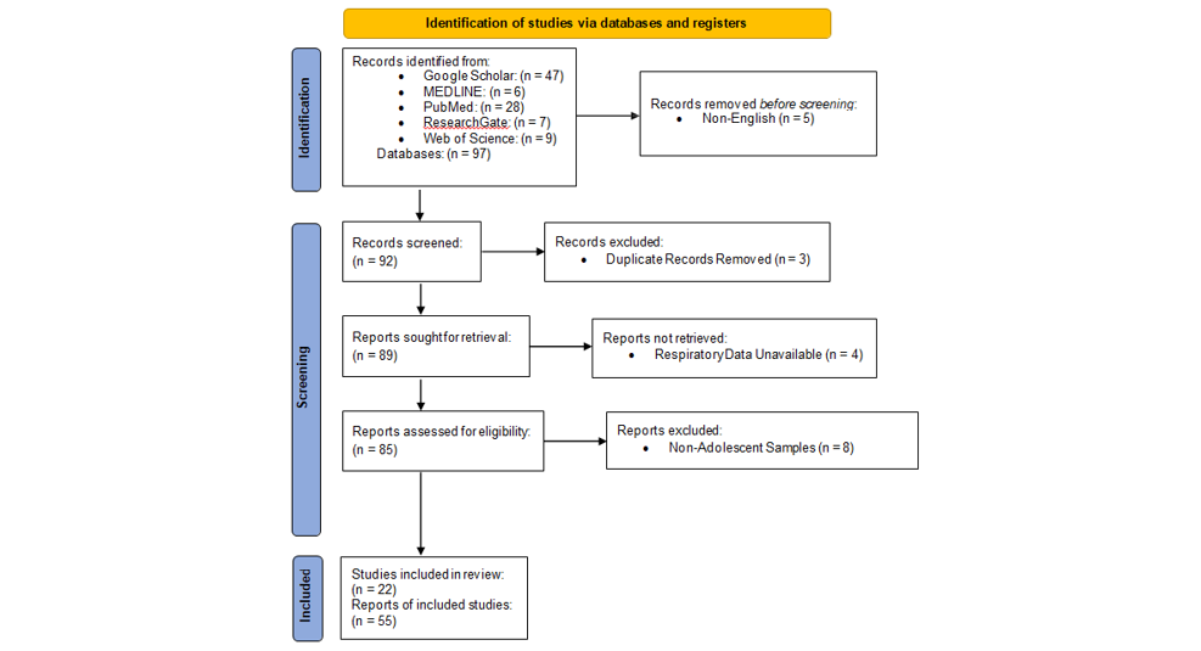
A systematic review was conducted to evaluate the health effects of cigarette smoking and e-cigarette vaping on respiratory function among adolescents. The methodology used in this discussion is a qualitative description. It involves summarizing and synthesizing information from various sources, presenting insights from different studies, and offering an overview of the research landscape. A comprehensive search was conducted using the following databases: Google Scholar, MEDLINE, PubMed, ResearchGate, and Web of Science. The search terms included “Health Effects”, “Cigarette Smoking”, “E-cigarette Vaping”, “Respiratory Function”, and “Adolescents”. The search was limited to studies published in English between 2013 and 2026 to ensure the inclusion of recent and relevant research. The PRISMA (Preferred Reporting Items for Systematic Reviews and Meta Analyses) framework was utilized to guide the review process (Figure 1). Studies were included if they focused on the respiratory health effects of cigarette smoking and e-cigarette vaping among adolescents, including physical and respiratory outcomes such as lung function impairment, respiratory symptoms, or respiratory diseases. Studies comparing the harmful effects of combustible cigarettes and e-cigarettes were also included. Articles unrelated to respiratory health outcomes, non English articles, those not involving adolescents as the target population, or studies focused exclusively on adults were excluded.
Study Selection Criteria
Studieswereincludedinthereviewiftheymetthefollowingcriteria:
- focused on the health effects of cigarette smoking and e-cigarette vaping on respiratory function.
- included adolescents as the primary
- examined either or both combustible cigarettes and e-cigarettes to allow comparison of their harmful
- utilized quantitative, qualitative, or mixed research
- reported outcomes related to respiratory health, such as lung function, respiratory symptoms, or respiratory Studies were excluded if they did not specifically address cigarette smoking or e-cigarette vaping, did not include adolescents as the target population, were not available in full text form, were published in a language other than English, or lacked relevant respiratory outcomes. The research process yielded a total of 77 articles meeting the eligibility criteria.
Literature Management
Zotero, a reference management tool, was used to store and organize the collected articles. This tool allowed for efficient handling and retrieval of literature, ensuring a systematic and organized research process.
Data Extraction and Analysis
Extracted data were transferred to Microsoft Excel Sheets, where graphs and tables were created to visually present trends, patterns, and key findings. Keywords and themes were identified using VOSviewer software, which helped highlight recurring concepts related to the health effects of cigarette smoking and e-cigarette vaping on respiratory function among adolescents, including lung function impairment, respiratory symptoms, respiratory diseases, and the comparative harmful effects of combustible cigarettes and e-cigarettes.
Synthesis of Results
The results were synthesized and categorized to identify common themes, emerging patterns, and gaps in the literature. This analysis formed the foundation for understanding the health effects of cigarette smoking and e-cigarette vaping on respiratory function among adolescents and informed conclusions and recommendations regarding the comparative harmful effects of combustible cigarettes and e-cigarettes, as well as future research and public health interventions in this area.
RESULTS
The electronic cigarette is a cigarette alternative which utilizes a heater element that produces an aerosol. Even though e-cigarettes have been marketed as a healthier choice compared to smoking, there has been no scientific evidence confirming the absence of any adverse health implications caused by using these products. The research carried out indicates the presence of a total of 22 toxins apart from nicotine in the liquid contained in the cartridges and emitted by e-cigarettes. Most of these toxins have been found to be in lesser quantities as compared to those present in combustible cigarette smoke. However, there is great variability in terms of the composition of the cartridges and nicotine content in the refill solutions [6]. The prevalence of e-cigarettes is highly variable by region. The global youth prevalence of e-cigarette use is estimated to be around 9%, with country-level prevalence ranging from less than 2% to over 30%. For example, the prevalence of e-cigarette use among adolescents aged 13-15 years in Europe shows substantial variability, with some countries having prevalence less than 1%, while others have more than 20%. In addition, e-cigarette use is greater than traditional cigarette use in some cases. Moreover, data related to health show that there are certain dangers linked to the use of e-cigarettes. According to one study, in the group of never-smokers, the probability of having asthma-like symptoms was almost 39% higher for e-cigarette users than for non-users. Interestingly, a dose-response relationship was found, with daily users demonstrating the greatest risk. Another example of the adverse consequences of vaping relates to the 2019 EVALI outbreak in the United States, which led to 2,800 hospitalizations and 68 deaths, mainly in adolescents and young people. Overall, it can be said that there are numerous negative health effects caused by vaping [26,34]. Additional evidence on adolescent respiratory outcomes is provided by this study. According to this study, 12.3% of adolescents had wheezing/whistling, 17.4% had dry cough, and 1.9% had newly diagnosed asthma. Cigarette/cigar smokers were found to be at higher risk of wheezing and respiratory disorders than those using other tobacco products. On the other hand, adolescents using alternative tobacco products were at higher risk of having new asthma diagnosis [35-37]. (Table-1)
|
Category |
Findings |
Key Statistics /Evidence |
Interpretation |
|
Device characteristics |
E-cigarettes generate aerosol via heating component |
Contains nicotine + other chemicals |
Not a harmless water vapor device |
|
Chemical exposure |
Toxic substances found in ECIG fluid and emissions |
22 non-nicotine toxins identified |
Most levels lower than combustible cigarette smoke |
|
Product variability |
Wide variation in ECIG fluids and nicotine strength |
Different cartridge compositions reported |
Makes exposure unpredictable |
|
Nicotine delivery |
Second-generationECIGs mimic cigarette nicotine kinetics |
Comparable nicotine delivery speed to cigarettes |
High addiction potential remains |
|
Global youth vaping prevalence |
Wide variation across countries |
~9% global average (range <2% to >30%) |
Strong regional differences in vaping epidemic |
|
Europe adolescent vaping (13–15 yrs) |
Highly variable prevalence |
<1% to >20%; some countries vaping > smoking |
In some regions Vaping surpasses smoking |
|
Asia adolescent vaping |
Generally lower use rates |
Japan ~3.5% ever use; South Korea ~10%; China ~1% regular use |
Lower but increasing trend |
|
Respiratory risk (non-smokers) |
E-cigarette use linked to asthma risk |
~39% increased odds of asthmatic symptoms |
Dose-response relationship observed |
|
Severe outbreak (EVALI) |
Acute lung injury epidemic |
2,800 hospitalizations + 68 deaths |
Mostly adolescents & young adults affected |
|
Respiratory symptoms in adolescents |
Follow-up study findings |
12.3% wheezing, 17.4% dry cough, 1.9% new asthma |
Significant respiratory |
|
Tobacco type comparison |
Cigarette users had higher symptoms |
Smoking/cigar users more wheezing than others |
Traditional smoking still highly harmful |
|
Alternative tobacco products |
Associated with asthma development |
Increased likelihood of new asthma cases |
All tobacco forms increase respiratory risk |
Table 1: E-Cigarette and Cigarette Use, Exposure, and Respiratory Health Effects in Adolescents
In general, the trend of increased use of tobacco and nicotine by adolescents, especially the increased prevalence of e-cigarettes and dual use with combustible tobacco, is now becoming a serious health issue. As tobacco use often starts in adolescence, prevention programs aimed at this demographic are very important for decreasing morbidity and mortality associated with tobacco use [35].
DISCUSSION
The results of the literature review suggest that there is a definite negative impact of tobacco consumption on lung functioning, with the use of combustible cigarettes showing strong association with the occurrence of symptoms such as wheezing and coughing. Population studies also show a definite linear correlation between smoking and lung functioning, including a lower FEV1 level, especially in people who suffer from wheezing and respiratory predisposition [38-40]. Adolescent tobacco exposure continues to be a serious health issue because most people become addicted to smoking during their teenage years or when they are young adults, resulting in respiratory illness (Table 2) [13,41].
|
Year/Period |
Combustible Cigarette Use (Adolescents) |
E-Cigarette / Vaping Use (Adolescents) |
Key Interpretation |
|
2013–2015 |
~10–20% ever smoking (varies by country) |
~5–10% ever vaping (early stage use) |
Smoking still dominant among youth |
|
2016–2017 |
~8–15% current smoking |
~7–15% ever vaping |
Rapid rise in vaping begins |
|
2018 |
~5–10% current smoking (declining) |
~10–20% vaping (increasing) |
Vaping starts surpassing smoking in some countries |
|
2019 |
~4–8% current smoking |
~20–27% vaping (US high school peak ~27%) |
Peak adolescent vaping epidemic in some regions |
|
2020 |
~3–7% smoking |
~14–20% vaping (decline due to COVID restrictions) |
Temporary drop in |
|
2021–2022 |
~3–6% smoking |
~14–18% vaping (steady high levels) |
Vaping becomes most common nicotine product |
|
2023–2024 |
~2–5% smoking |
~10–15% vaping (varies by country) |
Smoking continues to decline, vaping stabilizes |
|
2025–2026 (est.) |
~2–5% smoking |
~10–16% vaping (estimated) |
Long-term health impact still under study |
However, the impact of e-cigarettes on respiratory health is still ambiguous. Although some research found no relationship between e-cigarette usage and respiratory symptoms, other studies showed a positive correlation between e-cigarette use and respiratory issues like bronchitis, wheezing, and shortness of breath (Figure 2: The graphic highlights how smoking traditional cigarettes versus vaping impacts the respiratory tract, contrasting their unique levels of lung trauma, airway irritation, and chronic medical outcomes). Studies have shown that e-cigarettes can increase the risk of exacerbating asthma symptoms and being diagnosed with new-onset asthma among adolescents [35,42,43].
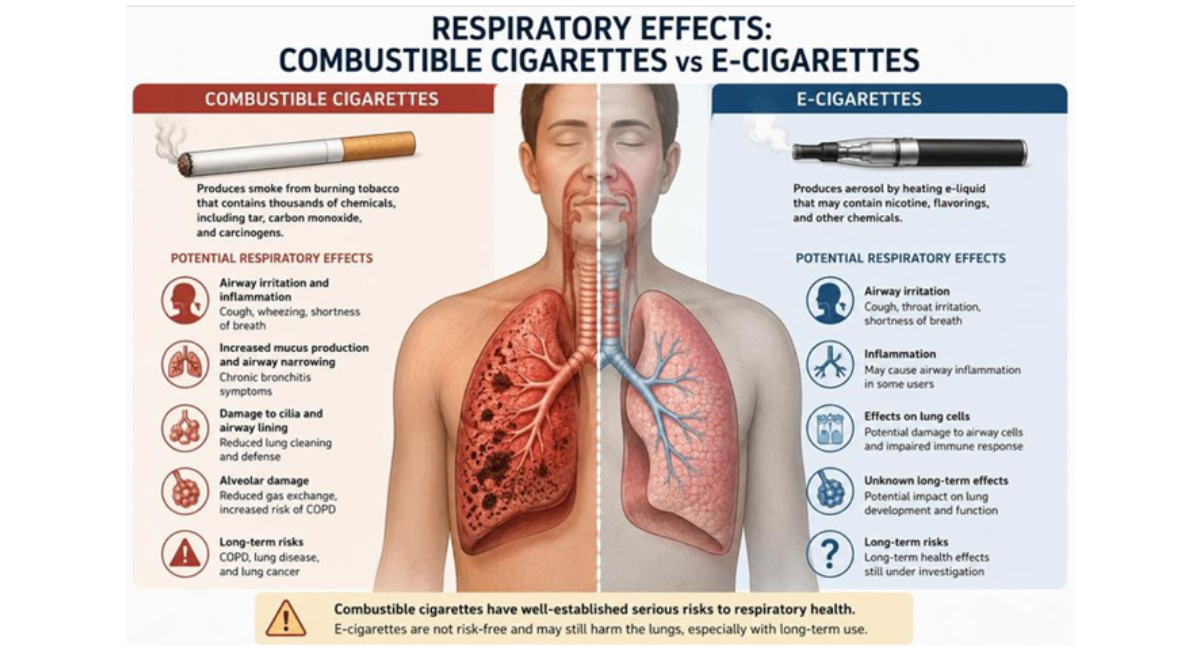
Figure 2: The graphic highlights how smoking traditional cigarettes versus vaping impacts the respiratory tract, contrasting their unique levels of lung trauma, airway irritation, and chronic medical outcomes.
Moreover, there is substantial evidence of the relationship between e-cigarette use and asthma exacerbation, as well as increased risk of smoking and substance abuse [44,45]. Nevertheless, discrepancies in various studies regarding design, definition of exposure, and outcomes measurement limit the ability for direct comparison and increase uncertainty about evidence [46]. Notably, dual usage of both combustible cigarettes and e-cigarettes has been found to present more health risks compared to using one or the other. In dual smokers, there is increased nicotine consumption along with an elevated risk of respiratory symptoms, implying that there is an element of synergy involved [35,47]. This is especially significant among adolescents since tobacco and nicotine use tend to go hand-in-hand and could result in addiction or respiratory problems. While e-cigarettes are often considered less dangerous because of their lower concentration of toxic compounds than combustible cigarettes, recent studies have shown that this may not be true. In fact, the World Health Organization has concluded that there is currently not enough evidence to claim that e-cigarettes are either safe or effective compared to approved nicotine replacement therapy [48]. Moreover, experiments have shown that even though e-cigarette vapor is much less toxic compared to cigarette smoke, it causes decreased cell viability and triggers inflammatory responses, with flavorings playing a key role in the toxicity instead of nicotine [48]. Further mechanistic and experimental data provide additional insights into possible mechanisms of harm related to e-cigarettes use. Experimental data suggests that e-cigarette aerosols include toxic chemicals such as particulates, heavy metals, carbonyls, and other compounds produced due to heating or by the device itself [49-53]. (Table 3: How Smoking and Vaping Compare: Toxic Chemical Makeup and Respiratory Impacts).
|
Chemical /Substance |
Combustible Cigarettes |
E-Cigarettes (Vapes) |
Possible Respiratory Effects |
|
Nicotine |
Present |
Present (usually) |
Addiction, airway irritation, impaired lung development in adolescents |
|
Tar |
High amounts |
Usually absent |
Damages lungs, linked to chronic bronchitis and lung cancer |
|
Carbon Monoxide |
Present from tobacco burning |
Usually absent or very low |
Reduces oxygen delivery to tissues |
|
Formaldehyde |
Present |
Can form during heating of e-liquid |
Airway irritation, possible |
|
Acrolein |
Present |
Present in some aerosols |
Lung inflammation, airway damage |
|
Benzene |
Present |
May be present in small amounts |
Cancer risk, respiratory irritation |
|
Heavy Metals (lead, nickel, chromium) |
Present |
Can leach from heating coils |
Toxic to lungs and other organs |
|
Volatile Organic Compounds (VOCs) |
Present |
Present |
Irritation of eyes, nose, throat, and lungs |
|
Particulate Matter |
High levels in smoke |
Present in aerosol |
Can penetrate deep into lungs |
|
Flavoring Chemicals (e.g., diacetyl) |
Rare |
Common in flavored vapes |
Linked to bronchiolitis (“popcorn lung”) |
|
Propylene Glycol |
Absent |
Common ingredient |
Throat irritation, dry cough |
|
Vegetable Glycerin |
Absent |
Common ingredient |
Can produce irritating byproducts when heated |
|
Nitrosamines |
High levels |
Lower levels but may be present |
Cancer-causing compounds |
|
Ammonia |
Present |
Sometimes detected |
Irritates respiratory tract |
|
Polycyclic Aromatic Hydrocarbons (PAHs) |
Present |
Usually absent or very low |
Lung damage and cancer risk |
Table 3: How Smoking and Vaping Compare: Toxic Chemical Makeup and Respiratory Impacts
They can cause oxidative stress, inflammation, imbalance of redox status, and lead to lung damage. Moreover, experimental animal and cellular studies have found that long-term exposure to e-cigarette vapor affects airway epithelial barrier function, increases vulnerability to infections, and causes systemic inflammation [49,54]. Furthermore, the heating of e-liquids can result in the generation of toxic substances like formaldehyde and acrolein, which can cause injury to airway cells and endothelial cells [54]. There is also clinical evidence that demonstrates the possibility of acute as well as chronic respiratory effects. Cases of eosinophilic pneumonia, lipoid pneumonia, acute lung injury, and e-cigarette or vaping-associated lung injury (EVALI) outbreak in the US illustrate the severity of the acute effects caused by vaping [54-58]. The EVALI outbreak caused several deaths and hospitalizations and was also a major factor influencing public perception about the dangers of e-cigarettes, leading to a decline in its use and sale [59]. (Table 4: Deaths Caused by Traditional Cigarettes vs. E-Cigarettes (2013–2026)).
|
Year/Period |
Combustible( Smoking) Cigarettes |
E-Cigarettes / Vaping |
Key Notes |
|
2013–2015 |
~7–8 million deaths/year globally |
Very few reported deaths |
Smoking already a major global epidemic |
|
2016–2018 |
~7–8 million deaths/year globally |
Very low confirmed deaths |
Vaping use increases, but mortality not established |
|
2019 |
~8 million deaths globally |
EVALI outbreak begins |
Major lung injury outbreak linked to vaping |
|
2020 |
~8 million deaths globally |
~68 confirmed deaths (EVALI peak) |
Mostly USA cases reported by Centers for Disease Control and Prevention |
|
2021–2022 |
~8 million deaths/year globally |
No large confirmed global death epidemic |
EVALI cases drop sharply after regulation changes |
|
2023–2024 |
~8 million deaths/year globally |
Sporadic case reports only |
No confirmed large-scale mortality trend |
|
2025–2026 (est.) |
~8 million deaths/year globally |
No confirmed global mortality trend |
Long-term effects still under research |
Table 4: Deaths Caused by Traditional Cigarettes vs. E-Cigarettes (2013–2026)
However, there is still much uncertainty regarding the long-term respiratory effects of e-cigarette usage. Evidence from some longitudinal studies, such as those conducted using large cohorts, indicates that people who use e-cigarettes are at greater risk of developing chronic respiratory conditions, such as COPD, emphysema, chronic bronchitis, and asthma [60]. Nevertheless, early cross-sectional research was unable to prove causation, and even longitudinal studies have been restricted by factors like inadequate control for prior smoking habits as well as challenges in defining disease outcomes [60,61]. Population-based trends highlight the public health impact that is increasing in significance. The use of electronic cigarettes has been on the rise, surpassing the prevalence of cigarette smoking in adolescents to maintain high levels of tobacco use among the youth [41,48,62-67]. Similar trends can be seen in adults, as reductions in cigarette smoking have come to a halt while use of e-cigarettes increases [68,69]. The issue is troubling since exposure to nicotine during the adolescent period could have negative impacts on brain development and lead to addiction problems in the future. Moreover, sociocultural and situational factors can play a role in determining the behavior of vaping. Studies show that marketing targeting certain populations, socioeconomic status, and secondhand exposure to vaping result in increased rates of vaping among at-risk populations, such as Hispanic youth, with respiratory problems as well [70-74]. Moreover, vaping has been associated with other behavioral risks, such as consumption of alcohol and marijuana [44]. In summary, based on the current literature, it can be concluded that although combustible cigarettes continue to show consistent associations with respiratory diseases, there is no doubt that e-cigarette use poses its own set of risks, with an increasing number of associations being established between e-cigarette use and respiratory symptoms. Nevertheless, the inconsistency of study designs, as well as the lack of longitudinal research, reveals numerous gaps in the current literature that require further investigation, especially with regard to youth and other high-risk groups [74].
CONCLUSION
In summary, the results of the systematic literature review conducted indicate that both cigarette smoking and e-cigarette vaping have an association with harmful effects on respiratory health in adolescence. Based on the information provided by the analyzed studies, it can be concluded that cigarette smoking still has a strong association with chronic respiratory symptoms, reduced lung function, airway inflammation, asthma development, and the risk of pulmonary diseases. Despite the fact that some studies indicated that e-cigarettes might cause lower exposure to some chemicals compared with combustible cigarettes, they were still associated with adverse respiratory health outcomes such as cough, wheezing, bronchitis, pulmonary function impairment, and vulnerability to respiratory diseases. As a result, although the use of e-cigarettes might be seen as safer than smoking regular cigarettes, they are not completely harmless, especially when concerning adolescents, whose respiratory system is at the stage of active development.
REFERENCES
- Amos AO, Taiwo OO, Olaitan AJ, Ayodeji AI, Ekharime EJ. Vaping Versus Smoking in Adolescents: A Mini Review of Health Risks and Behavioural Trends. SJMLS. 2025;10(4). [Crossref] [Google Scholar]
- Santa PA, Santa LL, Martinez ND, Araujo JE, Cotes DJ. Health Risks of Electronic Cigarettes and Vaping: A Pulmonology Perspective. SAGA: Revista Científica Multidisciplinar. 2025;2(3):1050-1066. [Crossref] [Google Scholar]
- Health effects of electronic cigarettes. 2026.
- E-Cigarette Use Among Youth and Young Adults: A Report of the Surgeon General [Internet]. 2016
- Vaping versus smoking in adolescents: A mini review of health risks and behavioural trends. 2026.
- Rehan HS, Maini J, Hungin AP. Vaping versus smoking: a quest for efficacy and safety of e-cigarette. Current drug safety. 2018;13(2):92-101. [Crossref] [Google Scholar] [Pubmed]
- Respiratory Symptoms among Adolescents in Poland: A Study on Cigarette Smokers, E-Cigarette Users, and Dual Users. 2026.
- Schraufnagel DE, Blasi F, Drummond MB, Lam DC, Latif E, Rosen MJ, et al. A position statement of the forum of international respiratory societies. Am J Respir Crit Care Med. 2014;190(6):611-618. [Crossref] [Google Scholar] [Pubmed]
- Meo SA, Ansary MA, Barayan FR, Almusallam AS, Almehaid AM, Alarifi NS, et al. Electronic cigarettes: impact on lung function and fractional exhaled nitric oxide among healthy adults. Am J Mens Health. 2019;13(1):1557988318806073. [Crossref] [Google Scholar] [Pubmed]
- Callahan-Lyon P. Electronic cigarettes: human health effects. Tobacco control. 2014;23:ii36-40. [Crossref] [Google Scholar] [Pubmed]
- Malas M, van der Tempel J, Schwartz R, Minichiello A, Lightfoot C, Noormohamed A, et al. Electronic cigarettes for smoking cessation: a systematic review. Nicotine Tob Res. 2016;18(10):1926-1936. [Crossref] [Google Scholar] [Pubmed]
- McConnell R, Barrington-Trimis JL, Wang K, Urman R, Hong H, Unger J, et al. Electronic cigarette use and respiratory symptoms in adolescents. Am J Respir Crit Care Med. 2017;195(8):1043-1049. [Crossref] [Google Scholar] [Pubmed]
- Gold DR, Wang X, Wypij D, Speizer FE, Ware JH, Dockery DW. Effects of cigarette smoking on lung function in adolescent boys and girls. N Engl J Med. 1996;335(13):931-937. [Crossref] [Google Scholar] [Pubmed]
- Kuthe SM, Bandyopadhyay V, Aparnavi P, Venkatesh U, Padhi BK, Gandhi AP. Electronic Cigarettes (ENDS OR ENNDS) Smoking in Asian Countries After Complete Vaping Ban: A Systematic Review and Meta-Analysis. Substance Use & Misuse. 2026 May 12;61(6):793-802. [Crossref] [Google Scholar]
- Rom O, Pecorelli A, Valacchi G, Reznick AZ. Are E‐cigarettes a safe and good alternative to cigarette smoking?. Ann N Y Acad Sci. 2015;1340(1):65-74. [Crossref] [Google Scholar] [Pubmed]
- Tackett AP, Urman R, Barrington-Trimis J, Liu F, Hong H, Pentz MA, et al. Prospective study of e-cigarette use and respiratory symptoms in adolescents and young adults. Thorax. 2024;79(2):163-68. [Crossref] [Google Scholar] [Pubmed]
- Abdelaal AA, Mousa GS. Impact of cigarettes smoking on undergraduates’ lung health and functional performance: observational cross-sectional study. Int J Prev Med. 2022;13(1):59. [Crossref] [Google Scholar] [Pubmed]
- Carroll BJ, Kim M, Hemyari A, Thakrar P, Kump TE, Wade T, et al. Impaired lung function following e‐cigarette or vaping product use associated lung injury in the first cohort of hospitalized adolescents. Pediatric Pulmonology. 2020;55(7):1712-8. [Crossref] [Google Scholar] [Pubmed]
- Christina R. Health Effects Of Cigarette Smoking And E-cigarette Vaping On Respiratory Function Among Adolescents: Systematic Literature Review.2026
- Kelly C, Emery P, Dieudé P. Current issues in rheumatoid arthritis-associated interstitial lung disease. The Lancet Rheumatology. 2021;3(11):e798-807. [Crossref] [Google Scholar]
- Khoudigian S, Devji T, Lytvyn L, Campbell K, Hopkins R, O’reilly D. The efficacy and short-term effects of electronic cigarettes as a method for smoking cessation: a systematic review and a meta-analysis. Int J Public Health. 2016;61(2):257-267. [Crossref] [Google Scholar] [Pubmed]
- Chun LF, Moazed F, Calfee CS, Matthay MA, Gotts JE. Pulmonary toxicity of e-cigarettes. Am J Physiol Lung Cell Mol Physiol. 2017. [Crossref] [Google Scholar] [Pubmed]
- Christina R. Health Effects Of Cigarette Smoking And E-cigarette Vaping On Respiratory Function Among Adolescents: Systematic Literature Review. [Google Scholar]
- Layden JE, Ghinai I, Pray I, Kimball A, Layer M, Tenforde MW, et al. Pulmonary illness related to e-cigarette use in Illinois and Wisconsin. N Engl J Med. 2020;382(10):903-916. [Crossref] [Google Scholar] [Pubmed]
- Li C, Guan T. Pulmonary function and physical performance in adolescent e-cigarette users: a narrative review. Frontiers in public health. 2025;13:1703712. [Crossref] [Google Scholar] [Pubmed]
- Lyzwinski LN, Naslund JA, Miller CJ, Eisenberg MJ. Global youth vaping and respiratory health: epidemiology, interventions, and policies. NPJ Primary Care Respiratory Medicine. 2022;32(1):14. [Crossref] [Google Scholar] [Pubmed]
- Opoku-Mensah Y. Exploring the Long-Term Effects of Vaping on Respiratory Health Among Adolescents: A Systematic Literature Review. [Google Scholar]
- Kundu A, Feore A, Abu-Zarour N, Sanchez S, Sutton M, Sachdeva K, et al. Evidence update on the respiratory health effects of vaping e-cigarettes: A systematic review and meta-analysis. Tob. Induc. Dis. 2025;23:1-6. [Crossref] [Google Scholar] [Pubmed]
- Tackett AP, Keller-Hamilton B, Smith CE, Hébert ET, Metcalf JP, Queimado L, et al. Evaluation of respiratory symptoms among youth e-cigarette users. JAMA Network Open. 2020;3(10):e2020671. [Crossref] [Google Scholar] [Pubmed]
- Electronic Versus Traditional Cigarettes: Health Effects Among Young Adolescents-A Scoping Review. 2026.
- Reinikovaite V, Rodriguez IE, Karoor V, Rau A, Trinh BB, Deleyiannis FW, et al. The effects of electronic cigarette vapour on the lung: direct comparison to tobacco smoke. Eur. Respir. J. 2018;51(4). [Crossref] [Google Scholar] [Pubmed]
- Osei AD, Mirbolouk M, Orimoloye OA, Dzaye O, Uddin SI, Dardari ZA, et al. The association between e-cigarette use and asthma among never combustible cigarette smokers: behavioral risk factor surveillance system (BRFSS) 2016 & 2017. BMC Pulm. Med.. 2019;19. [Crossref] [Google Scholar] [Pubmed]
- Stevens ER, Xu S, Niaura R, Cleland CM, Sherman SE, Mai A, et al. Youth e-cigarette use and functionally important respiratory symptoms: the Population Assessment of Tobacco and Health (PATH) study waves 3 and 4. Int. J. Environ. Res. Public Health. 2022;19(22):15324. [Crossref] [Google Scholar]
- Yao T, Watkins SL, Sung HY, Wang Y, Gu D, Lyu JC, et al. Association between tobacco product use and respiratory health and asthma-related interference with activities among US Adolescents. Prev. Med. Rep. 2024;41:102712. [Crossref] [Google Scholar] [Pubmed]
- Kougias M, Vardavas CI, Anagnostopoulos N, Matsunaga Y, Tzwrtzi A, Lymberi M, et al. The acute effect of cigarette smoking on the respiratory function and FENO production among young smokers. Exp. Lung Res. 2013;39(8):359-364. [Crossref] [Google Scholar] [Pubmed]
- Jaakkola MS, Jaakkola JJ, Ernst P, Becklake MR. Ventilatory lung function in young cigarette smokers: a study of susceptibility. Eur. Respir. J. 1991;4(6):643-650. [Crossref] [Google Scholar] [PubMed]
- Chaiton M, Pienkowski M, Musani I, Bondy SJ, Cohen JE, Dubray J, et al. Smoking, e-cigarettes and the effect on respiratory symptoms among a population sample of youth: Retrospective cohort study. Tob. Induc. Dis. 2023;21:08. [Crossref] [Google Scholar] [PubMed]
- Cao DJ, Aldy K, Hsu S, McGetrick M, Verbeck G, De Silva I, et al. Review of health consequences of electronic cigarettes and the outbreak of electronic cigarette, or vaping, product use-associated lung injury. J. Med. Toxicol.. 2020;16(3):295-310. [Crossref] [Google Scholar] [PubMed]
- Singh T. Tobacco use among middle and high school students United States, 2011–2015. MMWR. Morbidity and mortality weekly report. 2016;65. [Crossref] [Google Scholar] [PubMed]
- Nasir NI, Ja’afar MH, Ahmad N. Systematic review of lung function assessment among youth and young adults e-cigarette users: Current tools and emerging methods. PloS one. 2026;21(2):e0342500. [Crossref] [Google Scholar] [PubMed]
- Golder S, Hartwell G, Barnett LM, Nash SG, Petticrew M, Glover RE. Vaping and harm in young people: umbrella review. Tobacco Control. 2025. [Crossref] [Google Scholar]
- Singh A. Adolescent e‐cigarette or vaping product use‐associated lung injury: A case series and review of the literature. Pediatr. Pulmonol.. 2022;57(4):1076-1084. [Crossref] [Google Scholer] [PubMed]
- Sargent JD, Halenar MJ, Edwards KC, Woloshin S, Schwartz L, Emond J, et al. Tobacco use and respiratory symptoms among adults: findings from the longitudinal Population Assessment of Tobacco and Health (PATH) study 2014–2016. Nicotine Tob. Res. 2022;24(10):1607-1018. [Crossref] [Google Scholar] [PubMed]
- Honeycutt L, Huerne K, Miller A, Wennberg E, Filion KB, Grad R, et al. A systematic review of the effects of e-cigarette use on lung function. NPJ primary care respiratory medicine. 2022;32(1):45. [Google Scholar]
- Cervellati FM, Muresan XM, Sticozzi C, Gambari R, Montagner G, Forman HJ, et al. Comparative effects between electronic and cigarette smoke in human keratinocytes and epithelial lung cells. Toxicology in vitro. 2014;28(5):999-1005. [Crossref] [Google Scholar]
- Lerner CA, Sundar IK, Yao H, Gerloff J, Ossip DJ, McIntosh S, et al. Vapors produced by electronic cigarettes and e-juices with flavorings induce toxicity, oxidative stress, and inflammatory response in lung epithelial cells and in mouse lung. PloS one. 2015;10(2):e0116732. [Crossref] [Google Scholar] [PubMed]
- Bhatta DN, Glantz SA. Association of e-cigarette use with respiratory disease among adults: a longitudinal analysis. Am. J. Prev. Med. 2020;58(2):182-190. [Google Scholar]
- Arshad SH, Hodgekiss C, Holloway JW, Kurukulaaratchy R, Karmaus W, Zhang H, Roberts G. Association of asthma and smoking with lung function impairment in adolescence and early adulthood: the Isle of Wight Birth Cohort Study. Eur. Respir. J. 2020;55(3). [Crossref] [Google Scholar] [PubMed]
- Soneji S, Barrington-Trimis JL, Wills TA, Leventhal AM, Unger JB, Gibson LA, et al. Association between initial use of e-cigarettes and subsequent cigarette smoking among adolescents and young adults: a systematic review and meta-analysis. JAMA pediatrics. 2017;171(8). [Crossref] [Google Scholar] [PubMed]
- Antwi GO, Rhodes DL. Association between E-cigarette use and chronic obstructive pulmonary disease in non-asthmatic adults in the USA. J. Public Health. 2022;44(1):158-164. [Crossref] [Google Scholar]
- Crotty Alexander LE, Drummond CA, Hepokoski M, Mathew D, Moshensky A, Willeford A, et al. Chronic inhalation of e-cigarette vapor containing nicotine disrupts airway barrier function and induces systemic inflammation and multiorgan fibrosis in mice. Am. J. Physiol. Regul. Integr. Comp. Physiol. 2018;314(6):R834-847. [Crossref] [Google Scholar] [PubMed]
- Blagev DP, Harris D, Dunn AC, Guidry DW, Grissom CK, Lanspa MJ. Clinical presentation, treatment, and short-term outcomes of lung injury associated with e-cigarettes or vaping: a prospective observational cohort study. The Lancet. 2019;394(10214):2073-2083. [Crossref] [Google Scholar] [PubMed]
- Sun R, Oates GR. Association of vaping with respiratory symptoms in US young adults: nicotine, cannabis, and dual vaping. Preventive Medicine. 2024;189:108175. [Crossref] [Google Scholar]
- Li D, Sundar IK, McIntosh S, Ossip DJ, Goniewicz ML, O’Connor RJ, Rahman I. Association of smoking and electronic cigarette use with wheezing and related respiratory symptoms in adults: cross-sectional results from the Population Assessment of Tobacco and Health (PATH) study, wave 2. Tobacco control. 2020;29(2):140-147. [Crossref] [Google Scholar] [PubMed]
- Leventhal AM, Strong DR, Kirkpatrick MG, Unger JB, Sussman S, Riggs NR, et al. Association of electronic cigarette use with initiation of combustible tobacco product smoking in early adolescence. Jama. 2015;314(7):700-707. [Crossref] [Google Scholar] [PubMed]
- Kreslake JM, Diaz MC, Shinaba M, Vallone DM, Hair EC. Youth and young adult risk perceptions and behaviours in response to an outbreak of e-cigarette/vaping-associated lung injury (EVALI) in the USA. Tobacco control. 2022;31(1):88-97. [Crossref] [Google Scholar] [PubMed]
- Xie W, Kathuria H, Galiatsatos P, Blaha MJ, Hamburg NM, Robertson RM, et al. Association of electronic cigarette use with incident respiratory conditions among US adults from 2013 to 2018. JAMA network open. 2020;3(11):e2020816. [Crossref] [Google Scholar]
- Overbeek DL, Kass AP, Chiel LE, Boyer EW, Casey AM. A review of toxic effects of electronic cigarettes/vaping in adolescents and young adults. Critical reviews in toxicology. 2020;50(6):531-538. [Crossref] [Google Scholar] [PubMed]
- Siddiqui F, Mishu M, Marshall AM, Siddiqi K. E-cigarette use and subsequent smoking in adolescents and young adults: a perspective. Expert Rev Respir Med. 2019;13(5):403-405. [Crossref] [Google Scholar] [PubMed]
- Alqahtani MM, Alenezi FK, Almeshari MA, Alanazi AM, Taleb ZB, Kalan ME, et al. E-cigarette use and respiratory symptoms in adults: A systematic review and meta-analysis. Tobacco Induc Dis. 2023;21:168. [Crossref] [Google Scholer] [PubMed]
- Wills TA, Pagano I, Williams RJ, Tam EK. E-cigarette use and respiratory disorder in an adult sample. Drug Alcohol Depend. 2019;194:363-370. [Crossref] [Google Scholer] [PubMed]
- Schweitzer RJ, Wills TA, Tam E, Pagano I, Choi K. E-cigarette use and asthma in a multiethnic sample of adolescents. Preventive medicine. 2017;105:226-231. [Crossref] [Google Scholer] [PubMed]
- Chaffee BW, Barrington-Trimis J, Liu F, Wu R, McConnell R, Krishnan-Sarin S, et al. E-cigarette use and adverse respiratory symptoms among adolescents and young adults in the United States. Preventive medicine. 2021;153:106766. [Crossref] [Google Scholer] [PubMed]
- Kowitt SD, Osman A, Ranney LM, Heck C, Goldstein AO. E-cigarette use among adolescents not susceptible to using cigarettes. Prev Chronic Dis. 2018;15:E18. [Crossref] [Google Scholer]
- Agaku IT, King BA, Husten CG, Bunnell R, Ambrose BK, Hu SS, et al. Tobacco product use among adults United States, 2012–2013. MMWR. 2014;63(25):542. [Crossref] [Google Scholar] [PubMed]
- Hamberger ES, Halpern-Felsher B. Vaping in adolescents: epidemiology and respiratory harm. Curr Opin Pediatr. 2020;32(3):378-383. [Crossref] [Google Scholar] [PubMed]
- Yoo S, Kim HB, Lee SY, Kim BS, Kim JH, Yu J,et al. Effect of active smoking on asthma symptoms, pulmonary function, and BHR in adolescents. Pediatric pulmonology. 2009;44(10):954-961. [Crossref] [Google Scholar] [PubMed]
- Acosta M. Vaping and Respiratory Health: A Literature Review Focused on Hispanic Adolescents in the Rio Grande Valley. DHR Proceedings. 2025;4(2):42-54. [Google Scholar]
- Tager IB, Munoz A, Rosner B, Weiss ST, Carey V, Speizer FE. Effect of cigarette smoking on the pulmonary function of children and adolescents. Am. Rev. Respir. Dis. 1985;131(5):752-9. [Crossref] [Google Scholar] [PubMed]
- Kurdyś-Bykowska P, Kośmider L, Konwant D, Stencel-Gabriel K. E-cigarettes use and respiratory symptoms in asthmatic and non-asthmatic adolescents–a systematic review. Pediatr Med Rodz. 2024;20(1):29-36. [Crossref] [Google Scholar]
- Rahman MA, Hann N, Wilson A, Mnatzaganian G, Worrall-Carter L. E-cigarettes and smoking cessation: evidence from a systematic review and meta-analysis. PloS one. 2015;10(3):e0122544. [Crossref] [Google Scholer] [PubMed]
- Kalkhoran S, Glantz SA. E-cigarettes and smoking cessation in real-world and clinical settings: a systematic review and meta-analysis. Lancet Respir. Med. 2016;4(2):116-128. [Crossref] [Google Scholar] [PubMed]
- Helbig O, Ciszek G, Bobrowski B, Derlatka H, Drugacz J, Kontek K, et The impact of electronic cigarettes on the respiratory system: a narrative review. Arch Euromedica. 2025;15. [Crossref] [Google Scholar]
- Thakrar PD, Boyd KP, Swanson CP, Wideburg E, Kumbhar SS. E-cigarette, or vaping, product use-associated lung injury in adolescents: a review of imaging features. Pediatric radiology. 2020;50(3):338-344. [Crossref] [Google Scholar] [PubMed]

Article Processing Timeline
| 2-5 Days | Initial Quality & Plagiarism Check |
| 25-35 Days |
Peer Review Feedback |
| 45-60 Days | Total article processing time |
Why Publish with us?
Ethics & Policies
Editorial & Management
Useful Links
Journal Highlights
Open Access Journals
Membership
Journal Flyer