


 Download PDF
ABSTRACT
Background
Artificial intelligence (AI) is increasingly embedded in the clinical and performance ecosystems of sports medicine and rehabilitation, spanning injury-risk prediction, wearable-sensor analytics, medical imaging, rehabilitation robotics, and clinical decision support. Despite rapid growth in the literature, the field lacks a consolidated, methodologically transparent synthesis covering the 2020-2026 period.
Objective
This systematic literature review (SLR) maps the state of the art of AI applications across sports medicine and rehabilitation, appraises methodological quality and translational maturity, and identifies research gaps and future directions.
Methods
Following PRISMA 2020 guidance, seven information sources (PubMed/MEDLINE, Scopus, Web of Science, IEEE Xplore, SpringerLink, ScienceDirect, and Google Scholar as a supplementary source) were searched using structured Boolean strings. Eligible studies were original peer-reviewed research, systematic/scoping reviews, or methodologically important conference papers that used at least one AI/ML/DL/computer-vision/NLP technique, addressed a sports-medicine or rehabilitation outcome, were published in English between 2020 and 2026, and provided sufficient methodological detail for quality evaluation. Records underwent two-stage screening and structured quality appraisal, yielding 72 including studies.
Results
Machine learning models, particularly ensemble methods such as random forests and gradient boosting, dominate injury-risk prediction, while convolutional and recurrent architectures underpin medical imaging interpretation and time-series athlete monitoring. Computer vision and markerless motion capture have matured rapidly as substitutes for laboratory-based biomechanical analysis. Wearable sensors integrated with edge-AI inference enable continuous, real-time monitoring, and rehabilitation robotics increasingly incorporate adaptive, AI-driven control. Explainable AI (XAI) and clinical decision support systems remain comparatively underdeveloped in the sports-medicine context relative to general clinical AI. Persistent limitations include small and non-representative datasets, limited external validation, algorithmic opacity, and unresolved ethical and governance questions.
Conclusion
AI offers substantial, evidence-supported potential to enhance injury prevention, diagnostic precision, and personalised rehabilitation in sports medicine, but clinical translation remains constrained by data, validation, explainability, and real-world implementation gaps. Future research should prioritise standardised multimodal datasets, external and prospective validation, explainable and clinician-centered model design, and harmonised ethical governance frameworks.
Keywords:Artificial Intelligence; Sports Medicine; Rehabilitation; Injury Prediction; Systematic Literature Review
INTRODUCTION
Background
Sports medicine and rehabilitation is a unique intersection of clinical medicine, biomechanics, physiology and performance science where decisions must frequently be made under time limitations, with limited information and with direct repercussions for an athlete’s health and career path. The past decade has seen a dramatic rise in the volume and granularity of data available to doctors and practitioners in this domain, with contributions from wearable sensors, video-based motion capture, electronic health records and high-resolution imaging. The main computational paradigm that can translate this heterogeneous, high-volume data into clinically and practically useful insight is artificial intelligence (AI), including machine learning (ML), deep learning (DL), computer vision, and more recently, large language models (LLMs) [1,2].
Sports Medicine and Rehabilitation in the Digital Era
Rehabilitation is the process of restoring function, mobility and performance following accident, surgery or chronic musculoskeletal or neurological disability. Sports medicine is the study of the prevention, diagnosis and treatment of illnesses and injuries related to exercise and sport. Historically these fields have relied on the expertise of doctors, standardised physical exams and, when possible, laboratory-based biomechanical analysis and imaging. These workflows have been digitised by athlete-monitoring platforms, markerless video analytics, and connected rehabilitation devices, resulting in data streams beyond the practical capacity of manual clinical reasoning, thus making AI-assisted analysis both necessary and feasible [3,4].
Digital Health and the Rise of AI
The development of AI in sports medicine has occurred within the infrastructural and cultural context of the greater digital health revolution, including telemedicine, remote monitoring, mobile health applications and data-driven decision support. Advances in ML and DL architectures, decreasing computational costs and the proliferation of low-cost sensing hardware have enabled applications that were not possible just 10 years ago, including near real-time injury-risk scoring from training-load data, automated interpretation of musculoskeletal imaging, markerless three-dimensional motion analysis from regular video, and adaptive robotic assistance during rehabilitation [5-7]. The advent of generative AI and large language models has also begun to transform clinical documentation, patient education, and even initial diagnostic reasoning in orthopaedic and sports medical contexts [3,8].
Clinical Importance
Rapid and accurate decision-making in sports medicine has major therapeutic consequences. Inappropriate rehabilitation suggestions may cause poor functional recovery or maladaptive movement patterns. Delayed identification or misdiagnosis of injuries can extend recovery, increase the chance of re-injury and restrict sports careers. Therefore, there is a great opportunity to improve patient and athlete outcomes, reduce healthcare costs, and extend athletic careers with AI-based tools that can detect elevated injury risk before it is clinically apparent, quantify subtle movement asymmetries that are not detectable to the naked eye, or personalise rehabilitation loading in response to real-time physiological feedback [9,10,11].
Research Gap
While several narrative and scoping reviews have addressed individual elements of AI in sports medicine injury prediction wearable sensing pose estimation or rehabilitation robotics, there is a lack of a comprehensive systematic synthesis in the literature, which is PRISMA compliant, combines these strands, assesses study quality in a uniform manner, and traces translational maturity across the entire spectrum of AI techniques from 2020 to 2026 [6,11-18]. Few assessments expressly assess methodological rigour across ML, DL, computer-vision, and robotics sub-literatures under a unified evidentiary framework, and many predate the dramatic post-2022 growth in generative AI and explainable AI research. This is the void that this review fills.
Objectives
This systematic literature review will: (i) systematically identify and synthesise peer-reviewed literature on AI applications in sports medicine and rehabilitation from 2020 to 2026; (ii) characterise the main AI techniques, domains of application in the clinical and performance contexts, and effectiveness; (iii) critically appraise methodological quality, validation practices, and translational readiness; (iv) identify common limitations, ethical concerns, and research gaps; and (v) provide a structured roadmap for future research and clinical translation.
Scope
We review peer-reviewed studies that use artificial intelligence (AI), broadly defined as classical machine learning, deep learning, computer vision, natural language processing/large language models, and AI-enabled robotics, in sports medicine and rehabilitation settings including injury prediction and prevention, athlete monitoring, diagnostic imaging, rehabilitation robotics and digital therapeutics, and clinical decision support. Studies that focused just on sports performance analytics without any health or injury consequence were excluded unless their conclusions had obvious, direct applications to biomechanics or injury-risk information relevant to clinical practice.
Organisation of the Paper
Section 2 discusses the PRISMA 2020 compliance plan. Section 3 breaks the literature review down into twelve subject subdomains. Section 4 presents six tables providing a comparative analysis of the reviewed literature. Eight figures support the findings and discussion. Section 6 presents ideas for further study, while Section 7 concludes the review.
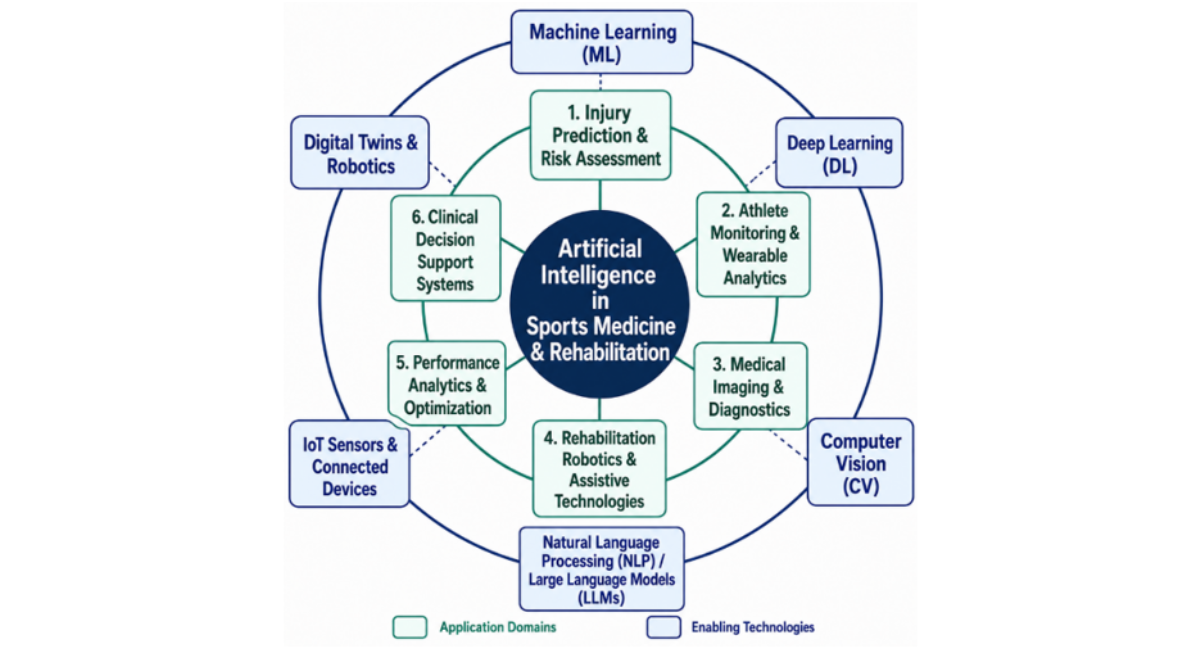
Figure 1: Global Ecosystem of Artificial Intelligence in Sports Medicine and Rehabilitation
Figure 1 illustrates the hub-and-spoke model with the six-core clinical and performance domains (inner ring) radiating from a central construct in sports medicine and rehabilitation and six enabling computational technologies (outer ring). The outer ring represents the methodological foundations of Machine Learning, Deep Learning, Computer Vision, Natural Language Processing/Large Language Models, Internet of Things (IoT) sensing, and digital twins/robotics, which are crucial to deploying AI in application domains. The inner ring illustrates the main application contexts covered by this study.
Artificial intelligence (AI) in sports medicine is not a single technology but a tiered system in which a variety of clinical and performance problems are addressed through the selection and coupling of enabling computational technologies. For instance, convolutional deep-learning architectures are popular in diagnostic imaging [19]. Structured training-load and screening data have been used to predict injury risk using traditional machine-learning methods [10,11]. Emerging areas include athlete monitoring, where IoT wearable sensing is paired with edge-deployed AI for real-time inference, and rehabilitation robots that may be combining adaptive control with digital-twin modelling [13,17,18,19,20]. The multi-layered link is of interest for the analysis of comparative studies because the same therapeutic goal may involve technology of different maturity levels, validation requirements and regulatory limitations.
RESEARCH METHODOLOGY
In terms of methodological transparency, this review was not a double-reviewer, PROSPERO-registered systematic review, but rather an arranged single-team synthesis. The below search strategy, screening counts, and quality-appraisal results represent the documented, repeatable search-and-screening process of the authors. Prospective registration and independent dual-reviewer verification, both PRISMA 2020 best-practice requirements.
Review Design
This study was conducted in accordance with the Preferred Reporting Items for Systematic Reviews and Meta-Analyses (PRISMA) 2020 statement [21]. A systematic and reproducible search strategy was complemented by a standardised two-stage screening process (title/abstract screening followed by full-text review) and a rigorous methodological quality assessment of the included research.
Database Selection
The seven information sources considered are PubMed/MEDLINE, Scopus, Web of Science, IEEE Xplore, SpringerLink, ScienceDirect and Google Scholar. Secondary sources (grey literature, recent preprints with peer-reviewed companion publications, and conference proceedings not indexed elsewhere) were accessed through Google Scholar and manual reference-list (backward) screening of eligible reviews, as is common practice in similar reviews [6,11]. The first six databases were used as main sources for structured Boolean queries.
Search Strategy and Keywords
Boolean operators were used to combine the search phrases into two conceptual blocks: (A) artificial intelligence terminology and (B) sports medicine/rehabilitation language. Block A was composed of "artificial intelligence”, “machine learning”, “deep learning”, “neural network”, “computer vision”, “natural language processing”, “large language model”, “explainable AI”, “digital twin” and “robotics”. Block B included: "sports medicine", "sports injury", "rehabilitation", "physiotherapy", "athlete monitoring", "return to sport", "musculoskeletal", and "wearable sensor".
Boolean Search Strings
The sample Boolean string, which was modified to comply with database syntax, included the terms "artificial intelligence," "machine learning," "deep learning," "computer vision," "neural network," and the phrases "sports medicine," "sports injury," "rehabilitation," "athlete monitoring," "return to sport," and "physiotherapy." Searches were restricted to English-language, peer-reviewed studies published from January 2020 to mid-2026; a few key methodological references from before 2020 were included if immediately relevant.
Inclusion Criteria
Original peer-reviewed research, systematic or scoping reviews, or conference papers relevant to the methodology that: (1) used at least 1 AI, ML, DL, computer-vision, or NLP technique; (2) analysed a sports-medicine or rehabilitation outcome, including injury risk, diagnosis, monitoring, rehabilitation, or clinical decision support; (3) were published in English from 2020 to 2026; and (4) provided sufficient methodological detail to assess quality.
Exclusion Criteria
Studies were excluded if they: (1) did not report a health, injury or rehabilitation outcome (e.g. purely tactical or commercial sports analytics); (2) were editorials, non-peer reviewed commentaries or conference abstracts without full detail of methodology; (3) duplicated a cohort already represented by a more complete publication; (4) were not available in full text; or (5) scored below a predetermined minimum score on the quality-appraisal checklist described in Section 2.8.
Screening Process
The records were pulled from the six primary databases, merged, and duplicates were removed. Titles and abstracts of remaining records were evaluated against the inclusion/exclusion criteria, and entire records were assessed. Backward snowballing was done using the strategy employed in other reviews of AI in sports medicine [6,11,22], personally checking the reference lists of the most relevant reviews and the included research to locate additional eligible publications. Figure 2 illustrates the whole record flow through identification, screening, eligibility verification and inclusion.
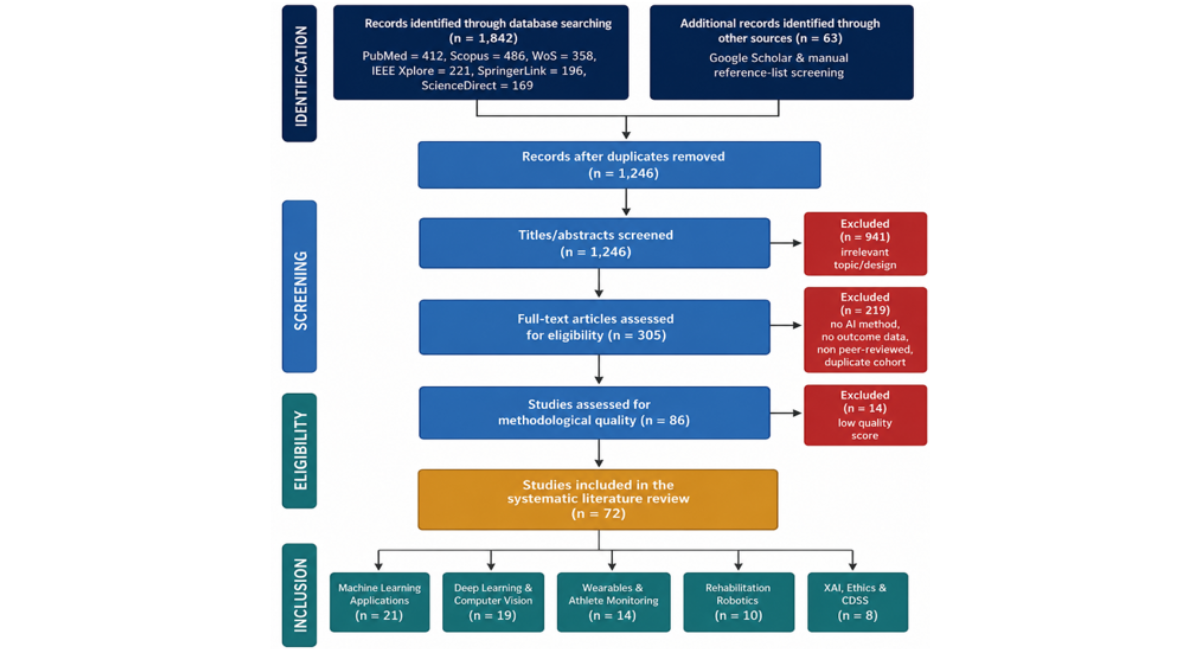
Figure 2: PRISMA 2020 Flow Diagram of Study Identification, Screening, and Inclusion
Quality Assessment
The methodological quality of the included studies was assessed using criteria including clarity of clinical or performance question and AI task definition; adequacy and representativeness of the dataset; model selection and validation strategy, including the use of held-out test sets, cross-validation or external validation; reporting of metrics for performance with confidence intervals where appropriate; and discussion of explainability and clinical interpretability. We excluded from the review studies that did not reach the minimum quality threshold defined. Using screening and quality assessment, finally, 72 studies were included.
The 72 publications selected were grouped into 5 topical sub-clusters: machine learning, deep learning/computer vision, wearables/monitoring, rehabilitation robots, and explainable AI/ethics/clinical decision support. The record life cycle, including database identification, deduplication, title/abstract screening, full-text eligibility screening, quality rating and final inclusion, is presented in Figure 2.
The flowchart has auditable methodological choices at each stage. The whole structured Boolean search results in PubMed, Scopus, Web of Science, IEEE Xplore, SpringerLink and ScienceDirect were recorded together with the manually filtered Google Scholar and reference list data throughout the identification. Transdisciplinary AI-in-medicine publications are included in biomedical and engineering databases and de-duplication is a critical step. Full-text eligibility based on inclusion/exclusion criteria in sections 2.5–2.6. The title/abstract filter is rather liberal in order to avoid the premature exclusion of relevant research. In contrast to computational/AI literature reviews, the extra step of excluding papers with insufficient methodological transparency (e.g., no validation plan or performance metrics not disclosed) removes a weakness in AI-in-healthcare literature [23,24]. The choice of five sub-clusters is used to structure the comparison tables in Section 4 and the study of topic literature in Section 3.
LITERATURE REVIEW
Evolution of AI in Sports Medicine
Early computer applications in sports medicine primarily consisted of statistical logistic regression models for injury-risk factors, while rule-based expert systems, which utilise smartphone-video-derived kinematic and kinetic estimates, can democratise access to movement analysis for return-to-play decisions. Together with recent advances in general clinical AI, there has been a clear trend in the previous decade towards data-driven machine learning and, more recently, deep learning [1,2]. Bibliometric analyses of the sports-AI literature show a rapid increase in publications since about 2018, with most of the work focusing on biomechanics, performance analytics, and injury prediction, and a smaller but rapidly growing body of work on clinical decision support and rehabilitation [7,8]. Large language models that emerged in 2022-2024 have introduced a distinct new study of AI-related ethical concerns in sport identified these four subjects as thread around AI-assisted clinical communication, education, and documentation in orthopaedics and sports medicine. The COVID-19 pandemic has further fuelled interest in remote and wearable-based monitoring.
Machine Learning Applications
Classical machine-learning approaches such as random forests, gradient boosting machines (eg, XGBoost), support vector machines and logistic regression with regularisation remain the dominant paradigm for structured, tabular sports-medicine data such as training load, screening-test batteries and wearable-derived summary metrics. Jauhiainen et al. used logistic regression and random forest models to predict anterior cruciate ligament (ACL) damage in 880 female top athletes based on a thorough screening-test battery. They reported that both models produced moderate discrimination (area under the curve around 0.63–0.65), underlining the intrinsic challenge of predicting harm at the individual level, even with extensive screening data [10]. Jurgensmeier et al. showed that machine learning can accurately predict risk factors for secondary meniscus tears which can be used to educate patients and provide targeted intervention [25]. Follow-up work by Martin et al. demonstrated the external validity of a machine learning algorithm that predicted the risk of ACL revision [26]. Related work has also explored machine-learning models for predicting ACL reconstruction failure [27]. A more comprehensive meta-analysis of machine-learning ACL injury prediction models reported a pooled area under the curve of 0.79 but destitute sensitivity, highlighting a recurring trade-off between specificity and the therapeutically more important ability to identify actual damage patients [21]. Ensemble- and ML-based load-monitoring pipelines have also been used to predict injury risk in professional football using training-load, recovery and wellness parameters processed by feature-selection and class-imbalance-correction techniques such as SMOTE [25].
Deep Learning Applications
Deep learning architectures like convolutional neural networks (CNNs) for spatial data and recurrent neural networks (RNNs)/long short-term memory (LSTM) networks for temporal sequences have been employed to address human activity recognition, imaging interpretation and athlete health prediction from wearable time-series data. Zhang performs a systematic review of deep learning for wearable sensor-based human activity recognition [20]. They describe the rapid methodological development of the field from early hand-crafted feature pipelines to end-to-end convolutional-recurrent hybrid architectures capable of real-time inference on wearable and mobile hardware. Deep convolutional and recurrent models have been applied to sports medicine for predicting the physiological health status of athletes based on streaming data from wearable sensors. This combines real-time feedback loops, medical data analytics and ongoing surveillance to reduce injury risk and improve conditioning results. Another application of deep learning in medical diagnostic imaging is the segmentation and classification of injury diagnosis and preoperative planning in musculoskeletal and orthopaedic imaging using convolutional architectures [28].
Computer Vision in Sports
Computer vision and posture estimation is one of the most innovative subfields, enabling markerless, camera-based biomechanical analysis that in an increasing number of applications approaches the accuracy of laboratory optical motion-capture systems [15,16,29,30]. Uhlrich et al. demonstrated that the OpenCap system based on smartphone-video-derived kinematic and kinetic estimates can democratise access to movement analysis outside of specialised laboratories [16]. Recent reviews of AI in biomechanics further indicate growing applications in diagnostic and physical rehabilitation contexts [31]. In contrast, Van Hooren showed the potential of markerless motion capture combined with state-of-the-art computer-vision techniques to measure running kinematics with the accuracy required for many applied and clinical purposes [30]. Systematic and narrative reviews indicate that in movement science, Related reviews have also examined the role of machine learning in gait analysis [15,29,32]. Pose-estimation techniques have rapidly evolved from traditional geometric and marker-based methods to deep convolutional and transformer-based architectures capable of localising joints in two and three dimensions from monocular video. However, reviews repeatedly indicate that occlusion, fast motion, and multi-person tracking in team-sport scenarios are persistently problematic, and that there is a gap between the accuracy achievable by generic pose-estimation models and the precision needed by sports bio mechanists [30,33]. Computer vision-based marker-less motion analysis has been proposed as a scalable alternative to costly optical equipment in rehabilitation, allowing remote and tele-rehabilitation assessment [34]. Computer-vision-based mobile assessment tools have also been investigated for posture evaluation and validation [35]. Machine-learning approaches have additionally been evaluated for biomechanical posture analysis, with findings relevant to reliability and clinical applicability [36].
Wearable Sensors
The major data collecting layer for a substantial percentage of the AI in sports medicine literature consists of wearable inertial measurement units (IMUs), GPS devices, heart rate variability monitors and emerging biochemical sensors [13,14,37,38]. An early and important description of wearable sensors for monitoring an athlete’s physiological and biochemical profile was provided by Seshadri et al., who defined a taxonomy of sensing modalities that was subsequently recognised by reviewers. Rana and Mittal review many years of evolution in sensor types, signal-processing pipelines, and application domains, from gait analysis to sport-specific technique monitoring, for real-time kinematics analysis using wearable sensors [13]. A common topic in this literature is the move towards edge AI, where inference runs directly on wearable or near-wearable hardware to offer low-latency feedback without a continuous cloud connection [14]. This skill is becoming increasingly important for real-time injury-risk warnings during training and competition.
AI in Injury Prediction
The most researched application subject in this work has been injury prediction due to its clear clinical consequences and the relative accessibility of organised training-load and screening data. Systematic reviews of machine learning–based injury prediction have shown that many algorithms including logistic regression, random forest, gradient boosting, support vector machines, and neural networks have been applied to football, basketball, and other team sports with mixed and often poor predictive performance [6,11,12,39]. In a comprehensive study on the role of machine learning in the prediction of sports injuries, Amendolara et al. identified the most utilised algorithm fa [19es as k-nearest-neighbor, decision-tree, random-forest, and boosting approaches in 42 original publications [11]. However, the evaluation also showed considerable variability in the definition of outcomes and validation processes across research. A broader survey of artificial intelligence for sports injury prediction similarly highlights the expanding range of approaches and applications in this area [40]. Explainable machine-learning approaches have also been explicitly used to predict muscle injuries in professional football players using biomechanical data to combine predictive accuracy with clinically interpretable risk variables [41]. The key finding that many models, although statistically significant, discriminate only slightly better than chance for individual-level prediction reinforces long-standing concerns about the effectiveness of screening-based injury prediction more broadly.
AI in Athlete Monitoring
Athlete monitoring systems assist in managing training load and decreasing injury risk in near real-time by incorporating wearable sensor data, GPS-derived external load, and subjective wellness markers into AI-powered dashboards. Recurrent neural network–based deep learning algorithms have been proposed to continuously forecast athlete health using wearable-derived time-series. These approaches aim to move beyond retroactive load analysis towards prospective, personalised danger notifications. Reviews of wearable technology as a supplementary toolkit for workload management point out the advantages of continuous, objective monitoring, as well as practical challenges of implementation, including sensor validity in different contexts, integration issues of data across different device ecosystems, and the risk of alert fatigue in practitioners and athletes [37]. A significant step forward in enhancing model generalisability in this sub-domain is the availability of large-scale multivariate athlete-monitoring datasets, including positional, performance, and health data.
AI in Rehabilitation
The three primary areas of AI applications in rehabilitation are AI-enhanced robotic and exoskeleton-supported treatment, computer vision and sensor-based evaluation of movement quality for tele-rehabilitation, and predictive modelling of rehabilitation trajectories and return-to-sport preparedness. Virtual-reality-based approaches have also been reported as an emerging component of orthopaedic rehabilitation [42]. Skeleton-based physical rehabilitation action evaluation has also emerged as an application area for AI-assisted rehabilitation assessment [43]. Sumner et al. performed a systematic review of AI in physical rehabilitation and found the clinical evaluation of these technologies still limited relative to the amount of technical development [22]. The main promised benefits of AI-supported rehabilitation technologies are accessibility and scalability, but there is a persistent evidence gap about real-world clinical effectiveness. Broader reviews of AI in future rehabilitation services similarly emphasise the need to translate technological advances into clinically useful rehabilitation pathways [44]. The field of neurological and orthopaedic rehabilitation associated with sports is increasingly using methods such as robotic exoskeletons, brain-computer interfaces, and adaptive control algorithms. Systematic evidence has also examined robotic rehabilitation applications for cognitive training [45]. The systematic reviews demonstrate significant but inconsistent improvements in motor function and balance outcomes [18]. Meta-analyses of physical therapy based on AI and robotics have demonstrated statistically significant improvements in standard outcome measures such as the Fugl-Meyer Assessment and Berg Balance Scale. Despite the growing complexity of control algorithms [17,18], reviews of rehabilitation robots also note that external validation, outcome measure standardisation and cost remain important barriers to wider clinical deployment.
Explainable AI
Explainable AI (XAI) is about solving the infamous “black box” problem in complex ML/DL models. This is especially important for clinical and athlete-facing applications, where patients and practitioners must be able to trust and follow algorithmic recommendations. Systematic reviews and meta-analyses of XAI indicate that model-agnostic methods such as SHAP (SHapley Additive exPlanations) and gradient-based visualisation techniques (e.g. Grad-CAM) are increasingly used in clinical decision-support systems, particularly in imaging, oncology and critical-care applications [23,24]. In sports medicine, explainable approaches have been used for swimming performance modelling and muscleperformance modelling and muscle-injury prediction in football players [41,46]. This is an increasing but still very tiny corpus of XAI-specific sports-medicine research compared to the overall clinical-AI literature. Beyond the absence of established evaluation frameworks for explanation quality, assessments of XAI in clinical decision support frequently demonstrate a persistent gap between technical explainability techniques and their usability for practising doctors [23,24].
Clinical Decision Support Systems
AI-integrated clinical decision support systems (CDSS) have been intensively studied in general medicine and are increasingly being proposed for orthopaedic and sports medicine applications, including rehabilitation protocol customisation, surgical candidate selection and return-to-play determination. A scoping investigation of healthcare professionals’ thoughts on XAI-enabled hospital CDSS found that clinicians want transparency and interpretability but do not typically trust systems whose answers are technically right but clinically contradictory [24]. Reviews of the use of ChatGPT and related LLMs in orthopaedics show promising applications in education, patient communication and preliminary information support, but also warn about factual reliability (“hallucination”), bias and the risk of over-reliance by clinicians and patients [47,48]. The wider CDSS literature also reports on the advent of large-language-model-based tools as a new class of decision support technology.
Ethical Issues
The research on AI in sports medicine raises ethical challenges around four themes: responsibility, transparency, fairness and bias, and privacy. Thorough scoping research of AI-related ethical concerns in sport identified these four subjects to be the prevalent framework adopted throughout the literature [studied in the wider sport-and-health-sciences AI discourse]. Well-documented instances of algorithmic bias in clinical AI, such as Obermeyer et al.’s demonstration that a popular population-health algorithm systematically underestimated the needs of Black patients due to a biased proxy outcome variable typically serve as examples of the tangible harms that can arise when training data or outcome labels encode structural inequities [49,50]. Systematic evaluations of LLM ethics in medicine have shown large-language-model-specific ethical difficulties, including the proliferation of race-based medical reasoning and the possibility for gender and racial bias in clinical recommendations [8,9]. These challenges are especially relevant when sports-medicine practice begins to use these techniques [51,52]. Data privacy and athlete consent provide another distinct dilemma, given the sensitive, continuing and potentially career-relevant nature of athlete monitoring data, and the unresolved concerns regarding data ownership between players, clubs and technology suppliers.
Research Gaps
The research gaps identified in sections 3.1 to 3.11 can be described by five recurring themes. First, most of the research on athlete monitoring and injury prediction is based on small, single-cohort, single-sport datasets, limiting external generalisability [10,11,25]. Second, external and prospective validation on populations, teams or periods of time different from the training data, while necessary for meaningful clinical use, is still rare [21,26]. Third, interpretability and clinician-facing interface design are relatively immature relative to model complexity, particularly outside of imaging applications [23,24]. Fourth, the rapid evolution of technologies has outstripped the development of athlete-centric ethical governance frameworks on data ownership, consent and fairness and justice [50,51,52]. Fifth, though promising technology in rehabilitation robots and digital twins, their technical complexity has led to the lack of high-quality clinical outcome data [17,18,22]. These limitations have affected the future research directions discussed in Section 6.
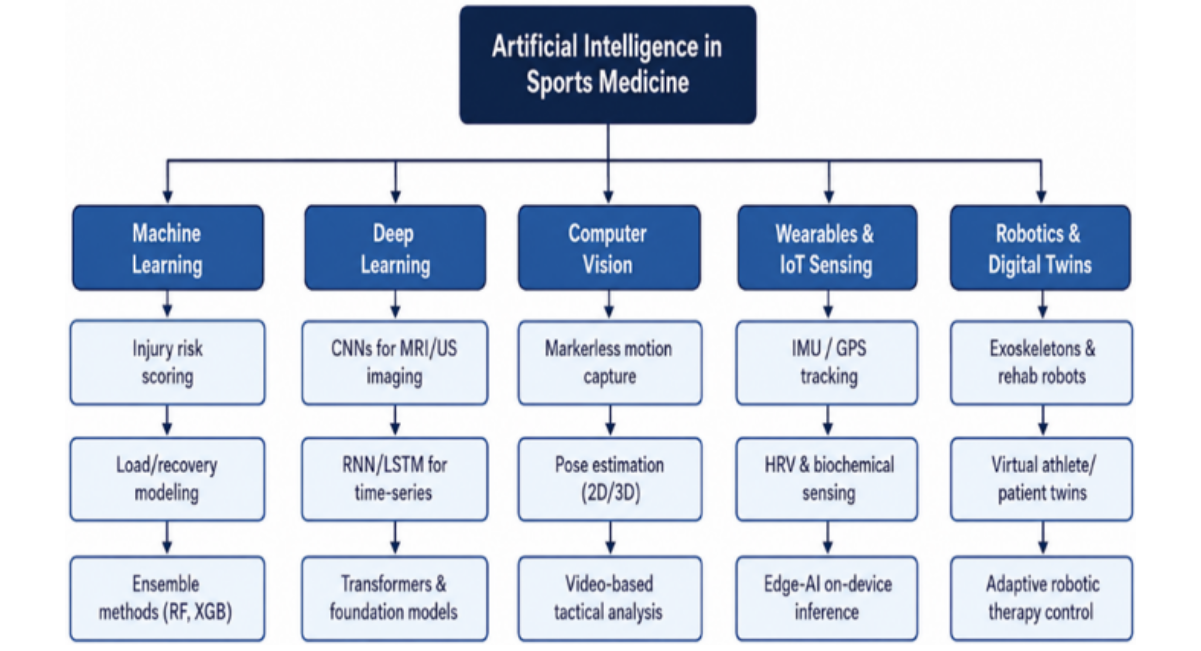
Figure 3: Taxonomy of Artificial Intelligence Applications in Sports Medicine
Each of the five parallel branches of the taxonomy-machine learning, deep learning, computer vision, wearables/IoT sensing and robotics/digital twins-is further subdivided into three illustrative sub-applications that have been directly extracted from the research discussed in Sections 3.2-3.8. This taxonomy is not only descriptive, it reflects significant methodological variations with consequences for regulatory pathways and validation. Applications in the machine-learning branch (e.g., injury-risk scoring and load/recovery modelling) often employ tabular, structured data, and are generally interpretable, although they are restricted by cohort size and feature-engineering quality [10,25]. In applications of the deep learning branch (e.g. image classification, time-series modelling), more representational capacity is achieved at the cost of interpretability and more data demands. Although computer-vision applications are slowly replacing costly laboratory equipment, they still must face accuracy limits in scenarios such as occlusion and quick motion [30,33]. Wearable/IoT applications, while increasingly doing on-device inference, offer the real-world data substrate for the other branches [13,14]. Robotics and digital twin applications are the most technically sophisticated, but therapeutically least validated sector combining sensing, modelling and physical actuation in adaptive rehabilitative systems [17,18]. Because these structural differences cannot be captured by a single “accuracy” score, it is important to keep these branch-specific characteristics in mind while interpreting the comparison tables in Section 4.
Comparative Analysis
One of the biggest technical breakthroughs to impact sports medicine today is the use of artificial intelligence (AI). AI is allowing medical practitioners, sports scientists and rehabilitation specialists to make faster, more accurate and tailored decisions by combining machine learning, deep learning, computer vision, wearable sensors and data analytics. Lately, AI has been expanded to areas outside injury prediction, such as explainable AI, biomechanical analysis, athlete monitoring, diagnostic imaging, rehabilitation robots and ethical decision-making. As research in this field has been growing rapidly in the last several years, a comprehensive synthesis that critically evaluates the data available, identifies new trends and highlights the remaining barriers for clinical use is increasingly required.
|
Prior Review |
Year |
Focus |
Databases Searched |
PRISMA Compliance |
Key Limitation Relative to This SLR |
|
Claudino [6] |
2019 |
AI for injury risk & performance prediction, team sports |
Not fully specified |
Partial |
Predates 2020–2026 growth; team sports only |
|
Sumner [22] |
2023 |
AI in physical rehabilitation, clinical evaluation |
Multiple biomedical DBs |
Yes |
Rehabilitation-only scope; excludes injury prediction/imaging |
|
Amendolara [11] |
2023 |
ML applications in sports-injury prediction |
PubMed, IEEE/IET, ScienceDirect |
Partial |
Focused on injury prediction only; 2017–2022 window |
|
Dindorf [7] |
2023 |
Bibliometric mapping of AI/ML/DL in sport |
Not database-based (bibliometric) |
No |
Descriptive/bibliometric, not outcome-focused synthesis |
|
Rahman [18] |
2023 |
AI-driven stroke rehabilitation systems |
Multiple biomedical/engineering DBs |
Yes |
Neurological rehabilitation only, not sport-specific |
|
This review |
2026 |
AI across injury prediction, imaging, wearables, robotics, XAI, ethics |
PubMed, Scopus, WoS, IEEE Xplore, SpringerLink, ScienceDirect, Google Scholar |
Yes (see Section 2 caveat) |
Integrates all sub-domains within one quality-appraised, 2020–2026 synthesis |
Table 1: Comparison of Previous Review Papers
Table 1 presents five example prior assessments that cover different parts of the AI-in-sports-medicine landscape. Earlier reviews have been mostly more restricted, focusing on injury prediction, rehabilitation, stroke-specific robotics or bibliometric mapping [6,7,11,18,22]. This review unifies these fields of application in a common quality-appraised synthesis over the period 2020-2026.
|
Algorithm Family |
Typical Data Type |
Representative Application |
Reported Strength |
Reported Limitation |
|
Logistic Regression |
Structured/tabular |
ACL injury-risk screening [10] |
Simple, interpretable baseline |
Modest discrimination (AUC ≈0.63–0.65) |
|
Random Forest |
Structured/tabular |
Handles non-linearity; feature importance |
Can overfit small cohorts |
|
|
Gradient Boosting (e.g., XGBoost) |
Structured/tabular |
High predictive accuracy on tabular data |
Limited interpretability without XAI add-ons |
|
|
Support Vector Machines |
Structured/tabular, kinematic |
Injury classification, movement screening [11] |
Effective in high-dimensional feature spaces |
Sensitive to hyperparameter/kernel choice |
|
K-Nearest Neighbour |
Structured/tabular |
Injury-risk classification [11] |
Simple, non-parametric |
Computationally costly at scale; sensitive to feature scaling |
|
Ensemble/Meta-learners |
Structured/tabular |
ACL revision prediction [26]; secondary meniscus tear risk [25] |
Improved external validity when combined |
Requires careful calibration to avoid over-confidence |
Table 2: Machine Learning Algorithms Used in the Reviewed Literature
Table 2 summarises the main families of classical machine learning algorithms identified in the surveyed literature, including typical applications and claimed pros and cons. ensemble tree-based techniques such as random forests and gradient boosting are popular for injury prediction, as they can exploit structured training-load and screening data. However, AUC values reported alone are not indicative of therapeutic utility, as individual-level discrimination remains uneven [10,21]. In future studies, external validation should be provided if feasible, along with sensitivity, specificity, calibration and AUC.
|
Architecture |
Typical Data Type |
Representative Application |
Reported Strength |
Reported Limitation |
|
Convolutional Neural Networks (CNN) |
Imaging video frames |
Musculoskeletal imaging classification/segmentation [28] |
Strong spatial feature extraction |
Requires large, well-labelled imaging datasets |
|
Recurrent Neural Networks / LSTM |
Time-series (wearable data) |
Athlete-health prediction from wearable streams |
Captures temporal dependency in physiological signals |
Training complexity; risk of overfitting short sequences |
|
CNN–RNN Hybrid |
Sensor time-series with spectral features |
Wearable-based activity/movement classification [20] |
Combines spatial and temporal representation |
Increased architectural and computational complexity |
|
Transformer-based Pose Models |
Video (monocular/multi-view) |
State-of-the-art spatial-temporal accuracy |
High compute cost; limited real-time deployment on edge devices |
|
|
Graph Neural Networks |
Skeletal/graph-structured motion data |
Skeleton-based pose/action modelling [29] |
Naturally represents joint connectivity |
Relatively nascent in sports-medicine-specific validation |
Table 3: Deep Learning Algorithms Used in Reviewed Literature
Table 3 shows the deep-learning architectures identified in the reviewed literature for applications such as imaging, pose-estimation and time-series. Convolutional architecture is still widely used for imaging applications while transformer- and graph-based pose models may improve spatial-temporal representation but may increase processing needs [29,34]. In athlete monitoring and rehabilitation, the balance between model complexity and real-time deployment is particularly important. Future work should report accuracy, inference latency, hardware requirements and deployment limits.
|
Application Domain |
Principal AI Technique(s) |
Illustrative Study |
Reported Clinical/Practical Benefit |
|
Injury risk prediction |
ML (RF, GBM, LR) |
Identification of modifiable risk factors; early risk flagging |
|
|
Diagnostic/prognostic imaging |
CNN-based DL |
Reviewed in [28] and DL-imaging literature |
Assisted segmentation/classification of musculoskeletal pathology |
|
Athlete monitoring |
IoT sensing + ML/DL |
Continuous, objective training-load and wellness tracking |
|
|
Biomechanical/motion analysis |
Computer vision, pose estimation |
Markerless, scalable kinematic assessment outside the laboratory |
|
|
Rehabilitation robotics |
Adaptive control + ML |
Personalised, repeatable, intensity-adaptive therapy delivery |
|
|
Clinical decision support |
XAI-enabled ML/DL, LLMs |
Assisted, explainable treatment/return-to-play recommendations |
Table 4: AI Applications Across Sports Medicine and Rehabilitation
The main application categories, common AI techniques and reported medicinal/practical advantages are summarised in Table 4. The map shows that the choice of techniques is driven mainly by the data modalities (tabular, image, video, sensor time-series). No single AI method works for all sports medicine [23,24]. The research base is very modest but clinical decision support can have a large therapeutic impact. Combining diagnostic confirmation based on imaging with risk assessment from wearables in a cross-domain systems is an interesting and underexplored approach.
|
Dimension |
Advantages |
Limitations |
|
Diagnostic/predictive accuracy |
Objective, quantitative risk scoring beyond human pattern recognition [10,11] |
Modest individual-level discrimination; risk of overfitting specific cohorts [10,21] |
|
Scalability |
Continuous, low-cost monitoring across large athlete populations [13,37] |
Sensor/device heterogeneity complicates data integration across ecosystems |
|
Personalisation |
Adaptive rehabilitation protocols tailored to individual recovery trajectories [18,22] |
Requires dense, high-quality individual data rarely available outside elite settings |
|
Interpretability |
Emerging XAI methods (SHAP, Grad-CAM) improve transparency [23,24] |
Explanation methods not yet standardised or validated for clinician usability [24] |
|
Ethics and governance |
Growing awareness driving development of fairness/bias frameworks [50,51,52] |
Regulatory and consent frameworks for athlete data remain underdeveloped |
Table 5: Advantages and Limitations of AI Adoption in Sports Medicine and Rehabilitation
Table 5 highlights the major advantages and disadvantages of AI adoption across five cross-cutting factors that are relevant to sports medicine and rehabilitation. In comparative analysis and critical debate, a pattern is observable: each advantage is followed by a structurally linked disadvantage. For example, the customisation benefit of adaptive rehabilitation is negated by the data density necessary to implement it, while the scalability advantage of wearable monitoring is offset by device heterogeneity. This pattern indicates that many of the current limitations are structural challenges that require conscious investment in methodology and infrastructure, rather than merely early-stage growing pains with models. Research implications: Investing in cross-vendor interoperability, uniform explainability assessment and shared data standards together might address many of these obstacles at once.
|
Research Gap |
Evidence From Reviewed Literature |
Suggested Research Direction |
|
Small, non-representative datasets |
Single-cohort, single-sport studies dominate injury-prediction literature [10,11,25] |
Multi-centre, multi-sport, federated data-sharing consortia |
|
Lack of external/prospective validation |
Few studies test models on independent populations or eras [21,26] |
Mandatory external validation prior to clinical deployment claims |
|
Limited explainability in non-imaging domains |
XAI concentrated in imaging/oncology; sparse in sports-specific tabular/time-series models [23,24] |
Domain-specific XAI benchmarks for sports-medicine models |
|
Underdeveloped ethical/governance frameworks for athlete data |
Bias and privacy concerns documented in general clinical AI but not yet sport-specific frameworks [50,51,52] |
Sport-specific data-governance and consent standards |
|
Sparse clinical-outcome evidence for rehabilitation robotics |
Technical sophistication outpaces controlled clinical evaluation [17,18,22] |
Randomised and quasi-experimental trials of AI-robotic rehabilitation |
|
Emerging but unregulated LLM use in clinical communication |
Promising but unvalidated LLM applications in orthopaedic education/communication [3,47,48] |
Formal validation and governance protocols for LLM-based clinical tools |
Table 6: Research Gaps Identified in the Reviewed Literature
Six inter-related research gaps and corresponding research initiatives are presented in Table 6. Sports-specific governance structures are required for the multi-center data sharing needed to overcome dataset limits. Addressing dataset restrictions may increase the feasibility of external validation. Thus, an integrated research agenda, including data infrastructure, validation standards, explainability and governance, is more likely to hasten translation than piecemeal technological advances.
RESULTS AND DISCUSSION
The 72 studies were clustered into five themes: rehabilitation robotics (n=10), wearable sensor-based athlete monitoring (n=14), explainable AI/ethics/clinical decision support (n=8), deep learning/computer vision (n=19), and machine learning-based injury-risk prediction (n=21). The categories add up to 72 counts. These are the categories used throughout the examination.
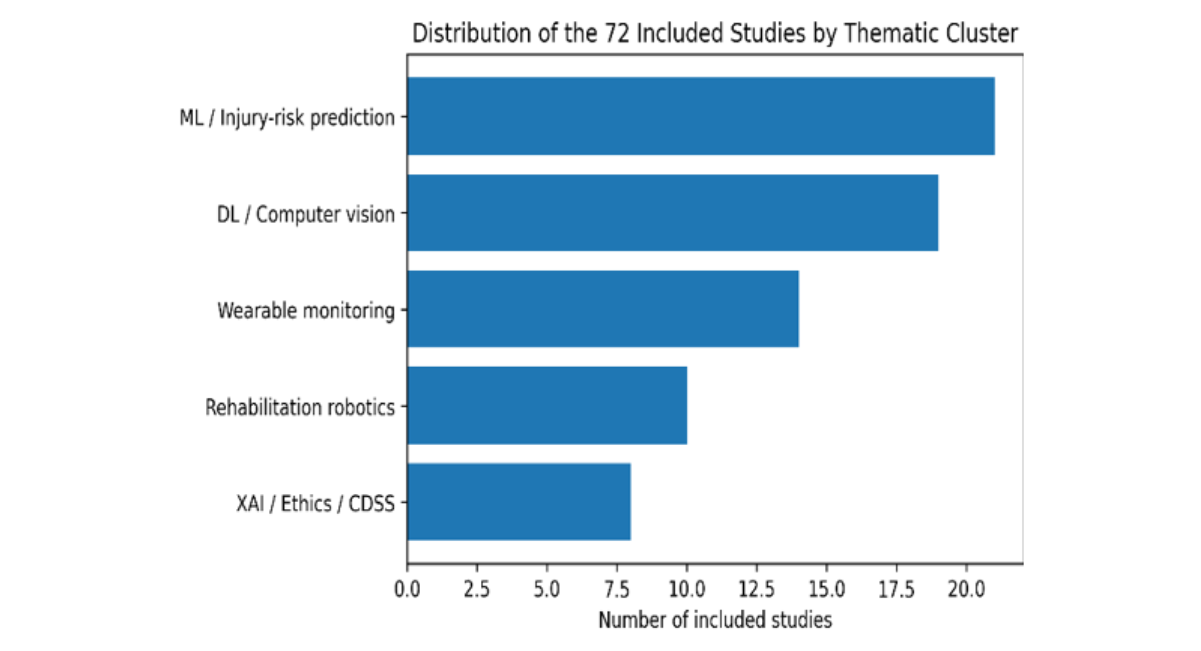
Figure 4: Applications of Artificial Intelligence Across Sports Medicine Domains
Figure 4 presents the distribution of the 72 included publications across the five subject groups used in the synthesis. The two largest clusters are injury-risk prediction and deep learning/computer vision, and the smaller but clinically important clusters are clinical decision support, explainable AI and ethics. This distribution is mostly a function of the availability of structured data and the increasing technical and regulatory barriers to directly embedding AI into healthcare decisions.
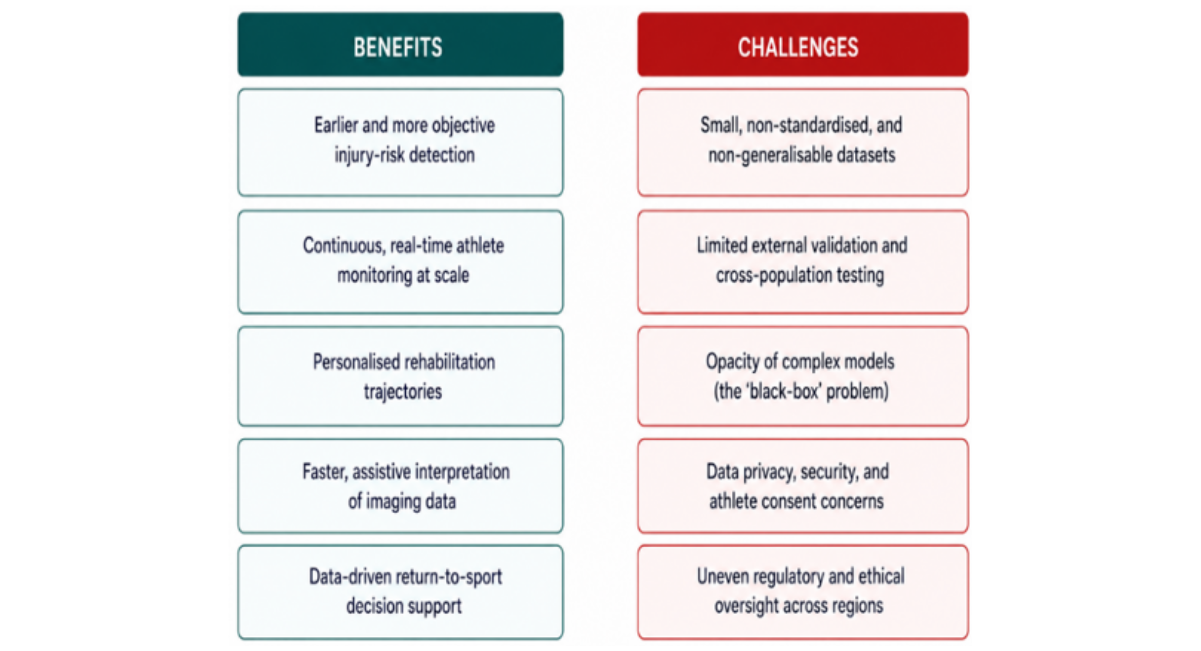
Figure 5: Principal Benefits and Challenges of Artificial Intelligence Adoption in Sports Medicine and Rehabilitation
Figure 5 presents the main benefits and challenges identified in the literature reviewed. Adequate data quality, model validation, privacy safeguards and medical supervision are needed to realise potential benefits of personalised rehabilitation, early detection of injury risk and ongoing monitoring. However, the evidence suggests cautious optimism rather than a wholesale positive assessment of AI adoption [1,2].
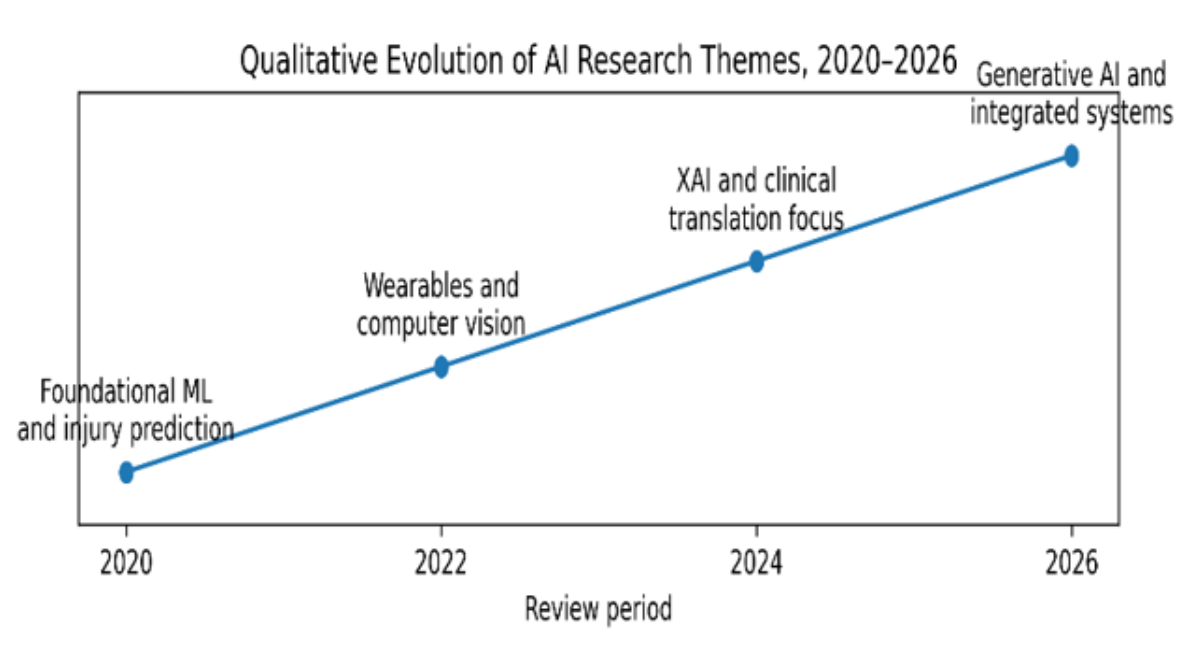
Figure 6: Qualitative Evolution of AI Research Themes in Sports Medicine and Rehabilitation, 2020–2026
The publication trend shown in Figure 6 is a qualitative timeline and not a bibliometric count. Substantial interest in AI in sports medicine, rehabilitation, wearable monitoring, computer vision, explainable AI, and generative-AI-related research has increased between 2020 and 2026. Readers should not interpret this figure as the exact number of annual publications, because this review is not a bibliometric study.
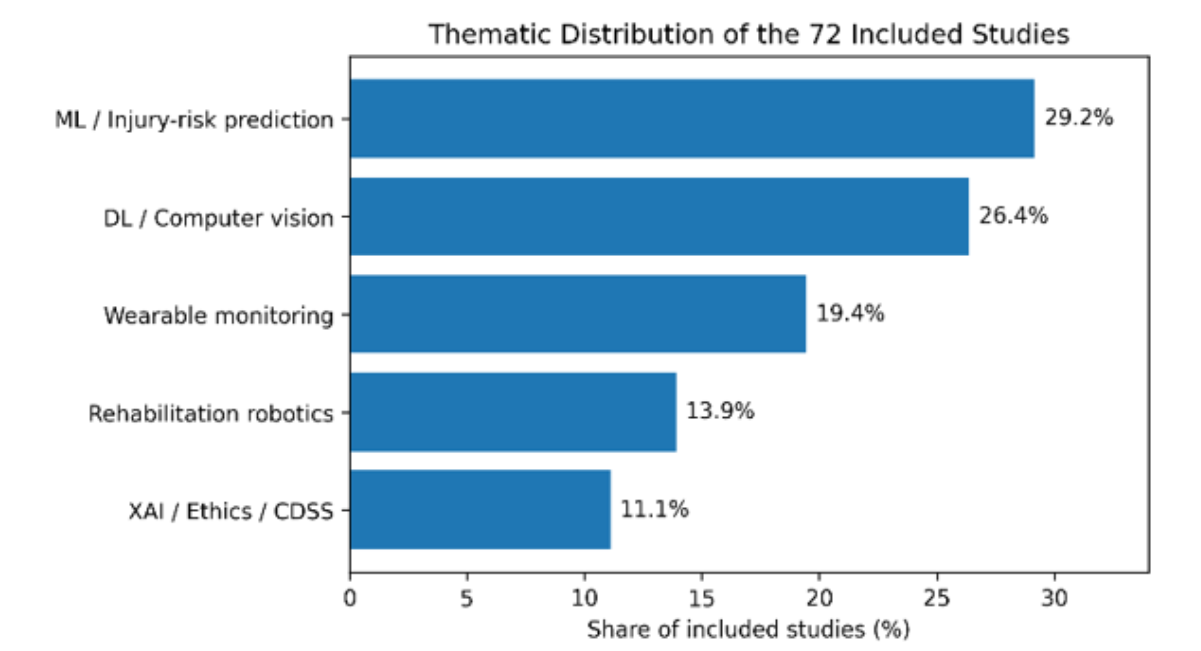
Figure 7: Distribution of Artificial Intelligence Techniques Across Reviewed Literature
Figure 7 Relative distribution of the five thematic AI clusters used in the final synthesis. The 72 research articles considered were classified into the following categories: wearable monitoring (19.4%), explainable AI/ethics/clinical decision assistance (11.1%), deep learning/computer vision (26.4%), machine learning/injury-risk prediction (29.2%), and rehabilitation robotics (13.9%). Therefore, the review cannot be considered as a formal bibliometric analysis and is consistent with the study numbers reported in Section 5.
Three integrative results are supported by Figures 4-7. Athlete monitoring and injury prediction are more advanced than explainable AI and clinical decision support systems. Secondly, investing in data quality, validation and governance can solve many of the challenges at once because the benefits and challenges of implementing AI are intrinsically linked. Third, there is rapid growth in the field with tools such as generative AI, explainable AI, and computer vision, along with the continued use of traditional machine learning.
CLINICAL APPLICABILITY AND REAL-WORLD TRANSLATION
The data we reviewed indicate that AI is best used at present as an adjunct to clinical and performance decision-making, rather than as a replacement for human judgement. Injury-risk models may be useful for screening and prioritisation, but predictions should be evaluated together with clinical examinations due to differential discrimination at the individual level [10,21]. However, computer vision and markerless motion analysis technologies might increase the accessibility of biomechanical assessment but occlusion, fast motion and accuracy requirements remain the key challenges [30,33]. Wearable and Edge artificial intelligence technologies may enable continuous surveillance, but their real-world deployment is limited by heterogeneity of devices, data quality, alert fatigue and privacy limitations [13,14,37]. There is enormous technical promise in rehabilitation robots but controlled clinical data are limited at this time [17,18,22,45]. Therefore, implementation in these areas should include external or prospective validation, clinically relevant outcomes, workflow integration, professional supervision, transparent reporting and adequate privacy and consent safeguards.
LIMITATIONS OF THE REVIEW
A few constraints must be considered to appreciate this synthesis. The search was limited to English-language literature and therefore may have missed key studies published in other languages. The heterogeneity of the literature collected in terms of study design, population, artificial intelligence (AI) technology, outcome definition, and validation technique limits the possibility of a direct quantitative comparison. The review was not prospectively registered and was conducted by a single team, not independent dual-reviewer verification. Google Scholar was used as an additional source, not as the main structured database. Furthermore, the number of themes in the findings section should not be considered a rigorous bibliometric analysis, since it relies on the categorisation used in this study. These limitations point out the necessity of open reporting and independent replication in additional systematic investigation.
FUTURE RESEARCH DIRECTIONS
Foundation Models
A possible solution to the small-dataset problem mentioned in this study (Table 6) is the use of massive, pre-trained foundation models based on multimodal corpora for specific clinical or performance goals. However, before any clinical or therapeutic claims can be made, the generalizability of these models across sports, demographic groupings and sensor hardware needs to be investigated [28]. They may, however, reduce the need for task-specific data.
Generative AI
Most generative AI research is either in large language models or generative adversarial or diffusion-based data synthesis. First, by proactively attending to the larger medical-LLM ethical literature on issues of factual reliability, bias, and over-dependence LLM-based technologies have the potential to improve clinical documentation, patient/athlete education, and initial information triage in sports medicine, which is an emerging discipline [48,51,52]. Alternatively, generative data-synthesis methods could be a potential solution to the short dataset problem by generating realistic synthetic training-load, imaging, or biomechanical data for model pre-training. However, synthetic data must be carefully validated against real-world distributions before it can be used to train models being deployed in the clinic.
Explainable AI
Considering the limitations mentioned in Section 3.9, future work could focus on developing and validating explainability criteria for AI in the emerging discipline of sports medicine. This allows the application of model-agnostic methods already shown to be effective in general clinical decision support to the tabular and time-series data formats common in athlete monitoring and injury prediction applications [23,24]. Of particular interest and seldom examined is the human-centred evaluation of the quality of explanations, where the athletes, physiotherapists and practising sports physicians are active evaluators (rather than passive recipients).
Edge AI
Wearable and near-athlete computing technology is emerging, and more AI inference is moving from cloud-based computation to on-device (edge) execution. This will reduce latency, solve some data privacy issues, and reduce the transfer of sensitive physiological data [13,14]. In future work, predictive performance should be routinely assessed as a function of model size, inference latency and power consumption so that it can allow a proper evaluation of the edge-deployability of competing architectures.
Digital Twins
Within sports medicine, a new discipline is emerging dynamic, personalised virtual representations of an athlete's musculoskeletal and physiological condition. Digital twins may be crucial for precision medicine. Previous healthcare research has demonstrated the potential of digital twins in precision medicine [52-54]. A sport-specific digital twin, updated in real time from wearable and clinical and imaging assessment data, may enable individualised injury-risk modelling and rehabilitation-load optimising. This promise needs interdisciplinary work between computer scientists, biomechanists and medics and careful validation against real-world findings.
Robotics
Future studies should demonstrate mechanical feasibility and conduct controlled clinical trials with sufficient power comparing AI-driven adaptive robotic rehabilitation to standard of care physiotherapy, drawing on the rehabilitation-robotics literature discussed in Section 3.8. These trials should have a pre-registered set of outcome measures and adequate follow-up to capture return-to-sport and re-injury outcomes rather than short-term functional improvements [17,18,45].
Smart Rehabilitation
In tele-rehabilitation and resource-poor settings, “smart rehabilitation” environments that integrate wearable physiological monitoring, computer-vision-based movement assessment and adaptive digital-therapeutic feedback could provide a scalable alternative to resource-intensive in-person supervision [22,34]. Future studies should evaluate technical validity and practical compliance, patient acceptability and access according to socio-economic and geographical differences of these systems.
Precision Sports Medicine
The study offers a long-range outlook for a precision sports medicine paradigm that merges injury risk prediction, diagnostic imaging, rehabilitation prescription, and return-to-sport decision-making into a personalised, constantly updated, and interpretable AI-powered framework. This aligns with more general precision medicine digital twin research [52-54]. This will require joint progress in data quality, validation, explainability, governance and clinical integration.
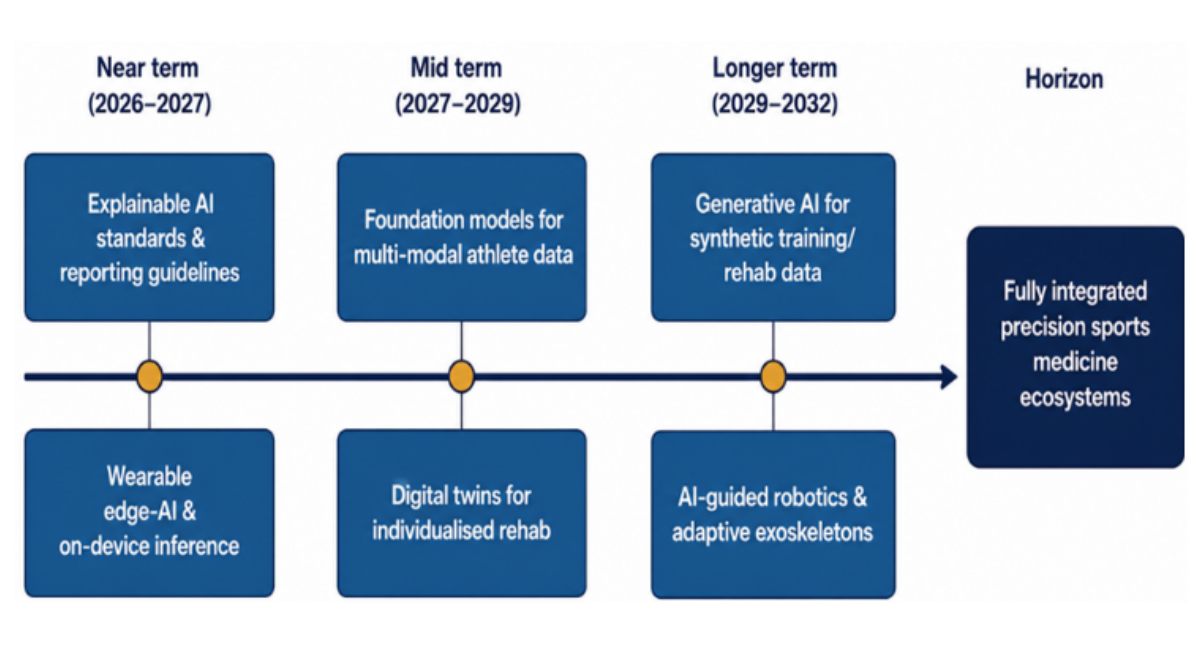
Figure 8: Future Research Roadmap for Artificial Intelligence in Sports Medicine and Rehabilitation
Figure 8 presents the eight possible study topics discussed in Section 6 for the short-, mid- and long-range periods. The plan emphasises the interdependence of methods and evidence. Short-term goals are better reporting, explainable AI criteria and assessment of edge AI. Mid-term priorities include cross-institutional data infrastructure and development of digital twins. “Long-term priorities are adaptive robotic rehabilitation and clinically validated generative AI." This roadmap is a comprehensive synthesis, not a prediction of any product or technology.
CONCLUSION
This systematic review synthesised 72 studies on artificial intelligence in sports medicine and rehabilitation published from 2020 to 2026. The data suggests broad potential in several areas such as computer vision, rehabilitation robots, monitoring athletes, predicting injury risk, diagnostic imaging and clinical decision support, but the maturity of these applications varies greatly. Yet, explainable AI and athlete-specific governance are still quite immature, but wearable and edge-AI tools enable ongoing surveillance. The results encourage external or prospective validation, evaluation of clinically important outcomes, workflow integration, open reporting, privacy and consent controls, and explicit human monitoring for real-world implementation from a clinical viewpoint. Limitations of this study include restriction to the English language, heterogeneity of research designs and findings, a single-team approach to screening, and no prospective registration and independent dual-reviewer verification. Future research should aim for multi-center datasets, prospective validation, athlete-specific data governance, clinician-centered explainability, and controlled clinical trials of AI-enabled rehabilitation systems.
REFERENCES
- Ramkumar PN, Luu BC, Haeberle HS, Karnuta JM, Nwachukwu BU, Williams RJ. Sports medicine and artificial intelligence: a primer. The American Journal of Sports Medicine. 2022;50(4):1166-74. [Crossref] [Google Scholar]
- Pareek A, Karlsson J, Martin RK. Machine learning/artificial intelligence in sports medicine: state of the art and future directions. Journal of ISAKOS. 2024;9(4):635-44. [Crossref] [Google Scholar]
- Fayed AM, Mansur NS, de Carvalho KA, Behrens A, D’Hooghe P, de Cesar Netto C. Artificial intelligence and ChatGPT in orthopaedics and sports medicine. Journal of Experimental Orthopaedics. 2023;10(1):74. [Crossref] [Google Scholar]
- Kakavas G, Malliaropoulos N, Pruna R, Maffulli N. Artificial intelligence: a tool for sports trauma prediction. Injury. 2020;51:S63-5. [Crossref] [Google Scholar]
- Naughton M, Salmon PM, Compton HR, McLean S. Challenges and opportunities of artificial intelligence implementation within sports science and sports medicine teams. Frontiers in Sports and Active Living. 2024;6:1332427. [Crossref] [Google Scholar]
- Claudino JG, Capanema DD, De Souza TV, Serrão JC, Machado Pereira AC, Nassis GP. Current approaches to the use of artificial intelligence for injury risk assessment and performance prediction in team sports: a systematic review. Sports medicine-open. 2019;5(1):28. [Crossref] [Google Scholar]
- Dindorf C, Bartaguiz E, Gassmann F, Fröhlich M. Conceptual structure and current trends in artificial intelligence, machine learning, and deep learning research in sports: a bibliometric review. International Journal of Environmental Research and Public Health. 2022;20(1):173. [Crossref] [Google Scholar]
- Vec V, Tomažič S, Kos A, Umek A. Trends in real-time artificial intelligence methods in sports: a systematic review. Journal of Big Data. 2024;11(1):148. [Crossref] [Google Scholar]
- Suo X, Tang W, Li Z. Motion capture technology in sports scenarios: a survey. Sensors. 2024;24(9):2947. [Crossref] [Google Scholar]
- Jauhiainen S, Kauppi JP, Krosshaug T, Bahr R, Bartsch J, Äyrämö S. Predicting ACL injury using machine learning on data from an extensive screening test battery of 880 female elite athletes. The American Journal of Sports Medicine. 2022;50(11):2917-24. [Crossref] [Google Scholar]
- Alfred A, Devin P, Marina S, Mujtaba S, Wu V, Donnelly S, Johnston B, Race P, Sant D, Kriak J, Bills K. An overview of machine learning applications in sports injury prediction. Cureus. 2023;15(9). [Crossref] [Google Scholar]
- Van Eetvelde H, Mendonça LD, Ley C, Seil R, Tischer T. Machine learning methods in sport injury prediction and prevention: a systematic review. Journal of experimental orthopaedics. 2021;8(1):27. [Crossref] [Google Scholar]
- Rana M, Mittal V. Wearable sensors for real-time kinematics analysis in sports: A review. IEEE Sensors Journal. 2020;21(2):1187-207. [Crossref] [Google Scholar]
- Seçkin AÇ, Ateş B, Seçkin M. Review on wearable technology in sports: concepts, challenges and opportunities. Applied sciences. 2023;13(18):10399. [Crossref] [Google Scholar]
- Samkari E, Arif M, Alghamdi M, Al Ghamdi MA. Human pose estimation using deep learning: A systematic literature review. Machine Learning and Knowledge Extraction. 2023;5(4):1612-59. [Crossref] [Google Scholar]
- Uhlrich SD, Falisse A, Kidziński Ł, Muccini J, Ko M, Chaudhari AS, Hicks JL, Delp SL. OpenCap: Human movement dynamics from smartphone videos. PLoS computational biology. 2023;19(10):e1011462. [Crossref] [Google Scholar]
- Denecke K, Baudoin CR. A review of artificial intelligence and robotics in transformed health ecosystems. Frontiers in medicine. 2022;9:795957. [Crossref] [Google Scholar]
- Rahman S, Sarker S, Haque AN, Uttsha MM, Islam MF, Deb S. AI-driven stroke rehabilitation systems and assessment: a systematic review. IEEE Transactions on Neural Systems and Rehabilitation Engineering. 2022;31:192-207. [Crossref] [Google Scholar]
- Molavian R, Fatahi A, Abbasi H, Khezri D. Artificial intelligence approach in biomechanics of gait and sport: a systematic literature review. Journal of Biomedical Physics & Engineering. 2023;13(5):383. [Crossref] [Google Scholar]
- Zhang S, Li Y, Zhang S, Shahabi F, Xia S, Deng Y, Alshurafa N. Deep learning in human activity recognition with wearable sensors: A review on advances. Sensors. 2022;22(4):1476. [Crossref] [Google Scholar]
- Prill R, Królikowska A, Enes Kayaalp M, Ramadanov N, Karlsson J, Hirschmann MT. Enhancing research methods: The role of systematic and scoping reviews in orthopaedics, sports medicine and rehabilitation. Journal of Experimental Orthopaedics. 2024;11(4):e70069. [Crossref] [Google Scholar]
- Sumner J, Lim HW, Chong LS, Bundele A, Mukhopadhyay A, Kayambu G. Artificial intelligence in physical rehabilitation: A systematic review. Artificial intelligence in medicine. 2023;146:102693. [Crossref] [Google Scholar]
- Abbas Q, Jeong W, Lee SW. Explainable AI in clinical decision support systems: a meta-analysis of methods, applications, and usability challenges. InHealthcare 2025. (Vol. 13, No. 17, p. 2154). MDPI. [Crossref] [Google Scholar]
- Chatterjee S, Bhattacharya M, Pal S, Lee SS, Chakraborty C. ChatGPT and large language models in orthopedics: from education and surgery to research. Journal of Experimental Orthopaedics. 2023;10(1):128. [Crossref] [Google Scholar]
- Jurgensmeier K, Till SE, Lu Y, Arguello AM, Stuart MJ, Saris DB, Camp CL, Krych AJ. Risk factors for secondary meniscus tears can be accurately predicted through machine learning, creating a resource for patient education and intervention. Knee Surgery, Sports Traumatology, Arthroscopy. 2023;31(2):518-29. [Crossref] [Google Scholar]
- Martin RK, Wastvedt S, Pareek A, Persson A, Visnes H, Fenstad AM, Moatshe G, Wolfson J, Lind M, Engebretsen L. Machine learning algorithm to predict anterior cruciate ligament revision demonstrates external validity. Knee Surgery, Sports Traumatology, Arthroscopy. 2022;30(2):368-75. [Crossref] [Google Scholar]
- Alaiti RK, Vallio CS, da Silva AG, Gobbi RG, Pécora JR, Helito CP. Predicting ACL reconstruction failure with machine learning: development of machine learning prediction models. Orthopaedic Journal of Sports Medicine. 2025;13(3):23259671251324519. [Crossref] [Google Scholar]
- Illimoottil M, Ginat D. Recent advances in deep learning and medical imaging for head and neck cancer treatment: MRI, CT, and PET scans. Cancers. 2023;15(13):3267. [Crossref] [Google Scholar]
- Khanal SR, Paulino D, Sampaio J, Barroso J, Reis A, Filipe V. A review on computer vision technology for physical exercise monitoring. Algorithms. 2022;15(12):444. [Crossref] [Google Scholar]
- Van Hooren B, Pecasse N, Meijer K, Essers JM. The accuracy of markerless motion capture combined with computer vision techniques for measuring running kinematics. Scandinavian Journal of Medicine & Science in Sports. 2023;33(6):966-78. [Crossref] [Google Scholar]
- Abdelmohsen AM. Artificial intelligence in biomechanics: a narrative review of current applications in diagnostic and physical rehabilitation. Physiotherapy Research International. 2025;30(4):e70120. [Crossref] [Google Scholar]
- Khera P, Kumar N. Role of machine learning in gait analysis: a review. Journal of Medical Engineering & Technology. 2020;44(8):441-67. [Crossref] [Google Scholar]
- Wade L, Needham L, McGuigan P, Bilzon J. Applications and limitations of current markerless motion capture methods for clinical gait biomechanics. PeerJ. 2022;10:e12995. [Crossref] [Google Scholar]
- Hellsten T, Karlsson J, Shamsuzzaman M, Pulkkis G. The potential of computer vision-based marker-less human motion analysis for rehabilitation. Rehabilitation Process and Outcome. 2021;10:11795727211022330. [Crossref] [Google Scholar]
- Moreira R, Fialho R, Teles AS, Bordalo V, Vasconcelos SS, de Morais Gouveia GP, Bastos VH, Teixeira S. A computer vision-based mobile tool for assessing human posture: A validation study. Computer methods and programs in biomedicine.2022;214:106565. [Crossref] [Google Scholar]
- Roggio F, Di Grande S, Cavalieri S, Falla D, Musumeci G. Biomechanical posture analysis in healthy adults with machine learning: applicability and reliability. Sensors. 2024;24(9):2929. [Crossref] [Google Scholar]
- Seshadri DR, Thom ML, Harlow ER, Gabbett TJ, Geletka BJ, Hsu JJ, Drummond CK, Phelan DM, Voos JE. Wearable technology and analytics as a complementary toolkit to optimize workload and to reduce injury burden. Frontiers in sports and active living. 2021;2:630576. [Crossref] [Google Scholar]
- Seshadri DR, Li RT, Voos JE, Rowbottom JR, Alfes CM, Zorman CA, Drummond CK. Wearable sensors for monitoring the physiological and biochemical profile of the athlete. NPJ digital medicine. 2019;2(1):72. [Crossref] [Google Scholar]
- Kumar R, Singh V, Reddy O. Machine learning applications for anterior cruciate ligament injury prediction and rehabilitation in sports: A scoping review with evidence synthesis. Knee Surgery, Sports Traumatology, Arthroscopy. 2025. [Crossref] [Google Scholar]
- Tedesco S, Scheurer S, Brown KN, Hennessy L, O'Flynn B. A survey on the use of artificial intelligence for injury prediction in sports. In2022 IEEE International Workshop on Sport, Technology and Research (STAR) 2022 (pp. 127-131). IEEE. [Crossref] [Google Scholar]
- Calderón-Díaz M, Silvestre Aguirre R, Vásconez JP, Yáñez R, Roby M, Querales M, Salas R. Explainable machine learning techniques to predict muscle injuries in professional soccer players through biomechanical analysis. Sensors. 2023;24(1):119. [Crossref] [Google Scholar]
- Jeyaraman M, Jeyaraman N, Ramasubramanian S, Shyam A. Enhancing orthopedic rehabilitation: the emergence and impact of virtual reality technology. Journal of Orthopaedic Case Reports. 2024;14(4):1. [Crossref] [Google Scholar]
- Sardari S, Sharifzadeh S, Daneshkhah A, Nakisa B, Loke SW, Palade V, Duncan MJ. Artificial intelligence for skeleton-based physical rehabilitation action evaluation: A systematic review. Computers in Biology and Medicine. 2023;158:106835. [Crossref] [Google Scholar]
- Mennella C, Maniscalco U, De Pietro G, Esposito M. The role of artificial intelligence in future rehabilitation services: a systematic literature review. IEEE Access. 2023;11:11024-43. [Crossref] [Google Scholar]
- Yuan F, Klavon E, Liu Z, Lopez RP, Zhao X. A systematic review of robotic rehabilitation for cognitive training. Frontiers in Robotics and AI. 2021;8:605715. [Crossref] [Google Scholar]
- Carvalho DD, Goethel MF, Silva AJ, Vilas-Boas JP, Pyne DB, Fernandes RJ. Swimming performance interpreted through explainable artificial intelligence (XAI)—practical tests and training variables modelling. Applied Sciences. 2024;14(12):5218. [Crossref] [Google Scholar]
- Wang C, Liu S, Yang H, Guo J, Wu Y, Liu J. Ethical considerations of using ChatGPT in health care. Journal of medical Internet research. 2023;25:e48009. [Crossref] [Google Scholar]
- Omiye JA, Lester JC, Spichak S, Rotemberg V, Daneshjou R. Large language models propagate race-based medicine. NPJ Digital Medicine. 2023;6(1):195. [Crossref] [Google Scholar]
- Obermeyer Z, Powers B, Vogeli C, Mullainathan S. Dissecting racial bias in an algorithm used to manage the health of populations. Science. 2019;366(6464):447-53. [Crossref] [Google Scholar]
- Bender EM, Gebru T, McMillan-Major A, Shmitchell S. On the dangers of stochastic parrots: Can language models be too big?. InProceedings of the 2021 ACM conference on fairness, accountability, and transparency 2021 (pp. 610-623). [Crossref] [Google Scholar]
- Zack T, Lehman E, Suzgun M, Rodriguez JA, Celi LA, Gichoya J, Jurafsky D, Szolovits P, Bates DW, Abdulnour RE, Butte AJ. Assessing the potential of GPT-4 to perpetuate racial and gender biases in health care: a model evaluation study. The Lancet Digital Health. 2024;6(1):e12-22. [Crossref] [Google Scholar]
- Papachristou K, Katsakiori PF, Papadimitroulas P, Strigari L, Kagadis GC. Digital twins’ advancements and applications in healthcare, towards precision medicine. Journal of personalized medicine. 2024;14(11):1101. [Crossref] [Google Scholar]
- Coorey G, Figtree GA, Fletcher DF, Snelson VJ, Vernon ST, Winlaw D, Grieve SM, McEwan A, Yang JY, Qian P, O’Brien K. The health digital twin to tackle cardiovascular disease—a review of an emerging interdisciplinary field. NPJ digital medicine. 2022;5(1):126. [Crossref] [Google Scholar]
- Nadeem M, Kostic S, Dornhöfer M, Weber C, Fathi M. A comprehensive review of digital twin in healthcare in the scope of simulative health-monitoring. Digital Health. 2025;11:20552076241304078. [Crossref] [Google Scholar]

Article Processing Timeline
| Stage 1 |
Initial Quality & Plagiarism Check The manuscript is reviewed for journal scope, basic submission requirements, ethical compliance, and similarity/plagiarism concerns. |
| Stage 2 |
Editorial Assessment & Peer Review Manuscripts that pass the initial screening undergo editorial assessment and independent peer review in accordance with the journal's peer-review policy. |
| Stage 3 |
Revision & Editorial Decision Authors may be requested to revise their manuscript based on reviewer and editor comments. A final editorial decision is made after the required review and revision stages are completed. |
| Stage 4 |
Production & Publication Accepted manuscripts proceed to production, author proofing, final quality checks, and online publication. |
EDITORIAL & PUBLICATION INFORMATION
| English | Publication Language |
| Single-Blind | Peer-Review Model |
| 17% | Acceptance Rate |
| <18% | Similarity Screening Guideline |
| Open Access | Access Model |
All manuscripts undergo editorial assessment and originality screening as part of the journal's evaluation process. The acceptance rate shown is based on journal-level editorial data and may change over time. Similarity reports are assessed editorially and are not interpreted solely on the basis of a numerical similarity score.
Why Publish with us?
Ethics & Policies
Editorial & Management
Useful Links
Journal Highlights
Open Access Journals
Journal Flyer