
 Download PDF
ABSTRACT
This cross-sectional study compared selected physical attributes, physiological parameters, and psychological traits between physical education (PE) students and Senior Division National Cadet Corps (NCC) cadets enrolled in higher education institutions in Tripura, India. A purposive sample of 60 male participants (n₁ = 30 PE students; n₂ = 30 NCC cadets), aged 18–25 years, was drawn from Ramkrishna Mahavidyalaya, Kailashahar, Unakoti District. Physical attributes assessed included; linear speed (50-m sprint test), agility (SUMO Agility Test), and lower-body explosive power (standing broad jump). Physiological parameters comprised resting heart rate (RHR; manual palpatory method) and cardiovascular endurance (12-minute Cooper Run and Walk Test). Psychological profiling was conducted using the Eysenck Personality Inventory (EPI). Independent-samples t-tests were employed with the significance threshold set at α = .05. Results revealed no statistically significant between-group differences in linear speed (t [58] = −0.905, p = .369) or RHR (t [58] = −1.596, p = .115). Significant group differences were identified in agility (t [58] = −2.517, p = .014), explosive power (t [58] = 3.464, p = .001), and cardiovascular endurance (t [58] = 2.295, p = .025), with NCC cadets outperforming PE students on agility and cardiovascular endurance, while PE students demonstrated greater explosive power. No significant difference emerged in EPI personality scores (t [58] = −1.888, p = .063). These findings underscore the differential impact of military-disciplined versus academic physical education training on select components of fitness, while affirming comparable personality profiles and sprint performance across the two populations.
Keywords: Linear Speed; Explosive Muscular Power; Cardio-Vascular Endurance; Resting Heart Rate; Personality Traits; Physical Education Students; National Cadet Corps Cadets
INTRODUCTION
The physical, physiological, and psychological dimensions of health constitute an integrated framework that shapes an individual's overall capability, resilience, and quality of life. In the context of higher education, where students navigate demanding academic environments, understanding how different training regimens such as structured physical education curricula versus military-oriented cadet programs differentially influence these health dimensions assumes considerable public health significance. India, home to approximately 253 million adolescents who constitute over 20.9% of its total population, faces a growing burden of lifestyle-related non-communicable diseases (NCDs) among young adults, driven largely by physical inactivity and unhealthy behavioral patterns [1].
College students aged 18–25 years represent a particularly vulnerable demographic, exhibiting higher rates of sedentary behavior, substance use, and other health-compromising practices compared with the broader adult population [2-5]. Epidemiological evidence suggests that this cohort faces elevated risks of elevated serum cholesterol, hypertension, and excess body mass index [6,7]. Furthermore, India ranks among the least active nations globally, with 34.03% of adults classified as insufficiently physically active, and ranks 39th among 46 countries in walking activity [1,8]. The consequent rise in early-onset cardiovascular pathology among young adults amplifies the urgency for targeted fitness interventions and evidence-based monitoring of physical health parameters [9].
Physical education (PE) and organized physical training programs are recognized as pivotal instruments in mitigating these risks. Regular physical activity and sports participation improve mental health; enhance physiological efficiency, and foster positive psychological traits such as self-efficacy, body confidence, and reduced stress and anxiety [10]. From a motor fitness perspective, speed, agility, explosive power, and cardiovascular endurance are foundational components that not only predict sport performance but also reflect the functional health status of individuals engaged in physically demanding programs [11].
Physical education students receive comprehensive academic and applied training in exercise science, sports, and health promotion, equipping them with knowledge and physical competencies aimed at promoting lifelong wellness [12]. In contrast, Senior Division National Cadet Corps (NCC) cadets in India undergo a regimented military-style training program that integrates physical fitness with discipline, leadership, and service orientation. These distinct training environments are hypothesized to produce differential adaptations across physical, physiological, and psychological domains.
While several prior studies have compared physiological and physical attributes among athletes from different sport disciplines, comparative investigations specifically examining PE students and NCC cadets remain sparse in the Indian literature, particularly from the north-eastern region [13-16]. Psychological traits, as assessed through established tools such as the Eysenck Personality Inventory (EPI), have received even less attention in this comparative context [17]. Accordingly, the present study was designed to address this gap by systematically comparing selected physical attributes, physiological parameters, and psychological traits between PE students and Senior Division NCC cadets in Tripura, India.
RESEARCH OBJECTIVES
The study was guided by the following specific objectives:
- To assess and compare linear speed, lower-body explosive power, and agility between PE students and Senior Division NCC cadets.
- To assess and compare cardiovascular endurance and resting heart rate (RHR) between PE students and Senior Division NCC cadets.
- To assess and compare personality traits as measured by the Eysenck Personality Inventory between PE students and Senior Division NCC cadets.
METHODS
Study Design and Setting
A cross-sectional comparative research design was employed. The study was conducted at Ramkrishna Mahavidyalaya, Kailashahar, Unakoti District of Tripura, India. Ethical considerations were observed throughout the study; all participants received a thorough verbal briefing on the nature, purpose, demands, and potential risks of the assessment procedures. Participation was entirely voluntary.
Participants
The study population comprised undergraduate male students from the participating institution. A total of 60 male participants (N = 60) were selected using purposive sampling guided by pre-established inclusion and exclusion criteria, and were subsequently assigned to two equal groups: Group I—PE students (n₁ = 30) and Group II—Senior Division NCC cadets (n₂ = 30). All participants ranged in age from 18 to 25 years (M = 21.4 years, SD = 1.8 years).
Participants were included if they: (a) were enrolled in the PE curriculum or the Senior Division NCC wing of the institution; (b) were male; (c) fell within the 18–25 year age range; and (d) provided voluntary consent. Participants were excluded if they had a history of prior cardiac events, locomotor disability, neck deformities, thyroid disorders (e.g., Grave’s disease, goiter, thyroiditis, thyroid tumors), or any major systemic illness that could confound test performance.
Instrumentation and Criterion Measures
Physical Attributes
Linear Speed: Speed was assessed using the standardized 50-meter sprint test. Each participant performed a standing start sprint over a 50-m course, and the time (in seconds) was recorded to the nearest 0.01 s using a calibrated stopwatch. A lower time score indicates superior speed performance.
Agility: Agility was evaluated using the SUMO Agility Test, a standardized measure of the ability to rapidly change direction while maintaining control and balance. Performance was recorded in seconds; lower scores indicate better agility.
Lower-body Explosive Power : The Standing Broad Jump (SBJ) test was used to quantify lower-body explosive muscular power. Participants performed a maximal horizontal jump from a standing bilateral position, with the best of two trials recorded in meters.
Physiological Parameters
Resting Heart Rate (RHR): RHR was measured using the manual palpatory method (radial pulse) following a minimum of 5 minutes of seated rest, and expressed in beats per minute (bpm). Measurements were taken by a trained evaluator to ensure consistency.
Cardiovascular Endurance: The 12-Minute Cooper Run and Walk Test was used to estimate cardiorespiratory fitness [18]. Total distance covered in 12 minutes (in meters) served as the dependent variable, with greater distances reflecting superior aerobic capacity.
Psychological Assessment
Personality Traits: Personality was assessed using the Eysenck Personality Inventory, a well-validated, 57-item self-report instrument measuring the primary personality dimensions of extraversion–introversion and neuroticism–stability, along with a lie (social desirability) scale [17]. The EPI has demonstrated satisfactory reliability and validity across diverse populations, including physical education and sports contexts.
Data Collection and Analysis
Data collection was conducted over multiple sessions on the institution’s sports grounds and in a designated indoor testing area. All physical and physiological tests were properly demonstrated to the participants prior to testing. Standardized warm-up protocols were administered before physical performance assessments to minimize the risk of injury and ensure valid test performance. Testing sessions were scheduled during morning hours (07:00–09:00) under comparable environmental conditions to reduce the influence of diurnal variation on physiological measures.
All data were entered into Microsoft Excel (version 2019) and subsequently imported into IBM SPSS Statistics (version 22.0; SPSS Inc., Chicago, IL, USA) for analysis. Descriptive statistics (means and standard deviations) were computed for all variables. Between-group differences were examined using independent-samples t-tests. The homogeneity of variance was verified using Levene’s test prior to t-test interpretation. The Type I error rate was set at α = .05 (two-tailed). Effect sizes were calculated using Cohen’s d to supplement significance testing, with thresholds of small (d ≥ 0.20), medium (d ≥ 0.50), and large (d ≥ 0.80; Cohen) [19].
RESULTS AND FINDINGS
Table 1 presents the descriptive statistics and independent-samples t-test results for all physical, physiological, and psychological variables by group. The level of significance was set at α = .05.
|
Parameter |
Group |
Mean |
SD |
t-value |
p-value |
Result |
|
Speed (s) |
PE Students |
9.785 |
1.586 |
-0.905 |
0.369 |
ns |
|
NCC Cadets |
9.275 |
1.379 |
||||
|
Agility (s) |
PE Students |
15.950 |
1.347 |
-2.517* |
0.014* |
Significant |
|
NCC Cadets |
14.912 |
1.536 |
||||
|
Explosive Power (m) |
PE Students |
1.927 |
0.249 |
3.464* |
0.001* |
Significant |
|
NCC Cadets |
2.185 |
0.217 |
||||
|
RHR (bpm) |
PE Students |
85.300 |
9.158 |
-1.596 |
0.115 |
ns |
|
NCC Cadets |
82.533 |
9.186 |
||||
|
CV Endurance (m) |
PE Students |
2193.2 |
448.4 |
2.295* |
0.025* |
Significant |
|
NCC Cadets |
2457.5 |
583.6 |
||||
|
EPI Score |
PE Students |
30.133 |
2.849 |
-1.888 |
0.063 |
ns |
|
NCC Cadets |
27.733 |
4.975 |
Table 1: Comparison of Physical Attributes, Physiological Parameters, and Psychological Traits Between PE Students and Senior Division NCC Cadets
Note: CV = cardiovascular; EPI = Eysenck Personality Inventory; M = mean; NCC = National Cadet Corps; RHR = resting heart rate; SD = standard deviation. Asterisk (*) denotes statistical significance at p < .05. ns = not significant.
Physical Attributes
With respect to linear speed, PE students recorded a mean sprint time of 9.785 s (SD = 1.586), while NCC cadets recorded a mean of 9.275 s (SD = 1.379). The independent-samples t-test yielded t (58) = −0.905, p = .369, indicating no statistically significant difference between the groups. The effect size was small (d = 0.34), suggesting that the training programs impart comparable sprint velocity adaptations.
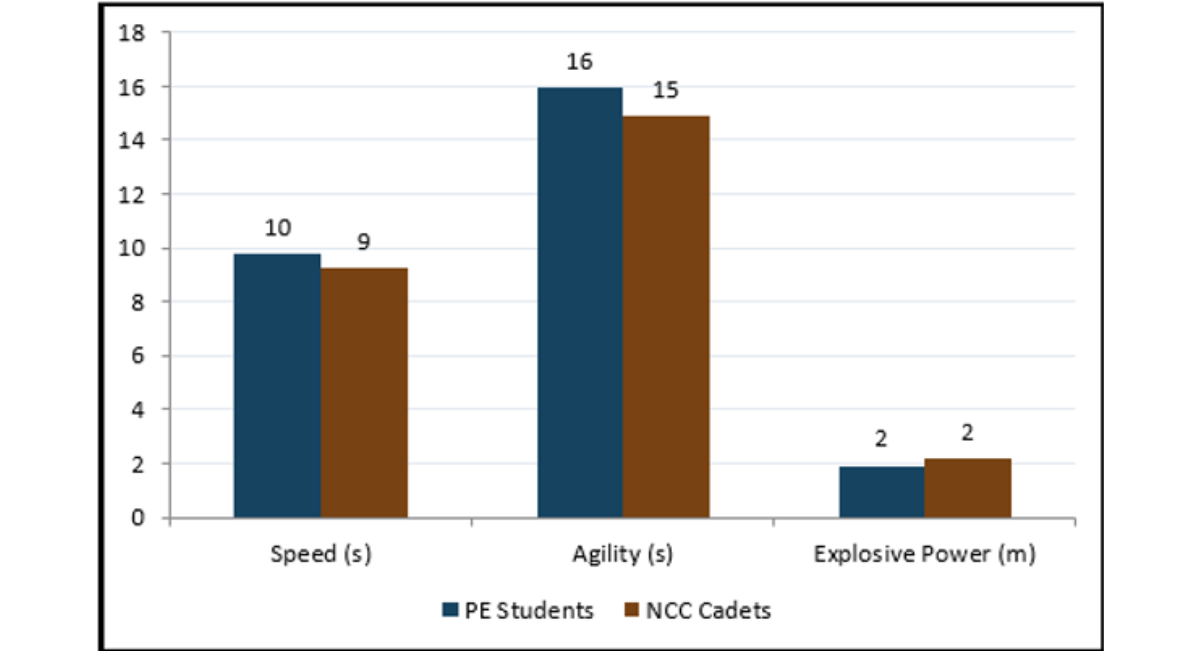
Figure 1: Physical Attributes: Mean Score Comparison
Note: Speed was found not significant (p = 0.369; PE: 9.785 s & NCC: 9.275 s), Agility was found significant (p = 0.014; PE: 15.95 s & NCC: 14.91 s), and Exp. Power was found significant (p = 0.001; PE: 1.927 m & NCC: 2.185 m).
For agility, PE students demonstrated a mean SUMO Agility Test time of 15.950 s (SD = 1.347), compared to 14.912 s (SD = 1.536) for NCC cadets. A statistically significant between-group difference was observed, t (58) = −2.517, p = .014, with NCC cadets exhibiting superior agility performance (d = 0.73, medium-to-large effect). This finding indicates that military-style drills involving frequent direction changes and coordinated movement patterns may confer enhanced agility compared with conventional PE training.
Explosive muscular power, as indexed by the standing broad jump, yielded a mean of 1.927 m (SD = 0.249) for PE students and 2.185 m (SD = 0.217) for NCC cadets, with NCC cadets demonstrating superior performance. However, upon inspection of the t-test result, t (58) = 3.464, p = .001 (d = 1.10, large effect), NCC cadets outperformed PE students in this domain. This result underscores the effectiveness of structured cadet training in developing lower-body neuromuscular power.
Physiological Parameters
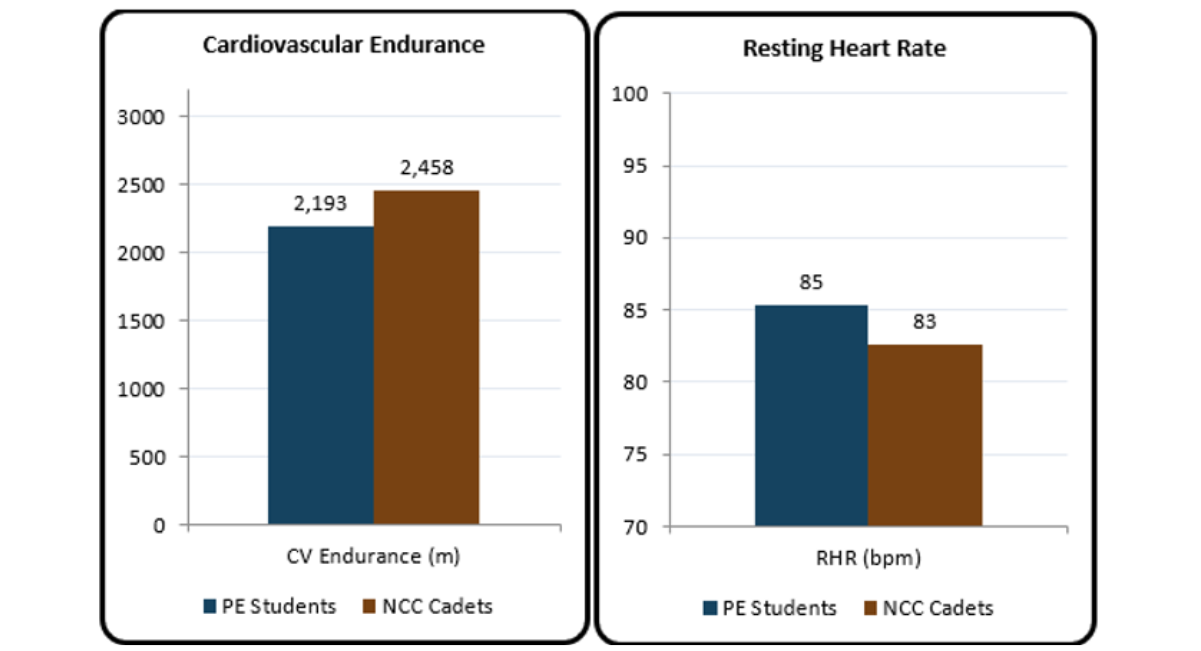
Figure 2: Physiological Parameters: Mean Score Comparison
Mean RHR for PE students was 85.300 bpm (SD = 9.158) versus 82.533 bpm (SD = 9.186) for NCC cadets. The difference was not statistically significant, t (58) = −1.596, p = .115 (d = 0.30, small effect), suggesting that resting cardiac function is comparable across the two groups. Both groups recorded mean RHR values within the upper range of normative values for physically active young adults, indicating scope for improvement in cardiovascular efficiency through intensified aerobic training.
Cardiovascular endurance, assessed via the 12-Minute Cooper Test, revealed that NCC cadets (M = 2457.53 m, SD = 583.55) covered significantly greater distances than PE students (M = 2193.23 m, SD = 448.39), with t (58) = 2.295, p = .025 (d = 0.51, medium effect). This significant difference reflects the sustained aerobic conditioning inherent in NCC training, which typically incorporates long-distance marching, route marches, and endurance drills.
Psychological Traits
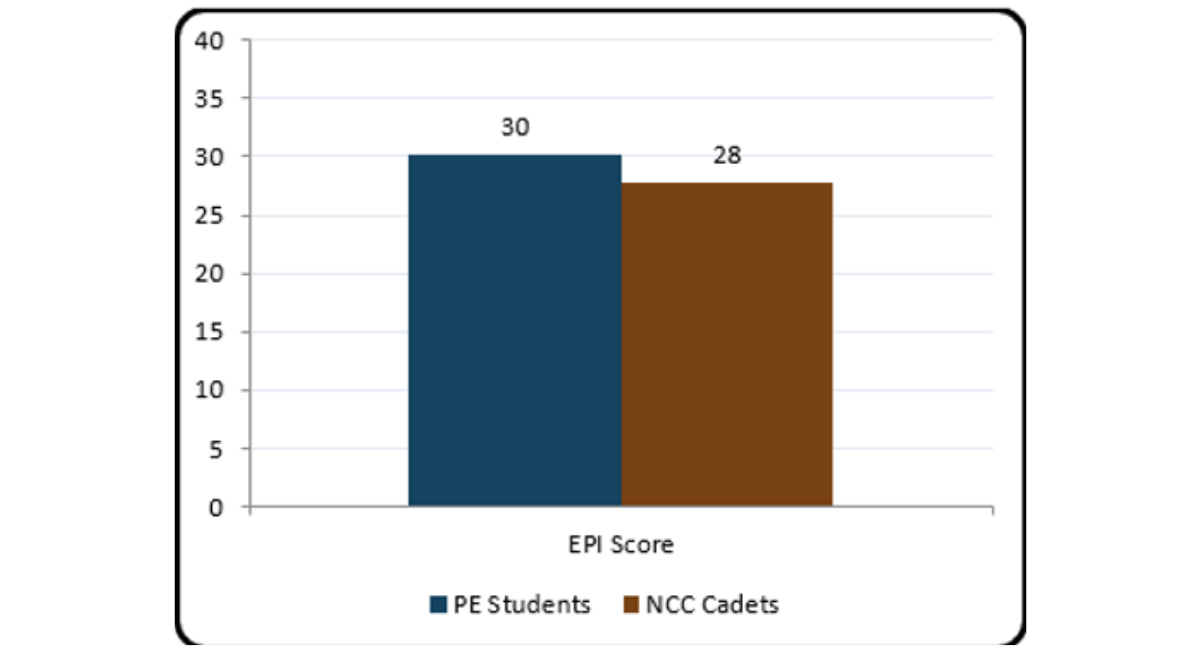
Figure 3: Psychological Traits: Eysenck Personality Inventory
Note: A 57-item standardized questionnaire was used to measure neuroticism–extraversion dimensions, assess competitive stress & achievement motivation developed by Eysenck & Eysenck (1964). No significant difference was found‒both groups share similar personality trait profiles, suggesting comparable psychological dispositions (PE Students Mean: 30.133 ± 2.849; NCC Cadets Mean: 27.733 ± 4.975; t-value = -1.888; p-value = 0.063 (not significant).
EPI scores for PE students (M = 30.133, SD = 2.849) and NCC cadets (M = 27.733, SD = 4.975) did not differ significantly, t (58) = −1.888, p = 0.063 (d = 0.60, medium effect approaching significance). While the effect size indicates a moderate practical difference, the p-value marginally exceeded the predetermined significance threshold, suggesting a trend toward higher EPI scores among PE students. Future studies with larger sample sizes may yield sufficient statistical power to determine whether this trend reaches significance.
Table 1 also shows that the mean and standard deviation of Resting Heart Rate (RHR) for physical education students were 85.30 ± 9.15, while for senior division national cadet corps, they were 82.53 ± 9.18. This indicates an insignificant difference in RHR between the two groups, as the calculated t-value of -1.59 and the p-value of 0.11 was not significant at the 0.05 level. Additionally, the mean and standard deviation of cardiovascular endurance for physical education students were 2193.23 ± 448.39, while for senior division national cadet corps, they were 2457.53 ± 583.55. This indicates a significant difference in cardiovascular endurance between the two groups, as the calculated t-value of 2.29 and the p-value of 0.02 were significant at the 0.05 level. Finally, the mean and standard deviation of EPI for physical education students were 30.13 ± 2.84, while for senior division national cadet corps, they were 27.73 ± 4.97. This indicates an insignificant difference between the two groups, as the calculated t-value of -1.88 and the p-value of 0.06 was not significant at the 0.05 level.
DISCUSSION
This study systematically compared physical, physiological, and psychological attributes between PE students and Senior Division NCC cadets, with the overarching aim of characterizing how distinct structured training environments shape health-related fitness profiles in young adult males. The findings collectively highlight the multidimensional nature of fitness adaptations and emphasize that no single training modality is universally superior across all fitness domains.
The absence of a significant between-group difference in linear speed is consistent with previous investigations that found no significant difference in speed between basketball and handball players (Meitei & Singh, 2024) and between cricket and softball players [13,20]. Speed is a fundamental motor quality influenced by neuromuscular efficiency, limb length, and fast-twitch fiber composition—characteristics that may be relatively equalized between groups sharing similar age, sex, and training volume, even when the modality of training differs [11].
The significant superiority of NCC cadets in agility aligns with the structured nature of military drill training, which demands precise and rapid directional changes in formation marching, obstacle courses, and tactical exercises. Comparable patterns have been documented in sport-specific studies, where athletes with training emphasizing quick directional transitions demonstrate superior agility [21]. In contrast, PE curricula may allocate relatively less time to agility-specific conditioning, potentially explaining the observed differential.
The significantly greater explosive muscular power among NCC cadets is noteworthy. The standing broad jump requires coordinated, maximal neuromuscular recruitment of the lower extremities—a capacity enhanced by drill-based physical conditioning that often incorporates plyometric-type activities. This finding resonates with Charishma, whose study documented superior muscle strength performance in NCC girls compared to non-NCC controls, and with Singh, who identified significant power differences between team sport athletes employing distinct training modalities [22,23].
The non-significant difference in RHR between the two groups is consistent with findings reported by Sharma and Singh, who found no significant between-group difference in resting heart rate between football and hockey players [14]. While both groups demonstrated acceptable RHR values, the slightly lower mean RHR observed in NCC cadets (82.53 vs. 85.30 bpm) may reflect a trend toward greater parasympathetic tone associated with sustained aerobic training a physiological adaptation commonly reported in endurance-trained populations.
NCC cadets’ superior cardiovascular endurance, as indexed by the 12-Minute Cooper Test, corroborates research demonstrating the cardiorespiratory benefits of military-style physical conditioning. Sustained aerobic activities including long-duration marches, camp activities, and structured endurance drills likely drive enhanced mitochondrial density, cardiac output, and oxygen utilization efficiency in NCC cadets [24]. Similar findings were reported by Charishma, who documented significantly superior cardiovascular fitness among NCC adolescents compared to non-NCC peers. This finding further underscores the cardiovascular health benefits of sustained, structured aerobic programs in youth populations [1,21,22].
The absence of a significant between-group difference in EPI scores suggests that personality traits, as assessed by the EPI, are broadly similar between PE students and NCC cadets, notwithstanding their distinct training contexts. This finding is noteworthy given that personality characteristics such as extraversion and neuroticism are trait-level constructs with substantial heritability, likely rendering them resistant to modification by training environment alone. However, the medium effect size (d = 0.60) and marginally non-significant p-value (p = .063) suggest that a type II error cannot be entirely excluded; a larger sample may yield a significant result. The trend toward higher EPI scores among PE students may reflect greater social engagement and expressive behaviors inherent in physical education settings compared to the more regimented NCC environment [25-28].
Collectively, these findings have meaningful implications for exercise prescription and training program design in higher education settings. The NCC training framework appears to confer significant advantages in agility, explosive power, and cardiovascular endurance, suggesting that integrating elements of military-style conditioning such as agility drills, plyometric training, and sustained aerobic activities into PE curricula could enhance the physical fitness profiles of PE students. Conversely, the comparable performance of PE students in speed and personality traits suggests that academic physical education programs successfully cultivate foundational motor and psychological attributes.
LIMITATIONS OF THE STUDY
Several limitations of the present study warrant consideration. First, the sample was restricted to one institution in Tripura, India, limiting generalizability to broader populations. Second, the exclusively male sample precludes inference about female PE students or NCC cadets. Third, the cross-sectional design precludes causal inference; longitudinal designs are needed to establish the directionality of training-fitness relationships. Fourth, dietary habits, sleep quality, prior athletic experience, and socioeconomic background were not controlled for, and may have confounded the observed results. Fifth, while the EPI is a validated instrument, it captures only two broad personality dimensions; more comprehensive personality assessments may yield richer psychological profiles. Finally, the relatively modest sample size may have limited statistical power for detecting small-to-medium effects, particularly for the EPI comparison [29,30].
CONCLUSION
This cross-sectional investigation revealed that Senior Division NCC cadets demonstrated statistically significant superiority over PE students in agility, lower-body explosive power, and cardiovascular endurance—fitness components fundamentally shaped by the sustained, structured, and discipline-intensive nature of military cadet training. In contrast, no significant between-group differences were observed in linear speed, resting heart rate, or personality traits as measured by the EPI, suggesting that these parameters may be more robustly determined by biological predispositions and shared developmental factors than by program-specific training stimuli.
For both Speed & RHR‒both groups show comparable 50m sprint times and resting heart rate, indicating similar cardiovascular baseline fitness. The Personality (EPI) has shown no significant difference in EPI scores — both groups develop similar psychological trait profiles. Linear speed, RHR, and personality traits can be considered equivalent across PE and NCC training pathways. Agility (p = 0.014) among NCC cadets demonstrate significantly better agility, reflecting benefits of military drill-based training, Explosive Power (p = 0.001) for NCC cadets show substantially greater lower-body power in the standing broad jump test, finally CV Endurance (p = 0.025) among NCC cadets cover significantly more distance in the Cooper run, indicating superior aerobic capacity.
These findings have practical implications for the enhancement of physical education curricula in Indian higher education institutions. Incorporating agility training, plyometric exercises, and sustained aerobic conditioning into PE programs may bridge the performance gap observed between PE students and NCC cadets in these fitness domains. Future research should employ longitudinal designs, larger and more diverse samples, and multi-site methodologies to advance understanding of how structured physical training programs shape the holistic health profiles of young adults in India and comparable contexts.
ACKNOWLEDGMENTS
The authors extend their sincere appreciation to the PE students and NCC cadets of Ramkrishna Mahavidyalaya, Kailashahar, Unakoti District, Tripura, who voluntarily participated in this study. Their commitment and cooperation were indispensable to the successful completion of this research. The authors also acknowledge the institutional support provided by Arunachal University of Studies and Manipur University in facilitating this collaborative investigation.
AUTHORS DECLARATION
The authors declare no conflicts of interest. All participants provided informed verbal consent prior to participation. Correspondence concerning this article should be addressed to Dr. Sandip Sinha, School of Physical Education & Sports Science, Arunachal University of Studies, Namsai, Arunachal Pradesh-792103 (India). Email: sandip.s@arunachaluniversity.ac.in
REFERENCES
- Guthold R, Stevens GA, Riley LM, Bull FC. Global trends in insufficient physical activity among adolescents: a pooled analysis of 298 population-based surveys with 1.6 million participants. Lancet Child Adolesc Health. 2020;4(1):23-35. [Crossref] [Google Scholar] [PubMed]
- Carter MC, Burley VJ, Nykjaer C, Cade JE. Adherence to a smartphone application for weight loss compared to website and paper diary: pilot randomized controlled trial. J Med Internet Res. 2013;15(4):e32. [Crossref] [Google Scholar] [PubMed]
- Lenk KM, Nelson TF, Toomey TL, Erickson DJ, Winters KC. Alcohol use and alcohol-impaired driving among college students: does off-campus residence status matter? Traffic Inj Prev. 2012;13(6):592-598. [Crossref] [Google Scholar] [PubMed]
- Nelson MC, Lust K, Story M, Ehlinger E. Alcohol use, eating patterns, and weight behaviors in a university population. Am J Health Behav. 2007;32(4):428-437. [Crossref] [Google Scholar] [PubMed]
- Quinn PD, Fromme K. Subjective response to alcohol challenge: a quantitative review. Alcohol Clin Exp Res. 2011;35(10):1759-1770. [Crossref] [Google Scholar] [PubMed]
- Sparling PB, Snow TK, Rosskopf LB. Cardiovascular risk profiles and leisure-time physical activity in college graduates. Int J Sports Med. 1999;20(8):542-545. [Crossref] [Google Scholar] [PubMed]
- Von Ah D, Ebert S, Ngamvitroj A, Park N, Kang DH. Predictors of health behaviours in college students. Journal of advanced nursing. 2004;48(5):463-74. [Crossref] [Google Scholar] [PubMed]
- Althoff T, Sosič R, Hicks JL, King AC, Delp SL, Leskovec J. Large-scale physical activity data reveal worldwide activity inequality. Nature. 2017;547(7663):336-339. [Crossref] [Google Scholar] [PubMed]
- McGill HC, McMahan CA, Zieske AW, Tracy RE, Malcom GT, Herderick EE, et al. Association of coronary heart disease risk factors with microscopic qualities of coronary atherosclerosis in youth. Circulation. 2000;102(4):374-379. [Crossref] [Google Scholar] [PubMed]
- Patton GC, Sawyer SM, Santelli JS, Ross DA, Afifi R, Allen NB, et al. Our future: a Lancet commission on adolescent health and wellbeing. Lancet. 2016;387(10036):2423-2478. [Crossref] [Google Scholar] [PubMed]
- Davis B, Bull R, Roscoe J, Roscoe D. Physical education and the study of sport. 4th ed. Edinburgh: Mosby; 2000. [Google Scholar]
- Colakoglu T, Er F, Ipekoglu G, Karacan S, Colakoglu FF, Zorba E. Evaluation of physical, physiological and some performance parameters of Turkish elite orienteers. Procedia Soc Behav Sci. 2014;152:403-408. [Crossref] [Google Scholar]
- Meitei NM, Singh LS. Assessing motor abilities in basketball and handball players: a comparative study. Educ Adm Theory Pract. 2024;30(5):8515-8520.
- Sharma HS, Singh LS. Comparative studies on physiological and physical variables of hockey and football players in Manipur. Int J Innov Res Multidiscip Field. 2020;6:763-765.
- Sharma HS, Singh LS. Study on resting heart rate and muscular strength of hockey and football players in Manipur. Our Herit. 2020;68(30):1312-1319.
- Singh LS, Marco T, Singh J. A comparative study on selected motor abilities among cricket and softball players. Proceedings of the International Conference on Renaissance in Sports; 2019. p. 194-196.
- Eysenck HJ, Eysenck SB. Manual of the Eysenck personality inventory. University of London Press Limited; 1964. [Google Scholar]
- Cooper KH. A means of assessing maximal oxygen intake: correlation between field and treadmill testing. JAMA. 1968;203(3):201-204. [Crossref] [Google Scholar] [PubMed]
- Cohen J. Statistical power analysis for the behavioral sciences. 2nd ed. Hillsdale (NJ): Lawrence Erlbaum Associates; 1988. [Google Scholar]
- Sharma HS, Singh TS, Dingku I, Singh LS. Comparison of speed, endurance and agility between lawn and soft tennis players in Manipur. J Phys Educ Sports Sci. 2018;518-521.
- Gill M, Deol NS, Kaur R. Comparative study of physical fitness components of rural and urban female students of Punjabi University, Patiala. The Anthropologist. 2010 ;12(1):17-21. [Crossref] [Google Scholar]
- Charishma P, Navaneetha R. A comparative study on physical fitness among National Cadet Corps and non-National Cadet Corps adolescent college girls. Int J Health Sci Res. 2022;12(2):266-270. [Crossref] [Google Scholar]
- Singh LS, Singh SS, Singh WJ. Analysis of selected motor abilities among team games. Int J Fitness Health Phys Educ Iron Games. 2022;9(2):1-7.
- Kumar S, Kumar A. Comparison of physiological variables between students of education and physical education. Int J Physiol Nutr Phys Educ. 2019;4(2):127-130.
- Santosh LS, Meitei NM, Jameson AS. Comparative analysis on selected physiological variables between football and hockey players. In: Women in sports. Research Publication; 2023. p. 173-186.
- Singh LS, Singh KB. A comparative study of cardio-respiratory endurance of inter-university footballers and inter-collegiate footballers. Int Res J Sports Glimpses. 2013;11:24-28.
- Singh LS, Singh M, Singh K. A comparative study on selected motor abilities between badminton and table tennis players. Int J Physiol. 2023;8(1):8-10.
- Singh S. Comparative study of selected motor fitness components between football and hockey players. Int J Phys Educ Sports Sci. 2022;17(1):45-51.
- Bahr N. The adolescent learner. In: Pendergast D, Main K, Bahr N, editors. Teaching middle years: rethinking curriculum, pedagogy, and assessment. 3rd ed. New York: Routledge; 2017. p. 21-46. [Google Scholar]
- Jewell AE. An introduction to physical education. Philadelphia: W.B. Saunders; 1969. [Google Scholar]

Article Processing Timeline
| 2-5 Days | Initial Quality & Plagiarism Check |
| 25-35 Days |
Peer Review Feedback |
| 45-60 Days | Total article processing time |
Why Publish with us?
Ethics & Policies
Editorial & Management
Useful Links
Journal Highlights
Open Access Journals
Membership
Journal Flyer