


Journal of Climate Change and Pollution
ISSN:
3108-2025 (Online)
DOI Prefix (Crossref): 10.67238
 Download PDF
ABSTRACT
The major source of fresh water for the global population is groundwater and is used for domestic, agricultural, and industrial uses. It is also the major sources of drinking water in many areas which is abstracted through groundwater utilization for private or public use. This study tries to review and assess groundwater utilization quality and provides treatment methods for water contaminates presentation. Groundwater quality includes physico-chemical and biological parameters which were equally assessed in twelve (12) different groundwater or borehole sources in Mekelle City, Tigray region northern Ethiopia. The physico-chemical parameters analyzed were Color, Temperature, pH, Turbidity, EC, TDS, Salinity, Iron total, Copper, Chromium, Manganese, Total Alkalinity, Magnesium, Calcium, Calcium Hardness, Total Hardness, Fluoride, Chloride, Nitrate, Nitrite, Phosphate, and Sulfate. The biological parameters analyzed were total coliforms count, and faecal coliforms counts. Obtained laboratory results of physico-chemical qualities of the groundwater sources when compared with the World Health Organization recommended value revealed that all boreholes are basic with pH value greater than 7.0 and there is evidence of microbial pollutions, hence need for treatment to avoid health risks involved with drinking the sources. Treatment methods for domestic groundwater utilization include pH adjustment of the pH level because this is indicating the water is basic high concentration of hydro oxide ions. using Carbon dioxide (C02), aluminum sulfate and sodium bisulfate to lower the pH; Aqualite and granular Manganese dioxide media are employed in the treatment of Iron and Hydrogen Sulfide respectively; Sodium bicarbonate media is utilized in reducing the concentration of calcium and Magnesium; chlorinator and ultra violet sterilizers are used to kill bacteria, and viruses and other pathogenic microorganisms that causes water borne diseases. Finally, one borehole is indicating its WQI unsuitable category for drinking.
Keywords: Groundwater Utilization; Groundwater Quality; Contaminants; Treatment Methods
INTRODUCTION
Sources of water and its quality a very serious and vital issue for human being due to its link with health and welfare. It is one of the most important, valuable and renewable essential resources. There is plenty of it on the earth surface but the quality as well as the quantity to serve its intended purpose is where the problem lies. Water can originate from various sources which include rain water, surface water and groundwater. But the most important one if the groundwater which originates as a result of rainfall infiltration into the ground through the pores of rock and soil thus meeting the water table. It is normally abstracted through domestic groundwater like boreholes and essential used for human consumption. But due to high level of industrialization, unlawful waste management practice in urban areas, indiscriminate and improper disposal of both solid wastes and waste water, groundwater boreholes are contaminated which make it unfit for human consumption [1]. Also, water demand has increased due to population increase, urbanization, industrial as well as agricultural activities. Thus, the quest for alternative sources to satisfy water demand has led to the indiscriminate construction of groundwater boreholes by individual as coping strategy without any concern on the quality of water abstracted. This research focuses on water quality characteristics and treatment methods for each domestic groundwater borehole in order to reduce the risks of both short- and long-term exposure to water related diseases.
Review Methodology
Literature Search Strategy
The researcher assesses the published documents available over a decade related to potable water and attempts to find out the research gap. A comprehensive literature search strategy was employed to ensure adequate coverage of available scientific information. The search process involved identifying relevant publications from multiple electronic databases, institutional repositories, and grey literature sources.
Database and Sources
Scientific literature was searched from internationally recognized databases including; Google scholar, Scopus, Web of science, science Direct, springer Link, Wiley online Library, Taylor &Francis online, and JSTOR. These databases were selected because they contain peer-reviewed journal articles and scientific publications relevant to groundwater resources, environmental management, hydrogeology, and water quality assessment.
Additional information helping for this review was obtained from; Ethiopian Ministry of Water and Energy, Mekelle Water Supply and Sewerage Service Office, Ethiopian Geology Survey, Ethiopian Public Health Institute, Regional water Bureau Reports, and University repositories. Relevant postgraduate thesis, dissertations, technical reports, and project documents were also reviewed. Literature searches were conducted using combinations of keywords and Boolean operators (AND, OR); for example, Groundwater Utilization (groundwater utilization, domestic groundwater use, urban groundwater use, household water supply, groundwater abstraction, water demand), Groundwater Quality (Groundwater quality, Drinking water quality, water quality index, groundwater contamination, hydrochemistry), and geographic terms (Mekelle, Northern Ethiopia, Tigray, Urban Ethiopia).
Inclusion/Exclusion Criteria
To achieve the stated objectives of this study both primarily and secondary data were used. The inclusion criteria specify the characteristics that studies must possess to be included in the research. Publications were included if they focused on investigated groundwater utilization or quality, and method of treatment were conducted in Mekelle city or comparable Ethiopian urban settings, addressed domestic groundwater contamination or hydrochemistry, were published in peer-reviewed journals, were written in English, were published between 1990 and 2025. These criteria ensured the inclusion of relevant and high-quality literature directly related to the research objectives.
Studies were excluded if the focused completely on surface water resources, addressed agricultural irrigation without groundwater components and not in Mekelle city, unrelated to domestic water supply, lacked sufficient methodological details, duplicate publications, conference abstracts without full paper, publication year after 2000, and were unavailable in full text. The exclusion process helped improve the quality and relevance of the synthesized evidence.
Approach to literature Synthesis
The researcher employed a narrative and thematic synthesis approach. Narrative synthesis involves summarizing and interpreting finding from multiple studies, while thematic synthesis identifies recurring themes and patterns across the literature.
|
Thematic |
Description (Analysis system) |
|
Theme-1 |
Domestic Groundwater utilization |
|
Theme-2 |
Groundwater Quality Status |
|
Theme-3 |
Hydro-chemical Characteristics |
|
Theme-4 |
Groundwater Contamination Sources |
|
Theme-5 |
Public Health Impacts |
Table-1: The Findings Were Organized into the above Thematic Categories
Groundwater Quality and Sources of Pollution
The significance of water quality for human health cannot be overemphasized. Development in terms of economic, social, agricultural is an integral part of a healthy society. If the society is not healthy, every other sector will suffer. Ascertaining the quality of domestic groundwater borehole is very crucial especially when its purpose is for drinking [2]. Assessment of domestic groundwater quality is all about investigation of the physical, biological, and chemical properties of the borehole water.
Physico-Chemical Quality of Domestic Groundwater
The physico-chemical properties of water are a combination of physical and chemical properties of water. The physical qualities include all these qualities of water that can be detected using the human sense of sight, touch, taste, and small. These parameters include; color, taste and odor, temperature, suspended solid, etc. chemical quality describes all substances that are soluble or dissolved in water. Their presence cannot be easily detected except upon laboratory analysis. They can also impair the use of that water for its intended purpose. Examples of those parameters include dissolved cations and anions, toxic metals, organic and inorganic compounds, Biochemical Oxygen Demand (BOD), Chemical Oxygen Demand (COD), etc. some of these compounds appear in quantities that are detrimental to human health [3].
pH
pH has no direct impact on consumers. It is one of the most important operational water quality parameter which determines the suitability of water for various purposes with the optimum pH ranging 6.5-8.5. It determines the acidic and alkaline nature of water [4]. In general, a water with low pH (<6.5) could be acidic, soft and corrosive.
Temperature
Water temperature is an important property that determines water suitability for human use, industrial application and aquatic ecosystem functioning [5]. Although it is not used to evaluate directly portable water, but it governs to a large extent the biological species present and their rates of activities [6]. It also has effect on most chemical reactions that occur in natural water systems and solubility of gases in water. Groundwater temperatures vary based on the depth and characteristics of the aquifer from which they are drawn.
Total Dissolved Solid (TDS)
The TDS in water are represented by the weights of residue left when a water sample has been evaporated to dryness and it gives the general nature of groundwater quality and extent of contaminant [4]. They are compounds of organic and inorganic matter that are soluble in water. Concentrations of TDS in water vary considerably in different geological regions owing to differences in the solubility of minerals [7]. The concentration of dissolved solids in natural water is usually less than 500mg/l and it is satisfactory for domestic use as well as many industrial purposes like dyeing of cloths, manufacturing of plastics, pulp paper [8].
Electrical Conductivity (EC)
Electrical conductivity is the capacity of electrical current to pass through the water and it is directly related to concentration of ionized substances in water [1]. The salt concentration is measured generally by determining the EC of water. EC is a good measure of salinity hazard to crops [9]. Excess of it reduces the osmotic activity of plants and therefore interferes with water absorption and nutrients from the soil.
Turbidity
Turbidity is a measured of the extent to which light is either absorbed or scattered by suspended material in water. It is cloudy and prevents visibility [10]. It results from vegetable fibres and erosion of some colloidal materials such as clay, salt, rock fragments etc. the colloidal materials associated with turbidity provide adsorption sites for chemicals and biological organisms that may be harmful and cause undesirable tastes and odor [11].
Total Hardness
Total Hardness in water is primarily caused by the presence of calcium and magnesium, anions such as carbonate, bicarbonate, chloride and sulfate in water. It is defined as the sum of their concentration expressed in mg/l. water with hardness above 200mg/l may cause scale formation in the distribution system, boilers and irrigation pipes [9]. Groundwater exceeding the limit of 300mg/l is considered to be very hard and may cause heart disease and kidney problems [12]. Water Hardness limits its use for domestic, industrial, and agricultural activities. Hard water requires considerable amounts of soap to produce foam or lather.
Alkalinity
Alkalinity of water may be due to the presence of one or more of a number of ions which include hydroxides, carbonates, and bicarbonates. It defines the capacity of water to neutralize acid. Excessive alkalinity may cause eye irrigation in human and chlorosis in plants [13]. The measurement of alkalinity and pH is needed to determine the corrosiveness of water [14].
Major Cations
The cations which are present in the greatest concentration in most groundwater are calcium (Ca2+), Magnesium (Mg2+), Sodium (Na2+), and Potassium (K2+). Modest concentration of all the four elements are introduced to aquifers by rainwater. Dissolved Calcium and Magnesium in water are the two most common minerals that make water hard. Calcium occurs in water mainly due to the presence of limestone, gypsum and dolomite mineral [8].
Sodium salts (e.g., Sodium chloride) are used in all food and are found in drinking-water. It should be noted that some water softeners can add significantly to the sodium content of drinking-water [12]. Potassium is an essential element in both plant and human nutrition, and occurs in groundwater as a result of mineral dissolution, from decomposing plant mineral, and from agricultural runoff [15].
Major Anions
The anions which are present in the greatest concentration in most groundwater are Bicarbonate (HC3-), Sulfate (SO42-), Chloride (Cl-), and Nitrate (NO3-) and they are also introduced to aquifers through rainwater [16]. As water travels through the earth surface, Sulfates are picked up and dissolved in groundwater during infiltration of rainfall and groundwater recharge [1]. It is beneficial in irrigation practices especially in the presence of calcium [17].
High concentration of chloride indicates high degree of pollution. It originates from natural sources, sewage and industrial effluents; gives a salty taste to water and beverages at high concentration; may cause physiological damages and can be toxic to crops and unsuitable for irrigation and industrial uses. The main sources of nitrate in water is from the atmosphere, legumes, plant debris, animal excreta and intensive use of fertilizers for agricultural purposes and higher concentration of it causes illness known as infant methemoglobinemia, i.e., a blood disorder in which too little oxygen is delivered to body cells [17-18].
Heavy Metals
Heavy metals such as Arsenic (As), lead (Pb), mercury (Hg), cadmium (Cd), chromium (Cr), Zinc (Zn), Nickel (Ni), and Copper (Cu) etc., are very toxic and poisonous in small or low concentrations to both human and aquatic organisms. They are hazardous in very minute concentrations thus posing health risk [19].
The primary sources of lead in drinking water sources is soil containing lead, food growing in contaminated soil, old batteries, atmospheric sources such as combustion of waste oils and fuels with automobile exhaust. High levels of lead contamination in a child can also result in convulsions, major neurological damage, organ failure, coma and ultimately death. Also, moderate to low levels of exposure may alter physical and mental development, limit growth, decrease attentions span and hearing, and cause learning disabilities. In order to men and women, lead can increase blood pressure. Unlike other contaminants, lead do accumulate in the body over a period of time (bioaccumulation) and it will be stored both in brains, kidneys, bones, and other organs. In a child’s body, it can be stored in the blood for months and in the bones for years.
Arsenic is a semi-metal element and a member of the nitrogen family with atomic mass of 75. It occurs naturally in the earth and in the seas. The major sources of exposure are through consumption of food and water. It may also combine with other elements to form organic and inorganic arsenicals. Inorganic arsenicals are more toxic than the organic form and they are primarily present in water. Exposure to arsenic poses serious health effects as it is a known human carcinogen. Observable symptoms of arsenic poisoning are thickening and discoloration of the skin, stomach pain, nausea, vomiting, diarrhea, numbness in bands and feet, partial paralysis and blindness [11].
Cadmium exposure in drinking water sources causes liver and kidney damage, rental dis functioning and bone degeneration. It may be introduced into water sources through petroleum refined products, detergents, and phosphate fertilizers.
High concentration of copper in water sources can causes nausea, diarrhea, eyes, nose, and mouth irritation. It may also lead to kidney failure and death as well [20].
Zinc exposure in high concentration causes cholesterol and anemia problems in adults, nausea and vomiting in children etc. major sources of zinc in water originate from mining and metallurgical processing of zinc ores and its industrial application [21].
Pregnant mothers exposed to toxic mercury either through water or consumption of contaminated fish are liable to born physically and mentally deformed babies. Volcanic eruption, rocks and soils weathering, industrial applications and mining activities etc., all contribute mercury to water sources [20].
Chromium is one of the toxic metals detrimental to human health in small quantity. It can occur from weathering of rocks and soils, volcanic eruptions etc. burning of fossil fuels and production of plastics are other human activities that contribute chromium to water sources.
Biological Quality of Groundwater
Biological quality signifies the presence of bacteriological contamination which involves disease causing organisms. Mostly, these organisms are microscopic in nature. They are small living organisms inside water which when consumed will create much have to the consumer. Bacteriological analysis mainly includes estimation of total coliform and faecal coliform in order to investigate the suitability of water for consumption thereby preventing water borne disease. The quality of the water is determined by the number of coliforms which can be counted in a volume of water. Therefore, emphasis and awareness on water quality needed for consumption purposes, especially for developing country, like Ethiopia should be encouraged.
Sources of Groundwater Pollution
Water pollution is any chemical, physical or biological change in water quality that is hazardous or harmful when in contact or consumed [3]. Domestic groundwater boreholes are contaminated when it cannot serve its intended purpose and also constitutes irritation to users. The possibility of domestic groundwater contamination and pollution is due to the infiltration of toxic chemicals, fertilizers, industrial and waste disposal substances in to groundwater. A wide variety of materials have been identified as contaminants found in groundwater [18]. These contaminants include synthetic organic chemicals, hydrocarbons, inorganic cations and anions, pathogens and radionuclides. Once a groundwater formation is contaminated, it is very difficult for it to be restored [22]. There are point sources and non-point sources. Point sources discharge contaminants at specific locations either through pipelines or sewers e.g. leaky underground storage facilities, septic tanks, sewage treatment, plants, underground mines accidental spills of both organic and inorganic substances etc [23]. Non-point sources include pollutants that are spread through rivers and pollutants that percolate into water tables. They can’t be traced to any specific location and is difficult to control. Some of the physico-chemical parameters which indicate groundwater pollution or otherwise are pH, color, Dissolved oxygen, electrical conductivity, turbidity, total Dissolved solids, salinity, hardness, Biochemical oxygen demand, Chemical Oxygen demand, Potassium (K+), Nitrate (No3-), sodium (Na+), Magnesium (Mg2+), Bicarbonate (HC03-), Sulfate (S042-), Chloride (Cl-), Calcium (Ca2+), Lead (Pb), Chromium (Cr), Zink (Zn), Candium [3].
Figure. 1 is a poorly sited domestic hand dug well (HDW) in Mekelle city (Adi-Daero kebelle) located at 2.5 m distance interval from waste disposal area. This particular HDW will be highly contaminated through infiltration especially during rainy season.
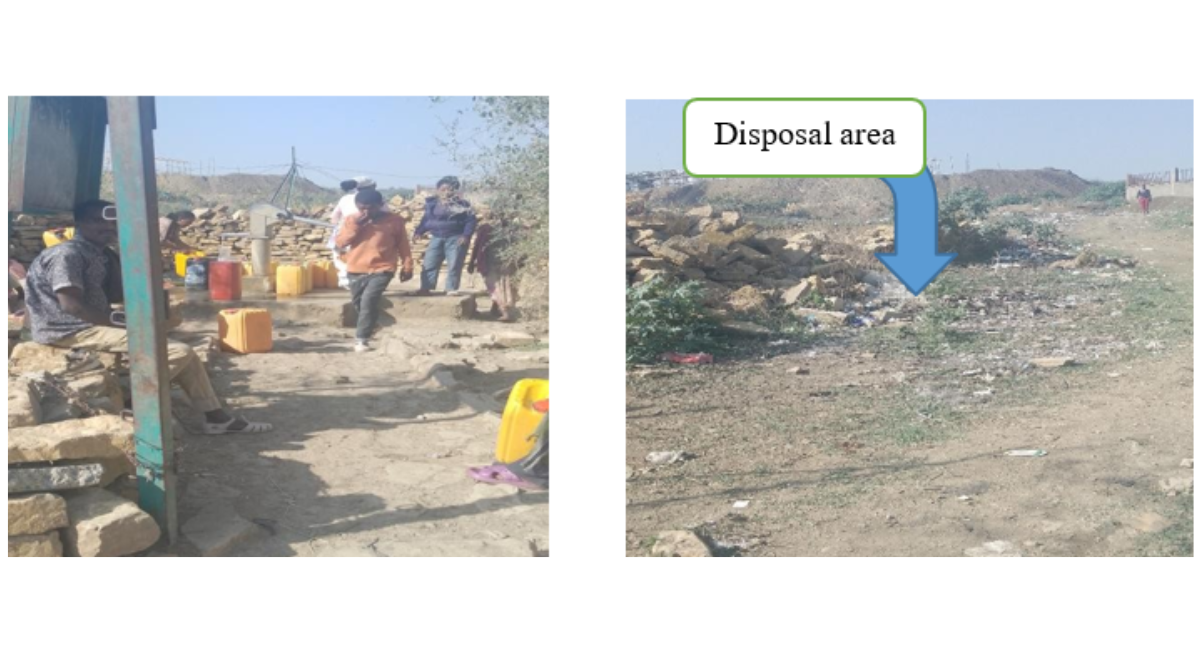
Figure 1: Poorly Sited Domestic Hand Dug Well (Source Site Visit)
Laboratory Analysis of Twelve (12) Domestic Groundwater Sources in Mekelle City, Tigray
Background of The Study Area
This study was carried out by randomly selecting 12 groundwater sources boreholes in Mekelle city. The study area Mekelle City, the capital of the Tigray Regional State in northern Ethiopia, is one of the country’s largest and fastest-growing urban centers. Geographically, it lies between 130 28’N latitude and 390 29’ E longitude, at an average elevation of 2,084 Meters above Sea level.
Mekelle is located approximately 783 KM north of Addis Ababa, the capital city of Ethiopia. The city covers an area of 109km2 and is administratively divided in to seven sub-cities: Semien, Hawelti, Kedamay Weyane, Ayder, Hadnet, Adi-Haki, and Quiha. These subdivisions encompass divers land use patterns ranging from residential, commercial, and industrial zones pre-Urban agricultural lands.
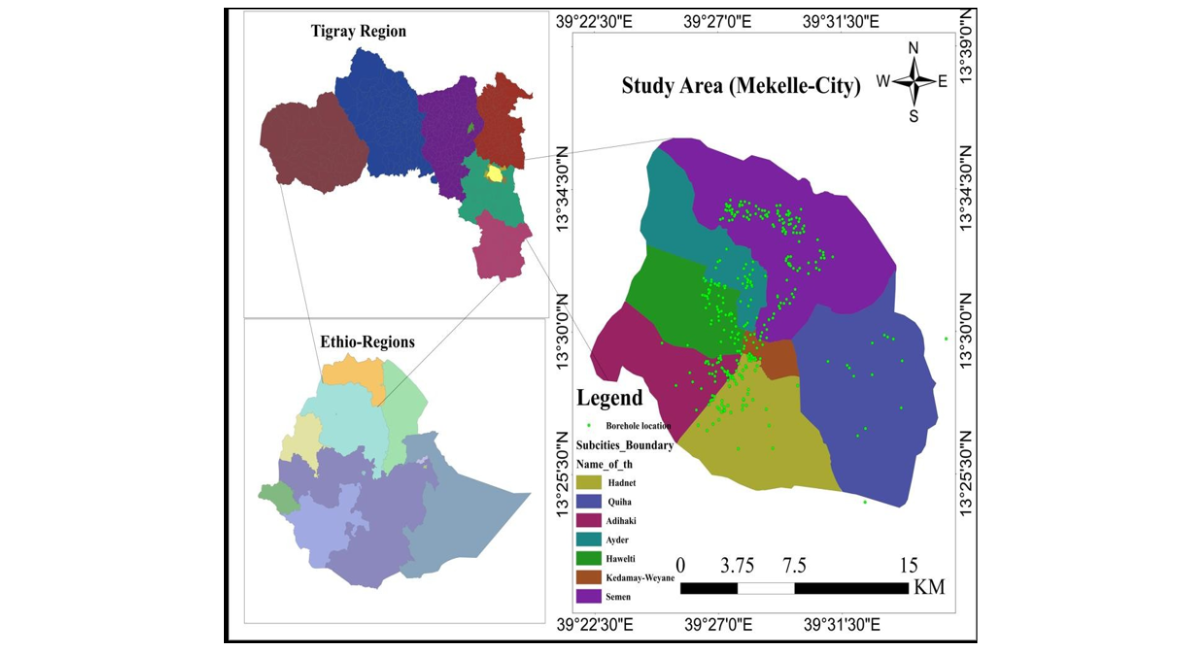
Figure 2: Study Area Description
It is a hosting community of Mekelle University, the first public university in Ethiopia. These sources selected were of higher demand by public and are also used for commercial purposes. Addresses and geo-reference coordinates are given in Table -2 which was done using Global Positioning System (GPS) receiver model GPS 72H GARMIN.
|
S/N |
SAMPLE CODE |
ADDRESS |
GPS LOCATION |
||
|
WEREDA-TABIA |
LONGITUDE |
LATITUDE |
|||
|
1 |
Old-Gomata-26 |
OG-26 |
Quiha / Mai-tsedo/ |
N-1489061 |
E-558853 |
|
2 |
New-Dandera-26 |
ND-26 |
Quiha / Mai-tsedo/ |
N-1487712 |
E-563174 |
|
3 |
B/Bhereseb-26 |
B/BS-26 |
Quiha /Egri-hariba/ |
N-1486964 |
E-564404 |
|
4 |
F-Daero-26 |
FD-26 |
Semien / Felegdaero/ |
N-1494749 |
E-556655 |
|
5 |
Chinferes: BH-5/26 |
BH-5/26 |
Enderta /Romanat/ |
N-1506780 |
E-547713 |
|
6 |
Chinferes: BH-3/26 |
BH-3/26 |
Enderta /Romanat/ |
N-1505537 |
E-546113 |
|
7 |
Chinferes: BH-1/26 |
BH-1/26 |
Enderta /Romanat/ |
N-1505359 |
E-546699 |
|
8 |
Aynalem: PW-5/26 |
PW-5/26 |
Hadnet /Aynalem/ |
N-1488096 |
E-552990 |
|
9 |
Aynalem: PW-4/26 |
PW-4/26 |
Hadnet /Aynalem/ |
N-1487817 |
E-557145 |
|
10 |
Aynalem: PW-3/26 |
PW-3/26 |
Hadnet /Aynalem/ |
N-1488594 |
E-553843 |
|
11 |
Aynalem: PW-1/26 |
PW-1/26 |
Hadnet /Aynalem/ |
N-1489209 |
E552823 |
|
12 |
A/H-70kare IDP |
70-IDP |
Adihaki / 70 Kare/ |
N-1489537 |
E-547269 |
Table 2: Twelve (12) Groundwater Sources BH Selected in Mekelle City and Their GPS Location
Sample Collection and Laboratory Determination of Water Quality Parameters
Samples of groundwater boreholes were collected from twelve (12) different locations already mentioned in order to ascertain its quality and conformity to the recommended drinking water value set by World Health Organization (WHO) based on health issues. Efforts were made to make sure samples collected were representative of the sources being evaluated. Collection, handling and transportation of borehole water samples to the Laboratory were done according to APHA, 1999. Laboratory procedures and analysis of water quality parameters were done in Chemical and Microbiological Laboratory of Mekelle University in June, 2026. The water samples were analyzed for different physical, chemical, and bacteriological, parameters using standard methods in APHA, 1999. Dissolved Oxygen was examined using DO meter while pH, TDS, EC, and Temperature were measured on the site using multi –meter (Hanna 9813-6) because they change with storage time [24]. Samples were analyzed in triplicates for each water quality parameter and the mean value was recorded.
RESULTS AND ANALYSIS
Obtained laboratory result of the physico-chemical and biological analysis of the twelve (12) groundwater sources boreholes sampled were summarized in Table 1 & 2 and also compared with the recommended standard value set by WHO with Water quality index calculation.
Water Quality Index (WQI) is commonly used for the detection and evaluation of water pollution and it may be defined as the reflection of composite influence of different quality parameters on the overall quality of water. The WQI of the study area during taking the samples (premonsoon) season analyzed here in the following table.
|
S.No |
Borehole Code |
Water Quality Index |
||
|
Ethiopian Standards |
WHO-Guide Lines |
Category |
||
|
1 |
OG-26 |
60.41 |
60.74 |
Good |
|
2 |
ND-26 |
17.12 |
17.29 |
Excellent |
|
3 |
B/BS-26 |
12.31 |
12.64 |
Excellent |
|
4 |
FD-26 |
93.27 |
92.71 |
Good |
|
5 |
BH-5/26 |
61.17 |
61.4 |
Good |
|
6 |
BH-3/26 |
51.34 |
50.91 |
Good |
|
7 |
BH-1/26 |
52.47 |
52.46 |
Good |
|
8 |
PW-5/26 |
263.17 |
261.76 |
Very Poor |
|
9 |
PW-4/26 |
223.68 |
223.2 |
Very Poor |
|
10 |
PW-3/26 |
52.9 |
53.44 |
Good |
|
11 |
F-1/26 |
605.59 |
603.63 |
Unsuitable |
|
12 |
70-IDP |
91.53 |
91.71 |
Good |
Summary WQI with Ethiopia Standard and WHO Guideline
|
S/No. |
Physico-chemical Pollutants (mg/l) |
OG-26) |
ND-26) |
B/BS-26 |
FD-26 |
BH-5/26 |
BH-3/26 |
BH-1/26) |
PW-5/21 |
PW-4/26 |
PW-3/26 |
F-1/26 |
70-IDP |
Ethiopian Standards |
WHO Guide Lines |
|
1 |
Appearance |
Non-obj. |
Non-obj. |
Non-obj. |
Non-obj. |
Non-obj. |
Non-obj. |
Non-obj. |
Non-obj. |
Non-obj. |
Non-obj. |
Non-obj. |
Non-obj. |
Non-obj. |
Non-obj. |
|
2 |
Color |
Non-obj. |
Non-obj. |
Non-obj. |
Non-obj. |
Non-obj. |
Non-obj. |
Non-obj. |
Non-obj. |
Non-obj. |
Non-obj. |
Non-obj. |
Non-obj. |
Non-obj. |
Non-obj. |
|
3 |
Odour |
Non-obj. |
Non-obj. |
Non-obj. |
Non-obj. |
Non-obj. |
Non-obj. |
Non-obj. |
Non-obj. |
Non-obj. |
Non-obj. |
Non-obj. |
Non-obj. |
Non-obj. |
Non-obj. |
|
4 |
Taste |
Non-obj. |
Non-obj. |
Non-obj. |
Obj. |
Obj. |
Obj. |
Obj. |
Non-obj. |
Non-obj. |
Non-obj. |
Non-obj. |
Non-obj. |
Non-obj. |
Non-obj. |
|
5 |
Temperature |
23.5 oc |
24.3 oc |
23.5 oc |
24.6 oc |
25.6 oc |
25.8 oc |
26.8 oc |
23.8 oc |
24.4 oc |
23.2 oc |
24.6 oc |
22.4 oc |
25 oc |
25 oc |
|
6 |
PH |
7.3 |
7.95 |
8.4 |
7.4 |
7.2 |
7.04 |
7.31 |
7.28 |
7.3 |
7.8 |
7.31 |
7.4 |
6.5-8.5 |
6.5-8.5 |
|
7 |
Turbidity (NTU) |
2.8 |
3.3 |
2.39 |
2.9 |
3.41 |
3.37 |
3.19 |
2.59 |
2.64 |
2.56 |
2.73 |
2.91 |
5NTU |
5NTU |
|
8 |
E C(µS/cm) |
1,466 |
1,521 |
1,277 |
2,400 |
736 |
986 |
904 |
928 |
1012 |
823 |
905 |
1,189 |
1500µS/cm |
2000µS/cm |
|
9 |
T D S (ppm) |
822 |
852 |
715 |
1,393 |
413 |
552 |
507 |
521 |
567 |
462 |
507 |
666 |
1000ppm |
1000ppm |
|
10 |
Salinity (ppm) |
0.9 |
0.9 |
0.7 |
1.2 |
0.3 |
0.4 |
0.5 |
0.6 |
0.8 |
0.5 |
0.4 |
0.6 |
1ppm |
1ppm |
|
11 |
Iron, Total (mg/L) |
0.05 |
0.11 |
0.02 |
0.98 |
0.37 |
0.26 |
0.12 |
0.024 |
0.011 |
0.007 |
0.065 |
0.053 |
0.3mg/L |
0.3 mg/L |
|
12 |
Copper (mg/L) |
1.48 |
0.93 |
1.18 |
1 |
1 |
0.08 |
0.69 |
0.092 |
1.28 |
1.42 |
1.83 |
1.34 |
2mg/L |
1.5 mg/L |
|
13 |
Chromium (mg/L) |
0.036 |
0.004 |
0.004 |
0.026 |
0.025 |
0.026 |
0.028 |
0.18 |
0.15 |
0.029 |
0.42 |
0.052 |
0.05mg/L |
0.05mg/L |
|
14 |
Manganese (mg/L) |
0.003 |
0.01 |
0.011 |
0.71 |
0.62 |
0.08 L |
0.23 |
0.49 |
0.48 |
0.4 |
0.78 |
0.036 |
0.5mg/L |
0.5mg/L |
|
15 |
Alkalinity, Total (mg/L) |
173 |
168 |
184 |
160 |
212 |
200 |
196 |
174 |
183 |
160 |
190 |
168 |
200mg/L |
500mg/L |
|
16 |
Magnesium, Mg2+ (mg/L) |
163 |
163 |
182.4 |
345 |
57.6 |
105.6 |
96 |
76.8 |
100.8 |
67 |
86.4 |
115 |
50mg/L |
200mg/L |
|
17 |
Calcium, Ca2+ (mg/L) |
272 |
272 |
304 |
576 |
96 |
176 |
160 |
128 |
168 |
112 |
144 |
192 |
75mg/L |
150mg/L |
|
18 |
Calcium Hardness as CaCO3 |
320 |
326 |
364.8 |
691 |
115 |
211 |
192 |
153.6 |
201.6 |
134 |
172 |
230 |
200mg/L |
200mg/L |
|
19 |
Total Hardness as CaCO3 |
680 |
680 |
760 |
1,440 |
240 |
440 |
400 |
320 |
420 |
280 |
360 |
480 |
300mg/L |
300mg/L |
|
20 |
Flouride, F- (mg/L) |
1.04 |
0.8 |
0.05 |
0.7 |
0.05 |
0.08 |
0.9 |
0.3 |
0.84 |
0.75 |
1.48 |
0.44 |
1.5mg/L |
1.5mg/L |
|
21 |
Chloride, Cl- (mg/L) |
126 |
140 |
204 |
210 |
28 |
92 |
54 |
135 |
62 |
51.2 |
195 |
138 |
250mg/L |
250mg/l |
|
22 |
Nitrate, NO3- (mg/L) |
9.8 |
0.18 |
0.84 |
1.6 |
1.06 |
1.72 |
0.55 |
5.01 |
5.6 |
9.4 |
0.96 |
0.57 |
50mg/L |
45mg/L |
|
23 |
Nitrite, NO2- (mg/L) |
0.22 |
0.016 |
0.27 |
0.42 |
0.57 |
0.25 |
0.39 |
0.24 |
0.24 |
0.37 |
0.47 |
0.24 mg/L |
3mg/L |
3mg/L |
|
24 |
Phosphate,as PO43- (mg/L) |
1.38 |
0.85 |
1.02 |
1.62 |
0.56 |
1.7 |
1.07 |
1.57 |
1.88 |
1.83 |
1.38 |
13.4 |
2mg/L |
2mg/L |
|
25 |
Sulate, SO42- |
542 |
658 |
540 |
1,223 |
83 |
153 |
111 |
286 |
402 |
215 |
279 |
403 |
250mg/L |
400mg/L |
|
Biological Parameters |
|||||||||||||||
|
26 |
Total Coliform (MPN/100ML) |
Positive |
Positive |
Nill |
Positive |
Positive |
Nill |
Nill |
Positive |
Positive |
Nill |
Positive |
Nill |
Nill |
Nill |
|
27 |
Faecal Coliform (MPN/100ML) |
Nill |
Positive |
Nill |
Nill |
Nill |
Nill |
Nill |
Positive |
Nill |
Nill |
Nill |
Nill |
Nill |
Nill |
Table 3: Results Of Physico-Chemical and Microbial Analysis in Comparison with WHO Recommended Standard Value
Note: NB. Non-Obj. means none objectionable which means acceptable or harmless
All of the analyzed groundwater borehole samples have pH greater than 7.0 indicating alkaline all met the recommended standards 6.5-8.5. Alkaline water can occur naturally due to geological and mineral formation of the underground. It can be corrosive and leach metals such as lead, coper, etc., from distribution pipes thereby causing health challenges if not treated. The physico-chemical water quality parameters are within the recommended limits and some are above that like EC, Total hardness, Ca+2, Mg+2, Calcium hardness, Manganese, alkalinity therefore it needs treatment method and needs disinfection using Calcium hypochlorite before any domestic & drinking purposes to protect Cross Contamination health.
Domestic groundwater borehole systems can become contaminated with potentially harmful bacteria and other microorganisms. Only Seven (7) of the borehole are microbiologically polluted with total coliform and faecal coliform. Total coliform are not indicator of faecal pathogens, instead they can be used to check the sanitary condition of distribution water systems [25]. Faecal coliform counts signifies the presence of disease-causing organisms and faecal contamination in water which poses health threats if consumed without proper treatment. Heterotrophic bacteria and fungi present in water poses no health risks to humans and have no guideline. But a high HBC count is an indication of ideal condition for bacteria growth which can be reduced greatly by ozonation, chlorination, and ultra violet radiation light [26].
Treatment Methods and Apparatus
In treatment of water supplies, the suitable equipment may vary according to levels of pollutants present and the quality of water used. Treatment options are recommended based on the results of the water quality analysis. This study to enable water supply owners and public agencies have in-depth knowledge of how to handle water quality issues and present exposure of humans to health hazards associated with consumption of water with such poor quality. Fig. 2 to 6 are research pictures taken during literature survey for treatment of water quality parameters. Some of the treatment methods are as follow.
a) pH Correction Unit (pH Adjustment)
A neutralizing filter made up of calcium carbonate or synthetic magnesium oxide is employed if the domestic groundwater is acidic (water with pH <6.5). Table -2 the pH result shows no any out of both standards (Ethiopian Water Quality Standard, and WHO). But Calcium carbonate is used when the pH of the domestic groundwater is above 6 while synthetic magnesium oxide is used for pH below 6. It comprises of a cylindrical fiber vessel about 1.2m tall shown in Fig.2a filled with a calcium carbonate-based media shown in Fig. 2b to neutralize the acid water. This process involves passing the water through the media which increase the pH value of water. It is fitted with a back-washing head shown in Fig. 2c for cleaning the media general accepted.
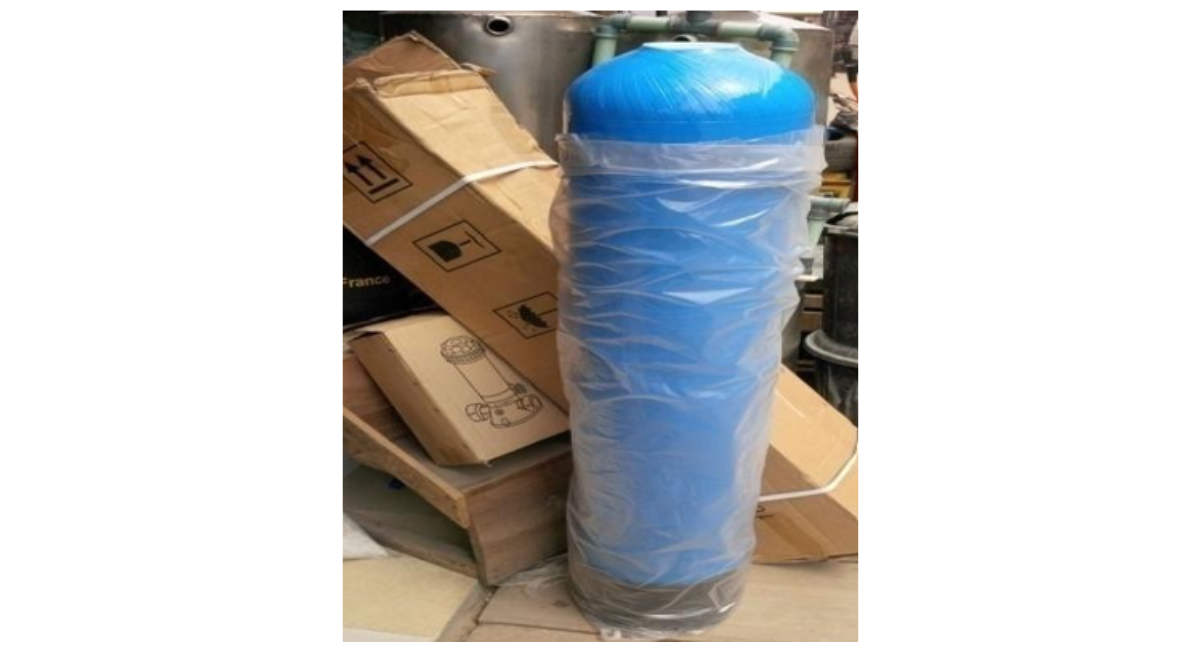
Figure 2a: Cylinder Fibre Vessel
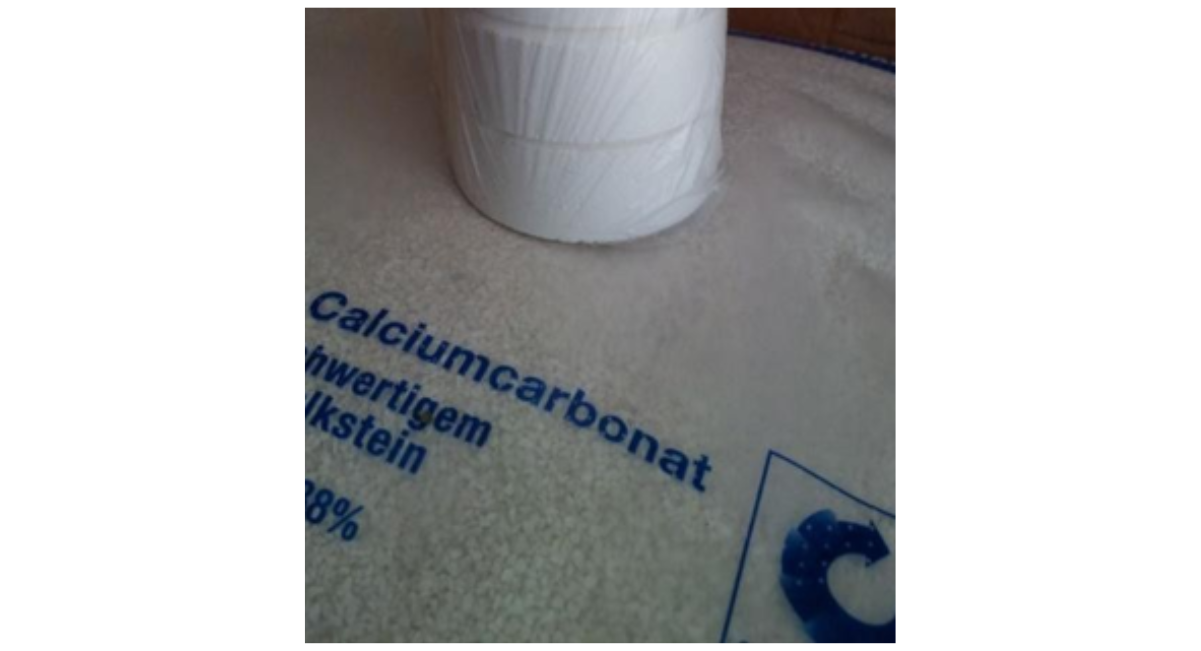
Figure 2b: Calcium Carbonate
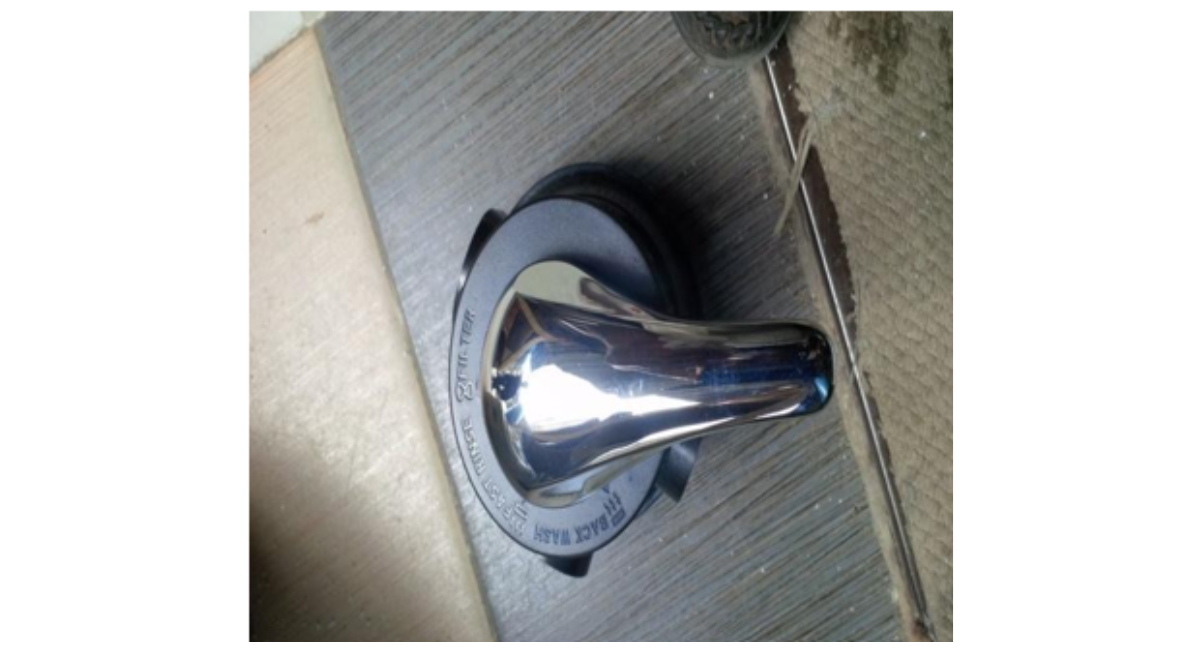
Figure 2c: Backwashing Head Knob Fitted on the Cylinder
Source: Maryann OE 2020 [27]
b) High Iron Level Correction Units
Iron is controlled public water supplies by passing the water through a specifically prepared media called Aqualite shown in Fig. 3a. It reduced the concentration level of iron in water. It is cleaned by backwashing. If there is a problem too with Manganese and Hydrogen Sulphide, another special media (granular Manganese dioxide) called MTM shown in Fig. 3b can be used to treat the water general accepted.
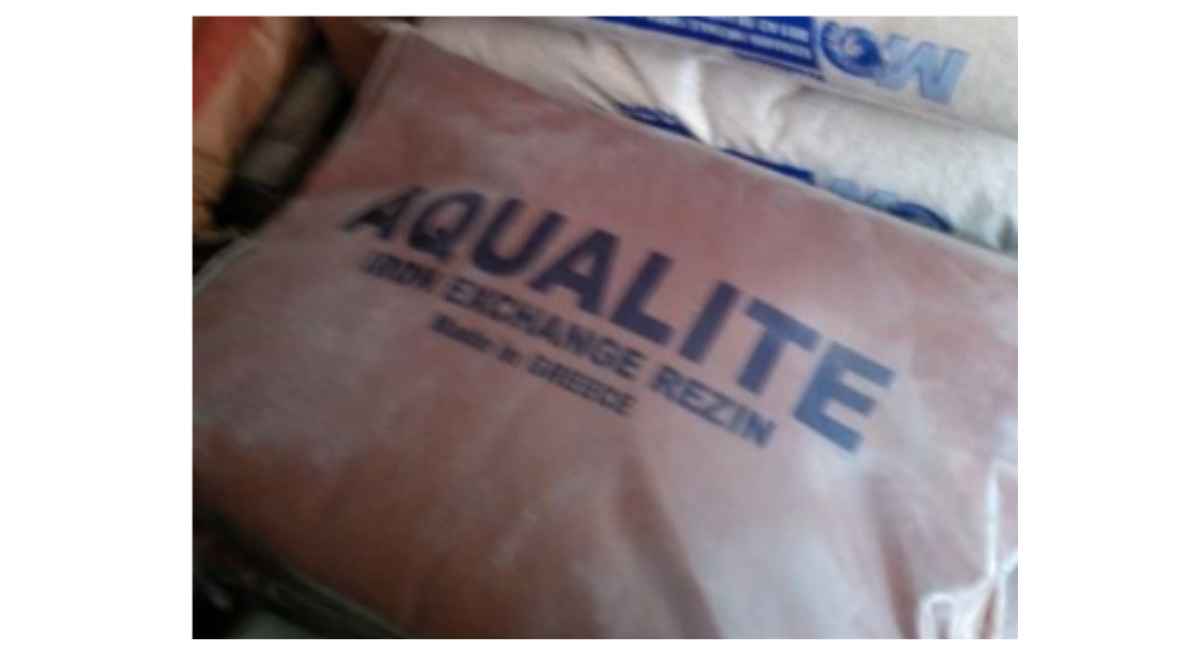
Figure 3a: Iron Exchange Rezin
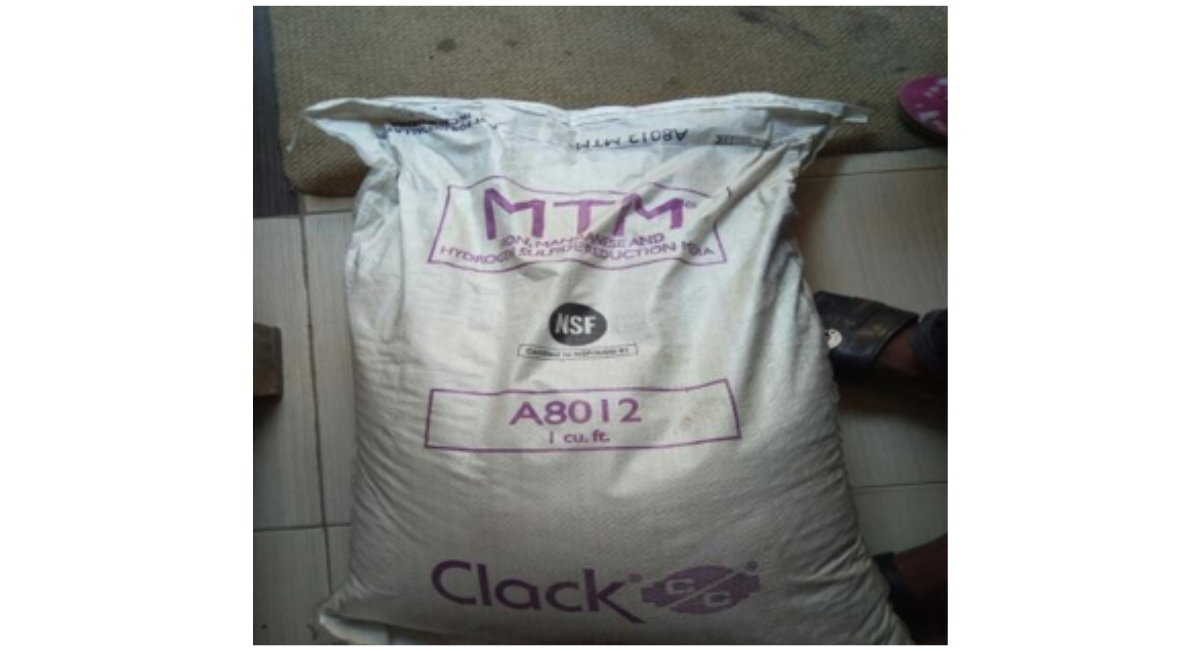
Figure 3b: Iron, Manganese and Hydrogen Sulphide Reduction Media
Source: Maryann OE 2020 [27]
c) High Magnesium Level Correction Unit
Hard water can be treated with water softeners. Water softeners are ion exchange resign that replace magnesium and calcium with sodium in water. They can also reduce iron and manganese content in water. When the domestic groundwater is passed through the softener system embedded with Sodium Carbonate beads, the hard water ions are collected. Then, the treated water is passed in to the water distribution systems for use. The resin beads in the cylinder of the softener systems must be regenerated with brine solution (Sodium Chloride) for effective removal action at least every three (3) months.
d) Heavy Metals Correction Unit
Heavy metals are removed by a particular activated carbon filter. They absorb pollutants to an activated carbo media. Private or home water systems make use of granular activated carbon treatment unit. Activated alumina filters, reverse osmosis, anion exchange, distillation, iron oxide filters are employed and very effective in reducing arsenic from drinking water [11].
e) Chlorinator and Ultra Violet Sterilizers (for Bacteria in Water samples)
Chlorination is used to kill coliform bacteria, pathogens, viruses and provide disinfected water for home used. Another advantage of chlorination is its ability to offer residual disinfection action on water home distribution system. One table of chlorine (shown in Fig. 4a) is feed into the chlorine feeder (Fig. 4b). The chlorine feeder is automatic and releases certain amount of chlorine in to the water as the water flows in and out of the feeder unit. The table is replaced every 3 months generally accepted.
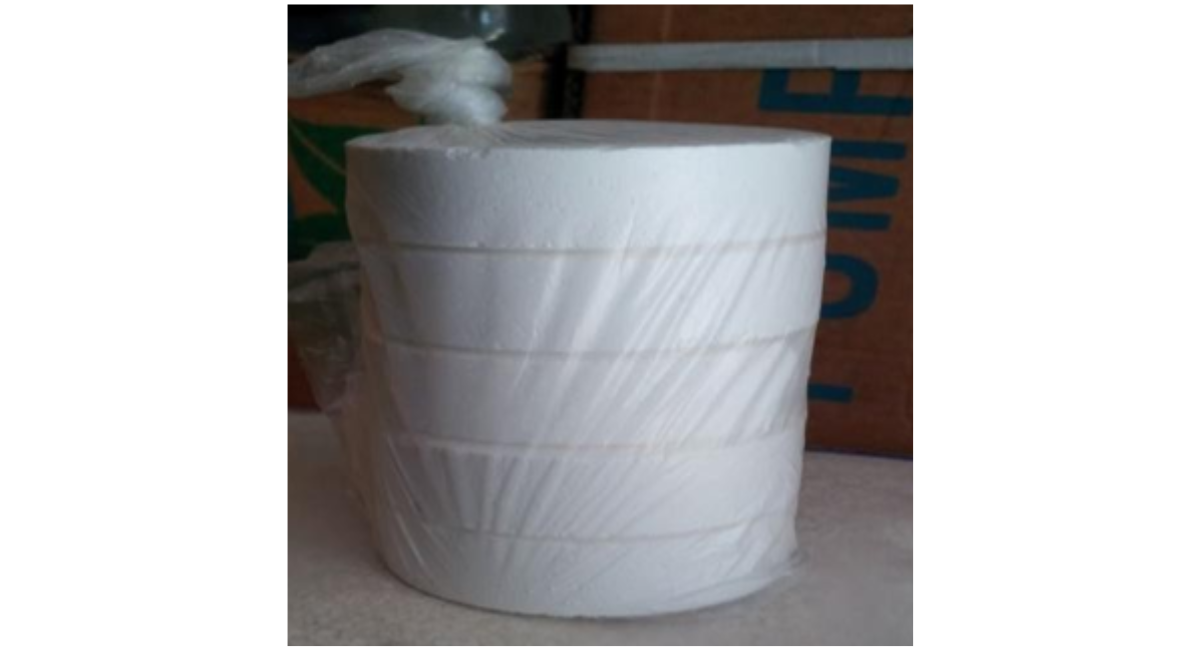
Figure 4a: Chlorine Tablets
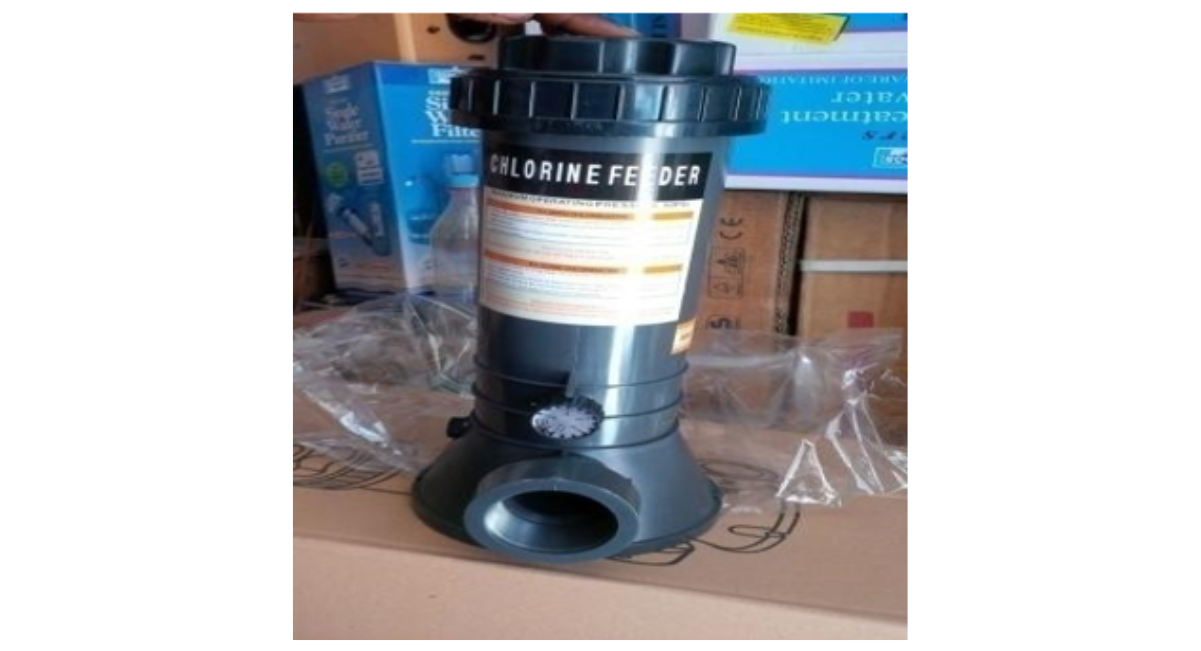
Figure 4b: Chlorinator
Source: Maryann OE 2020 [27]
Alternatively, ultra violet water treatment systems (UV sterilizers) can also be installed at home at point where drinking water is obtained to kill bacteria in water. Study carry out by Dirisu, revealed also that ultra violet radiation is very effective in treating coliform bacteria [28]. Micron sediment filter is fitted with the UV unit in front, in order to protect the ultra violet bulb as shown Fig. 5 generally accepted. The sediment filters and ultra violet bulbs should be changed yearly depending on the water quality and when the pressure of water coming out is low.
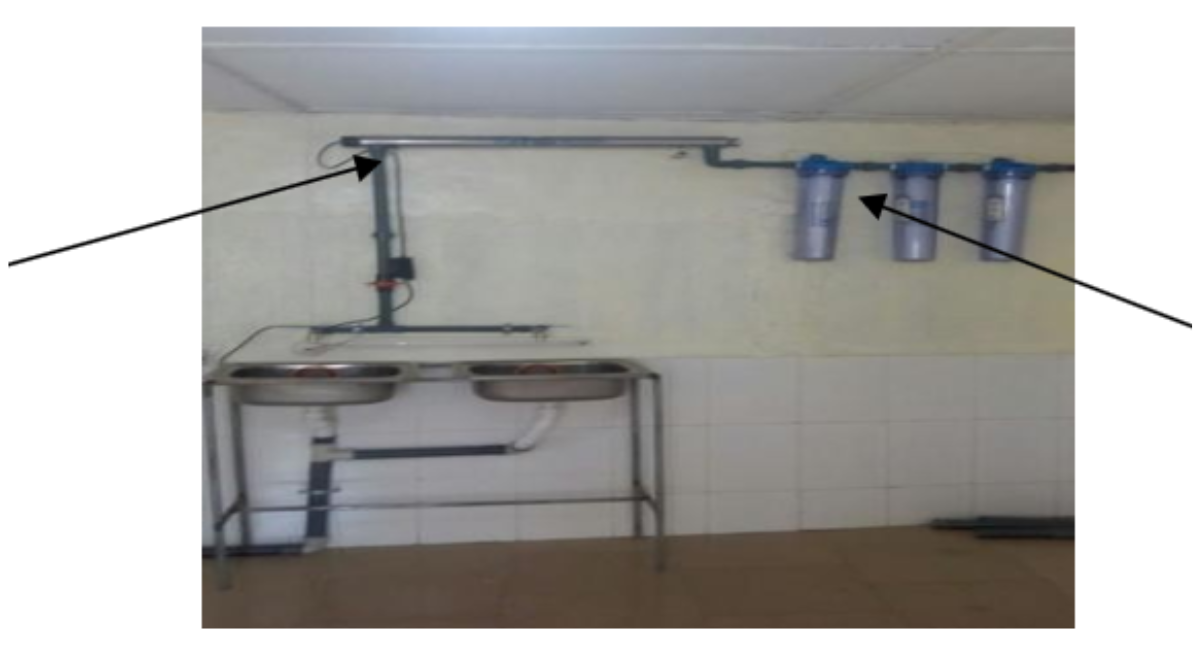
Figure 5: Ultra Violet Unit Fitted with Sediment Filters
Source: Maryann O. E, 2020 [27]
The treatment system can be installed anywhere within the compound provided the located area can easily be accessed for easy monitoring and maintenance of the system. It should also be properly guided and restricted to avoid children tampering with it. Most often water is transported from the treatment section to the clean storage tank from where it will be distributed to the house. Fig. 6 is treatment system installed in a house and its components.
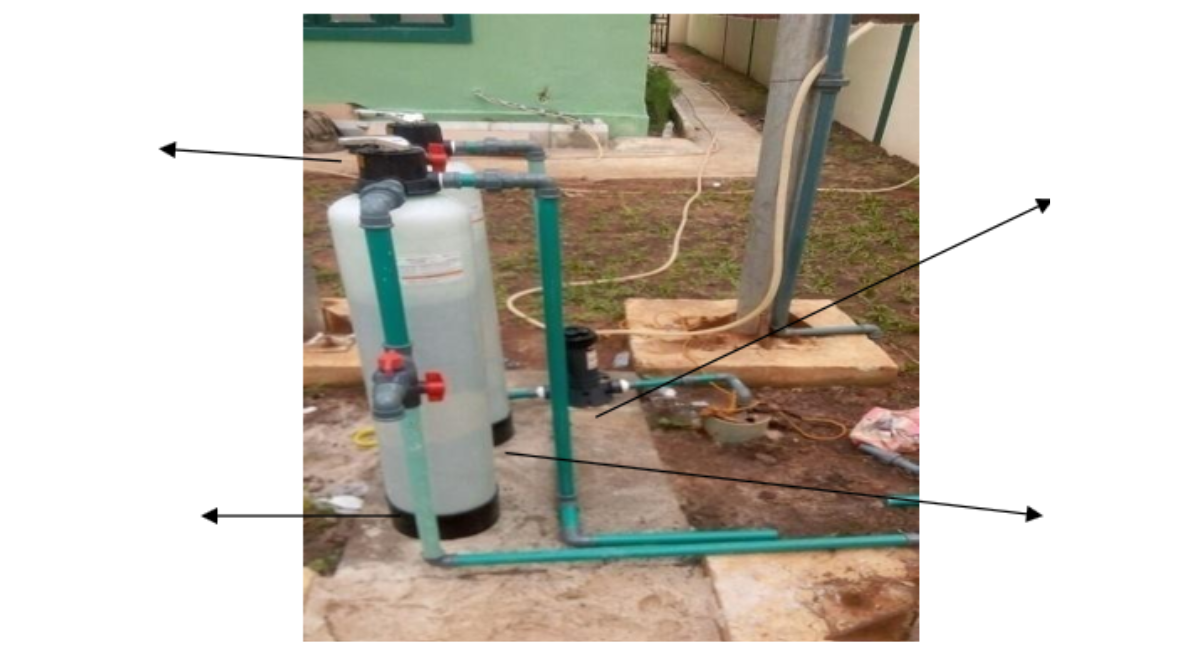
Figures 6: Treatment System Installed for House Use
Source: Maryann O. E, 2020 [27]
Maintenance of Treatment Systems
Efficiency of treatment system depends on balancing the size of treatment cylinder, the amount of water needed and the number of people in the family as well as the maintenance culture. There are need for effective maintenance to extend the life span and efficiency of the treatment unit as summarized in table 3 which was discovered during this research.
|
S/N |
Types of treatment unit |
Types of Maintenance |
|
1 |
Ultra Violet unit with Sediment filter |
UV bulb & sediment filters should be replaced annually. |
|
2 |
Chlorinator |
Chlorine tables to be replaced every 3 months. |
|
3 |
pH Correction Unit |
Backwashing is needed at regular interval and media should be changed after two years |
|
4 |
Softener unit |
Backwashing is needed at regular interval, surface media should be regenerated every 6 months and media should be changed after two years |
|
5 |
Heavy mental removal unit |
Activated carbon filter must be replaced regularly or periodically as the case may be. Small filter units can be changed on monthly basis depending on the degree of contaminants. Maintenance and servicing of the filter can be six (6) months interval. |
Table-4: Maintenance and Replacement Need in Treatment Systems
Source: Maryann OE 2020 [27]
CONCLUSION AND RECOMMENDATION
The first step in choosing a water treatment device is to have groundwater tested. Tests should be carried out in certified laboratory. If the result obtained indicates a problem i.e., water quality parameters exceeding the recommended value set by regulatory bodies like WHO and Ethiopian drinking Standards based of health implication, then there is needed for installation of necessary treatment systems to remedy it. Drinking of contaminated groundwater can seriously lead to long- and short-term health challenges. Assessing groundwater quality does not only reveal contaminants but also the degree and level of contamination. Laboratory result obtained the twelve (12) groundwater sources boreholes analyzed showed that the water is alkaline and polluted with pathogens thus requiring installation of pH correction unit and chlorinator for treatment. There is also need for periodical maintenance of water treatment systems installed at home to ensure maximum effectiveness and efficiency of the treatment units and actions but on these community the treatment method is directly add all the chemicals on the service reservoir. Health is wealth. Drink portable water all the time.
REFERENCES
- Singh K, Bharati V, Kumar S. Physicochemical and bacteriological investigation of Tuikhur Water, Saiha Town, Mizoram, India. Science Vision. 2011;11:27-30. [Crossref] [Google Scholar]
- Khan F, Husain T, Lumb A. Water quality evaluation and trend analysis in selected watersheds of the Atlantic region of Canada. Environmental Monitoring and assessment. 2003;88(1):221-48. [Crossref] [Google Scholar] [PubMed]
- Moayedi H, Huat BB, Asadi A, Kazemian S, Mohammad Ali TA. Groundwater quality assessment of Labuan Island. Int. J. Phy. Sci. 2011;6(18):4441-9. [Google Scholar]
- Ramesh K, Elango L. Groundwater quality assessment in Tondiar basin. Indian Journal of Environmental Protection. 2006;26(6):497. [Google Scholar]
- Subramani T, Krishnan S and Kumaresan PK (2012). Study of Groundwater Quality with GIS Application for Coonoor Taluk in Niligisi District. International Journal of Modern Engineering Research (IJMER) Vol. 2, Issue 3. pp. 586-592.
- Al – Layla MA, Ahmed S and Middlebrooks E (1978). Water Supply Engineering Design”.Ann Arbor Science Publishers Inc. Ann Arbor Michigam, pp 279.
- Ketata M, Gueddari M, Bouhlila R. Use of geographical information system and water quality index to assess groundwater quality in El Khairat deep aquifer (Enfidha, Central East Tunisia). Arabian journal of geosciences. 2012;5(6):1379-90. [Crossref] [Google Scholar]
- Karthikeyan, N.; Saranya A. and Sashikkumar, M.C. (2013). Spatial Analysis of Groundwater Quality for Visudhunagar District, Tamil Nadu Using GIS. International Journal of Remote Sensing of Geoscience (IJRSG) Vol. 2, Issue 4. pp 23-30.
- Ishaku JM, Ahmed AS, Abubakar MA. Assessment of groundwater quality using chemical indices and GIS mapping in Jada area, Northeastern Nigeria. Journal of Earth Sciences and Geotechnical Engineering. 2011;1(1):35-60. [Google Scholar]
- Agunwamba JC (2000): “ Water Engineering System” Immaculate publication Limited, Enugu, Nigeria.
- Wilkes Environmental Centre (2008): Wilkes University Center for Environmental Quality, Environmental Engineering and earth sciences.
- World Health Organization. Guidelines for drinking-water quality. World health organization. [Crossref] [Google Scholar]
- Sisodia R, Chaturbhuj M. Assessment of the water quality index of wetland Kalakho Lake, Rajasthan, India. [Google Scholar]
- Nicholas, P.C. (2007). Handbook of Water and Waste Water Treatment Technologies. Butterwofih-Heinemann, 225 Wildwood Avenue, USA. pp 10 -13.
- American Public Health Association (APHA) (1999). Standard Methods for the Examination of Water and Wastewater. 20th edition. American Water Works Association, Water Environment Federation, Washington, DC.
- Younger PL. Groundwater in the environment: an introduction. John Wiley & Sons; 2009. [Crossref] [Google Scholar]
- Nas B. Geostatistical Approach to Assessment of Spatial Distribution of Groundwater Quality. Polish Journal of Environmental Studies. 2009;18(6):1073. [Google Scholar]
- Balakrishnan P, Saleem A, Mallikarjun ND. Groundwater quality mapping using geographic information system (GIS): A case study of Gulbarga City, Karnataka, India. African Journal of Environmental Science and Technology. 2011;5(12):1069-84. [Crossref] [Google Scholar]
- Peavy HS, Rowe DR and Tchobanoglaus G (1985). Environmental Engineering. International Edition, McGraw-Hill Book Co. Singapore. pp 49-56.
- Gautam RK, Sharma SK, Mahiya S, Chattopadhyaya MC. Contamination of heavy metals in aquatic media: transport, toxicity and technologies for remediation. [Crossref] [Google Scholar]
- World Health Organization (2017). Zinc in Drinking water. Accessed 2017.
- Sincero GA, Sincero AP. Environmental Engineering: A design approach. 1996. [Google Scholar]
- Jha R, Singh VP, Vatsa V. Analysis of urban development of Haridwar, India, using entropy approach. KSCE journal of Civil Engineering. 2008;12(4):281-8. [Crossref] [Google Scholar]
- UNESCO/WHO/UNEP (1996). Water Quality Assessment a guide to use of biota, sediments and water in environmental monitoring.
- USEPA (2009). Groundwater and Drinking water. Accessed, 2017.
- World Health Organization (2011). “ Guidelines for drinking water quality” Fourth edition. Accessed, 2017.
- Maryann OE (2022) Domestic Borehole Quality and Treatment, Igbinedion University, 2020.
- Dirisu GB, Okonkwo UC, Okokpujie IP, Fayomi OS. Comparative analysis of the effectiveness of reverse osmosis and ultraviolet radiation of water treatment. Journal of Ecological Engineering. 2019;20(1):61-75. [Crossref] [Google Scholar]

Article Processing Timeline
| Stage 1 |
Initial Quality & Plagiarism Check The manuscript is reviewed for journal scope, basic submission requirements, ethical compliance, and similarity/plagiarism concerns. |
| Stage 2 |
Editorial Assessment & Peer Review Manuscripts that pass the initial screening undergo editorial assessment and independent peer review in accordance with the journal's peer-review policy. |
| Stage 3 |
Revision & Editorial Decision Authors may be requested to revise their manuscript based on reviewer and editor comments. A final editorial decision is made after the required review and revision stages are completed. |
| Stage 4 |
Production & Publication Accepted manuscripts proceed to production, author proofing, final quality checks, and online publication. |
EDITORIAL & PUBLICATION INFORMATION
| English | Publication Language |
| Single-Blind | Peer-Review Model |
| 17% | Acceptance Rate |
| <18% | Similarity Screening Guideline |
| Open Access | Access Model |
All manuscripts undergo editorial assessment and originality screening as part of the journal's evaluation process. The acceptance rate shown is based on journal-level editorial data and may change over time. Similarity reports are assessed editorially and are not interpreted solely on the basis of a numerical similarity score.
Why Publish with us?
Ethics & Policies
Editorial & Management
Useful Links
Journal Highlights
Open Access Journals
Journal Flyer