

Journal of Climate Change and Pollution
ISSN:
3108-2025 (Online)
DOI Prefix (Crossref): 10.67238
 Download PDF

Tigray Environmental Protection and Climate Change Authority, Mekelle, Ethiopia
ABSTRACT
Background
Environmental disruption is increasingly recognized as an important determinant of human, animal, and ecosystem health, particularly in fragile and conflict-affected settings. However, environmental governance and environmental infrastructure remain underrepresented within operational One Health recovery strategies. Following the 2020–2022 armed conflict in Tigray, Ethiopia, widespread disruption of healthcare, sanitation, waste management, and environmental regulatory systems created conditions potentially conducive to environmental contamination and increased health vulnerability.
Methods
A mixed-methods implementation science assessment was conducted in Tigray Regional State, Ethiopia. Quantitative components included healthcare waste assessments in nine hospitals, environmental assessments in eight urban centers, wastewater infrastructure evaluations, industrial effluent reviews, and legal compliance analysis of fifteen environmental policy instruments. Qualitative data were collected through key informant interviews (n = 48) and stakeholder validation workshops. Pre-conflict baseline information (2017–2018) was compared with post-conflict assessments conducted between 2024 and 2026. Findings were integrated to identify operational gaps and inform framework development.
Results
Substantial deterioration in environmental health systems was documented following the conflict. Functional controlled incineration capacity declined from five hospitals pre-conflict to two post-conflict. Open waste burning increased markedly across assessed facilities and municipalities, while municipal composting systems ceased operation. Wastewater treatment infrastructure operated at reduced capacity, and untreated wastewater discharge was observed across assessed urban centers. Stakeholders reported concerns regarding unmanaged animal carcasses, healthcare waste disposal, informal slaughtering practices, and environmental contamination. Environmental regulatory implementation was constrained by fragmented institutional mandates, limited financing, and reduced technical capacity. These findings informed development of a phased Environmental One Health recovery framework integrating healthcare waste management, environmental governance strengthening, community engagement, and wastewater-based epidemiology preparedness.
Conclusion
Environmental system disruption represents an important but often overlooked pathway linking armed conflict to One Health vulnerability. Strengthening environmental governance, healthcare waste management, wastewater systems, and community-based environmental engagement should be considered integral components of post-conflict One Health recovery planning. The proposed framework may provide a practical model for fragile and conflict-affected settings.
Keywords: One Health; Environmental Governance; Post-Conflict Recovery; Healthcare Waste Management; Wastewater-Based Epidemiology; Implementation Science; Fragile Settings
INTRODUCTION
Background
The One Health framework recognizes the interconnected nature of human, animal, and environmental health systems and promotes interdisciplinary approaches to disease prevention and public health resilience [1]. Recent global experiences with emerging infectious diseases, antimicrobial resistance, and environmental degradation have reinforced the importance of integrated surveillance and multi-sectoral governance [2,3]. Although One Health frameworks increasingly acknowledge environmental determinants of health, operational implementation in many low-resource and conflict-affected settings remains heavily centered on human and animal health sectors.
Armed conflict can substantially disrupt environmental governance, waste management systems, sanitation infrastructure, water services, and disease surveillance capacity [4,5]. The environmental consequences of modern warfare are increasingly recognized as severe and long-lasting. Recent evidence from Ukraine demonstrates that armed conflict causes extensive ecosystem degradation, destruction of environmental infrastructure, and unprecedented greenhouse gas emissions that challenge existing international legal frameworks for environmental protection [6]. Similarly, research in Tigray has documented substantial vegetation cover reductions, with declines of up to 57% in some districts, and dramatic increases in soil erosion rates following the 2020–2022 conflict, highlighting the profound ecological toll of armed hostilities [7]. These observations align with broader global patterns in which conflict-driven habitat destruction, pollution, and resource overexploitation devastate biodiversity and undermine conservation governance, creating conditions for prolonged ecological vulnerability [8]. Damage to environmental infrastructure may contribute to increased exposure to contaminated water, unmanaged healthcare waste, uncontrolled emissions, and zoonotic transmission pathways. In fragile settings, these disruptions often occur alongside population displacement, overcrowding, malnutrition, and weakened public institutions.
The challenge of operationalizing One Health in fragile and conflict-affected contexts extends beyond Tigray. Comparative analysis from Guinea-Bissau, a fragile state marked by political instability and weak governance, reveals that developing functional One Health surveillance systems requires addressing fundamental barriers including fragmented institutional mandates, insufficient funding, limited technical capacity, and the need for community engagement [9]. The Guinea-Bissau experience underscores that even with international support and policy commitment, operational One Health implementation demands sustained institutional reform and inter-sectoral coordination strategies that are particularly difficult to maintain in crisis-affected environments. Furthermore, recent analyses from Ukraine highlight that policy commitment alone is insufficient in conflict settings [10]. The Ukrainian experience demonstrates that armed conflict causes extensive damage to laboratory infrastructure, workforce displacement, surveillance blind spots, and disrupted multi-sectoral communication, creating conditions remarkably similar to those documented in Tigray [4]. These findings suggest that effective One Health operationalization in fragile settings requires institutionalized governance mechanisms, interoperable surveillance systems, and sustained investment in human resources and laboratory infrastructure, with environmental health components remaining critically under-integrated despite their relevance to long-term resilience.
The armed conflict in Tigray, northern Ethiopia, between 2020 and 2022 caused extensive destruction to healthcare infrastructure and municipal systems. Previous reports documented major disruptions in healthcare delivery, sanitation services, and environmental management systems throughout the region [4,11]. However, comprehensive operational assessments integrating environmental health, healthcare waste management, legal governance, and wastewater-based epidemiology within a One Health framework remain limited.
Given the emerging recognition of wastewater-based surveillance as a complementary population-level monitoring tool, its application in post-conflict settings warrants investigation. Recent advances demonstrate that wastewater-based surveillance can detect antibiotic resistance genes, track pathogen circulation, and reveal population-level health trends, particularly valuable where conventional clinical surveillance systems are compromised [12]. These approaches align with the One Health principle of integrating environmental sampling into disease surveillance frameworks [3].
Conceptual Framework
This study integrates three complementary frameworks [13,14,15]. First, implementation science was used to examine the gap between environmental policy mandates and operational practice in post-conflict settings [5]. Second, environmental complexity theory informed interpretation of environmental systems as active mediators of disease transmission and vulnerability rather than passive background conditions [14]. Third, wastewater-based epidemiology (WBE) was explored as a potential operational surveillance strategy capable of supporting disease monitoring where conventional clinical surveillance systems have been weakened [12,15].
Study Objective
The primary objective of this study was to develop an operational Environmental One Health recovery framework for post-conflict Tigray integrating healthcare waste management, environmental governance, and wastewater-based epidemiology within a phased implementation strategy, applicable to fragile and conflict-affected settings.
MATERIALS AND METHODS
Study Design
A mixed-methods implementation science design was employed, combining quantitative environmental and healthcare facility assessments with qualitative stakeholder inquiry and policy analysis. The study was conducted in four phases:
- Review of pre-conflict environmental and healthcare waste baseline data (2017–2018)
- Post-conflict environmental and healthcare assessments (2024–2026)
- Comparative analysis of pre- and post-conflict conditions
- Development and validation of an operational Environmental One Health framework
Study Area
The study was conducted in Tigray Regional State, Ethiopia, which has an estimated population of approximately 7.61 million people. Urban population increases associated with internal displacement were documented in multiple towns, including Mekelle and Shire.
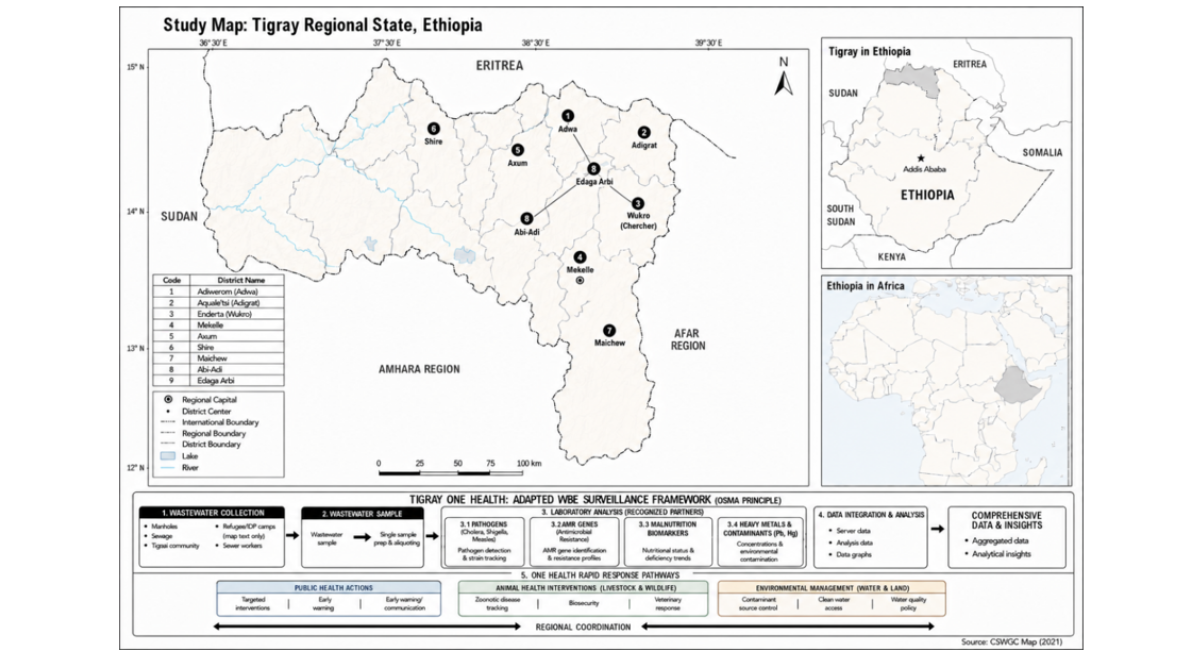
Figure 1: Study Area Map of Tigray Regional State; Ethiopia
Eight urban centers and nine hospitals were purposively selected based on geographic distribution, accessibility, healthcare service coverage, and availability of pre-conflict comparison data.
|
Town |
Pre-conflict population |
Post-conflict population |
Observed change |
|
Mekelle |
447,166 |
670,403 |
Major increase |
|
Shire |
78,345 |
158,645 |
Major increase |
|
Adigrat |
112,000 |
128,767 |
Moderate increase |
|
Axum |
74,360 |
99,878 |
Moderate increase |
|
Alamata |
59,000 |
99,252 |
Major increase |
Table 1: Urban Population Changes in Selected Tigray Towns Before and After Conflict
Quantitative Data Collection
Healthcare Waste Assessment
Healthcare waste audits were conducted across nine hospitals using structured assessment tools adapted from World Health Organization healthcare waste management guidance [3,16]. Data collected included:
- Waste segregation practices
- Incinerator functionality
- Waste storage conditions
- Presence of wastewater treatment systems
- Final disposal practices
- Availability of waste management budgets and staffing
Incinerator operating temperatures were measured using handheld infrared temperature monitoring devices during active combustion cycles.
Environmental Assessment
Environmental assessments included:
- Municipal solid waste observations in eight towns
- Wastewater discharge assessments
- Review of industrial effluent laboratory records from 5 facilities in addition to9 on-site measurements
- Soil and environmental observations across selected woredas
- Documentation of visible open burning and dumping sites
Laboratory analysis of environmental samples was conducted at the Addis Ababa Environmental Protection Authority laboratory using standard national analytical protocols.
Legal and Policy Compliance Assessment
Fifteen environmental policy instruments and regulatory frameworks were reviewed, including the Water Resources Management Proclamation No. 197/2000 [17], the Environmental Pollution Control Proclamation No. 300/2002 [18], Ethiopia's National One Health Strategic Plan [16], and standards aligned with the One Sample Many Analyses approach [19]. Findings were also contextualized against documented conflict impacts on biodiversity in other African settings [20]. A structured compliance matrix assessed the operational status of:
- Waste segregation requirements
- Effluent management systems
- Air emission controls
- Hazardous waste management procedures
- Environmental monitoring mechanisms
- Enforcement structures
Compliance was categorized as:
- Full implementation
- Partial implementation
- Minimal implementation
- No observable implementation
Qualitative Data Collection
Semi-structured interviews were conducted with 48 stakeholders representing:
- Health facilities
- Environmental protection offices
- Municipal authorities
- Veterinary services
- Community organizations
- Educational institutions
- Waste management personnel
Interviews explored perceptions of environmental degradation, operational barriers, institutional coordination, zoonotic risks, and priorities for environmental recovery.
A stakeholder validation workshop involving more than 100 participants was conducted to review preliminary findings and refine implementation priorities.
Data Analysis
Quantitative data were analyzed descriptively using comparative pre- and post-conflict indicators. Frequencies, proportions, and percentage changes were calculated.
Qualitative interviews were transcribed and analyzed using thematic content analysis. Coding focused on:
- Governance fragmentation
- Infrastructure disruption
- Community perceptions of environmental risk
- Operational implementation barriers
- Opportunities for recovery and surveillance
Triangulation was performed across quantitative observations, policy review findings, and stakeholder narratives.
RESULTS
Post-Conflict Healthcare Waste Management Disruption
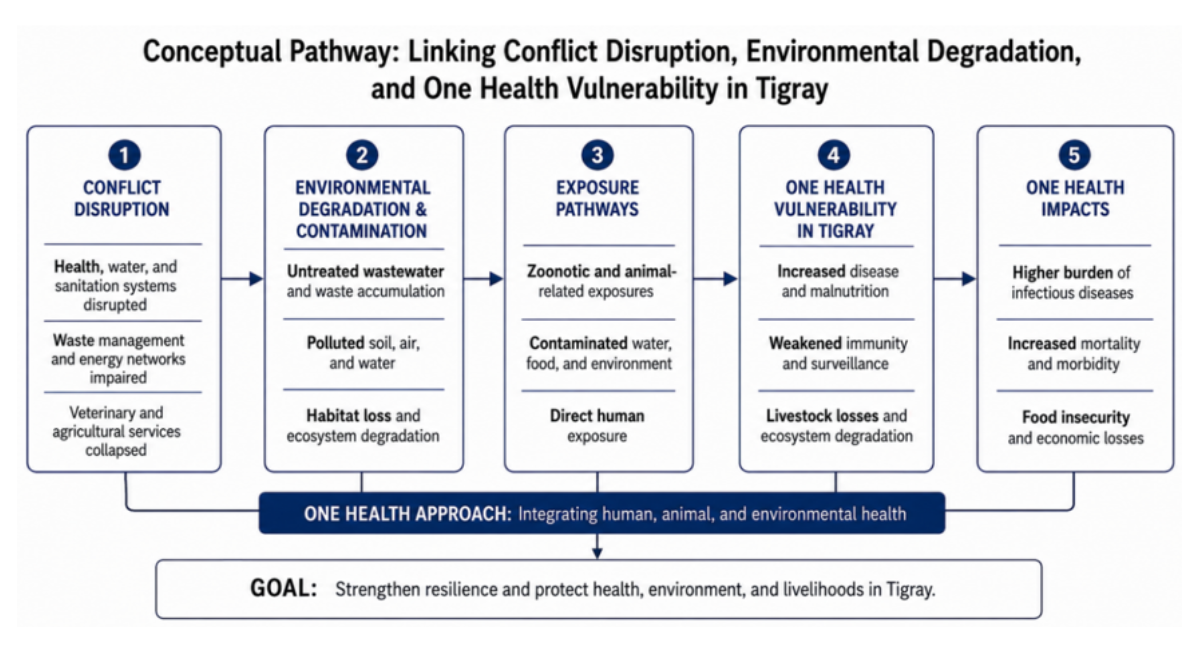
Figure 2: Conceptual Pathway Linking Conflict Disruption, Environmental System Degradation, and One Health Vulnerability
- Substantial deterioration in healthcare waste management systems was documented across assessed facilities.
- Controlled incineration capacity declined substantially following the conflict. Of nine hospitals assessed, only two maintained functional controlled incineration systems during the assessment period. Several facilities relied on open burning or low-temperature combustion methods.
- Waste segregation practices also declined considerably.
- Composting activities previously documented in multiple municipalities were no longer operational in assessed urban centers.
|
Indicator |
Pre-conflict |
Post-conflict |
|
Functional controlled incinerators |
5 hospitals |
2 hospitals |
|
Hospital Waste segregation practices |
100% |
100% |
|
Municipal composting programs |
88% of towns |
12.50% |
|
Hospital wastewater treatment systems |
0% |
0% |
|
Open waste burning |
44.4% of assessed hospitals |
77.80% |
Table 2: Selected Healthcare Waste Indicators Before and After Conflict
Hospital administrators and municipal officials identified lack of financing, equipment damage, disrupted supply chains, and shortages of trained personnel as major operational barriers.
Environmental Infrastructure and Wastewater Conditions
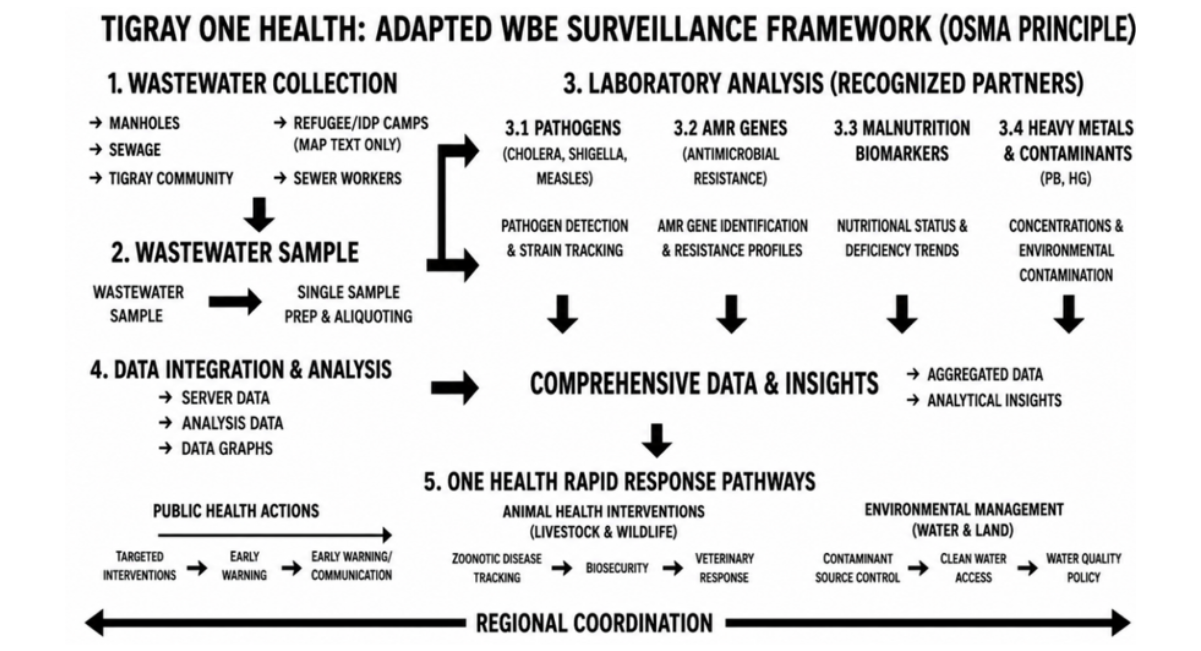
Figure 3: Proposed Wastewater-Based Epidemiology (WBE) Surveillance Framework Applying the One Sample Many Analyses (OSMA) Principle
- Environmental assessments documented widespread disruption of wastewater and solid waste systems.
- Untreated Industrial wastewater discharge points were identified in all assessed urban centers. Three wastewater treatment systems were non-functional at the time of assessment, while remaining systems operated with varying levels of reduced capacity.
- Open dumping and uncontrolled waste burning were commonly observed in peri-urban areas. Stakeholders reported increasing pressure on municipal waste systems associated with population displacement and urban overcrowding.
Industrial effluent reviews suggested recurrent exceedances of national discharge standards in selected mining, textile, and pharmaceutical sectors, particularly for phosphorus, sulfide, and chemical oxygen demand indicators.
Environmental Governance and Regulatory Implementation
|
Domain |
Observed operational gap |
Potential One Health implication |
|
Waste management enforcement |
Inconsistent municipal implementation |
Increased environmental contamination |
|
Wastewater regulation |
Limited monitoring and treatment capacity |
Waterborne disease vulnerability |
|
Hazardous waste oversight |
Weak disposal tracking systems |
Exposure to pharmaceutical and chemical waste |
|
Environmental surveillance |
Limited laboratory and field capacity |
Delayed outbreak detection |
|
Institutional coordination |
Fragmented sectoral responsibility |
Reduced response efficiency |
Table 3: Summary of Environmental Governance and Regulatory Implementation Gaps
Multiple institutions reported uncertainty regarding agency responsibility for environmental monitoring, wastewater regulation, and air quality enforcement. Budget limitations, laboratory constraints, transportation challenges, and reduced institutional staffing further limited operational implementation. Although environmental regulations and proclamations formally exist, operational enforcement mechanisms were inconsistently implemented across assessed hospitals, municipalities and industrial sectors.
Zoonotic and Community Health Concerns
Stakeholders consistently identified unmanaged waste, animal carcass disposal, informal slaughtering, and stray animal populations as increasing public health concerns following the conflict. Health professionals and veterinary personnel reported perceived increases in rabies exposure risk and concerns regarding environmental contamination associated with healthcare and pharmaceutical waste disposal. Community participants also described growing concern regarding water quality, smoke exposure from open burning, and inadequate sanitation systems in densely populated displacement settings.
Wastewater-Based Epidemiology Opportunities
Raw sewage discharge points and centralized wastewater collection sites were identified as potential locations for wastewater-based epidemiology surveillance. Stakeholders viewed WBE as potentially valuable for:
- Outbreak monitoring
- Antimicrobial resistance surveillance
- Environmental contamination assessment
- Community-level infectious disease trend analysis
Participants emphasized that WBE may provide supplementary surveillance capacity where conventional laboratory and clinical reporting systems are constrained.
Development of an Environmental One Health Operational Framework
Based on study findings, a phased Environmental One Health operational framework was developed.
Key framework components included:
- Decentralized healthcare waste treatment systems
- Wastewater-based epidemiology surveillance nodes
- Municipal waste segregation and composting systems
- Community environmental education programs
- Student-centered One Health Ambassador initiatives
- Environmental governance strengthening
- Inter-sectoral coordination mechanisms
A phased implementation strategy and indicative costing framework were developed in consultation with stakeholders.
|
Phase & Timeline |
Key Actions |
Lead Stakeholders |
Role of Tigray One Health Task Force |
Role of Tigray One Health Steering Committee |
|
Emergency Response (0–3 months) |
Establish and train rapid-response School One Health ambassadors. |
TEPCCA; Bureau of Health; Bureau of Education |
Coordinate rapid multi-sectoral response and deploy trained ambassadors. |
Approve emergency protocols and mobilize emergency resources. |
|
Demonstration Site Setup (3–12 months) |
Establish a zero-waste hospital model aligned with Wukro Saint Merry College. |
Wukro Saint Merry College; Bureau of Health; TEPCCA |
Facilitate collaboration among health, education, and environment sectors. |
Endorse the demonstration site and ensure policy alignment. |
|
Stabilization (12–18 months) |
Restore wastewater treatment systems; repair and operationalize incinerators; strengthen regulatory coordination. |
Bureau of Agriculture and Natural Resources; TEPCCA; Bureau of Health |
Supervise restoration activities and resolve inter-sectoral bottlenecks. |
Review regulatory frameworks and issue coordinated enforcement directives. |
|
Recovery (18–36 months) |
Scale decentralized waste-treatment technologies; introduce certification systems for safe practices. |
TEPCCA; Bureau of Agriculture and Natural Resources; Wukro Saint Merry College |
Provide technical oversight of technology scale-up and certify pilot sites. |
Set certification standards and monitor recovery milestones. |
|
Resilience (36–60 months) |
Expand regionally; institutionalize One Health; scale environmental surveillance systems. |
All stakeholders |
Lead regional scale-up coordination and train local One Health units. |
Institutionalize One Health structures and secure long-term funding and commitment. |
Table 4: Phased Tigray One Health Proposed Environmental Pillar Implementation Roadmap Across Emergency, Demonstration, Stabilization, Recovery, And Resilience Phases, With Sectoral Lead Stakeholders and Distinct Operational Roles of The Tigray One Health Task Force (Technical Coordination) And Tigray One Health Steering Committee (Strategic Governance).
Abbreviations: TEPCCA, Tigray Environmental Protection and Climate Change Authority
DISCUSSION
This study identified substantial disruption of environmental health systems in post-conflict Tigray and highlights the importance of environmental governance within One Health recovery planning. The findings suggest that healthcare waste disruption, unmanaged wastewater discharge, and weakened environmental enforcement structures may contribute to increased environmental and public health vulnerability in fragile settings [2,3,4]. These observations align with previous literature demonstrating the effects of armed conflict on sanitation systems, environmental contamination, and infectious disease transmission. A major contribution of this study is the operational integration of environmental governance, healthcare waste management, and wastewater-based epidemiology within a single implementation framework.
Although wastewater-based epidemiology has been widely applied in high-income settings during the COVID-19 pandemic, its application in post-conflict and resource-constrained settings remains limited [1,3,8,12]. The identification of existing wastewater discharge points as potential surveillance nodes may provide a pragmatic opportunity for supplementary disease monitoring where routine clinical systems are weakened. The study also underscores the importance of behavioral and institutional infrastructure. Stakeholders repeatedly emphasized that technology deployment alone is insufficient without community trust, local engagement, and sustained governance capacity. The proposed One Health Ambassador model reflects this emphasis on community-level implementation support.
The findings further suggest that environmental governance should receive greater operational emphasis within post-conflict recovery planning. In many fragile settings, environmental systems are treated primarily as secondary infrastructure concerns rather than determinants of health resilience. The observed overlap among unmanaged waste, sanitation disruption, animal exposure pathways, and displacement-related vulnerability highlights the need for more integrated approaches. However, these findings should be interpreted cautiously. The study was not designed to establish causal relationships between environmental indicators and disease outcomes. Geographic access limitations and incomplete surveillance systems constrained data collection. Additional longitudinal and comparative studies are needed to evaluate the effectiveness and scalability of Environmental One Health interventions in fragile settings.
POLICY AND IMPLEMENTATION IMPLICATIONS
The findings of this study have implications for governments, humanitarian agencies, donors, and One Health implementation partners.
- Environmental health indicators should be integrated more explicitly into national and regional One Health strategies and post-conflict recovery planning.
- Wastewater-based epidemiology may provide a cost-efficient supplementary surveillance mechanism where laboratory and clinical systems are disrupted.
- Decentralized waste treatment technologies may improve operational resilience in settings where existed infrastructure had been damaged or unreliable.
- School club-centered and community-based environmental engagement programs may support long-term sustainability and trust-building.
Hence, implementation financing mechanisms should include dedicated environmental recovery components alongside healthcare reconstruction investments.
CONCLUSION
Armed conflict disrupts environmental systems that protect human, animal, and ecosystem health. Environmental recovery is therefore a core component of One Health—not a separate sectoral activity. In post-conflict Tigray, this mixed-methods assessment found environmental governance, waste management, wastewater systems, and surveillance to be interconnected drivers of health-system resilience. The proposed Environmental One Health framework integrates wastewater epidemiology, decentralized technologies, governance strengthening, and community engagement in a phased model. Future research must assess effectiveness, scalability, and cost-effectiveness across fragile settings.
ETHICS
Ethics approval was obtained from the Tigray Environmental Protection and Climate Change Authority; Directorate of Environmental Studies and Capacity Development.
Written or verbal informed consent was obtained from all interview participants depending on literacy, security, and logistical conditions during field implementation. No personally identifiable information was retained within analytical datasets.
LIMITATIONS
This study was not designed to establish causal links between environmental disruption and disease outcomes. Direct animal health and veterinary surveillance data were limited despite the One Health framework. Wastewater-based epidemiology feasibility was assessed conceptually rather than through real-time pathogen detection or laboratory validation. Purposive sampling and security-related access constraints limit generalizability. In addition, laboratory and field limitations restricted longitudinal environmental monitoring and expanded contaminant testing.
REFERENCES
- World Health Organization, UNEP United Nations Environment Programme, World Organisation for Animal Health. Implementing the global action plan on antimicrobial resistance: second quadripartite biennial report. World Health Organization; 2026. [Google Scholar]
- Bivins A, North D, Ahmad A, Ahmed W, Alm E, Been F, et al. Wastewater-based epidemiology: global collaborative to maximize contributions in the fight against COVID-19. [Crossref] [Google Scholar] [PubMed]
- Sims N, Kasprzyk-Hordern B. Future perspectives of wastewater-based epidemiology: monitoring infectious disease spread and resistance to the community level. Environment international. 2020;139:105689. [Crossref] [Google Scholar]
- Gesesew H, Berhane K, Siraj ES, Siraj D, Gebregziabher M, Gebre YG, et al. The impact of war on the health system of the Tigray region in Ethiopia: an assessment. BMJ Global Health. 2021;6(11). [Crossref] [Google Scholar] [PubMed]
- Ogunseitan OA. Implementation science for environmental health. The Lancet Planetary Health. 2022;6(6):e476–e478.
- Kopytsia I. Towards resilience, security, and recovery: Reshaping post-war environmental legal frameworks. InInternational Law After the Ukraine War 2025 (pp. 188-207). Routledge. [Crossref] [Google Scholar]
- Birhane E, Girmay Z, Shiferaw H, et al. The impact of armed conflict on natural resources and sustainable recovery mechanisms in Ethiopia: A case study on selected districts of Tigray. In: Tropentag 2025 Conference "Reconcile land system changes with planetary health". 2025.
- Protecting nature in armed conflicts: Advancing environmental justice and resilience. IUCN World Conservation Congress, 2025.
- Fernandes FO, Crima S, Ferrinho P. Is it feasible to develop a one health surveillance system in a fragile state? The case of Guinea-Bissau. One Health. 2025:101269. [Crossref] [Google Scholar] [PubMed]
- Gerilovych A, Shevchenko N, Pishchanskyi O, Aliekseieva H, Rosada M, Gerilovych I, et al. Operationalizing the One Health approach in a conflict-affected setting: A scientometric review of policy foundations, systemic gaps, and future pathways in Ukraine. Veterinary World. 2026;19(1):389. [Crossref] [Google Scholar] [PubMed]
- Tigray Environmental Protection and Climate Change Authority. Post-conflict environmental assessment report. Mekelle: TEPCCA; 2024.
- Balcázar JL. Could wastewater-based surveillance be key to combating antimicrobial resistance?. mBio. 2025;16(11):e02778-25. [Crossref] [Google Scholar] [PubMed]
- Lynggaard C, Gogarten JF, Jokelainen P. Integrating environment into One Health approaches: Embracing the complexity. [Crossref] [PubMed]
- Dash S, Rath AP. Environmental health: the most neglected part of one health. Environment Conservation Journal. 2021;22(3):133-6. [Crossref] [Google Scholar]
- Daughton CG. Monitoring wastewater for assessing community health: Sewage Chemical-Information Mining (SCIM). Science of The Total Environment. 2018;619:748-64. [Crossref] [Google Scholar] [PubMed]
- Smith HJ, Agans RT, Kowallis WJ. Ethical Considerations for Wastewater Surveillance Conducted by the US Department of Defense. JMIR Public Health and Surveillance. 2025;11:e67145. [Crossref] [Google Scholar] [PubMed]
- Ethiopian Public Health Institute. National One Health Strategic Plan 2025–2029. Addis Ababa: EPHI; 2025.
- Federal Democratic Republic of Ethiopia. Water Resources Management Proclamation No. 197/2000.
- Federal Democratic Republic of Ethiopia. Environmental Pollution Control Proclamation No. 300/2002.
- Hill R, Stentiford GD, Walker DI, Baker-Austin C, Ward G, Maskrey BH, et al. Realising a global One Health disease surveillance approach: insights from wastewater and beyond. nature communications. 2024;15(1):5324. [Crossref] [Google Scholar] [PubMed]
- Kanyamibwa S. Impact of war on conservation: Rwandan environment and wildlife in agony. Biodiversity & Conservation. 1998;7(11):1399-406. [Crossref] [Google Scholar]

Article Processing Timeline
| Stage 1 |
Initial Quality & Plagiarism Check The manuscript is reviewed for journal scope, basic submission requirements, ethical compliance, and similarity/plagiarism concerns. |
| Stage 2 |
Editorial Assessment & Peer Review Manuscripts that pass the initial screening undergo editorial assessment and independent peer review in accordance with the journal's peer-review policy. |
| Stage 3 |
Revision & Editorial Decision Authors may be requested to revise their manuscript based on reviewer and editor comments. A final editorial decision is made after the required review and revision stages are completed. |
| Stage 4 |
Production & Publication Accepted manuscripts proceed to production, author proofing, final quality checks, and online publication. |
EDITORIAL & PUBLICATION INFORMATION
| English | Publication Language |
| Single-Blind | Peer-Review Model |
| 17% | Acceptance Rate |
| <18% | Similarity Screening Guideline |
| Open Access | Access Model |
All manuscripts undergo editorial assessment and originality screening as part of the journal's evaluation process. The acceptance rate shown is based on journal-level editorial data and may change over time. Similarity reports are assessed editorially and are not interpreted solely on the basis of a numerical similarity score.
Why Publish with us?
Ethics & Policies
Editorial & Management
Useful Links
Journal Highlights
Open Access Journals
Journal Flyer