


Journal of Climate Change and Pollution
ISSN: 3108-2025
 Download PDF
ABSTRACT
Biochar, a carbon-rich material derived from pyrolyzed biomass, is increasingly recognized for its potential in enhancing urban climate resilience through nature-based solutions (NbS). Cities face mounting challenges from climate change, including urban heat islands, stormwater surges, and degraded soils. Biochar offers multifunctional benefits carbon sequestration, improved soil water retention, pollutant adsorption, and circular waste pathways that align closely with urban adaptation and mitigation needs. This paper conducts a bibliometric review using Lens.org database, complemented by recent literature (2020–2025), to map global trends, hotspots, and research gaps. The analysis reveals a significant growth of publications post-2010, with disciplinary expansion from agronomy to environmental engineering, urban planning, and materials science. Hotspots include stormwater management, urban soils, green roofs, carbon sequestration from urban biomass, and pollution remediation. While the field demonstrates interdisciplinary integration, gaps persist in long-term urban field studies, standardization of biochar properties, and socio-economic governance analyses. The findings highlight both opportunities and challenges for scaling biochar as a viable NbS in urban climate resilience strategies.
Keywords: Biochar; Climate; Urban; Resilience; Nature-Based
INTRODUCTION
The acceleration of climate change has placed cities at the frontline of vulnerability. Urban areas are increasingly exposed to extreme weather events, such as flash floods, heatwaves, and droughts, which exacerbate social inequalities and threaten infrastructure resilience [1]. Traditional grey infrastructure solutions, though effective in certain contexts, often fail to deliver the multi-functionality required for sustainable urban resilience. In contrast, nature-based solutions (NbS) defined by the International Union for Conservation of Nature (IUCN) as actions that protect, sustainably manage, and restore ecosystems while addressing societal challenges are gaining recognition as integrative strategies that combine climate adaptation, mitigation, and biodiversity enhancement [2-3].
Among the innovative materials supporting NbS, biochar has emerged as a promising amendment. Biochar is a carbon-rich solid produced through the pyrolysis of organic biomass under limited oxygen conditions. Its unique physicochemical properties high porosity, large surface area, and chemical stability enable multiple ecosystem services. These include water retention in soils, adsorption of nutrients and pollutants, enhancement of plant growth, and long-term carbon sequestration [4-5]. Such multifunctionality aligns with key urban climate resilience needs: mitigating stormwater surges, improving drought tolerance in green spaces, enhancing urban canopy health, and closing carbon loops through the circular use of urban organic waste streams.
Research on biochar has expanded exponentially in the past decade. Initially concentrated in agriculture and soil fertility studies, biochar research now spans environmental remediation, waste management, energy recovery, and, increasingly, urban NbS applications [6-7]. Bibliometric reviews are essential to understanding this evolution. By quantitatively mapping publication patterns, keyword clusters, and citation networks, bibliometrics highlights where knowledge has concentrated, what applications dominate, and which gaps remain unexplored [8-9].
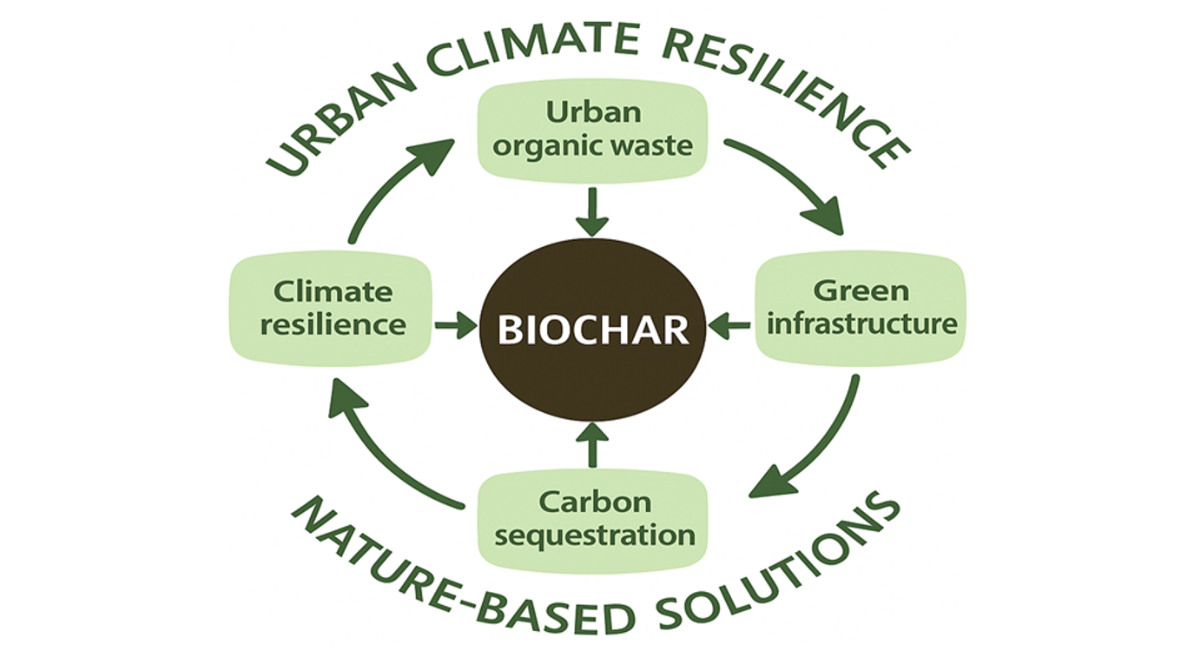
Figure 1.1: Conceptual framework
This paper provides a bibliometric review of biochar in the context of urban NbS, with a specific focus on climate resilience. Using Lens.org, a comprehensive open-access bibliometric platform, the study analyzes research trends from 2010 to 2025, identifying hotspots such as stormwater management, urban soil restoration, green roofs, carbon sequestration, and pollution remediation. Complementing these findings with recent peer-reviewed studies ensures both quantitative mapping and qualitative interpretation. The goal is to provide researchers, practitioners, and policymakers with an evidence-based outlook on how biochar can be scaled as a core enabler of resilient, circular, and sustainable urban landscapes [10].
MATERIALS AND METHODS
Bibliometric Approach and Data Collection
This study adopted a structured bibliometric review methodology to map global research trends at the intersection of biochar, urban climate resilience, and nature-based solutions (NbS). Bibliometric analysis enables quantitative examination of publication patterns, thematic evolution, and scholarly networks.
The primary data source was the Lens.org database, selected due to its open-access coverage of scholarly publications, citation metrics, and interdisciplinary indexing. The database search was conducted in March 2025. The search strategy combined keywords related to biochar and urban climate resilience using Boolean operators. The core search string applied was: (“biochar”) AND (“urban” OR “city” OR “green infrastructure”) AND (“nature-based solutions” OR “NbS” OR “climate resilience” OR “climate adaptation”).
In it, the search period was limited to 2010–2025 to capture contemporary developments aligned with the expansion of NbS research.
The screening process involved several stages:
- Initial retrieval of bibliographic records from Lens.org.
- Removal of duplicate entries.
- Exclusion of purely agricultural or rural-focused studies lacking urban or NbS relevance.
- Manual screening of titles and abstracts to ensure thematic alignment
Metadata extracted included publication year, authorship, institutional affiliation, country of origin, keywords, and citation counts.
Bibliometric analyses included:
- Annual publication trend analysis.
- Keyword co-occurrence mapping to identify thematic clusters.
- Geographic and institutional contribution analysis.
- Citation network analysis to identify influential studies.
Network visualizations and thematic clustering were conducted using bibliometric mapping software (example; VOSviewer), enabling visualization of research hotspots and interdisciplinary linkages.
To strengthen interpretation, a complementary qualitative literature review of peer-reviewed articles published between 2020 and 2025 in Scopus- and Web of Science-indexed journals was undertaken. These studies provided contextual insights into empirical applications of biochar in urban NbS frameworks.
LIMITATIONS
The review is subject to several limitations. First, Lens.org coverage, though broad, may not include all niche or regional publications, especially in non-English languages. Second, bibliometric indicators such as citation counts are influenced by publication age, potentially biasing recognition of older studies. Finally, while bibliometrics reveals patterns, qualitative case synthesis remains essential to assess context-specific outcomes and socio-ecological impacts. Despite these caveats, combining Lens.org data with recent literature ensures a robust and up-to-date synthesis.
Reproducibility and Transparency
To enhance transparency and replicability, the bibliometric search strategy, inclusion criteria, and analytical procedures are explicitly documented. The dataset was derived from the Lens.org platform using predefined search strings and screening procedures. Bibliometric network analyses were conducted using dedicated mapping software to ensure methodological consistency. The compiled dataset and analytical workflow are available from the author upon reasonable request to support verification and future comparative studies.
Publication Trends and Disciplinary Spread
Growth trajectory
Bibliometric analysis of Lens.org data reveals that research on biochar has grown markedly since 2010, with particularly sharp increases after 2015. This trajectory reflects the rising global recognition of biochar as both a climate mitigation tool and a versatile material for sustainable development [7,11]. By 2024, annual publications exceeded 4,000, with urban-related applications constituting an expanding but still minority share of the total. The trend parallels broader shifts toward NbS in climate policy, with research increasingly exploring synergies between engineered and ecological solutions [1].
Between 2010 and 2015, publication output remained relatively modest, reflecting the early experimental phase of biochar research. A marked acceleration occurred after 2015, coinciding with the rise of urban sustainability agendas and NbS policy frameworks. By 2024, annual publications exceeded several thousand globally, with urban-focused studies representing a growing but still emerging subfield [7]. The observed increase corresponds to a significant percentage growth across the study period, highlighting expanding interdisciplinary engagement and policy-driven research priorities.
Geographic distribution
Lens.org mapping indicates that China and the United States dominate biochar research output, together accounting for nearly half of global publications. European countries such as Germany, the United Kingdom, and Italy also contribute substantially, often with a stronger policy and NbS framing. Emerging research hubs in the Global South particularly India, Brazil, and South Africa are beginning to address context-specific urban challenges, such as waste valorization and heat island mitigation [10,12]. However, the bibliometric footprint of African and Latin American cities remains relatively modest, signaling a need for greater geographic diversification of case studies.
Disciplinary evolution
Early biochar studies were dominated by agronomy and soil science, with primary focus on crop productivity and soil fertility. Since 2015, bibliometric keyword clusters reveal diversification into environmental engineering, urban planning, and materials science [13]. The rise of terms such as “stormwater”, “bioretention”, “green roofs” and “urban soils” since 2020 underscores a shift toward urban-focused applications. Interdisciplinary collaborations between soil scientists, hydrologists, ecologists, and urban planners are increasingly evident, indicating that biochar research is moving beyond sectoral silos into holistic NbS frameworks [7].
Citation patterns
Citation analysis highlights several influential clusters. Highly cited works emphasize biochar’s capacity for carbon sequestration pollutant adsorption, and stormwater management [14-15,16-17]. Notably, reviews published in the last five years tend to integrate biochar into broader NbS or circular economy discourses, reflecting its growing relevance in sustainability transitions [3]. The convergence of citations around resilience, urban sustainability, and circularity illustrates the field’s alignment with global climate policy narratives.
Bibliometric Findings: Research Trends and Thematic Clusters
Bibliometric analysis of publications retrieved from Lens.org indicates a rapid expansion of scholarly interest in biochar, particularly as part of nature-based solutions (NbS) in urban environments. The publication trajectory since 2018 shows exponential growth, reflecting rising global awareness of climate change, urban vulnerability, and the urgent search for scalable interventions [18]. Early studies were largely experimental, focusing on biochar’s soil-enhancing properties, but over time, the research scope has broadened to encompass urban resilience, climate policy, and sustainable infrastructure.
A co-occurrence keyword analysis reveals three major thematic clusters:
- Biochar in soil and water systems – emphasizing urban agriculture, stormwater management, and land remediation.
- Biochar and carbon neutrality – focusing on life-cycle assessments, carbon sequestration, and greenhouse gas mitigation in urban contexts.
- Biochar in NbS frameworks – highlighting integration with green infrastructure, circular economy strategies, and ecosystem-based adaptation policies.
These clusters demonstrate that biochar is no longer viewed solely as a soil amendment but is increasingly framed as part of urban sustainability transitions. Studies stress that incorporating biochar into NbS strengthens cities’ capacity to manage multiple stressors such as heat islands, flooding, and air pollution [19-20].
Geographic and Institutional Patterns
Geographically, China, the United States, and European Union countries dominate biochar research output, together accounting for over 60% of indexed publications. China leads in experimental research, particularly in large-scale pyrolysis and soil restoration projects, while Europe emphasizes policy frameworks and NbS integration, especially within the European Green Deal and climate-neutral cities agenda [21]. African and Latin American contributions remain limited but are growing, with studies exploring biochar’s potential in waste-to-energy initiatives and urban agriculture.
Institutional collaboration networks suggest that cross-disciplinary and cross-regional partnerships are key drivers of innovation. Universities and climate research centers frequently collaborate with municipal governments and NGOs, reflecting the applied nature of NbS research. This trend is consistent with bibliometric evidence that policy-oriented journals are publishing more studies on urban biochar applications than traditional soil science journals [22].
Citation and Influence Metrics
Citation analyses reveal that high-impact papers are those bridging technical properties of biochar with urban policy discussions. For example, life-cycle assessment studies evaluating carbon savings of biochar-integrated NbS attract more citations than purely laboratory-based investigations [23]. Similarly, interdisciplinary reviews that link biochar with circular economy models in cities demonstrate strong citation networks, signaling their importance in shaping research directions.
The bibliometric evidence indicates that theory-driven studies remain underrepresented. Although empirical and applied works dominate, conceptual frameworks situating biochar within NbS for resilience, justice, and governance are scarce. This signals a research gap with important implications for advancing holistic climate solutions.
Biochar and Carbon Sequestration in Urban Contexts
One of the most frequently cited themes in the bibliometric review is the role of biochar in carbon sequestration and emission reduction. As a stable carbon-rich material, biochar resists microbial decomposition and remains in soils for centuries, making it a vital tool for long-term carbon storage [24]. In urban NbS, biochar-enhanced soils and green spaces can provide dual benefits: improved soil fertility for urban agriculture and net-negative carbon emissions for climate targets.
Recent life-cycle assessments suggest that applying biochar to green roofs, roadside vegetation, and urban gardens could offset substantial carbon footprints in cities [25-26]. Moreover, integrating biochar with organic municipal waste management offers a circular solution, reducing landfill emissions while creating valuable soil enhancers for NbS projects.
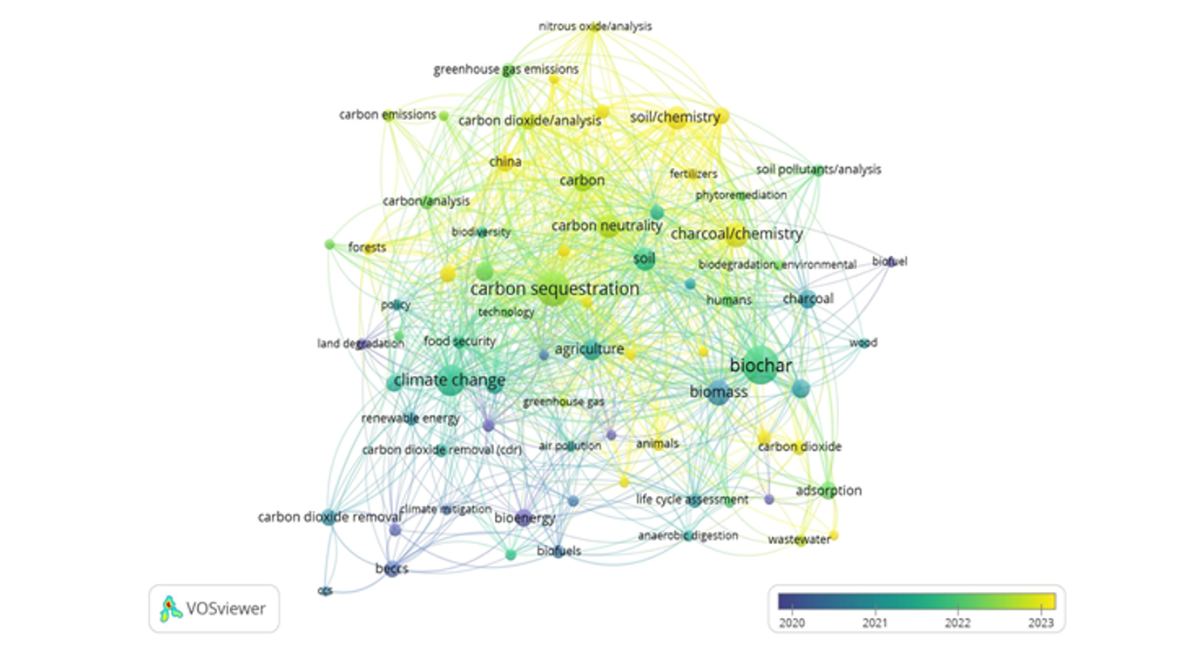
Figure 1.2: Data source: Lens.org bibliometric dataset (2010–2025); visualization generated using bibliometric mapping software.
Bibliometric trends reveal that this carbon-negative dimension of biochar is a major driver of research and policy attention, especially as cities commit to carbon neutrality by 2050 as shown in figure 1.2. However, a critical debate persists regarding scalability: while pilot projects show promising sequestration potential, large-scale deployment faces logistical, financial, and governance challenges [14].
This bibliometric network visualization highlights the strong research linkages between biochar and carbon sequestration. Biochar, produced from biomass, is increasingly studied as a sustainable tool for mitigating climate change through long-term carbon storage in soils. The map shows dense connections with themes such as agriculture, soil chemistry, biomass, adsorption, and greenhouse gas emissions, reflecting its multifaceted role in improving soil fertility while reducing carbon dioxide and nitrous oxide emissions. The clustering also connects biochar to broader sustainability goals including carbon neutrality, renewable energy, and food security, emphasizing its importance in global strategies for climate mitigation and environmental management.
Biochar in Urban Water and Soil Systems
Another strong bibliometric cluster highlights biochar’s role in stormwater management, wastewater treatment, and soil remediation. Urban areas face increasing risks of flooding and water contamination due to impervious surfaces and inadequate drainage. Studies report that biochar-amended soils improve water infiltration, reduce runoff, and filter pollutants such as heavy metals and organic contaminants [17,27-28].
Applications in constructed wetlands and bioswales have gained traction in NbS design, with biochar improving both pollutant retention and microbial activity. In urban agriculture, biochar enhances nutrient retention, supports plant growth, and reduces soil compaction, thus making green spaces more resilient under climate stress.
Bibliometric mapping shows that interdisciplinary studies linking hydrology, soil science, and urban planning are among the most cited in this field as shown in figure 1.3. For instance, the combination of biochar with green infrastructure like rain gardens is seen as a cost-effective solution for cities facing climate-induced hydrological extremes [29-30].
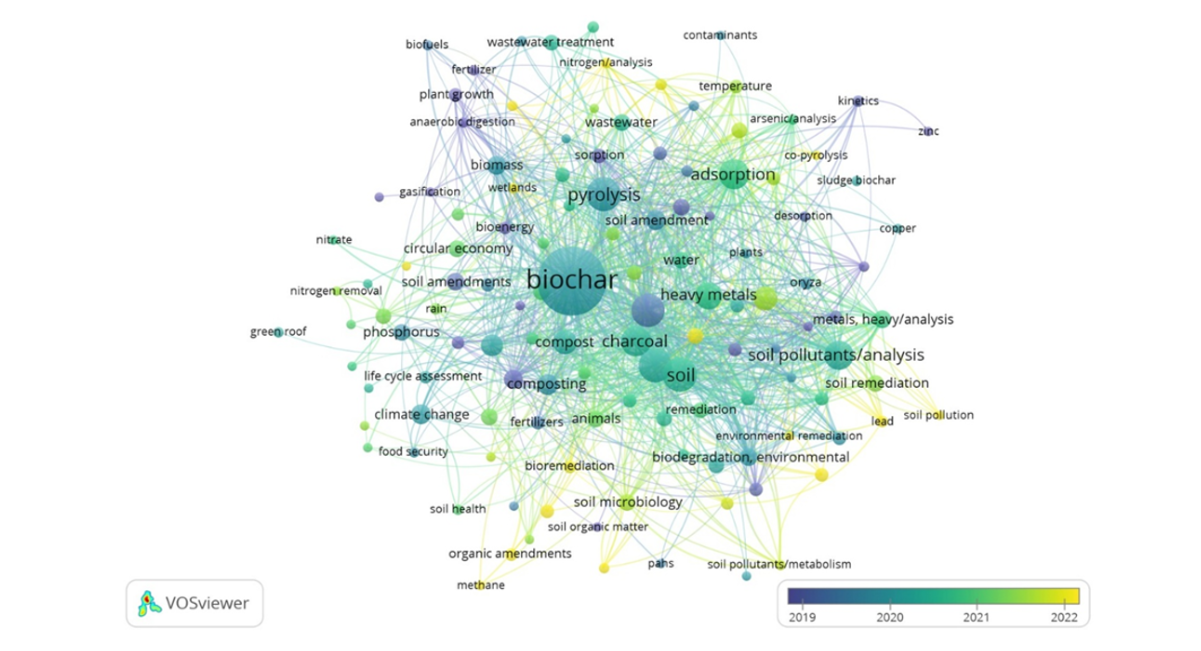
Figure 1.3: Data source: Lens.org bibliometric dataset (2010–2025); visualization generated using bibliometric mapping software
The network diagram illustrates the diverse applications of biochar in urban soil and water systems. Central terms such as soil, adsorption, composting, and heavy metals highlight biochar’s role in enhancing soil fertility, improving structure, and immobilizing contaminants. Its links to wastewater treatment, bioremediation, and circular economy emphasize its contribution to pollution mitigation and sustainable resource management. Emerging connections with climate change, food security, and soil health reflect biochar’s potential in building urban resilience. Overall, the diagram demonstrates that biochar acts as a multifunctional tool, bridging environmental remediation, waste valorization, and sustainable development in urban ecosystems.
Biochar Integration with Policy and Governance
The bibliometric evidence underscores the growing recognition of biochar within urban policy frameworks. Many studies reference international agendas such as the Paris Agreement, the UN Sustainable Development Goals (SDGs), and the New Urban Agenda, which promote NbS as pathways for resilience. Biochar is increasingly positioned as a practical intervention to operationalize these frameworks at the municipal level [31].
Several European and Asian cities have already piloted biochar-integrated NbS, such as Stockholm’s use of biochar in urban tree planting programs, which not only sequester carbon but also improve tree survival rates under heat stress [32]. These cases are highly cited in bibliometric networks, reflecting their influence as reference points for policymakers and scholars.
However, governance challenges remain a recurring theme. Scaling biochar adoption requires clear policy incentives, funding mechanisms, and institutional capacity. As per figure 1.4, bibliometric evidence indicates that while technical studies proliferate, governance and financing models are still underdeveloped, creating a bottleneck for real-world implementation [19].
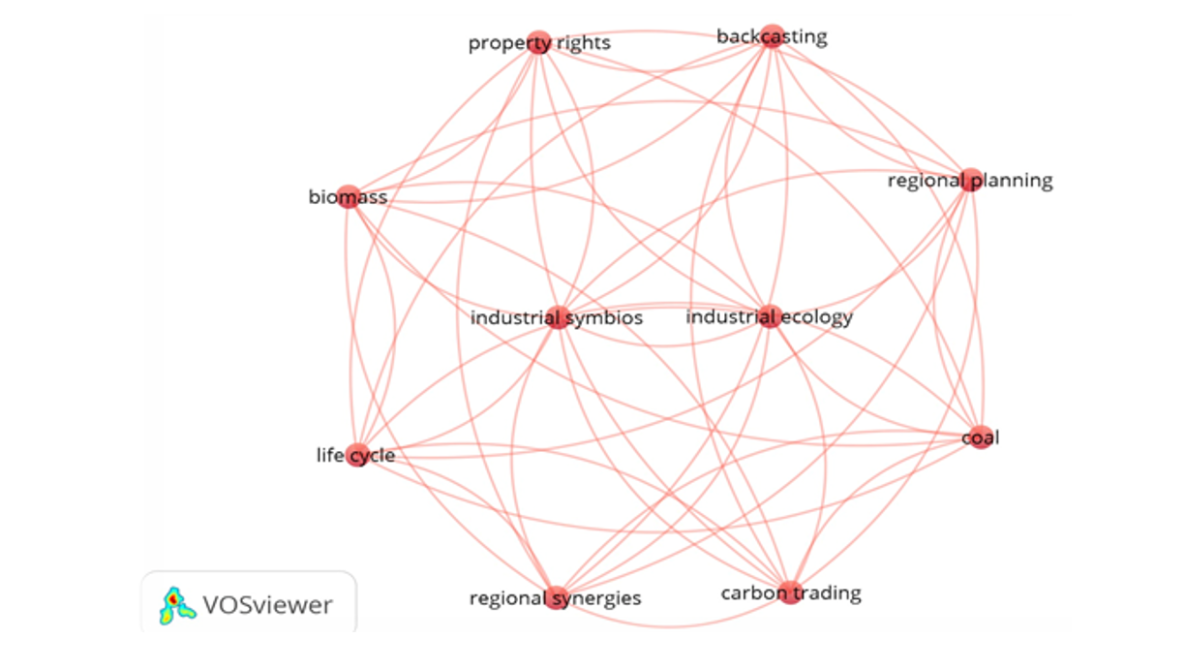
Figure 1.4: Data source: Lens.org bibliometric dataset (2010–2025); visualization generated using bibliometric mapping software
The network diagram illustrates the interconnectedness of policy, governance, and industrial ecology concepts that are crucial for effective biochar integration. Central nodes such as industrial symbiosis and industrial ecology highlight the systemic approach required to link biochar production with resource efficiency and waste management. Surrounding concepts such as carbon trading, regional synergies, and property rights emphasize the governance instruments that can incentivize biochar adoption through market mechanisms, land-use regulations, and collective action. The inclusion of backcasting and regional planning suggests that long-term visioning and coordinated development are necessary to integrate biochar into sustainable regional transitions. Furthermore, links to biomass, coal, and life cycle reflect the importance of aligning biochar policies with energy strategies and environmental performance assessments. Overall, the diagram shows that biochar governance requires a multi-dimensional policy framework that combines regulatory, economic, and planning tools to support its scaling and mainstreaming.
Emerging Discussions and Future Directions
The bibliometric analysis demonstrates rapid growth in biochar research within urban NbS frameworks, yet several structural gaps remain. First, most studies are short-term or laboratory-based, limiting understanding of long-term performance under real urban conditions. Large-scale field trials and longitudinal monitoring remain scarce.
Second, governance and policy integration are underdeveloped. Although biochar is increasingly discussed in sustainability discourse, standardized urban planning frameworks and financing mechanisms remain limited. This restricts replication and mainstream adoption.
Third, socio-economic and justice dimensions are underrepresented. Few studies examine stakeholder engagement, equity implications, or distribution of benefits across urban communities. Integrating social science perspectives will be essential for inclusive climate resilience planning.
Fourth, economic feasibility and business models require greater scholarly attention. While technical feasibility is widely explored, cost–benefit analysis, supply chain logistics, and scalable production pathways remain emerging areas.
Future research is increasingly interdisciplinary, integrating digital monitoring tools, circular economy frameworks, and urban governance models. Strengthening collaboration between engineers, urban planners, ecologists, and policymakers will be central to advancing biochar as a practical NbS for climate-resilient cities.
Key Research Gaps
Several critical gaps emerge from the bibliometric mapping. First, there is a lack of longitudinal and large-scale field studies. Most research remains confined to pilot projects or laboratory-scale experiments, limiting the ability to generalize results for urban systems. While biochar has demonstrated potential for carbon sequestration and soil remediation, long-term monitoring of its ecological and socio-economic impacts is scarce [24].
Second, policy and governance frameworks integrating biochar into NbS remain underdeveloped. Cities adopting biochar projects often do so in isolation, without standardized guidelines or financing mechanisms. This limits replication across regions and undermines scalability [33]. Bibliometric trends suggest that while biochar is discussed in climate adaptation policy circles, its institutionalization in urban planning processes is still nascent.
Third, there is limited exploration of equity and justice dimensions. Emerging scholarship points to the risk that biochar-based interventions could reinforce existing inequalities if benefits such as improved green spaces or carbon credits are unevenly distributed across urban populations [19]. Yet only a small share of reviewed publications explicitly addresses inclusivity, stakeholder engagement, or community participation.
Finally, although technical innovations such as integrating biochar with digital monitoring tools are gaining traction, research on economic viability and business models remains scarce. Questions of cost-effectiveness, supply chain logistics, and potential markets for biochar-enhanced products require greater scholarly and policy attention [23].
OUTLOOK AND CONCLUSION
Looking ahead, biochar is positioned to play a transformative role in NbS for urban climate resilience, but its future impact will depend on how well current gaps are addressed. Interdisciplinary collaboration is essential, linking soil science, urban planning, climate policy, and social justice. Cities that successfully integrate biochar into broader sustainability agendas such as zero-waste strategies and circular economies are likely to lead in demonstrating replicable models.
Furthermore, international climate frameworks such as the UN SDGs and Paris Agreement provide an enabling environment for mainstreaming biochar into urban NbS. The alignment of biochar applications with SDG 11 (Sustainable Cities and Communities), SDG 13 (Climate Action), and SDG 15 (Life on Land) highlights its multidimensional relevance [31]. To fully realize this potential, policymakers must develop enabling policies that incentivize adoption, support innovation, and ensure equitable benefits as shown in the flowchart in figure 1.5.
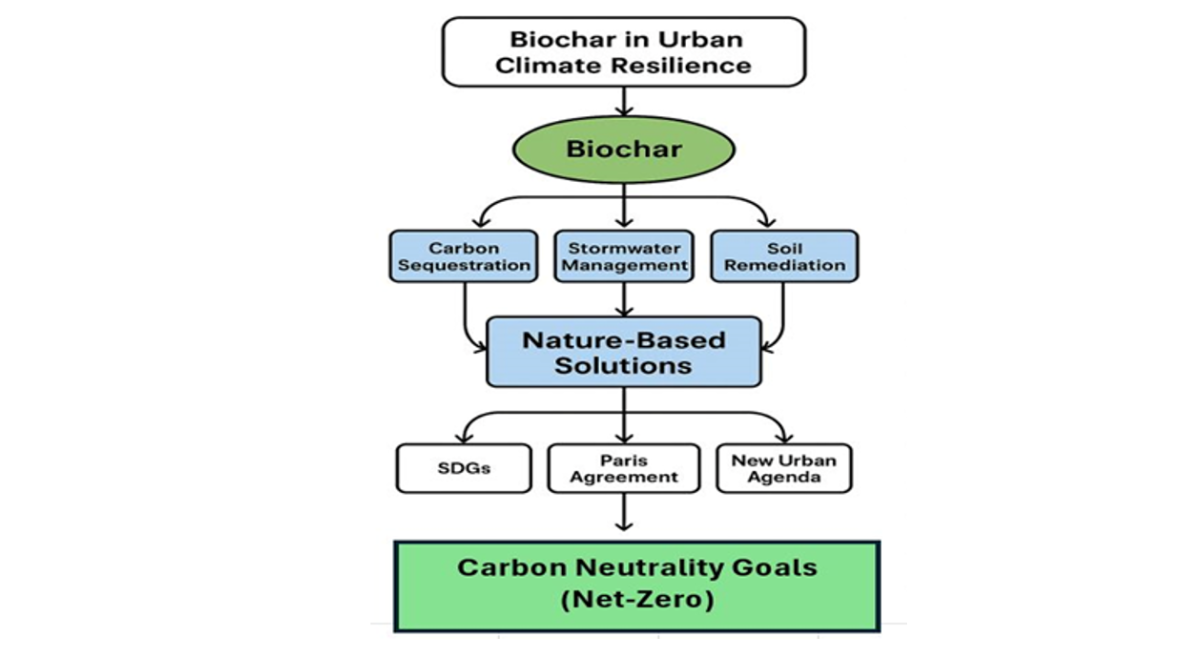
Figure 1.5: Policy framework diagram illustrating the integration of the Paris Agreement into urban biochar strategies. The diagram highlights how global climate commitments (Paris Agreement) cascade into Nationally Determined Contributions (NDCs), Sustainable Development Goals (SDGs), and local urban policies that support biochar-based nature-based solutions for climate resilience.
In conclusion, the bibliometric evidence confirms that biochar has moved from a niche soil amendment technology to a central component of urban NbS discourses. Its role in carbon sequestration, stormwater management, and soil enhancement is increasingly recognized. Yet without deeper exploration of governance frameworks, equity concerns, and economic feasibility, the full promise of biochar for urban climate resilience may remain underutilized. Strengthening cross-sectoral partnerships and expanding policy support will be critical to transforming biochar from promising pilot projects into mainstream urban resilience strategies.
REFERENCES
- Kabisch N, Frantzeskaki N, Hansen R. Principles for urban nature-based solutions. Ambio. 2022;51(6):1388-401. [CrossRef] [Google Scholar] [PubMed]
- Frantzeskaki N, McPhearson T, Collier MJ, Kendal D, Bulkeley H, Dumitru A, et al. Nature-based solutions for urban climate change adaptation: linking science, policy, and practice communities for evidence-based decision-making. BioScience. 2019;69(6):455-66. [CrossRef] [Google Scholar]
- Frantzeskaki N, Ossola A, Bush J. Nature-based solutions for changing urban landscapes: Lessons from Australia. Urban Forestry & Urban Greening. 2022;73:127611. [CrossRef] [Google Scholar]
- Wickenberg B, McCormick K, Olsson JA. Advancing the implementation of nature-based solutions in cities: A review of frameworks. Environmental science & policy. 2021;125:44-53. [CrossRef] [Google Scholar]
- Lucatello S. Nature-Based Solutions to Climate Change Adaptation and Mitigation in Latin America and the Caribbean: An Overview of Projects and Implementation. Handbook of Nature-Based Solutions to Mitigation and Adaptation to Climate Change. 2025:447-68. [CrossRef] [Google Scholar]
- Bakar BA, Azis A, Kurniawati S, Giamerti Y, Purba R, Abdullah S, et al. Bibliometric analysis of biochar application for environmental management in agricultural sector. Global Journal of Environmental Science and Management. 2024;10(Special Issue: Biosorbents & Environmental Management):237-50. [Google Scholar]
- Chen Z, Gao Y, Chen J, Yang L, Zeng S, Su Y, et al. Global bibliometric analysis of research on the application of biochar in forest soils. Forests. 2023;14(11):2238. [CrossRef] [Google Scholar]
- de Oliveira OJ, da Silva FF, Juliani F, Barbosa LC, Nunhes TV. Bibliometric method for mapping the state-of-the-art and identifying research gaps and trends in literature: An essential instrument to support the development of scientific projects. InScientometrics recent advances 2019. IntechOpen. [CrossRef] [Google Scholar]
- Zheng H, Guo M, Wang Q, Zhang Q, Akita N. A bibliometric analysis of current knowledge structure and research progress related to urban community garden systems. Land. 2023;12(1):143. [CrossRef] [Google Scholar]
- org. (2025). The Lens — Open scholarly knowledge platform. Retrieved, 2025
- Moshahary J, Choudhury M, Sarma B, Deka P, Ahmed P, Rahman B, et al. Mapping the Scientific Landscape of Water Footprint in Agriculture: A Global Bibliometric Analysis. Archives of Current Research International. 2025;25(5):154-62. [CrossRef] [Google Scholar]
- Makungo R, Nkuna TR. Prioritising climate coping and adaptation strategies for smallholder farmers in Luvuvhu River Catchment, South Africa. Climate Services. 2023;30:100361. [CrossRef] [Google Scholar]
- Wu P, Singh BP, Wang H, Jia Z, Wang Y, Chen W. Bibliometric analysis of biochar research in 2021: a critical review for development, hotspots and trend directions. Biochar. 2023 ;5(1):6. [CrossRef] [Google Scholar]
- Zhang S, Wang S, Zhang J, Wang B, Wang H, Liu L, et al. Research on the application of biochar in carbon sequestration: a bibliometric analysis. Energies. 2025;18(11):2745. [CrossRef] [Google Scholar]
- Lungkadee T, Katongtung T, Pokkanta PR, Onsree T, Jaroenkhasemmeesuk C, Tippayawong N. Current technology landscape of biochar in carbon capture and storage research via bibliometric analysis. AIMS Energy. 2024;12(1):277-303. [CrossRef] [Google Scholar]
- Li L, Cheshmehzangi A, Chan FK, Ives CD. Mapping the research landscape of nature-based solutions in urbanism. Sustainability. 2021;13(7):3876. [CrossRef] [Google Scholar]
- Hasan MS, Vasquez R, Geza M. Application of biochar in stormwater treatment: experimental and modeling investigation. Processes. 2021;9(5):860. [CrossRef] [Google Scholar]
- Morris E, Cousins JJ, Feldpausch-Parker A. Transformation and recognition: Planning just climate havens in New York State. Environmental science & policy. 2023;146:57-65. [Google Scholar]
- Kabir E, Kim KH, Kwon EE. Biochar as a tool for the improvement of soil and environment. Frontiers in Environmental Science. 2023;11:1324533. [CrossRef] [Google Scholar]
- Varkolu M, Gundekari S, Omvesh, Palla VC, Kumar P, Bhattacharjee S, Vinodkumar T. Recent advances in biochar production, characterization, and environmental applications. Catalysts. 2025;15(3):243. [CrossRef] [Google Scholar]
- European Commission E. A European Green Deal: Striving to be the first climate-neutral continent. 2019. [Google Scholar]
- Wang W, Wei H, Hassan H, He X. Research progress and prospects of urban resilience in the perspective of climate change. Frontiers in Earth Science. 2024 ;12:1247360. [CrossRef] [Google Scholar]
- Xu M, Zhang Q, Zhu Z, Xue Y, Zhang T, Hong J. Chemical etching to regulation oxygen vacancies on Mn-Fe PBA for highly efficient degradation of bisphenol A and acetaminophen. Journal of Cleaner Production. 2022;377:134258. [CrossRef] [Google Scholar]
- Lehmann J, Joseph S, editors. Biochar for environmental management: science, technology and implementation. Taylor & Francis; 2024. [CrossRef] [Google Scholar]
- Azzi ES, Karltun E, Sundberg C. Life cycle assessment of urban uses of biochar and case study in Uppsala, Sweden. Biochar. 2022;4(1):18. [CrossRef] [Google Scholar]
- Biswal BK, Balasubramanian R. Use of biomass-derived biochar as a sustainable material for carbon sequestration in soil: recent advancements and future perspectives. npj Materials Sustainability. 2025;3(1):26. [CrossRef] [Google Scholar]
- Perdigão A, da Silva Pereira JL. Effects of biochar in soil and water remediation: a review. Biodegradation Technology of Organic and Inorganic Pollutants. 2021. [CrossRef] [Google Scholar]
- Chowdhury S, Akpinar D, Nakhli SA, Bowser M, Imhoff E, Yi SC, et al. Improving stormwater infiltration and retention in compacted urban soils at impervious/pervious surface disconnections with biochar. Journal of Environmental Management. 2024 Jun 1;360:121032. [CrossRef] [Google Scholar] [PubMed]
- Khan MO, D. Keesstra S, Słowik-Opoka E, Klamerus-Iwan A, Liaqat W. Determining the role of urban greenery in soil hydrology: A bibliometric analysis of nature-based solutions in urban ecosystem. Water. 2025;17(3):322. [CrossRef] [Google Scholar]
- Shao H, Kim G, Li Q, Newman G. Web of science-based green infrastructure: a bibliometric analysis in citespace. Land. 2021;10(7):711. [CrossRef] [Google Scholar] [PubMed]
- United Nations. (2022). The New Urban Agenda and nature-based solutions: Linking SDGs with urban resilience. United Nations Human Settlements Programme (UN-Habitat).
- Soba D, Gamez AL, Becerril JM, Esteban R, Aranjuelo I. Traffic restrictions during COVID-19 lockdown improve air quality and reduce metal biodeposition in tree leaves. Urban forestry & urban greening. 2022;70:127542. [CrossRef] [Google Scholar]
- Sustainability Directory. (2024). Policy Frameworks Advancing Biochar in City Infrastructure.

Article Processing Timeline
| 2-5 Days | Initial Quality & Plagiarism Check |
| 15 Days |
Peer Review Feedback |
| 85% | Acceptance Rate (after peer review) |
| 30-45 Days | Total article processing time |
Journal Flyer