
Journal of Climate Change and Pollution
ISSN: 3108-2025 (Online)
 Download PDF
ABSTRACT
In the Kavango regions of Namibia, limited access to clean and safe water presents not only a public health concern but also a critical safety risk. Communities living along the Kavango River (Okavango River) rely heavily on untreated river water for daily needs such as drinking, cooking, and washing. This dependency exposes residents particularly women and children to frequent and potentially fatal encounters with crocodiles.
This paper examines the direct link between water scarcity, inadequate rural water infrastructure, and increased vulnerability to crocodile attacks. It highlights how the absence of reliable alternatives, such as boreholes and piped water systems, forces communities into unsafe interactions with natural water sources. The study further identifies contributing factors including climate variability, population growth, slow implementation of water supply projects, and limited awareness of safety practices.
The paper argues that the issue extends beyond environmental and wildlife concerns, reflecting broader challenges of inequality, infrastructure gaps, and governance. It proposes a set of integrated interventions, including the expansion of safe water access, improved safety measures at riverbanks, community education, and strengthened institutional response.
Ultimately, addressing water access in the Kavango regions of Namibia is essential not only for improving livelihoods but for safeguarding human life. A coordinated approach that combines infrastructure development with behavioral change can significantly reduce risks and contribute to sustainable and secure water management in vulnerable communities.
Keywords: Water Scarcity; Rural Water Access; Crocodile Attacks; Human-Wildlife Conflict; Water Safety; Kavango Regions; Kavango River; Climate Variability; Water Infrastructure; Community Vulnerability; Public Safety; Namibia
INTRODUCTION
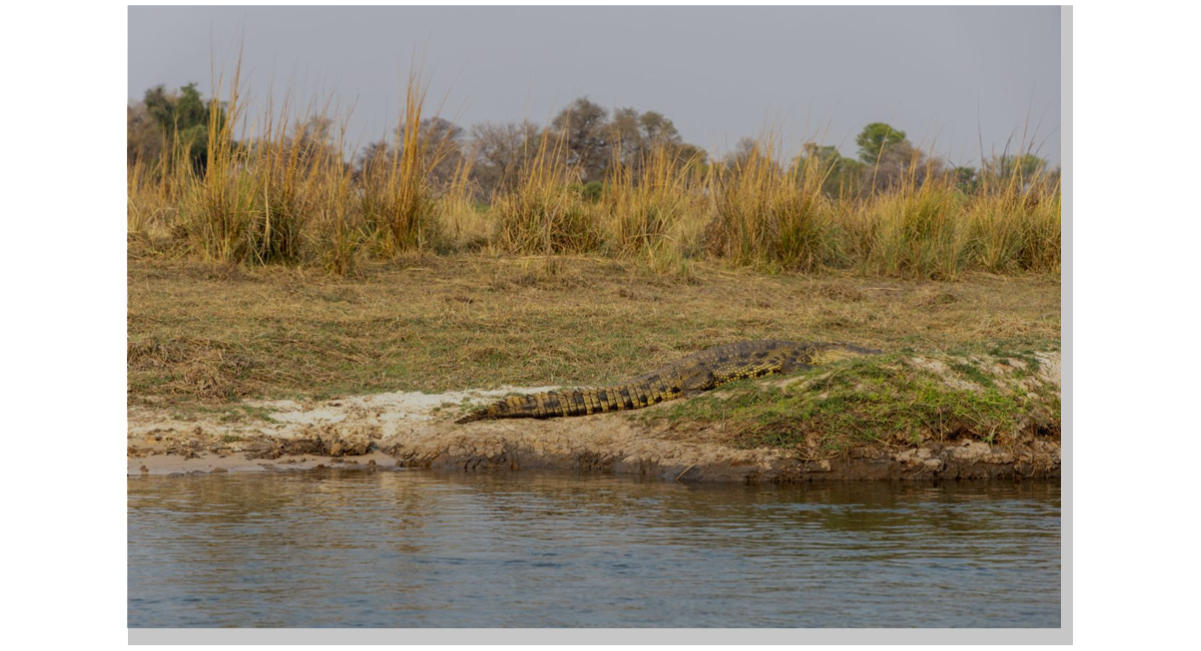
In the Kavango regions of Namibia, access to clean and safe water remains a serious challenge. While drought and water scarcity are often discussed in terms of agriculture and livelihoods, there is a more immediate and dangerous reality faced by many communities—the risk of crocodile attacks.
For people living along the Kavango River (also known as the Okavango River), the search for water is not just a daily task; it can be a life-threatening activity.
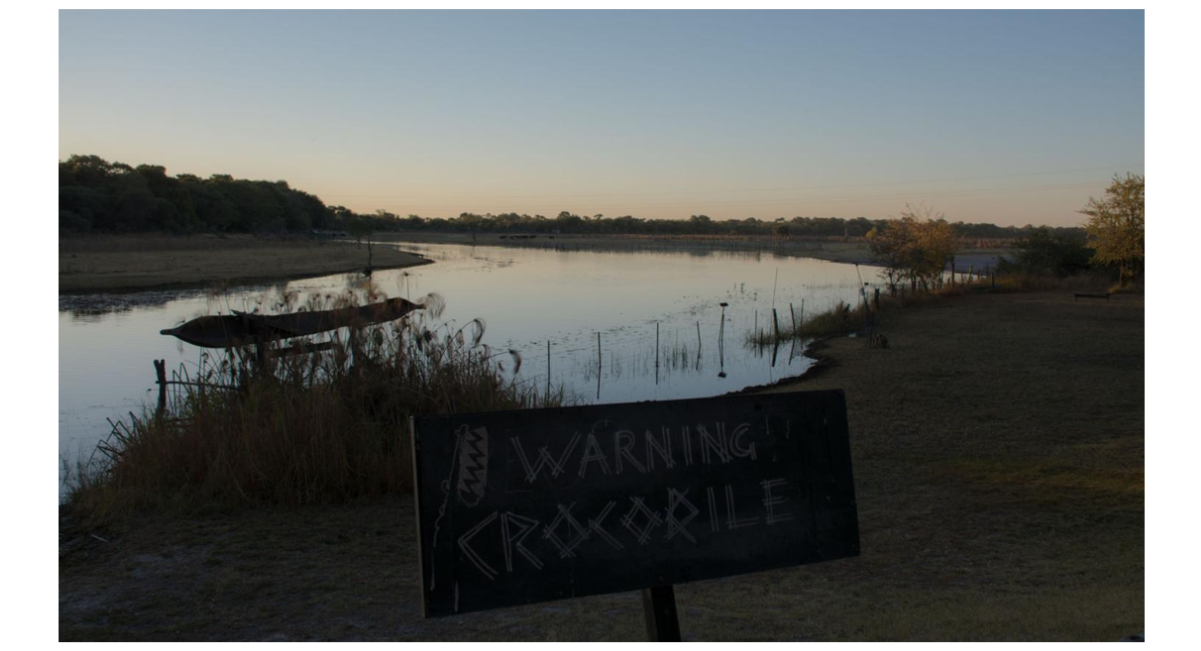
The Reality on the Ground
Many households in the Kavango regions rely directly on river water for:
- Drinking
- Cooking
- Washing clothes
- Bathing
Due to limited access to piped and treated water, community members—especially women and children must visit the river regularly. These routine activities expose them to dangerous wildlife, particularly crocodiles.
Crocodile attacks often occur when:
- People collect water at the riverbanks
- Children swim or bathe in the river
- Livestock are taken to drink
These incidents are not isolated. They are a recurring threat, deeply linked to the lack of safe and accessible water infrastructure.
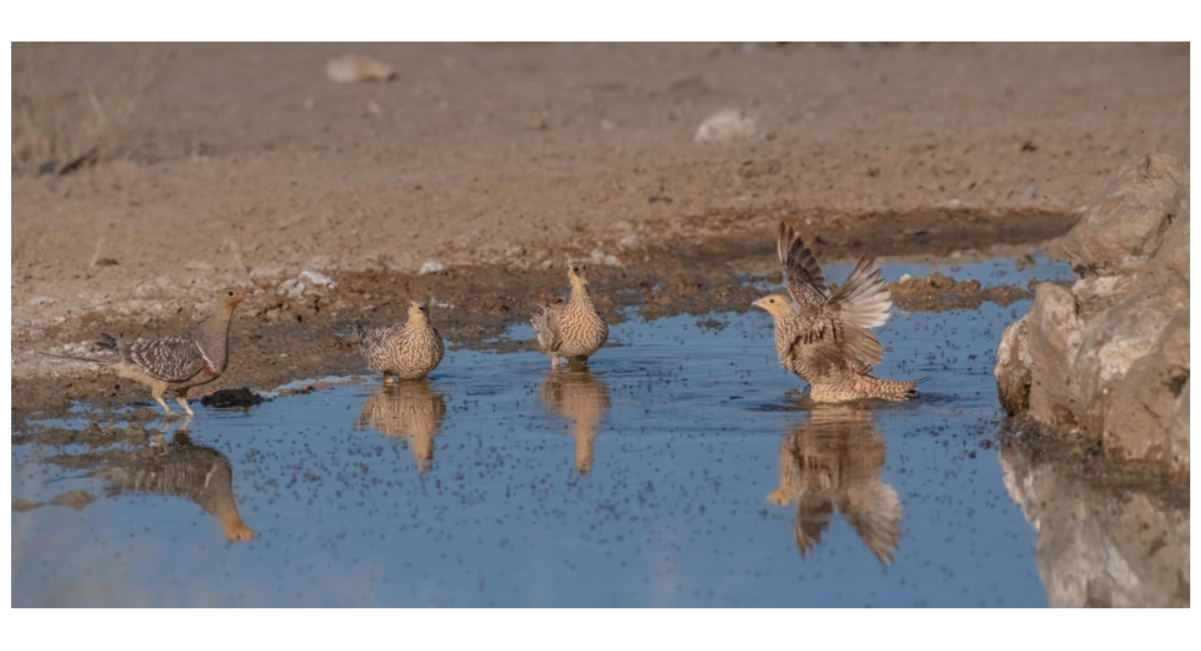
The Link between Water Scarcity and Safety
The issue is not only about wildlife it is about infrastructure and inequality. When communities do not have:
- Boreholes
- Safe water points
- Reliable supply systems
They are forced to depend on natural water sources, regardless of the risks.
This creates a tragic cycle:
Water scarcity → River dependency → Increased exposure → Crocodile attacks
Why This Challenge Persists
Several factors contribute to the ongoing problem:
- Limited water infrastructure in rural areas
- Population growth, increasing demand for water
- Climate change, affecting water availability
- Slow implementation of water projects
- Lack of awareness and safety measures at river access points
Possible Solutions and Interventions
Expanding Access to Safe Water
- Drilling more boreholes in affected communities
- Installing communal taps and water tanks
- Maintaining existing water infrastructure
Improving Safety at Riverbanks
- Designated safe water collection points
- Installing barriers or fenced access areas
- Clear warning signage about crocodile presence
Community Education
- Teaching safe water collection practices
- Raising awareness about high-risk times (early morning and evening)
- Educating children on river safety
Strengthening Government and Community Action
- Faster implementation of rural water supply projects
- Community involvement in water management
- Partnerships with NGOs and stakeholders
CONCLUSION
The situation in the Kavango regions highlights a critical truth: access to clean water is not only a basic human need, but also a matter of safety and survival.
As long as communities are forced to rely on rivers for daily water needs, the risk of crocodile attacks will remain. Addressing this issue requires urgent investment, stronger policies, and community-driven solutions.
By improving water access and promoting smart, safe practices, Namibia can protect lives while moving closer to a more sustainable and secure future for all.

Article Processing Timeline
| 2-5 Days | Initial Quality & Plagiarism Check |
| 25-35 Days |
Peer Review Feedback |
| 45-60 Days | Total article processing time |
Journal Flyer