
Journal of Nanoscience and Nanomaterials
ISSN:
3108-2084 (Online)
DOI Prefix (Crossref): 10.67238
 Download PDF
ABSTRACT
Research in the field of renewable feedstock for the preparation to lactic acid (LA) has gained attention. Currently there is an increased need for the utilization of sustainable feedstock like biomass for the production of chemicals and biodegradable polymers. LA has been synthesized traditionally from sugars. However, LA can also be synthesized from cellulose, a naturally occurring polysaccharide. Glycerol, a by-product of biodiesel and bioethanol production, is another promising feedstock for lactic acid production. Both cellulose and glycerol, are renewable and sustainable. They are viewed as waste materials from the industry. However, the conversion of cellulose to lactic acid by way of hydrolysis is challenging, as the biopolymer of glucose, namely, cellulose is a stiff-necked molecule. It is highly recalcitrant. In fact, the rate of hydrolysis of cellulose is two orders of magnitude slower than that of starch. Such slow reaction rates are because of the extensive inter-molecular and intra-molecular hydrogen bonding network. Thus, owing to the high crystallinity of cellulose making its conversion to lactic acid energy intensive, there appears to be one and only one single sustainable choice for lactic acid production and that is glycerol. The potential of metallic species -supported on solid acid, or solid base catalysts for the conversion of glycerol and cellulose to lactic acid is highlighted. Various catalytic routes such as dehydration, hydrogenation, and reformation, including the route of isosaccharinic acid under specific reaction conditions, like the microwave irradiation, sonochemical irradiation and the hydrothermal heating were explored. For the elucidation of reaction mechanism, validation of product structures, and yield optimization, analytical techniques like, NMR are of importance. Catalytic methods, reaction routes, and mechanistic knowledge used for the efficient conversion of cellulose and glycerol into lactic acid developed during the past five years (2021-2025) will be outlined in this work. The work has demonstrated the promise of biomass as a renewable feedstock for the sustainable lactic acid production by connecting waste valorization with green chemical synthesis, highlighting the importance of advanced characterization techniques. The knowledge provided is expected to direct future efforts toward developing affordable, green, and scalable approaches for industrial lactic acid production.
Keywords: Glycerol; Lactic Acid; Base Catalysis; Cu/Solid Base; Poly Lactic Acid; Biodegradable Polymer; CaO; Egg Shells
INTRODUCTION
Due to the increasing demand for biodegradable polymers and sustainable chemicals, there has been a lot of interest in developing renewable ways of producing lactic acid. This monomer is important in the production of polylactic acid (PLA), a biodegradable and bio-based alternative to plastics derived from petroleum. As such, lactic acid remains an important platform molecule. LA is useful in the food, cosmetic, pharmaceutical, and textile industries. Though carbohydrate fermentation technologies remain at the core of traditional commercial production to lactic acid, these processes do suffer from several drawbacks. Typical challenges include feedstock competition with food sources, complex downstream purification, and high usage of water and energy. Thus, the search for sustainable, non-food, and alternative carbon feedstock for lactic acid production is attracting serious attention. Glycerol appears to be the most promising and ideal feedstock for the selective production to lactic acid. Use of glycerol for LA production simultaneously addresses the issue of waste management (note that glycerol is a byproduct from biodiesel and bioethanol production processes) as well as production of biodegradable plastics like polylactic acid leading to sustainability [1-14]. The advances made in the development of catalysts for glycerol valorization to lactic acid were shown in Scheme 1.
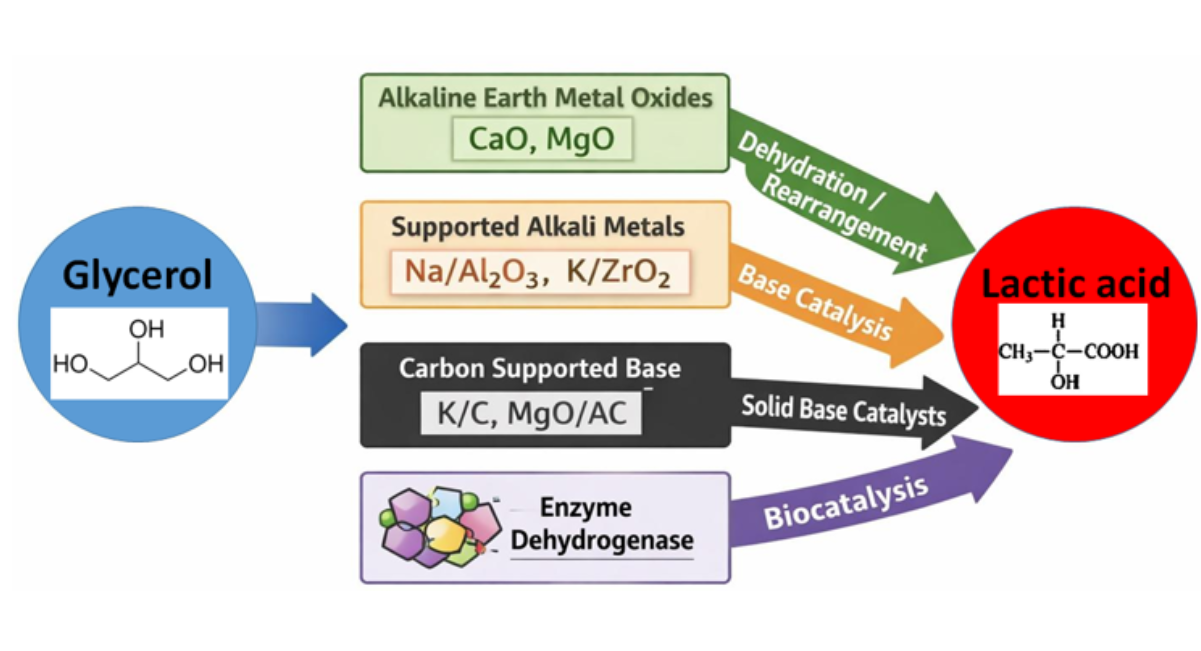
Scheme 1: Schematic representation of glycerol valorization to lactic acid via different catalytic routes based on non-noble metals
On the other hand, due to its abundance, renewability, and inedibility, cellulose has received much attention as a promising renewable biomass resource. Many studies have confirmed that cellulose can be converted to lactic acid via hydrothermal treatment or alkaline catalysis in complex reaction pathways involving several reaction mediators. The possibility of using cellulose as a feedstock for the production of lactic acid was confirmed by the report by Pulidindi and co-authors. Lactic acid was produced from cellulose via alkaline (NaOH catalyst) microwave-assisted cellulose degradation (Figure. 1 A). However, the very high crystallinity of cellulose, high degree of hydrogen bonding, lower solubility in most solvents, requirement for prior processing of cellulose, and harsh reaction conditions make the conversion of cellulose selectively to lactic acid difficult. Ethylene glycol and formic acid were observed as the reaction by-products. The 1H and 13C NMR spectra of lactic acid, ethylene glycol and formic acid were shown in Figure. 1 B and Figure. 2 respectively. All these intrinsic shortcomings of cellulose as a feedstock affect the manageability and efficiency of the reaction. This sets a limit on the application potential of cellulose as a feedstock for lactic acid. Under these circumstances, use of glycerol which is a byproduct of both biodiesel and bioethanol industries is a smart choice for the production of lactic acid [15].
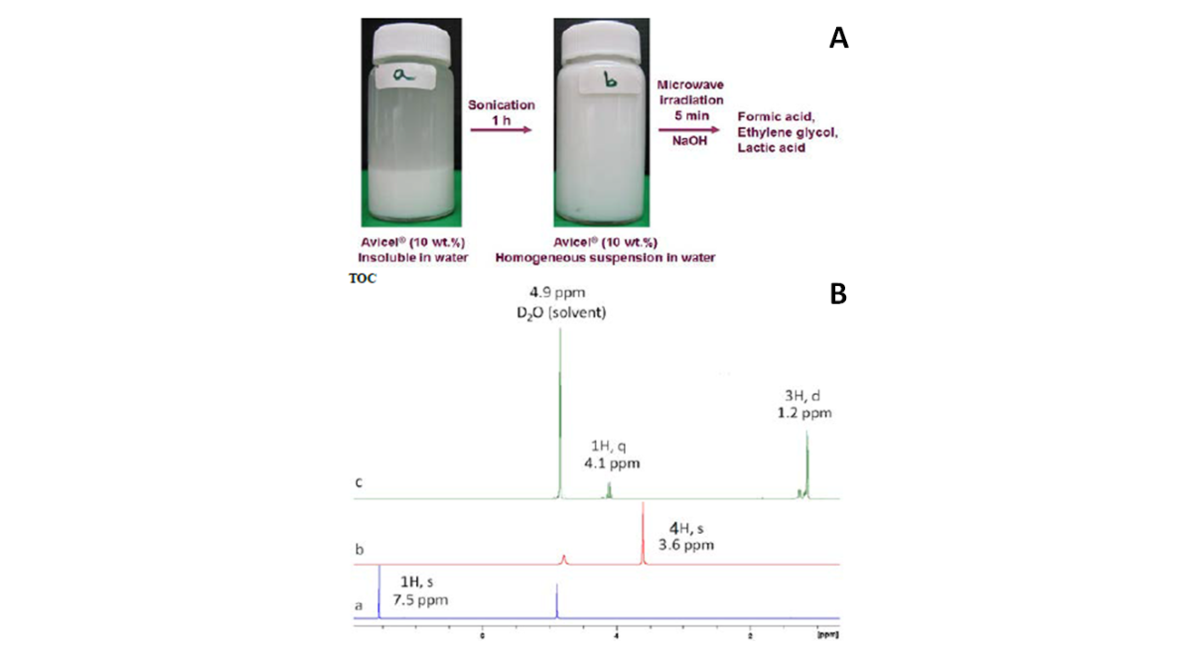
Figure 1(A): Sonochemical conversion of Avicel ® to lactic acid, ethylene glycol and formic acid; (B) 1H NMR spectra of authentic samples of formic acid (a), ethylene glycol (b) and lactic acid (c) [15].
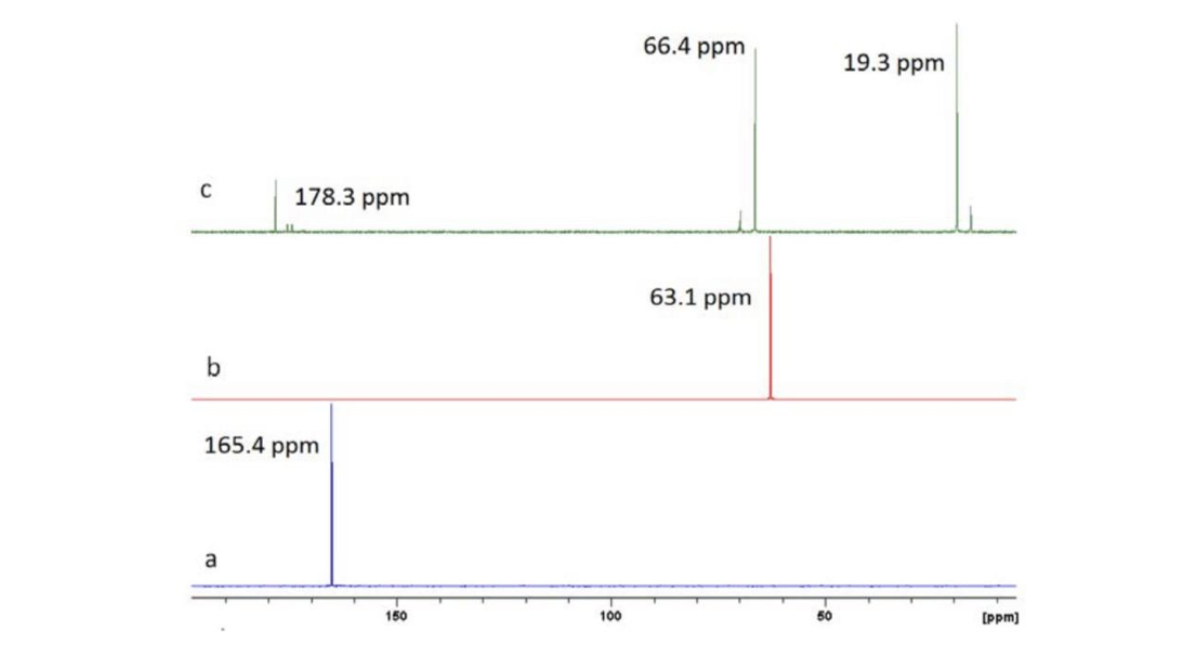
Figure 2: 13C NMR spectra of authentic samples of (a) formic acid, (b) ethylene glycol and (c) lactic acid [15].
In contrast to cellulose, use of glycerol was proved to be an incredibly attractive and environmentally friendly compound, especially in the manufacture of lactic acid. Glycerol is produced in large amounts as by-product in the manufacture of biodiesel, which has created an abundance of it in the market. Moreover, as the diversification of glycerol is easier, its demand too is on the rise. Since glycerol is an incredibly small molecule with three active hydroxyl groups, it is easier to convert it into lactic acid through the use of less complex reaction pathways under extremely mild reaction conditions without having to undergo depolymerization to isosachharinic acid as in the case of cellulose.
The high glycerol conversion rates and improved selectivity of lactic acid have been demonstrated with the latest developments. Various kinds of catalysts, like supported metal catalysts, bifunctional catalysts, homogeneous base catalysts, and heterogeneous solid base catalysts were developed. The advances clearly showed the potential of glycerol as a valuable feedstock, with good economic viability, for the production of lactic acid in a sustainable way. Additionally, biodiesel production process from used cooking oils also helps with the concept of circular economy and green chemistry while minimizing waste.
This review focuses on the reaction mechanisms, catalyst design, and process efficiency while critically analyzing the progress achieved in glycerol-based catalytic routes toward lactic acid synthesis. Comparisons with cellulose-derived routes are presented when relevant. Advantages and pending issues on the valorization of glycerol toward lactic acid were highlighted.
DISCUSSION
A comparative performance of various catalysts for glycerol to lactic acid conversion is discussed. Related literature is accessed from the Web of Science with the search keywords, namely, glycerol conversion and lactic acid production. Only research works appeared during the period 2021-2025 were included for the discussion. Recent advances in the development of metal and metal oxide-based catalysts for the selective production of lactic acid from glycerol are highlighted in Table 1. As with most other catalytic processes, the noteworthy aspects in the field of research pertaining to the conversion of glycerol to lactic acid is a transition from noble metal based to non-noble metal-based systems supported on alkaline earth metal oxides (Table 1).
|
S N |
Catalyst |
Condition |
Conv. (%) |
Selectivity (%) |
Highlight |
Reference |
|
1 |
Ag₃PMo Keggin polyoxometallate + O₂ |
60 °C, 5 h, 5 bar O₂ |
89 |
72 |
AgₓPMo series optimized for lactic acid production |
[1] |
|
2 |
Pt-supported catalyst + phosphatidylcholine vesicles |
333 K,24 h, alkaline |
99 |
90 |
Mild aqueous route |
[2] |
|
3 |
Cu/BC (biocarbon support, 20 %) |
210 °C, 20 h |
89.97 |
98.88 |
Highly dispersed Cu catalyst |
[3] |
|
4 |
Cu₂O nanoparticles |
230 °C, 2 h, NaOH |
≥ 86.2 |
≥ 87.2 |
Size-dependent Cu₂O activity |
[4] |
|
5 |
Metallic Cu⁰ NPs (PEG) |
230 °C, 4 h, NaOH |
98.0 |
91.9 |
High selectivity hydrothermal conversion |
[5] |
|
6 |
Chemoenzymatic (glycerol dehydrogenase + NaOH/NaClO₂) |
Enzymatic dihydroxy acetone formation then alkaline conversion |
- |
~72.3 |
biocatalytic + chemical and noble metal supports achieving good yields under milder conditions. |
[6] |
|
7 |
Unsupported Cu salts / bulk CuO |
250 °C, NaOH |
90 |
60-70 |
Bulk copper systems |
[7] |
|
8 |
Cu-ZnO@C (MOF-derived) |
220 °C, 1 h |
100 |
83 |
Carbon supported base |
[8] |
|
9 |
Water-soluble Iridium bifunctional complex |
120 °C, KOH, 24 h |
99 |
99 |
Homogeneous metal complex |
[9] |
|
10 |
Supported Ru catalysts [Ru/La(OH)₃] |
90–130 °C aqueous |
95 |
86% LA + H₂ co-prod |
Ruthenium based supported catalysts |
[10] |
|
11 |
NNN-donor Ru catalyst (crude glycerol, EG, MeOH); NNN-donor Ru catalyst (crude glycerol, EG, MeOH); |
120 °C, KOH |
98 |
80 |
Homogeneous Ru complex |
[11] |
|
12 |
Activated carbon-supported Pt–V bimetallic |
473 K, NaOH, 5 bar air |
100 |
80 |
Supported bimetallic Pt/V |
[12] |
|
13 |
Ru complex catalysts |
24 h, 140 °C Base |
99 |
98 |
Homogeneous acceptor less dehydrogenation |
[13] |
|
14 |
SiO₂ supported Cu catalysts (alkaline) |
Alkaline; batch, silica support, 6 h, 300 °C |
58.9 |
69.4 |
Supported copper catalyst |
[14] |
|
15 |
Cu supported on CaO/MgO |
200–260 °C, alkaline medium |
98 |
96.9 |
Cu on CaO/MgO support |
[15] |
Table 1: Advances In the Production of Lactic Acid from Glycerol
Over all, zero valent Cu nanoparticles on solid base support appears to be a suitable alternative to the noble metal catalysts (Pt, Pd, Ru) for the oxidation of glycerol to lactic acid via the reaction intermediates of dihydroxy acetone/glyceraldehyde under alkaline conditions.
Future Perspectives
Catalytic pathways leading to lactic acid using glycerol have attained the noticeable strides forward. However, the amount of remaining challenges and opportunities provide important areas for further study. Glycerol is a sustainable, non-food feedstock analogous to cellulose; the major catalytic routes employed, and key future research directions toward efficient and green lactic acid production from glycerol were shown in Fig. 3. The pros and cons of glycerol vs cellulose as feedstock were also emphasized.
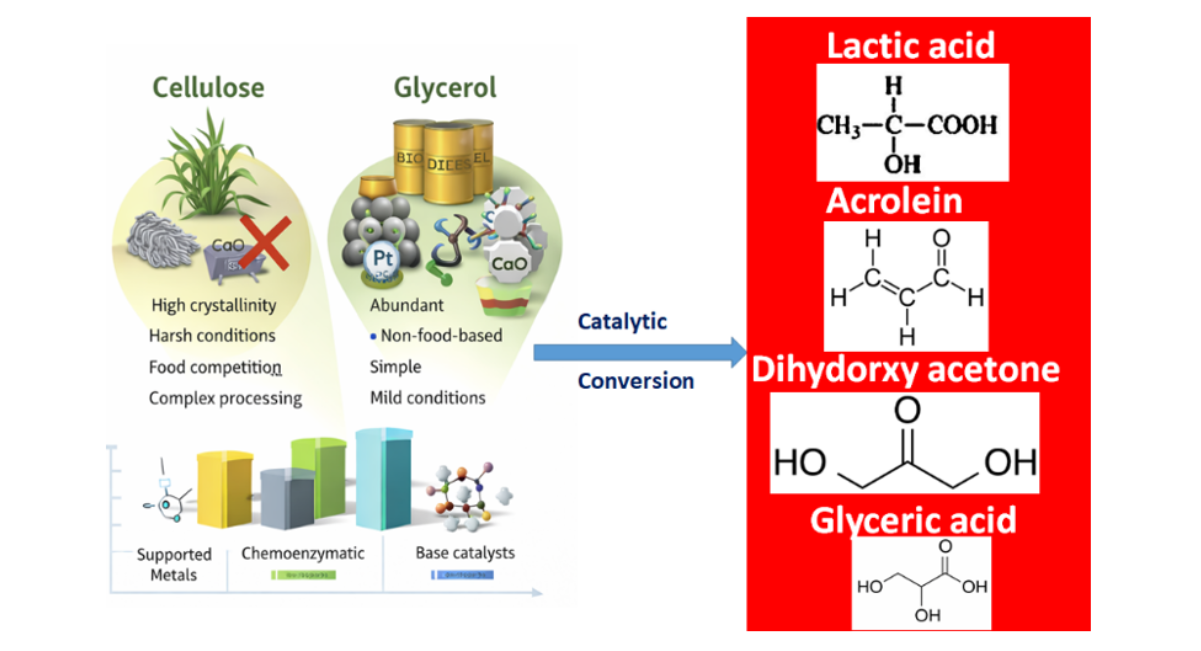
Figure 3: Schematic Overview of Glycerol Valorization to Lactic Acid
First, the stability, recyclability, and resistance against deactivation of the catalysts have to be strongly improved. In particular, in alkaline and hydrothermal conditions, where structural deterioration and leaching of metals occur frequently. Robust heterogeneous catalysts with well-defined active sites, strong metal–support interactions, and controlled basicity will have to be designed for long-term use in industry. Second, despite reports of high lactic acid yields, by-product suppression and selectivity control remain important challenges. Future studies should focus on mechanistic understanding at the molecular level using sophisticated spectroscopic and computational approaches to clearly elucidate the reaction pathways and identify the rate-determining steps. Such mechanistic insights will enable reasonable catalyst design suited for selective C₃ rearrangement toward lactic acid. Thirdly, there should be more emphasis on the utilization of crude glycerol, which is obtained directly from biodiesel manufacturing. The performance of a catalyst may be significantly affected by impurities such as methanol, salts, and residues of fatty acids. Process sustainability and economic viability will be enhanced through the development of catalysts that are impurity-tolerant along with integrated techniques of purification-conversion. Therefore, to close the gap from laboratory research to industrial production, reactor design and process intensification should investigate the role of reactor technology. Processes with continuous flow, multi-functional reactors, and low energy operation modes are actively pursued. Overall process efficiency may be further increased by combining glycerol conversion with coproduction of value-added compounds or in-situ hydrogen consumption. Notably, hybrid catalytic approaches such as bifunctional catalysts and chemo-enzymatic systems offer promising outlooks for the future. These methods can potentially reduce energy consumption and environmental impact at lower temperatures and with higher selectivity. Therefore, it can be summarized that the catalytic conversion of glycerol to lactic acid is a very viable and sustainable process, which has a great chance of being commercialized. To fully harness the potential of glycerol as a primary feedstock for producing green and sustainable chemicals, further developments in this field have to be made [16-30].
Limitations With the State-Of-The-Art Catalysts, Mechanistic Pathways and Possible Alternatives
Key reaction intermediates involved in the oxidation of glycerol to lactic acid were depicted in scheme 2. Among glyceraldehyde (GLYA) and dihydroxyacetone (DHA), DHA is the more conduce intermediate that gets converted to the target product lactic acid. The interplay of alkaline environment, oxygen content in the reaction medium and oxidation potential of the catalyst is crucial for the product selectivity.
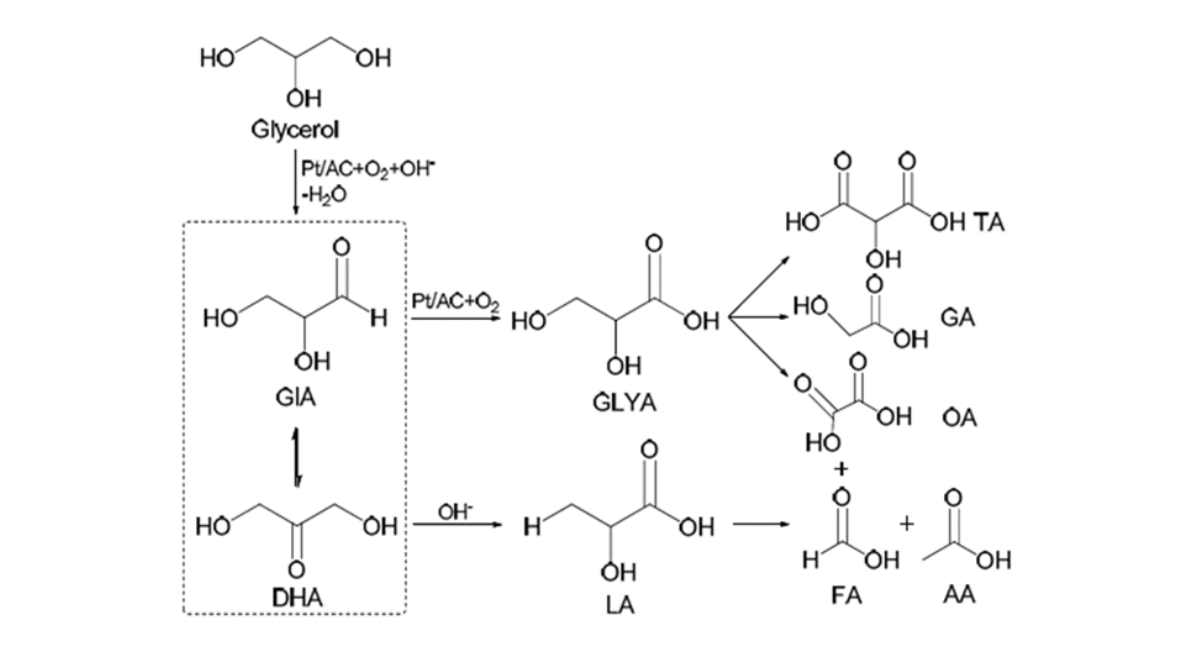
Scheme 2: Conversion of Glycerol to Lactic Acid Via Dihydroxyacetone Intermediate [31]
CONCLUSION
Renewed interest has emerged in developing environmentally friendly routes for lactic acid production. Such an interest is to meet the growing demand for green chemistry and biodegradable plastics. Although carbohydrate fermentation remains the dominant commercial process, its sustainability is limited. The use of food-grade feedstock and high-water consumption are challenges in fermentation-based process apart from being slow. Consequently, biomass-derived feedstock such as cellulose and glycerol have gained significant research attention. Cellulose is abundant and renewable. However, the conversion of cellulose to lactic acid is hindered by its high crystallinity. Extensive hydrogen bonding, low solubility, and the requirement of harsh reaction conditions are other issues with cellulose conversion. Even with advances in alkaline, hydrothermal, and microwave-assisted processes, cellulose conversion remains complex and difficult to control. In contrast, glycerol has emerged as a highly attractive and sustainable feedstock for lactic acid synthesis. As an abundant, inexpensive, non-edible by-product of biodiesel as well as bioethanol production, glycerol aligns well with the circular economy principles. It’s simple C₃ molecular structure and three hydroxyl groups enable direct conversion to lactic acid. The process involves relatively simple catalytic pathways under mild conditions, without the need for depolymerization as in the case of cellulose. Recent catalytic developments have demonstrated a wide range of effective systems for glycerol conversion. They include supported metal, bifunctional, homogeneous base, heterogeneous solid base, and chemo-enzymatic catalysts. Among these, alkaline earth metal oxides, carbon-supported catalysts, copper-based systems, and noble-metal catalysts have shown particularly high conversion and selectivity, highlighting the flexibility of catalyst design for glycerol valorization. Overall, the current research knowledge clearly indicates that glycerol offers superior simplicity, efficiency, sustainability, and economic viability compared to cellulose for lactic acid production. Furthermore, its close integration with biodiesel manufacturing strengthens glycerol’s role as a key platform feedstock for the sustainable production of environmentally friendly chemicals. However, there is a complex interplay between the alkaline conditions and the oxidation catalytic active sites and also optimal and continuous oxygen supply to the catalyst surface. Understanding the dynamics of the reaction conditions specific to a catalytic system leads to health, wealth and happiness by transition from the dirty fossil fuels to glycerol as feedstock.
ACKNOWLEDGEMENTS
Thanks are due to Professor Deepak Nallaswamy for the state-of-the-art facilities at SIMATS. Gratefulness is due to Professor B Nisha Chandru, SIMATS for the steadfast support. Indebtedness is due to Dr Ashwani Kumar, Vice-chancellor, SIMATS for the recognition of our efforts towards excellence in research. Thankfulness is due to Professor Sheeja S Varghese, Registrar, SIMATS for the resources. Indebtedness is due to Sri Prasath Kumar and Sumathy, the parents of SSK for their support. Gratefulness is due to Dr Anandamurugan, Librarian, and the staff of the central library IIT Madras for the uncensored access to the knowledge resources. Thankful is due to Mrs Saradambal V, Superintendent, Central library, IIT Madras, for exposing INP to the advanced facilities at the Nalanda light reading hall and making him abreast with the current affairs.
AUTHOR CONTRIBUTION
SSK compiled the original manuscript. INP edited the paper. AG introduced the topic.
CONFLICT OF INTEREST
The authors declare no conflicts of interest
REFERENCES
- Kibar ME, Aygul S, Yildiz M. Photocatalytic lactic acid production from glycerol with Al2O3/nt-TiO2 catalysts. Reaction Kinetics, Mechanisms and Catalysis. 2025;138(6):4287-304. [Crossref] [Google Scholar]
- Liu Y, Shang H, Zhang B, Yan D, Xiang X. Oxygen Vacancy Engineering in Layered Double Hydroxides Modulates Cascade Conversion of Glycerol to Lactic Acid. ACS Applied Materials & Interfaces. 2025;17(27):39142-54. [Crossref] [Google Scholar] [PubMed]
- Fu H, Li S, Xie X, Wang Y, Zhang J, Yu S. Fabrication of nano Cu/Cu 2 O@ C for the conversion of glycerol to lactic acid. Catalysis Science & Technology. 2025;15(11):3275-87. [Crossref] [Google Scholar]
- Li Y, Kim J, Hong WT, Kim JY, Lei Q, Han H, et al. Highly selective photoelectrochemical glycerol valorization toward lactic acid with low-valence bimetallic overlayer on CuWO4. ACS Energy Letters. 2025;10(5):2305-14. [Crossref] [Google Scholar]
- Xie H, Wei H, Hu Z, Ge S, Guo Y, Guo P, et al. Enhanced production of lactic acid via glycerol selective oxidation over K-doped Pt/Sn-MFI catalysts. Chemical Engineering Journal. 2025;511:162211. [Crossref] [Google Scholar]
- Wang Z, Zhang Y, Wang Y, Li J, Jia X, Wu Z. Recent progress in glycerol oxidation to lactic acid and pyruvic acid with heterogeneous metal catalysts. Carbon Resources Conversion. 2025;8(2):100250. [Crossref] [Google Scholar]
- Torbina VV, Nikulaichev S, Vodyankina OV. Tunability of metal–organic frameworks enhances catalytic properties: A case of cascade glycerol conversion to lactic acid. Journal of Catalysis. 2025:116578. [Crossref] [Google Scholar]
- Wang R, Zhou L, Smith Jr RL, Shen F, Qi X. Selective conversion of glycerol to lactic acid under hydrothermal conditions over carbon-supported NiCo alloy catalyst. Chemical Engineering Journal. 2025;519:165505. [Crossref] [Google Scholar]
- Ikram MM, Saharan VK. Valorization of glycerol into lactic acid and hydrogen using CaO catalyst derived from marble waste. Journal of Material Cycles and Waste Management. 2025 (5):3222-37. [Crossref] [Google Scholar]
- Ahmed S, Abdullah I, Krisnandi YK. Harnessing Copper's Potential: A Review of Cu-Based Catalysts for Glycerol Conversion. Bulletin of Chemical Reaction Engineering & Catalysis. 2025;20(2):193-220. [Crossref] [Google Scholar]
- Bhattacharjee S, Pulikkeel U, Amoli V, Sk M, Thapa R, Chowdhury B, et al. Boosting the Simultaneous Conversion of Glycerol and CO2 to Lactate and Formate Using ZrO2‐Supported NiO Catalyst. Advanced Functional Materials. 2025;35(44):2502434. [Crossref] [Google Scholar]
- Xie X, Li S, Fu H, Wang Y, Chen F, Ren S, Zhang J, Yu S. Selective oxidation of glycerol to lactic acid catalyzed by Cu-based MOFs. Molecular Catalysis. 2025;583:115209. [Crossref] [Google Scholar]
- Rachuri Y, Gholap SS, Hengne AM, Rahman MM, Dutta I, Hassine MB, et al. Boosting the performance of iridium single atom catalyst in a porous organic polymer for glycerol conversion to lactic acid. Angewandte Chemie International Edition. 2025;64(7):e202419607. [Crossref] [Google Scholar] [PubMed]
- Yang Y, Li H, Wang S, Cui C. Selectivity Control of Catalysts Towards Biomass‐Derived Lactic Acid. Carbon and Hydrogen. 2025. [Crossref] [Google Scholar]
- Neel Pulidindi I, Hakim MR, Mayer P, Gedanken A. Isosaccharinic acid mediated Fine chemicals production from cellulose. J Fundam Renewable Energy Appl. 2014;4(143):2. [Crossref] [Google Scholar]
- Tao M, Zhang D, Guan H, Huang G, Wang X. Designation of highly efficient catalysts for one pot conversion of glycerol to lactic acid. Scientific Reports. 2016;6(1):29840. [Crossref] [Google Scholar] [PubMed]
- Shimanouchi T, Takahashi Y, Yasuhara K, Kimura Y. Conversion of glycerol to lactic acid by using platinum-supported catalyst combined with phosphatidylcholine vesicles. Chemistry Letters. 2023;52(6):426-9. [Crossref] [Google Scholar]
- Xu H, Li Q, Bi Z, Xu D, Guo Y. Sustainable lactic acid production from glycerol via hydrothermal catalysis over highly dispersed cu nanoparticles on bio-tar derived carbon. Journal of Environmental Chemical Engineering. 2025 3:119275. [Crossref] [Google Scholar]
- Shen L, Yin H, Yin H, Liu S, Wang A. Conversion of glycerol to lactic acid catalyzed by different-sized Cu2O nanoparticles in NaOH aqueous solution. Journal of Nanoscience and Nanotechnology. 2017;17(1):780-7. [Crossref] [Google Scholar] [PubMed]
- Yin H, Yin H, Wang A, Shen L, Liu Y, Zheng Y. Catalytic conversion of glycerol to lactic acid over metallic copper nanoparticles and reaction kinetics. Journal of Nanoscience and Nanotechnology. 2017;17(2):1255-66. [Crossref] [Google Scholar] [PubMed]
- Ma Y, Li T, Tan Z, Ma L, Liu H, Zhu L. Chemoenzymatic conversion of glycerol to lactic acid and glycolic acid. Bioresources and bioprocessing. 2022;9(1):75. [Crossref] [Google Scholar] [PubMed]
- Esipovich AL, Zlobin SY, Shirshin KK, Zavrazhnov SA, Markov AN. Catalytic conversion of glycerol to lactic acid over Cu-based catalysts. Catalysts. 2024;14(4):231. [Crossref] [Google Scholar]
- Zhang J, Zhu G, Wang X, Mai Y, Chen J. Selective catalytic conversion of glycerol to lactic acid over Cu-ZnO@ C catalysts. Catalysis Communications. 2023;181:106733. [Crossref] [Google Scholar]
- Xu X, You H, Dong B, He Y, Li F. Selective Conversion of Glycerol to Lactic Acid in Water via Acceptorless Dehydrogenation Catalyzed by a Water-Soluble Metal–Ligand Bifunctional Iridium Catalyst. Inorganic Chemistry. 2024 ;63(28):12929-34. [Crossref] [Google Scholar] [PubMed]
- Kumar A, Priya B, Rai RK, Garg P, Deshpande U, Singh SK. Supported ruthenium catalysts for the transformation of aqueous glycerol to hydrogen gas and lactic acid. Energy Advances. 2025;4(1):106-18. [Crossref] [Google Scholar]
- Sahoo ST, Sinku A, Daw P. A catalytic approach for the dehydrogenative upgradation of crude glycerol to lactate and hydrogen generation. RSC advances. 2024;14(50):37082-6. [Crossref] [Google Scholar] [PubMed]
- Pemmana HR, Reddi R, Uppaluri RV, Peela NR. Glycerol selective oxidation to lactic acid over platinum–vanadium bimetallic catalysts supported on activated carbon. Reaction Chemistry & Engineering. 2024;9(2):260-72. [Crossref] [Google Scholar]
- Pal S, Kostera S, Manca G, Gonsalvi L. Selective Production of Hydrogen and Lactate from Glycerol Dehydrogenation Catalyzed by a Ruthenium PN3P Pincer Complex. Catalysts. 2026;16(1):48. [Crossref] [Google Scholar]
- Cruz AD, Muchave GJ, Aranda DA. Conversion of Glycerol to Lactic Acid in an alkaline medium using SiO2 supported copper catalysts. [Google Scholar]
- Bruno AM, Simoes TD, Souza MM, Manfro RL. Cu catalysts supported on CaO/MgO for glycerol conversion to lactic acid in alkaline medium employing a continuous flow reaction system. RSC advances. 2020;10(52):31123-38. [Crossref] [Google Scholar] [PubMed]
- Zhang C, Wang T, Liu X, Ding Y. Selective oxidation of glycerol to lactic acid over activated carbon supported Pt catalyst in alkaline solution. Chinese Journal of Catalysis. 2016;37(4):502-9. [Crossref] [Google Scholar]

Article Processing Timeline
| 2-5 Days | Initial Quality & Plagiarism Check |
| 25-35 Days |
Peer Review Feedback |
| 45-60 Days | Total article processing time |
Why Publish with us?
Ethics & Policies
Editorial & Management
Useful Links
Journal Highlights
Open Access Journals
Journal Flyer