

Journal of Psychiatry and Psychological Sciences
ISSN:
3107-9024 (Online)
DOI Prefix (Crossref): 10.67238
 Download PDF
ABSTRACT
Intellectual Developmental Disorder (IDD) is a neurodevelopmental disorder characterized by significant limitations in intellectual functioning and adaptive behaviour that originate during the developmental period [1,2]. Individuals with IDD are at increased risk of psychiatric comorbidities, particularly behavioral disturbances and psychotic disorders [3-5]. Distinguishing behavioral problems intrinsic to IDD from psychosis remains one of the greatest diagnostic challenges in psychiatric practice because communication deficits, cognitive impairment, and diagnostic overshadowing often obscure the clinical picture [4,5,6]. Misdiagnosis may result in unnecessary exposure to antipsychotic medications or delayed treatment of genuine psychotic illness [5,7]. This narrative review summarises the current literature about the epidemiology, clinical presentation, neurobiological mechanisms, neuropsychological characteristics, assessment, differential diagnosis, and management of behavioral problems and psychosis in individuals with IDD. A comprehensive literature search was conducted using PubMed, Google Scholar, Scopus, and WHO resources, focusing on studies published in English. Existing evidence indicates that behavioral disturbances are usually precipitated by environmental stressors, communication difficulties, sensory dysregulation, or learned maladaptive responses, whereas psychotic disorders are characterized by disturbances in perception, thought content, and reality testing with a noticeable decline from baseline functioning. Diagnostic overshadowing remains a significant barrier to early identification of psychiatric disorders in this population [5,7]. Structured clinical assessment, detailed caregiver interviews, longitudinal evaluation, and multidisciplinary management are essential for accurate diagnosis and appropriate intervention. Further research from low- and middle-income countries, particularly India, is required to improve culturally relevant assessment tools and strengthen evidence-based clinical practice.
Background
Intellectual Developmental Disorder (IDD) affects approximately 1–3% of the global population and represents one of the most common neurodevelopmental disorders [1,3,8]. Improvements in neonatal care and survival have increased the number of individuals with IDD reaching adulthood, making psychiatric comorbidity an increasingly important public health concern [7]. Behavioural disturbances and psychotic disorders contribute substantially to caregiver burden, reduced quality of life, institutionalization, and healthcare utilization [3,4,7]. Accurate differentiation between these conditions remains essential for effective management and prevention of inappropriate pharmacological treatment [5,7].
Keywords: Intellectual Developmental Disorder; Behavioural Problems; Psychosis; Diagnostic Overshadowing; Intellectual Disability; Psychiatry; Differential Diagnosis
INTRODUCTION
Intellectual Developmental Disorder is defined by the ICD-11 and DSM-5-TR as significant impairment in intellectual functioning and adaptive behaviour with onset during the developmental period. Intellectual functioning includes reasoning, learning, problem-solving, planning, abstract thinking, and judgment, whereas adaptive functioning encompasses conceptual, social, and practical skills required for independent living [1-2].
Individuals with IDD experience psychiatric disorders at rates considerably higher than those observed in the general population [3,4,7]. Epidemiological studies estimate that approximately 30–40% of individuals with IDD develop at least one psychiatric disorder during their lifetime [3,7]. Behavioural disturbances, anxiety disorders, depressive disorders, autism spectrum disorder, attention-deficit/hyperactivity disorder, and psychotic disorders are among the most frequently encountered conditions [4-5].
Among these psychiatric presentations, distinguishing behavioural problems from psychosis is particularly challenging [4,5]. Aggression, self-injurious behaviour, social withdrawal, unusual speech, and repetitive behaviours may occur in both conditions but arise from fundamentally different mechanisms [5,9]. Behavioural disturbances generally reflect environmental, developmental, communicative, or sensory factors, whereas psychosis represents a disorder of reality testing involving hallucinations, delusions, and disorganized thinking [4,5].
Communication deficits, limited insight, and baseline cognitive impairment often make it difficult for clinicians to elicit classical psychotic symptoms [4,10]. Consequently, psychiatric symptoms may be mistakenly attributed to intellectual disability itself, a phenomenon known as diagnostic overshadowing [7,11,12]. This contributes to delayed diagnosis, inappropriate treatment, poorer functional outcomes, and increased caregiver stress [7,12].
A structured understanding of the clinical differences between behavioural disorders and psychosis in IDD is therefore essential for psychiatrists, psychologists, paediatricians, neurologists, and primary care physicians involved in the care of these individuals [5,12].
METHODOLOGY
A narrative review of the literature was conducted using electronic databases including PubMed, Google Scholar, Scopus, and the Cochrane Library. Relevant publications from 2000 to 2025 were reviewed, with selected landmark studies published before 2000 included because of their continued clinical relevance. Search terms included Intellectual Developmental Disorder, Intellectual Disability, Behavioural Problems, Psychosis, Schizophrenia, Diagnostic Overshadowing, Behaviour Disorders, Neurobiology, Psychiatric Comorbidity, and Management. Additional information was obtained from ICD-11, DSM-5-TR, and WHO publications [9,10] Articles focusing on epidemiology, clinical presentation, neurobiology, assessment, differential diagnosis, treatment, and prognosis were included. Non-English publications without available translations were excluded.
MAIN REVIEW CONTENT
Epidemiology of Psychiatric Disorders in Intellectual Developmental Disorder.
Individuals with IDD experience psychiatric disorders at significantly higher rates than the general population. Lifetime prevalence estimates range from 30% to 50%, depending on diagnostic criteria, severity of intellectual impairment, and methods of assessment [11,13]. Behavioural disturbances are particularly common in children and adolescents, whereas psychotic disorders become more prevalent during late adolescence and adulthood [4,5,14].
Several factors contribute to increased psychiatric vulnerability, including genetic syndromes, structural brain abnormalities, epilepsy, adverse childhood experiences, sensory impairments, communication deficits, chronic medical illness, and social exclusion [15,18]. Family stress, inadequate educational support, and limited access to mental healthcare further increase the risk of behavioural and emotional disturbances [4,7,13].
In India, epidemiological evidence remains relatively limited. However, available studies suggest that behavioural disorders constitute one of the leading causes of psychiatric referral among individuals with IDD. The absence of standardized diagnostic pathways and trained multidisciplinary services often contributes to delayed recognition of psychosis [8,11].
Behavioural Problems in Intellectual Developmental Disorder
Behavioural problems are among the most common reasons for psychiatric referral in individuals with IDD. Studies estimate that 20–60% of individuals with IDD exhibit challenging behaviours at some point in their lifetime, with prevalence increasing as the severity of intellectual impairment rises [13]. Aggression, self-injurious behaviour (SIB), destructive behaviour, temper tantrums, impulsivity, non-compliance, stereotyped movements, inappropriate sexual behaviour, and property destruction are frequently encountered [5,6,13]. These behaviours often compromise educational achievement, community participation, and independent living while placing considerable psychological and physical burden on caregivers [6,13].
Unlike psychotic disorders, behavioural problems are usually multifactorial in origin. Biological factors include genetic syndromes, epilepsy, sleep disorders, pain, sensory impairments, and coexisting neurodevelopmental disorders such as autism spectrum disorder (ASD) and attention-deficit/hyperactivity disorder (ADHD) [5,16,18]. Environmental contributors include inconsistent caregiving, changes in routine, overcrowding, neglect, abuse, lack of structured activities, and communication barriers [6,13]. Functional behavioural analyses have demonstrated that many challenging behaviours are maintained by reinforcement, such as gaining attention, escaping difficult tasks, or obtaining preferred objects [6,17].
Communication impairment is one of the strongest predictors of behavioural disturbances. Individuals who cannot adequately express pain, anxiety, fear, or frustration frequently communicate these emotions through aggression or self-injury [6,13]. Emerson and colleagues emphasized that challenging behaviour should often be interpreted as a form of communication rather than simply as disruptive conduct. This perspective has significantly influenced modern behavioural interventions, shifting management from symptom suppression to identification and modification of environmental triggers [6,13,18].
Neurobiological mechanisms underlying behavioural disturbances involve dysfunction of frontostriatal circuits, impaired executive functioning, abnormalities in serotonergic and dopaminergic neurotransmission, and dysregulation of the hypothalamic-pituitary-adrenal (HPA) axis [18]. Emotional dysregulation and impaired inhibitory control further contribute to impulsive and aggressive behaviours. However, these mechanisms differ from the abnormalities implicated in primary psychotic disorders [18].
Psychosis in Individuals with Intellectual Developmental Disorder
Psychotic disorders occur more frequently in individuals with IDD than in the general population, with reported prevalence ranging from approximately 2% to 5% [4,19,20]. Schizophrenia spectrum disorders are the most frequently reported psychotic illnesses, although affective psychosis and brief psychotic episodes are also observed [4,21]. Certain genetic syndromes, particularly 22q11.2 deletion syndrome, Fragile X syndrome, and Prader–Willi syndrome, are associated with an increased risk of psychosis, suggesting important genetic contributions [4,18].
Diagnosing psychosis in individuals with IDD is considerably more difficult than in the general population. Classical symptoms such as hallucinations and delusions may not be easily verbalized because of limited communication skills or severe cognitive impairment [4,5,12]. Consequently, clinicians often rely on behavioural and caregiver-reported indicators. These proxy indicators include laughing or talking to oneself without an obvious stimulus, suspiciousness, fearfulness without identifiable environmental triggers, sudden deterioration in self-care, marked social withdrawal, reduced engagement in previously enjoyed activities, disturbed sleep, and significant decline from baseline adaptive functioning [2,3,12].
The concept of change from baseline is central to diagnosing psychosis in IDD. Longitudinal observation and detailed collateral history from caregivers are often more informative than a single cross-sectional interview [12,16,17]. Several studies have shown that psychotic symptoms in individuals with IDD are frequently overlooked because unusual behaviours are incorrectly attributed to the underlying intellectual disability, resulting in delayed diagnosis and treatment [4,5,12].
Neurobiologically, psychosis in IDD shares several mechanisms with schizophrenia in the general population. Dysregulation of mesolimbic dopamine pathways, glutamatergic NMDA receptor dysfunction, reduced GABAergic inhibition, neuroinflammation, and structural abnormalities involving the prefrontal cortex, hippocampus, and temporal lobes have all been implicated [4,18]. Nevertheless, additional developmental abnormalities associated with IDD may modify the clinical presentation and treatment response [18].
Diagnostic Overshadowing
Diagnostic overshadowing remains one of the greatest challenges in psychiatric practice involving individuals with IDD [7,12]. The term refers to the tendency of healthcare professionals to attribute new behavioural or emotional symptoms to the intellectual disability itself rather than considering a coexisting psychiatric disorder [7,12].
Evidence consistently demonstrates that diagnostic overshadowing contributes to delayed diagnosis, inadequate treatment, increased caregiver distress, repeated hospital admissions, and poorer long-term outcomes. Behavioural disturbances caused by pain, depression, anxiety, psychosis, epilepsy, or medication adverse effects may all be incorrectly labelled as "part of the disability" [5].
Several factors contribute to diagnostic overshadowing. Communication difficulties limit direct assessment of internal experiences. Caregivers may normalize progressive behavioural changes because they occur gradually. Clinicians may lack specialized training in intellectual disability psychiatry, while standard psychiatric diagnostic criteria were largely developed for individuals with typical intellectual functioning.
Reducing diagnostic overshadowing requires comprehensive longitudinal assessment, careful documentation of baseline functioning, multidisciplinary collaboration, repeated clinical evaluations, and detailed collateral information from caregivers, teachers, and residential staff. The introduction of specialized diagnostic instruments such as the Diagnostic Assessment for the Severely Handicapped-II (DASH-II) and the Psychiatric Assessment Schedule for Adults with Developmental Disabilities (PAS-ADD) has improved diagnostic accuracy in this population. [17,22]
Neuropsychological Considerations
Neuropsychological assessment is valuable in differentiating behavioural disturbances from psychosis in individuals with IDD. Baseline cognitive impairment is a defining feature of IDD; however, psychotic disorders are often accompanied by an additional decline in attention, executive functioning, working memory, social cognition, and adaptive skills2,18. A noticeable deterioration from the individual's previous level of functioning is more suggestive of a comorbid psychotic disorder than of behavioural problems alone [3,12].
Executive dysfunction contributes significantly to behavioural disturbances by impairing emotional regulation, impulse control, planning, and problem-solving18. In contrast, psychosis is associated with deficits in reality testing, abstract thinking, and information processing. Therefore, serial neuropsychological assessment, whenever feasible, can help identify progressive cognitive decline and guide treatment planning [18,23].
Clinical Assessment
The assessment of psychiatric symptoms in individuals with IDD should be systematic, multidisciplinary, and longitudinal. A comprehensive evaluation begins with a detailed developmental history, medical history, psychiatric history, medication review, and assessment of adaptive functioning. Particular attention should be paid to identifying recent changes in behaviour rather than relying solely on the presence of challenging behaviours.
Collateral information from parents, caregivers, teachers, and residential staff is indispensable because many individuals cannot reliably describe internal experiences. Clinicians should assess for recent stressors, sleep disturbances, pain, sensory impairments, seizures, medication adverse effects, substance use (where applicable), and environmental changes.
Medical causes such as urinary tract infections, constipation, dental pain, hypothyroidism, epilepsy, or adverse drug reactions should always be excluded before attributing symptoms to a primary psychiatric disorder [12,13].
Validated assessment tools include
Psychiatric Assessment Schedule for Adults with Developmental Disabilities (PAS-ADD)
Diagnostic Assessment for the Severely Handicapped-II (DASH-II)
Aberrant Behavior Checklist (ABC)
Adaptive Behavior Assessment System (ABAS)
Vineland Adaptive Behavior Scales
These instruments complement but do not replace clinical judgement.
Differential Diagnosis
The distinction between behavioural problems and psychosis is based on several clinical features.
Behavioural disturbances generally have an identifiable environmental or interpersonal trigger, are chronic or situational, and improve following behavioural interventions or modification of environmental stressors. Reality testing remains largely intact, although communication deficits may limit expression [6].
Psychosis typically presents with an acute or subacute change from baseline, deterioration in adaptive functioning, disturbed sleep, suspiciousness, hallucinations, delusions, or proxy indicators such as talking to unseen individuals or responding to internal stimuli. Behaviour becomes increasingly disorganized and is less responsive to behavioural strategies alone [4,12].
Because considerable overlap exists, repeated assessments over time are often necessary before establishing a definitive diagnosis [16].
Management of Behavioural Problems
Management should prioritize non-pharmacological interventions. Functional Behaviour Assessment (FBA) remains the cornerstone of treatment because it identifies the antecedents and consequences maintaining challenging behaviours.
Evidence supports structured daily routines, positive behaviour support, communication training, caregiver education, sensory modulation strategies, environmental modification, and cognitive-behavioural approaches adapted to cognitive ability.
Medication should be reserved for severe aggression, self-injurious behaviour, or situations in which behavioural interventions have failed or significant psychiatric comorbidity exists. When medication is required, treatment should be individualized, regularly reviewed, and accompanied by ongoing behavioural interventions.
Management of Psychosis
Psychotic disorders require prompt psychiatric treatment to reduce functional decline and improve long-term outcomes. Second-generation antipsychotics such as risperidone, olanzapine, aripiprazole, and quetiapine are commonly prescribed because of their favourable efficacy and tolerability profiles.
Treatment should begin with the lowest effective dose because individuals with IDD are often more vulnerable to adverse drug effects, including metabolic syndrome, extrapyramidal symptoms, and sedation. Regular monitoring of weight, blood glucose, lipid profile, prolactin levels, and movement disorders is recommended.
Pharmacotherapy should be integrated with psychoeducation, caregiver support, occupational rehabilitation, structured psychosocial interventions, and management of comorbid neurological or medical disorders.
Prognosis
The prognosis depends upon the severity of intellectual disability, presence of psychiatric comorbidity, communication ability, family support, access to specialized services, and treatment adherence.
Behavioural disturbances generally respond well to comprehensive behavioural interventions when underlying triggers are identified and addressed. In contrast, psychotic disorders frequently require long-term psychiatric follow-up and maintenance pharmacotherapy. Delayed recognition due to diagnostic overshadowing is associated with poorer functional outcomes and greater caregiver burden.
Differentiation
|
No |
Parameter |
Psychosis in IDD |
Behavioral Problem in IDD |
|
1 |
Onset |
Acute or subacute |
Early, insidious |
|
2 |
Nature of presentation |
Sleep and appetite disturbances, |
Aggression towards self or others, Impulsivity, stereotypes, tantrums, inappropriate social behaviour, attention and concentration problems 7 |
|
3 |
Duration |
Episodic/fluctuating |
Chronic, persistent |
|
4 |
Antecedent factor |
Intellectual developmental disorder, family history of psychosis, poor coping skill, structural brain abnormalities, communication difficulties, social deprivation/ isolation, history of epilepsy, previous psychiatric illness |
IDD, Comorbid ADHD, low frustration tolerance, limited coping skills, neglect or abuse, inconsistent parenting, high expressed emotion in family |
|
5 |
Precipitating factor |
Sudden change in environment, loss of caregiver, physical illness, sleep deprivation, hospital admission, substance use, medication non-adherence |
Change in routine, unmet needs, communication failure, sensory overload, peer conflict, recent stressful event, medication changes |
|
6 |
Perpetuating factor |
Delay in identifying psychosis, poor insight, irregular medication intake, caregiver stress, continued environmental stress, social withdrawal, lack of structured daily routine, stigma and reduced support |
Attention gained after aggression, caregiver burnout, lack of behavioural intervention plan, poor insight, overmedication or poor adherence to medication |
|
7 |
Neurobiology |
Dopamine dysregulation: increased dopamine in mesolimbic pathways |
Frontal lobe dysfunction |
|
8 |
Neuropsychology |
Baseline global cognitive impairment with additional decline from baseline functioning |
Global intellectual impairment with executive dysfunction, emotional regulation deficits, communication, social cognition deficits |
|
9 |
Prognosis |
Poor prognosis than Psychosis without IDD |
Depends on: |
|
10 |
Response to treatment |
Good response to antipsychotics |
Targeted pharmacotherapy |
|
11 |
Representation in articles previously published |
Underrepresented |
Overrepresented |
Table 1: Clinical Comparison of Psychosis and Behavioral Problems in Individuals with Intellectual Developmental Disorder (IDD)
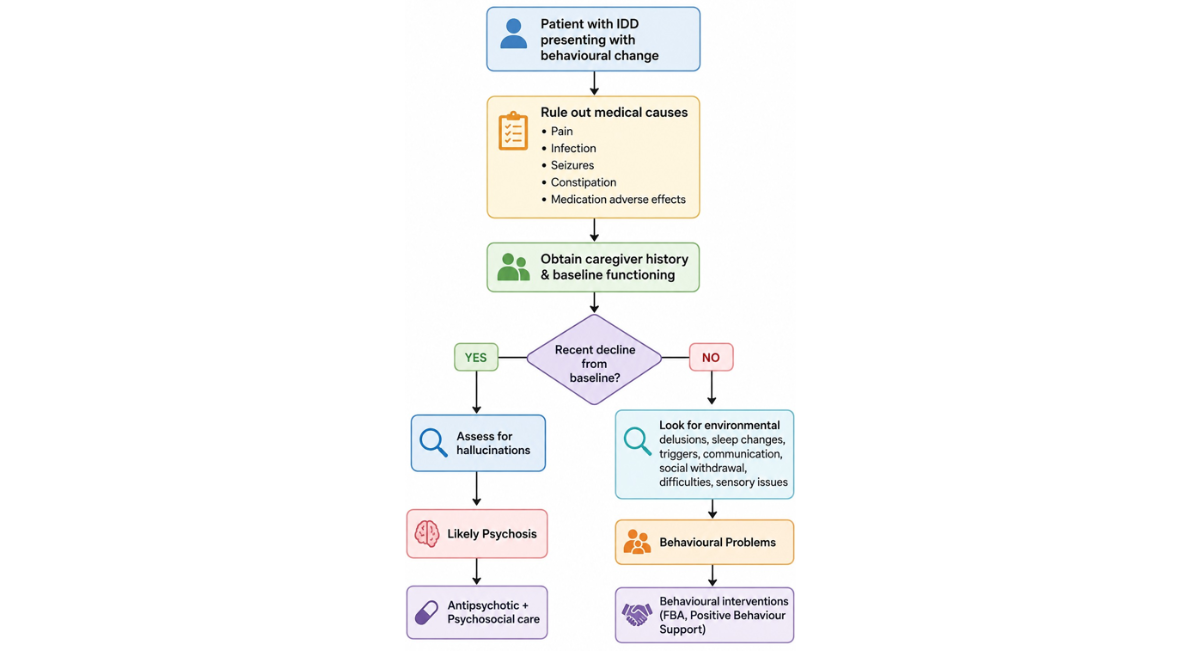
Figure 1: Flowchart for the Evaluation of Behavioural Change in Individuals with Intellectual Developmental Disorder
Indian Perspective and Future Directions
Although India has a substantial population of individuals with IDD, research addressing psychiatric comorbidity remains limited. Most available studies focus on prevalence rather than longitudinal outcomes, standardized assessment, or intervention strategies. Limited specialist services, inadequate caregiver training, and social stigma continue to delay diagnosis and treatment.
Future research should prioritize multicentre prospective studies, culturally validated psychiatric assessment tools, early intervention programs, caregiver education, and community-based mental health services. The integration of intellectual disability psychiatry into routine psychiatric practice and postgraduate training is essential to improve diagnostic accuracy and patient outcomes [22,23].
DISCUSSION
The literature consistently demonstrates that behavioural problems and psychosis represent distinct clinical entities despite considerable overlap in presentation. Behavioural disturbances are generally related to communication difficulties, environmental stressors, sensory dysregulation, or maladaptive learning, whereas psychosis reflects disturbances in thought content, perception, and reality testing.
A major finding across published studies is the persistence of diagnostic overshadowing, which delays recognition of psychiatric illness and contributes to inappropriate treatment. Evidence supports the use of structured assessment, longitudinal observation, multidisciplinary collaboration, and caregiver interviews to improve diagnostic accuracy [24].
Although advances have been made in understanding the neurobiology of psychiatric disorders in IDD, substantial research gaps remain, particularly in low- and middle-income countries. Further high-quality studies are needed to develop standardized diagnostic pathways and evidence-based treatment guidelines [25,26].
LIMITATIONS
This review has certain limitations. A a narrative review, it does not allow the methodology of a systematic review and may therefore be subject to selection bias.
Most valuable evidence originate from high income countries, limiting the generalisability of findings to low- and middle-income settings such as India. In addition, the heterogeneity of study populations, varying diagnostic criteria, and Limited longitude studies in individuals with intellectual developmental disorder, make direct comparison difficult. Further high-quality prospective studies are needed to strengthen evidence base.
CONCLUSION
Behavioural problems and psychosis are common psychiatric presentations in individuals with Intellectual Developmental Disorder but require fundamentally different approaches to assessment and management. Accurate differentiation depends on identifying changes from baseline functioning, obtaining comprehensive collateral information, excluding medical causes, and recognizing the limitations imposed by communication deficits. Early diagnosis facilitates timely intervention, reduces inappropriate antipsychotic use, and improves quality of life for both individuals and their caregivers. Continued research, clinician training, and development of culturally appropriate assessment tools remain essential to strengthen psychiatric care for individuals with IDD [27,30].
REFERENCES
- American Psychiatric Association. Diagnostic and Statistical Manual of Mental Disorders: DSM-5-TR. 5th ed. Text Revision. Washington, DC: American Psychiatric Association Publishing; 2022.
- Russell PS, Nagaraj S, Vengadavaradan A, Russell S, Mammen PM, Shankar SR, et al. Prevalence of intellectual disability in India: A meta-analysis. World Journal of Clinical Pediatrics. 2022;11(2):206. [Crossref] [Google Scholar] [PubMed]
- Cooper SA, Smiley E, Morrison J, Williamson A, Allan L. Mental ill-health in adults with intellectual disabilities: prevalence and associated factors. The British journal of psychiatry. 2007;190(1):27-35. [Crossref] [Google Scholar] [PubMed]
- Morgan VA, Leonard H, Bourke J, Jablensky A. Intellectual disability co-occurring with schizophrenia and other psychiatric illness: population-based study. The British Journal of Psychiatry. 2008;193(5):364-72. [Crossref] [Google Scholar] [PubMed]
- Matson JL, Shoemaker ME. Psychopathology and intellectual disability. Current opinion in psychiatry. 2011;24(5):367-71. [Crossref] [Google Scholar] [PubMed]
- Emerson E. Challenging behaviour: analysis and intervention in people with intellectual disabilities. [Crossref] [Google Scholar]
- Deb S, Thomas M, Bright C. Mental disorder in adults with intellectual disability. 1: Prevalence of functional psychiatric illness among a community‐based population aged between 16 and 64 years. Journal of Intellectual Disability Research. 2001;45(6):495-505. [Crossref] [Google Scholar] [PubMed]
- Owen G. What is formulation in psychiatry?. Psychological medicine. 2023;53(5):1700-7. [Crossref] [Google Scholar] [PubMed]
- Russell PS, John JK, Lakshmanan JL. Family intervention for intellectually disabled children: Randomised controlled trial. The British Journal of Psychiatry. 1999;174(3):254-8. [Crossref] [Google Scholar] [PubMed]
- Nair MK, Russell PS, Ellangovan K. A Neurodevelopmental Follow-up Model in India: Advances in the Evidence Base. The Indian Journal of Pediatrics. 2014;81(Suppl 2):63-5. [Crossref] [Google Scholar] [PubMed]
- Bakken TL. Behavioural equivalents of schizophrenia in people with intellectual disability and autism spectrum disorder. A selective review. International Journal of Developmental Disabilities. 2021;67(5):310-7. [Crossref] [Google Scholar] [PubMed]
- van den Akker N, Kroezen M, Wieland J, Pasma A, Wolkorte R. Behavioural, psychiatric and psychosocial factors associated with aggressive behaviour in adults with intellectual disabilities: A systematic review and narrative analysis. Journal of Applied Research in Intellectual Disabilities. 2021;34(2):327-89. [Crossref] [Google Scholar] [PubMed]
- Adams D, Hastings RP, Maidment I, Shah C, Langdon PE. Deprescribing psychotropic medicines for behaviours that challenge in people with intellectual disabilities: a systematic review. BMC psychiatry. 2023;23(1):202. [Crossref] [Google Scholar] [PubMed]
- Harper L, McAnelly S, Walshe I, Ooms A, Tuffrey‐Wijne IM. Behavioural sleep problems in children and adults with intellectual disabilities: An integrative literature review. Journal of Applied Research in Intellectual Disabilities. 2023;36(5):916-28. [Crossref] [Google Scholar] [PubMed]
- Moss S, Prosser H, Costello H, Simpson N, Patel P, et al. Reliability and validity of the PAS‐ADD Checklist for detecting psychiatric disorders in adults with intellectual disability. Journal of intellectual disability research. 1998 Apr;42(2):173-83. [Crossref] [Google Scholar] [PubMed]
- Moss S, Patel P, Prosser H, et al. Psychiatric Assessment Schedule for Adults with Developmental Disabilities (PAS-ADD): Development and validation. [PubMed]
- Matson JL, Matheis M, Estabillo JA, Issarraras A, Peters WJ, Jiang X. Intellectual disability. Treatment of disorders in childhood and adolescence. 2019:416-47. [Google Scholar]
- Deb S, Unwin G, Deb T. Characteristics and causes of aggressive behaviour in adults with intellectual disabilities: A review.
- Tyrer P, Oliver-Africano PC, Ahmed Z, Bouras N, Cooray S, Deb S, et al. Risperidone, haloperidol, and placebo in the treatment of aggressive challenging behaviour in patients with intellectual disability: a randomised controlled trial. The Lancet. 2008;371(9606):57-63. [Crossref] [Google Scholar] [PubMed]
- Aman MG, Naeem F, Farooq S, et al. Prevalence of psychotic disorders among people with intellectual disabilities: Systematic review and meta-analysis. [Crossref] [Google Scholar] [PubMed]
- Branford D, Bhaumik S. Intellectual Disability. The Frith Prescribing Guidelines for People with Intellectual Disability. 2015:1-0. [Crossref] [Google Scholar]
- Hassiotis A, Poppe M, Strydom A. Mental health services for adults with intellectual disability: Current evidence and future directions.
- National Institute for Health and Care Excellence (NICE). Challenging behaviour and learning disabilities: Prevention and interventions (NG11). London: NICE; 2015 (current guideline).
- National Institute for Health and Care Excellence (NICE). Psychosis and schizophrenia in adults: Prevention and management (CG178). Updated guideline.
- World Health Organization. Comprehensive Mental Health Action Plan 2013–2030. Geneva: WHO.
- Royal College of Psychiatrists. CR230: Psychiatric Services for Adults with Intellectual Disability. London: RCPsych.
- American Association on Intellectual and Developmental Disabilities (AAIDD). Intellectual Disability: Definition, Diagnosis, Classification, and Systems of Supports. 12th ed. 2021.
- Schalock RL, Luckasson R, Tassé MJ. An overview of intellectual disability: Definition, diagnosis, classification, and systems of supports. American journal on intellectual and developmental disabilities. 2021;126(6):439-42. [Google Scholar]
- Kumar M, Sawhney I, Chester V, Alexander R, Mitchell J, Shankar R. Outcome Measures in intellectual disability: A Review and narrative synthesis of validated instruments. International Journal of Social Psychiatry. 2025;71(2):239-53. [Crossref] [Google Scholar] [PubMed]
- Santambrogio J, Boido G, Marchetti M, Rudra S, Besana F, Francia E, et al. Prevalence of mental disorders in people with intellectual disabilities across the lifespan: umbrella review. BJPsych Open. 2026;12(3):e139. [Crossref] [Google Scholar] [PubMed]

Article Processing Timeline
| 2-5 Days | Initial Quality & Plagiarism Check |
| 25-35 Days |
Peer Review Feedback |
| 45-60 Days | Total article processing time |
EDITORIAL & PUBLICATION INFORMATION
| English | Publication Language |
| Single-Blind | Peer-Review Model |
| 17% | Acceptance Rate |
| <18% | Similarity Screening Guideline |
| Open Access | Access Model |
All manuscripts undergo editorial assessment and originality screening as part of the journal's evaluation process. The acceptance rate shown is based on journal-level editorial data and may change over time. Similarity reports are assessed editorially and are not interpreted solely on the basis of a numerical similarity score.
Why Publish with us?
Ethics & Policies
Editorial & Management
Useful Links
Journal Highlights
Open Access Journals
Journal Flyer