
Journal of Plant Science and Biotechnology
ISSN:
3139-6437 (Online)
DOI Prefix (Crossref): 10.67238
 Download PDF
ABSTRACT
Stevia rebaudiana is a high-value medicinal and natural sweetener plant with increasing commercial demand in Bangladesh; however, conventional propagation is limited by low seed viability and inconsistent field establishment. This study aimed to develop an efficient, reproducible, and region-specific direct in vitro regeneration protocol coupled with a climate-adaptive acclimatization strategy suitable for Bangladeshi conditions. Nodal explants were cultured on Murashige and Skoog (MS) medium supplemented with different concentrations of kinetin and 6-benzylaminopurine (BAP) for shoot multiplication, while rooting was induced using different concentrations of naphthaleneacetic acid (NAA) and indole-3-butyric acid (IBA). Acclimatization was performed using six different substrate combinations. The optimized regeneration system resulted in a significantly higher shoot induction frequency (94.33%), number of shoots per explant (8.67 ± 0.58), shoot length (6.42 ± 0.34 cm), and rooting percentage (92.67%), while minimizing callus formation. A Bangladesh-specific acclimatization protocol was developed using cocopeat-vermicompost-garden soil mixture (1:1:1), gradual humidity reduction, and incremental exposure to natural light and ambient temperature, yielding 91.33% survival after 21 days of acclimatization under nursery conditions. The integrated regeneration and acclimatization protocol developed in this study provides a scalable and cost-effective approach suitable for commercial Stevia production in Bangladesh. This study provides a comprehensive optimization of direct regeneration and acclimatization of S. rebaudiana aligned with the subtropical microclimatic conditions of Bangladesh, supporting future research in phytopharmaceutical and biotechnological applications.
Keywords: Direct Organogenesis; Micropropagation; Phyto-Hormone; Hardening; Subtropical Climate
INTRODUCTION
Stevia rebaudiana Bertoni, also known as sweet leaf or honey leaf, is a member of the family Asteraceae and is commercially grown in several countries [1,2]. This herbaceous plant has been the focus of worldwide attention as a natural non-caloric sweetener because of its steviol glycosides, namely stevioside and rebaudioside A, that are 200–300 times sweeter than sucrose [3-5]. Consumer demand for natural sweeteners and the desire to have alternatives to synthetic substitutes has made S. rebaudiana become an important crop worldwide. Besides being sweet, stevia also exerts some therapeutic actions, such as antihyperglycemic, antihypertensive, and antioxidant effects, making it valuable plant in the pharma- and nutraceutical industries [6,7].
Despite being a crop of great economic importance, the cultivation of stevia in Bangladesh is limited by inefficient propagation methods and the lack of quality planting materials. Stevia is economically important but, for this plant, seed propagation is not commonly practiced because of low germination percentages and genetic variation [8]. Vegetative propagation methods, such as stem cuttings have also been found to be problematic due to low multiplication rate and susceptibility towards fungal infection [9,10]. These bottlenecks hinder industrial plantations being developed with even populations of plants that express uniform profiles of steviol glycosides. It is for this reason that in vitro propagation approaches can be highly significant for rapid and massive multiplication of disease-free and genetically stable plants and enable the rapid production of large numbers of elite plants within a shorter period [11,12].
Several in vitro regeneration procedures for stevia from different explant sources like nodal segments, shoot tips, leaf discs and internodal regions have also been studied also worldwide [10,13,14]. However, in most reported protocols indirect organogenesis is used via callaus as an intermediate structure which leads to a higher risk for somaclonal variation and genetic instability because of long-term exposure to high auxin concentration [15]. Direct organogenesis, in which shoots originate directly from explant tissues without a callus phase, has the potential for high genetic fidelity and a reduction in culture period and is therefore more suitable for commercial micropropagation [16]. The effectiveness of direct regeneration is highly dependent on the optimization of plant growth regulator (PGR) combinations, specifically the ratio between cytokinins that stimulate shoot induction and auxins which control both quality of shoots and subsequent root development [17].
Another crucial bottleneck in tissue culture production pipeline is acclimatization, as in vitro-raised plantlets have been reported to suffer from low survivability upon transfer to ex vitro conditions owing to non-functional stomata, reduced cuticle development and heterotrophic metabolism [18]. The acclimatization is particularly challenging in the subtropical climate of Bangladesh's, characterized by high ambient temperatures (25-35°C), elevated relative humidity (70-90% during monsoon), intense solar radiation, and frequent rainfall events [19]. Region-specific optimization of substrate composition, humidity management, and light exposure regimes is essential for achieving high survival rates and vigorous field establishment.
Additionally, the acclimatization requirements of stevia under the unique temperature, humidity, and light conditions of Bangladesh have not been adequately optimized or scientifically validated. There is currently no integrated lab-to-field regeneration and acclimatization model specifically tailored to Bangladeshi agro-ecological conditions. This knowledge gap limits the large-scale commercial production of high-quality planting materials. Therefore, a comprehensive study is required to standardize direct regeneration along with climate-specific acclimatization to ensure superior field performance. The present investigation was undertaken to address these research gaps by developing comprehensive in vitro regeneration and climate-adaptive acclimatization protocol for S. rebaudiana for Bangladeshi subtropical conditions.
MATERIALS AND METHODS
Experimental Site, Plant Material and Explant Source
The research was carried out in the Cell and Tissue Culture Laboratory of Institute of Biotechnology and Genetic Engineering, Gazipur Agricultural University. Healthy nodal segments of the 6-month-old field-grown S. rebaudiana plants were taken out from the experimental greenhouse. Explants containing a single axillary bud were excised using sterile surgical blades and processed for surface sterilization.
Surface Sterilization Protocol
Surface sterilization was done following the protocol developed by Azad et al. (2025) with slight modification [20]. Explants were thoroughly washed under running tap water for 20 minutes with a few drops of Tween-20 to remove surface contaminants and dust particles. Subsequently, explants were rinsed three times with distilled water and treated with 0.1% (w/v) Bavistin for 10 minutes to eliminate fungal contamination. Under sterile conditions in a laminar low hood, explants were soaked in 70% (v/v) ethanol for 30 seconds and then 1.5% (v/v) sodium hypochlorite solution for 10 minutes with intermittent agitation. Finally, explants were washed 5-6 times with sterile water to remove residues. After Surface-sterilization, explants were dried on sterile filter paper prior to inoculation.
Culture Media Preparation
Murashige and Skoog (1962) medium with vitamins, and iron source was used as the basal medium for all experiments. The medium was supplemented with 3% (w/v) sucrose as carbon source and solidified with 0.7% (w/v) agar. The pH was modified to 5.8 with 0.1 N HCl or 0.1 N NaOH prior to autoclaving at 121°C for 15 minutes under 15 psi pressure. All cultures were kept in a growth chamber at 25±2°C with 55-60% relative humidity and a photoperiod of 16 hours light and 8 hours dark, utilizing cool white fluorescent lamps that delivered an intensity of 3000 lux [21].
Direct Shoot Initiation and Multiplication
For shoot initiation experiments, MS medium was supplemented with different concentrations of cytokinins: BAP (Duchefa Biochemie-B0904.0025) at 0.5, 1.0, 1.5, and 2.0 mgL-1, and Kin (Duchefa Biochemie-K0905.0001) at 0.5 and 1.0 mgL-1, alone and in combination with NAA (Duchefa Biochemie-N0903.0025) at 0.1 and 0.2 mgL-1.
Parameters recorded after 5 weeks of culture included: days to shoot initiation, percentage of explants showing shoot induction, number of shoots per explant, and average shoot length. For shoot multiplication, the best-performing shoots were subcultured onto fresh medium of the same composition and multiplied for three successive passages at 4-week intervals. For elongation studies, gibberellic acid (GA₃) at 0.5 mgL-1 was added to selected multiplication media.
In Vitro Root Induction
Well-developed shoots (4-5 cm length) from multiplication cultures were excised and transferred to half-strength MS medium supplemented with different concentrations of IBA (Duchefa Biochemie-I0902.0025) at 0.5, 1.0, and 1.5 mgL-1, and NAA at 0.25 and 0.5 mgL-1. Hormone-free half-strength MS medium served as control. After 4 weeks, the following rooting parameters were assessed: rooting frequency (%), number of roots per shoot, mean root length (cm), root diameter (mm), and lateral root branching index (number of visible lateral branches per centimeter of primary root length).
Root diameter was measured using a digital vernier caliper on ten randomly selected roots per treatment. Lateral branching index was calculated as the number of observable lateral branches divided by the total primary root length. Well-developed roots were classified as those with diameter ≥ 0.8 mm and ≥ 2 lateral branches cm⁻¹; intermediate roots had diameter 0.5–0.8 mm with 1–2 branches cm⁻¹; poorly developed roots had diameter < 0.5 mm and < 1 branch cm⁻¹.
Acclimatization Protocol
Well-developed rooted plantlets were carefully removed from culture tube, and residual agar was gently washed from roots using sterile distilled water. Plantlets were transplanted into small plastic pot containing different substrate combinations: (1) cocopeat: vermicompost (1:1 v/v), (2) cocopeat: garden soil (1:1 v/v), (3) cocopeat: sand (1:1 v/v), (4) cocopeat: vermicompost: garden soil (1:1:1 v/v/v), (5) cocopeat: vermicompost: sand (1:1:1 v/v/v), and (6) vermicompost: sand: garden soil (1:1:1 v/v/v). All substrate materials were sterilized by autoclaving before use.
Acclimatization was done successfully in a greenhouse at Gazipur Agricultural University (24.03603°N, 90.39621°E) during April-May 2025. Environmental parameters were monitored throughout the acclimatization period using calibrated digital thermo-hygrometers and a portable PAR meter. The acclimatization was conducted in three progressive stages adapted such as during the first week (days 1-7), pots were covered with transparent polyethylene bags to maintain 85-95% relative humidity and placed under shade net providing 40-60 µmol m⁻² s⁻¹ light intensity, temperature ranged from 26–30°C. During the second week (days 8-14), polyethylene covers were gradually opened for increasing durations (2-3 hours daily, then 4-6 hours) to reduce humidity to 70-80%, temperature ranged from 27–31°C. During the third week (days 15-21), covers were completely removed, and plantlets were exposed to natural greenhouse conditions (60-70% humidity, 27–31°C) with gradual increase in light intensity to full sunlight. Throughout acclimatization, ambient temperature was maintained at 28 ± 2°C, typical of Bangladeshi subtropical climate.
After 21 days of acclimatization, survival percentage, plant height, number of leaves per plant, fresh and dry biomass, and overall plant vigor were recorded.
Experimental Design and Statistical Analysis
All experiments were carried out according to a completely randomized design (CRD) with three replicates. Twelve explants were used in each replication. The data were analyzed using one-way ANOVA (SPSS software, version 25.0). Statistical comparisons between treatment means were also performed by Duncan's Multiple Range Test (DMRT) at 5% level of significance (p ≤0.05). Values are means ± SE from tables and text.
RESULTS
Effect of Cytokinins and Auxins on Direct Shoot Initiation
The surface sterilization procedure used in this research demonstrated 91-95% contamination free- cultures, with low levels of explant browning or necrosis. Bud swelling was observed in sterilized nodal explants within 5-7 days of culture initiation on cytokinin-based media, shoot outgrowth occurred within 8 to12 days depending on type of PGR combination.
Table 1 presents the combined influence of various concentrations of BAP, kinetin, and NAA on direct shoot induction from nodal explants. Direct shoot organogenesis was induced from axillary buds on all cytokinin-supplemented media, whereas control medium (hormone free MS) exhibited limited bud break and poor shoot development. Of the cytokinins tested, shoot induction frequency, and number and length of shoots were high in BAP-containing media than in kinetin-containing media. The BAP response was concentration dependent, and optimum responses were achieved at 1.5 mgL-1 BAP together with 0.1 mgL-1 NAA resulting in the highest shoot induction frequency (94.33 ± 1.53%), maximum number of shoots per explant (8.67 ± 0.58), and maximum shoot length (6.42 ± 0.34 cm). Under this treatment, shoot initiation was the earliest (8.33 ± 0.58 days) in association with a vigorous shoot growth and minimum basal callusing.
|
Treatment |
BAP (mgL -1) |
Kin (mgL -1) |
NAA (mgL -1) |
Days to shoot initiation |
Shoot induction (%) |
Shoots per explant |
Shoot length (cm) |
|
T1 (Control) |
0 |
0 |
0 |
15.67 ± 1.20ᵃ |
23.33 ± 3.33ᶠ |
1.33 ± 0.33ᵍ |
2.11 ± 0.28ᶠ |
|
T2 |
0.5 |
0 |
0 |
11.00 ± 0.58ᵇ |
63.33 ± 2.89ᵉ |
4.33 ± 0.33ᶠ |
4.23 ± 0.31ᵉ |
|
T3 |
0.5 |
0 |
0.1 |
10.33 ± 0.67ᵇᶜ |
71.67 ± 2.33ᵈ |
5.67 ± 0.33ᵉ |
4.88 ± 0.26ᵈ |
|
T4 |
1 |
0 |
0 |
10.00 ± 0.58ᵇᶜ |
78.33 ± 2.03ᶜᵈ |
6.12 ± 0.42ᵈᵉ |
5.34 ± 0.29ᶜᵈ |
|
T5 |
1 |
0 |
0.1 |
9.33 ± 0.33ᶜᵈ |
86.67 ± 1.76ᵇ |
7.33 ± 0.33ᵇᶜ |
5.87 ± 0.31ᵇᶜ |
|
T6 |
1.5 |
0 |
0 |
9.00 ± 0.58ᶜᵈ |
82.33 ± 2.33ᵇᶜ |
6.67 ± 0.44ᶜᵈ |
5.56 ± 0.37ᶜᵈ |
|
T7 |
1.5 |
0 |
0.1 |
8.33 ± 0.58ᵈ |
94.33 ± 1.53ᵃ |
8.67 ± 0.58ᵃ |
6.42 ± 0.34ᵃ |
|
T8 |
1.5 |
0 |
0.2 |
9.67 ± 0.67ᵇᶜᵈ |
80.00 ± 2.65ᶜᵈ |
6.33 ± 0.33ᶜᵈᵉ |
5.12 ± 0.28ᶜᵈ |
|
T9 |
2 |
0 |
0.1 |
8.67 ± 0.33ᶜᵈ |
88.33 ± 1.67ᵃᵇ |
7.83 ± 0.44ᵃᵇ |
4.67 ± 0.31ᵈᵉ |
|
T10 |
0 |
0.5 |
0.1 |
11.67 ± 0.88ᵇ |
58.33 ± 3.18ᵉ |
3.67 ± 0.33ᶠᵍ |
4.02 ± 0.24ᵉ |
|
T11 |
0 |
1 |
0.1 |
10.67 ± 0.67ᵇ |
76.67 ± 2.31ᶜᵈ |
5.33 ± 0.33ᵉᶠ |
4.76 ± 0.27ᵈᵉ |
Table 1: Effect of Plant Growth Regulators on Direct Shoot Induction from Nodal Explants of Stevia rebaudiana after 5 Weeks of Culture
Note: Values represent mean ± SE of three replicates with 12 explants per replicate. Mean values within the same letter in a column are not significantly different based on DMRT at p ≤ 0.05
Low BAP concentrations (0.5–1.0 mg L⁻¹) resulted in fewer shoots per explant (4.33-6.12) and delayed shoot initiation (10-11 days), while hyper hydric symptoms were observed at high BAP concentration of 2.0 mgL-1 including excessive shoot multiplication with greatly shortened internodes and increased callus formation on the explant base which may not compromise genetic uniformity during large-scale commercial propagation. When a low concentration of auxin (NAA, 0.1 mgL-1) was added to cytokinin-containing media, higher frequency of shoot induction and better quality shoots were obtained as compared to treatment using only cytokinin because a balanced cytokinin-to-auxin ratio exerted a synergistic effect on shoot regeneration. But increasing NAA concentration up to 0.2 mgL-1 decreased shoot number and increased callus formation, implying that higher auxin concentrations lead the morphogenic response into callusing rather than direct organogenesis.
Kinetin showed lower efficacy compared to BAP across all concentrations tested. The best kinetin treatment (1.0 mgL-1 Kin + 0.1 mgL-1 NAA) produced 76.67 ± 2.31% shoot induction with 5.33 ± 0.33 shoots per explant, which was significantly lower than the optimal BAP treatment. Shoots regenerated on kinetin-containing media exhibited slower growth rates and required a longer culture period to achieve transplantable size.
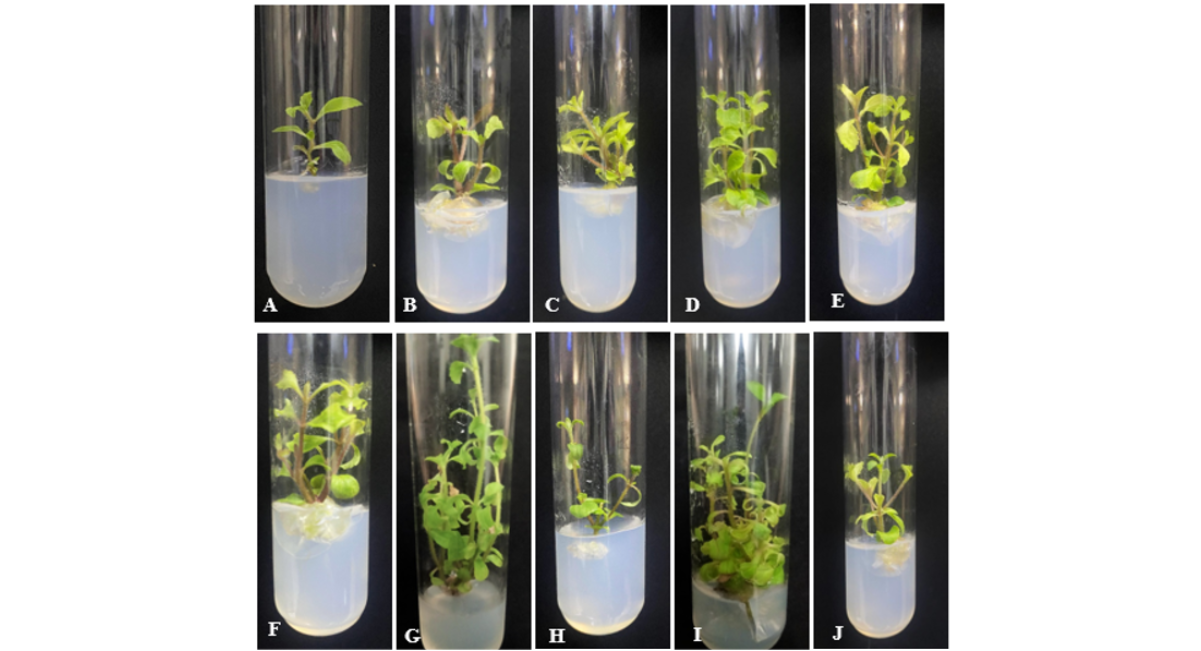
Plate 1: In vitro shoot multiplication of S. rebaudiana after five weeks of culture on MS medium supplemented with (A) Control (without cytokinin), (B) 0.5 mgL-1 BAP, (C) .5 mgL-1 BAP + .1 mgL-1 NAA, (D) 1 mgL-1 BAP, (E) ) 1 mgL-1 BAP + .1 mgL-1 NAA, (F) 1.5 mgL-1 BAP, (G) ) 1.5 mgL-1 BAP + .1 mgL-1 NAA, (H) 2 mgL-1 BAP + .1 mgL-1 NAA, (I) .5 mgL-1 KIN + .1 mgL-1 NAA, (J) 1 mgL-1 KIN + .1 mgL-1 NAA
Shoot Multiplication and Elongation
The optimal shoot induction treatment (T7: MS + 1.5 mgL -1 BAP + 0.1 mgL -1 NAA) was used for subsequent shoot multiplication studies. Shoots were successfully multiplied through three successive subculture cycles at 4-week intervals, while maintaining high multiplication rates (7-9 shoots per explant per passage) and genetic uniformity without visible morphological abnormalities. The addition of 0.5 mgL -1 GA₃ to the multiplication medium significantly enhanced shoot elongation, increasing average shoot length from 6.42 cm to 8.15 ± 0.41 cm without adversely affecting shoot number or quality. However, GA₃ supplementation is optional as shoots of adequate size for rooting were obtained without gibberellin addition.
Effect of Auxins on In Vitro Root Induction
Root induction was evaluated using various concentrations of IBA and NAA in half-strength MS medium. The data provided in Table 2 indicated that all the auxin treatments were able to induce adventitious roots, but IBA was more effective than NAA. The hormone-free control medium resulted in only 43.33% rooting with the root systems minimally grown. The best results were achieved with 1.0 mgL-1 of IBA, which showed a rooting frequency of 92.67 ± 1.76%, producing 11.33 ± 0.67 roots per shoot with an average root length of 6.84 ± 0.38 cm and a root diameter 1.12 ± 0.08 mm after 4 weeks. Adequate adventitious rooting produces thick, white, and well-branched roots with root hairs, suggesting the presence of a viable root system for transplantation.
Lower IBA concentration (0.5 mgL-1) resulted in reduced rooting percentage (81.33%) and fewer roots per shoot (8.67), while higher concentration (1.5 mgL-1 IBA) led to callusing at the shoot base and formation of thinner, more fragile roots, potentially due to supra-optimal auxin levels. On the other hand, all NAA treatments exhibited poorer rooting responses than the corresponding IBA treatments. The best NAA treatment was at 0.5 mgL-1, resulting in a rooting frequency 76.67%, with 8.33 roots per shoots and a root diameter 0.65 ± 0.05 mm, which were significantly inferior to those obtained with the optimal IBA treatment. The rest of them, 0.25 mgL-1 was less potent, and 0.5 mgL-1 resulted in excessive callusing at the base, which is a constraint even for ex vitro experiment.
|
Treatment |
Auxin type |
Concentration (mgL-1) |
Rooting (%) |
Roots per shoot |
Root length (cm) |
Root diameter (mm) |
Branching index (branches cm⁻¹) |
Root quality |
|
T1 (Control) |
None |
0 |
43.33 ± 3.33ᵉ |
4.67 ± 0.44ᵉ |
3.12 ± 0.31ᵉ |
0.38 ± 0.04ᵉ |
0.4 ± 0.1ᵉ |
Poor |
|
T2 |
IBA |
0.5 |
81.33 ± 2.33ᶜ |
8.67 ± 0.58ᶜ |
5.45 ± 0.34ᶜ |
0.92 ± 0.06ᵇ |
2.1 ± 0.2ᵇ |
Well developed |
|
T3 |
IBA |
1 |
92.67 ± 1.76ᵃ |
11.33 ± 0.67ᵃ |
6.84 ± 0.38ᵃ |
1.12 ± 0.08ᵃ |
2.8 ± 0.3ᵃ |
Excellent |
|
T4 |
IBA |
1.5 |
76.67 ± 2.67ᶜᵈ |
9.33 ± 0.67ᵇᶜ |
5.92 ± 0.29ᵇᶜ |
0.74 ± 0.06ᶜ |
1.8 ± 0.2ᵇᶜ |
Moderate |
|
T5 |
NAA |
0.25 |
63.33 ± 3.18ᵈ |
6.33 ± 0.44ᵈ |
4.23 ± 0.33ᵈ |
0.58 ± 0.05ᶜᵈ |
1.1 ± 0.2ᶜᵈ |
Moderate |
|
T6 |
NAA |
0.5 |
76.67 ± 2.33ᶜᵈ |
8.33 ± 0.33ᶜ |
5.67 ± 0.31ᶜ |
0.65 ± 0.05ᶜᵈ |
1.6 ± 0.2ᵇᶜ |
Moderate |
Table 2: Effects of Auxins on In Vitro Root Formation in S. Rebaudiana Shoots Cultured on Half-Strength MS Medium after 4 Weeks
Note: Values represent mean ± SE of three replicates with 12 shoots per replicate. Mean values with same letter in a column are not significantly different based on DMRT at p ≤ 0.05. Root quality assessment based on thickness, branching, and presence of root hairs
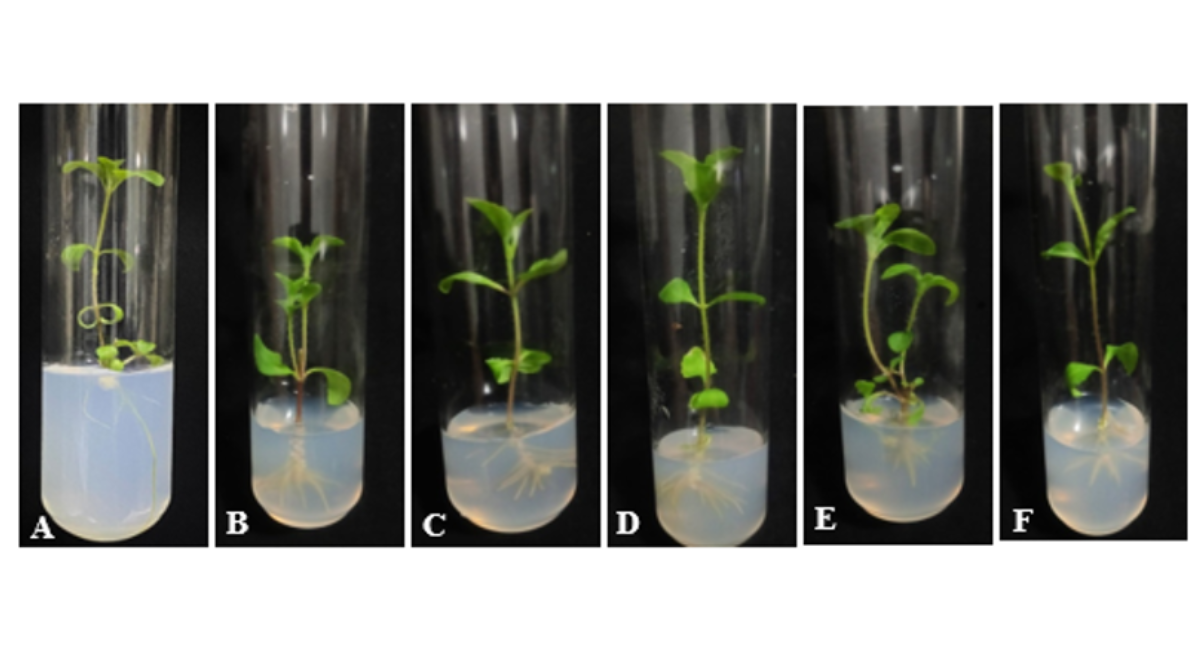
Plate 2: In vitro root induction of S. rebaudiana after four weeks of culture on MS medium supplemented with (A) Control (without auxin), (B) 0.5 mgL-1 IBA, (C) 1 mgL-1 IBA, (D) 1.5 mgL-1 IBA, (E) 0.2 mgL-1 NAA, (F) 0.5 mgL-1 NA
Acclimatization Success Under Bangladesh-Specific Conditions
Hardening is an important stage in the successful establishment of micro propagated plants. The effects of different substrate combinations of substrates under subtropical condition of Bangladeshis are presented in Table 3. All substrate treatments supported plantlet survival, however, significant differences were observed in survival percentage and growth performance for overall plant vigor.
The best acclimatization performance was achieved in cocopeat: vermicompost: garden soil (1:1:1 v/v/v) triple‐component substrate combination with 91.33 ± 2.03% survival after 21 days. Plants grown in this substrate exhibited superior growth such as plant height (12.45 ± 0.52 cm), leaf number (16.33± 0.88 leaves per plant), fresh weight of plants (4.87 ± 0.31 g) and dry weight of the plants (0.89 ± 0.05 g). The plantlets exhibited vigorous growth, dark green leaves, extensive root systems throughout the substrate, and no visible signs of stress.
Compared with the vermicompost: sand: garden soil combination, cocopeat-based substrate mixtures showed superior performance. The cocopeat: vermicompost (1:1) substrate combination recorded 86.67% survival with good growth characteristics; followed by, cocopeat: garden soil (1:1), which achieved 82.67% survival. The poorest performance was observed in cocopeat: sand (1:1) which resulted in only 71.33% survival, this may be attributed to the low water-holding capacity and limited nutrient availability of sand-rich substrates. Plants grown in this substrate exhibit slower growth rates, yellowing of older leaves as a result of nutrient limitation, and with reduced biomass accumulation. Successfully acclimatized plants were transferred to nursery conditions, where they continued to grow vigorously and showed normal morphological development, indicating successful adaptation to ex vitro conditions.
|
Treatment |
Substrate composition |
Survival (%) |
Plant height (cm) |
Leaves per plant |
Fresh weight (g) |
Dry weight (g) |
|
S1 |
Cocopeat: Vermicompost (1:1) |
86.67 ± 2.33ᵇ |
11.23 ± 0.48ᵇ |
14.67 ± 0.67ᵇ |
4.32 ± 0.26ᵇ |
0.78 ± 0.04ᵇ |
|
S2 |
Cocopeat: Garden soil (1:1) |
82.67 ± 2.67ᵇᶜ |
10.56 ± 0.51ᵇᶜ |
13.33 ± 0.88ᵇᶜ |
3.98 ± 0.29ᵇᶜ |
0.72 ± 0.05ᵇᶜ |
|
S3 |
Cocopeat: Sand (1:1) |
71.33 ± 3.18ᵈ |
8.92 ± 0.44ᵈ |
11.00 ± 0.58ᵈ |
3.12 ± 0.24ᵈ |
0.58 ± 0.04ᵈ |
|
S4 |
Cocopeat: Vermicompost: Garden soil (1:1:1) |
91.33 ± 2.03ᵃ |
12.45 ± 0.52ᵃ |
16.33 ± 0.88ᵃ |
4.87 ± 0.31ᵃ |
0.89 ± 0.05ᵃ |
|
S5 |
Cocopeat: Vermicompost: Sand (1:1:1) |
78.67 ± 2.91ᶜ |
9.78 ± 0.46ᶜᵈ |
12.67 ± 0.67ᶜᵈ |
3.67 ± 0.31ᶜᵈ |
0.67 ± 0.04ᶜ |
|
S6 |
Vermicompost: Sand: Garden soil (1:1:1) |
76.00 ± 3.06ᶜᵈ |
9.34 ± 0.39ᶜᵈ |
12.00 ± 0.58ᶜᵈ |
3.45 ± 0.28ᶜᵈ |
0.63 ± 0.05ᶜᵈ |
Table 3: Effect of Different Substrate Combinations on Acclimatization Success of In Vitro-Derived Stevia rebaudiana Plantlets Under Bangladeshi Subtropical Conditions after 21 Days
Note: Values represent mean ± SE of three replicates with 12 plantlets per replicate. Mean values within the same letter in a column are not significantly different based on DMRT at p ≤ 0.05
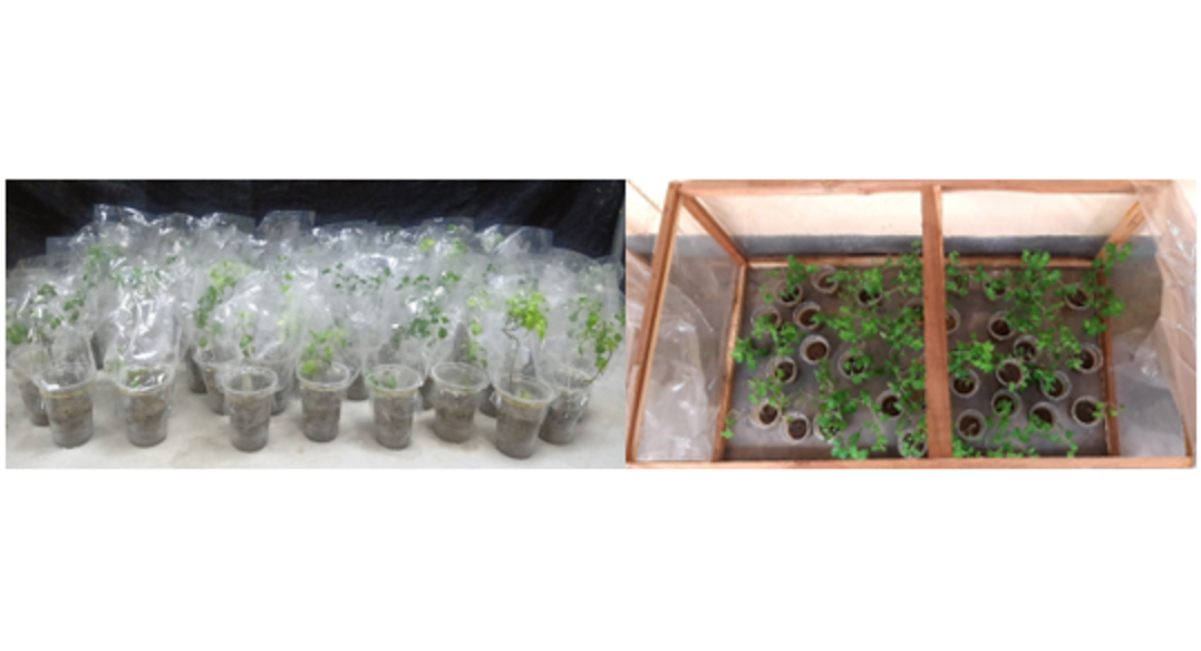
Plate 3: Acclimatization of S. rebaudiana plantlets under control condition
DISCUSSION
Optimization of Direct Shoot Organogenesis
The present study successfully established an efficient direct regeneration protocol for Stevia rebaudiana using nodal explants, achieving significantly higher shoot multiplication rates than many previously reported protocols. The superior performance of BAP over kinetin in promoting shoot induction and proliferation is consistent with numerous reports in stevia and other plant species [22-25]. BAP promotes axillary shoot development and exhibits greater stability in tissue culture media compared to naturally occurring cytokinins like kinetin, resulting in more vigorous shoot organogenic responses [26]. The chemical structure and receptor binding properties of BAP account for its remarkable performance. Compared to kinetin, BAP has a greater affinity for cytokinin receptors (AHK2, AHK3, and AHK4), which more successfully initiates downstream signaling cascades including type-B response regulators that activate axillary meristem growth pathways and decrease apical dominance genes [27].
The addition of 0.1 mg L⁻¹ NAA synergistically enhanced the BAP response, consistent with the well-established principle that a balanced cytokinin-to-auxin ratio promotes direct organogenesis. Low concentrations of auxin appear to facilitate the initial breakdown of apical dominance and promote meristematic competence in axillary buds by modulating polar auxin transport and the localized redistribution of cytokinin at axillary meristems [28]. The optimal treatment identified in this study, consisting of 1.5 mg L⁻¹ BAP and 0.1 mg L⁻¹ NAA, produced 94.33% shoot induction and 8.67 shoots per explant, which compares favorably with or exceeds results from several earlier studies. Pawar et al. (2015) reported 3 shoots per nodal explant using 1.5 mgL-1 BAP in combination with 0.2 mgL-1 NAA [29], while Yücesan et al. (2016) achieved 1 shoot per explant with 1.0 mg/L BAP alone [30]. The superior performance in the present study may be attributed to several factors including the use of young, actively growing mother plants as the explant source, an optimized sterilization protocol that minimized explant damage, and the synergistic effect of a balanced cytokinin-to-auxin ratio that promoted direct shoot formation while suppressing callus development.
Root Induction and Complete Plant Regeneration
The successful root induction achieved with 1.0 mg/L IBA provides an efficient approach for complete plant regeneration. IBA has consistently proven superior to other auxins for rooting applications in numerous plant species due to its lower susceptibility to enzymatic degradation, reduced toxicity at higher concentrations, and appropriate balance between auxin activity and stability [22,31,32]. The well-developed root systems produced in this study, characterized by thick primary roots, abundant lateral branching, and profuse root hairs, indicate the development of functional root systems capable of efficient water and nutrient uptake following transplantation.
The inferior performance of NAA compared to IBA for rooting, despite NAA being a more potent auxin, may be explained by its higher susceptibility to light degradation and tendency to induce excessive callusing at the shoot-medium interface [33]. The use of half-strength MS medium for rooting instead of full-strength medium is a widely adopted practice that reduces excessive vegetative growth and promotes root development by lowering nitrogen availability, which shifts plant metabolism toward root formation [20,34,35].
Bangladesh-Specific Acclimatization Strategy
The development of a region-specific acclimatization protocol represents a significant practical contribution of this research. The 91.33% survival rate achieved with the optimized substrate combination (cocopeat: vermicompost: garden soil, 1:1:1) and gradual hardening regime is significantly higher than the previously reported survivals rates in several stevia acclimatization studies conducted under controlled environmental conditions [18].
The superiority of cocopeat based substrate mixtures during acclimatization may be due to its unique characteristics of coconut coir peat. Cocopeat possesses a fibrous structure that provide adequate aeration while maintaining high water-holding capacity and has a near-neutral pH (5.5-6.5) which is favorable for most crops [36]. Additionally, vermicompost improves soil structure through introducing beneficial microorganisms which enhance nutrient availability and suppress disease, also adds important slow-release nutrients, growth promoting substances such as humic acids and plant hormones [37]. Garden soil supplies mineral nutrients and beneficial soil microflora which provides structural ability to the substrate. The poorer performance of sand containing substrates (cocopeat: sand and cocopeat: vermicompost: sand) is possibly due to excessive drainage leading to moisture stress especially during hot and dry season of Bangladesh and lack of nutrient retention capacity as sand has very low cation exchange capacity for storage of nutrients [36]. These results highlight the need to choose the substrate such that it suits the local climatic conditions and availability of materials.
The progressive acclimatization strategy developed in this study addresses the major physiological challenges encountered by in vitro-derived plantlets during transfer to ex vitro conditions. Plantlets grown under in vitro conditions develop non-functional stomata characterized by abnormal guard cell morphology and impaired osmotic regulation, primarily due to the continuously high humidity environment that eliminates the vapor pressure deficit signals required for normal stomatal differentiation and functioning [18,38]. Upon transfer to ambient conditions, these dysfunctional stomata fail to close efficiently in response to desiccation stress, resulting in rapid and uncontrolled transpirational water loss. The gradual reduction in relative humidity from Stage 1–Stage 3 of the present protocol (85–95% → 70–80% → 60–70%) is specifically designed to generate a progressively increasing vapor pressure deficit that stimulates abscisic acid (ABA) biosynthesis and ABA-mediated stomatal closure signaling, enabling the incremental restoration of stomatal function without inducing lethal desiccation stress [38].
The suitability of this protocol to the subtropical climate conditions of Bangladesh is particularly noteworthy. In contrast to temperate zones where acclimatization often depends on sophisticated mist chambers or climate-controlled greenhouses, the methodology developed in this study, which utilizes transparent polyethylene bags, shade-net facilities, and ambient environmental conditions, can be readily adopted by smallholder farmers and commercial nurseries everywhere in Bangladesh. The successful acclimatization under natural temperature (28 ± 2°C) and humidity conditions indicate that stevia can potentially be hardened off in the commercially green houses or shade houses without any costly climate control systems.
CONCLUSION
This study successfully established the first comprehensive, integrated protocol for direct in vitro regeneration and climate-adaptive acclimatization of Stevia rebaudiana specifically tailored to Bangladeshi subtropical conditions. The optimized protocol utilizing MS medium supplemented with 1.5 mg/L BAP and 0.1 mg/L NAA for shoot induction, 1.0 mg/L IBA for rooting, and cocopeat: vermicompost: garden soil (1:1:1) substrate for acclimatization produced superior results with 94.33% shoot induction, 8.67 shoots per explant, 92.67% rooting, and 91.33% acclimatization survival. The protocol enables rapid, reliable, and disease-free production of planting materials throughout the year, providing a scalable foundation for commercial stevia cultivation in Bangladesh. Furthermore, the acclimatization strategy utilizes locally available, low-cost substrate materials and simple humidity-management practices, making it suitable for adoption by commercial nurseries and large-scale propagation programs.
LIMITATIONS AND FUTURE PERSPECTIVES
While this study provides a comprehensive protocol for S. rebaudiana micropropagation using direct organogenesis approach, molecular marker-based validation (e.g., RAPD, ISSR, or SSR analysis) is recommended in future studies to confirm genetic uniformity among regenerated plantlets. Additionally, a formal techno-economic analysis comparing per-plantlet production costs under this protocol against conventional propagation methods would be investigate to fully substantiate its commercial applicability.
ACKNOWLEDGMENTS
The authors acknowledge to Department of Agricultural Extension, Khamarbari, Dhaka, Bangladesh for providing financial support to run this experiment.
REFERENCES
- Ahmad J, Khan I, Blundell R, Azzopardi J, Mahomoodally MF. Stevia rebaudiana Bertoni.: an updated review of its health benefits, industrial applications and safety. Trends in Food Science & Technology. 2020;100:177-89. [Crossref] [Google Scholar]
- Basharat S, Huang Z, Gong M, Lv X, Ahmed A, Hussain I, et al. A review on current conventional and biotechnical approaches to enhance biosynthesis of steviol glycosides in Stevia rebaudiana. Chinese Journal of Chemical Engineering. 2021;30:92-104. [Crossref] [Google Scholar]
- Barbet-Massin C, Giuliano S, Alletto L, Daydé J, Berger M. Nitrogen limitation alters biomass production but enhances steviol glycoside concentration in Stevia rebaudiana Bertoni. PLOS one. 2015;10(7):e0133067. [Crossref] [Google Scholar] [PubMed]
- Bondarev N, Reshetnyak O, Bondareva T, Il’in M, Nosov A. Impact of cultivation factors in vitro on the growth and the biosynthesis of steviol glycosides in Stevia rebaudiana cell cultures. Physiology and Molecular Biology of Plants. 2019;25(4):1091-6. [Crossref] [Google Scholar] [PubMed]
- Rezvankhah M, Askari H, Tohidfar M, Rezadoost H. Economic micropropagation of Stevia rebaudiana Bertoni and evaluation of in vitro cultures in order to improve steviol glycosides. Scientia Horticulturae. 2022;305:111372. [Crossref] [Google Scholar]
- Orellana-Paucar AM. Steviol glycosides from Stevia rebaudiana: an updated overview of their sweetening activity, pharmacological properties, and safety aspects. Molecules. 2023;28(3):1258. [Crossref] [Google Scholar] [PubMed]
- Papaefthimiou M, Kontou PI, Bagos PG, Braliou GG. Antioxidant activity of leaf extracts from Stevia rebaudiana Bertoni exerts attenuating effect on diseased experimental rats: A systematic review and meta-analysis. Nutrients. 2023;15(15):3325. [Crossref] [Google Scholar] [PubMed]
- Sakaguchi M, Kan T. Japanese researches on Stevia rebaudiana (Bert.) Bertoni and stevioside. Ci Cult. 1982;34:235-48. [Google Scholar]
- Jitendra M, Monika S, Ratan SD, Priyanka G, Priyanka S, Kiran DJ. Micropropagation of an Anti diabetic Plant-Stevia rebaudiana Bertoni,(Natural Sweetener) in Hadoti Region of South-East Rajasthan, India. ISCA Journal of Biological Sciences. 2012;1(3):37-42. [Google Scholar]
- Sivaram L, Mukundan U. In vitro culture studies on Stevia rebaudiana. In Vitro Cellular & Developmental Biology-Plant. 2003;39(5):520-3. [Crossref] [Google Scholar]
- Al-Khayri JM, Naik PM. Date palm micropropagation: Advances and applications. Ciência e Agrotecnologia. 2017;41:347-58. [Crossref] [Google Scholar]
- da Silva DP, Paiva R, Herrera RC, Silva LC, Ferreira GN, dos Reis MV. Somatic embryogenesis of Byrsonima intermedia A. Juss.: induction and maturation via indirect approach. Plant Cell, Tissue and Organ Culture (PCTOC). 2018;133(1):115-22. [Crossref] [Google Scholar]
- Asmono SL, Djenal, Rahmawati. In Vitro Regeneration of Stevia Rebaudiana Bertoni from internode and leaf explants using different concentrations of BAP (6-Benzyl Amino Purine). InIOP Conference Series: Earth and Environmental Science 2020 (Vol. 411, No. 1, p. 012004). IOP Publishing. [Crossref] [Google Scholar]
- Jadid N, Anggraeni S, Ramadani MR, Arieny M, Mas’ ud F. In vitro propagation of Indonesian stevia (Stevia rebaudiana) genotype using axenic nodal segments. BMC Research Notes. 2024;17(1):45. [Crossref] [Google Scholar] [PubMed]
- Bairu MW, Aremu AO, Van Staden J. Somaclonal variation in plants: causes and detection methods. Plant Growth Regulation. 2011;63(2):147-73. [Crossref] [Google Scholar]
- Desai P, Desai S, Rafaliya R, Patil G. Plant tissue culture: Somatic embryogenesis and organogenesis. In Advances in plant tissue culture 2022 (pp. 109-130). Academic Press. [Crossref] [Google Scholar]
- Röck-Okuyucu B, Bayraktar M, Akgun IH, Gurel A. Plant growth regulator effects on in vitro propagation and stevioside production in Stevia rebaudiana Bertoni. HortScience. 2016;51(12):1573-80. [Crossref] [Google Scholar]
- Chandra S, Bandopadhyay R, Kumar V, Chandra R. Acclimatization of tissue cultured plantlets: from laboratory to land. Biotechnology letters. 2010;32(9):1199-205. [Crossref] [Google Scholar] [PubMed]
- Rahman MB, Salam R, Islam AR, Tasnuva A, Haque U, Shahid S, et al. Appraising the historical and projected spatiotemporal changes in the heat index in Bangladesh. Theoretical and Applied climatology. 2021;146(1):125-38. [Crossref] [Google Scholar] [PubMed]
- Azad MA, Purnota SJ, Nusrat T, Islam SM, Haque MA. Efficient micropropagation protocol of holy basil (Ocimum sanctum L.) using nodal segments. Annals of Bangladesh Agriculture. 2024;28(2):57-69. [Crossref] [Google Scholar]
- Azad AK, Kayess O, Purnota SJ, Haque A, Khan HI, Hosain S. Optimization of in vitro regeneration of Opuntia ficus-indica and acclimatization under humid subtropical conditions. Plant Biosystems. 2026;160(3):128. [Crossref] [Google Scholar]
- Ahmed SR, Howlader MM, Sutradhar P, Yasmin S. An efficient protocol for in vitro regeneration of Stevia rebaudiana. Asian Journal of Medical and Biological Research. 2016;2(1):95-106. [Crossref] [Google Scholar]
- House DP, Abraham T. Comparative Effects of IAA with BAP and Kinetin on In Vitro Callus Induction and Shoot Regeneration in Tomato (Solanum lycopersicum L.). PhytoTalks. 2025;2(4):624-9. [Crossref] [Google Scholar]
- Rahman MS, Nandi NC, Goswami B. In vitro regeneration of Mirabilis jalapa L. Bangladesh Journal of Scientific and Industrial Research. 2021;56(1):25-8. [Crossref] [Google Scholar]
- Sichanova M, Geneva M, Petrova M, Miladinova-Georgieva K, Kirova E, Nedev T, et al. Improvement of Stevia rebaudiana Bertoni in vitro propagation and steviol glycoside content using aminoacid silver nanofibers. Plants. 2022;11(19):2468. [Crossref] [Google Scholar] [PubMed]
- Mok DW, Mok MC. Cytokinin metabolism and action. Annual review of plant biology. 2001;52(1):89-118. [Crossref] [Google Scholar]
- Ashraf MF, Aziz MA, Kemat N, Ismail I. Effect of cytokinin types, concentrations and their interactions on in vitro shoot regeneration of Chlorophytum borivilianum Sant. & Fernandez. Electronic Journal of Biotechnology. 2014;17(6):275-9. [Crossref] [Google Scholar]
- Centeno ML, Rodríguez A, Feito I, Fernández B. Relationship between endogenous auxin and cytokinin levels and morphogenic responses in Actinidia deliciosa tissue cultures. Plant cell reports. 1996;16(1):58-62. [Crossref] [Google Scholar] [PubMed]
- Pawar SV, Khandagale VG, Jambhale VM, Jadhav AS, Pawar BD. In vitro regeneration studies in Stevia through nodal segment and shoot tip. The BioScan. 2015;10(3):1007-10. [Crossref] [Google Scholar]
- Yücesan B, Mohammed A, Büyükgöçmen R, Altuğ C, Kavas Ö, Gürel S, Gürel E. In vitro and ex vitro propagation of Stevia rebaudiana Bertoni with high Rebaudioside-A content—A commercial scale application. Scientia Horticulturae. 2016;203:20-8. [Crossref] [Google Scholar]
- Islam MR, Jahan MT, Islam MA. Establishment of a Suitable Protocol for Clonal Propagation of Stevia (Stevia rebaudiana) and Creating its Advanced Lines using Gamma-Ray. Journal of Science and Technology Research. 2024;6(1):99-107. [Crossref] [Google Scholar]
- Ludwig-Müller J. Indole-3-butyric acid in plant growth and development. Plant Growth Regulation. 2000;32(2):219-30. [Crossref] [Google Scholar]
- De Klerk GJ, Brugge JT, Marinova S. Effectiveness of indoleacetic acid, indolebutyric acid and naphthaleneacetic acid during adventitious root formation in vitro in Malus ‘Jork 9’. Plant cell, tissue and organ culture. 1997;49(1):39-44. [Crossref] [Google Scholar]
- George EF, Hall MA, De Klerk GJ, editors. Plant propagation by tissue culture: volume 1. the background. Springer Science & Business Media; 2007. [Crossref] [Google Scholar]
- Saha S, Roy S, Sengupta C, Ghosh P. Micropropagation and analysis of genetic stability in regenerated plantlets of Ocimum canum Sims. Indian Journal of Plant Physiology. 2014;19(2):174-83. [Crossref] [Google Scholar]
- Abad M, Noguera P, Puchades R, Maquieira A, Noguera V. Physico-chemical and chemical properties of some coconut coir dusts for use as a peat substitute for containerised ornamental plants. Bioresource technology. 2002;82(3):241-5. [Crossref] [Google Scholar] [PubMed]
- Atiyeh RM, Lee S, Edwards CA, Arancon NQ, Metzger JD. The influence of humic acids derived from earthworm-processed organic wastes on plant growth. Bioresource technology. 2002;84(1):7-14. [Crossref] [Google Scholar] [PubMed]
- Pospóšilová J, Tichá I, Kadleček P, Haisel D, Plzáková Š. Acclimatization of micropropagated plants to ex vitro conditions. Biologia plantarum. 1999;42(4):481-97. [Crossref] [Google Scholar]

Article Processing Timeline
| 2-5 Days | Initial Quality & Plagiarism Check |
| 25-35 Days |
Peer Review Feedback |
| 45-60 Days | Total article processing time |
Why Publish with us?
Ethics & Policies
Editorial & Management
Useful Links
Journal Highlights
Open Access Journals
Journal Flyer