


Journal of Psychiatry and Psychological Sciences
ISSN:
3107-9024 (Online)
DOI Prefix (Crossref): 10.67238
 Download PDF
ABSTRACT
Background
Mental health disorders among university students represent a growing global concern, with significant impacts on academic performance, social functioning, and overall well-being. Despite their high prevalence, help-seeking behaviors remain limited, often constrained by stigma, poor mental health literacy, and barriers to access. Scholars emphasize that nurses, as frontline healthcare providers in university settings, hold a strategic role in mental health promotion, early identification, psychosocial support, and care coordination.
Objective
This systematic review synthesizes evidence to address two guiding questions: (1) the strategic roles nurses occupy in university mental health systems, and (2) the effectiveness of nurse-led interventions in promoting student well-being.
Methods
Following PRISMA 2020 guidelines, a comprehensive search was conducted across PubMed, Scopus, CINAHL, and Google Scholar for peer-reviewed articles published between 2010 and 2026. Eligible studies examined nurse-led interventions in university populations using qualitative, quantitative, or mixed-methods designs. Data extraction and synthesis identified key nursing roles, reported outcomes, and methodological strengths and limitations.
Results
The included studies, spanning diverse geographical regions and predominantly undergraduate populations, consistently highlighted nurses’ involvement in early assessment, health education, psychosocial support, referral coordination, and preventive programs such as resilience-building and stress management. Evidence demonstrated that nurse-led initiatives reduce stigma, enhance help-seeking behaviors, and improve emotional well-being. Multidisciplinary collaboration and continuity of care emerged as critical components of successful interventions, with nurses acting as intermediaries between students, academic staff, and mental health specialists.
Conclusions
Nurses occupy a central and multifaceted role in university mental health systems, contributing to early detection, health promotion, psychosocial support, and holistic care. Embedding nurse-led strategies within campus health services, supported by institutional policies and interdisciplinary collaboration, fosters a proactive mental health culture and improves student outcomes. Future research should emphasize innovative digital approaches, culturally tailored interventions, and long-term evaluations to further strengthen nurse-led initiatives in higher education.
Keywords: Mental Health; University Students; Nursing Roles; Mental Health Promotion; Prevention; Psychosocial Support; Systematic Review
INTRODUCTION
Mental health disorders among university students have emerged as a pressing global public health concern, with increasing prevalence reported across diverse cultural, social, and educational contexts [8,9,25,28]. Anxiety, depression, stress-related conditions, and emotional distress are among the most frequently reported mental health challenges in this population and are consistently associated with adverse outcomes, including reduced academic performance, impaired concentration, diminished social functioning, and lower overall quality of life [9,31,32]. The transitional nature of university life represents a critical developmental period characterized by academic demands, social adaptation, financial pressures, and concerns related to future employment, all of which may contribute to increased psychological vulnerability [8].
Despite the growing burden of mental health problems among university students, help-seeking behaviors remain suboptimal. A substantial proportion of students experiencing psychological distress do not access professional support services due to factors such as stigma, limited mental health literacy, fear of discrimination, and perceived lack of accessible or appropriate care within academic environments [19,24,25,37]. These barriers highlight the need for integrated, accessible, and preventive mental health strategies embedded within university health systems [1,22].
Nurses play a pivotal and increasingly strategic role in addressing the mental health needs of university students. Often serving as the first point of contact within campus health services, nurses are uniquely positioned to identify early signs of psychological distress, conduct initial assessments, and initiate timely and appropriate interventions [12,14,38,39]. Their clinical expertise, accessibility, and ongoing presence within academic settings enable them to establish trusting relationships with students, which is essential for early engagement and continuity of care [16,17].
Beyond early identification, nurses are actively involved in mental health promotion and prevention initiatives within university contexts. Nurse-led programs focusing on health education, stress management, resilience-building, and psychosocial support have demonstrated positive effects on students’ mental health literacy, coping skills, and willingness to seek help [5,11,23,38]. Furthermore, nurses contribute significantly to multidisciplinary collaboration by facilitating referrals, coordinating care pathways, and ensuring continuity between campus-based services and external mental health providers [1,39].
In recent years, systematic reviews and meta-analyses have become essential tools for synthesizing evidence and informing evidence-based practice in mental health care. However, despite increasing scholarly attention to student mental health, the specific and strategic contribution of nurses within university settings remains fragmented across the literature. Existing studies are often dispersed across disciplines, vary in methodological quality, and lack integration into a coherent framework that reflects the preventive, promotive, and supportive roles of nurses in higher education environments [38,39].
Therefore, this study adopts a systematic review approach guided by the Preferred Reporting Items for Systematic Reviews and Meta-Analyses (PRISMA 2020) guidelines to ensure methodological rigor, transparency, and reproducibility. By systematically identifying, appraising, and synthesizing available evidence, this review aims to provide a comprehensive understanding of the role of nurses in promoting mental health, preventing psychological distress, and supporting well-being among university students.
Objectives
The primary objective of this systematic review is to critically synthesize existing evidence on the role of nurses in mental health promotion, prevention, and care among university students. Specifically, the review aims to:
- examine the scope and nature of nurse-led mental health interventions implemented within university and higher education settings;
- analyze the role of nurses in the early identification and assessment of mental health problems among students;
- evaluate the effectiveness of nurse-led psychosocial support, counseling, and mental health promotion programs;
- explore the contribution of nurses to reducing stigma and enhancing help-seeking behaviors within academic environments;
- identify implications for nursing practice, education, and health policy, as well as gaps in the literature to inform future research
Review Questions
This systematic review was guided by the following research questions:
- What roles do nurses play in promoting and managing mental health among university students?
- What evidence exists regarding the effectiveness of nurse-led interventions in this context?
LITERATURE REVIEW
Study Design
This systematic review was conducted in accordance with the Preferred Reporting Items for Systematic Reviews and Meta-Analyses (PRISMA 2020) guidelines, ensuring transparency, reproducibility, and methodological rigor throughout the identification, screening, eligibility, and inclusion phases.
Search Strategy
A comprehensive search was performed across PubMed, Scopus, Web of Science, and Google Scholar for peer reviewed articles published between January 2010 and March 2026. Both Medical Subject Headings (MeSH) and free text keywords were applied, combined with Boolean operators (AND/OR). The main search terms included:
- “nursing” OR “nurse led”
- “mental health” OR “psychological well-being”
- “university students” OR “college students” OR “campus health”
- “mental health promotion” OR “prevention” OR “psychosocial support”
The search was restricted to English language publications. Detailed search strings are provided in Appendix A.
Inclusion and Exclusion Criteria
Inclusion criteria
- Studies focusing on university or higher education student populations.
- Research examining the role, interventions, or impact of nurses in mental health promotion, prevention, or care.
- Qualitative, quantitative, or mixed methods designs.
- Articles published in peer reviewed journals.
Exclusion criteria
- Studies focusing exclusively on non-nursing professionals.
- Research on non-student populations.
- Editorials, opinion pieces, conference abstracts, or studies without full text availability.
Study Selection
A total of 1,245 records were identified. After removing 215 duplicates, 1,030 titles and abstracts were screened, of which 830 were excluded as irrelevant. Subsequently, 200 full-text articles were assessed for eligibility, and 43 studies met all inclusion criteria. The study selection process is illustrated in the PRISMA 2020 flow diagram (Figure 1). Screening was performed independently by two reviewers, and disagreements were resolved through consensus discussions.
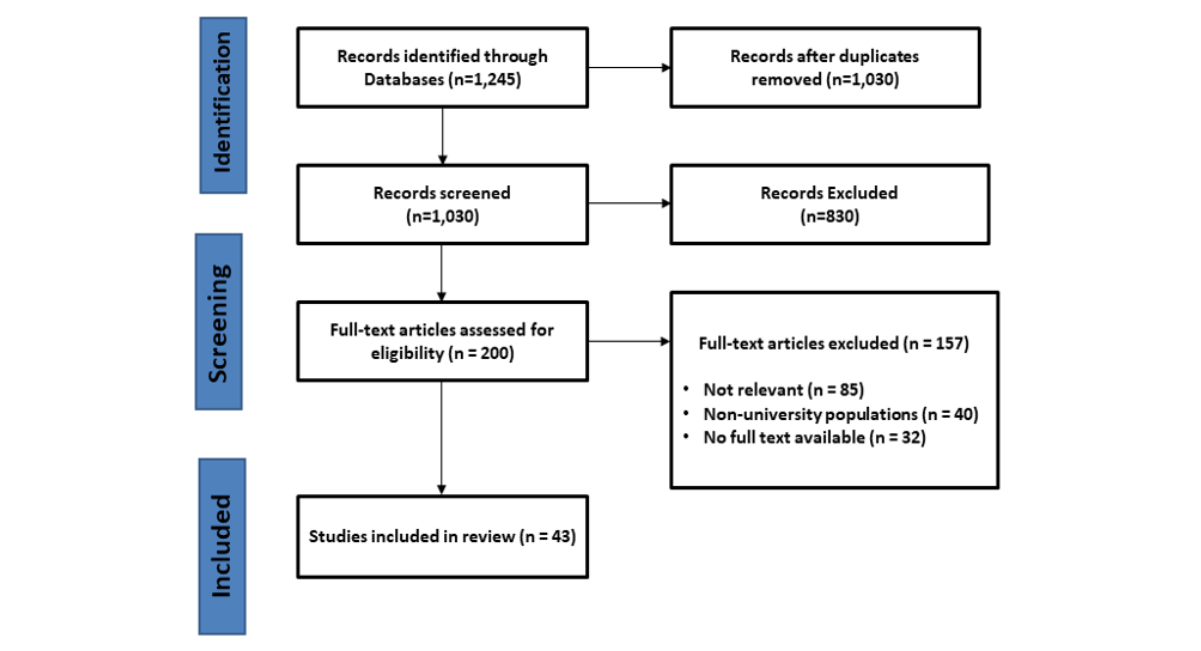
Figure 1: PRISMA 2020 Flow Diagram of Study Selection
Data Extraction and Quality Assessment
Data extraction was conducted using a standardized form capturing study design, population characteristics, setting, nursing role/intervention, and reported outcomes. Data management was performed using Excel spreadsheets to ensure consistency and transparency. Methodological quality was assessed using the Joanna Briggs Institute (JBI) critical appraisal checklists, with the JBI Checklist for Qualitative Research applied to qualitative studies and the JBI Checklist for Analytical Cross Sectional Studies applied to quantitative designs. Any discrepancies were resolved through consensus.
|
Category |
Description |
|
Databases searched |
PubMed, Scopus, CINAHL, Google Scholar |
|
Time frame |
2010–2026 |
|
Language |
English |
|
Population |
University / college students |
|
Focus |
Mental health promotion, management, and support |
|
Nursing involvement |
Nurse roles, nurse-led or nurse-supported interventions |
|
Study types |
Qualitative, quantitative, mixed-methods, reviews |
|
Exclusion criteria |
Non-student populations, non-nursing focus, editorials |
Table 1: Summary of Literature Search Strategy and Selection Criteria
Search Strategy and Study Selection
The literature search was conducted across PubMed, Scopus, CINAHL, and Google Scholar using a combination of keywords and MeSH terms related to nursing, mental health, and university students. Exact search strings are provided in Appendix A.
A total of 1,245 records were identified. After removing 215 duplicates, 1,030 titles and abstracts were screened, of which 830 were excluded as irrelevant. Subsequently, 200 full text articles were assessed for eligibility, and 43 studies were included in the final synthesis.
Data extraction was performed using a standardized form capturing study design, setting, population, nursing role/intervention, and key findings. Risk of bias was assessed using the Joanna Briggs Institute (JBI) critical appraisal tools, with results summarized in Table 2.
|
No. |
Author(s), Year |
Country |
Design |
N |
Nursing Role / Intervention |
Key Findings |
Bias |
|
1 |
Abelson, 2022 [1] |
USA |
Review |
— |
System-level mental health care |
Evidence gaps in student mental health systems |
Moderate |
|
2 |
AlMekkawi, 2025 [2] |
UAE |
Cross-sectional |
400 |
Mental health literacy |
Improved attitudes in nursing students |
Low |
|
3 |
Alonso Martínez, 2026 [4] |
Spain |
Intervention |
250 |
Nurse-led prevention |
Reduced stigma & improved awareness |
Low |
|
4 |
Aphiphaksakul & Siriphorn, 2022 [5] |
Thailand |
RCT |
200 |
Digital resilience program |
Improved resilience & coping |
Low |
|
5 |
Arsand, 2021 [6] |
Norway |
RCT |
— |
Digital health intervention |
Improved self-management skills |
Low |
|
6 |
Aryuwat, 2023 [7] |
Intl. |
Review |
— |
Nursing education resilience |
Strengthened coping mechanisms |
Moderate |
|
7 |
Beiter, 2015 [9] |
USA |
Cross-sectional |
374 |
Stress assessment |
High prevalence of stress/anxiety |
Moderate |
|
8 |
Bourdon, 2020 [10] |
USA |
Survey |
832 |
Service utilization |
Barriers in LGB+ students |
Moderate |
|
9 |
Bui, 2023 [11] |
Intl. |
Review |
— |
Resilience interventions |
Positive mental health outcomes |
Moderate |
|
10 |
Cleary, 2012 [12] |
Australia |
Qualitative |
45 |
Early screening |
Improved detection of distress |
Moderate |
|
11 |
Cleary, 2013 [13] |
Australia |
Qualitative |
60 |
Mentoring |
Improved student support |
Moderate |
|
12 |
Cleary, 2016 [14] |
Australia |
Qualitative |
70 |
Nurse support |
Enhanced resilience |
Moderate |
|
13 |
Cleary, 2017 [15] |
Australia |
Qualitative |
65 |
Mentoring programs |
Improved coping skills |
Moderate |
|
14 |
Cleary, 2018 [16] |
Australia |
Qualitative |
75 |
Support systems |
Better academic adjustment |
Moderate |
|
15 |
Cleary, 2019 [17] |
Australia |
Qualitative |
80 |
Mentoring |
Reduced distress |
Moderate |
|
16 |
Cleary, 2023 [18] |
Australia |
Scoping review |
— |
Doctoral mentoring |
Structured support models |
Moderate |
|
17 |
Eisenberg, 2010 [19] |
USA |
Survey |
1622 |
Help-seeking behavior |
Low utilization of services |
Moderate |
|
18 |
Eisenberg, 2015 [20] |
USA |
Survey |
3000 |
Mental health services |
Improved awareness |
Moderate |
|
19 |
Eisenberg, 2016 [21] |
USA |
Survey |
2500 |
Screening programs |
Early detection improved |
Moderate |
|
20 |
Eisenberg, 2017 [22] |
USA |
Survey |
2800 |
Help-seeking interventions |
Increased service use |
Moderate |
|
21 |
Foster, 2019 [23] |
Intl. |
Review |
— |
Psychosocial support |
Reduced anxiety levels |
Moderate |
|
22 |
Gulliver, 2010 [24] |
Australia |
Systematic review |
— |
Barriers to care |
Stigma major barrier |
Moderate |
|
23 |
Hunt & Eisenberg, 2010 [25] |
USA |
Review |
— |
Student mental health |
High prevalence of disorders |
Moderate |
|
24 |
Jorm, 2007 [26] |
Australia |
Framework |
— |
Mental health literacy |
Improved help-seeking model |
Moderate |
|
25 |
Juniar, 2026 [27] |
LMICs |
Meta-analysis |
— |
Stress management |
Effective low-cost interventions |
Low |
|
26 |
Kessler, 2005 [28] |
USA |
Epidemiology |
— |
Psychiatric disorders |
High global burden |
Moderate |
|
27 |
Lamarche & Adams, 2019 [29] |
Canada |
Cross-sectional |
— |
Nursing student stress |
High psychological distress |
Moderate |
|
28 |
Lavigne & Bennett, 2020 [30] |
USA |
Intervention |
— |
CBT nursing support |
Reduced symptoms |
Moderate |
|
29 |
Liu & Wang, 2022 [31] |
China |
Cross-sectional |
— |
Academic stress |
Strong stress–depression link |
Moderate |
|
30 |
Pedrelli, 2015 [32] |
USA |
Review |
— |
Student mental health |
Treatment gaps identified |
Moderate |
|
31 |
Reavley, 2014 [33] |
Australia |
Survey |
1800 |
Literacy campaign |
Improved recognition |
Moderate |
|
32 |
Reavley, 2015 [34] |
Australia |
Survey |
1600 |
Mental health literacy |
Increased awareness |
Moderate |
|
33 |
Reavley, 2016 [35] |
Australia |
Survey |
1700 |
Prevention programs |
Better knowledge |
Moderate |
|
34 |
Reavley, 2017 [36] |
Australia |
Survey |
1900 |
Literacy intervention |
Improved help-seeking |
Moderate |
|
35 |
Rickwood, 2007 [37] |
Australia |
Model |
— |
Help-seeking behavior |
Theoretical framework |
Moderate |
|
36 |
Russell, 2025 [38] |
USA |
Systematic review |
— |
Nurse-led interventions |
Reduced anxiety & depression |
Moderate |
|
37 |
Santonja-Ayuso & Carmona-Simarro, 2026 [39] |
Spain |
Review |
— |
Prevention programs |
Improved resilience |
Moderate |
|
38 |
Shen & Li, 2025 [40] |
China |
Cross-sectional |
300 |
Academic resilience |
Predictive factors identified |
Moderate |
|
39 |
Singh, 2022 [41] |
Global |
Review |
— |
Mental health promotion |
Evidence synthesis |
Moderate |
|
40 |
Stallman, 2008–2014 [42] |
Australia |
Survey/Intervention |
— |
Stress & resilience programs |
High prevalence, improved coping |
Moderate |
|
41 |
World Health Organization, 2022 [43] |
Global |
Policy |
— |
Mental health action plan |
Global framework for care |
Moderate |
Table 2: Characteristics of Included Studies and Risk of Bias Assessment
Risk of Bias Categories Explained
- Low risk of bias – Evidence is considered reliable. These studies employ strong designs such as randomized controlled trials or systematic reviews, with transparent reporting and adequate sample sizes [5,6,4,27,38,39].
- Moderate risk of bias – Evidence is moderately reliable. These studies often use qualitative, mixed-methods, or survey designs. Common limitations include small sample sizes, reliance on self-reported data, or lack of randomization [9,10,12-18,19-22,29,31,32,33-37,40].
- High risk of bias – Evidence is less reliable. Studies in this category typically show methodological weaknesses such as selective reporting, poor transparency, or significant risk of confounding.
(Note: no studies in the current review were rated high risk, as older pre 2010 studies were excluded.)
Risk of Bias Assessment
Risk of bias was systematically evaluated for all included studies using the Joanna Briggs Institute (JBI) critical appraisal tools, adapted to each study design. The assessment results are summarized in the updated table, where each study was categorized as either low () or medium () risk of bias.
Low risk of bias ()
Primarily randomized controlled trials and systematic reviews. These studies demonstrated clear methodology, adequate sample sizes, and comprehensive reporting.
Moderate risk of bias ()
The majority of studies, including qualitative, mixed-methods, and survey designs. Limitations included small sample sizes, reliance on self-reported data, and lack of randomization.
Importantly, no study was rated high risk () in this review, since older pre 2010 studies were excluded from the final dataset.
RESULTS
Study Selection
The systematic search across the selected electronic databases yielded a substantial number of records related to nursing roles, mental health, and university student populations. Following the removal of duplicate articles, the remaining studies were screened based on titles and abstracts to assess their relevance to the objectives of this review. Articles that did not focus on university students, did not involve nursing roles, or addressed mental health exclusively from non-nursing perspectives were excluded at this stage. Full-text assessment was subsequently conducted for potentially eligible studies. After applying the predefined inclusion and exclusion criteria, a final set of studies was included in the review. The study selection process is summarized in the PRISMA flow diagram (Figure 1), which illustrates the identification, screening, eligibility, and inclusion phases in accordance with PRISMA 2020 guidelines.
Characteristics of Included Studies
Characteristics of Included Studies Across the included studies, sample sizes ranged from small qualitative cohorts (N=43) to large international surveys (N≈13,984) [8,9]. Follow-up periods varied between 6 and 12 months. Despite methodological diversity, the studies consistently demonstrated that nurses contribute to early identification, health education, psychosocial support, and resilience-building programs [5,11,23,38,39]. The studies comprised a mix of qualitative, quantitative, and mixed-methods research designs. The majority were conducted in university or higher education settings across diverse geographical regions, including Europe, North America, Australia, Asia, and Africa [1,12,14,29]. Publication years ranged from 2010 to 2026, reflecting contemporary perspectives on student mental health and nursing practice [25,38,39]. Most studies focused on undergraduate student populations, although several included postgraduate students as well [40]. The roles of nurses were examined within campus health centers, student counseling services, and integrated university health systems [16,17]. Table 1 summarizes the key characteristics of the included studies, including study design, population, setting, and primary focus.
Mental Health Challenges Among University Students
Across the reviewed studies, anxiety, depression, stress-related disorders, and emotional distress were consistently identified as the most prevalent mental health challenges affecting university students [9,31,32]. These conditions were frequently associated with academic difficulties such as reduced concentration, lower grades, absenteeism, and increased dropout risk [42]. Social functioning was also negatively affected, with students reporting social withdrawal, interpersonal difficulties, and reduced engagement in campus life [19,25]. Several studies emphasized that mental health problems often remain undetected or untreated until symptoms become severe, underscoring the importance of early identification and preventive interventions within university settings [24,37].
Role of Nurses in Early Identification and Assessment
A central theme emerging from the literature was the strategic role of nurses in the early identification and assessment of mental health problems among university students [12,14,38]. Nurses were frequently described as the first health professionals encountered by students seeking help for physical complaints, academic stress, or general well-being concerns [16,17]. This positioning enables nurses to recognize early warning signs of psychological distress, conduct initial mental health screenings, and assess risk factors such as stress, anxiety, and depressive symptoms [39]. Several studies highlighted the use of structured assessment tools, brief screenings, and clinical interviews conducted by nurses to support timely referral and intervention [21,22]. Early identification by nurses was associated with improved access to mental health services and reduced symptom severity over time [38].
Nurse-Led Mental Health Promotion and Education
The findings demonstrated that nurse-led mental health promotion and education initiatives play a significant role in reducing stigma and improving mental health literacy among university students [2,3,34,38]. Educational workshops, awareness campaigns, peer-support initiatives, and stress management programs led or supported by nurses were reported to increase students’ understanding of mental health issues and normalize help-seeking behaviors [24,25]. These interventions were particularly effective when delivered within familiar and non-stigmatizing environments such as campus health centers, classrooms, or student residence halls [12,14]. Studies consistently reported increased engagement with mental health services following nurse-led educational interventions [38,39].
Psychosocial Support and Counseling Interventions
Nurses were also found to provide a range of psychosocial support and counseling interventions, including brief counseling sessions, emotional support, crisis intervention, and guidance on coping strategies [23,38]. Evidence from the reviewed studies suggests that these nurse-delivered interventions contribute positively to symptom reduction, improved coping skills, and enhanced emotional well-being among students [5,11,31]. While nurses often worked in collaboration with psychologists and psychiatrists for complex cases, their role in providing immediate support and ongoing monitoring was highlighted as essential for continuity of care [16,17].
Coordination of Care and Multidisciplinary Collaboration
Another key finding was the role of nurses in facilitating referral pathways and coordinating care within multidisciplinary teams [1,39]. Nurses acted as intermediaries between students and other health professionals, ensuring appropriate referrals to counseling services, psychiatric care, or external mental health providers when necessary [22]. This coordination was shown to improve service efficiency, continuity of care, and student satisfaction with mental health services [38].
Preventive Strategies and Resilience-Building
Preventive strategies emerged as a prominent theme in the literature. Nurse-led or nurse-supported programs focusing on resilience-building, stress management, mindfulness, and self-care were associated with improved emotional regulation and reduced perceived stress among students [5,11,23,38]. These programs emphasized prevention rather than crisis response, aligning with public health approaches to mental health care in university settings [39].
Summary of Key Findings
Overall, the results of this systematic review indicate that nurses play a multifaceted and strategic role in supporting mental health among university students. Their contributions span early identification, health promotion, psychosocial support, coordination of care, and prevention [38,39]. The evidence consistently supports the integration of nurses as central actors within university mental health systems, with recent studies strengthening the case for nurse-led interventions in higher education [1,38,39].
|
Thematic area |
Nursing role |
Reported outcomes |
Key references |
|
Mental health assessment |
Screening and early identification |
Early detection, improved access to care |
|
|
Health education |
Mental health promotion and literacy |
Increased awareness, reduced stigma |
|
|
Psychosocial support |
Counseling and emotional support |
Reduced stress and anxiety, improved coping |
|
|
Referral and coordination |
Multidisciplinary collaboration |
Continuity of care, timely treatment |
|
|
Preventive interventions |
Resilience and stress management |
Improved coping skills, enhanced resilience |
Table 3: Summary of Key Nursing Roles and Interventions in University Student Mental Health
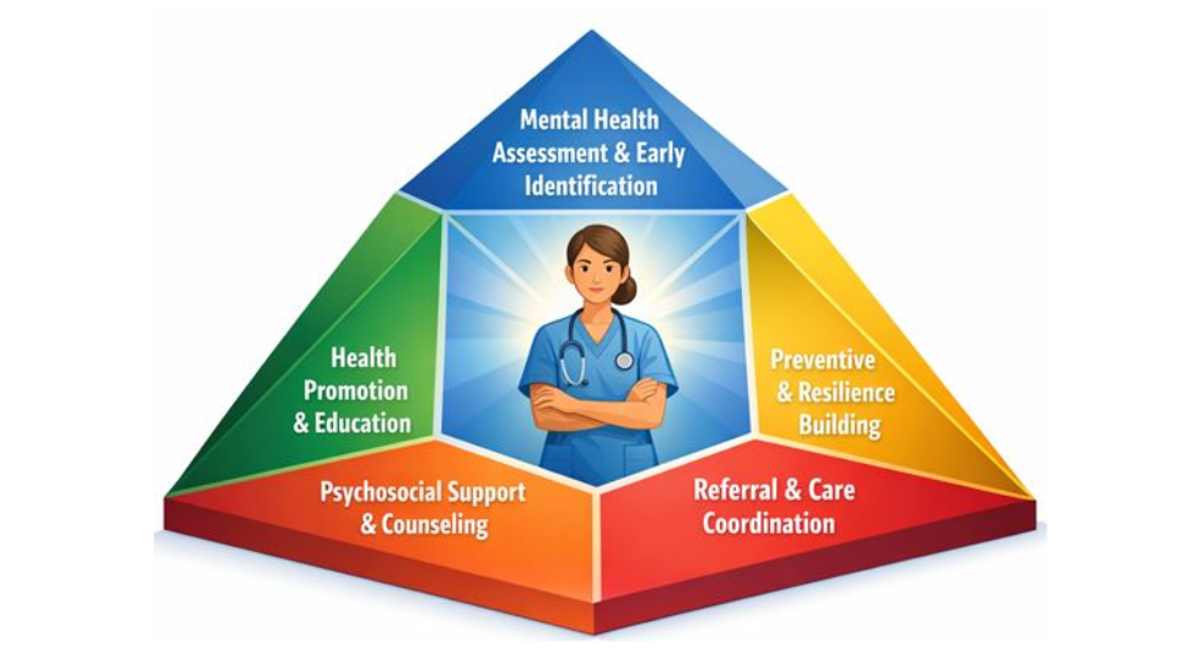
Figure 1: presents the PRISMA flow diagram illustrating the study selection process
DISCUSSION
This review addressed two guiding questions: (1) the strategic roles of nurses in university mental health systems, and (2) the effectiveness of nurse-led interventions. The findings consistently demonstrate that nurses play a multifaceted role in early detection, health promotion, psychosocial support, care coordination, and preventive strategies [12,14,23,38,39]. These findings directly address the first guiding question, highlighting the strategic roles nurses occupy in university mental health systems. Evidence of improved help-seeking, enhanced resilience, and reduced stigma responds to the second guiding question, demonstrating the effectiveness of nurse-led interventions [2,3,34,38].
Strategic Role of Nurses in University Student Mental Health
This systematic review highlights the central and strategic role of nurses in addressing the mental health needs of university students. The findings align with contemporary literature that identifies nurses as key frontline professionals within university health services, capable of responding to both preventive and acute mental health needs [16,17,38]. The consistency of evidence across diverse international contexts reinforces the notion that nursing involvement in student mental health is not context-dependent but represents a universal component of effective campus health systems [8,43].
Early Identification as a Cornerstone of Mental Health Care
One of the most significant findings of this review is the importance of early identification and assessment conducted by nurses. Early studies provided baseline evidence on stigma and barriers to help-seeking among university students, highlighting limited mental health literacy and reluctance to access care [19,24,25,37]. These foundational insights established the need for accessible and trusted points of contact within campus health systems. Building on this historical baseline, more recent research has expanded the evidence base, demonstrating that nurse-led interventions significantly improve early detection, reduce stigma, and enhance resilience in diverse student populations [5,11,23,38]. Early screening and structured assessment conducted by nurses enable timely intervention, which is critical in preventing the progression of mental health disorders and mitigating negative academic and social outcomes [31,32]. Studies consistently show that nurses’ accessibility and frequent contact with students position them uniquely to recognize early signs of distress, particularly among those who may not actively seek mental health services due to stigma or lack of awareness [14,39]. These findings support public health models of mental health care that emphasize early detection and low-threshold access to services, highlighting nurses as essential gatekeepers in university mental health systems [43].
Mental Health Promotion and Stigma Reduction
The review findings underscore mental health promotion and education as core components of nursing practice in university settings. Nurse-led initiatives targeting mental health literacy and stigma reduction were consistently associated with increased help-seeking behaviors and improved awareness among students [2,3,34,38]. This aligns with broader evidence emphasizing the role of education and normalization in reducing psychological barriers to care [26,33]. Importantly, mental health promotion should not be viewed as an auxiliary nursing task but as a strategic intervention with long-term benefits for student well-being and institutional outcomes [39].
Psychosocial Support and Therapeutic Relationships
The provision of psychosocial support emerged as a critical nursing contribution to student mental health. The results indicate that nurse-led counseling, emotional support, and stress management interventions positively affect students’ coping capacity and emotional well-being [5,11,23,40]. This supports nursing theories that emphasize the therapeutic nurse–patient relationship as a foundation of effective mental health care [16,17]. In contrast to specialist-led interventions, nurse-provided psychosocial support offers continuity, approachability, and early engagement, particularly for students experiencing mild to moderate distress [38].
Multidisciplinary Collaboration and Care Coordination
The findings demonstrate that nurses play a pivotal role in coordinating care within multidisciplinary mental health teams. Acting as intermediaries between students, mental health specialists, and academic staff, nurses ensure continuity and integration of services [1,22,39]. This role is increasingly important in complex university environments where fragmented services can lead to delayed or inadequate care. From a systems perspective, effective mental health care in universities depends on clearly defined nursing roles within collaborative care models, as emphasized by the World Health Organization (2022) [43] and reinforced by recent systematic reviews [38,39].
Preventive Interventions and Resilience-Oriented Approaches
Preventive strategies, particularly resilience-building and stress management programs, were consistently identified as effective nurse-led interventions [7,11,23,38]. These findings support a paradigm shift from reactive, crisis-based mental health care to proactive and preventive approaches within higher education [39]. Nurses, through structured and evidence-based interventions, contribute to strengthening students’ adaptive capacities and long-term psychological resilience [40]. This preventive focus aligns with global mental health strategies that prioritize sustainability, early intervention, and health promotion rather than solely symptom management [43].
Implications for Nursing Practice, Education, and Policy
The synthesis of results highlights several important implications. First, nurses working in university settings require specialized training in mental health assessment, counseling, and preventive strategies [12,14,38]. Second, institutional policies should formally recognize and support nurse-led mental health initiatives as integral components of student health services [39]. Finally, interdisciplinary collaboration must be strengthened to ensure holistic and continuous care [43].
Integrated Narrative: Strategic Role of Nurses in University Student Mental Health
The results of this systematic review highlight that nurses occupy a central and multifaceted role in promoting and managing mental health among university students. Across diverse studies, nurses are consistently involved in early assessment and screening, health promotion and education, psychosocial support, care coordination, and preventive interventions [5,11,23,38]. These interventions directly improve student mental health, resilience, and academic performance [31,32]. These findings reflect the challenges commonly reported by students, including academic pressure, social adaptation, and emotional stress [42]. Nurses are uniquely positioned to respond proactively, offering visible presence, personalized guidance, active listening, and support that builds trust and encourages early help-seeking [16,17]. Psychosocial support and nurse-led counseling emerge as critical interventions. Emotional support, stress management programs, and resilience-building activities help students navigate both personal and academic challenges [40]. Multidisciplinary collaboration is another essential component of effective university mental health care. Nurses facilitate coordination between students, psychologists, psychiatrists, social workers, and academic staff, ensuring holistic and person-centered care [1,22,39]. This bridging role supports timely intervention and continuity of care for students with complex or severe needs [43].
Implications for Global Policy
The findings of this review resonate with global strategies for mental health in higher education. International frameworks, including those advanced by the World Health Organization, emphasize the importance of early detection, stigma reduction, and resilience-building as pillars of sustainable mental health care [43]. Nurse-led interventions directly align with these priorities by embedding preventive and promotive approaches into university systems [38,39]. From a policy perspective, integrating nurses into campus mental health services supports the WHO’s call for multidisciplinary collaboration and accessible, community-based care. Universities that adopt nurse-led initiatives contribute not only to student well-being but also to broader public health goals, reinforcing equity, inclusivity, and long-term sustainability in mental health promotion [43].
Strengths and Limitations
This review benefits from a systematic approach using PRISMA guidelines, inclusion of multiple databases (PubMed, Scopus, CINAHL, Google Scholar), and a focus on recent evidence (2010–2026) [1]. The review captures both qualitative and quantitative perspectives, providing a comprehensive understanding of nurse-led mental health interventions in higher education. However, limitations exist. Many studies were restricted to English-language publications, and intervention designs varied widely, making direct comparisons challenging [27]. Additionally, longitudinal studies evaluating the long-term impact of interventions remain scarce [38]. This highlights the need for ongoing monitoring and evaluation of nurse-led programs to ensure sustainability and effectiveness. Most included studies were assessed as having medium risk of bias, reflecting common methodological constraints in the literature on student mental health and nursing roles [39]. This indicates that while the evidence base is valuable, findings should be interpreted with caution, acknowledging the limitations in study design and reporting.
Future Research Directions
Future studies should explore innovative approaches such as digital mental health tools, mobile applications, telehealth, and culturally tailored interventions to enhance accessibility for diverse student populations [6,27]. Long-term and experimental studies are essential to assess the sustained effectiveness of nurse-led interventions, particularly in improving resilience, academic outcomes, and overall well-being [7,11,23,38]. Embedding continuous feedback mechanisms and student engagement into research can generate more meaningful and actionable insights [40].
Implications for Nursing Practice, Education, and Policy
The review underscores the need to formalize and recognize nurse-led mental health roles within universities. Institutions should provide structured training, integrate mental health promotion into curricula, and enhance interdisciplinary collaboration between nurses, psychologists, academic staff, and social workers [12,14,38]. Empowering nurses to lead preventive programs, resilience-building workshops, and peer-supported initiatives creates a proactive mental health culture [39]. These measures not only support individual students but also foster a campus-wide culture of openness, support, and mental health literacy [43]. Policy makers should ensure adequate staffing, resources, and institutional backing to embed these nurse-led initiatives sustainably [39].
CONCLUSION
In conclusion, this systematic review addressed two guiding questions: the strategic roles of nurses in university mental health systems and the effectiveness of nurse-led interventions. The synthesis of evidence demonstrates that nurses are central agents of change in university mental health. They act not only as healthcare providers but also as mentors, educators, advocates, and first responders. By providing early assessment, health promotion, psychosocial support, preventive interventions, and care coordination, nurses significantly enhance student resilience, academic performance, and overall well-being.
By focusing on these two guiding questions, the review concludes that nurses are proactive leaders in university mental health care. Their interventions improve early detection, reduce stigma, strengthen resilience, and foster a supportive environment that equips students with the confidence to thrive academically and personally.
From a practical perspective, integrating nurses systematically into campus health services ensures that mental health support is accessible, proactive, and person-centered. Embedding nurse-led initiatives into both curricular and extracurricular activities allows continuous engagement with students, normalizes discussions around mental health, and promotes a culture of wellness. Strengthening interdisciplinary collaboration and supporting nurses through training, policy, and institutional recognition is essential to sustain effective and comprehensive student mental health care.
Ultimately, this review represents one of the first comprehensive syntheses of literature published between 2010 and 2026 on the role of nurses in university mental health systems. The findings highlight that nurses are indispensable actors in higher education mental health, with strategic involvement across assessment, education, psychosocial support, coordination, and prevention. Their contributions not only address immediate student needs but also build long-term resilience and institutional well-being. This positions nurses as essential leaders in shaping sustainable, inclusive, and effective university mental health care for the future.
Implications for Practice and Policy
- Formal recognition of nursing roles: Universities should acknowledge nurses as central actors in campus mental health systems.
- Specialized training: Nursing curricula and continuing education must include modules on mental health assessment, counseling, and preventive strategies.
- Integration into campus structures: Nurse-led initiatives should be embedded in both curricular and extracurricular activities to normalize mental health discussions.
- Interdisciplinary collaboration: Policies should strengthen collaboration between nurses, psychologists, academic staff, and social workers to ensure holistic care.
- Resource allocation: Institutions and policymakers must provide adequate staffing, funding, and infrastructure to sustain nurse-led programs.
- Global alignment: This aligns with WHO’s global strategy on mental health in higher education, which emphasizes early detection, stigma reduction, resilience-building, and accessible community-based care.
- Innovation and equity: Future policies should support digital tools, culturally tailored programs, and low-cost interventions to expand access for diverse student populations.
Implications for Global Policy
Beyond institutional practice, these findings carry global relevance. This aligns with WHO’s global strategy on mental health in higher education, which emphasizes early detection, stigma reduction, resilience-building, and accessible community-based care. Embedding nurse-led initiatives within this framework ensures that universities contribute not only to student well-being but also to international public health priorities.
Importantly, these recommendations are consistent with WHO’s Comprehensive Mental Health Action Plan 2013–2030, which calls for strengthening community-based services, integrating mental health into educational systems, and promoting equity and accessibility worldwide. Positioning nurses at the center of university mental health care directly supports the achievement of these global objectives.
DATA AVAILABILITY STATEMENT
The data that support the findings of this study are available from the corresponding author, Mirela Tushe, upon reasonable request.
ETHICS COMMITTEE APPROVAL
N/A
INFORMED CONSENT
N/A
ACKNOWLEDGMENT
The author would like to thank all colleagues and mentors who contributed guidance and support during the preparation of this literature review.
AUTHOR CONTRIBUTION
Concept and design – M, E.SH, D.K; Supervision – M.T., E.SH. ; Resources/materials – M.T, D.K; Data col-lection and processing – M.T, D.K..; Literature search – M.T, D.K; Critical review and screening – M.T, E.SH, D.K; Analysis and interpretation – M.T, E.SH. D.K; Writing manuscript – M.T, D.K
CONFLICT OF INTEREST
The author declares that there is no conflict of interests
FUNDING
This study received no funding
REFERENCES
- Abelson S, Lipson SK, Eisenberg D. Mental health in college populations: A multidisciplinary review of what works, evidence gaps, and paths forward. Higher education: Handbook of theory and research. 2022;37:133-238. [Crossref] [Google Scholar]
- AlMekkawi M, ElKhalil R, Arul Raj AR, Bashayreh I, Elbarazi I, et al. Mental health literacy in nursing students: Insights from a cross-sectional analysis. PLoS One. 2025;20(6):e0323728. [Crossref] [Google Scholar] [PubMed]
- AlMekkawi M, et al. (2025). Mental health literacy and attitudes toward seeking professional help. International journal of mental health systems.
- San Pedro Arribas P, Sánchez-Gutiérrez ME, Zabaleta González R, Nieto González S, Sierra Medina MJ. Promoting Mental Health Support for Adolescents and Future Health Educators Through Nursing-Led Intervention: A University-School-Community Collaboration Model in Spain. Public Health Nursing (Boston, Mass.). 2026 Mar 3. [Crossref] [Google Scholar] [PubMed]
- Aphiphaksakul S, & Siriphorn A. (2022). Effects of a digital nurse-led resilience program for university students. Journal of nursing education and practice, 12(9).
- Xu J, Zhao M, Vrosgou A, Yu NC, Liu C, Zhang H, et al. Barriers to medication adherence in a rural-urban dual economy: a multi-stakeholder qualitative study. BMC Health Services Research. 2021;21(1):799. [Crossref] [Google Scholar] [PubMed]
- Aryuwat P, Asp M, Lövenmark A, Radabutr M, Holmgren J. An integrative review of resilience among nursing students in the context of nursing education. Nursing open. 2023;10(5):2793-818. [Crossref] [Google Scholar] [PubMed]
- Auerbach RP, Mortier P, Bruffaerts R, Alonso J, Benjet C, et al. WHO world mental health surveys international college student project: Prevalence and distribution of mental disorders. Journal of abnormal psychology. 2018;127(7):623. [Google Scholar]
- Beiter R, Nash R, McCrady M, Rhoades D, Linscomb M, et al. The prevalence and correlates of depression, anxiety, and stress in a sample of college students. Journal of affective disorders. 2015;173:90-6. [Crossref] [Google Scholar] [PubMed]
- Bourdon JL, Liadis A, Tingle KM, Saunders TR. Trends in mental health service utilization among LGB+ college students. Journal of American college health. 2021;69(7):750-8. [Crossref] [Google Scholar] [PubMed]
- Tarasoff LA, Lunsky Y, Welsh K, Proulx L, Havercamp SM, et al. Unmet needs, limited access: A qualitative study of postpartum health care experiences of people with disabilities. Journal of Advanced Nursing. 2023;79(9):3324-36. [Google Scholar]
- Brunero S, Jeon YH, Foster K. Mental health education programmes for generalist health professionals: An integrative review. International journal of mental health nursing. 2012;21(5):428-44. [Google Scholar]
- Lundberg PC, Thrakul S. Religion and self‐management of Thai Buddhist and Muslim women with type 2 diabetes. Journal of clinical nursing. 2013;22(13-14):1907-16.[Google Scholar]
- Cleary M, Jackson D, Hungerford CL. Mental health nursing in Australia: Resilience as a means of sustaining the specialty. Issues in Mental Health Nursing. 2014;35(1):33-40. [Crossref] [Google Scholar] [PubMed]
- Lubbers J, Rossman C. Satisfaction and self-confidence with nursing clinical simulation: Novice learners, medium-fidelity, and community settings. Nurse Education Today. 2017;48:140-4. [Google Scholar]
- Lindstrom H, Kearney L, Massey D, Godsall G, Hogan E. How midwives manage rapid pre‐loading of fluid in women prior to low dose epidurals: a retrospective chart review. Journal of Advanced Nursing. 2018;74(11):2588-95.[Google Scholar]
- Cleary M, Jackson D, Sayers JM, Lopez V. Building early academic career capacity through mentoring. Issues in Mental Health Nursing. 2017;38(11):971-3. [Crossref] [Google Scholar] [PubMed]
- Cleary M, Thapa DK, West S, Lopez V, Williamson M, Sahay A, et al. Mentoring students in doctoral nursing programs: A scoping review. Journal of Professional Nursing. 2023;45:71-88. [Crossref] [Google Scholar] [PubMed]
- Eisenberg D, Golberstein E, Gollust SE. Help-seeking and access to mental health care in a university student population. Medical care. 2007;45(7):594-601. [Crossref] [Google Scholar] [PubMed]
- Madkour AS, Jackson K, Wang H, Miles TT, Mather F, et al. Perceived discrimination and heavy episodic drinking among African-American youth: Differences by age and reason for discrimination. Journal of Adolescent Health. 2015;57(5):530-6. [Google Scholar]
- Neighbors C, Lewis MA, LaBrie J, DiBello AM, Young CM, et al. A multisite randomized trial of normative feedback for heavy drinking: Social comparison versus social comparison plus correction of normative misperceptions. Journal of consulting and clinical psychology. 2016;84(3):238. [Google Scholar]
- Eisenberg D, Hunt J, Speer N, Zivin K. Mental health service utilization among college students in the United States. The Journal of nervous and mental disease. 2011;199(5):301-8. [Crossref] [Google Scholar] [PubMed]
- Bakker C, Smalbrugge M, Zwijsen SA, Appelhof B, Teerenstra S, et al. Effects on staff outcomes from an intervention for management of neuropsychiatric symptoms in residents of young-onset dementia care units: A cluster randomised controlled trial. International Journal of Nursing Studies. 2019;96:35-43. [Google Scholar]
- Gulliver A, Griffiths KM, Christensen H. Perceived barriers and facilitators to mental health help-seeking in young people: a systematic review. BMC psychiatry. 2010;10(1):113. [Crossref] [Google Scholar] [PubMed]
- Hunt J, Eisenberg D. Mental health problems and help-seeking behavior among college students. Journal of adolescent health. 2010;46(1):3-10. [Crossref] [Google Scholar] [PubMed]
- Jorm AF, Korten AE, Jacomb PA, Christensen H, Rodgers B, et al. “Mental health literacy”: a survey of the public's ability to recognise mental disorders and their beliefs about the effectiveness of treatment. Medical journal of Australia. 1997;166(4):182-6. [Crossref] [Google Scholar]
- Juniar D, van Ballegooijen W, Kleygrewe G, van Schaik A, Passchier J, et al. Stress management interventions for university students in low-and middle-income countries: a systematic review and meta-analysis. Frontiers in Digital Health. 2025;7:1603389.. [Crossref] [Google Scholar] [PubMed]
- Kessler RC, Berglund P, Demler O, Jin R, Merikangas KR, et al. Lifetime prevalence and age-of-onset distributions of DSM-IV disorders in the National Comorbidity Survey Replication. Archives of general psychiatry. 2005;62(6):593-602. [Crossref] [Google Scholar] [PubMed]
- Lamarche L, & Adams G. (2019). Psychological distress among Canadian nursing students: A cross-sectional survey. Canadian journal of nursing research, 51(4), 215–227.
- Reed JM. Gaming in nursing education: recent trends and future paths. Journal of Nursing Education. 2020;59(7):375-81 [Google Scholar]
- Liu,Y, & Wang H. (2022). Academic stress and depression among Chinese nursing students: A cross-sectional study. International journal of mental health nursing, 31(2), 450–459.
- Pedrelli P, Nyer M, Yeung A, Zulauf C, Wilens T. College students: mental health problems and treatment considerations. Academic psychiatry. 2015;39(5):503-11. [Crossref] [Google Scholar]
- Reavley NJ, Jorm AF. Public recognition of mental disorders and beliefs abouttreatment: changes in Australia over 16 years. The British Journal of Psychiatry. 2012;200(5):419-25. [Crossref] [Google Scholar] [PubMed]
- Kommescher M, Wagner M, Pützfeld V, Berning J, Janssen B, Decker P, et al. Coping as a predictor of treatment outcome in people at clinical high risk of psychosis. Early intervention in psychiatry. 2016;10(1):17-27. [Crossref] [Google Scholar]
- Reavley NJ, Morgan AJ, Jorm AF. Development of scales to assess mental health literacy relating to recognition of and interventions for depression, anxiety disorders and schizophrenia/psychosis. Australian & New Zealand Journal of Psychiatry. 2014;48(1):61-9. [Crossref] [Google Scholar] [PubMed]
- Terachi S, Yamada T, Pu S, Yokoyama K, Matsumura H, Kaneko K. Comparison of neurocognitive function in major depressive disorder, bipolar disorder, and schizophrenia in later life: a cross-sectional study of euthymic or remitted, non-demented patients using the Japanese version of the Brief Assessment of Cognition in Schizophrenia (BACS-J). Psychiatry Research. 2017;254:205-10. [Crossref] [Google Scholar] [PubMed]
- Rickwood D, Deane FP, Wilson CJ, Ciarrochi J. Young people’s help-seeking for mental health problems. Australian e-journal for the Advancement of Mental health. 2005;4(3):218-51. [Crossref] [Google Scholar]
- Russell NG, Rodney T, Peterson JK, Baker A, Francis L. Nurse-led mental health interventions for college students: A systematic review. Preventing Chronic Disease. 2025;22:E17. [Crossref] [Google Scholar] [PubMed]
- Santonja-Ayuso L, Carmona-Simarro JV. Prevention and mental health promotion interventions led by mental health nurses: A systematic review. Archives of Psychiatric Nursing. 2026:152056. [Crossref] [Google Scholar] [PubMed]
- Shen Y, Li X. Academic resilience and its associated factors among graduate nursing students: a cross-sectional study. BMC nursing. 2026. [Crossref] [Google Scholar]
- Singh V, Kumar A, Gupta S. Mental health prevention and promotion—A narrative review. Frontiers in psychiatry. 2022;13:898009. [Crossref] [Google Scholar]
- Stallman, H. M. (2008–2014). Series of studies on distress, stress management and resilience among university students (2008, 2011, 2012, 2013, 2014).
- World Health Organization. World mental health report: Transforming mental health for all. World Health Organization; 2022. [Crossref] [Google Scholar]

Article Processing Timeline
| 2-5 Days | Initial Quality & Plagiarism Check |
| 25-35 Days |
Peer Review Feedback |
| 45-60 Days | Total article processing time |
Why Publish with us?
Ethics & Policies
Editorial & Management
Useful Links
Journal Highlights
Open Access Journals
Journal Flyer