

Journal of Plant Science and Biotechnology
ISSN:
3139-6437 (Online)
DOI Prefix (Crossref): 10.67238
 Download PDF
ABSTRACT
Rapid population growth, industrialization, and climate change have profoundly altered agricultural systems. It also intensify the demand for increased food and fiber production and simultaneously placing severe stress on natural ecosystems. Conventional agricultural practices are heavily dependent on chemical fertilizers and pesticides, have contributed to reduce the quality of soil, increase water pollution and long-term environmental damage. This surely emphasized for the need of sustainable and eco-friendly alternatives. Rising temperatures, erratic rainfall, and increasing abiotic and biotic stresses have further reduced crop yield and nutritional quality, making traditional farming methods inadequate to meet future demands. Sustainable agriculture emphasizes reduced chemical inputs, efficient use of natural resources, and the adoption of biodegradable inputs such as biofertilizers and biopesticides to restore ecosystem health. In this context, biotechnological approaches including genetic engineering, synthetic biology, and advanced genome-editing tools like CRISPR—Cas offers promising solutions for developing high-yielding, nutrient-rich, and stress-tolerant crops. Innovations such as herbicide-tolerant and disease-resistant varieties, along with biofortification strategies exemplified by Golden Rice, demonstrate the potential of biotechnology to enhance food security while minimizing environmental impact. Biotechnology-driven sustainable agriculture can mitigate the adverse effects of climate change, promote economic development, and ensure long-term agricultural resilience.
Keywords: Climate Change; Crop Productivity; Environmental Sustainability; CRISPR-Cas; Next generation super crop.
INTRODUCTION
Production of sustainable crops has become the global priority due to increasing challenges such as climatic change, reduction in soil quality increase in water pollution. Increasing population also rise the demand for food. Conventional agricultural practices rely on chemical fertilizers and used of natural resources. Sustainable agriculture emphasizes reduced chemical inputs, efficient use of natural resources, and the adoption of biodegradable inputs such as biofertilizers and biopesticides to restore ecosystem health. In this context, biotechnological approaches including genetic engineering, synthetic biology, and advanced genome-editing tools like CRISPR offer promising solutions for developing high-yielding, nutrient-rich, and stress-tolerant crops. Innovations such as herbicide-tolerant and disease-resistant varieties, along with biofortification strategies exemplified by Golden Rice, demonstrate the potential of biotechnology to enhance food security while minimizing environmental impact. This review highlights recent biotechnological innovations and their potential role in achieving sustainable crop production. Broader aspect of genetic erosion of novel germplasm/dynamics. The demand for large quantities and high-quality crops is rising as the population grows. Farmers concentrated on using various techniques to boost agricultural yields. In the meanwhile, attention must be paid to ensuring that agricultural production and demand policies, which do not negatively impact the environment. Individual societies and nations have an obligation to protect and improve the environment sustainable practices that are simple to enhance at the local level. Crop output rose rapidly a few years ago due to the growth of industries and urbanization, but in some places, this led to environmental contamination [1].
Growing issues including climate change, declining soil quality, and rising water pollution have made the production of sustainable crops a global priority. The need for food rises as the population grows. Conventional farming methods rely on the utilization of natural resources and chemical fertilizers. In order to restore ecosystem health, sustainable agriculture places a strong emphasis on using fewer chemical inputs, making effective use of natural resources, and implementing biodegradable inputs like biofertilizers and biopesticides. In this regard, biotechnological methods such as genetic engineering, synthetic biology, and sophisticated genome-editing instruments like CRISPR-Cas offer viable ways to create crops that are stress-tolerant, high-yielding, and nutrient-rich. Herbicide-tolerant and disease-resistant cultivars, as well as biofortification techniques like Golden Rice, show how biotechnology can improve food security while reducing its negative effects on the environment. In order to achieve sustainable crop production, this review focuses on current biotechnology breakthroughs. The history of Earth's growth makes it clear that the environment is constantly changing. The change may also be related to the evolution or more general issue of genetic erosion of new plant species' germplasm. The evolution and dynamics of ecosystems are also impacted by climate change. Unchecked human activity and expectations, along with environmental degradation, have drastically altered agricultural productivity and plant system health. As the population increases, so does the demand for big amounts and high-quality crops. Farmers focused on employing several strategies to increase agricultural productivity. Meanwhile, it is important to make sure that policies pertaining to agricultural output and demand do not have an adverse effect on the environment. It is the responsibility of individual societies and countries to preserve and enhance the environment sustainable methods that are easy to improve locally. A few years ago, the expansion of industries and urbanization caused a sharp increase in crop production, but in some areas, this resulted in environmental damage [1].
The fertilizers that farmers use are getting into the water stream, which increases pollution. Some of these chemicals are stubborn and have been in our environment for a long time. Humans' dietary needs are met by modernization, yet sustainable and environmentally friendly products are currently needed. Sustainable products aid in the restoration of ecosystems and are biodegradable [2]. Crop productivity has been negatively impacted by a decrease in sufficient rainfall due to climate change and global warming. Therefore, producing crops that require less chemical fertilizer and are more resilient is urgently needed. Genetic engineering combined with biotechnology will be the most effective way to advance and find a better answer. Reducing the agricultural footprint through biotechnology supports the sustainable production of biofuel, biofertilizers, and biopesticides contribute to environment friendly and resilient agricultural systems [3].
Reducing the agricultural footprint, which gauges the entire environmental impact of farming from "seed to plate," including the resources consumed (land, water) and pollution produced (greenhouse gases, fertilizers, pesticides) and can inspect the emissions such as carbon dioxide, methane, and nitrous oxide as well as land use, water consumption, and biodiversity loss in order to direct sustainable practices like less tillage, effective water management, and the adoption of renewable energy through biotechnology. Measuring the amount of land required for food, fiber, and to absorb emissions, the term "plant footprint" refers to the influence that plants have on ecosystems. It frequently refers to the physical space and resources, such as land for crops or forests, or the ecological and carbon impact of plant-based products and activities, thus connecting to more general concepts like the Ecological Footprint and Carbon Footprint [3].
The current development trend is using synthetic biology to replenish non-renewable resources. The government should prioritize sustainability since it will protect the natural ecosystem and benefit future generations. Economic development through sustainable agriculture practices will promote human well-being on a fundamental level. Crop improvement, yield increase, resistance to biotic and abotic stress, and nutrient-rich crops have all improved with the advent of biotechnology [4].
The need for food and fiber is growing daily due to population growth. It would be challenging to meet the requirement using conventional farming methods. Chemicals were utilized in traditional agricultural methods to boost crop productivity, which led to an increase in pollution. Sustainable methods are suggested in an effort to improve environmental quality, compensate for the demand for food and fiber, and manage natural resources responsibly. Additionally, it will concentrate on farmers' and society's overall economic growth [5]. Abiotic and biotic stress significantly decreased crop quality (nutrients) and production (crop yield). Therefore, biotechnological methods that transfer genetic material will improve the genome's quality, which will eventually improve the crop's quality. [6].
Glyphosate resistant genes can be engineered into crops to control weeds. Consumption of synthetic pesticides can be minimized by the use of disease resistance gene. By introducing a few metabolic pathways, biofortication is a novel strategy. Golden rice, for instance. The advancement of CRISPR technology is the biotechnological approach's boom, leading to second and third generation products. The government must assist the creation of genetically modified organisms that have less of an impact on biodiversity in order to transform agriculture. Crop improvement is aided by the combination of methods and technological approaches, such as plant breeding, improved agronomic management, fertilizer technology, and farm mechanization. The temperature is currently rising annually owing to global warming, and it will continue to rise in the foreseeable future. High temperatures will have a significant impact on crop productivity. Additionally, a high temperature will hinder growth and raise their needs. A biotechnological strategy will aid in mitigating the impact of climate change on agricultural output. Utilizing biopesticides and biofertilizers will improve plant health, soil health, and productivity [7, 8].
Enhancing Crop Yields and Quality
Massive crop production is agriculture's main objective. The crop production was enhanced by earlier conventional breeding techniques. Productivity can be increased through technological advancements like genetic engineering, which makes it possible to introduce particular genes. The creation of genetically modified crops, including Bt cotton and Bt maize, would lessen the productivity loss brought on by insect pest attacks. The use of biotechnology will lessen reliance on chemical pesticides. Additionally, the technique makes it possible to add vital nutrients to crops. This strategy will aid in solving the malnutrition issue. Beta carotene, a precursor of vitamin A, is produced in Golden Rice. By ensuring that staple crops can satisfy people's nutritional demands, especially in poorer nations, this biofortification improves public health and food security [9,10].
Improving Stress Resistance and Resilience
Environmental conditions such as drought, salinity, and exceptionally high temperatures have a significant impact on crop output. Since it is nearly impossible to change the environment, a technical method for creating resistant plants by creating transgenic plants emerged. A few genetically engineered crops, such as wheat and maize, may thrive in regions with low water resources [11,12,13].
Reducing Agricultural Footprint
Sustainable agricultural practices have an impact on the environment. This will lessen the loss of natural diversity, the issue of water scarcity, and the quality of the soil. One of the biggest issues with agricultural production is weed menace. One major problem that needed a lot of labor was tilling. Weedicides, which were chemical-based, were used to overcome this. As a result, their use worsens soil quality and production and increases water contamination. This problem has been largely resolved by using a sustainable method and creating herbicide-resistant plants with glyphosate-tolerant genes. Plastics are now an essential component of everyday life. Petroleum-based substrates have been used in industries to manufacture this. The production of biodegradable polymers from plant materials has the potential to transform industrial progress by lowering environmental risks. Senescence of leaves and fruits has been documented in plants, and there is significant plant biomass deposition in forest environments [14,15,16].
Enhancing Disease and Pest Management
Drones are employed to find pests and disease outbreaks. This will make it easier to act quickly when necessary. Additionally, this strategy will help the growth of sustainable agriculture by reducing the need for broad spectrum medications (pesticides) [17].
Optimizing use of resources
For optimal efficiency, resources like as water, nutrients, and energy must be properly handled using technological means. Biotechnology becomes more efficient when these technologies are incorporated. Technologies used monitoring systems for nutrient and waste requirements. This will assist in providing the plant with water as needed [18].
Conservation of biodiversity
For biodiversity to survive, biotechnology is essential. By removing the need for chemical inputs like fertilizers and insecticides, biotech crops help to improve ecosystems. Additionally, techniques that preserve the genetic diversity of crops include tissue culture and gene banking, which preserve the genetic material of threatened plant species. This genetic repository is essential to future breeding efforts and the maintenance of ecological balance [19,20].
Nano biotechnological Approach and Nanofertilizers based Soil Management
By delivering nutrients to plants more effectively, nanofertilizers lessen nutrient loss and their negative effects on the environment. Because it improves nutrient usage efficiency, lowers fertilizer over application, and lessens soil deterioration, this strategy is essential for sustainable soil management. Nanoparticles can interact with soil components and plant roots more effectively due to their small size and huge surface area. This scientific conversation examines the advantages, difficulties, and potential applications of nanofertilizers in soil management [21].
Types of Nanofertilizers
Nanoparticles as Nutrient Carriers
Nutrients like nitrogen, phosphorus, and potassium are encapsulated or adsorbed onto nanoparticles, allowing for controlled and targeted release.
Nanoscale Nutrient Complexes
These are nutrient molecules bonded with nanoscale chelates or polymers, improving nutrient stability and availability in the soil.
Nanoformulations of Traditional Fertilizers
Conventional fertilizers are engineered at the nanoscale to enhance their solubility, reactivity, and efficiency [21].
One of the most important elements for plant growth is nitrogen, but its ineffective application in conventional fertilizers causes serious environmental problems such nitrate leaching and greenhouse gas emissions. Nanofertilizers have showed potential in increasing nitrogen use efficiency, especially those that use nanocapsules or nanoclays to regulate nitrogen release. Potassium and phosphorus are necessary for root growth and general plant health. Because of fixation in the soil, traditional fertilizers frequently have poor efficiency. By limiting nutrient fixation or using slow-release formulations, nanofertilizers can increase the availability of these nutrients. Although they are needed in trace levels, micronutrients like copper, iron, and zinc are essential for plant growth. By supplying these nutrients in a more accessible form, nanofertilizers can enhance plant productivity and health [22].
Benefits of Nanofertilizers
Improved Nutrient Use Efficiency
Nanofertilizers helps nutrients to be delived more precisely to the plants. High surface area, slow and controlled release and better interaction with plant leaves and plant roots enhances nutrient solubility and absorption. It also helps in reducing leaching and volatilization. Thus small amount of fertilizer is sufficient for optimal plant growth.
Reduced Environmental Impact
Common problem faced by using conventional fertilizers if nutrient runoff and leaching. This reduces the quality of soil, contamination of water and may also lead to eutrophication of water bodies. Nanofertilizers reduces nutrient accumulation in soil and surrounding ecosystem. Moreover nanofertilizers improves soil quality and reduces pollution.
Enhanced Crop Yields
Studies have shown that crops treated with nanofertilizers often produce higher yields compared to those treated with conventional fertilizers. Use of nanofertilizers improves the availability and supply of nutrients in controlled manner. Increase in uptake leads to improved root development, increased biomass and also increase of crop yield. It also helps the crop plant to easily sustain under stress conditions such as drought or low nutrient availability.
Resource Conservation
Conventional fertilizers depend on nonrenewable resources such as phosphate rock, which is depleting day by day. Nanofertilizers can help in use of these finite resources very efficiently. This will also decrease the overall demand of raw materials. In long run, this will support nutrient management, reduces production cost and can surely meet future agricultural demands. With more efficient nutrient use, nanofertilizers can contribute to the conservation of natural resources, such as phosphate rock, which is a finite resource [22].
Case Study and Practical Application
Precision agriculture and biotechnology advancements have been successfully combined in a variety of agricultural systems. These case studies show how precise farming methods combined with innovative crop genetics can increase yields, lessen their negative effects on the environment, and strengthen the resilience of agricultural systems. To achieve sustainable and productive agriculture worldwide, more research must be done and these integrated ideas must be adopted [23].
India's unique agricultural terrain faces several obstacles, such as pest infestations, a lack of water, and the need to produce more food to feed the country's enormous population. By increasing productivity, sustainability, and resilience, the fusion of biotechnology technologies and precision agriculture holds the potential to revolutionise the agricultural sector in India [24].
Maize production in United States
In regions with limited water supplies, the use of drought-resistant plants like maize has increased crop productivity. High crop yields have also been recorded from the cultivation of genetically modified pesticide-resistant crops. The United States produces a lot of Bt maize. These crops are resistant to herbicides and insecticides. The main pest seen on maize plants is the corn borer. Sensors with variable rate technology use the least amount of fertilizer from the best production. The sensors guarantee that the resources are input correctly. The sensors may also evaluate the health of the crop. We will assess the nutrient deficiency and provide supplements. Better agricultural yields, economic savings, and environmental advantages like improved soil health and the creation of sustainable farming methods are the results [25].
Rice production in Asia
For the people of Asia, rice is a basic diet. Water is necessary for the production of rice. Pests and the pH of the soil also hinder rice production. The use of technology to create rice crops that are drought, flood, and nutrient-resistant is greatly valued. Asian rice farmers have embraced precise technical methods for managing crop yield. This comprises soil moisture sensors that are linked to an automated irrigation system. Due to its great specificity, an automatic water system will minimize water loss and promote crop growth in locations with limited water resources. By assessing field variability and optimizing input application, Geographic Information System (GIS) mapping and yield monitoring contribute to increased production.In addition to maintaining the environmental factors biotechnological approach will help in production of nutrient rich crop plant. Example Golden Rice. [26].
Soybean Production in Brazil
Brazil is one of the world's largest producers of soybeans. Herbicide-and pest-resistant genetically engineered soybeans have gained national acceptance. Glyphosate-resistant soybean cultivars and other herbicide-tolerant cultivars have improved weed control and reduced the need for frequent herbicide treatments. Tractors and planters equipped with GPS (Precision farming, also known as site-specific farming, is made possible by GPS (Global Positioning System), which uses satellite technology to provide precise location data. This allows for highly accurate field mapping, automated machinery guidance (such as auto-steering tractors), variable rate application of inputs (fertilizers, pesticides), and detailed yield/soil monitoring, all of which result in lower costs, less environmental impact, and better management) and VRT (Variable-Rate Technology, or VRT for short, is a key component of precision farming in agriculture. It uses data (such as soil maps and yield data) and GPS to automatically adjust the application of inputs (such as seeds, fertilizer, pesticides, and water) to different rates across a field, applying the right amount in the right spot to maximize resources, increase yields, and reduce waste. VRT customizes treatments to particular management zones within a field as opposed to a uniform "blanket" application systems, which ensure precise planting and input application, optimize field operations. Satellite images and unmanned aerial vehicles (UAVs) track crop health, evaluate plant growth, and identify problem regions. Genetically engineered soybeans and precision farming have boosted yields and enhanced resource efficiency. By using fewer herbicides and applying inputs more precisely, soil and water contamination has been reduced. The profitability of soybean cultivation has increased due to increased production and decreased input costs [27].
Cotton production in Maharashtra
Cotton is a major cash crop in India, particularly in Maharashtra. Pest infestations in the past, especially those caused by the bollworm, had severe harmed harvests and farmer earnings. Since the introduction of Bt cotton, which expresses the Bacillus thuringiensis (Bt) toxin to protect against bollworms, India's cotton sector has undergone a revolution. Bt cotton resulted in increased yields and reduced pesticide use. Cotton growers in Maharashtra have started using precision agriculture methods, such as weather forecasting and soil health monitoring, to maximize the production of Bt cotton. Mobile apps and soil sensors are used in soil health monitoring to keep an eye on the nutrients and state of the soil. By ensuring that fertilizers are applied in accordance with soil requirements, this reduces costs and increases the efficiency of nutrient utilization. Using mobile-based weather forecasting services, which provide farmers with the most recent weather information, weather forecasting systems assist farmers in making informed decisions about pest control and irrigation. Combining precision farming methods with the use of Bt cotton leads in higher yields and higher-quality cotton. Bt cotton minimizes the impact on the environment and lowers production costs by reducing the demand for chemical pesticides. Higher productivity and cheaper input costs have improved the financial situation of Maharashtra's cotton growers [28].
Sustainable approach to Agriculture : The Indian Perspective
Sustainable crop production is essential to ensuring the long-term viability of agricultural systems, meeting the food demands of a growing population, and maintaining environmental quality. By combining modern technology with traditional knowledge, promoting resource efficiency, and increasing biodiversity, sustainable crop production provides a path to a more robust and equitable food system. Research, education, policy support, and market development must all continue if sustainable agriculture is to reach its full potential. The agricultural sector is the foundation of India's economy and society since a sizable portion of its population rely on it for their livelihoods. According to the World Bank, over 40% of workers are either directly or indirectly employed in agriculture, highlighting the industry's critical role in rural livelihoods [29]. A record 332.22 million tons of food grain were produced during the 2023–24 crop year that ended in June, according to the agriculture ministry's announcement on Wednesday. This production was driven by record-breaking yields of wheat and rice. The final forecast for 2023–2024 shows an increase of 2.61 million tonnes above the previous year's estimate of 329.6 million tonnes. Rice production reached a record 137.82 million tons, up from 135.75 million tons in 2022–2023. Wheat production reached a record 113.29 million tons, up from 110.55 million tons the previous year. Pulse production dropped to 24.24 million tons from 26.05 million tons, and oilseed production dropped to 39.66 million tons from 41.35 million tons [30]. The nation's population has been increasing concurrently. The report projects that India's population will reach 1.45 billion in 2024 and 1.69 billion in 2054, increasing the country's need for resources like food and water [31]. To meet this need, India must adopt sustainable farming practices and increase agricultural productivity. The government has launched several initiatives, including integrated pest management, organic farming, and conservation agriculture, to promote sustainable agriculture. Despite these efforts, the country continues to marginalize sustainable agriculture and restrict its implementation. India's food production has to increase by 70% by 2050, according to a Food and Agriculture Organization (FAO) assessment. The analysis shows that yearly cereal production will need to rise from the present 2.1 billion tons to over 3 billion tons, while annual beef output will need to climb by more than 200 million tons to reach 470 million tons [32].
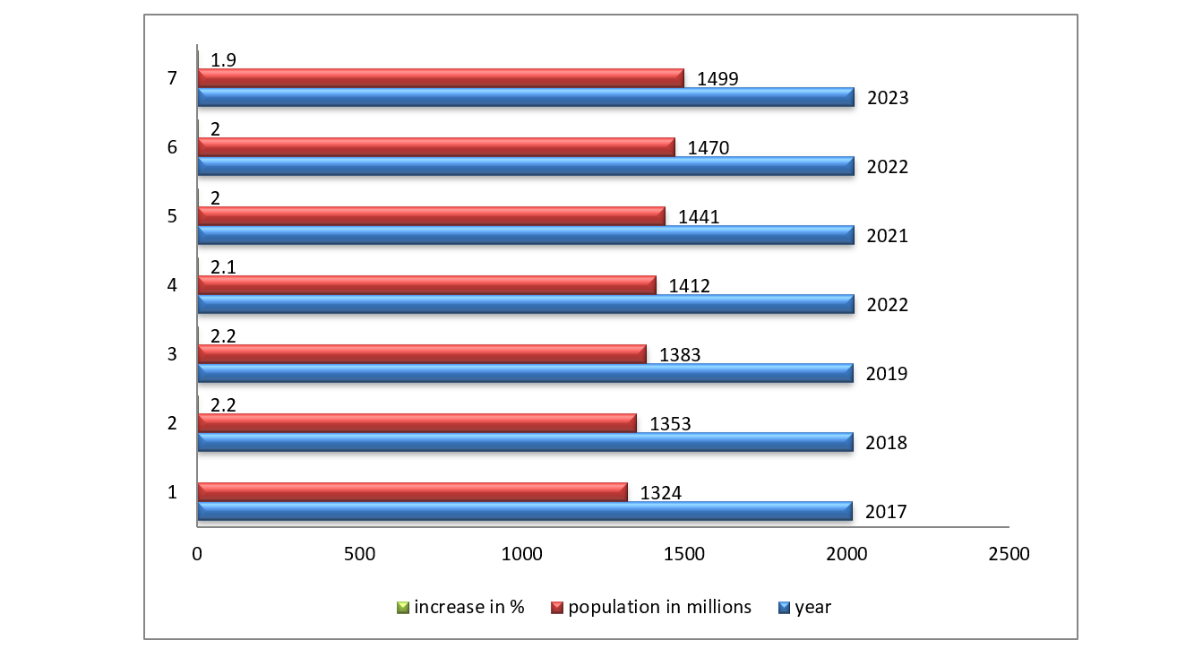
Figure 1: India’s population rise (in millions) vs percentage increase in population (from 2017-2023).
Sources: World Bank: population estimates
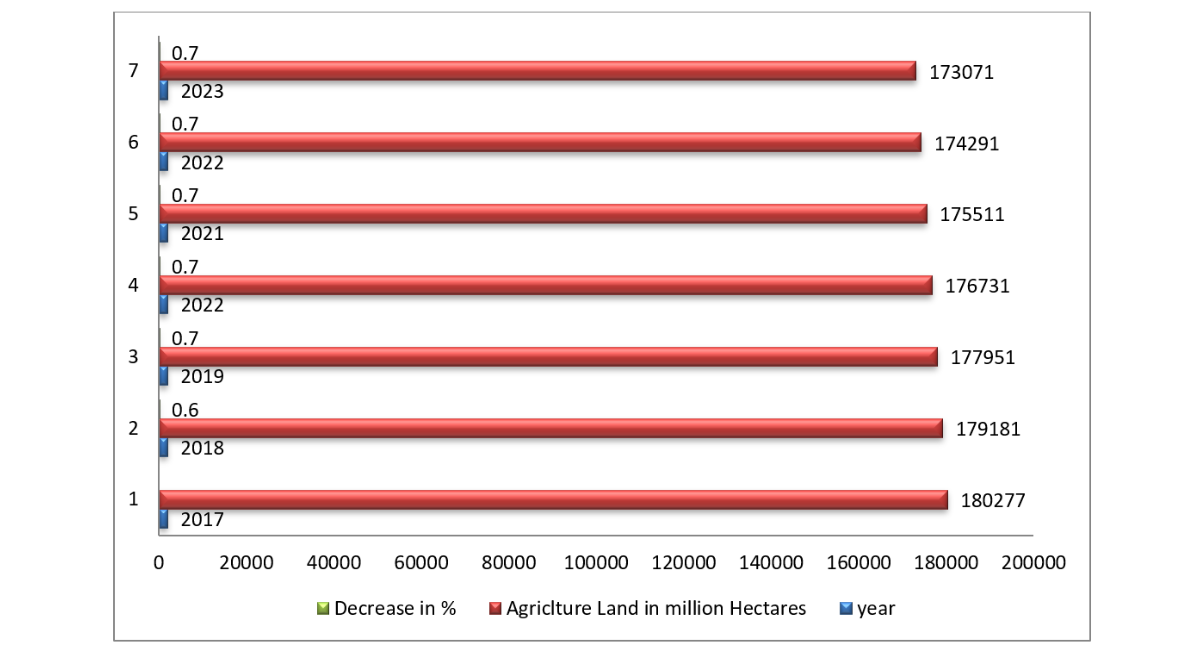
Figure 2: India’s diminishing land mass in Agricuture (in million hecters) vs percentage decrease over the years 1997-2023.
Sources: Govt of India, Ministry of Agriculture and United Nations: Population and Agriculatural land projections., FAO: Agrcultural Productivity and crop diversity data
Key findings can be summarised as
- India’s annual growth rate remained 2.1% (average)
- Agricultural land decrease rate remained 0.7% (avg)
- 13.4% total population increase from 2017-2023 and
- Agriculture land decreased by total 3.9% from 2017-2023.
Sustainable Agriculture through advancement of Agro-Biotechnology of Sustainable Agriculture Practices
Biotechnology is crucial to the development of sustainable agricultural practices like organic farming, integrated pest management, and conservation agriculture worldwide. Biotechnology-based hydroponic systems have the potential to improve conventional methods like double cropping and agroforestry, which have been shown to be effective in mitigating the adverse effects of climate change [33]. Biotechnology applications in agriculture have yielded both favorable and challenging results. Genetically modified crops, including Bacillus thuringiensis (Bt) cotton, have disrupted traditional farming practices and may lead to downskilling [34]. Conversely, the application of plant tissue culture has enhanced agriculture and contributed to India's second green revolution [35]. Biotechnology has the potential to significantly improve animal husbandry practices in India, particularly in the areas of nutrition, health, and reproduction. Furthermore, biotechnology techniques have improved crop health and productivity, with a focus on grain and seed crops in particular [36]. However, the industry has faced ethical, commercial, and political challenges, particularly in relation to Gujarat's Bt cotton [37,38,39]. The examination of India's seed and agricultural biotechnology businesses has urged for more substantial policy changes to encourage innovation and reduce regulatory uncertainty [40]. Academics have contended that patent laws are complex and that more time is required to fully reap the benefits of international accords. The authors emphasized the need for a robust regulatory framework and the effective dissemination of information regarding the benefits and drawbacks of transgenic crops [41]. The potential of biotechnology in agriculture has been highlighted by several researchers; nevertheless, infrastructure and funding are needed [42,43]. With characteristics like enhanced nutritional value, herbicide tolerance, and pest resistance, these points highlight some of the numerous accomplishments of a sustainable biotechnology strategy in the field of plant biotechnology in the Indian food scenario. Genetically modified crops have been the focus of plant biotechnology [44]. Here, we examine the adoption, benefits, and controversies surrounding genetically modified crops in India, focusing on case studies and their impact on agricultural practices. Despite India's very lucrative agriculture business, global agricultural giants are reluctant to engage in the country because to the Indian court of justice's attitude on bending rules. Consequently, there is uncertainty over the patent protection status of genetically modified plants in India, which makes their introduction challenging [45]. However, numerous genetically engineered crops are currently being explored for new products [46,47,48]. India has successfully produced genetically modified cotton, which has enhanced yields and earnings, even though the country is still in the early stages of evaluating GM technology [49,50,51].
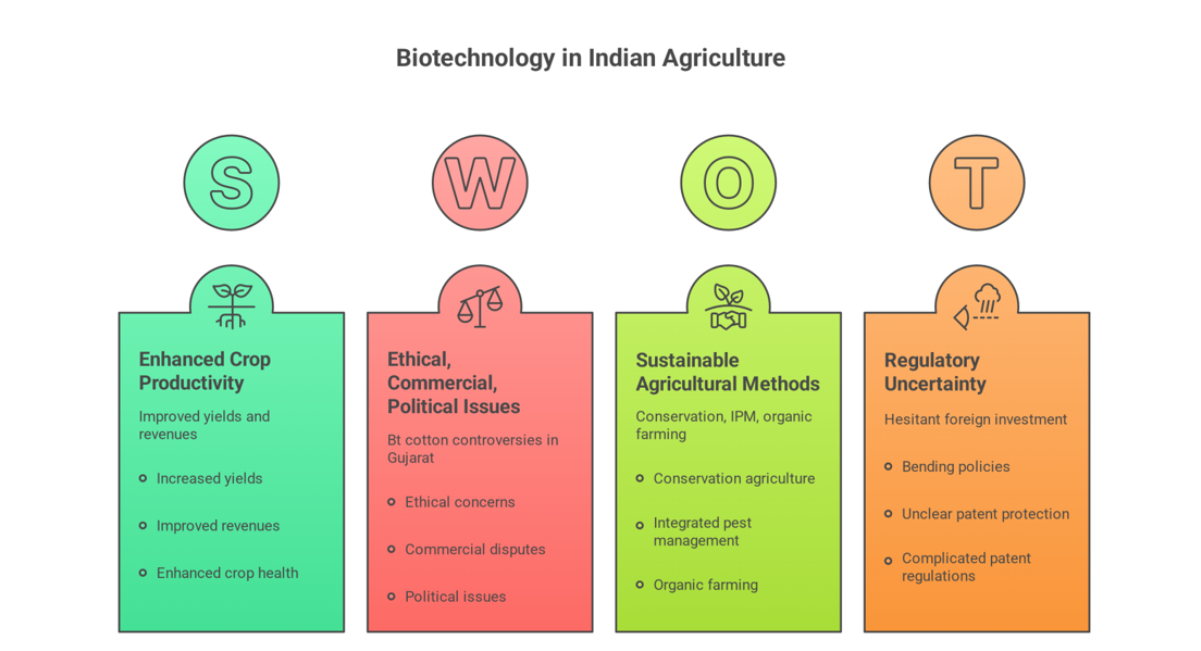
Figure 3: SWOT analysis of Biotechnological interventions in Indian Agriculture
Genetic Engineering versus CRISPR/Cas9 mediated Genome Editing outcomes
With a focus on recent advancements in Indian agricultural research [53-60], the groundbreaking CRISPR/Cas9 technology does in fact open up new pathways for precision genome editing, evaluating potential uses in crop improvement [52], disease resistance, and adaptability to climatic variability. Abiotic stressors such heat shock, salt, and heavy metals, as well as biotic, allelecheical-mediated genetoxic stress, can affect cash crops [61-67]. With a variety of uses, including as increased yield, biofortification, and ROS-mediated stress tolerance, CRISPR/Cas9 genome editing has transformed agriculture and improved crops' epigenetic memory [52,68]. Because it allows for quick and effective genome editing, this method has proven especially useful in plant genomics research. Because of its potential to create resistant crops with improved quality and production, the CRISPR/Cas9 system has been compared favorably to other genome-editing techniques like TALEN and ZFN [69]. Additionally, it has been utilized to create new plant kinds with enhanced characteristics like drought tolerance, disease resistance, and nutritional enhancement [70].
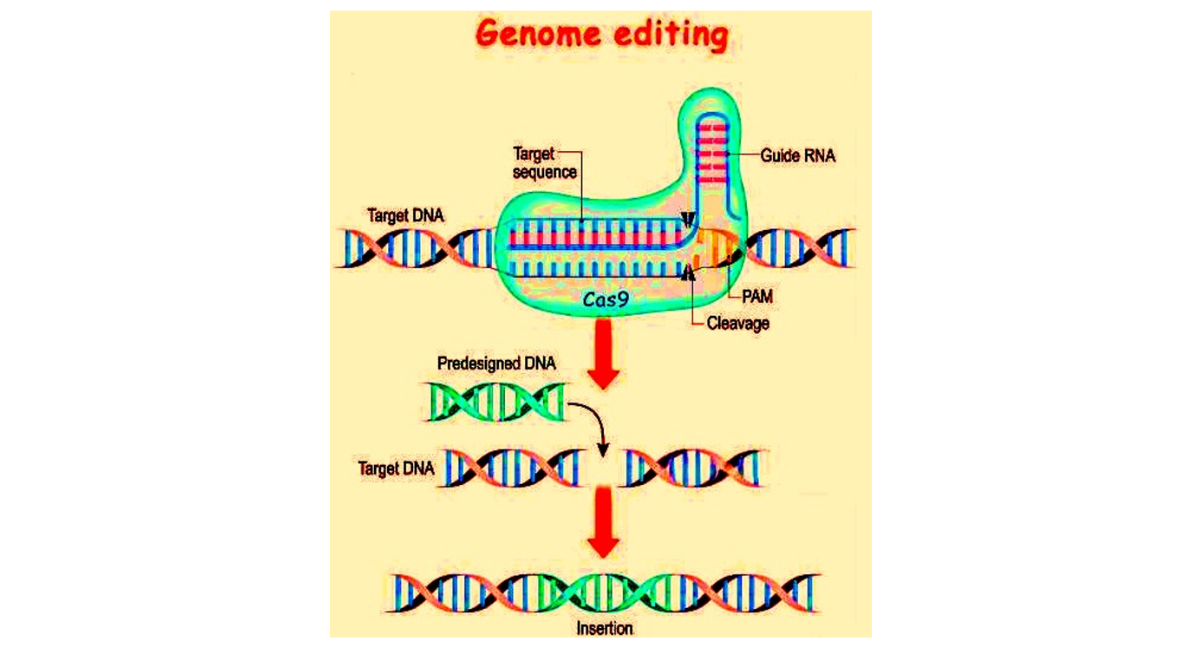
Figure 4: CRISPR/Cas9 genome editing in plants uses a guide RNA (sgRNA) to direct the Cas9 enzyme to a specific DNA sequence, creating a double-strand break (DSB); the plant's natural repair mechanisms then fix the break, either by error-prone Non-Homologous End Joining (NHEJ), causing gene knockout, or by using a provided DNA template for precise insertion via Homology-Directed Repair (HDR), allowing gene replacement or addition.
Cereal crops including rice, wheat, maize, and sorghum which are essential for food security in India—may be greatly impacted by this CRISPR/Cas9 genome editing technique [71]. With rice being the most researched crop, the CRISPR/Cas9 system has been effectively used in plants to enhance yield performance, biofortification, and stress tolerance [72]. In wheat, a complex and polyploid plant, the CRISPR/Cas9 technology has also demonstrated significant promise for targeted genome editing [73]. An Agrobacterium-delivered CRISPR/Cas9 system that greatly improves the effectiveness of mutation recovery was used to further develop this technology for wheat genome editing [74]. The successful targeting of particular genes, leading to the required mutations, has proved the use of this method in wheat [75].Despite the successful deployment of CRISPR/Cas9, the requirement for a sizable T0 transgenic plant population may limit its use [76-77]. Numerous studies in rice and maize, respectively, have shown that the effectiveness of CRISPR-Cas in India depends on a sizable T0 transgenic plant population [78]. Using CRISPR/Cas9 to create inheritable, "transgene-clean" (no foreign DNA) edited rice entails editing genes in early generations (T0) and then choosing progeny (T1, T2, etc.) that have the desired mutation but have lost the Cas9/gRNA DNA. This is frequently accomplished by crossing and screening for segregation of the CRISPR cassette, resulting in stable, precise edits passed down like natural mutations, enabling traits like disease resistance or increased yield without raising GMO concerns. Designing particular guides, effectively editing in T0, discovering biallelic mutants, and using PCR/sequencing to confirm transgene removal in subsequent generations are important tasks [78]. Here Targeted DNA breaks in native rice genes can be made with CRISPR/Cas9, which frequently results in precise edits (prime editing) or tiny insertions/deletions (indels) that impair gene function (knockout). High efficiency is typical; many plants exhibit the required mutations; occasionally, the T0 generation (first transformed cell line) is established by homozygous (biallelic) or heterozygous (monoallelic) mutations. T0 plant seeds are cultivated. After Mendelian inheritance (T1 generation), mutations frequently segregate (separate) from the CRISPR/Cas9 transgenic DNA.Next, transgene clean selection is carried out by screening T1 (or later) plants for the desired mutation using methods like as PCR/sequencing or the T7 Endonuclease I test. PCR is used to simultaneously check for the lack of the Cas9/gRNA cassette (the T-DNA), guaranteeing that the foreign DNA is removed but the altered characteristic remains stable. Then, whole-genome sequencing (if required) is required to confirm the desired changes and ensure there are no off-target impacts. Because mutations are consistently transmitted down to succeeding generations, it is significant. Because it creates modified plants without the CRISPR machinery DNA, it is transgenic clean, potentially avoiding GMO regulatory obstacles in some areas (like India's method) and increasing public acceptance. Unlike conventional GMOs, it also enables precision trait enhancement (e.g., increased yield, disease resistance) without adding foreign genes [78]. Successful examples include the development of higher-yielding, early-maturing rice like "Kamla" (DRR Rice 100) by changing a native gene for cytokinin oxidase and improved bacterial blight resistance by editing the Os8N3 gene, resulting in T-DNA-free plants with greater resistance [78]. These results highlight how crucial a sizable T0 transgenic plant population is to the effective use of CRISPR-Cas in crop development in India. The CRISPR-Cas system is nevertheless a potent tool for improving agricultural goods in spite of these difficulties [95].
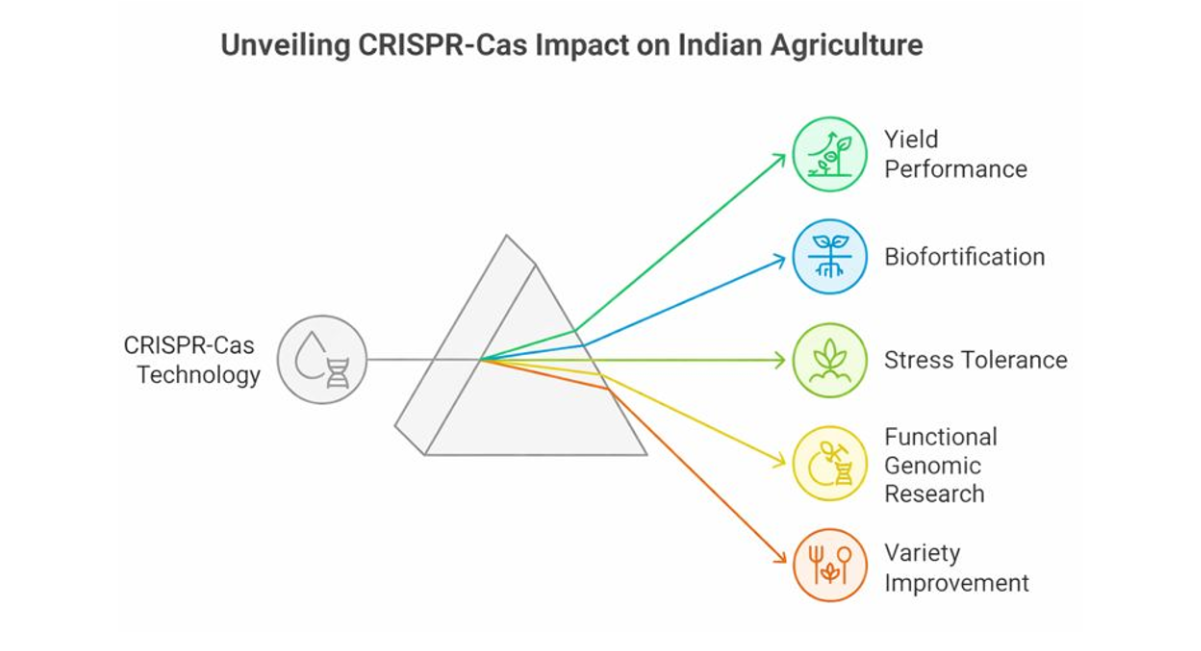
Figure 5: CRISPR-Cas9 implementation strategies to reshape Indian Agriculture
Enhancing Biofortification of Nutraceuticals in Edible crops for Nutrition Demands
The nutritional value of crops is improved using biotechnological methods for biofortification. Here, we investigate the creation of nutrient-rich cultivars and nutraceuticals to combat malnutrition and advance health among Indians. One important tactic for combating malnutrition in India is biofortification, which is the process of increasing the nutritional value of food crops [80,81]. To increase nutritional security, the Indian Council of Agricultural Research is actively working on developing biofortified crop types [82]. In order to boost food and nutrition production in India, plant biotechnology, including genetic modification, is being investigated [83,84]. Research has also demonstrated the nutritional value of edible wild plants found in India, such as Asparagus officinalis DC and Portulaca oleracea Linn, which are high in calories, proteins, and lipids [85].71 nutrition-rich crop cultivars have been developed and released in the nation thanks to this strategy [86,87]. With an emphasis on particular grain and seed crops, plant biotechnology, including genetic modification, has been instrumental in this process [80]. In India, wheat biofortification in particular has been found to be a viable way to guarantee nutritional security [86]. With an emphasis on cereal crops including rice, wheat, maize, and millets, the Indian Council of Agricultural Research has been instrumental in this endeavor [88]. These initiatives have the potential to greatly increase India's nutritional security, especially for vulnerable groups [89]. The Indian government has worked hard on biotechnology, especially in the fields of health care and agriculture [90]. This includes building a solid biotech foundation because the infrastructure required to support all aspects of contemporary biotechnology, including biofortification, is a more general capacity building objective. The commercial introduction of GM plants involves the release of any genetically modified crop for sale, whether or not it is biofortified (e.g., it could be an insect-resistant GM plant). GM crops, such as Golden Rice, are examples of biofortified crops. Industrial biotechnology, also known as "white biotechnology," uses modified microorganisms, not plants, to manufacture certain enzymes for use in detergents, food processing, or pharmaceuticals. The goal of biofortification is focuses on creating crops that are more abundant in micronutrients (such as iron, zinc, and vitamin A) by breeding or engineering [1]. Building the infrastructure and human resources required for biotech applications has been greatly aided by the Department of Biotechnology. The government is concentrating on employing biofertilizers in agriculture as a sustainable substitute for chemical fertilizers [92]. These initiatives show a dedication to using biotechnology to improve the lives of Indians [93].
By improving nutrient availability and plant uptake, biofertilizers such as nitrogen-fixing bacteria, algae, and fungi have been instrumental in Indian agriculture [94,95]. They have the potential to be commercially successful and are regarded as economical and sustainable substitutes for chemical fertilizers [96]. Research has demonstrated that biofertilizers can greatly enhance rhizosphere enzyme activity, fruit output, and plant growth, especially in arid regions like the Indian Thar Desert [97,98]. India is currently conducting research on the creation and use of potassic biofertilizers, which can improve the nutritional content of plants [99]. However, commercial viability and national acceptance are necessary for the development of plant-based pharmaceuticals and nutraceuticals [100,101]. Through ongoing initiatives by the Indian Council of Agricultural Research, biofortification a sustainable strategy to combat malnutrition is being pursued in India. The country is making headway in creating biofortified crop varieties that can support food and drug security as well as nutrition [102].
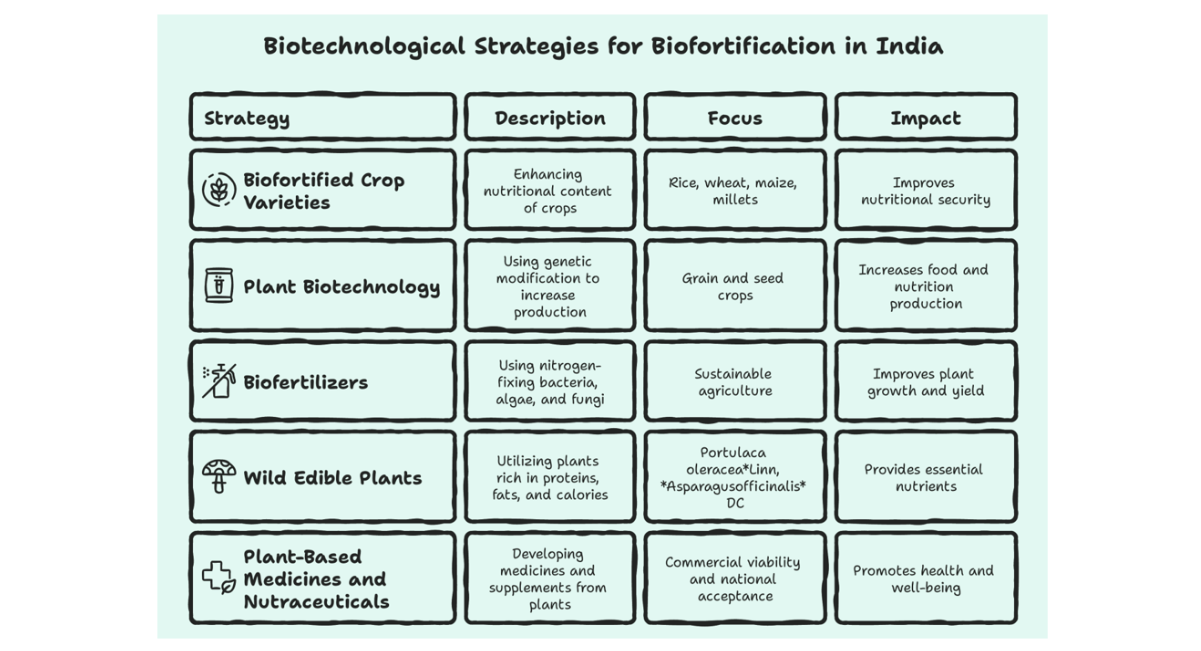
Figure 6: Biofortification strategies for enhancing food quality
CONCLUSION
This review highlights the major role of biotechnological interventions in solving the multifaceted challenges of Indian agriculture. Technologies such as GM crops, CRISPR/Cas9 genome editing, biofortification, nutraceutical development, and precision agriculture integrated with big data analytics have demonstrated immense potential to enhance crop productivity, nutritional quality, pest and disease resistance, and resource-use efficiency. Given agriculture’s central role in India’s economy and livelihoods, these innovations offer viable pathways to strengthen food and nutritional security while promoting sustainable farming practices.
Despite their promise, the adoption of biotechnological tools in India is shaped by complex regulatory, ethical, socio-economic, and public perception issues. Success stories like Bt cotton highlight the benefits of biotechnology, while debates surrounding GM crops emphasize the need for transparent policies, robust biosafety frameworks, and inclusive stakeholder engagement. Similarly, the effective implementation of precision agriculture and genome-editing technologies requires supportive infrastructure, capacity building, and policy coherence to ensure equitable access and long-term sustainability.
Future research should focus on developing climate-resilient and nutritionally enriched crop varieties using advanced genome-editing tools, while also assessing their ecological and socio-economic impacts. Greater emphasis is needed on interdisciplinary research that integrates biotechnology with data science, policy studies, and rural development. Strengthening public–private partnerships, improving regulatory clarity, and fostering public awareness will be crucial for translating scientific advancements into field-level benefits. Collectively, these efforts will determine how effectively biotechnology can support India’s evolving agricultural needs and its role in global food security.
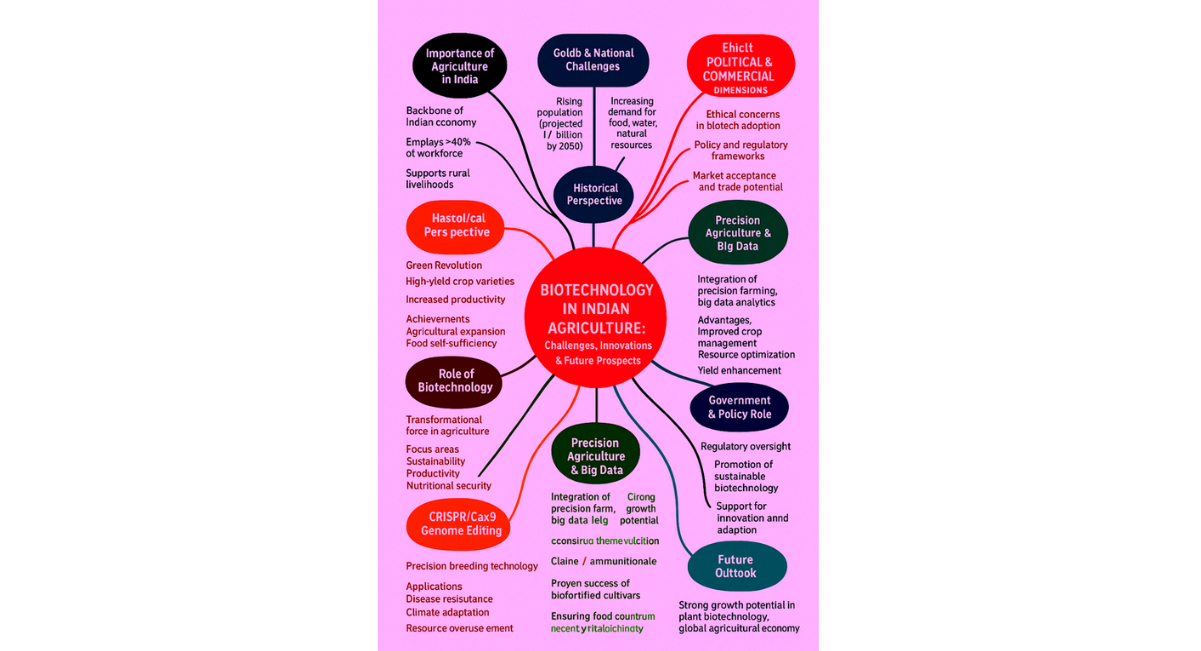
Figure 7: The present scenario of adoption of biotechnological tools in India is shaped by complex regulatory, ethical, socio-economic, and public perception issues.
Thus further applications of CRISPR-Cas9 would highlight and can be further exemplified as Emerging Genome Editing Technologies. Recent advances in genome editing are expanding the possibilities for precise to large-scale DNA modifications have been giving newer insights for advancement of molecular breeding techniques in cash crops for biofortification vs crop productivity for future plant biologists. Some of these newer approaches are worth mentioning here:
DNA Polymerase Editing (Click Editor)
This system fuses nCas9(H840A) with DNA polymerase and uses an endonuclease with single-stranded DNA templates to introduce targeted edits efficiently.
CRISPR-Associated Transposons
CRISPR effectors are combined with transposase proteins to achieve RNA-guided insertion of long DNA sequences into specific loci. Common systems include Type I-F3 CAST and Type V-K CAST.
Site-Specific Integration of Large Genes
Prime editors are coupled with serine recombinases to insert large DNA sequences at att sites within target loci. Methods such as PASSIGE and PASTE enhance efficient large-gene integration.
Retroelement-Based Editing
nCas9(H840A) is used with a non-LTR reverse transcriptase and RNA to generate a free 3′ end, allowing reverse transcription of RNA and its insertion into the target DNA.
Epigenetic Editing
dCas9 can be fused with DNA methyltransferases or histone-modifying enzymes to silence genes (CRISPR-off) without altering DNA. Alternatively, dCas9 can recruit demethylases or transcriptional activators to restore gene expression (CRISPR-on).
AI-Based Gene Editing
Artificial intelligence supports genome editing by designing novel proteins and guide RNAs, predicting off-target effects, and forecasting editing outcomes to improve precision and efficiency.
The debate over genetically modified crops in India presents a complex picture, stressing issues with public opinion, regulatory frameworks, and environmental concerns while also recognizing cotton success stories. The analysis of the CRISPR/Cas9 genome editing technique highlights its revolutionary effects on disease resistance, crop development, and climate variability adaption. It is clear that this technology might be used to solve India's food security issues, especially with regard to cereal crops that are essential for survival. The production of nutrition-rich crop types is a result of biotechnological interventions, and biofortification and nutraceuticals are important tactics to fight malnutrition in India. The effectiveness of releasing biofortified cultivars is highlighted in this research, along with their contribution to enhancing nutritional security, especially for vulnerable populations. With the potential to improve crop management, increase production, and optimize resource use, precision agriculture and big data analytics are becoming revolutionary tools. Infrastructure, social considerations, and regulatory actions present obstacles to the adoption of these technologies in India. In order to overcome these obstacles and encourage the use of precision farming, the assessment recognizes the necessity of a coordinated effort. An outlook on the future of biotechnology in Indian agriculture is provided in the final part. Particularly in the field of plant biotechnology, the promising trajectory anticipates substantial growth and contribution to the global economy. To fully realize the potential of biotechnology in Indian agriculture, the study highlights the significance of addressing ethical, commercial, and political aspects. The importance of the government's role in influencing the direction of biotechnology practices in the industry is emphasized. For policymakers, academics, and stakeholders interested in the sustainable growth of the country's agricultural sector, this review article essentially offers a firsthand grasp of the complex terrain of biotechnology in Indian agriculture. The integration of many viewpoints and the investigation of technological advancements highlight the intricacy and promise of biotechnology interventions in meeting India's changing agricultural requirements.
REFERENCES
- Albahri G, Alyamani AA, Badran A, Hijazi A, Nasser M, et, al. Enhancing essential grains yield for sustainable food security and bio-safe agriculture through latest innovative approaches. Agronomy. 2023;13(7):1709. [Crossref] [Google Scholar]
- Tagkas CF, Rizos EC, Markozannes G, Karalexi MA, Wairegi L, et, al. Fertilizers and human health—a systematic review of the epidemiological evidence. Toxics. 2024;12(10):694. [Crossref] [Google Scholar] [PubMed]
- Mahmoudi M, Asbai Z, Foughal T, Obame RG, Ognalaga M, et, al. Biofertilizers for Sustainable and Environment-friendly Agriculture. Natural Built Social Environment Health. 2025;1(5). [Crossref] [Google Scholar]
- Redclift M. The role of agricultural technology in sustainable development. In Technological change and the rural environment 2023 (pp. 81-103). Routledge. [Crossref] [Google Scholar]
- Kumar R, Kumar S, Yashavanth BS, Venu N, Meena PC, et, al. Natural farming practices for chemical-free agriculture: implications for crop yield and profitability. Agriculture. 2023;13(3):647. [Crossref] [Google Scholar]
- Marone D, Mastrangelo AM, Borrelli GM. From transgenesis to genome editing in crop improvement: applications, marketing, and legal issues. Int J Mol Sci. 2023;24(8):7122. [Crossref] [Google Scholar] [PubMed]
- Ofosu R, Agyemang ED, Márton A, Pásztor G, Taller J, et, al. Herbicide resistance: managing weeds in a changing world. Agronomy. 2023;13(6):1595. [Crossref] [Google Scholar]
- Avnee, Sood S, Chaudhary DR, Jhorar P, Rana RS. Biofortification: an approach to eradicate micronutrient deficiency. Front Nutr. 2023;10:1233070. [Crossref] [Google Scholar] [PubMed]
- Mandal A, Sarkar B, Owens G, Thakur JK, Manna MC, et, al. Impact of genetically modified crops on rhizosphere microorganisms and processes: A review focusing on Bt cotton. Applied Soil Ecology. 2020;148:103492. [Crossref] [Google Scholar]
- Gong D, Zhang X, He F, Chen Y, Li R, et, al. Genetic improvements in rice grain quality: A review of elite genes and their applications in molecular breeding. Agronomy. 2023;13(5):1375. [Google Scholar]
- Tiwari S, Koul B. Genetic Engineering of Crop Plants for Food and Health Security Volume 2. Genome. 2019. [Crossref] [Google Scholar]
- DÍAZ‐PENDÓN JA, Cañizares MC, Moriones E, Bejarano ER, Czosnek H, et, al. Tomato yellow leaf curl viruses: ménage à trois between the virus complex, the plant and the whitefly vector. Mol Plant Pathol. 2010;11(4):441-50. [Crossref] [Google Scholar] [PubMed]
- Nelson E, Mendoza G, Regetz J, Polasky S, Tallis H, et, al. Modeling multiple ecosystem services, biodiversity conservation, commodity production, and tradeoffs at landscape scales. Frontiers in Ecology and the Environment. 2009;7(1):4-11. [Crossref] [Google Scholar]
- Heap I, Duke SO. Overview of glyphosate‐resistant weeds worldwide. Pest Manag Sci. 2018;74(5):1040-9. [Crossref] [Google Scholar] [PubMed]
- Green JM, Siehl DL. History and outlook for glyphosate-resistant crops. Rev Environ Contam Toxicol: Glyphosate. 2021; 10:67-91. [Crossref] [Google Scholar] [PubMed]
- Baek Y, Bobadilla LK, Giacomini DA, Montgomery JS, Murphy BP, et, al. Evolution of glyphosate-resistant weeds. Rev Environ Contam Toxicol: Glyphosate. 2021; 2:93-128. [Crossref] [Google Scholar] [PubMed]
- Reddy CA, Oraon S, Bharti SD, Yadav AK, Hazarika S. Advancing disease management in agriculture: A review of plant pathology techniques. Plant Science Archives. 2024;9:16-8. [Crossref] [Google Scholar]
- Zulfikhar R, Alaydrus AZ, Sutiharni S, Nanjar A, Hartati H. Utilization of smart agricultural technology to improve resource efficiency in agro-industry. West Science Agro. 2024;2(01):28-34. [Crossref] [Google Scholar]
- Yadav A, Yadav K, Abd-Elsalam KA. Nanofertilizers: types, delivery and advantages in agricultural sustainability. Agrochemicals. 2023;2(2):296-336. [Crossref] [Google Scholar]
- Kekeli MA, Wang Q, Rui Y. The role of nano-fertilizers in sustainable agriculture: Boosting crop yields and enhancing quality. Plants. 2025;14(4):554. [Crossref] [Google Scholar] [PubMed]
- Hayat MK, Khan TY, Sial TN, Khan HA, Ashraf ZU, et, al. The Biotech And Precision Agriculture Revolution: Feeding the World Sustainably. Policy Research Journal. 2025;3(3):293-316. [Crossref] [Google Scholar]
- Naresh R, Singh NK, Sachan P, Mohanty LK, Sahoo S, et, al. Enhancing sustainable crop production through innovations in precision agriculture technologies. Journal of Scientific Research and Reports. 2024;30(3):89-113. [Crossref] [Google Scholar]
- Blanco CA, Hernandez G, Dively G, Conover K, Portilla M, et, al. Functional transgenes in Mexican maize: benefits and risks for insect pest management in Mexico and the United States. Annals of the Entomological Society of America. 2024;117(3):184-95. [Crossref] [Google Scholar]
- Kobayashi K, Wang X, Wang W. Genetically modified rice is associated with hunger, health, and climate resilience. Foods. 2023;12(14):2776. [Crossref] [Google Scholar] [PubMed]
- Shelke DB, Chambhare MR, Nikalje GC, Nikam TD. Improvement of soybean crop for yield, stress tolerance, and value‐added products using a transgenic approach. Advances in Agriculture. 2023;(1):8166928. [Google Scholar]
- Saini N, Kumar V. Influence of transgenic cotton cultivars on growth and development of Pectinophora gossypiella (saunders). [Crossref] [Google Scholar]
- Akpan AI, Zikos D. Rural agriculture and poverty trap: can climate-smart innovations provide breakeven solutions to smallholder farmers? 2023;10(4):57. [Crossref] [Google Scholar]
- Press Information Bureau, Government of India. (2024). Press release.
- AMS India. Population growth in India: Challenges, opportunities, and the road ahead.
- Food and Agriculture Organization of the United Nations (FAO). (2023). Increased investment in agricultural research essential by 2050.
- Rajaseger G, Chan KL, Tan KY, Ramasamy S, Khin MC, et,al. Hydroponics: current trends in sustainable crop production. Bioinformation. 2023;19(9):925. [Crossref] [Google Scholar] [PubMed]
- Subramanian A. Sustainable agriculture and GM crops: the case of Bt cotton impact in Ballari district of India. Front Plant Sci. 2023;14:1102395. [Crossref] [Google Scholar] [PubMed]
- Hamdan MF, Mohd Noor SN, Abd-Aziz N, Pua TL, Tan BC. Green revolution to gene revolution: technological advances in agriculture to feed the world. Plants. 2022;11(10):1297. [Crossref] [Google Scholar] [PubMed]
- Abdul Aziz M, Brini F, Rouached H, Masmoudi K. Genetically engineered crops for sustainably enhanced food production systems. Front Plant Sci. 2022;13:1027828.. [Crossref] [Google Scholar] [PubMed]
- Gupta AK, Chandak V. Agricultural biotechnology in India: ethics, business and politics. International Journal of Biotechnology. 2005;7(1-3):212-27. [Crossref] [Google Scholar]
- Singh S. Ethical Issues of Biotechnology in Agriculture and Agri-Business. Purushartha: A Journal of Management, Ethics, and Spirituality. 2011;4(2):86-108. [Google Scholar]
- Idris SH, Mat Jalaluddin NS, Chang LW. Ethical and legal implications of gene editing in plant breeding: a systematic literature review. J Zhejiang Univ Sci B. 2023;24(12):1093-105. [Crossref] [Google Scholar] [PubMed]
- Entine J, Felipe MS, Groenewald JH, Kershen DL, Lema M, et, al. Regulatory approaches for genome edited agricultural plants in select countries and jurisdictions around the world. Transgenic Res. 2021;30(4):551-84. [Crossref] [Google Scholar] [PubMed]
- Bekele-Alemu A, Dessalegn-Hora O, Safawo-Jarso T, Ligaba-Osena A. Rethinking progress: harmonizing the discourse on genetically modified crops. Front Plant Sci. 2025;16:1547928. [Crossref] [Google Scholar] [PubMed]
- Singh JP, Gupta S. Agriculture and its discontents: Coalitional politics at the WTO with special reference to India’s food security interests. International Negotiation. 2016;21(2):295-326. [Crossref] [Google Scholar]
- Saini S, Gulati A. India’s food security policies in the wake of global food price volatility. InFood price volatility and its implications for food security and policy; 2016 (pp. 331-352). Cham: Springer International Publishing. [Crossref] [Google Scholar]
- Sandhu R, Chaudhary N, Shams R, Dash KK. Genetically modified crops and sustainable development: navigating challenges and opportunities. Food Sci Biotechnol. 2025 ;34(2):307-23. [Crossref] [Google Scholar] [PubMed]
- Kole C, Pandey S, Yasin JK, Mamidi S, Bohra A, et, al. Benefits, concerns, and sustainable alternatives to genetically modified crops from a global and Indian perspective. Plant Genome. 2025;18(4):e70154. [Crossref] [Google Scholar] [PubMed]
- Gupta AK, Chandak V. Agricultural biotechnology in India: ethics, business and politics. International Journal of Biotechnology. 2005;7(1-3):212-27. [Crossref] [Google Scholar]
- Wahab S. Biotechnological approaches in the management of plant pests, diseases and weeds for sustainable agriculture. Journal of Biopesticides. 2009;2(2):115-34. [Crossref] [Google Scholar]
- Egelyng H. Managing agricultural biotechnology for sustainable development: the case of semi-arid India. International Journal of Biotechnology. 2000;2(4):342-54. [Crossref] [Google Scholar]
- Kulak V, Longboat S, Brunet ND, Shukla M, Saxena P. In vitro technology in plant conservation: Relevance to biocultural diversity. Plants. 2022;11(4):503. [Crossref] [Google Scholar] [PubMed]
- Animasaun DA, Adedibu PA, Shkryl Y, Emmanuel FO, Tekutyeva L, et, al. Modern plant biotechnology: an antidote against global food insecurity. Agronomy. 2023;13(8):2038. [Crossref] [Google Scholar]
- Kluczkovski A, Hadley P, Yap C, Ehgartner U, Doherty B, et, al. Urban vertical farming: innovation for food security and social impact? Philosophical Transactions of the Royal Society B: Biological Sciences. 2025;380(1935). [Crossref] [Google Scholar] [PubMed]
- Erdoğan İ, Cevher-Keskin B, Bilir Ö, Hong Y, Tör M. Recent developments in CRISPR/Cas9 genome-editing technology related to plant disease resistance and abiotic stress tolerance. Biology. 2023;12(7):1037. [Crossref] [Google Scholar] [PubMed]
- Chen F, Chen L, Yan Z, Xu J, Feng L, et, al. Recent advances of CRISPR-based genome editing for enhancing staple crops. Frontiers in plant science. 2024;15:1478398. [Crossref] [Google Scholar] [PubMed]
- Adhikari D, Pal S. Molecular markers in plant-based bioassays for the detection of molecular endpoints to probe of aquatic genotoxicity—an overview. J. Environ. Sociobiol. 2015;12:143-62. [Crossref] [Google Scholar]
- Bandyopadhyay D, Adhikari D. Agronano-mediated applications for the alleviation of stress and boosting of crop health for the future of smart high-yield agriculture. Biological Sciences. 2024 ;4(3):681-91. [Crossref] [Google Scholar]
- Adhikari D. Biotic and abiotic stresses and reactive oxygen species (ROS)-mediated signalling in higher plants: Regulatory mediators and their mechanism of actions. International Journal of Trend in Scientific Research and Development IJTSRD. [Google Scholar]
- Adhikari D. Role of epigenetics and the high-throughput sensing techniques to detect stress adaptation mechanisms in crop plants: A mini review. Innovations in Agriculture. 2023;6:e32855. [Crossref] [Google Scholar]
- Adhikari D, Ghosh R, Dig S. Evaluation of salinity-mediated end-point cytogenotoxicity in Germinating Roots of Lathyrus sativus L., Variety Mahatora.: Bio-assay guided biomarker studies. Innovations in Agriculture. 2024;7:1-7. [Crossref] [Google Scholar]
- Adhikari D. Plant heat shock proteins-origin, evolution and mechanism of action for biotechnological implications in crop improvement. International Journal of Innovative Research in Science, Engineering and Technology (IJIRSET). 2024;13(3). [Google Scholar]
- Adhikari D, Ghosh T, Ghosh R. A comprehensive comparative study on Cascabela thevetia (L.) lippold, seed aqueous extract-mediated escalation of abiotic stress and cellular genotoxicity: Insights from multivariate allelochemical analysis vis-a-vis employment of plant bioassays (Lathyrus sativus L., and Allium sativum L., germinating root tip cells). Journal of Stress Physiology & Biochemistry. 2023;19(4):178-202. [Google Scholar]
- Ghosh T, Mukherjee S, Adhikari D. Evaluation Of Acute Toxictiy Studies On Copper-Induced Oxidative Stress In Lathyrus Sativus L.,(Variety Ratan) Germinating Seeds: A Biomarker Based Risk Assessment. Journal of Advanced Scientific Research. 2020 ;11(04):243-54. [Crossref] [Google Scholar] [PubMed]
- Adhikari D. Chromium induces genotoxicity in root tip cells of grass pea (Lathyrus sativus L., variety Nirmal): a ROS-mediated acute toxicity study. Journal of Stress Physiology & Biochemistry. 2021;17(2):98-120. [Google Scholar]
- Adhikari D. Augmentation mitodepressive and cytogenotoxic effects of lead upon acute exposure on grass pea (Lathyrus sativus L.) root tip cells. American Journal of Biological Sciences. 2019;1(1):14-22. [Google Scholar]
- Adhikari D, Khatun P, Koley S, Sen M, Ghosh SK. Nanotechnology: A double-edged sword for future smart agriculture and phytopathological management in plants. Agriculture and Food Sciences Research. 2024;11(2):203-21. [Crossref] [Google Scholar]
- Acar A, Adhikari D. Genotoxic, Biochemical and Morphotoxic Assessment of Dimethoate: Ameliorative Role of Grape Seed (Vitis vinifera L.) Extract. Biology Bulletin. 2025;52(1):14. [Crossref] [Google Scholar]
- Agnihotri D, Mukherjee A, Adhikari D. Assessment of antibacterial, cytobiochemical and genotoxic activities in search for biotherapeutic applications from vegetative parts of Cassia fistula L. Journal of Agroalimentary Processes & Technologies. 2025;31(1). [Crossref] [Google Scholar]
- Ghosh S, Ghosh T, Adhikari D. Bio-assay guided toxicopharmacological studies on effect of Punica granatum peel aqueous extract (PGPAE): insights into the phytochemical, antioxidant, antimicrobial and cyto-genotoxic manifestations. Journal of Agroalimentary Processes and Technologies. 2025;31(1):12-44. [Crossref] [Google Scholar]
- Chen F, Chen L, Yan Z, Xu J, Feng L, et, al. Recent advances of CRISPR-based genome editing for enhancing staple crops. Front Plant Sci. 2024;15:1478398. [Crossref] [Google Scholar] [PubMed]
- Montecillo JA, Chu LL, Bae H. CRISPR-Cas9 system for plant genome editing: current approaches and emerging developments. Agronomy. 2020;10(7):1033. [Crossref] [Google Scholar]
- Wang Y, Phelps A, Godbehere A, Evans B, Takizawa C, et, al. Revolutionizing Agriculture With CRISPR Technology: Applications, Challenges, and Future Perspectives. Biotechnology Journal. 2025;20(9):e70113. [Crossref] [Google Scholar] [PubMed]
- Basu U, Riaz Ahmed S, Bhat BA, Anwar Z, Ali A, et, al. A CRISPR way for accelerating cereal crop improvement: Progress and challenges. Front Genet. 2023;13:866976. [Crossref] [Google Scholar] [PubMed]
- Rengasamy B, Manna M, Thajuddin NB, Sathiyabama M, Sinha AK. Breeding rice for yield improvement through CRISPR/Cas9 genome editing method: current technologies and examples. Physiol Mol Biol Plants. 2024;30(2):185-98. [Crossref] [Google Scholar] [PubMed]
- Waites J, Achary VM, Syombua ED, Hearne SJ, Bandyopadhyay A. CRISPR-mediated genome editing of wheat for enhancing disease resistance. Front Genome Ed. 2025;7:1542487. [Crossref] [Google Scholar] [PubMed]
- Zhang Z, Hua L, Gupta A, Tricoli D, Edwards KJ, et, al. Development of an Agrobacterium‐delivered CRISPR/Cas9 system for wheat genome editing. Plant biotechnology journal. 2019;17(8):1623-35. [Crossref] [Google Scholar] [PubMed]
- Zhang RX, Zhang YF, Yang H, Zhang XD, Yang ZG, et,al. An Optimized Editing Approach for Wheat Genes by Improving sgRNA Design and Transformation Strategies. International Journal of Molecular Sciences. 2025;26(8):3796. [Crossref] [Google Scholar] [PubMed]
- Deb S, Choudhury A, Kharbyngar B, Satyawada RR. Applications of CRISPR/Cas9 technology for modification of the plant genome. Genetica. 2022;150(1):1-2. [Crossref] [Google Scholar] [PubMed]
- Gan WC, Ling AP. CRISPR/Cas9 in plant biotechnology: applications and challenges. BioTechnologia. 2022;103(1):81. [Crossref] [Google Scholar] [PubMed]
- Kim YA, Moon H, Park CJ. CRISPR/Cas9-targeted mutagenesis of Os8N3 in rice to confer resistance to Xanthomonas oryzae pv. oryzae. Rice. 2019;12(1):67. [Crossref] [Google Scholar] [PubMed]
- Hou X, Guo X, Zhang Y, Zhang Q. CRISPR/Cas genome editing system and its application in potato. Frontiers in Genetics. 2023;14:1017388. [Crossref] [Google Scholar] [PubMed]
- Azeem A, Khan S, Zia Ul Haq M, Shafiq S, Aslam MT, et al. Biofortification strategies for enhancing crop nutritional value: a review of methods, challenges, and future directions. Discover Plants. 2025;2(1):185. [Crossref] [Google Scholar]
- Ofori KF, Antoniello S, English MM, Aryee AN. Improving nutrition through biofortification–A systematic review. Front Nutr. 2022;9:1043655. [Crossref] [Google Scholar] [PubMed]
- Sheoran S, Kumar S, Ramtekey V, Kar P, Meena RS, et al. Current status and potential of biofortification to enhance crop nutritional quality: an overview. Sustainability. 2022;14(6):3301. [Crossref] [Google Scholar]
- Pathirana R, Carimi F. Plant biotechnology—an indispensable tool for crop improvement. Plants. 2024;13(8):1133. [Crossref] [Google Scholar] [PubMed]
- Ghosh T, Adhikari D. Transgenic plants: A curtain raiser implying risks vis-a-vis benefits on present environment and society. International Journal of Advanced Research in Biological Sciences. 2022;9(1):71-95. [Google Scholar]
- Alemayehu G, Awoke A, Kassa Z. Wild edible plant species and their role in nutrition and health in Korahe Zone, Eastern Ethiopia. Trop Med Health. 2025. [Crossref] [Google Scholar] [PubMed]
- Yadava DK, Hossain F, Mohapatra T. Nutritional security through crop biofortification in India: Status & future prospects. Indian J Med Res. 2018;148(5):621-31. [Crossref] [Google Scholar] [PubMed]
- Chaudhary M, Mandal A, Muduli S, Deepasree A. Agronomic biofortification of food crops: A sustainable way to boost nutritional security. In Revisiting plant biostimulants 2022. IntechOpen. [Crossref] [Google Scholar]
- Kamble U, Mishra CN, Govindan V, Sharma AK, Pawar S, et al. Ensuring nutritional security in India through wheat biofortification: a review. Genes. 2022;13(12):2298. [Crossref] [Google Scholar] [PubMed]
- Gupta S, Lowe NM. Biofortified Cereals Increase Dietary Zinc Intake: Wheat and Maize as Case Studies. Breeding Zinc Crops for Better Human Health. 2025:123-52. [Crossref] [Google Scholar]
- Gaurav K, Arora S, Silva P, Sánchez-Martín J, Horsnell R, et al. Population genomic analysis of Aegilops tauschii identifies targets for bread wheat improvement. Nat Biotechnol. 2022;40(3):422-431. [Crossref] [Google Scholar] [PubMed]
- Dhaliwal SS, Sharma V, Shukla AK, Verma V, Kaur M, et, al. Biofortification—A frontier novel approach to enrich micronutrients in field crops to encounter the nutritional security. Molecules. 2022;27(4):1340. [Crossref] [Google Scholar] [PubMed]
- Nagaratnam JM, Sharmin S, Diker A, Lim WK, Maier AB. Trajectories of Mini-Mental State Examination Scores over the Lifespan in General Populations: A Systematic Review and Meta-Regression Analysis. Clin Gerontol. 2022;45(3):467-476. [Crossref] [Google Scholar] [PubMed]
- Zenda T, Liu S, Dong A, Duan H. Advances in cereal crop genomics for resilience under climate change. Life. 2021;11(6):502. [Crossref] [Google Scholar] [PubMed]
- Chaudhary P, Singh S, Chaudhary A, Sharma A, Kumar G. Overview of biofertilizers in crop production and stress management for sustainable agriculture. Frontiers in Plant Science. 2022;13:930340. [Crossref] [Google Scholar] [PubMed]
- Herrero J, Ramírez-Santos A, Díaz-Santos E, Torres-Cortés G. Biofertilizers for Enhanced Nitrogen Use Efficiency: Mechanisms, Innovations, and Challenges. Nitrogen. 2025;6(4):111. [Crossref] [Google Scholar]
- Shahzad M, Hayat R, Mujtaba G, Rehman WU, Nadeem M. Biofertilizers in sustainable agriculture: mechanisms, applications, and future prospects. Discover Agriculture. 2025;3(1):224. [Crossref] [Google Scholar]
- Daniel AI, Fadaka AO, Gokul A, Bakare OO, Aina O, et al. Biofertilizer: the future of food security and food safety. Microorganisms. 2022;10(6):1220. Microorganisms. 2022;10(6):1220. [Crossref] [Google Scholar] [PubMed]
- Li J, Shen X, Chen B, He Z, Yan L, et al. Effects of Biofertilizer and Green Manure on Soil Bacterial Community in Korla Fragrant Pear Orchard. Microorganisms. 2025;13(10):2252. [Crossref] [Google Scholar] [PubMed]
- Jini D, Ganga VS, Greeshma MB, Sivashankar R, Thirunavukkarasu A. Sustainable agricultural practices using potassium-solubilizing microorganisms (KSMs) in coastal regions: a critical review on the challenges and opportunities. Environment, Development and Sustainability. 2024;26(6):13641-64. [Crossref] [Google Scholar]
- Aseri GK, Jain N, Panwar J, Rao AV, Meghwal PR. Biofertilizers improve plant growth, fruit yield, nutrition, metabolism and rhizosphere enzyme activities of pomegranate (Punica granatum L.) in Indian Thar Desert. Scientia horticulturae. 2008;117(2):130-5. [Crossref] [Google Scholar]
- Figiel S, Rusek P, Ryszko U, Brodowska MS. Microbially Enhanced Biofertilizers: Technologies, Mechanisms of Action, and Agricultural Applications. Agronomy. 2025;15(5):1191. [Crossref] [Google Scholar]
- Chaachouay N, Zidane L. Plant-derived natural products: a source for drug discovery and development. Drugs and Drug Candidates. 2024;3(1):184-207. [Crossref] [Google Scholar]
- Adhikari D, Parai P, and Pal S. Insinuations of Cascabela thevetia (L.) Lippold Seed Aqueous Extract-mediated Genetoxicity in Lathyrus sativus root tip cells and nucleolus, Chana punctatus, and Gallus gallus RBC: A Comparative Biomarker-Based Toxicological Bioassay. Biomedical Studies and Clinical Evaluations. 2024, 1(3). [Crossref] [Google Scholar]
- Joo JH, Lee S, Kim KP. Precision gene editing: The power of CRISPR-Cas in modern genetics. Molecular Therapy Nucleic Acids. 2025;36(4). [Crossref] [Google Scholar] [PubMed]

Article Processing Timeline
| Stage 1 |
Initial Quality & Plagiarism Check The manuscript is reviewed for journal scope, basic submission requirements, ethical compliance, and similarity/plagiarism concerns. |
| Stage 2 |
Editorial Assessment & Peer Review Manuscripts that pass the initial screening undergo editorial assessment and independent peer review in accordance with the journal's peer-review policy. |
| Stage 3 |
Revision & Editorial Decision Authors may be requested to revise their manuscript based on reviewer and editor comments. A final editorial decision is made after the required review and revision stages are completed. |
| Stage 4 |
Production & Publication Accepted manuscripts proceed to production, author proofing, final quality checks, and online publication. |
EDITORIAL & PUBLICATION INFORMATION
| English | Publication Language |
| Single-Blind | Peer-Review Model |
| 17% | Acceptance Rate |
| <18% | Similarity Screening Guideline |
| Open Access | Access Model |
All manuscripts undergo editorial assessment and originality screening as part of the journal's evaluation process. The acceptance rate shown is based on journal-level editorial data and may change over time. Similarity reports are assessed editorially and are not interpreted solely on the basis of a numerical similarity score.
Why Publish with us?
Ethics & Policies
Editorial & Management
Useful Links
Journal Highlights
Open Access Journals
Journal Flyer