


Journal of Psychiatry and Psychological Sciences
ISSN:
3107-9024 (Online)
DOI Prefix (Crossref): 10.67238
 Download PDF

Department of Applied Psychology, Govt. Graduate College for Women, Gujranwala City, affiliated with University of the Punjab, Lahore, Pakistan
ABSTRACT
In the present study an attempt was made to examine the relationship between Societal Gender Expectations, Workplace Stress and Mental Health (Depression, Anxiety, Life Satisfaction, loss of behavioral/emotional control, general positive affect, and emotional ties) in middle adulthood in various professions. Firstly, it was hypothesized that there would be a positive relationship between Societal Gender Expectation and Workplace Stress. Second, it was hypothesized that there would be a negative relationship between Workplace Stress and Mental Health. Thirdly, it was hypothesized that there would be more Societal Gender Expectation and Mental problems in females than males. Moreover, it was hypothesized that there would be more work stress in females compared to males. Fourthly, it was hypothesized that Societal Gender Expectation and Workplace Stress are likely to be strong predictors of Mental Health. A sample of 100 employees, n=50 men and n=50 women in Middle Adulthood (35-50 age) working in Various Professions was selected. A purposive convenience sampling technique was used. The assessments were the tools gender role beliefs scale GBRS, the Work Stress Questionnaire WSQ and Mental Health Inventory (MHI-38) [1]. The data was analyzed by using descriptive analysis, and multiple regression was used to assess the relationship between societal gender expectations, workplace stress, and Mental Health. Workplace stress significantly predicted Mental Health (β = -0.66, R² = .464, p < .001), while societal gender expectations did not independently predict Mental Health (p = .876). An independent sample t- test had been conducted to compare the Mental Health outcomes between men and women. It is recommended that organizations implement gender-sensitive policies and Mental Health support programs to reduce workplace stress, particularly for women.
Keywords: Societal Gender Expectations; Gender Role; Gender Norms; Workplace Stress; Work Stress and Mental Health (ANX, DEP, LEBC, GPE, ET, LS)
INTRODUCTION
This study aimed to explore the relationship between Societal Gender Expectations, workplace stress, and Mental Health in middle adulthood. Societal gender expectations play a significant role in shaping individuals' behavior, experiences, and roles in society, particularly in the workplace. These expectations often lead to stress, especially when individuals feel the pressure to conform to traditional gender roles, which may not align with their personal identities or aspirations. This is particularly important in the context of middle adulthood, where individuals often experience career pressures, family responsibilities, and societal expectations that can impact their Mental Health.
In many cultures, gender roles are deeply embedded, and these roles often dictate how men and women should behave, both at home and at work. These expectations can influence how individuals perceive their work, how they are treated in their professional environments, and their ability to manage stress. For example, women may face the "double burden" of managing both household responsibilities and work demands, while men may experience stress from societal pressure to be the primary breadwinner. These gender-based pressures can lead to Mental Health issues such as anxiety, depression, and burnout, especially in middle adulthood when individuals are often at the peak of their careers or managing complex family dynamics.
Societal Gender Expectations
The Societal Gender Expectations concept is primarily derived from the broader framework of gender role theory, gender role theory which was introduced by Eagly [2]. According to the theory of gender roles, it is said that norms and cultural values of society shape the expected tasks of people based on their gender. These roles are very deeply connected with history, society, and culture, often telling men and women what kind of behaviors, traits, and responsibilities they should possess. Societal Gender Expectations are studied in various fields, and some people study Societal Gender Expectations within the disciplines of sociology, psychology, education, media studies, and health sciences.
The Gender Role Belief scale (GRBS), developed by Kerr and Holden is a self- reported tool designed to assess individual perceptions about gender roles [1]. The scale measures gender role beliefs such as the etiquette expected of men or women, household gender roles, and decision-making power.
Workplace Stress
Workplace Stress (WS) refers to the negative emotions, including tension, anxiety, frustration, anger, and depression, resulting from work-related factors. It is becoming increasingly significant in today's fast-paced work environments. This stress arises when employees feel their job demands exceed their ability to cope. It can be triggered by factors like excessive workloads, poor management, and conflicts with coworkers, or insufficient resources. Modern workplaces often focus on high productivity and efficiency, placing pressure on employees to perform constantly. While a manageable level of stress can serve as motivation, prolonged stress can result in health problems, decreased job satisfaction, and negatively impact the organization.
Kristina Holmgren developed the Work Stress Questionnaire (WSQ) to measure how individuals perceive stress at their workplaces. The WSQ is a tool used to assess various aspects of workplace stress, including workload, job control, interpersonal relationships at work, and the support employees receive. It allows organizations to identify areas that contribute to employee stress, facilitating the implementation of strategies to address these issues Holmgren [3].
Mental Health
Mental Health refers to a person’s emotional, psychological, and social well-being, influencing how individuals think, feel, and act. It entails the feelings, thoughts, and social life of an individual. It determines the way people handle stress and stressors, how they live with others, and decide on various issues. Mental Health matters at all stages of a person’s life, right from being a child to being a teenager and subsequently an adult.
Biological factors, such as life experiences and family history in Mental Health, can very much affect a person’s Mental Health. Cultural and social stigma is forms of social pressure that also support or hinder an individual’s mental well-being [4].
In the MHI-38, different dimensions of Mental Health can be measured. This is through the six subscales of the inventory, capturing the negative and positive aspects of Mental Health, thus bringing about an overall view of an individual’s psychological state. They include:
Anxiety
This scale measures the level of anxiety a person can have. The higher scores indicate more anxiety. Anxiety is often associated with poor Mental Health and is researched along with stress and coping.
Depression
This subscale of depression is scored on a larger scale to show more symptoms of depression. Depression research indicates that it significantly impacts one’s Mental Health and tends to be associated with feelings of sadness, hopelessness, and the inability to engage in regular daily activities [5].
Loss of control over feelings/behavior
This component evaluates the extent to which the respondents lack control over their emotions or behavior. The greater the scores, the worse they are at controlling their feelings. This may be an indicator of emotional pain or uncontrollable emotional responses [5].
General positive effect
This factor indicates the general sense of happiness a person experiences. The higher scores indicate that one has a more positive outlook toward life and better Mental Health. Good Mental Health usually leads to higher life satisfaction and resilience to problems.
Emotional ties
This section focuses on the intensity of emotional binding between two individuals. It usually indicates that their interpersonal relationship and socio-emotional support are excellent as well. Emotional ties form an essential component of psychosomatic health because, through these, people feel belonging or security.
Life satisfaction
This part looks at how happy people are with their lives. Higher scores mean more happiness, which is an important sign of feeling good. Life satisfaction is often studied in positive psychology and is linked to happiness and feeling content [5].
These subscales are important for knowing the psychological status of a person. Both problems and good feelings are provided for information. Many studies have revealed that such aspects should be emphasized in the treatment of Mental Health as they provide a better understanding of how the mind functions [5].
Theoretical Framework
Societal Gender Expectation Theories
Social Role Theory
Social role theory, as introduced by Alice Eagly, focuses on how Social Expectations shape gender roles and consequently impact Mental Health [2]. According to this theory, society has given specific jobs and behaviors for men and women according to traditional norms of gender. These roles create stereotypes that affect behavior and how one perceives themselves. For instance, women are usually expected to handle both professional responsibilities and household duties. This double expectation can have more stress as women are constantly working to meet these contrasting demands. Thus, there can be Mental Health conditions like anxiety and depression among women. This theory suggests and Societal Expectations. Women are more likely to be exposed to Mental Health challenges because they are required to play these roles and, thus, experience and accumulate stress. Conversely, men are under pressures that may be different but are generally associated with masculine expectations, such as providing financially and being emotionally storic.
Gender Schema Theory (GST)
Gender schema theory (GST) was introduced by Sandra Bem. It argues that individuals internalize societal gender norms and categorize experiences based on these schemas. These gender schemas influence behavior and cognition, leading individuals to align with expected gender roles. GST suggests that people who adhere to traditional gender roles develop cognitive frameworks that guide their understanding of the world. Criticisms of the theory include debates on the measurement of gender schematicity, particularly regarding the Bem sex role inventory (BSRI). Despite these critiques, GST has been applied to understand how gender expectations impact behavior and Mental Health, particularly for women facing pressure to balance professional and personal roles. Over time, GST has influenced studies in various fields, though its empirical support has been mixed, with some studies confirming its predictions and others showing inconsistencies.
Theories of Workplace Stress
Theory of Workplace Stress (Transactional theory) The transactional theory of stress highlights that stress arises from the interaction between an individual and their environment, particularly when demands exceed available resources, potentially threatening their well- being [6]. A more updated interpretation of this model emphasizes that the way individuals assess or appraise these interactions plays a key role in shaping the psychological and physiological processes associated with stress. From this perspective, any element of the workplace can act as a stressor, depending on how it is perceived by the individual. This appraisal process is influenced by various factors such as personality traits, coping abilities, past experiences, situational challenges, the passage of time, and any ongoing stress they are already experiencing. Research also indicates that the impact of stressors primarily depends on how individuals perceive and evaluate them, rather than the stressors themselves.
Interactional Theory of Workplace Stress Interactional models of stress focus on how environmental factors and individual responses work together to create stress. For example, the Effort Reward Imbalance (ERI) theory suggests that stress can arise when there is an unequal exchange between the effort an individual puts into their work and the rewards or recognition they receive in return [7]. This imbalance can cause stress, even without conscious evaluation, as the stressor might be a persistent part of daily life, unlike in transactional models, where appraisal plays a key role. The Person- Environment Fit theory is one of the first interactional theories to explain work-related stress. It suggests that stress occurs when there is a mismatch between an individual’s skills, 13 abilities, or resources and the demands of their job. This theory highlights the interaction between how people perceive their situation and the actual circumstances they face, as well as the interaction between individual and environmental factors.
Mental Health Theories
Ecological system theory this theory is also known as Urie Bronfenbrenner’s Ecological Systems. This theory is the description of how a person’s growth, especially children’s, is affected by their surroundings and the interactions that occur in them. This theory was developed by Bronfenbrenner in the (1970) s and was intended to make it clear how people are connected to their social environments with a sociological view.
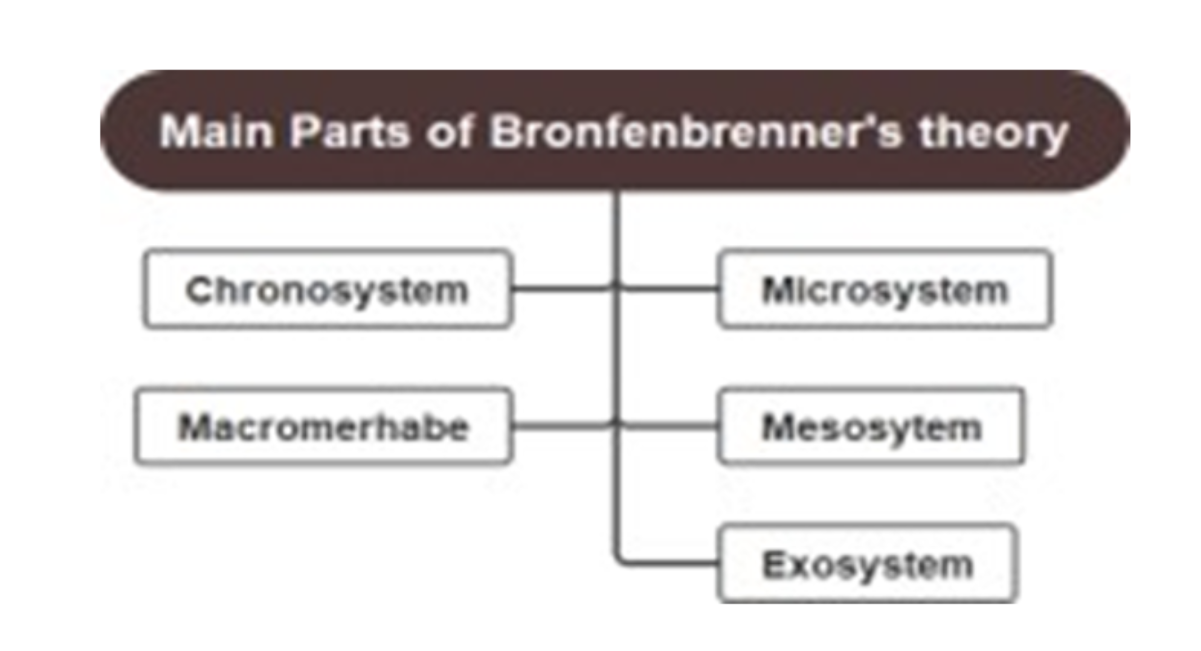
Figure: Main parts of Bronfenbrenner’s theory
Microsystem
It's that portion closest to the environment where a human acts. It includes close relations such as family members, teachers, friends, and caregivers. A caring family and good friends could help a child's Mental Health.
Mesosystem
This refers to the connections between different microsystems. A child's family and school life affect each other. If there is stress at home, it might impact how well they do in school, causing stress or anxiety.
Ecosystem
External factors that indirectly influence the individual, A stressful job from a parent can make things tensed at home and affect how a child feels.
Macromerhabe
These bigger things in society influence how one grows and develops: cultural norms, economic conditions, social policies, etc. Example: Societal stigma towards Mental Health may discourage individuals from seeking the appropriate treatment.
LITERATURE REVIEW
International Researches
Smith, Matheson, Moineddin, Dunn, Lu, Cairney, and Glazier studied the relationship between gender differences and Mental Health service utilization using data from the Canadian Community Health Survey (2000-01), with a sample size of 24,677 participants. The study found that women had higher overall Mental Health service utilization, but gender differences in specialist care were absent [8].
Matud, López-Curbelo, and Fortes conducted a study titled Gender and Psychological Well-Being with a sample of 1,700 men and 1,700 women from the general Spanish population, ages 21 to 64 years. The study found that men scored higher in self- acceptance and autonomy, while women scored higher in personal growth and positive relationships. High masculinity significantly influenced well-being in both genders, but additional factors like femininity, professional occupation, and role identity had gender- specific impacts.
Bayar, Avci, and Koc conducted this research to find the relationship between societal expectations and life satisfaction. The sample included 206 participants selected using convenience and snowball sampling methods. The findings revealed that societal pressures led to stress and role overload, with conflicting messages about masculinity causing emotional strain [9].
Prentice and Carranza conducted this research to find the relationship between prescriptive gender stereotypes and social reaction to gender deviance. The sample in the study consisted of 208 undergraduate students, with 104 men and 104 women, all from Princeton University. They found that traditional gender norms persist, and violations of these norms can have both positive and negative social consequences. The study highlights the power of gender stereotypes in shaping social judgments and expectations [10]. Harrington conducted this research to find the relationship between toxic masculinity and gender inequality. This study used a theoretical analysis of existing literature to examine the link between toxic masculinity and gender inequality. The study found that toxic masculinity fosters harmful behaviors like aggression and misogyny, but engaged fatherhood is suggested as a means to encourage healthier masculinity [11].
Kahn and Byosier conducted a research to investigate the relationship between workplace stress and job performance in a teamwork setting. Kahn and Byosiere’s research reviewed multiple studies and found a clear link between workplace stress and reduced job performance. Stressful work conditions often result in lower productivity, poor decision- making, and increased absenteeism, which can negatively impact an organization’s overall efficiency.
Maslach and Jackson conducted research to find out the relationship between workplace stress and burnout. The sample consisted of 1.000 professionals from the human services and education fields. This research highlighted burnout as a major result of long-term workplace stress [12]. This research found that high job stress is closely linked to emotional exhaustion, a sense of detachment, and feeling less accomplished. This led to the creation of the Maslach Burnout Inventory (MBI).
Lachman and Weaver studied the relationship between social class differences in health and well-being. This study involved three samples of men and women aged 25–75 (N₁ = 1,014; N₂ = 1,195; N₃ = 3,485). The study found that higher perceived mastery and lower constraints were associated with better health, life satisfaction, and fewer depressive symptoms. A high sense of control in low-income individuals moderated these health disparities, making their well-being comparable to that of higher-income groups [13].
Fiori, Antonucci, and Cortin studied the relationship between social network typologies and Mental Health among older adults. The study involved 1,669 participants aged 60 or older from the Americans' Changing Lives study. The findings revealed that individuals with diverse social networks had the lowest depressive symptoms, while those with nonfriend networks experienced the highest depressive symptoms. The study highlighted that the quality of social support played a key role in mediating the relationship between network types and depressive symptoms [14].
Landstedt Asplund and Gillander Gadin investigated the impact of gender norms and power relations on adolescent Mental Health. The study examines societal expectations of masculinity and femininity using a gender analysis. The sample for this study consisted of 29 focus groups with a total of 16- to 19-year-old students fall in the adolescent category. The study highlights the crucial role of gendered power dynamics in shaping Mental Health and emphasizes the need for interventions that address these issues [15].
Rosenfield and Mouzon conducted this research to examine the relationship between gender and Mental Health. The study sample included diverse social groups of men and women differentiated by race and class. The findings revealed that gendered conceptions of masculinity and femininity, along with coping strategies, relationships, and personal vulnerabilities, play key roles in Mental Health disparities [16].
Pattyn Verhaeghe and Bracke explored gender differences in Mental Health service use. The purpose of the study was to examine why men engage less in Mental Health service use, particularly due to gendered perceptions of help-seeking. The study was based on a sample of(N=743) individuals from the Belgian general population. The results showed that both men and women recommended self-care for men more often than professional treatment, with men particularly less likely to acknowledge the benefits of psychotherapy [17].
Indigenous Literature Review
Usmani conducted a research to find out the relationship between workplace stress and employee performance. The sample size of this research is 350 employees. The study examined how work stress influences employees’ performance and Mental Health in Pakistani organizations. The findings showed that work stress has a major negative impact on both job performance and overall well-being.
Zaman conducted research to find out the Determinants of work- related stress among Nursing professionals. The sample of this research is 200 nursing professionals. The study examined the main causes of work-related stress among nurses in Pakistan. It revealed a link between heavy workloads, job satisfaction, and stress levels. Niaz studied how cultural practices or societal attitudes affect women’s Mental Health in Pakistan. The research focused on issues like violence, dowry, in-laws, and extended family pressures, which create stress and Mental Health problems for women. The sample was given to the women of Pakistan. The findings that Pakistani women face significant Mental Health challenges despite potentially facing fewer challenges compared to some other South Asian countries.
Ali Mogren and Krantz conducted this research to find the relationship between intimate partner violence (IPV) affects the Mental Health of married women in Karachi, Pakistan. They surveyed 759 women aged 25–60 about physical, sexual, and psychological violence by their husbands. The study found that women facing violence had much worse.
Mental Health, including high rates of suicidal thoughts, compared to others. The research highlighted the need for better healthcare services and policies to support abused women and address gender inequality [18].
Qadir, Khalid, Haqqani, Zill-e-Huma, and Medhin explored how marital relationships affect the Mental Health of married women in Pakistan. The study focused on the impact of marital satisfaction, adjustment, and social support on depression and anxiety. A sample of 277 married women from Rawalpindi, Pakistan, was used. The findings showed that higher social support and positive marital relationships were linked to lower levels of depression and anxiety, while negative relationship dynamics contributed to higher mental distress.
Kapadia, Brooks, Nazroo, and Tranmer this study find the relationship between how Pakistani women in the UK use Mental Health services and the role of their social networks. The sample consists of Pakistani women living in the UK. The research included 21 studies, combining both quantitative and qualitative data findings, suggesting that changing these negative views could improve access to Mental Health services for Pakistani women.
Summary of Literature
Several studies have explored the relationship between gender, workplace stress, and Mental Health. Research by Smith indicated that women tend to use Mental Health services more frequently than men, although no significant gender differences were found in specialist care [8]. Similarly, Matud discovered that men generally exhibit higher levels of self-acceptance, whereas women demonstrate greater personal growth. Societal pressures, as highlighted by Bayar contribute to stress and role overload, affecting both genders differently [9]. Additionally, Prentice and Carranza examined the impact of gender stereotypes, revealing that social expectations shape individual behavior and societal reactions. The role of workplace stress in Mental Health has also been widely studied [10]. Kahn and Byosiere found that excessive stress at work negatively affects job performance, leading to reduced efficiency. Maslach and Jackson specifically identified burnout as a common consequence of workplace stress, leading to emotional exhaustion. Usmani and Zaman examined the effects of workplace stress in Pakistani organizations, concluding that excessive stress lowers productivity and job satisfaction. Social factors also play a significant role in Mental Health outcomes. Lachman and Weaver highlighted those individuals with higher perceived control over their lives experience better well-being [13]. Meanwhile, Fiori found that diverse social networks contribute to lower levels of depressive symptoms [14]. Gender norms were also explored by Landstedt who emphasized their role in adolescent Mental Health. Similarly, Rosenfield and Mouzon identified coping strategies and personal vulnerabilities as factors influencing gender differences in Mental Health [15-16]. In Pakistan, several studies have addressed the impact of cultural factors on Mental Health. Research by Niaz pointed out that societal pressures, including extended family expectations, contribute to stress among women [19]. Ali explored the effects of intimate partner violence, showing that women experiencing violence had significantly poorer Mental Health. Furthermore, Qadir found that strong social and marital support systems help reduce depression and anxiety. Finally, Kapadia investigated Mental Health service utilization among Pakistani women in the UK, highlighting cultural barriers that prevent them from seeking professional help.
Rationale
This research aims to explore the connection between societal gender expectations and Mental Health outcomes in middle adulthood among women working in government and private sectors. Middle adulthood is a life stage associated with evolving personal roles, career transitions, and health challenges. Societal Gender Expectations is more Mental Health in women as compared to men. Women in this phase face heightened psychological pressures due to Societal Expectations, often resulting in Mental Health issues like anxiety and depression, more so than men.
Traditional norms heavily influence societal expectations. Women are expected to be nurturing, compliant, and adept at managing multiple roles while maintaining professional excellence. These rigid traditional norms intensify stress, making women more vulnerable to Mental Health problems. Unlike men, who primarily face financial and leadership pressures, women experience compounded challenges from societal and workplace demands.
In Pakistan, such research is very limited to how societal gender norms and roles influence women's Mental Health outcomes, especially concerning middle adulthood. This study aims to fill this gap by correlating high levels of societal pressure with increased stress, anxiety, and depression among women. This paper will investigate how these demands, as based on age- old expectations of gender roles, impact the ability to rationalize or cope for women within the government sector and private sectors.
Ultimately, this research aims to highlight the unequal burden on women due to societal expectations while contributing to the discourse on fostering gender-sensitive approaches to Mental Health, encouraging cultural shifts toward healthier environments for women in middle adulthood.
Finally, we will assess how societal expectations impact of women’s Mental Health more than men’s, and how and to what extent Mental Health problems affect men and women. In the context of Pakistan, these effects are more negative. The results in mental illnesses such as anxiety and depression, In this study, we will seek to better understand these effects to clarify how societal expectations impact women’s Mental Health more than men’s, and to what extent this negative impact is seen in Pakistan.
Objective of the study
The objectives of the study are:
- To investigate the relationship between societal gender expectations and workplace stress.
- To investigate the relationship between workplace stress and Mental Health.
- To determine the role of workplace stress as a mediator between societal gender expectations and Mental Health.
- To explore the gender differences in terms of the relationship between societal gender expectations and Mental Health.
Hypotheses of the study
H1: There is likely to be a significant positive relationship between societal gender expectations and workplace stress in middle adulthood.
H2: There is likely to be a negative relationship between workplace stress and Mental Health in middle adulthood.
H3: There is likely would be more Societal Gender expectation in females than males.
H4: There is likely would be more Mental Health Problems in females than males.
H5: There is likely would be more workplace stress in females.
H6: Societal gender expectations are likely to be a strong predictor of workplace stress and Mental Health.
MATERIALS AND METHODS
Research Design
This study aimed to investigate the relationship between Societal Gender Expectations, workplace stress and Mental Health.
Research design and sampling strategy
The quantitative study was based on correlational survey research design and subject were selected by purposive convenient sampling technique.
Sample
A sample of 100 middle-adulthood employees ages 35-50 was taken. The sample was consisted of male employees (n=50) and female employees(n=50) from various professions in Gujranwala. Participants were selected through purposive sampling to ensure a balanced representation of different occupational groups. This non-probability sampling technique will allow for a targeted selection of individuals who meet the study's specific criteria, including their age, gender, and employment status.
Inclusion Criteria
Participants were included if they were middle-aged employees aged 35 to 50 years, of grade 17 and above, having at least 10years of job experience, and currently working in government sectors.
Exclusion Criteria
Employees aged below 35 or above 50, those employed part-time or on temporary contracts, and unemployed or retired individuals were excluded from the study.
|
Demographic variable |
Category |
F (%) |
|
Gender |
||
|
Males |
50(50%) |
|
|
Females |
50(50%) |
Table 1: Descriptive statistics of demographic variables (N=100)
Operational Definitions of Variables
Gender Role Belief Scale (GRBS)
The Gender Role Belief Scale (GRBS) is developed by Kerr and Holden, is a self-Reported tool designed to assess an individual perception about gender roles. The scale measures gender role beliefs such as etiquette expected of men or women household gender roles, and decision-making power.
According to Kristina Holmgren; The work stress questionnaire (WSQ) is a self-administered instrument designed for the early identification of individuals at risk of being sick-listed due to work-related stress. In the presentstudy, work stress is operationally defined as the score obtained on the WSQ, which includes items assessing perceived demands, influence at work, and social support. Higher scores on this scale indicate higher level of work-related stress.
Mental Health (MHI-38)
The Mental Health Inventory (MHI) developed by Veit and Ware a tool designed to assess psychological distress and well-being. The Mental Health inventory evaluates constructs such as anxiety, depression, general positive effect, and behavioral/emotional control.it is widely used in the general population to provide a comprehensive understanding of Mental Health.
Assessment Measures
The following are the assessment measures for the three variables to be used.
Demographic Questionnaire The demographic form consisted of demographic information details were collected from sample such as gender, age, and grade.
Gender Role Belief Scale (GRBS) This scale was developed by Kerr and Holden, A 20- item self-report tool that assesses individuals' perceptions of gender roles. It measures beliefs about expected behaviors, household roles, and decision-making for men and women. Participants rate each item on a 7-point Likert scale, where 1 means 'Strongly Agree' and 7 means 'Strongly Disagree.' Higher scores reflect more traditional gender role beliefs, while lower scores indicate more progressive views. Scores range from 20 (more traditional) to 140 (more feminist). Items marked with (R) are reverse-coded, meaning higher scores on those items indicate more progressive beliefs. The scale has Cronbach's alpha of about 0.88.
Work Stress Questionnaire
To assess the test-retest reliability of the WSQ, rank-invariant statistical analysis was conducted, as specified by Svensson. The procedure is best utilized for paired ordered categorical data analysis and doses do not involve a requirement to aggregate response categories or collapse them. Every item was scrutinized using percentage agreement (PA), Relative Rank Variance (RV), Relative Position (RP), and Relative Concentration (RC).Items with two components (e.g., yes/Partly/No and stress levels) were processed independently for improved accuracy. PA values varied between 55% 98%, with a median of 77%, which reflected good agreement on repeated measures. The RV values were near 0 for most items, indicating low variability between test and retest, except for the item: “Do you take more responsibility at work than you ought to?”(RV = 0.14, CI = 0.00–0.39). All but one item were stable over time. The “Supervisor considers one’s views” showed a significant change in RP (RP = 0.10, CI = 0.02– 0.18), indicating increased stress ratings in the retest. RC and RP values were close to zero, showing no systematic response clustering. Two items were excluded due to low response rates.
Mental Health (MHI-38)
The Mental Health Inventory (MHI) developed by Veit and Ware, is a 38-item self- report measure designed to assess psychological distress and well-being in general populations. The inventory uses a six-point scale for most of its items, with the exception of items 9 and 28, which are scored on a five-point scale. The MHI includes six subscales that measure various aspects of Mental Health: Anxiety, Depression, Loss of Behavioral/Emotional Control, General Positive Affect, Emotional Ties, and Life Satisfaction. Higher scores on these subscales reflect more severe symptoms or greater positive well-being, depending on the nature of the scale. The range of scores for each subscale varies, with Anxiety and Depression subscales ranging from 9-54 and 4-23, respectively. The MHI also includes two global scales-Psychological Distress and Psychological Well-being as well as a total Mental Health Index score. The inventory has shown strong internal consistency, with Cronbach’s alpha ranging from.83 to .96 across subscales, and test-retest reliability coefficients ranging from .56 to .64 over a one-year interval. The MHI provides a comprehensive assessment of both psychological distress and well-being, making it a reliable tool for evaluating Mental Health across different populations.
Procedure
The researcher personally collected data from 100 participants, who were employees from government sectors. First, permission was asked from the authorities in each sector to carry out the research. After approval, the researcher personally gave participants consent forms, demographic sheets, and questionnaires. These materials were prepared together for the convenience of the participants. Participants were told about the research's purpose and assured that their answers would remain private. The researcher explained how to fill out the questionnaires and reminded participants to answer truthfully. Participants were asked not to leave any questions blank and were told that their participation was voluntary. The researcher tried to keep everything fast and simple, ensuring it didn’t take too much of the participants’ time. Clear instructions were provided, and participants were thanked for their cooperation at the end. After collecting all the data, it was analyzed using SPSS (Statistical Package for the Social Sciences).
ETHICAL CONSIDERATION
Permissions were taken from the authors of the assessment tools. Informed consent will be taken from the authorized persons of the organizations. It will also be assured to the participants that the results will be used for the research purpose only, and confidentiality would be maintained. Consent was taken from the participants using a consent form. The results of the research were reported completely and accurately.
Statistical Analysis
Pearson Product-Moment Correlation was used to assess the relationship between Societal Gender Expectations and Mental Health in employees working in government sectors. An independent samples t-test was used to examine gender differences and to compare whether men and women differ in terms of Societal Gender Expectations and Mental Health.
RESULTS
The present study aimed to analyze the relationships between societal gender expectations, workplace stress, and Mental Health in middle adulthood across various professions. Furthermore, the role of demographic variables e.g age, qualification, status, gender, years of being married were also investigated. Reliability analysis, Pearson product-moment correlation, and multiple regression were conducted using SPSS version 27 was used. The results of present research are given below.
Reliability Analysis
|
Scales |
Mean |
SD |
Potential |
Actual |
Cronbach’s α |
|
GRBS |
42.47 |
3.23 |
20-140 |
36-52 |
0.717 |
|
WSQ |
48.29 |
6.88 |
21-84 |
33-59 |
0.799 |
|
MHI |
74.45 |
23.98 |
38-228 |
42.51 – 222.34 |
0.995 |
|
ANX |
17.71 |
5.67 |
9-54 |
9.91 – 52.85 |
0.975 |
|
DEP |
7.9 |
2.61 |
4-24 |
4.28 – 23.46 |
0.952 |
|
LEBC |
15.61 |
4.99 |
9-54 |
8.72 – 46.00 |
0.977 |
|
GPE |
20.04 |
5.91 |
10-60 |
12.26 – 36.83 |
0.901 |
|
ET |
3.91 |
1.34 |
2-12 |
2.14 – 11.89 |
0.914 |
|
LS |
1.92 |
0.72 |
1-6 |
1.00 – 6.00 |
N/a |
Table 2: Psychometric Properties for Scales
Note: M = Mean, SD = Standard Deviation, GRBS = Gender Role Beliefs Scale, WSQ = Work Stress Questionnaire, MHI = Mental Health Inventory, ANX = Anxiety, DEP = Depression, LEBC= Loss of behavioural/emotional control, GPE = General Positive Effect, ET = Emotional Ties, LS = Life Satisfaction
Reliability analysis for the scales used in this study is presented in Table 2. The Gender Role Beliefs Scale (GRBS) exhibited a Cronbach’s α of 0.717, indicating acceptable internal consistency, though slightly below the ideal value of 0.80. This suggests that while the GRBS is generally reliable, there is room for potential improvement. The Work Stress Questionnaire (WSQ) demonstrated a Cronbach’s α of 0.799, reflecting good internal consistency, making it a reliable measure for assessing workplace stress. The Mental Health Inventory (MHI) showed an exceptional Cronbach’s α 0f 0.995, indicating excellent reliability and strong internal consistency for the Mental Health measures. The subscales of the MHI, including Anxiety (ANX), Depression (DEP), and Loss of behavioural/emotional control (LEBC), had Cronbach’s α values of 0.975,0.952,and 0.977, respectively, all showing very strong internal consistency. The General Positive effect (GPE) and Emotional Ties (ET) subscales had Cronbach’s α values of 0.901 and 0.914, indicating good reliability. Finally, the life satisfaction (LS) scale, being a single item measure, did not report a Cronbach’s α but remains a useful measure in the context of this study. These findings suggest that the scales used in this study are largely reliable, with only the GRBS showing potential for improvement in terms of internal consistency. It was hypothesized that there is likely to be a significant relationship between societal gender expectations, workplace stress, and Mental Health in middle adulthood.in order to examine how study variables were related to each other, Pearson Product moment correlation was applied.
|
Variables |
N |
M |
SD |
GRBS |
WSQ |
MHI |
ANX |
DEP |
LEBC |
GPE |
ET |
LS |
|
GRBS |
100 |
42.47 |
3.23 |
- |
.855** |
-.588** |
-.587** |
-.614** |
-.558** |
-.536* |
-.535** |
-.572** |
|
WSQ |
100 |
48.29 |
6.88 |
- |
- |
-.681** |
-.667** |
-.687** |
-.668** |
-.644** |
-.634** |
-.648** |
|
MHI |
100 |
74.45 |
23.98 |
- |
- |
- |
.993** |
.978** |
.993** |
.959** |
.951** |
.933** |
|
ANX |
100 |
17.71 |
5.67 |
- |
- |
- |
- |
.967** |
.982** |
.948** |
.938** |
.920** |
|
DEP |
100 |
7.9 |
2.61 |
- |
- |
- |
- |
- |
.964** |
.922** |
.927** |
.916** |
|
LEBC |
100 |
15.61 |
4.99 |
- |
- |
- |
- |
- |
- |
.951** |
.943** |
.922** |
|
GPE |
100 |
20.04 |
5.91 |
- |
- |
- |
- |
- |
- |
- |
.544** |
.594** |
|
ET |
100 |
3.91 |
1.34 |
- |
- |
- |
- |
- |
- |
- |
- |
.898** |
|
LS |
100 |
1.92 |
0.72 |
- |
- |
- |
- |
- |
- |
- |
- |
- |
Table 3: Descriptive Statistics and Correlation for the Study Variable
** Correlation is significant at the 0.01 level (2-tailed)
Note: N = 100 for most variables; N = 99 for GPE. GRBS = Gender Role Belief Scale; WSQ = Work Stress Questionnaire; MHI = Mental Health Inventory; ANX = Anxiety; DEP = Depression; LEBC = Loss of behavioural/emotional control; GPE = General Positive effect; ET= Emotional Ties; LS = Life Satisfaction. **p** < .05*, **p** < .01**
The Pearson correlation Table 3 provides the correlations between the variables in the study. It shows significant relationships between the variables, with p-values indicating the level of statistical significance. Gender Role Belief Scale (GRBS) is significantly positively correlated with Work Stress Questionnaire (WSQ) (r = .855, p < .01), suggesting that higher societal gender expectations are associated with higher workplace stress. Additionally, GRBS is negatively correlated with several aspects of Mental Health Inventory (MHI) subscales, including Anxiety (ANX) (r = -.588, p < .01), Depression (DEP) (r = -.587, p < .01), Loss of behavioural/emotional control (LEBC) (r = -.614, p < .01), indicating that higher societal gender expectations may be associated with more Mental Health issues. The correlation with General Positive Effect (GPE) and Emotional Ties (ET) was also negative, but weaker (r = -.536 and r = -.535, respectively), indicating that higher gender expectations might be linked to reduced physical energy and increased emotional tension. Work Stress Questionnaire (WSQ) shows strong negative correlations with the Mental Health Inventory (MHI) subscales, including Anxiety (ANX) (r = -.681, p < .01), Depression (DEP) (r = -.667, p < .01), and Life Events and Behavioral Changes (LEBC) (r = -.687, p < .01). These negative correlations suggest that increased workplace stress is associated with poorer Mental Health. WSQ also correlates negatively with GPE (r = -.644, p < .01) and ET (r = -.634, p < .01), suggesting that workplace stress is linked to decreased physical energy and increased emotional tension. Mental Health Inventory (MHI) subscales show strong positive correlations with each other. For example, ANX is highly correlated with DEP (r = .967, p < .01) and LEBC (r = .964, p < .01), which indicates that higher anxiety levels are associated with higher depression and behavioral changes. Other subscales such as GPE (r = .959, p < .01), ET (r = .951, p < .01), and LS (r = .933, p < .01) also show significant positive correlations, reflecting a general pattern that poorer Mental Health is associated with lower physical energy, higher emotional tension, and reduced life satisfaction. The General Physical Energy (GPE) variable correlates positively with Emotional Tension (ET) (r = .544, p < .01), indicating that those with higher physical energy tend to experience lower emotional tension. ET has a very strong correlation with Life Satisfaction (LS) (r = .898, p < .01), suggesting that emotional tension is inversely related to life satisfaction. These correlations generally support the hypotheses that societal gender expectations and workplace stress are significantly associated with various dimensions of Mental Health, including anxiety, depression, and emotional ties, and that these variables collectively influence overall life satisfaction.
It is hypothesized that societal gender expectations are likely to be a strong predictor of workplace stress and Mental Health. The test this, Regression analysis was conducted to determine whether societal gender expectation, workplace stress significantly predict Mental Health.
|
Variables |
B |
SE |
β |
T |
P |
95% CI |
|
Constant |
192.88 |
27.54 |
– |
7 |
0 |
[138.21, 247.54] |
|
SGE |
-0.17 |
1.06 |
-0.02 |
-0.16 |
0.876 |
[-2.27, 1.94] |
|
WPS |
-2.31 |
0.5 |
-0.66 |
-4.62 |
0 |
[-3.30, -1.32] |
|
R² |
0.464 |
Table 4: Regression Coefficients of Societal Gender Expectation and Workplace Stress on Mental Health
Note: N = 100, B = unstandardized coefficient; β = standardized coefficient; SE = standard error; CI = Confidence Interval. R² = Coefficient of Determination
The results from the multiple regression analysis in Table 4 demonstrate the relationship between Gender Role Beliefs (GRBS), Workplace Stress (WSQ), and Mental Health (MHI). The constant (intercept) value of B = 192.88 represents the predicted Mental Health score when both independent variables, GRBS and WSQ, are zero, serving as the baseline value for the regression equation. The constant is statistically significant, with a t-value of 7.00 and a p-value of 0.000, indicating it is significantly different from zero, and the 95% confidence interval ranges from 138.21 to 247.54. Regarding the predictor variables, Gender Role Beliefs (GRBS) shows an unstandardized coefficient of B = -0.17, indicating a slight decrease in Mental Health with each unit increase in GRBS, but the relationship is not statistically significant (p = 0.876). The standardized coefficient for GRBS is β = -0.02, reflecting a very weak association between GRBS and Mental Health in the presence of workplace stress. In contrast, Workplace Stress (WSQ) demonstrates a stronger and statistically significant relationship with Mental Health, with B = - 2.31, meaning that higher workplace stress leads to a notable decrease in Mental Health. The p- value for WSQ is 0.000, confirming the statistical significance of this predictor, and the 95% confidence interval for WSQ is [-3.30, -1.32], which does not include zero, further supporting its significance. The standardized coefficient for WSQ is β = -0.66, indicating a moderate to strong negative relationship with Mental Health. The model’s R² value of 0.464 suggests that 46.4% of the variance in Mental Health is explained by the combination of gender role beliefs and workplace stress. Overall, while workplace stress is a significant negative predictor of Mental Health, gender role beliefs do not significantly contribute to predicting Mental Health in this model.
It was hypothesized that there are likely to be significant gender differences in societal gender expectation, workplace stress and Mental Health. An independent sample T- test was conducted to compare means between male and female participants.
|
Variables |
Men |
Women |
t(df) |
P |
Cohen's d |
||
|
(M) |
(SD) |
(M) |
(SD) |
||||
|
GRBS |
63.86 |
11.7 |
83.4 |
12.4 |
11.8 |
p < .001 |
2.36 |
|
WPS |
29.72 |
5.42 |
8.52 |
4.46 |
20.91 |
p < .001 |
4.18 |
|
MHI |
20.52 |
4.81 |
31.8 |
7.44 |
-8.17 |
p < .001 |
-1.63 |
|
ANX |
6.97 |
2.55 |
13.64 |
3.82 |
-7.79 |
p < .001 |
-1.55 |
|
DEP |
5.58 |
2.07 |
11.84 |
4.25 |
-8.47 |
p < .001 |
-1.69 |
|
LEBC |
7.61 |
2.54 |
14.28 |
4.14 |
-7.81 |
p < .001 |
-1.56 |
|
GPE |
16.55 |
3.15 |
23.53 |
5.99 |
-7.29 |
p < .001 |
-1.46 |
|
ET |
3.11 |
0.59 |
4.7 |
1.41 |
-7.33 |
p < .001 |
-1.47 |
|
LS |
1.49 |
0.35 |
2.36 |
0.74 |
-7.56 |
p < .001 |
-1.51 |
Table 5: Mean, Standard Deviation of Gender on Societal Gender Expectation, Workplace Stress, and Mental Health
Note, M = Mean; SD = Standard Deviation; GRBS = Gender Role Belief Scale; WSQ = Work Stress Questionnaire; MHI = Mental Health Inventory; ANX = Anxiety; DEP = Depression; LEBC = Lack of Emotional Boundaries at Work; GPE = General Positive Effect; ET = Emotional Ties; LS = Life Satisfaction; t(df) = t-test statistic (degrees of freedom); p < .001 indicates statistically significant differences; Cohen’s d = effect size.
Table 5 provides a comparative analysis of the mean scores and standard deviations for men and women across variables measuring gender role beliefs, workplace stress, and multiple dimensions of Mental Health. The findings reveal significant gender differences in all measured variables, with large effect sizes in most cases, suggesting practically meaningful disparities. Gender Role Beliefs and Workplace Stress Women reported significantly stronger gender role beliefs (GRBS) (M = 83.40, SD = 12.40) compared to men (M = 63.86, SD = 11.70), t (98) = 11.80, p < .001, with a large effect size (d = 2.36). This indicates that women are more influenced by or more aware of societal gender expectations. Similarly, women reported much higher levels of workplace stress (WSQ), with scores of M = 48.52 (SD = 4.46) compared to men’s scores of M = 29.72 (SD = 5.42), t (98) = 20.91, p < .001, reflecting an extremely large effect size (d = 4.18).
These results suggest that women experience significantly greater stress in their work environments than men. Mental Health (Overall and Subcomponents) In terms of overall Mental Health (MHI), women again reported poorer outcomes (M = 31.80, SD = 7.44) than men (M = 20.52, SD = 4.81), t (98) = -8.17, p < .001, with a large negative effect size (d = -1.63). This reinforces the notion that women, on average, face more Mental Health challenges than men. Anxiety (ANX): Women scored higher (M = 13.64, SD = 3.82) than men (M = 6.97, SD = 2.55), t (98) = -7.79, p < .001, with a large effect size (d = -1.55), indicating significantly higher levels of anxiety among women. Depression (DEP): Women also scored higher (M = 11.84, SD= 4.25) compared to men (M = 5.58, SD = 2.07), t (98) = -8.47, p < .001, with a very large effect size (d = -1.69), suggesting greater depression in women. Loss of behavioural/emotional control (LEBC): Women had higher scores (M = 14.28, SD = 4.14) compared to men (M = 7.61, SD = 2.54), t (98) = -7.81, p < .001, with a large effect size (d = -1.56), reflecting greater difficulty in emotional regulation among women. General Positive Effect (GPE): Women reported moderately higher levels of physical energy (M = 23.53, SD = 5.99) than men (M = 16.55, SD= 3.15), t (98) = -7.29, p < .001, with a large effect size (d = -1.46). Emotional Tension (ET): Women experienced more emotional tension (M = 4.70, SD = 1.41) compared to men (M = 3.11, SD = 0.59), t (98) = -7.33, p < .001, with a large effect size (d = -1.47). Life Satisfaction (LS): Interestingly, women reported lower life satisfaction (M = 2.36, SD = 0.74) compared to men (M = 1.49, SD = 0.35), t (98) = - 7.56, p < .001, with a large effect size (d = -1.51), suggesting that men report higher satisfaction with life.
Summary of Results
This study examined the relationships between societal gender expectations (GRBS), workplace stress (WSQ), and Mental Health (MHI) in middle adulthood, focusing on gender differences. The results indicated that women reported higher levels of gender role beliefs, workplace stress, and poorer Mental Health compared to men. Specifically, women showed higher scores on anxiety, depression, and emotional ties, while men reported higher life satisfaction. Regression analysis revealed that workplace stress significantly predicted Mental Health, whereas societal gender expectations had a weaker and non-significant relationship. The findings suggest that societal gender expectations and workplace stress disproportionately affect women, contributing to greater Mental Health challenges in this group. These results highlight the importance of addressing gender-related stressors in the workplace and Mental Health interventions tailored to gender-specific needs.
DISCUSSION
The present study was designed to explore the relationship between societal gender expectations, workplace stress and Mental Health in middle adulthood across various professions. Drawing upon social role theory, gender schema theory, and stress- vulnerability models, this study tested six hypotheses using a sample 100 participants (50 men and 50women). The key findings supported most of the hypotheses and underscored the significant psychological burden faced by women due to societal and workplace pressure [20].
The results confirmed hypothesis one, showing a strong positive correlation between societal gender expectation and workplaces stress (r = .855, p < .01). this aligns with previous studies that have suggested rigid gender norms impose additional responsibilities and role overload on individuals, particularly women [9]. These expectations can manifest in both overt and subtle forms, including gendered job roles, limited leadership opportunities, and disproportionate domestic duties, all of which contribute to increased workplace stress [21].
Hypothesis two was also supported, with workplace stress negatively correlated with Mental Health outcomes across all six subscales of MHI-38(e.g., anxiety, depression, emotional control etc). These findings are consistent with previous literature highlighting the detrimental impact of sustained occupational stress on psychological well-being. Work-related pressures, such as lack of autonomy, poor interpersonal relational relations, and high workload, were identified as key contributors to Mental Health decline, particularly among female employees. Regarding hypothesis six, which stated that both societal gender expectations and workplace stress would significantly predict Mental Health, the results provided partial support. The regression analysis showed that only workplace stress significantly predicted Mental Health (β = -0.66, p < .001), while societal gender expectations did not show a statistically significant effect (p= .876). This means that workplaces stress has a more direct and measurable impact on Mental Health. However, this does not imply that societal gender expectations are unimportant. Instead, societal expectations may act as a background or indirect factor that increases workplace stress, particularly for women. These findings are consistent with Transactional model of stress, which emphasizes the role of personal perceptions. While they may not directly predict Mental Health, they may influence how stress is perceived and managed in the workplace [6]. Therefore, societal gender expectations still hold theoretical and practical importance, even if their statistical prediction is indirect.
A key contribution of this research lies in its confirmation of hypothesis three, four, and five, which predicted gender differences in societal gender expectations, workplace stress, and Mental Health outcomes. The results clearly showed that women are scored significantly higher in all three domains. For example, women’s GRBS scores (M = 83.40) were significantly higher than men’s (M = 63.86) indicating greater exposure to or internalization of traditional gender roles.
In terms of workplace stress, women reported much higher stress levels (M = 48.52) compared to men (M = 29.72), with a remarkably large effect size (d = 4.18). This finding supports studies like those by Zaman and Usmani, which identified in Pakistani organizations. Furthermore, women had significantly poorer Mental Health outcomes across anxiety, depression, emotional tension, and life satisfaction results that reflect the findings of Rosenfield and Mouzon, who emphasized how gendered socialization and coping mechanisms create disparities in mental well-being [16].
The study’s findings reinforce the relevance of social role theory and gender schema theory in the Pakistani context. Women’s Mental Health appears to suffer under the strain of culturally entrenched expectations to manage both domestic and professional responsibilities. As suggested by Mahalik when individuals suppress their emotions or conform to roles misaligned with their personal identities, they are at higher risk for psychological disorders [22].
The findings also complement Bronfenbrenner’s Ecological Systems theory, which highlights how societal norms (macrosystem) shape personal experiences (microsystem), such as workplace dynamics and family roles. In particular, the results echo those of Niaz and Ali, who emphasized the negative effects of patriarchal norms, intimate partner violence, and family pressures on Pakistani women’s Mental Health. These stressors, embedded in broader societal expectations, reinforce feelings of helplessness, anxiety, and low life satisfaction, all of which were reflected in the current data.
CONCLUSION
This study presents empirical evidence indicating that societal gender expectations and workplace stress are significantly correlated with Mental Health outcomes among middle-aged professionals in Pakistan. Workplace stress emerged as the most direct and significant predictor of Mental Health, accounting for 46.4% of the variance when considered alongside societal gender expectations. Women exhibited substantially higher levels of gender role endorsement, workplace stress, and psychological distress across all measured dimensions compared to men, with consistently large effect sizes.
These findings confirm that culturally entrenched gender norms in Pakistan impose a disproportionate psychological burden on working women in middle adulthood. The strong association between societal expectations and elevated stress highlights the necessity for structural and cultural interventions that challenge rigid gender roles in professional environments. Addressing these systemic factors is essential for fostering equitable, psychologically safe workplaces and improving the Mental Health of the workforce.
RECOMMENDATIONS
Based on the findings of this study, several suggestions are made for organizations, policymakers, and future researchers. Organizations are advised to develop and implement gender-sensitive workplace policies that address the specific stressors faced by female employees. These policies should include flexible work options, transparent promotion criteria, and zero-tolerance policies for gender-based discrimination. Regular workplace stress assessments using validated tools like the WSQ can help identify high-risk employees and enable prompt intervention.
Mental Health support, such as counseling, psychoeducation workshops, and peer support programs, should be accessible to all staff, especially those in high-pressure roles within the public sector. Organizations should actively encourage employees to seek help by training supervisors and managers to recognize and handle Mental Health issues in a supportive, stigma-free way.
At the policy level, government and institutional authorities should incorporate gender equity frameworks into occupational health guidelines. There is a need for increased investment in workplace Mental Health infrastructure, particularly in government sectors where resources are often limited. Cultural awareness campaigns aimed at challenging rigid gender norms could gradually shift societal attitudes and reduce the psychological stress experienced by women juggling both professional and domestic responsibilities.
AREAS FOR FUTURE RESEARCH
This study highlights several directions for future research. First, longitudinal studies are essential to determine causal relationships between societal gender expectations, workplace stress, and Mental Health, as the current cross-sectional design cannot establish causality. Second, future research should include larger, more diverse samples from different regions and professional sectors within Pakistan to improve the generalizability of the results.
Third, qualitative research would add depth to the quantitative findings by exploring the lived experiences of working women dealing with gender role conflicts and occupational stress. Fourth, examining potential mediators and moderators such as social support, coping mechanisms, marital satisfaction, and organizational culture would deepen understanding of how gender expectations influence Mental Health outcomes.
Fifth, cross-cultural comparative studies between Pakistan and other South Asian or Muslim-majority countries could shed light on how cultural differences affect the link between gender norms and psychological well-being. Lastly, intervention-based studies assessing the effectiveness of workplace Mental Health programs and gender equality initiatives would help turn research insights into practical, evidence-based solutions.
LIMITATIONS AND SUGGESTIONS
The time that was provided for data collection in this research was limited, which made it difficult to collect data from a larger and more diverse sample. This may have affected the overall representation of the findings. The research was conducted on a limited number of people, so the results may not apply to the wider population. The use of self-reported questionnaires in this study may have led to social desirability bias, where participants may not have answered honestly and instead gave responses that they thought were socially acceptable. Another limitation is that the study was carried out within a specific cultural context, which means the findings may not be applicable to other societies or cultures where gender roles and workplace dynamics are different.
In the future, researchers should try to use a larger sample size so that the results are more reliable and can represent a wider population. It is also suggested that future studies should include participants from different regions and backgrounds, so that the results are not limited to a specific area. If more time is available for data collection, it can help in gathering better and more balanced information. It is also important to investigate other related factors, such as communication styles and the role of family environment, to understand the full picture of how societal gender expectations and workplace stress affect Mental Health.
REFERENCES
- Kerr PS, Holden RR. Development of the gender role beliefs scale (GRBS). Journal of Social Behavior and Personality. 1996;11(5):3. [Google Scholar]
- Eagly AH. Sex differences in social behavior: A social-role interpretation. Psychology Press; 2013. [Crossref] [Google Scholar]
- Frantz A, Holmgren K. The work stress questionnaire (WSQ)–reliability and face validity among male workers. BMC public health. 2019;19(1):1580. [Crossref] [Google Scholar] [PubMed]
- Smith, T. W., et al. (2019). Socioeconomic status and mental health: A longitudinal analysis. Journal of Health and Social Behavior, 60(4), 445-457.
- McHorney CA, Ware Jr JE, Lu JR, Sherbourne CD. The MOS 36-ltem Short-Form Health Survey (SF-36): III. Tests of data quality, scaling assumptions, and reliability across diverse patient groups. Medical care. 1994;32(1):40-66. [Crossref] [Google Scholar] [PubMed]
- Lazarus RS, Folkman S. Stress, appraisal, and coping. Springer publishing company; 1984. [Google Scholar]
- Siegrist J. Effort-reward imbalance at work and health. [Google Scholar]
- Smith KL, Matheson FI, Moineddin R, Dunn JR, Lu H, Cairney J, Glazier RH. Gender differences in mental health service utilization among respondents reporting depression in a national health survey. Health. 2013;5(10):1561. [Crossref] [Google Scholar]
- Bayar O, AVCI OH. Whata€™ s Expected of Men in Turkish Culture: Perceptions of Male University Students. International Journal of Advances in Social Science and Humanities. 2018. [Google Scholar]
- Prentice DA, Carranza E. What women and men should be, shouldn't be, are allowed to be, and don't have to be: The contents of prescriptive gender stereotypes. Psychology of women quarterly. 2002;26(4):269-81. [Google Scholar] [PubMed]
- Harrington C. What is “toxic masculinity” and why does it matter?. Men and masculinities. 2021;24(2):345-52. [Crossref] [Google Scholar]
- Maslach C, Leiter MP. The truth about burnout: How organizations cause personal stress and what to do about it. John Wiley & Sons; 2000. [Google Scholar]
- Lachman ME, Weaver SL. The sense of control as a moderator of social class differences in health and well-being. Journal of personality and social psychology. 1998;74(3):763. [Crossref] [Google Scholar] [PubMed]
- Fiori KL, Antonucci TC, Cortina KS. Social network typologies and mental health among older adults. The Journals of Gerontology Series B: Psychological Sciences and Social Sciences. 2006;61(1):P25-32. [Crossref] [Google Scholar] [PubMed]
- Landstedt E, Asplund K, Gillander Gådin K. Understanding adolescent mental health: the influence of social processes, doing gender and gendered power relations. Sociology of health & illness. 2009;31(7):962-78. [Crossref] [Google Scholar] [PubMed]
- Rosenfield S, Mouzon D. Gender and mental health. InHandbook of the sociology of mental health 2012 (pp. 277-296). Dordrecht: Springer Netherlands. [Crossref] [Google Scholar]
- Pattyn E, Verhaeghe M, Bracke P. The gender gap in mental health service use. Social psychiatry and psychiatric epidemiology. 2015 ;50(7):1089-95. [Crossref] [Google Scholar]
- Ali TS, Mogren I, Krantz G. Intimate partner violence and mental health effects: A population-based study among married women in Karachi, Pakistan. International journal of behavioral medicine. 2013;20(1):131-9. [Crossref] [Google Scholar] [PubMed]
- Niaz U. Women's mental health in Pakistan. World psychiatry. 2004;3(1):60. [Google Scholar] [PubMed]
- Bem SL. Gender schema theory: A cognitive account of sex typing. Psychological review. 1981;88(4):354. [Crossref] [Google Scholar]
- Emslie C, Hunt K. The weaker sex? Exploring lay understandings of gender differences in life expectancy: a qualitative study. Social Science & Medicine. 2008;67(5):808-16. [Crossref] [Google Scholar] [PubMed]
- Mahalik JR, Burns SM, Syzdek M. Masculinity and perceived normative health behaviors as predictors of men's health behaviors. Social science & medicine. 2007;64(11):2201-9. [Crossref] [Google Scholar] [PubMed]

Article Processing Timeline
| 2-5 Days | Initial Quality & Plagiarism Check |
| 25-35 Days |
Peer Review Feedback |
| 45-60 Days | Total article processing time |
Why Publish with us?
Ethics & Policies
Editorial & Management
Useful Links
Journal Highlights
Open Access Journals
Journal Flyer