
Journal of Psychiatry and Psychological Sciences
ISSN: 3107-9024 (Online)
 Download PDF
ABSTRACT
Social media has become a dominant influence in adolescent’s daily lives, particularly among teenage girls, where exposure to unrealistic beauty standards may negatively affect mental health and eating behaviors. This research paper examines this relationship between social media, mental health and dieting among teenagers ages 15-20 years old in Lebanon. A quantitative research approach was employed using an anonymous Likert-scale survey administered through snowball sampling to 40 female participants from middle and high school settings. Quantitative data were analyzed using descriptive statistical analysis and graphical representation of participant responses across age groups. Additionally, a qualitative review of recent literature was conducted to contextualize the findings. The aim of this research is to raise awareness on how social media impacts the mental health of teenagers, leading to bad eating habits. The findings depicted that participants reported experiences related to body dissatisfaction, anxiety surrounding online self-presentation, and pressure to conform to idealized body standards associated with social media use. Although the findings do not establish a direct causal relationship, participants reported body image concerns and appearance-related pressures that may be associated with restrictive dieting patterns and psychological distress. The study concludes that adolescent girls remain highly vulnerable to appearance-related pressures amplified through social media platforms. The research recommends strengthening media literacy programs, promoting positive body image education, and increasing mental health awareness interventions targeting teenage girls.
Keywords: Social Media; Adolescent Girls; Eating Disorder; Body Image; Beauty Standards; Mental Health
INTRODUCTION
Social media is an interactive platform used to communicate and interact through images, videos, and memes. Platforms such as Instagram, TikTok, Snapchat, and YouTube have been a fundamental factor of entertainment and an interactive platform to many people including adolescent girls [1]. Although it has become a dominant part of our daily life, especially for teenagers, it has numerous disadvantages mainly on people’s mental health [2]. Moreover, the more time teenagers spend on social media the more self-cautious they become about their self-image, which in turn increases the risk of developing an eating disorder even higher [3]. In recent years, the percentage of mental health problems have increased, specifically depression and eating disorder [4,5]. So, while these platforms provide opportunities for social connection, they have raised concerns regarding their psychological effects on young users.
Recent studies demonstrate how social media can lead to body image concern through two main factors comparing oneself to others appearance and comparing oneself to their own appearance [2]. These unrealistic beauty standards are considered ‘ideal’ by society, based on numerical feedback such as likes, shares, and comments. So, frequent exposure to these standards may contribute to low self-esteem, body dissatisfaction, anxiety, and depressive symptoms among adolescents [6]. This is particularly concerning in light of the age demographic involved.
Moreover, body image dissatisfaction has increasingly become associated with unhealthy eating behaviors among adolescents. Research suggests that teenagers who consistently compare themselves to idealized online images may be more likely to report restrictive eating behaviors, meal skipping habits, and negative relationships with food [7]. Furthermore, exposure to online fitness trends, detox diets, and influencer-driven body ideals may intensify these behaviors particularly during adolescence when identity development and peer validation are highly significant.
In addition to psychological effects, social media platforms contribute to increased social pressure through public engagement metrics. Adolescents may feel compelled to present idealized versions of themselves online, leading to anxiety surrounding appearance and online validation. Teen girls edit their pictures on social media, especially their body in order to look thinner, which gives them an inaccurate image of themselves and could inherently lead to body dysmorphia. Previous studies have demonstrated that online body criticism and social comparison may contribute to emotional distress and unhealthy behavioral patterns among adolescent girls [8].
Despite the growing international literature examining the relationship between social media and adolescent mental health, limited research has specifically explored how social media influences both eating habits and psychological well-being among adolescent girls in Lebanon. Thus, the aim of this research is to investigate the relationship between social media use, mental health, and eating behaviors among teenagers aged 15-20 years old. The overall objective of this research is to raise awareness on how social media impacts the mental health of teenagers. Hence, social media may negatively impact the mental health of adolescent girls through exposure to unrealistic beauty standards, dieting culture and online body shaming which may contribute to unhealthy eating behaviors and increased risk of disordered eating patterns.
LITERATURE REVIEW
Social media has been a fundamental factor of entertainment and an interactive platform to many people including adolescent girls. The way girls view themselves is highly related to what type of content they are exposed to on social media. However, increasing exposure to social media content has been associated with anxiety, depression, low self-esteem, and emotional distress among adolescents [9].
According to Valkenburg, adolescents who spend extended periods on social media are more likely to experience negative emotional outcomes due to continuous exposure to idealized lifestyles and social comparison [6].
The interactive nature of social media also contributes to heightened emotional sensitivity among adolescents. Features such as likes, comments, and public engagement metrics may intensify adolescents’ need for validation and approval. This then exacerbates the impact of social comparison among teenagers. Sherman found that adolescents demonstrate increased emotional responses to online feedback, particularly regarding appearance-related content [10]. Similarly, Twenge reported a rise in depressive symptoms among adolescents associated with increased digital media use [11].
Social Media and Body Image Dissatisfaction
Body image dissatisfaction has become increasingly prevalent among adolescent girls due to exposure to unrealistic beauty standards online. Influencers, celebrities, and peers frequently share edited and filtered images that portray idealized body types, rather than more realistic images, encouraging social comparison behaviors. In fact, McLean emphasized that repeated exposure to appearance-focused content may negatively impact self-perception and body satisfaction [7].
Additionally, research conducted by Tiggemann highlighted that social media platforms intensify body image concerns through algorithm-driven content that continuously exposes users to appearance-centered material [12]. This is significant because it reinforces the cycle where adolescents who frequently compare themselves to influencers or peers online are more likely to report dissatisfaction with their physical appearance and feelings of inadequacy [13].
Furthermore, cyberbullying and online body criticism contribute significantly to body dissatisfaction among teenage girls. Choukas-Bradley found that adolescent girls often experience increased appearance-related anxiety due to online judgement and criticism. These experiences may negatively affect confidence, self-esteem, and psychological well-being [14].
Social Media and Eating Behaviors
Social media platforms also influence adolescents’ eating habits and dieting behaviors. Exposure to online trends promoting thinness, detox diets, and restrictive eating may encourage adolescents to adopt unhealthy dietary behaviors in pursuit of idealized body standards. Studies have shown that adolescents exposed to appearance-centered content are more likely to engage in meal skipping, restrictive dieting, and unhealthy weight-control practices [15].
Influencer culture further contributes to adolescents’ perceptions of food and dieting. De Veirman reported that influencer marketing significantly affects adolescents’ attitudes toward food choices and body image [16]. Similarly, Turner and Lefevre found that exposure to “clean eating” and detox trends on social media may contribute to disordered eating behaviors and orthorexic tendencies among young users [17].
Additionally, adolescents may internalize societal beauty standards promoted online, increasing the risk of body dissatisfaction and unhealthy relationships with food. These pressures may be particularly harmful during adolescence, a developmental period characterized by identity formation, emotional sensitivity, and peer influence.
Research Gap
Although previous studies have extensively examined the relationship between social media and mental health in teenagers, limited research has explored the combined influence of social media on both eating habits and psychological well-being among adolescent girls in Lebanon. Most existing research has focused primarily on Western populations, leaving Middle Eastern adolescents underrepresented in the current available literature. Therefore, this study seeks to address this gap by specifically examining how social media affects perceptions of body image, mental health, and eating behaviors among Lebanese adolescent girls aged 15-20 years old.
MATERIALS AND METHODS
Research Design
This study employed a mixed-methods research design incorporating both quantitative and qualitative approaches. Quantitatively, a cross-sectional Likert-scale survey was used to assess the relationship between social media use, mental health, and eating behaviors in teenage girls. This survey was filled anonymously, in accordance with ethical standards. A snowball sampling technique was employed to recruit participants, with participants being relied on to send to other individuals who meet the inclusion criteria.
The questionnaire is divided into four subjects: (1) Influence of Online Trends on Meal Skipping and Detox Diets Among Adolescents; (2) Adolescents' Body Image Perceptions and Social Media Influence Across Age Groups; (3) Influencer Impact on Body Comparison and Food Choices Among Adolescents; (4) Adolescents' Social Media Anxiety and Post Deletion Trends by Age. Numerical results as well as graphs were obtained to study the relationship between social media, mental health, and eating habits. A total of 40 participants completed the questionnaire anonymously. Qualitatively, a structured review of literature from 2018 on was analyzed to contextualize and support the quantitative findings within established theoretical frameworks. Relevant studies were critically examined to identify patterns and gaps in the literature, particularly concerning adolescent girls.
Study Area
The study was conducted in Lebanon among adolescent girls enrolled in middle and high school educational settings.
Study Population
The target population consisted of female adolescents between the ages 15 and 20 years old, who actively use social media platforms like Instagram, TikTok, Snapchat, and YouTube.
Data Analysis
Quantitative data were analyzed using descriptive statistical analysis and graphical representation to identify key patterns and trends across the age groups used. The qualitative review of the literature assisted in the triangulation of findings and works to enhance the interpretation into a more comprehensive understanding of how social media engagement may influence adolescent girls’ psychological well-being and eating behaviors.
RESULTS
Influence of Online Trends on Meal Skipping and Detox Diets Among Adolescents
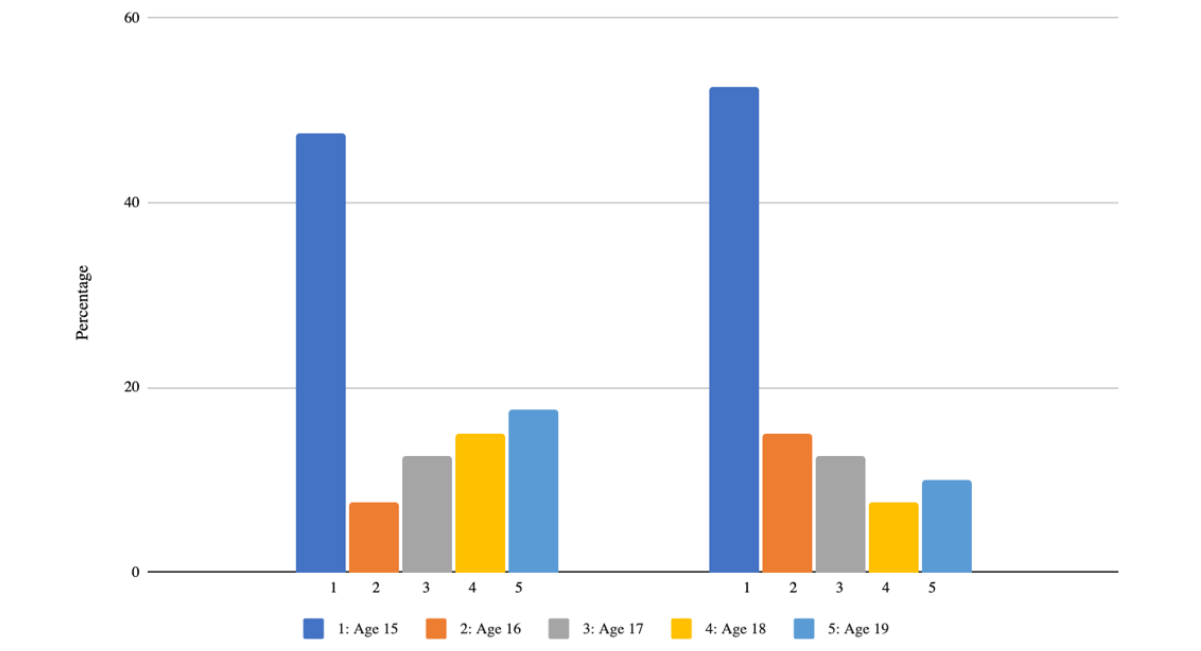
Figure 1: Percentage of participants (ages 15–19) who considered skipping meals (1-A) or attempted "cleansing" or "detox" diets (1-B) influenced by online trends.
Figure 1 shows the bar chart of the percentage of participants across different age groups (15 to 19) who have considered skipping meals to achieve a look seen online (1-A) and have tried "cleansing" or "detox" diets due to online trends (1-B).
The highest percentage is observed for age 15 in both categories, with significantly high values exceeding 50%, and almost similar and comparable values for the ages of 16, 17, 18, and 19.
Adolescents' Body Image Perceptions and Social Media Influence Across Age Groups
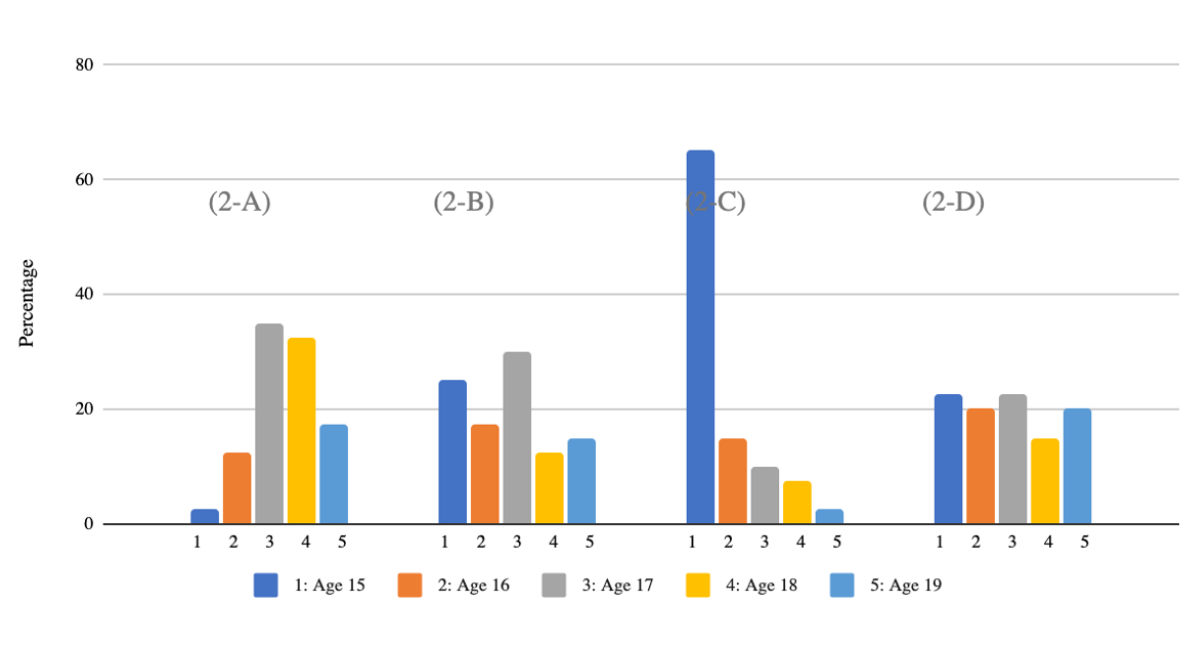
Figure 2: Body image perception and social media influence among adolescents (ages 15–19), including satisfaction with appearance (2-A), body inadequacy after media use (2-B), online body criticism (2-C), and pressure to lose weight from fitness posts (2-D)
Figure 2 presents the following results by age group: (2-A) Satisfaction with appearance shows a significant increase for the ages 17 and 18 (35%) and a comparative value for the ages of 15, 16 and 19 (15%). (2-B) Feelings of body inadequacy after social media use seems to be comparable for all of the considered ages range, revealing that all the examined ranges are all vulnerable periods for negative self-comparison.
(2-C) Experience of online body criticism/bullying remains relatively stable across the ages 16 to 19 with a significant difference for the age of 15 (60%), suggesting this issue spikes throughout the beginning of adolescence. (2-D) Pressure to lose weight from fitness posts follows an inverted U-shape, showing comparable values of 20% for all ages, highlighting how adolescence is particularly susceptible to fitness-related social media pressures.
Adolescents' Social Media Anxiety and Post Deletion Trends by Age
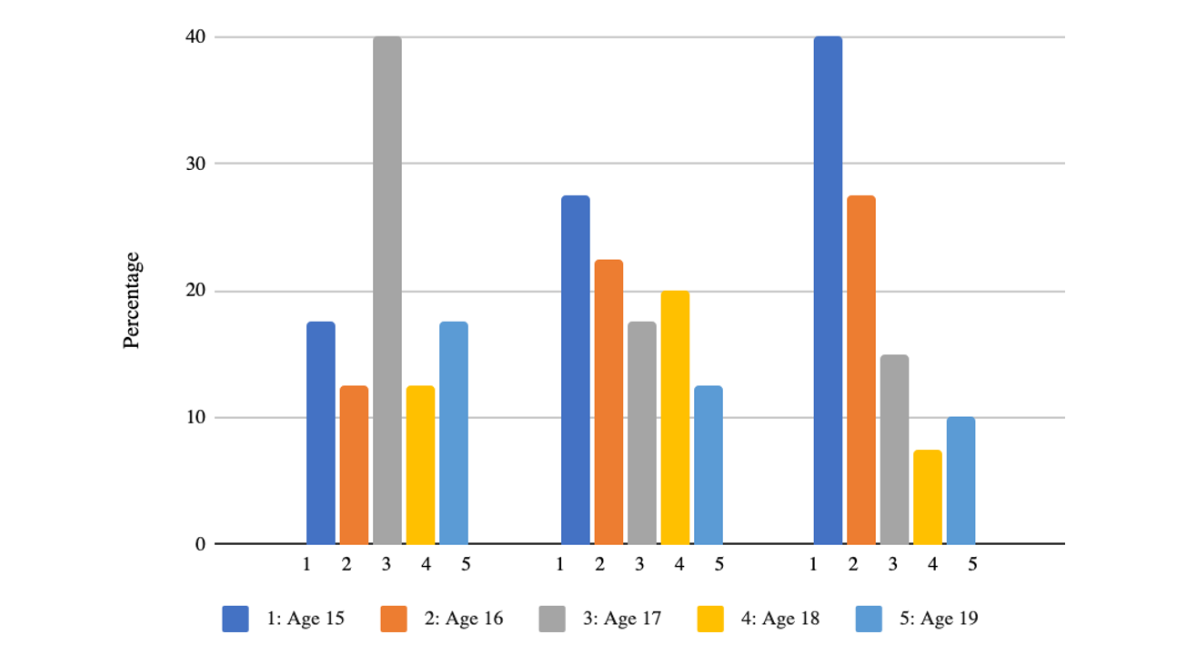
Figure 3: Adolescent engagement with social media influencers and their impact on body image and food choices: comparison to influencers' body ideals (3-A), general social comparison (3-B), and the influence on food choices (3-C)
The Figure 3 results show: (3-A) 40% of 17-year-olds frequently compare themselves to the influencers and believe represent ideal body types, whereas near values of 20% are seen for age 15, 16, 18 and 19. (3-B) All ages commonly in question compare themselves to influencers, with almost similar values of 20%; (3-C) influencer impact on food choices peaks at 40% for 15-year-olds before dropping with a diminishing order to reach 10% by the age of 19.
Influencer Impact on Body Comparison and Food Choices Among Adolescents
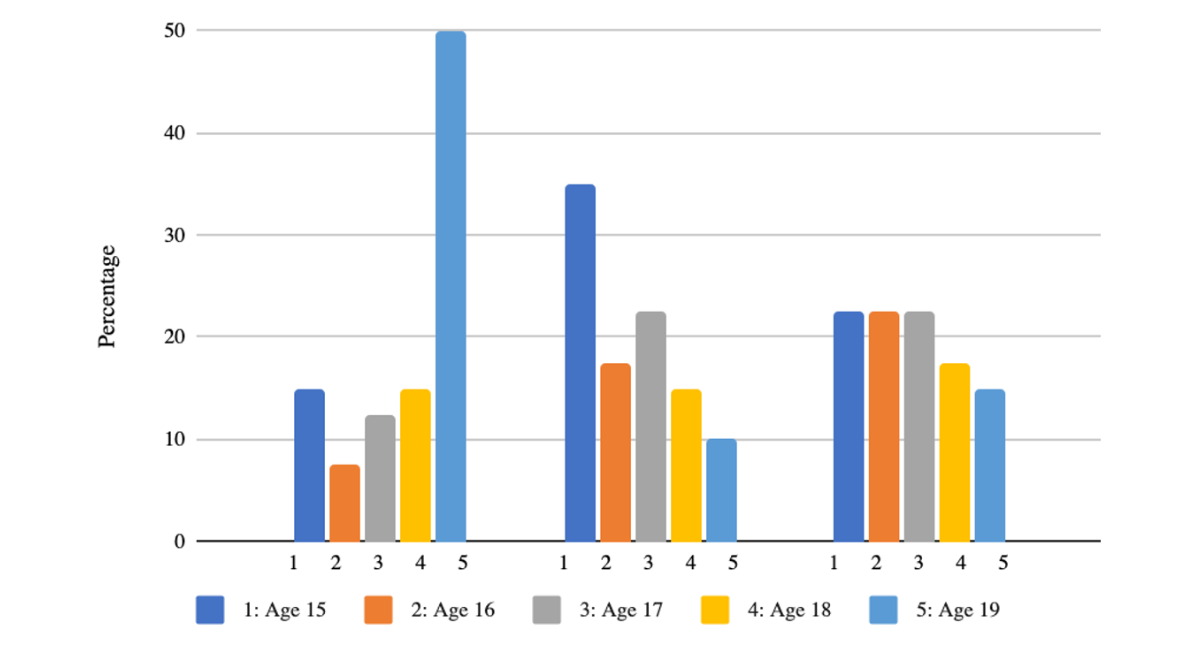
Figure 4: Trends in adolescents' and young adults' behaviors toward social media post removal and associated anxiety: post removal due to appearance dissatisfaction (4-A), post deletion due to low engagement (4-B), and anxiety about posting photos (4-C).
The graph results show: (4-A) Post removal due to appearance dissatisfaction peaks at 60% for 19-year-olds and declines to 20% for the rest of the ages; (4-B) Post deletion from low engagement shows a significant value that reaches 35% at age 15 then drops to 20% for the ages of 16, 17, 18 and 19; (4-C) Anxiety about posting photos shows approximately equivalent values of 20% for all the considered ages.
DISCUSSION
Influence of Online Trends on Meal Skipping and Detox Diets Among Adolescents
Figure 1, illustrates the percentage of adolescents aged 15 to 19 who have either considered skipping meals to attain an online-promoted appearance (A) or attempted "cleansing" or "detox" diets influenced by online trends (B). The data indicates that participants aged 15 (represented by blue bars) report the highest engagement in both behaviors, with nearly 50% considering meal-skipping and a similar percentage attempting detox diets. In contrast, engagement significantly declines with age. These findings align with recent literature suggesting that adolescents exposed to appearance-focused social media content may experience increased pressure to conform to unrealistic beauty standards [6,12]. Similarly, McLean reported that exposure to idealized body imagery on social media may contribute to body dissatisfaction and restrictive eating behaviors among adolescent girls [7]. The findings are also consistent with research conducted by Saiphoo and Vahedi, which identified a significant association between social media use and body image disturbance among adolescents and young adults [13]. Among 16-year-olds (orange bars), both behaviors are less prevalent, with meal-skipping around 10% and detox diets slightly higher. Adolescents aged 17 (gray bars), 18 (yellow bars), and 19 (light blue bars) display relatively stable but lower engagement in these behaviors, with values generally remaining below 20%. Furthermore, Turner and Lefevre found that online “detox” and “clean eating” trends may encourage unhealthy dieting behaviors among younger social media users [17]. The decline in these behaviors among older adolescents may be attributed to increased cognitive and emotional maturity and awareness of the unrealistic nature of online portrayals. However, the persistence of these trends across all age groups indicates that social media continues to influence adolescents’ perceptions of body image and dieting practices. The presence of error bars indicates some variability in the responses, yet the overall trend remains clear - younger adolescents are more susceptible to these behaviors than older ones.
Adolescent's Body Image Perceptions and Social Media Influence Across Age Groups
Figure 2 presents findings related to body image perceptions, feelings of body inadequacy after social media use, experiences of online body criticism, and pressure to lose weight due to fitness-related content. The findings demonstrate that body dissatisfaction and appearance-related anxiety were present across multiple age groups. These results are consistent with recent literature indicating that social media platforms may intensify self-comparison behaviors and increase adolescents’ exposure to unrealistic appearance standards [6,12].
Research by Choukas-Bradley similarly reported that adolescent girls frequently experience heightened appearance-related consciousness and pressure through social media engagement [14]. Additionally, Odgers and Jensen emphasized that adolescents in the digital age remain especially vulnerable to mental health concerns associated with social comparison and online interactions. The relatively consistent levels of body inadequacy reported across age groups in this study may indicate that social media pressures affect adolescents through different stages of their development [9].
Experiences of online body criticism and pressure to lose weight were also evident among participants. Thus, these findings align with recent studies suggesting that fitness-related social media content and online body-focused commentary may negatively affect adolescents’ self-esteem and body satisfaction [7,8]. Overall, the findings support existing literature highlighting the relationship between social media exposure and body image concerns among adolescent girls in Lebanon.
Impact on Body Comparison and Food Choices Among Adolescents
Figure 3 presents a nuanced examination of how social media influencers affect adolescents across three critical dimensions of development, with each metric revealing distinct age-related patterns that reflect underlying psychological and social processes. Participants frequently reported comparing themselves to influencers perceived as representing ideal body types. These findings are consistent with research indicating that influencer culture may significantly shape adolescents’ perceptions of beauty, attractiveness, and lifestyle expectations both in themselves and others.
The findings also support previous literature suggesting that adolescents who regularly engage with influencer content may experience increased social comparison and body dissatisfaction [13]. Given that social media influencers are gaining more exposure and attention, this is a very concerning factor for teenage girls who spend long periods of time on social media. Further, Valkenburg similarly emphasized that repeated exposure to idealized online content may affect adolescents’ emotional well-being and self-perception [6].
Additionally, the results revealed that influencers may affect adolescents’ food-related behaviors and dietary perceptions. These findings suggest that social media influencers may indirectly shape eating habits through promoting certain dieting cultures, fitness ideals, and appearance-centered content. Although older participants demonstrated slightly lower levels of influencer-related impact, these findings suggest that influencer culture remains significant in adolescents' social media experiences.
Adolescents' Social Media Anxiety and Post Deletion Trends by Age
The findings presented in Figure 4 indicate that adolescents experience anxiety related to posting photos online and may delete posts due to dissatisfaction with appearance or having low engagement. Participants across multiple age groups reported concerns regarding online validation and self-presentation. This aligns with Sherman, who found that adolescents are highly responsive to online feedback and social engagement metrics [10].
Similarly, recent literature suggests that social media platforms may contribute to appearance-related anxiety and emotional distress among adolescents, particularly among teenage girls exposed to continuous social evaluation online [8,11]. Choukas-Bradley lso emphasized that adolescent girls frequently experience appearance-related pressure when sharing images on social media platforms. This is reflected in the findings to be culturally relevant to Lebanon as well.
Therefore, the relatively consistent levels of anxiety surrounding photo posting across groups may indicate that concerns related to online self-presentation persist through adolescence. Furthermore, these findings support recent literature highlighting the psychological impact of social media engagement on adolescents’ emotional well-being and self-confidence [18-20].
CONCLUSION
This study highlights the profound influence of social media on the mental health and eating habits of teenage girls aged 15–19. The findings reveal that social media exacerbates body dissatisfaction, low self-esteem with unhealthy dietary practices, particularly among younger adolescents. Key trends include heightened susceptibility to extreme dieting at age 15, persistent body image concerns across all age groups, and significant anxiety related to online self-presentation.
The research underscores the role of influencer culture in shaping adolescents' perceptions of themselves and their eating behaviors. While older teens show some resilience, the pervasive impact of social media necessitates targeted interventions.
Promoting media literacy and critical thinking about online content, providing mental health support are essential steps to mitigate these negative effects. Ultimately, raising awareness about the psychological and behavioral consequences of social media use can empower teenagers to develop healthier relationships with their bodies and food.
Based on the findings, this study recommends implementing media literacy programs in schools to educate adolescents about unrealistic beauty standards portrayed on social media platforms. Mental health awareness initiatives should also be strengthened to support adolescents experiencing body dissatisfaction and social comparison anxiety. Parents, educators, and healthcare professionals should encourage healthy online behaviors and promote positive body image among teenagers 15-20 years old. In addition, social media platforms should consider stricter regulation of harmful dieting and appearance-focused content targeting adolescents.
Future research should expand to more diverse demographics, while conducting longitudinal studies to track age-related impacts to examine the long-term psychological effects of social media exposure on adolescents. Specifically, to provide contextual insights into the experiences of adolescent girls outside Western cultures, such as Lebanon - a population that remains underrepresented in current literature. In addition, future researchers may investigate differences across gender, socioeconomic status, and specific social media platforms to better understand varying patterns of influence on adolescents’ relationship of mental health and eating behaviors. Furthermore, testing intervention programs and exploring policy changes for content moderation could help mitigate these negative effects.
This study contributes to the growing body of literature examining the relationship between social media use, mental health, and eating behaviors among adolescents. Specifically, it provides contextual insights into the experiences of adolescent girls in Lebanon, a population that is underrepresented in current literature as mentioned above. The study also contributes by integrating both psychological and behavioral dimensions of social media influence, highlighting the indirect relationship that exists between online beauty standards, body dissatisfaction, and unhealthy eating patterns.
REFERENCES
- Van der Wal A, Valkenburg PM, van Driel II. In their own words: How adolescents use social media and how it affects them. 2024;10(2):20563051241248591. [Crossref] [Google Scholar]
- Popat A, Tarrant C. Exploring adolescents’ perspectives on social media and mental health and well-being–A qualitative literature review. Clinical child psychology and psychiatry. 2023;28(1):323-37. [Crossref] [Google Scholar] [PubMed]
- Farooq HO, Farrukh H. The influence of social media on adolescents' self-esteem. Qlantic Journal of Social Sciences and Humanities. 2023;4(3):173-82. [Crossref] [Google Scholar]
- Keyes KM, Gary D, O’Malley PM, Hamilton A, Schulenberg J. Recent increases in depressive symptoms among US adolescents: trends from 1991 to 2018. Social psychiatry and psychiatric epidemiology. 2019;54(8):987-96. [Crossref] [Google Scholar] [PubMed]
- Galmiche M, Déchelotte P, Lambert G, Tavolacci MP. Prevalence of eating disorders over the 2000–2018 period: a systematic literature review. The American journal of clinical nutrition. 2019;109(5):1402-13. [Crossref] [Google Scholar] [PubMed]
- Valkenburg PM, Meier A, Beyens I. Social media use and its impact on adolescent mental health: An umbrella review of the evidence. Current opinion in psychology. 2022;44:58-68. [Crossref] [Google Scholar] [PubMed]
- McLean SA, Paxton SJ, Wertheim EH. The role of media literacy in body dissatisfaction and disordered eating: A systematic review. Body image. 2016;19:9-23. [Crossref] [Google Scholar] [PubMed]
- Spies Shapiro LA, Margolin G. Growing up wired: Social networking sites and adolescent psychosocial development. Clinical child and family psychology review. 2014;17(1):1-8. [Crossref] [Google Scholar] [PubMed]
- Odgers CL, Jensen MR. Annual research review: Adolescent mental health in the digital age: Facts, fears, and future directions. Journal of Child Psychology and Psychiatry. 2020;61(3):336-48. [Crossref] [Google Scholar] [PubMed]
- Sherman LE, Payton AA, Hernandez LM, Greenfield PM, Dapretto M. The power of the like in adolescence: Effects of peer influence on neural and behavioral responses to social media. Psychological science. 2016;27(7):1027-35. [Crossref] [Google Scholar] [PubMed]
- Twenge JM, Joiner TE, Rogers ML, Martin GN. Increases in depressive symptoms, suicide-related outcomes, and suicide rates among US adolescents after 2010 and links to increased new media screen time. Clinical psychological science. 2018;6(1):3-17. [Crossref] [Google Scholar]
- Tiggemann M. Digital modification and body image on social media: Disclaimer labels, captions, hashtags, and comments. Body image. 2022;41:172-80. [Crossref] [Google Scholar] [PubMed]
- Saiphoo AN, Vahedi Z. A meta-analytic review of the relationship between social media use and body image disturbance. Computers in human behavior. 2019;101:259-75. [Crossref] [Google Scholar]
- Choukas-Bradley S, Nesi J, Widman L, Higgins MK. Camera-ready: Young women’s appearance-related social media consciousness. Psychology of Popular Media Culture. 2019;8(4):473. [Crossref] [Google Scholar]
- Cohen R, Newton-John T, Slater A. The relationship between Facebook and Instagram appearance-focused activities and body image concerns in young women. Body image. 2017;23:183-7. [Crossref] [Google Scholar]
- De Veirman M, Cauberghe V, Hudders L. Marketing through Instagram influencers: the impact of number of followers and product divergence on brand attitude. International journal of advertising. 2017;36(5):798-828. [Crossref] [Google Scholar]
- Turner PG, Lefevre CE. Instagram use is linked to increased symptoms of orthorexia nervosa. Eating and Weight Disorders-Studies on Anorexia, Bulimia and Obesity. 2017;22(2):277-84. [Crossref] [Google Scholar] [PubMed]
- Odgers CL, Jensen MR . Annual research review: Adolescent mental health in the digital age: Facts, fears, and future directions. Journal of Child Psychology and Psychiatry. 2020;61(3):336-48. [Crossref] [Google Scholar] [PubMed]
- Hudders L, De Jans S, De Veirman M. The commercialization of social media stars: a literature review and conceptual framework on the strategic use of social media influencers. Social media influencers in strategic communication. 2021:24-67. [Google Scholar]
- Erikson EH. Identity youth and crisis. WW Norton & company; 1968. [Google Scholar]

Article Processing Timeline
| 2-5 Days | Initial Quality & Plagiarism Check |
| 25-35 Days |
Peer Review Feedback |
| 45-60 Days | Total article processing time |
Journal Flyer